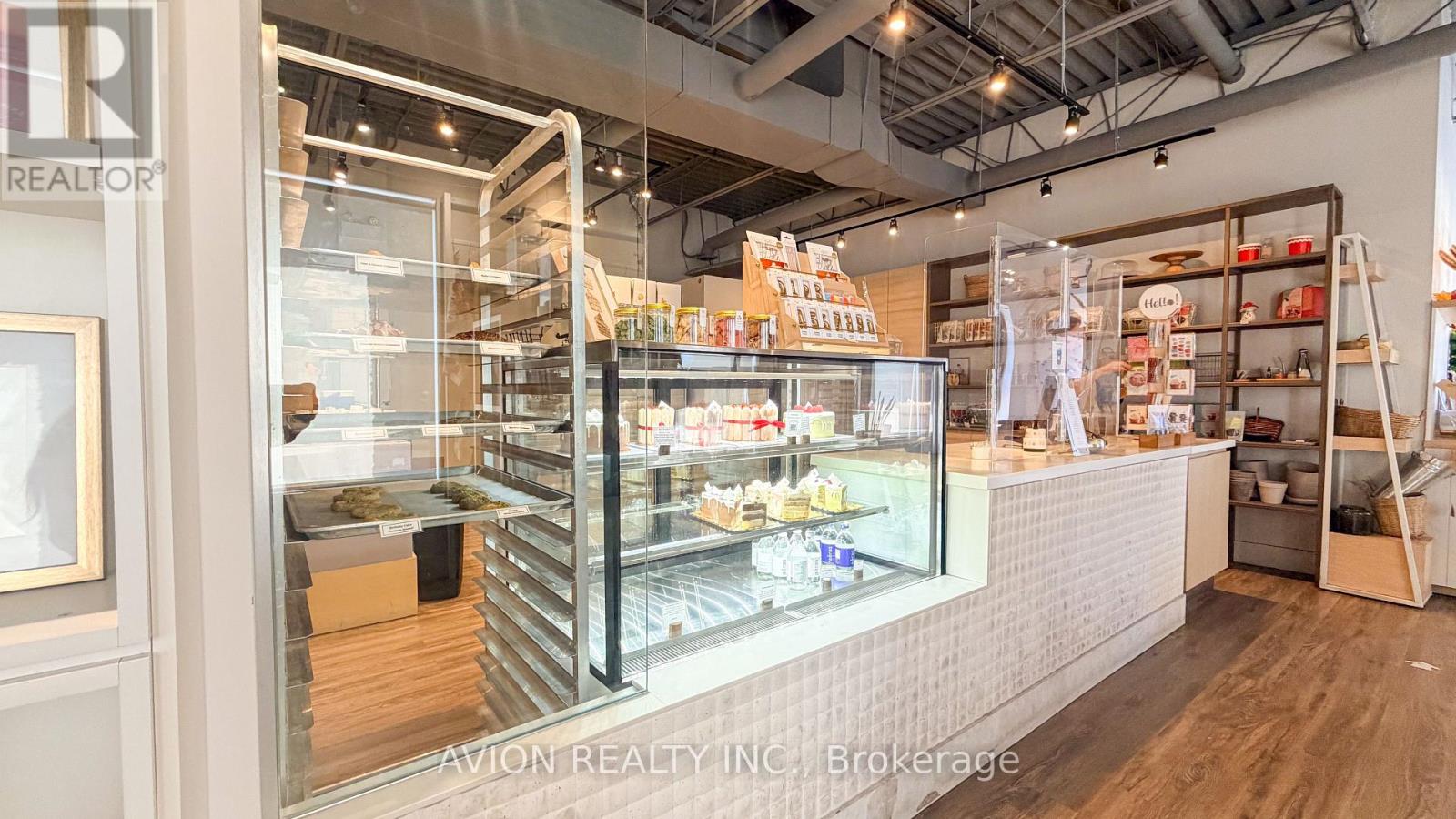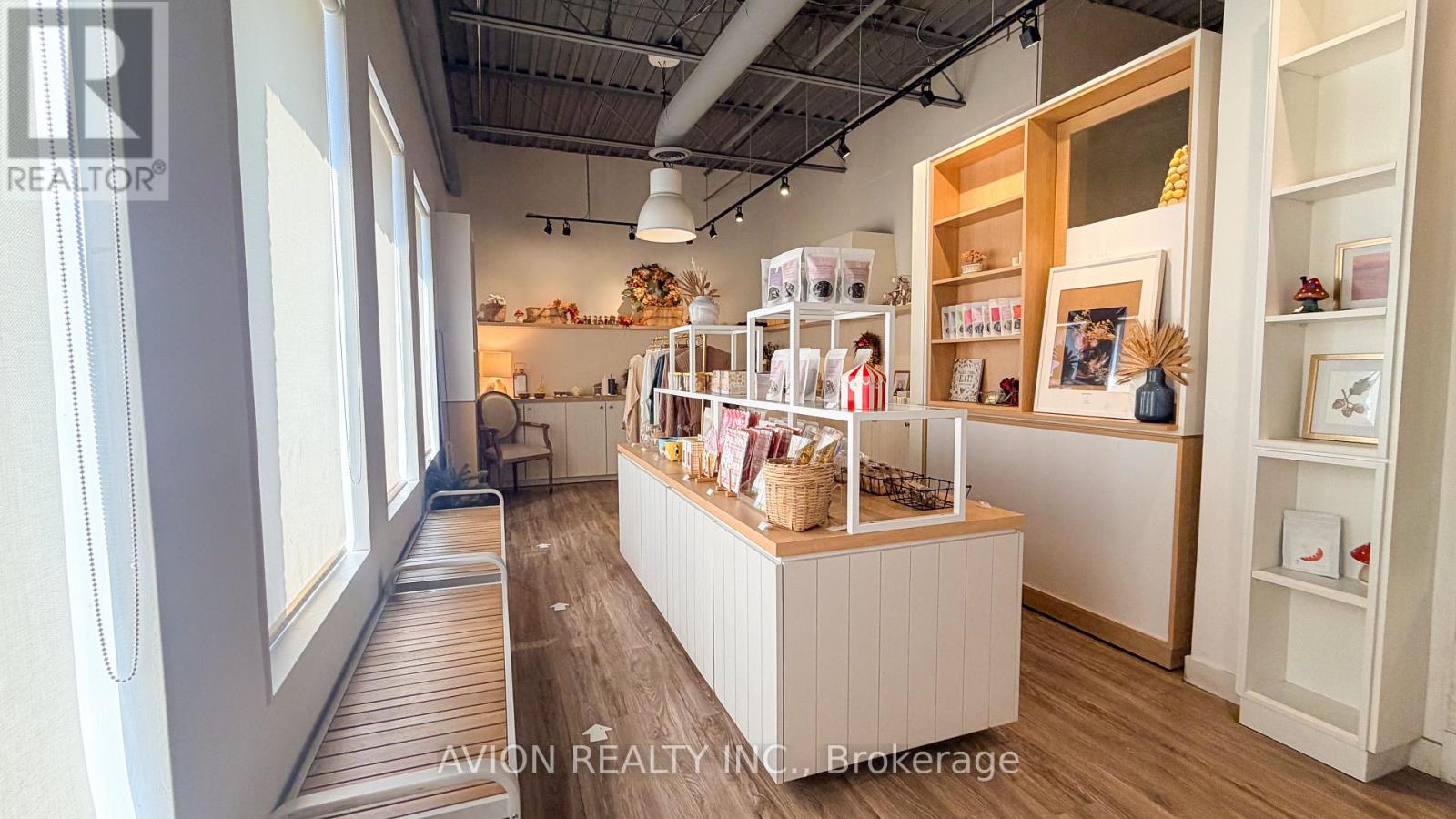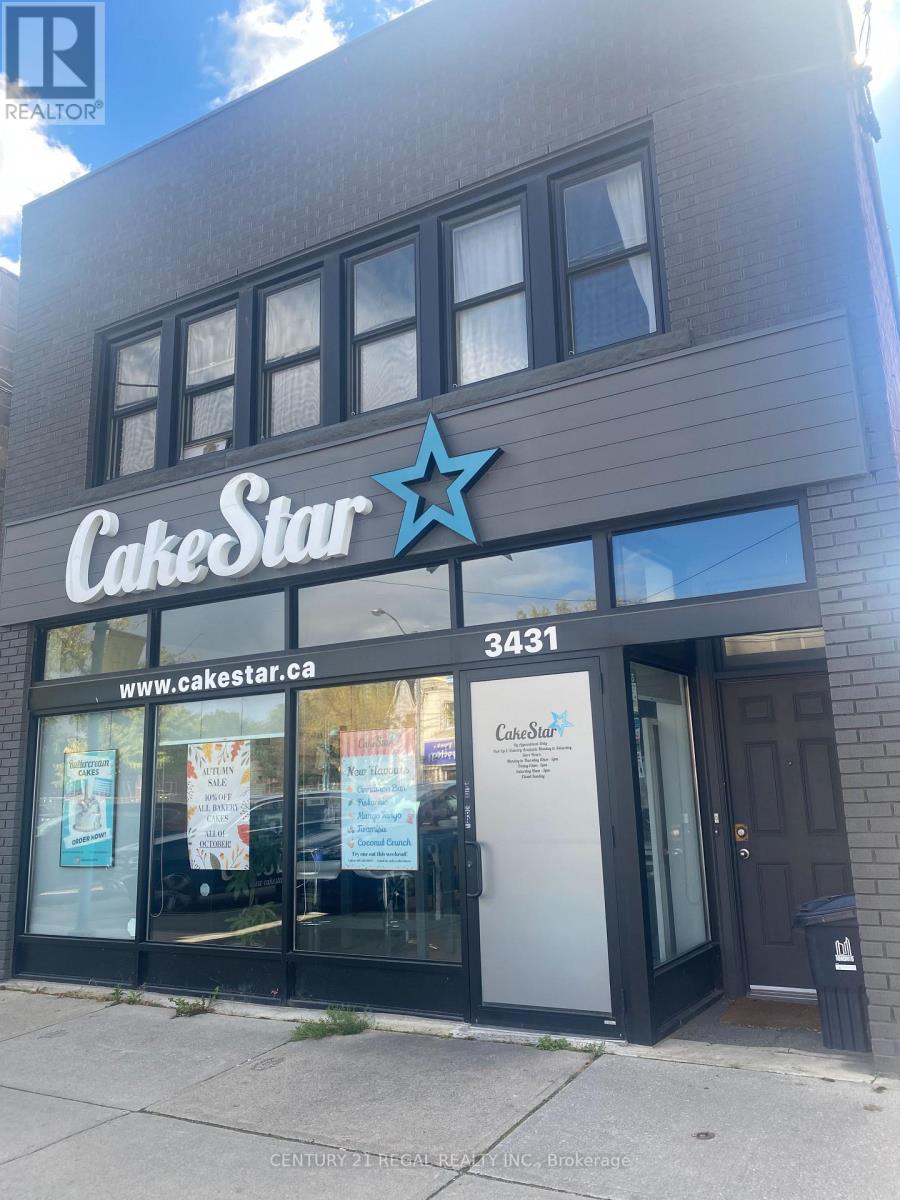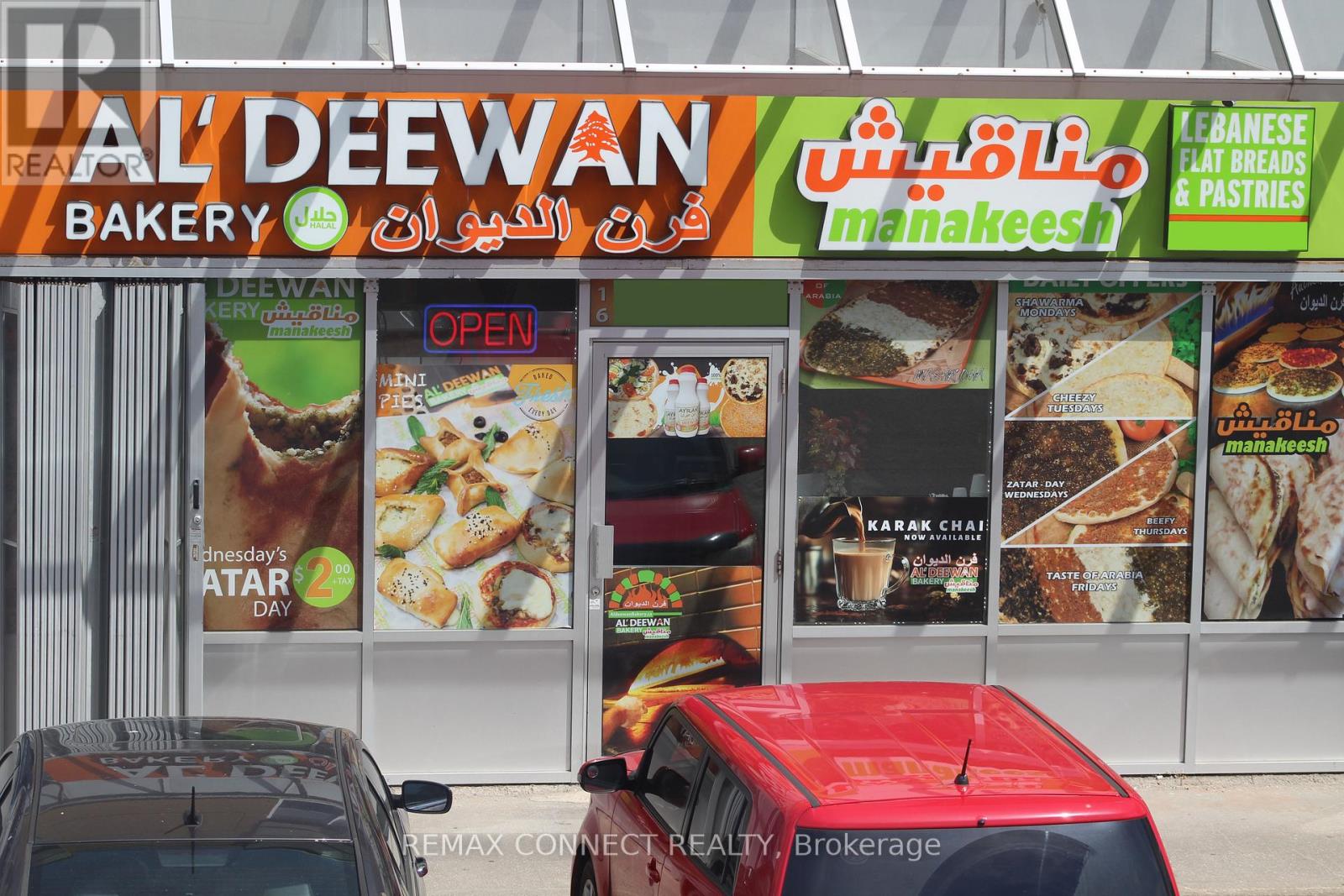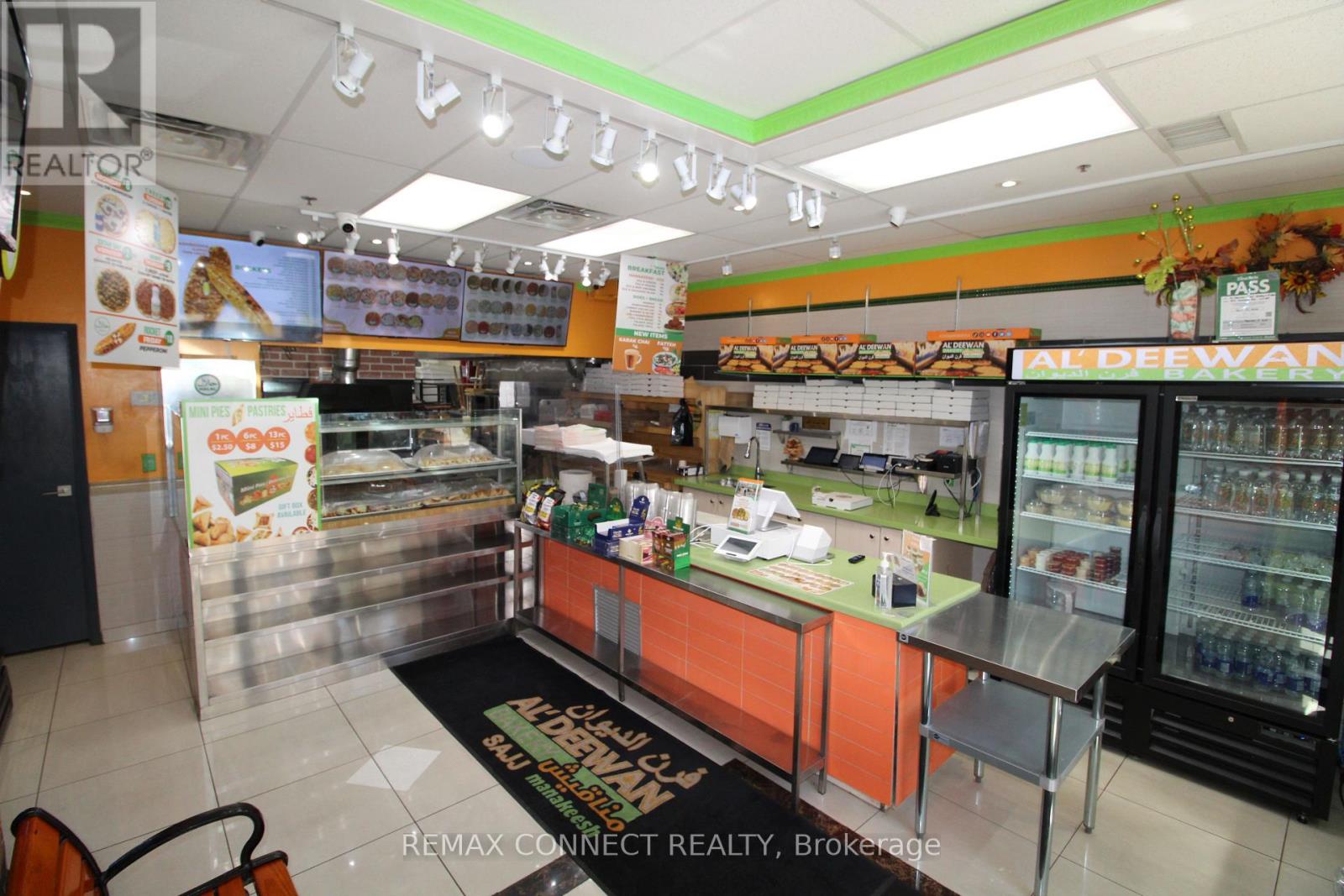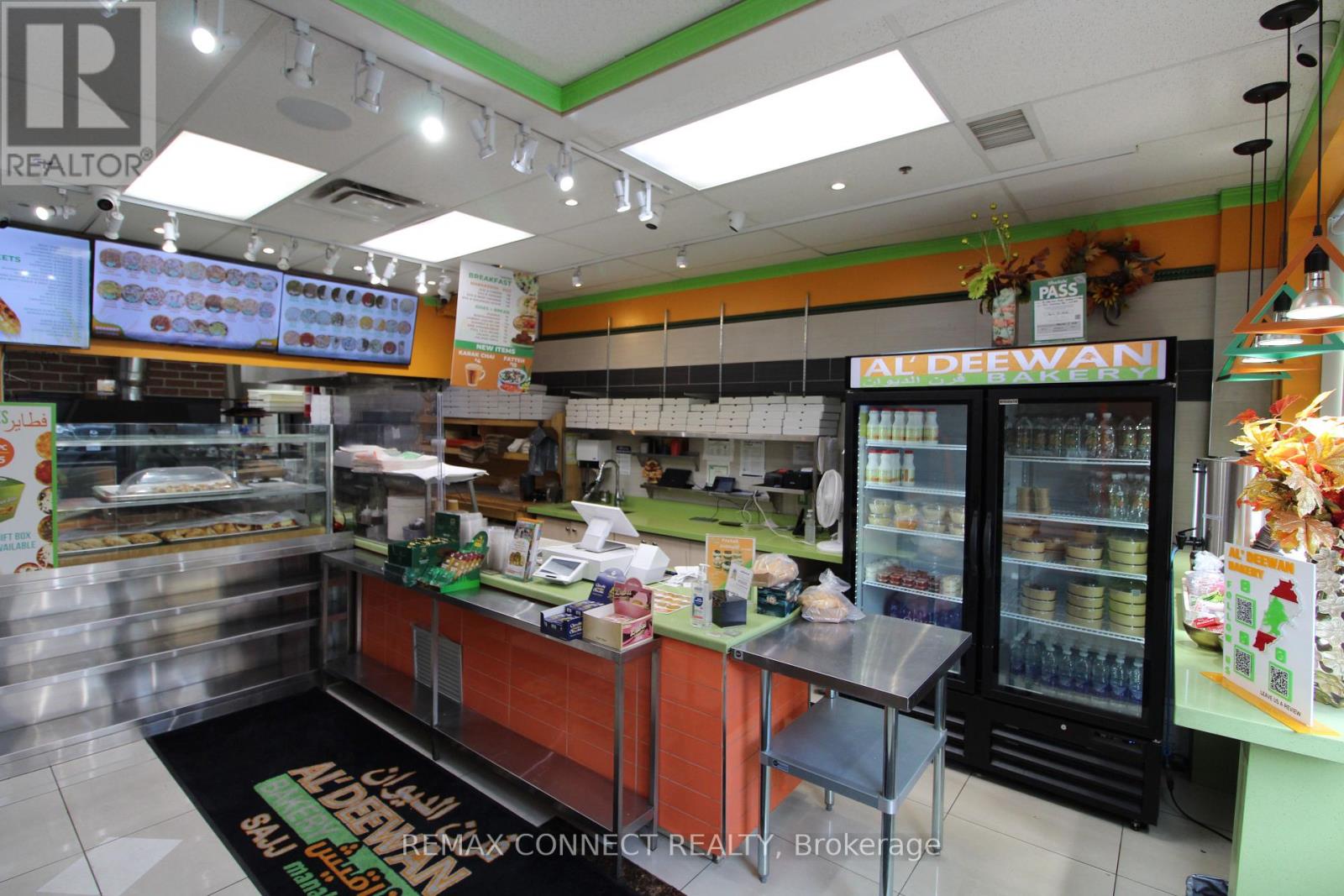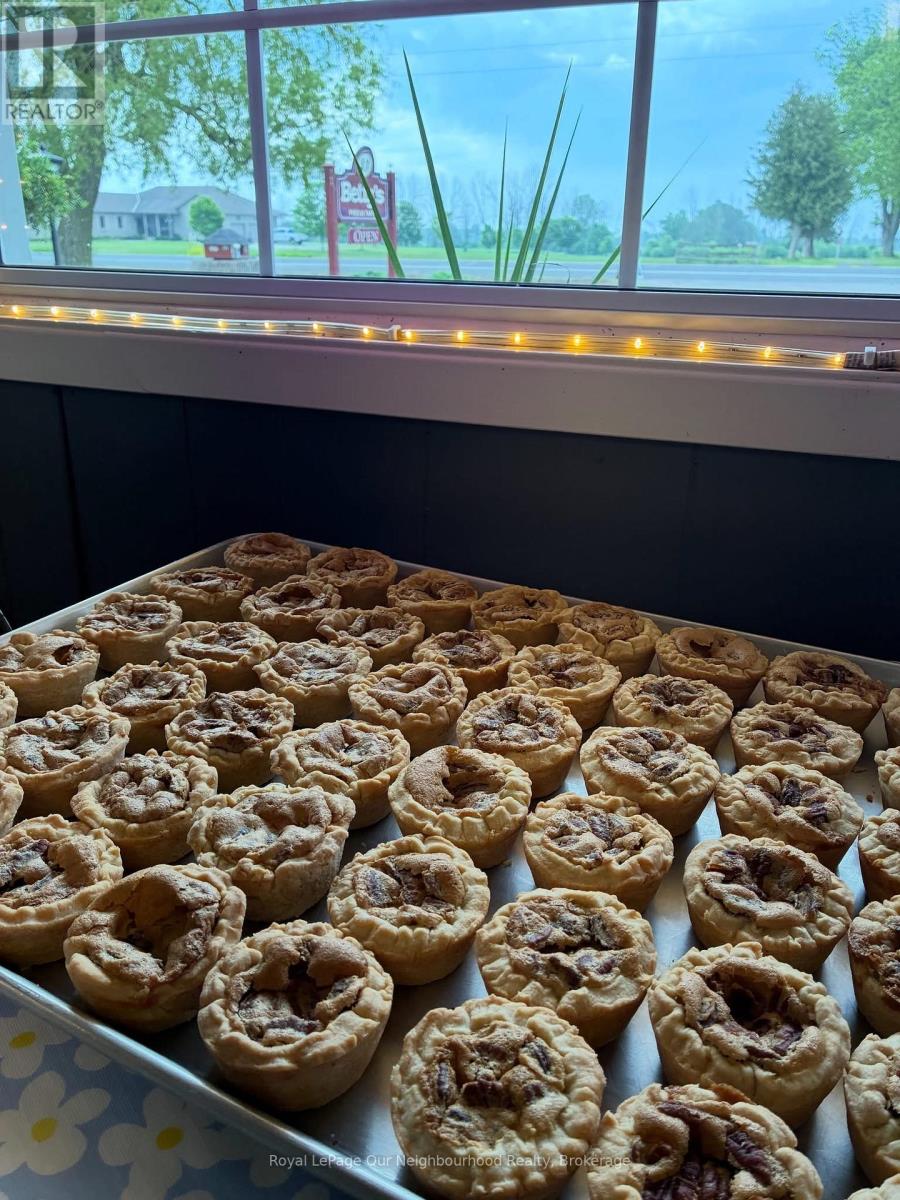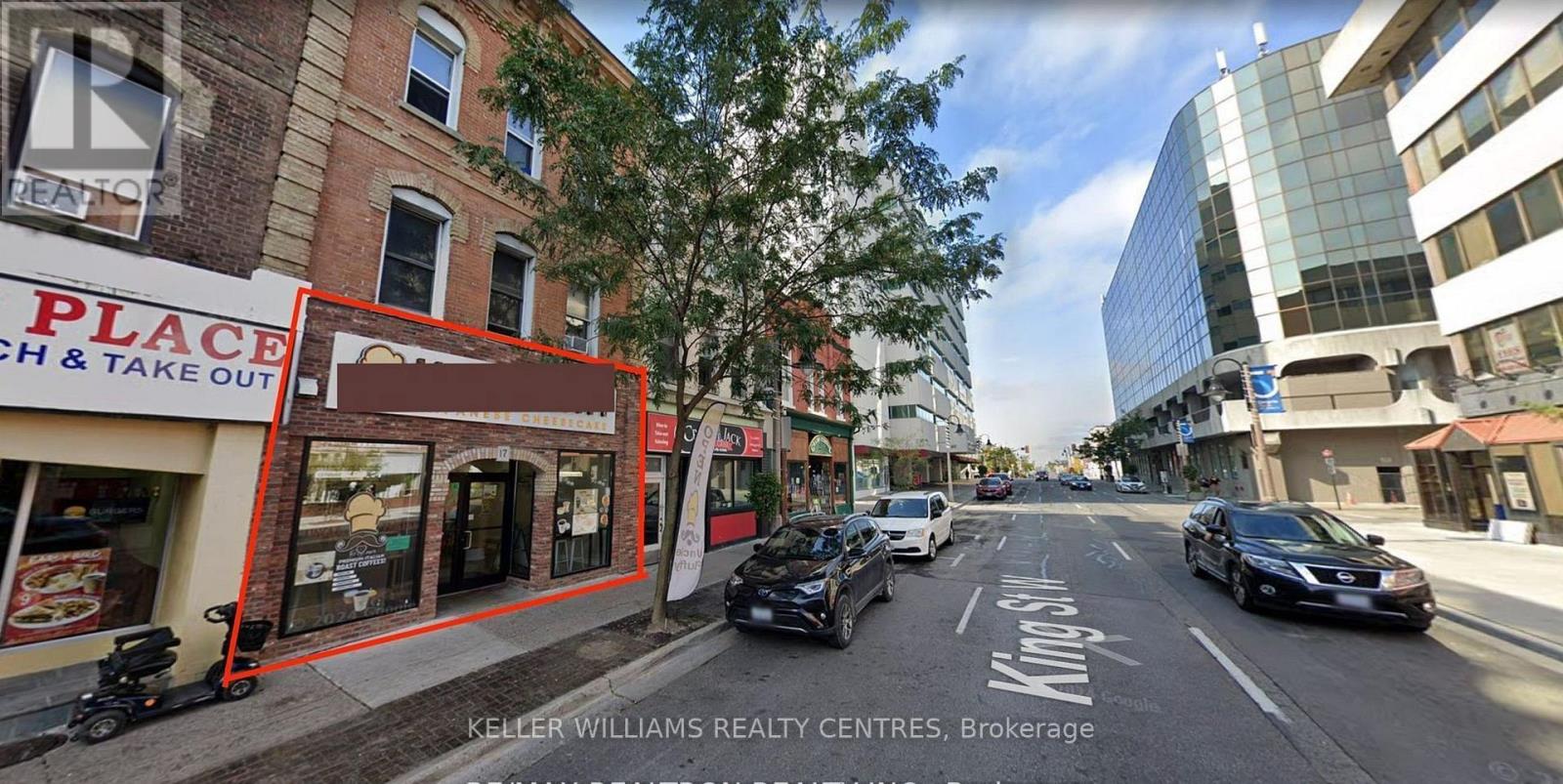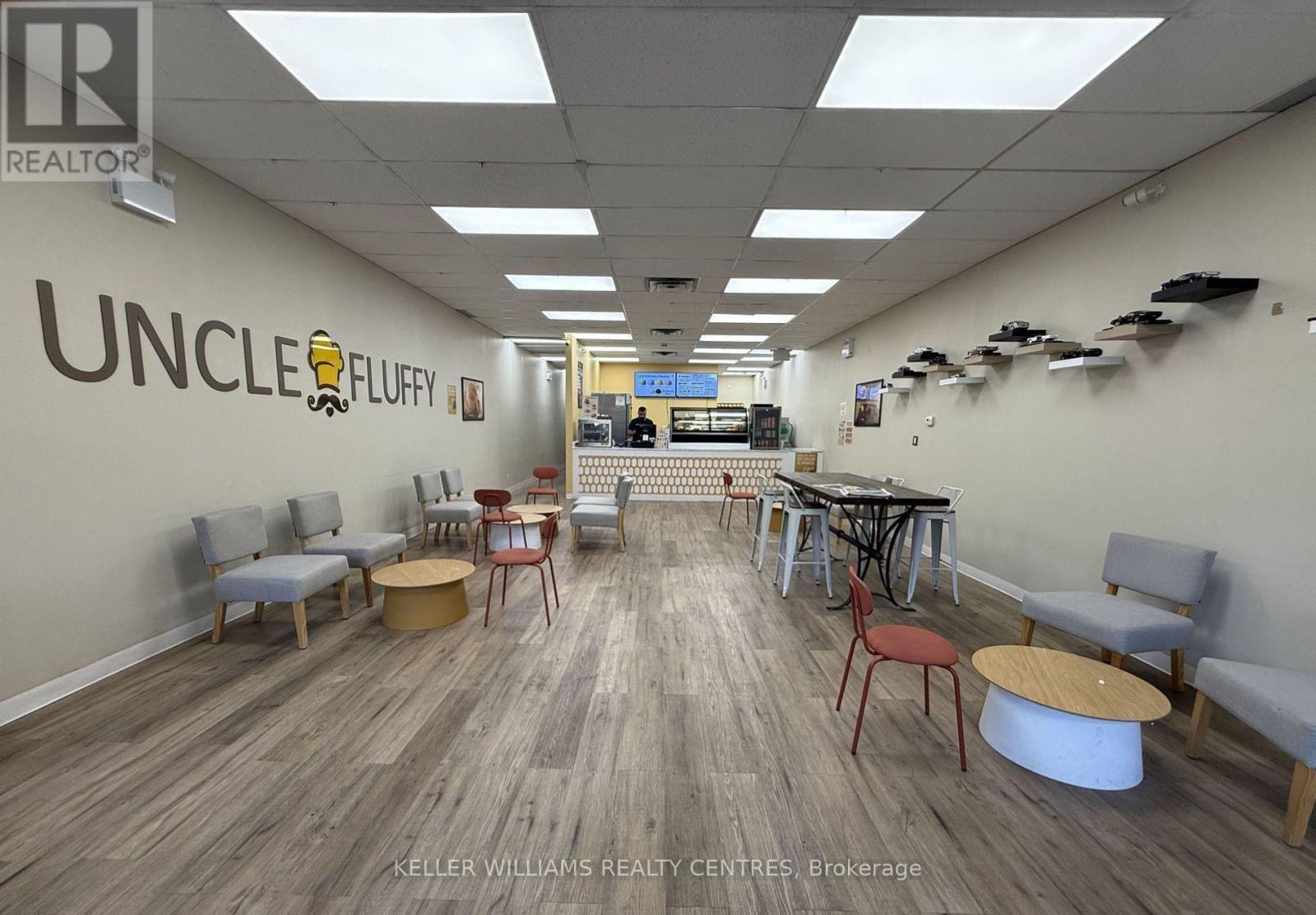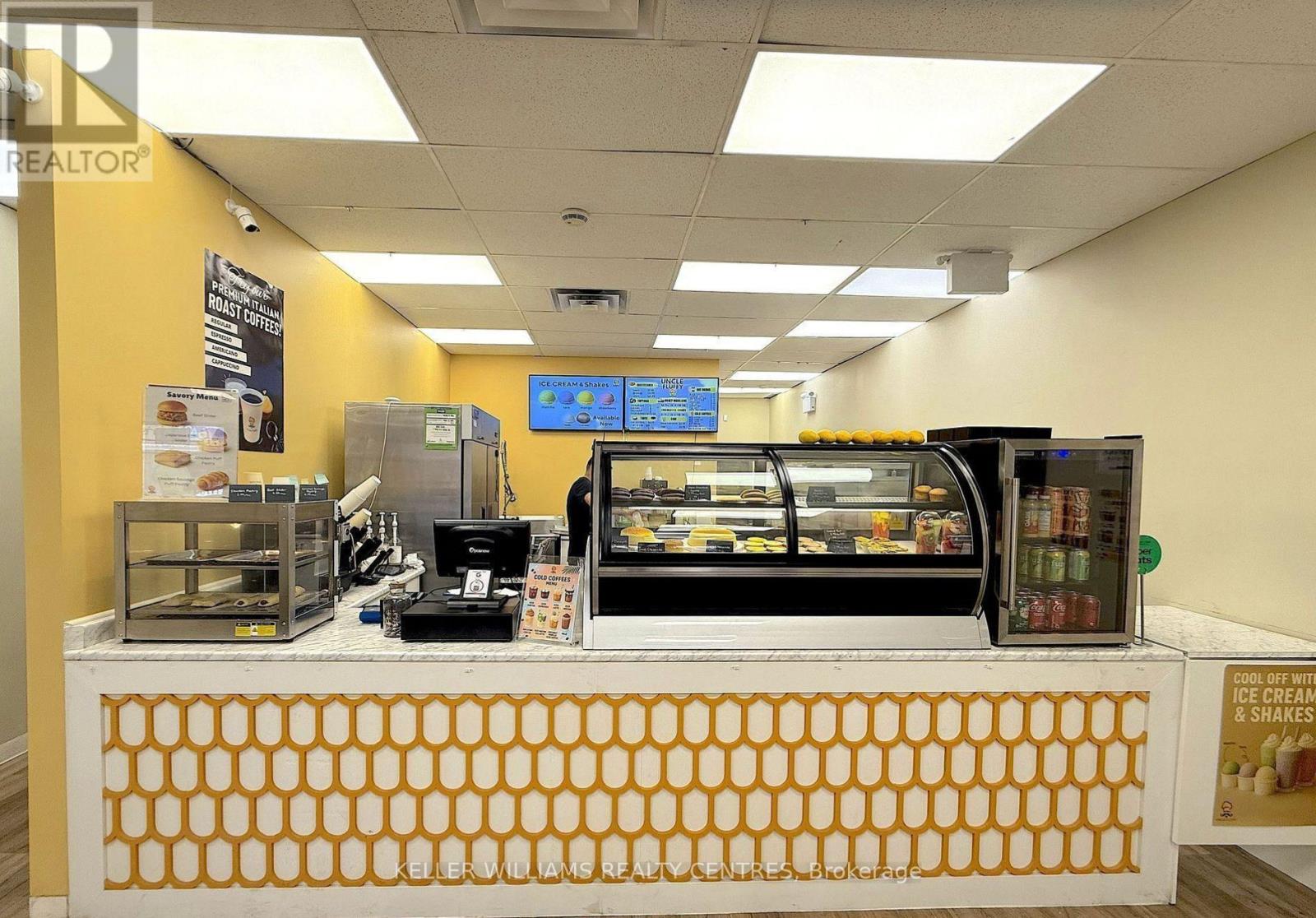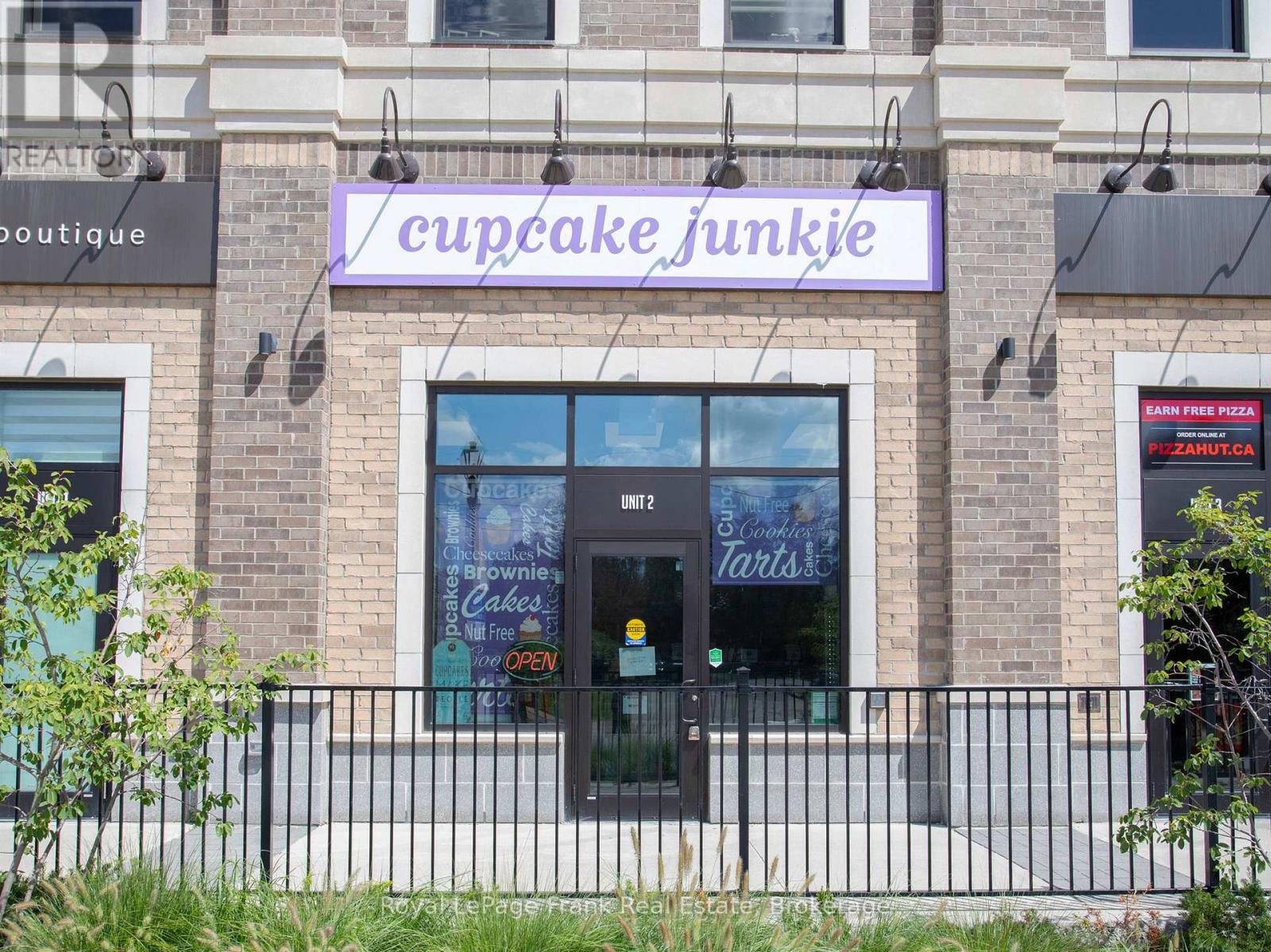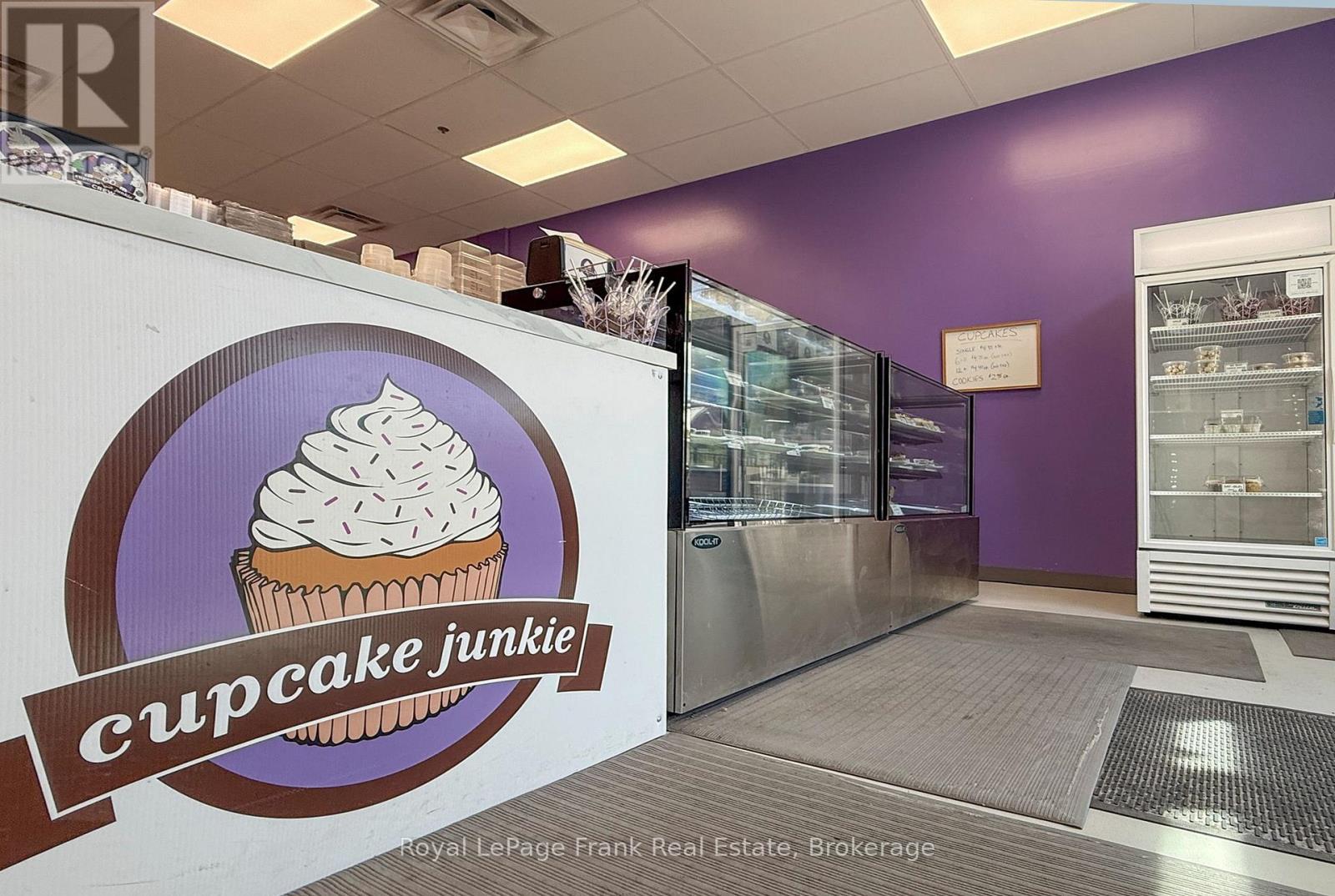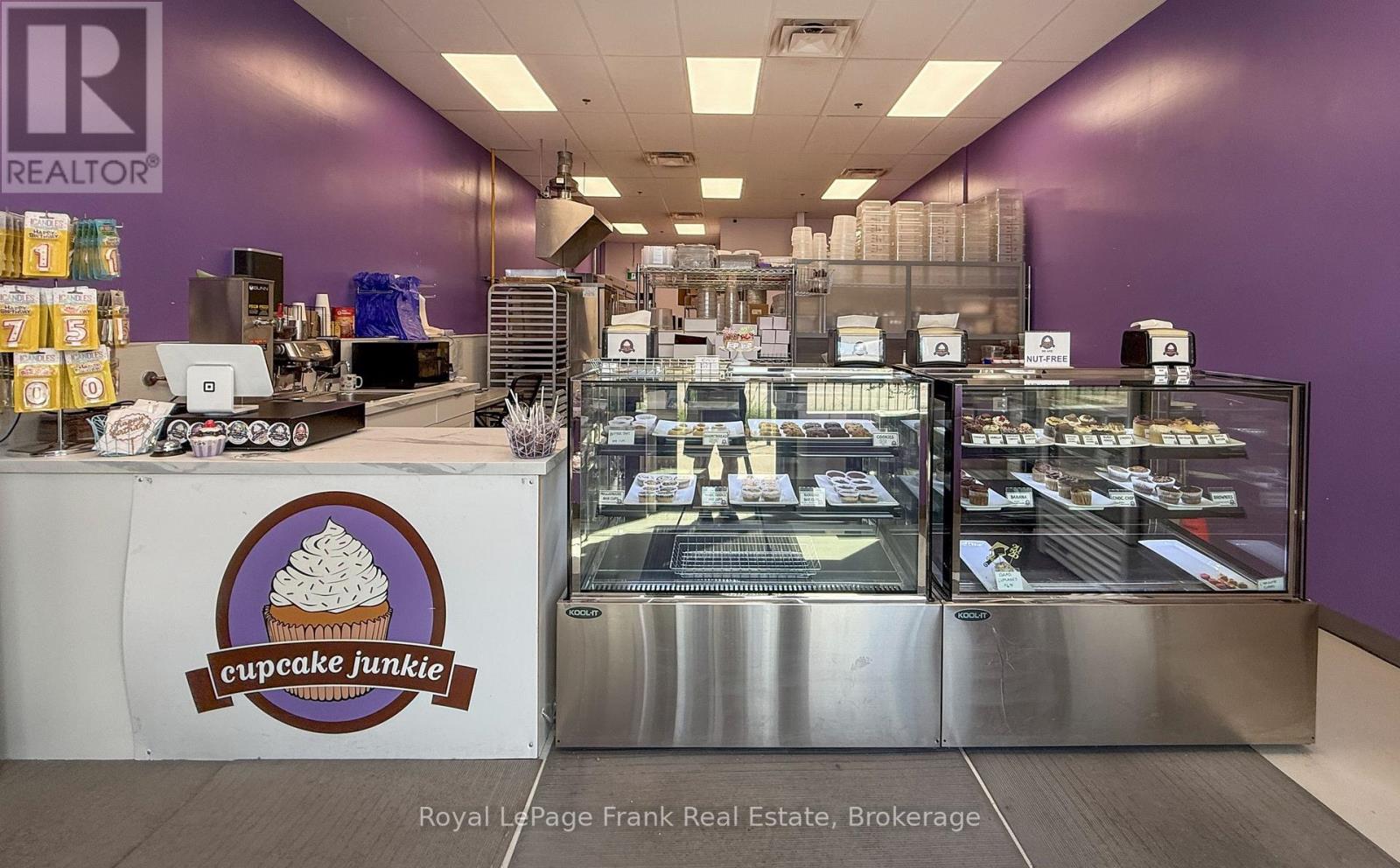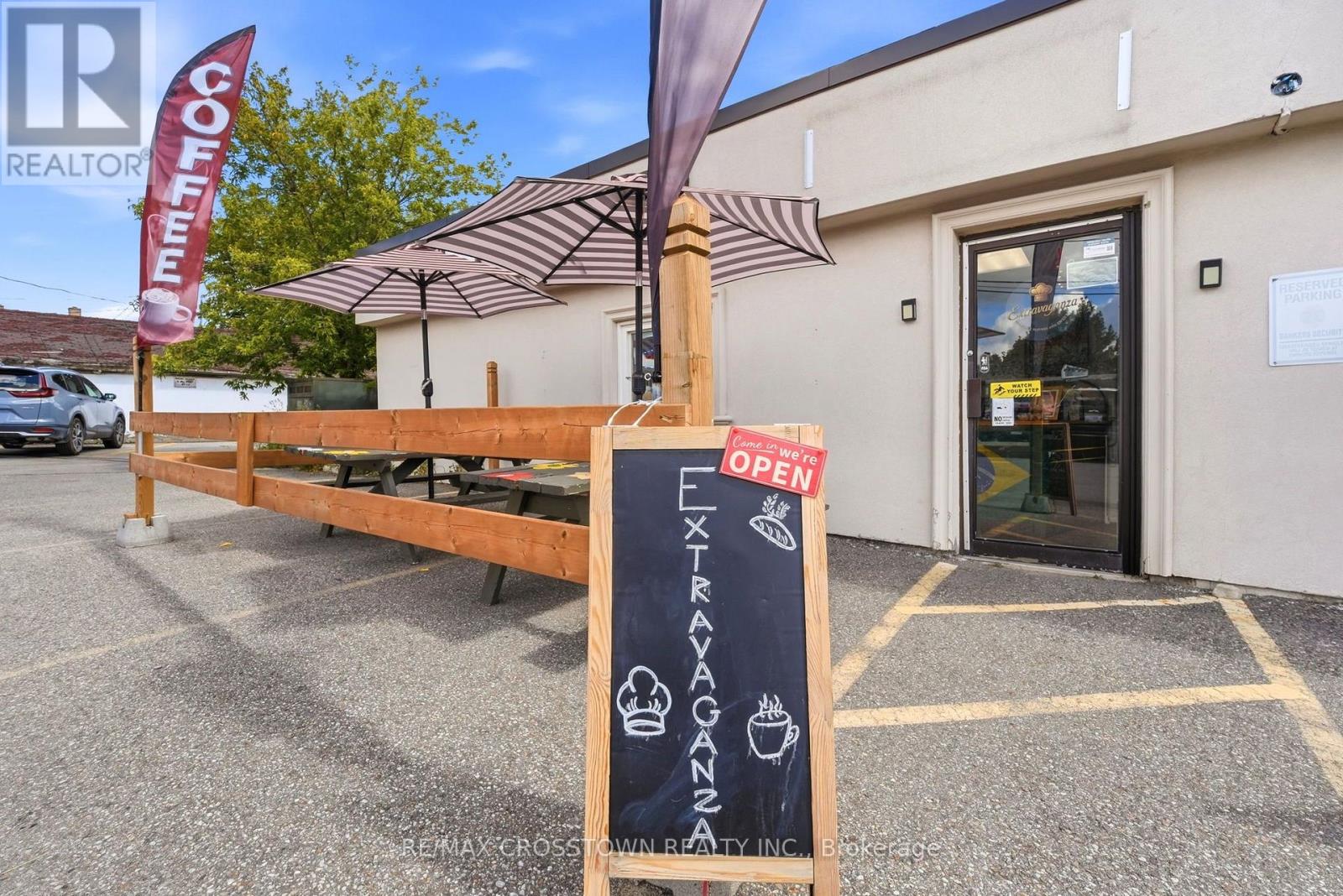
The average asking price for Bakeries : $302,541
The most viewed Bakeries listings on FBF are linked below:
| Bakery for Sale | Bakery for Sale | Bakery for Sale |
| Bakery for Sale | Bakery for Sale | Bakery for Sale |
Written by David Turner, M.A.
You'll begin by analyzing revenue streams between $400K-$800 with 15-25% net margins, then assemble your acquisition team comprising business brokers, chartered accountants, and corporate lawyers. You'll evaluate equipment conditions exceeding $43,000 in value, validate financial projections against 58% industry profitability benchmarks, and negotiate lease terms while ensuring regulatory compliance across provincial jurisdictions. Your due diligence encompasses supplier contracts, customer base verification of 500+ clients, and labour cost ratios , maintaining 24-35% of sales to secure sustainable returns.
Conduct extensive demographic research to align your bakery's offerings with local economic conditions and evolving consumer behaviours across Canada's diverse markets.
Several critical advantages and disadvantages emerge when evaluating bakery acquisition opportunities in Canada's food service sector, requiring thorough analysis of financial, operational, and market-specific factors.
|
Advantages |
Disadvantages |
|
Established revenue streams with 58% profitability rate |
High initial equipment costs exceeding $43,000 |
|
Profitable growth opportunities through special orders |
Operating expenses consuming 75-85% of monthly sales |
|
Lower labour costs and franchising opportunities |
Seasonal revenue fluctuations affecting cash flow |
You'll discover that bakeries offer compelling investment potential through diversified income sources, including retail sales, custom orders, and potential franchising opportunities, while demanding careful management of food costs, representing 30-35% of sales revenue.
Read more
The bakery industry's transformation reflects fundamental shifts in consumer preferences and supply chain dynamics, requiring prospective buyers to analyze market trends that directly impact revenue potential and operational strategies.
You'll need to evaluate how contemporary consumer preference trends reshape product offerings while maneuvering complex bakery supply chain dynamics that affect ingredient sourcing and pricing structures.
Current market forces demanding strategic consideration include:
Understanding market trends positions you to execute the acquisition process systematically, transforming market knowledge into actionable purchase strategies that align with your investment objectives and operational capabilities.
You'll need to evaluate bakery financial projections against industry benchmarks, ensuring projected revenues exceed the $646,000 average while maintaining 75-85% operating cost ratios. Analyze bakery industry demographics to identify target customer segments, then conduct extensive due diligence examining equipment conditions, lease terms, and existing supplier contracts.
Request three years of financial statements, verify licensing compliance, and assess the workforce's technical competencies before negotiating purchase terms that optimize your capital allocation.
Breaking down your acquisition criteria requires establishing non-negotiable parameters that filter prospective bakery purchases through quantifiable metrics, operational benchmarks, and strategic alignment assessments.
You'll evaluate each bakery business plan against predetermined thresholds, ensuring alignment with your investment capacity and operational expertise.
|
Criteria Category |
Primary Metrics |
Target Range |
|
Financial Performance |
Revenue, Net Margin |
$400K-$800K, 15-25% |
|
Operational Efficiency |
Labor Cost Ratio |
24-35% of sales |
|
Market Position |
Customer Base Size |
500+ regular clients |
Your bakery financial metrics must demonstrate sustainable profitability, with revenue exceeding $400,000 annually and documented profit margins between 15-25%.
Four critical professionals form the cornerstone of your bakery acquisition team, each contributing specialized expertise that protects your investment and guarantees regulatory compliance throughout the transaction process. You'll need to establish relationships with these specialists before initiating business acquisition due diligence, and safeguarding their availability aligns with your bakery acquisition criteria and timeline.
Select professionals with food industry experience.
With your professional advisory team assembled, you'll need to systematically evaluate the competitive landscape surrounding your target bakery acquisition, analyzing market positioning, pricing strategies, and customer demographics.
Document each competitor's bakery staffing strategies, including their labour allocation percentages and skill requirements for specialized positions. Examine their bakery marketing tactics through digital presence analysis, promotional calendars, and customer retention programs.
Assess product differentiation, special order capabilities, and seasonal revenue fluctuations across competing establishments. Calculate market share distribution, identify underserved customer segments, and determine competitive advantages that enable sustainable profitability within your target geographic area.
Once you've completed your competitive analysis and identified market opportunities, you'll need to establish specific acquisition criteria, including revenue thresholds, location parameters, and operational characteristics that align with your investment objectives.
You'll meet prospective sellers through business brokers, industry associations, and direct outreach to assess bakery acquisition suitability based on financial performance, equipment condition, and customer retention rates. Request exhaustive documentation including three years of financial statements, equipment inventories, and lease agreements before scheduling site visits.
During seller meetings, evaluate operational workflows, verify revenue claims against bank deposits, and analyze profit margins against the industry's 15-25% benchmark for sustainable operations.
Before committing capital to your bakery acquisition, you'll need to execute extensive pre-offer due diligence by analyzing the target's historical financial statements, which should demonstrate profit margins between 15% and 25% after accounting for operating expenses representing 75-85% of monthly sales.
You must review the detailed asset list to verify equipment valuations, examine all operating licenses and permits for compliance with provincial regulations, and negotiate partial vendor financing terms that reduce your initial capital requirements below the typical $60,000-$70,000 threshold.
Your acquisition budget should incorporate not only the purchase price but also post-completion costs, including working capital requirements, contingency reserves equaling 10-20% of total investment, and immediate operational improvements necessary to maintain the bakery's average daily revenue stream.
Several critical financial documents require thorough examination during pre-offer due diligence, including profit and loss statements, balance sheets, cash flow statements, and tax returns spanning at least three years. You'll scrutinize revenue streams, expense patterns, and profitability trends to validate the bakery's financial health and identify potential risks affecting your investment decision.
|
Financial Metric |
Target Range |
|
Gross Profit Margin |
60-70% |
|
Operating Expenses |
75-85% of sales |
|
Food Costs |
30-35% of sales |
|
Labour Costs |
24-40% of sales |
|
Net Profit Margin |
15-25% |
Compare historical performance against industry benchmarks, examining revenue forecasting accuracy and financial reporting consistency to determine true earning potential.
You'll need to obtain and meticulously review a detailed asset list from the seller, documenting every piece of equipment, inventory, and tangible property included in the bakery acquisition. Cross-reference each item's condition, age, and maintenance records against the bakery equipment valuation to verify accurate pricing and identify potential replacement costs.
|
Asset Category |
Valuation Method |
Verification Required |
|
Commercial Ovens |
Depreciated Cost |
Service Records |
|
Mixers/Processors |
Market Comparison |
Physical Inspection |
|
Display Cases |
Replacement Value |
Warranty Status |
|
POS Systems |
Technology Assessment |
Software Licenses |
|
Small Equipment |
Bulk Valuation |
Inventory Count |
Request photographic evidence and serial numbers for high-value assets, ensuring your investment includes operational equipment that won't require immediate capital expenditures post-acquisition.
Obtaining and scrutinizing all operating licenses and permits represents a fundamental component of pre-acquisition due diligence, particularly given the stringent regulatory requirements governing food service establishments in Canada.
You'll need to verify compliance with bakery zoning regulations, ensuring the property permits commercial food production and retail operations within municipal bylaws. Request documentation confirming current bakery insurance requirements, including general liability, product liability, and property coverage policies.
Examine health department certifications, food handling permits, business licenses, and fire safety certificates. Any lapses, violations, or pending renewals could necessitate immediate capital expenditure or potentially derail your acquisition timeline entirely.
While traditional bank financing typically covers 50-70% of acquisition costs, requesting partial vendor financing demonstrates your commitment to the transaction and creates a mutually beneficial risk-sharing arrangement.
Structure vendor financing terms to include 10-30% of the purchase price, payable over 24-60 months at competitive interest rates. Document vendor financing requirements extensively, specifying payment schedules, security provisions, and performance benchmarks tied to historical revenue patterns.
Negotiate earnout clauses linking final payments to achieving predetermined EBITDA targets, thereby aligning seller compensation with successful business changeover. This strategic approach reduces your initial capital requirements while incentivizing the vendor's continued support during ownership transfer.
Setting aside substantial acquisition budgets protects against unexpected financial shortfalls that frequently derail bakery purchases during critical transfer periods. You'll need thorough budget allocation strategies encompassing both immediate acquisition expenses and subsequent operating cost management requirements.
Why should professional business valuation precede any bakery acquisition decision you're considering? Independent valuation establishes objective market value through exhaustive analysis of financial performance, operational efficiency, and growth potential.
You'll need appraisers with professional appraisal qualifications specializing in food service businesses, particularly bakeries. Their careful financial modelling examines revenue streams, including special orders comprising seasonal fluctuations, while analyzing operating margins against industry benchmarks of 75-85% expense ratios.
This technical assessment provides negotiation leverage, validates asking prices, and identifies hidden liabilities or undervalued assets, ensuring your investment decision aligns with market realities and projected returns.
When structuring your conditional offer or LOI, you'll need to determine whether to propose an asset purchase or share purchase transaction, as each structure carries distinct tax implications, liability exposures, and operational continuities.
Asset purchases enable you to acquire specific equipment, inventory, and intangible assets while avoiding predecessor liabilities, though they typically require individual transfers of contracts, permits, and vendor relationships.
Share purchases provide operational continuity through automatic transfer of all contracts and permits yet expose you to potential hidden liabilities and require thorough due diligence on corporate records, tax filings, and employment obligations.
Understanding the fundamental differences between asset and share purchase structures represents a critical decision point that will markedly impact your bakery acquisition's tax implications, liability exposure, and operational change.
|
Purchase Type |
Tax Impact |
Liability Risk |
Operational Freedom |
|
Asset Sale |
Higher seller taxes |
Lower buyer risk |
Maximum flexibility |
|
Share Sale |
Capital gains treatment |
Inherited liabilities |
Restricted changes |
Before approaching lenders or investors for bakery acquisition financing, you'll need to develop an extensive business plan that demonstrates the venture's financial viability and your capacity to generate sustainable profits.
Begin budgeting for startup by documenting equipment costs, licensing fees, and operational expenses, ensuring contingency reserves represent 10-20% of total capital requirements. When calculating profit margins, analyze the target bakery's historical financial statements, projecting 75-85% of monthly sales for operating expenses.
Include detailed cash flow forecasts, break-even analysis, and revenue projections incorporating seasonal fluctuations from special orders, demonstrating your understanding of the bakery industry's 3.5% projected growth trajectory.
You'll need to secure appropriate financing through traditional banks, government programs, or alternative funding structures to complete your bakery acquisition successfully. Understanding available options enables strategic decision-making:
Evaluate each financing source's requirements, terms, and alignment with your acquisition strategy.
Once financing approval materializes and due diligence validates operational assumptions, you're positioned to execute the final acquisition documents and transfer bakery ownership.
Throughout the bakery acquisition process, you'll need to synthesize market data, financial projections, and operational assessments into an all-encompassing investment thesis that validates your purchase decision.
Calculate your anticipated owner's salary against projected revenues, ensuring it remains below 50% of net profits while maintaining competitive compensation structures. Allocate remaining profit investment toward equipment modernization, marketing expansion, and contingency reserves, thereby establishing sustainable growth trajectories.
Document performance metrics, monitor cash flow patterns, and adjust operational strategies accordingly. Your success depends on balancing personal financial objectives with strategic reinvestment decisions that strengthen market positioning and operational resilience.
Diving into Canada's bakery acquisition landscape requires exhaustive access to government databases, industry associations, and professional advisory networks that provide critical market intelligence and regulatory guidance. You'll need extensive resources to navigate bakery licensing requirements and bakery food safety regulations while ensuring compliance throughout your acquisition process.
Setting up your bakery business in Canada requires strict adherence to multiple layers of government regulations that govern food safety, business operations, and consumer protection standards. You'll navigate complex regulatory frameworks across federal, provincial, and municipal jurisdictions to guarantee compliance.
Contact Innovation, Science and Economic Development Canada for thorough regulatory guidance specific to your province's bakery sector requirements.
A: Typical profit margins range from 15% to 25% for a well-established, profitable business bakery or cafe and can be higher for a turn key bakery with high sales volume. A bakery for sale in a prime location or high-traffic coffee shop/cafe area with a loyal customer base and wholesale bakery contracts will see better margins after rent, ingredients, and commercial kitchen costs.
A: Reserve 3–4 months of operating expenses for a bakery located in a high-traffic location or a cafe and bakery combo; for larger commercial kitchen operations or wholesale bakery models, consider 4–6 months. This covers payroll, inventory of pastry and baked goods, utilities, rent for the square feet occupied, and initial marketing to maintain steady foot traffic and steady sales while transitioning ownership.
A: Most listings are turnkey and include ovens, mixers, proofers, display cases, refrigeration, and full commercial kitchen equipment. A well-established bakery for sale often transfers vendor lists and recipes for pastry and dessert business items, and sometimes the owner will train the new owner. Check listing details with the real estate board or business broker for exact inclusions and square footage of the space.
A: Review purchase histories, retention rates, annual sales, and profitability per client for the bakery business or coffee shop/cafe accounts. Check supplier and lease terms for the commercial kitchen and fully equipped bakery, franchise agreements, or asset sale details. Assess the loyal customer base, foot traffic, growth potential, prime location (Toronto or Vancouver listings), high-traffic exposure, and whether the listing is a turnkey, profitable business opportunity or ownership share.
A: Retaining experienced bakers and front‑of‑house staff preserves recipes, pastry quality, and loyal customers, especially in a well-established, family‑run, or wholesale bakery. For a bakery for sale or cafe listing, negotiate staff transition terms; many sellers offer owner training periods to protect high sales volume. Keeping staff supports turnkey operations, eases buyer takeover, maintains profitability, and maximizes the rare opportunity in a prime, high-traffic location.
Data is supplied by CREA who is the owner of the copyright in its MLS®System. Data provided is deemed reliable but is not guaranteed accurate by CREA. The trademarks MLS®, Multiple Listing Service® and the associated logos are owned by The Canadian Real Estate Association (CREA) and identify the quality of services provided by real estate professionals who are members of CREA. Used under license.