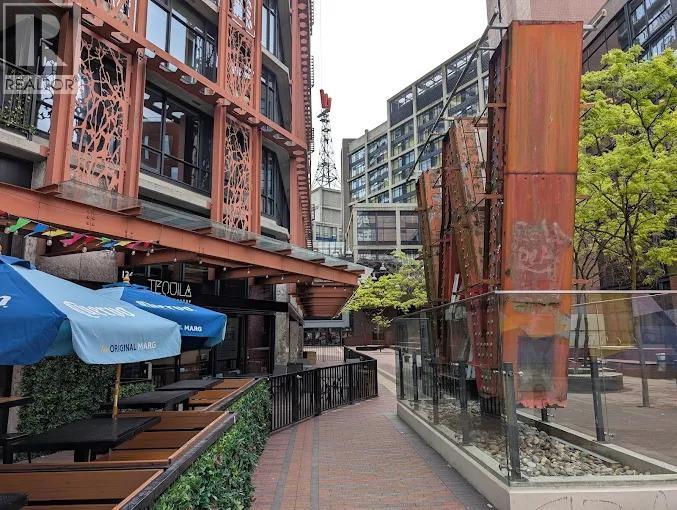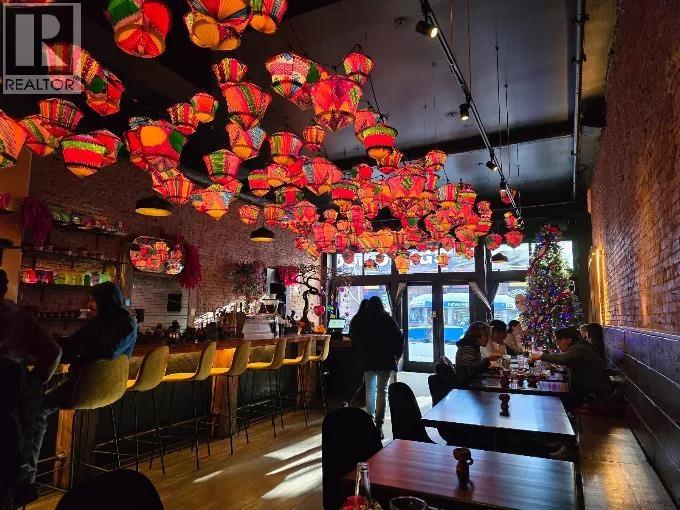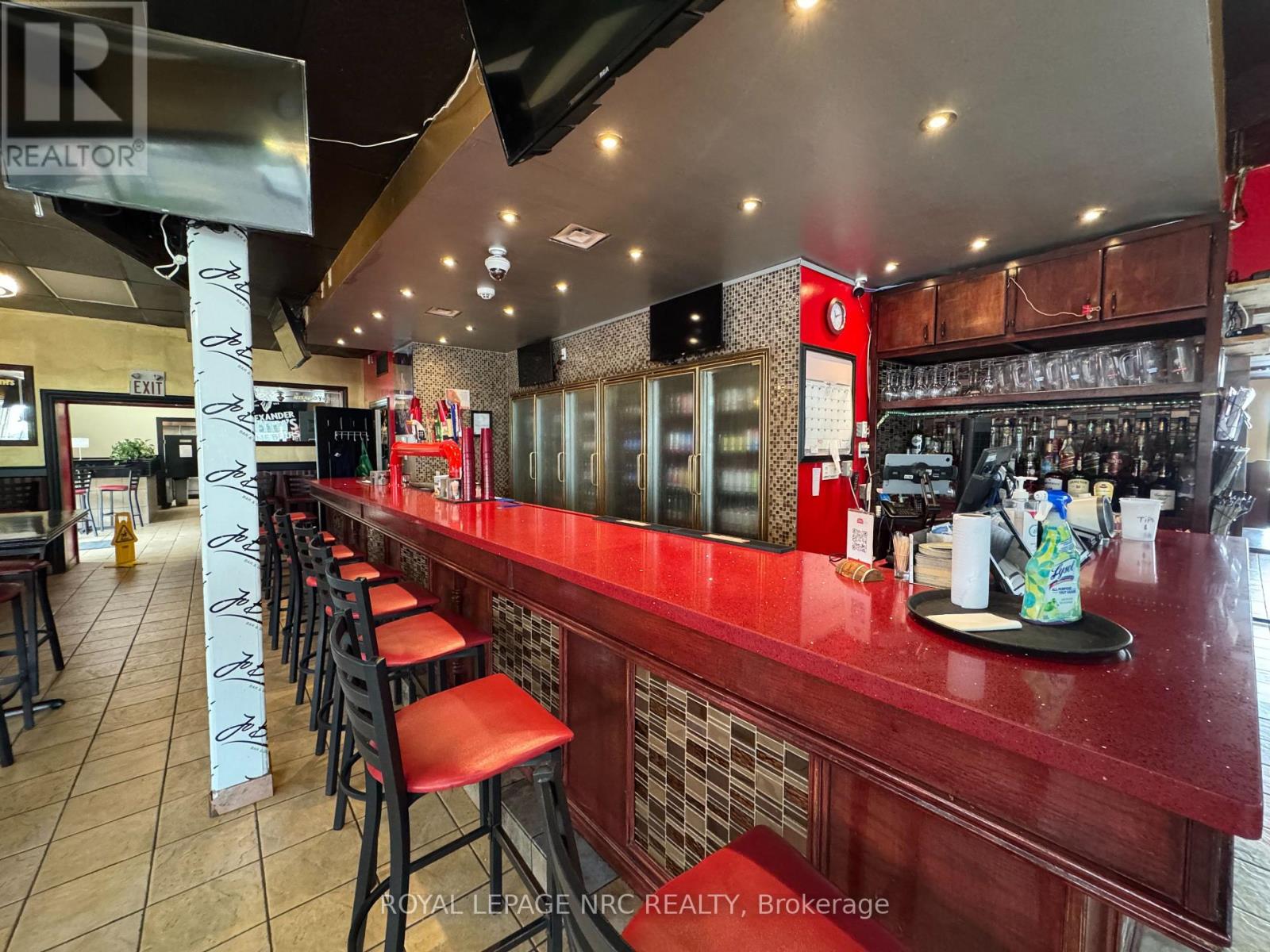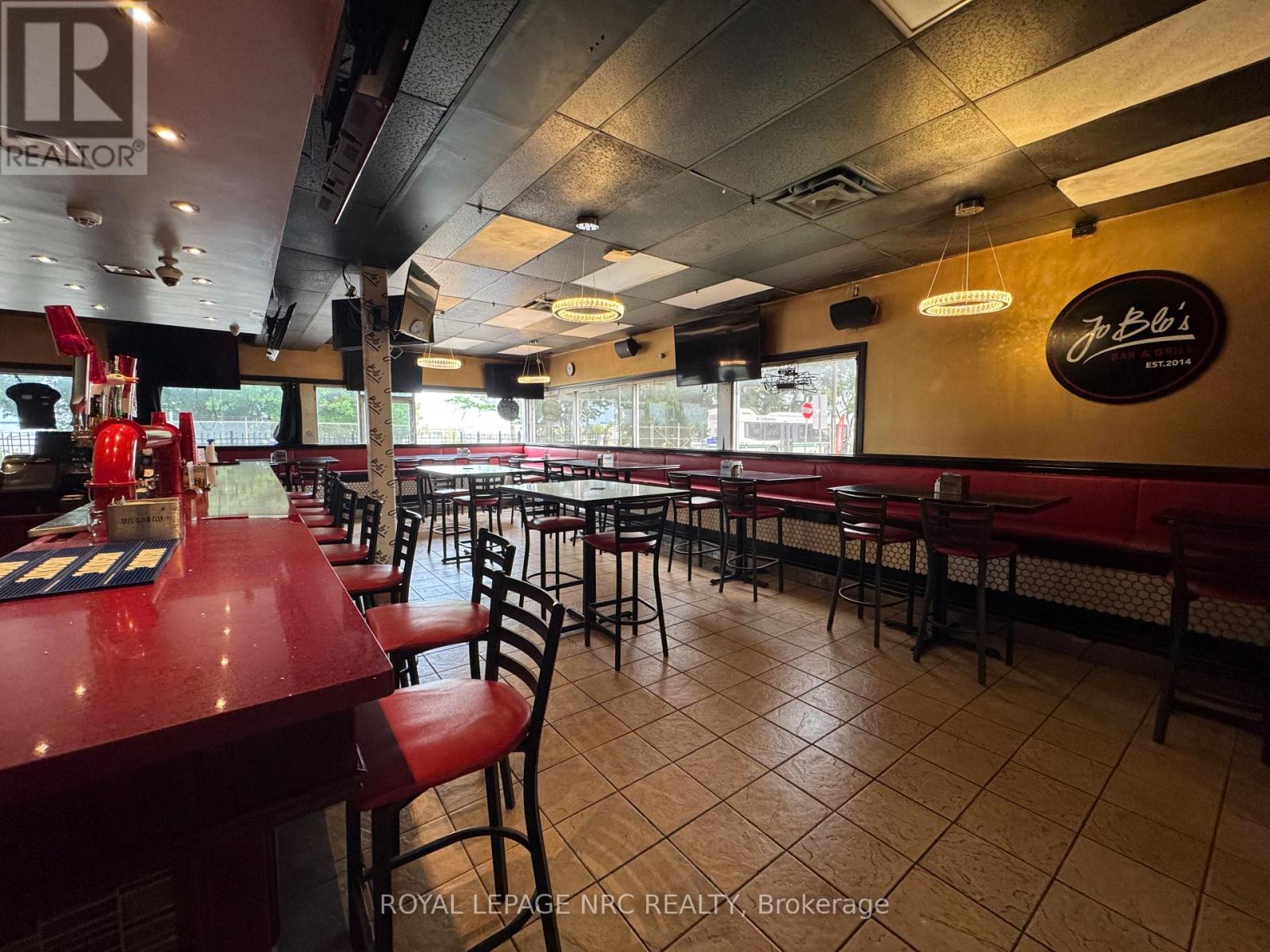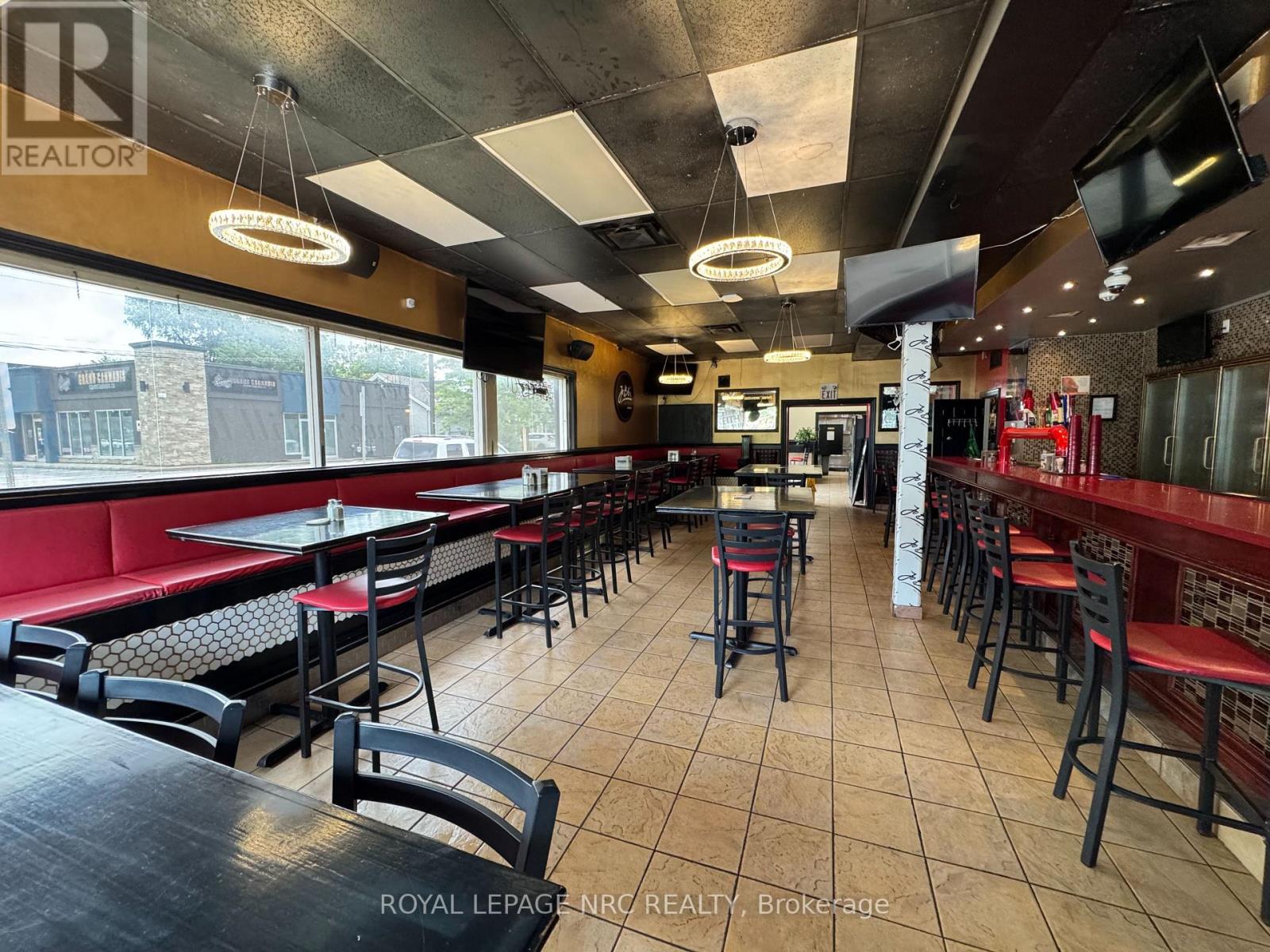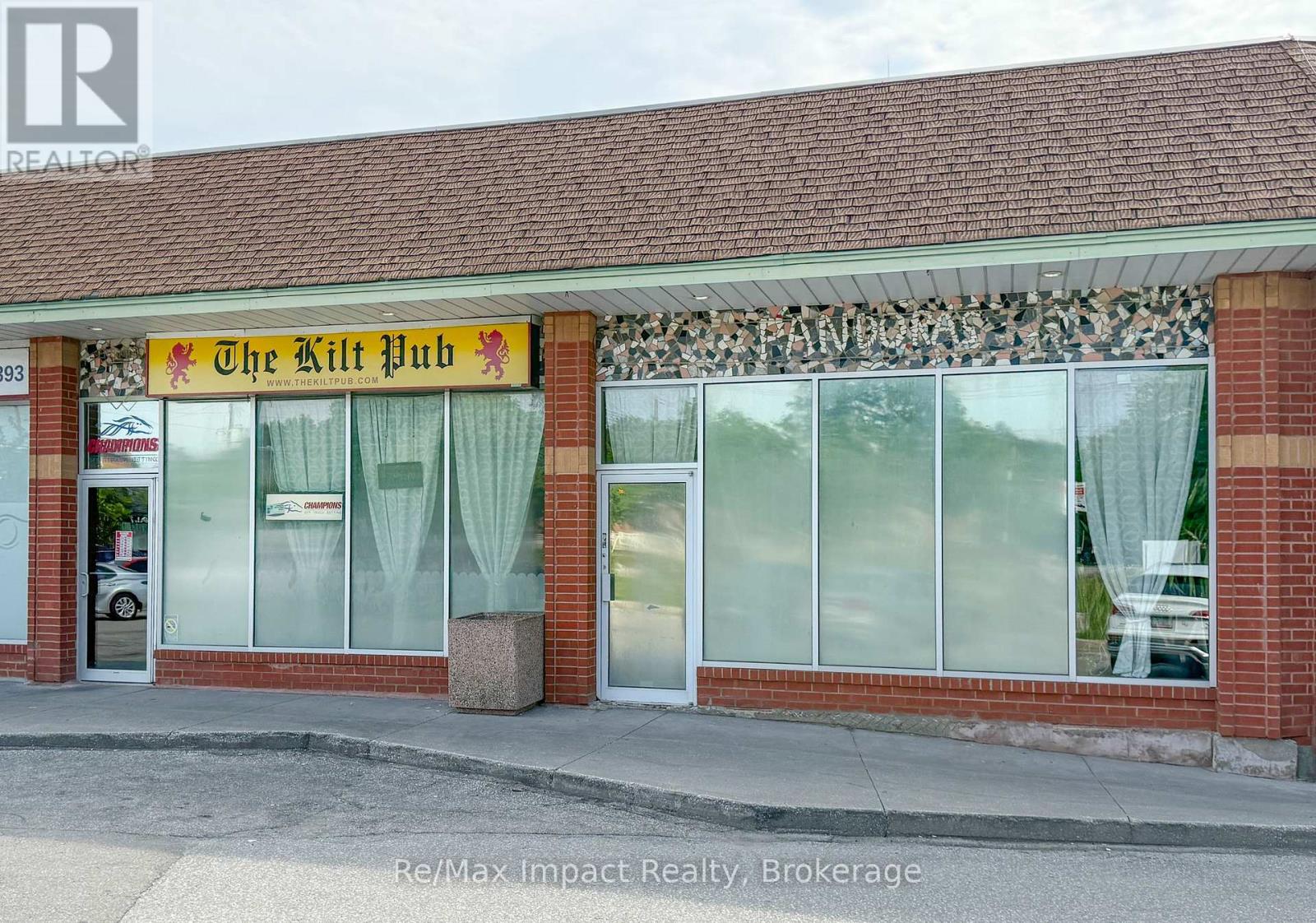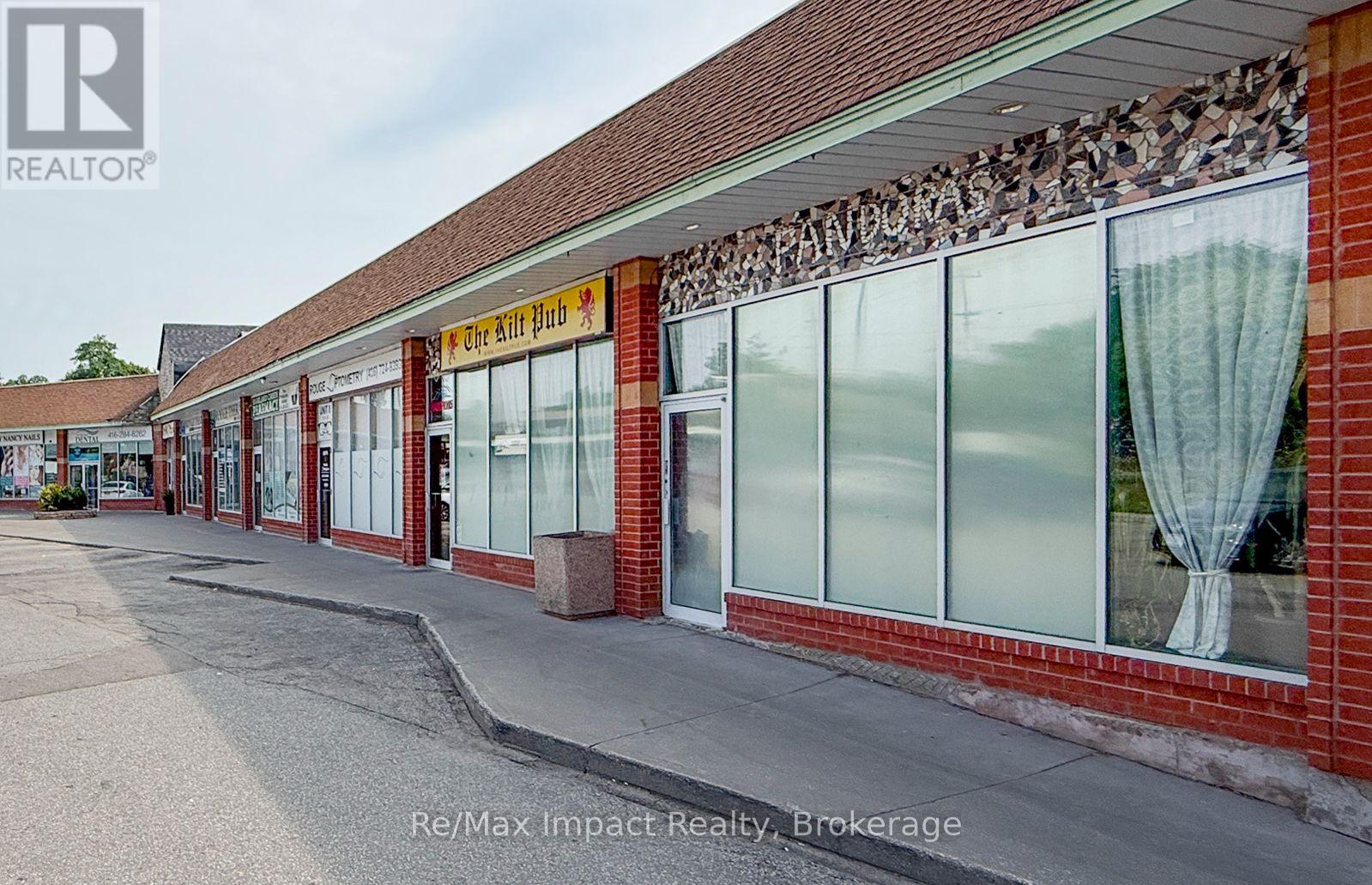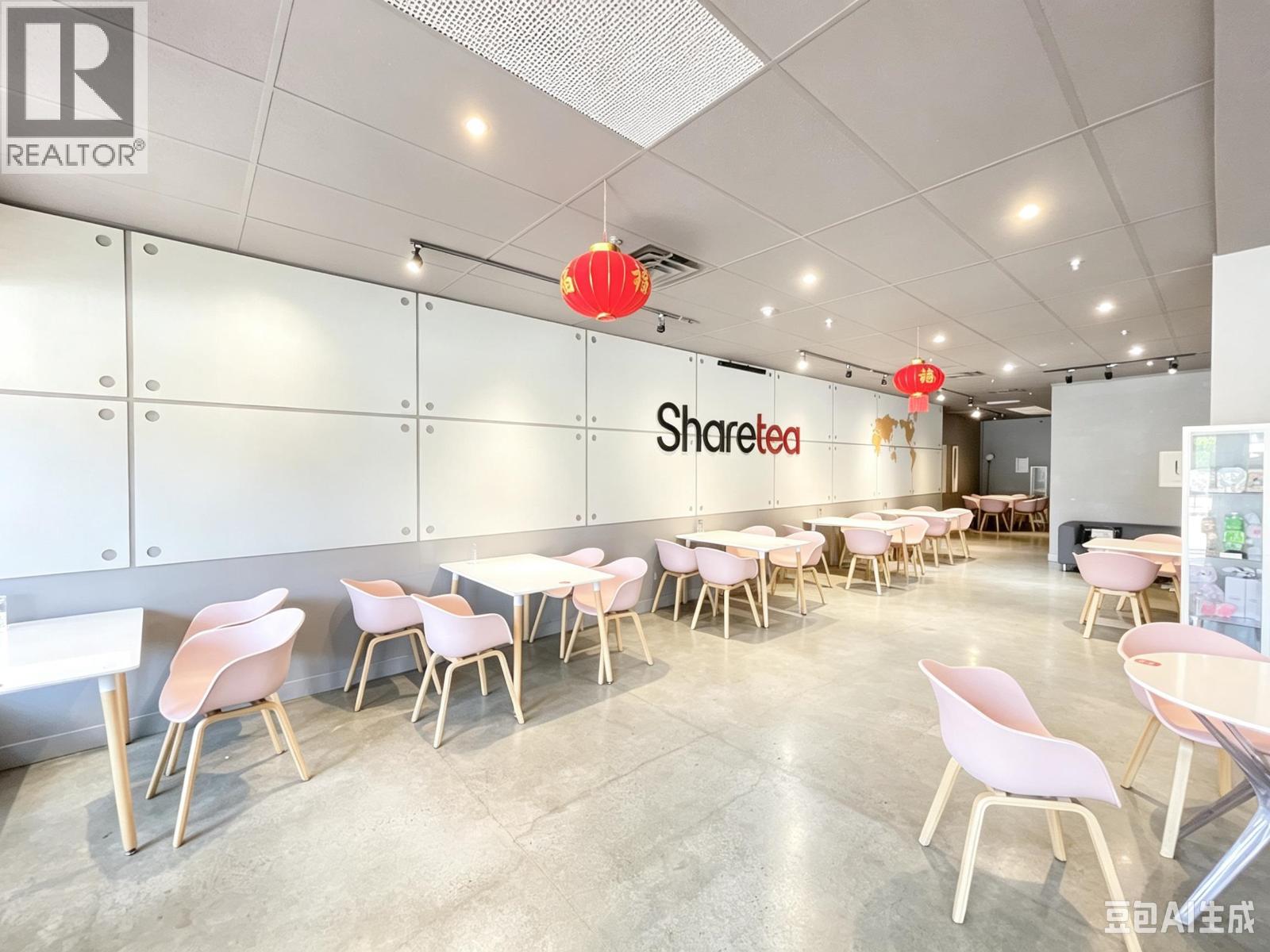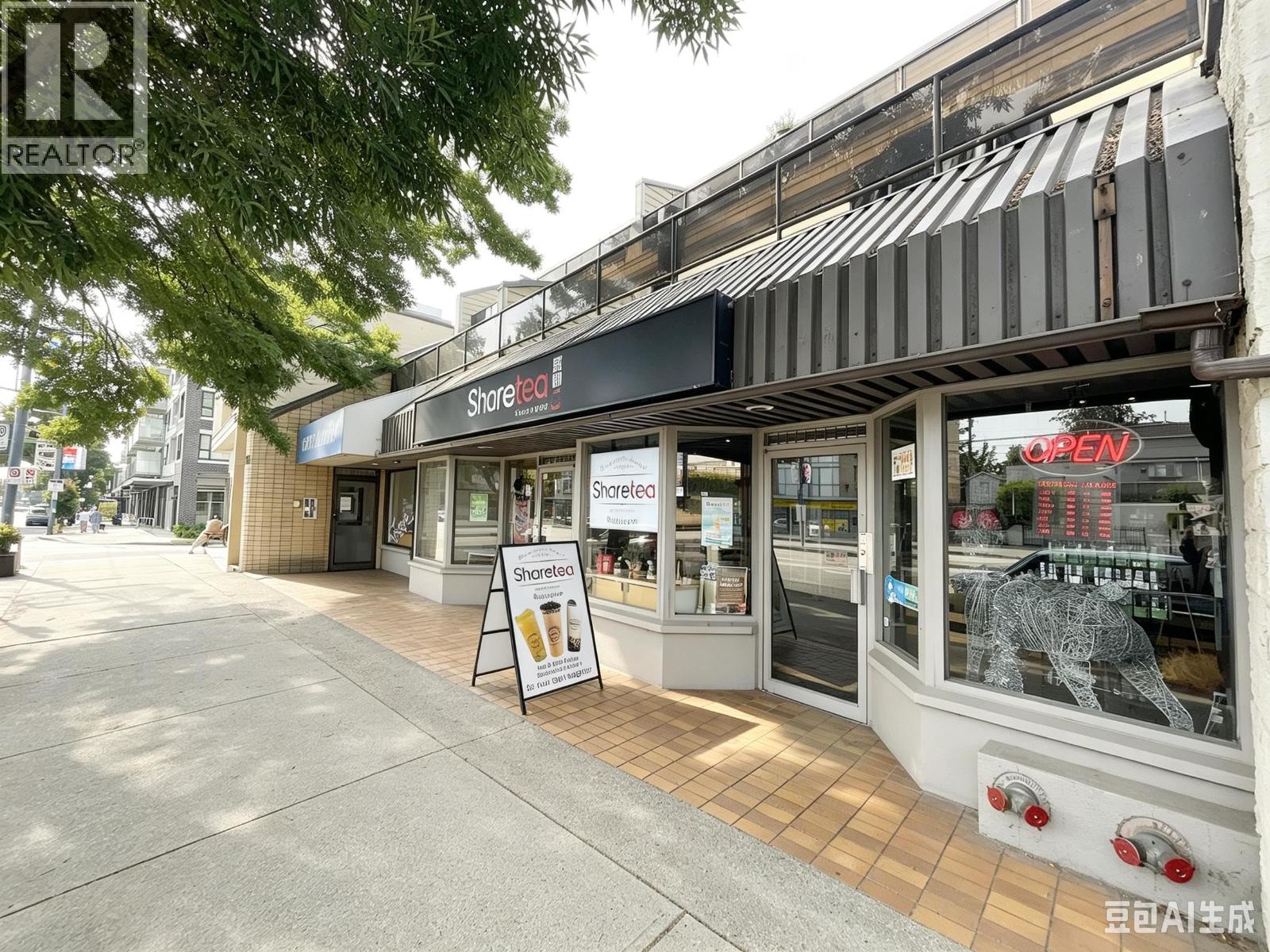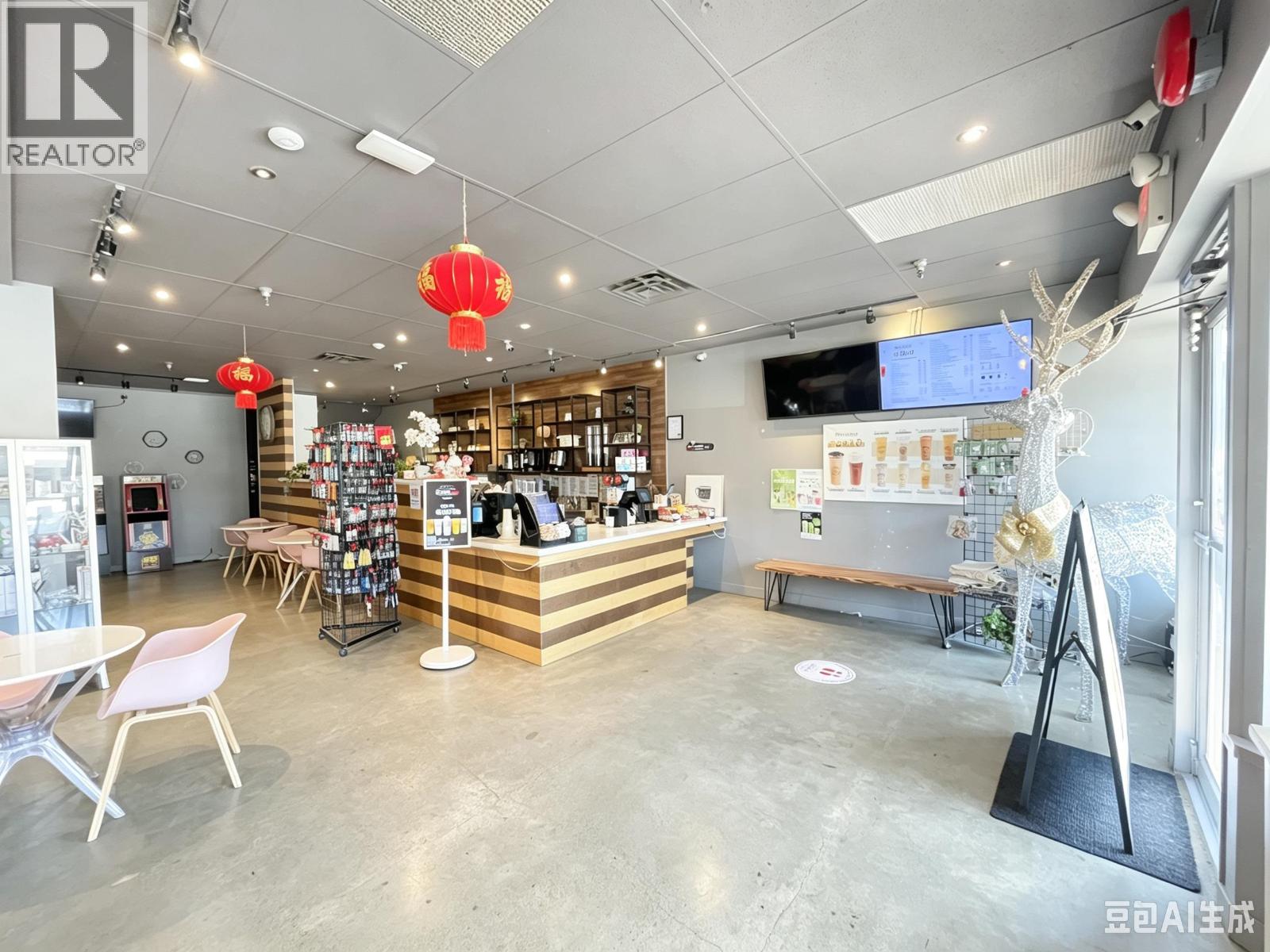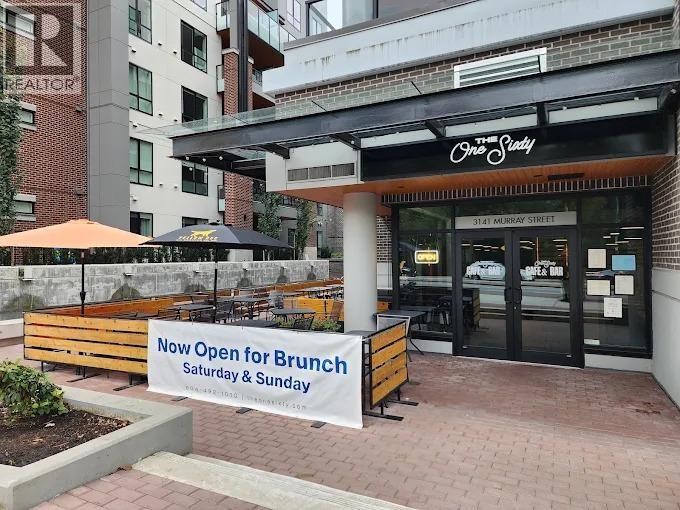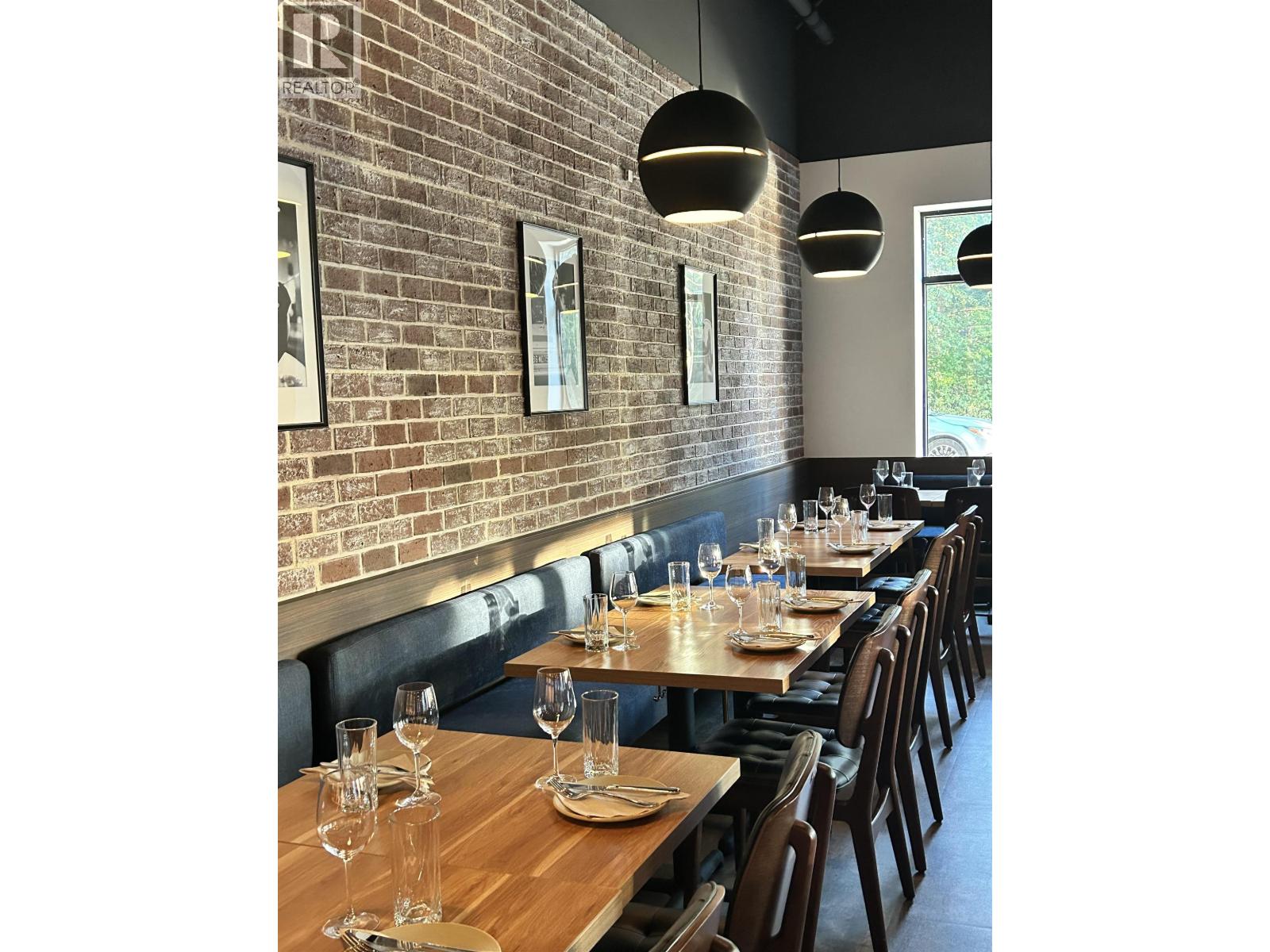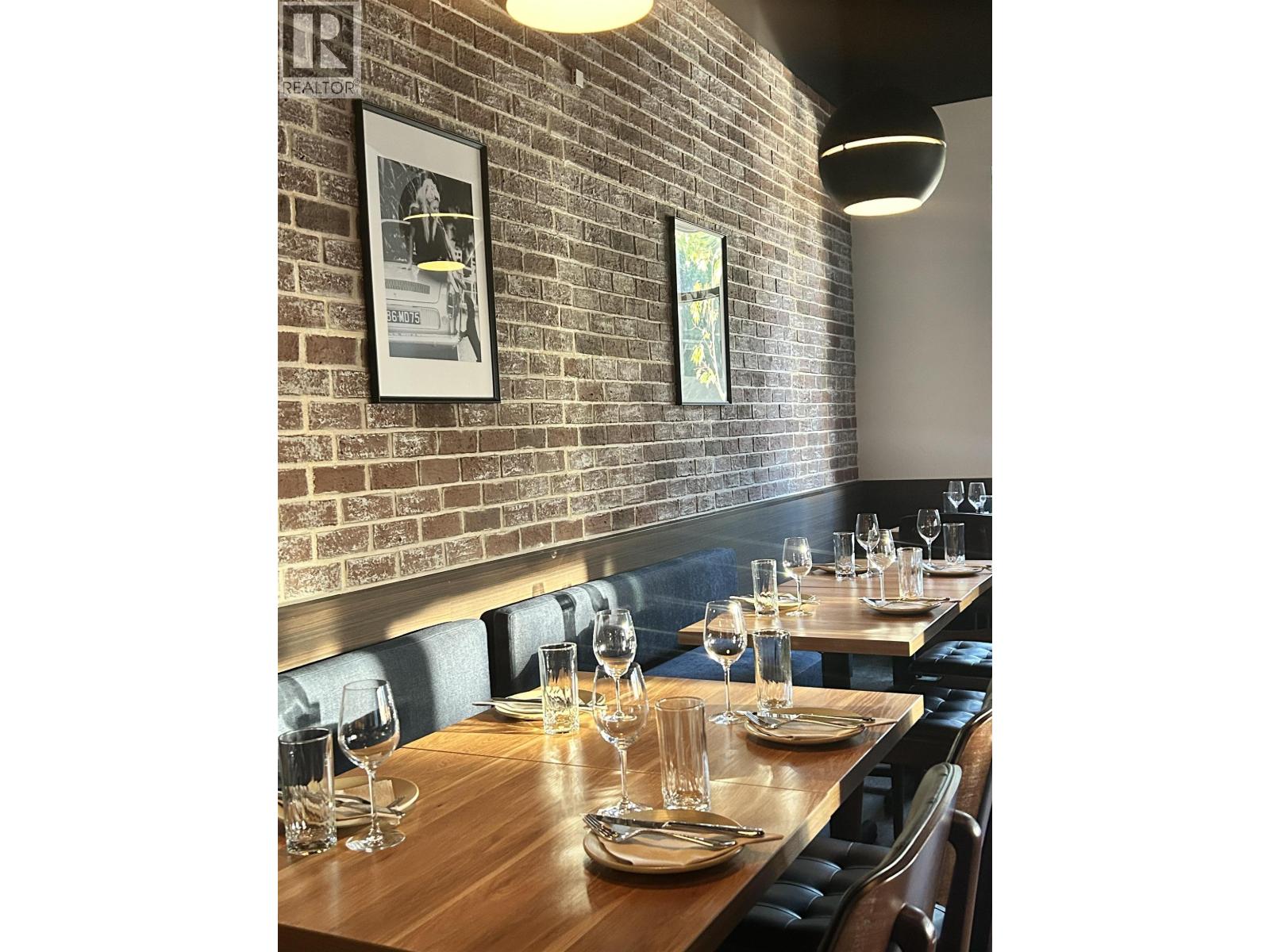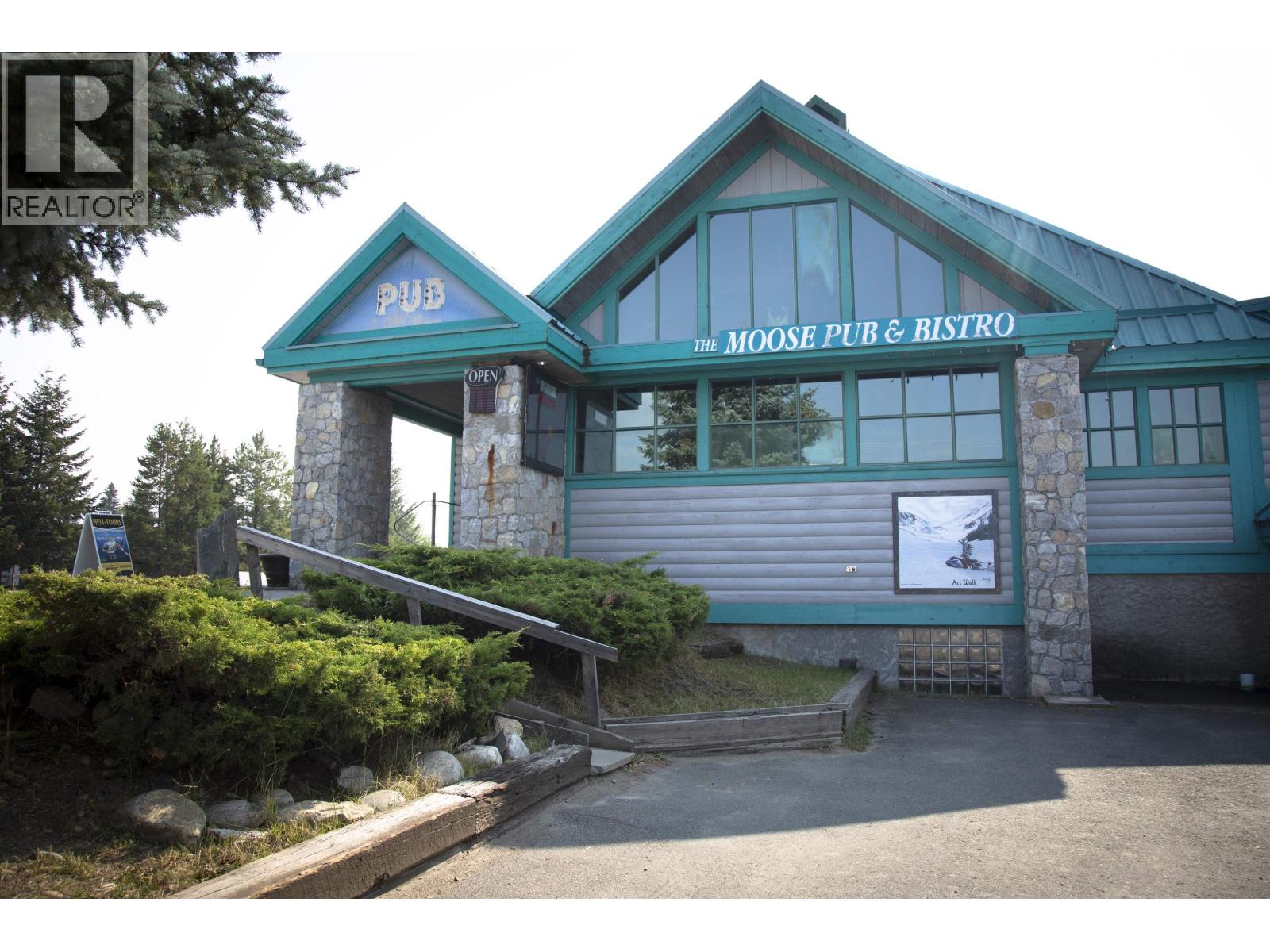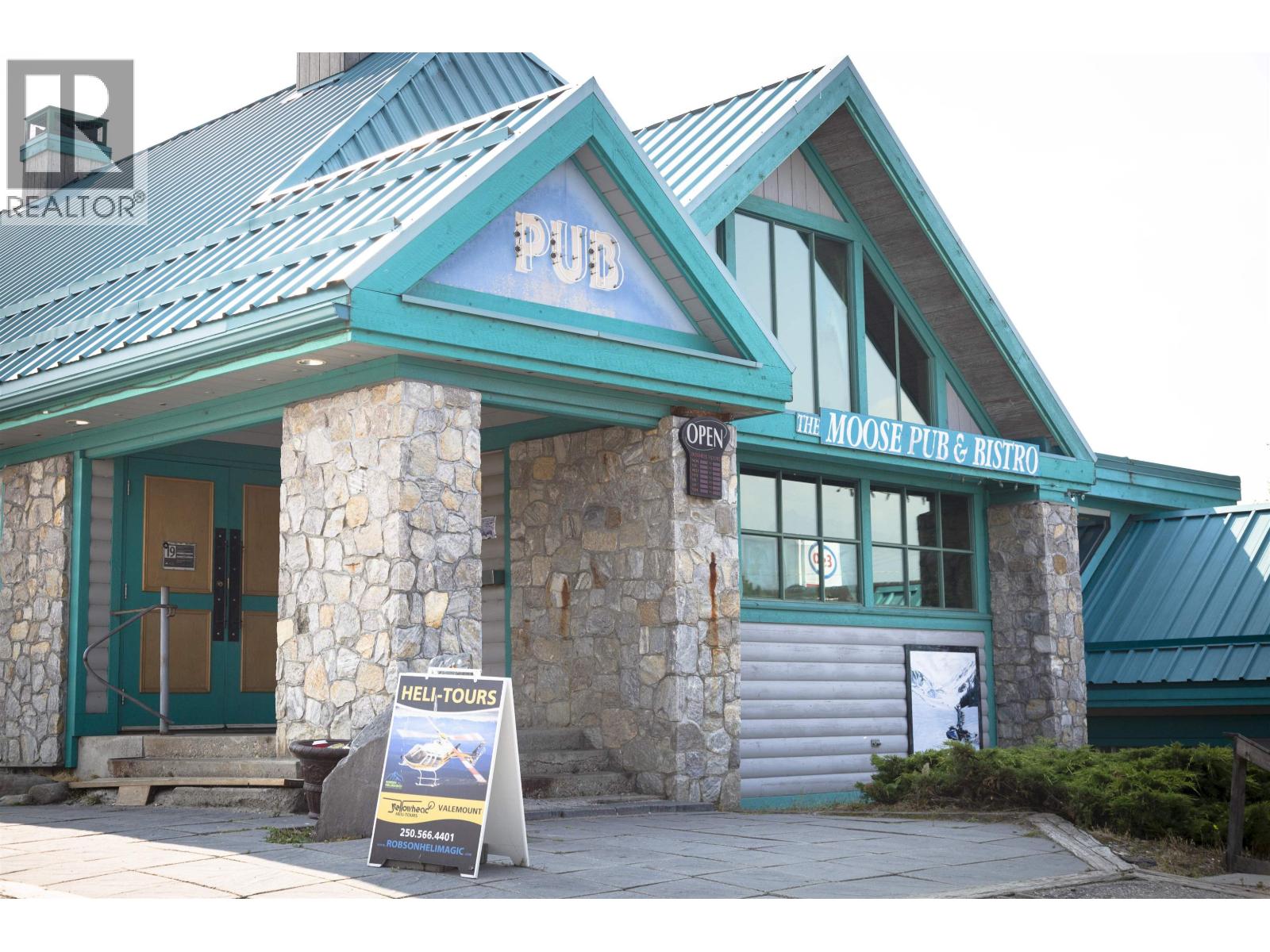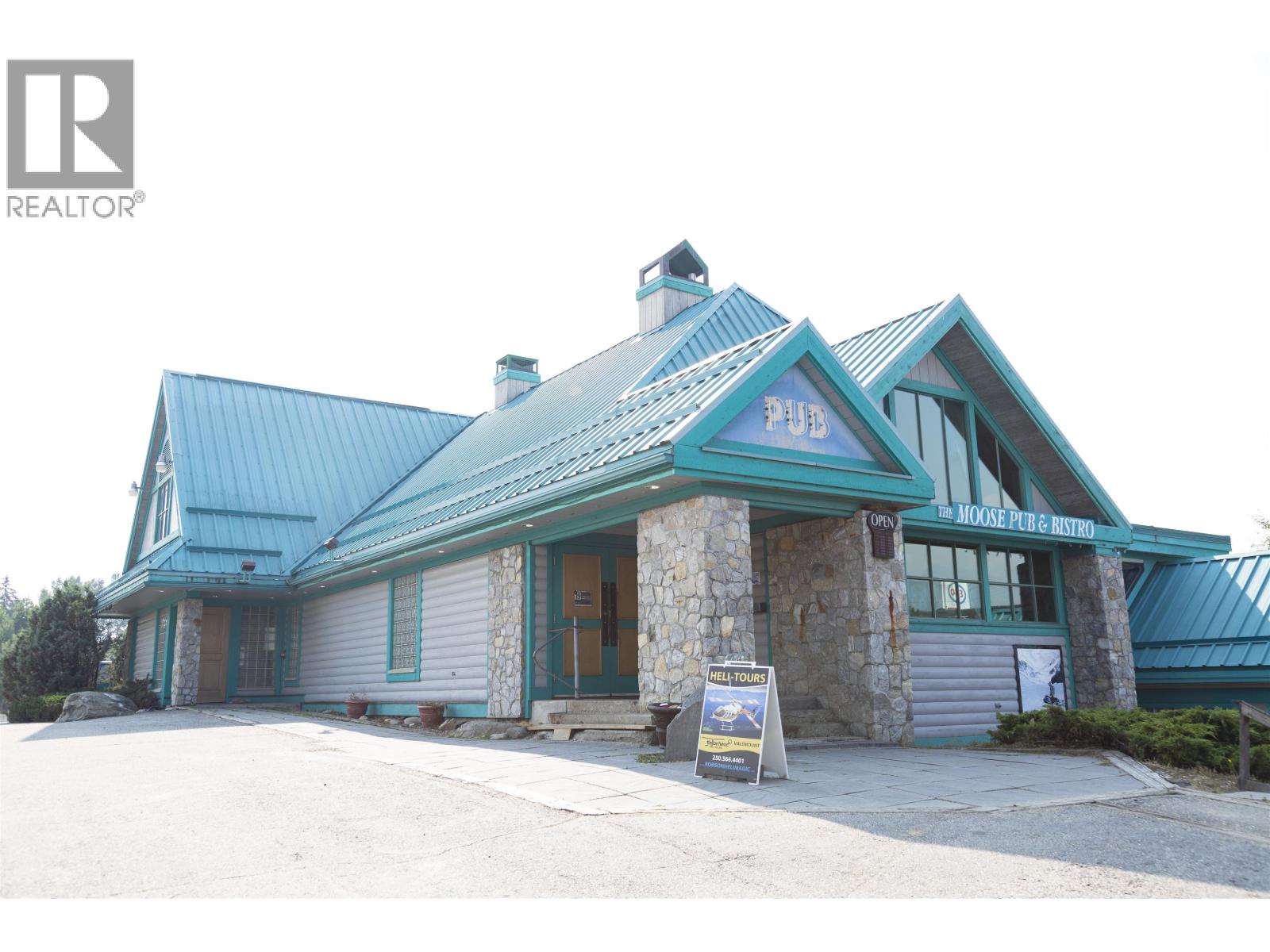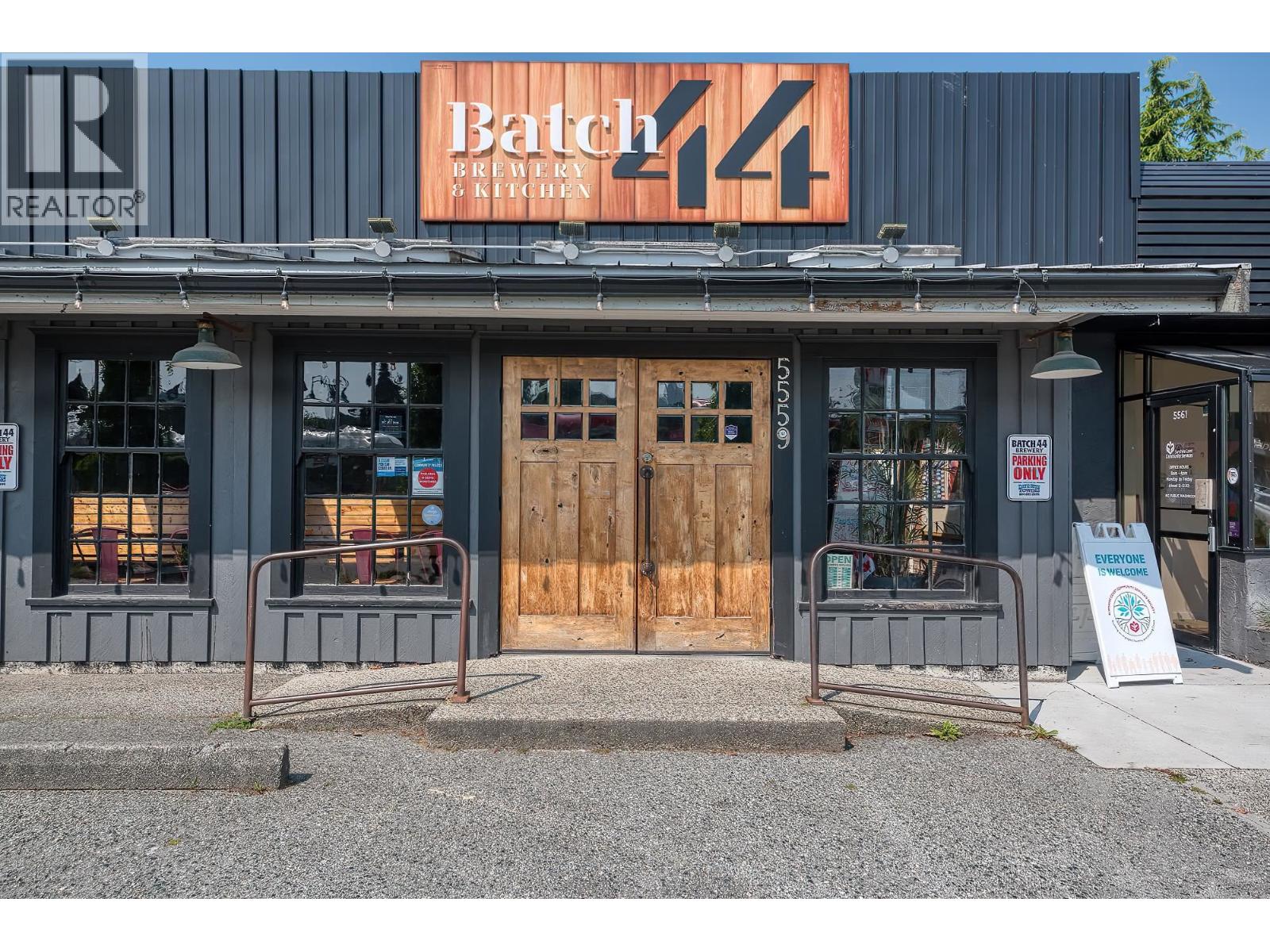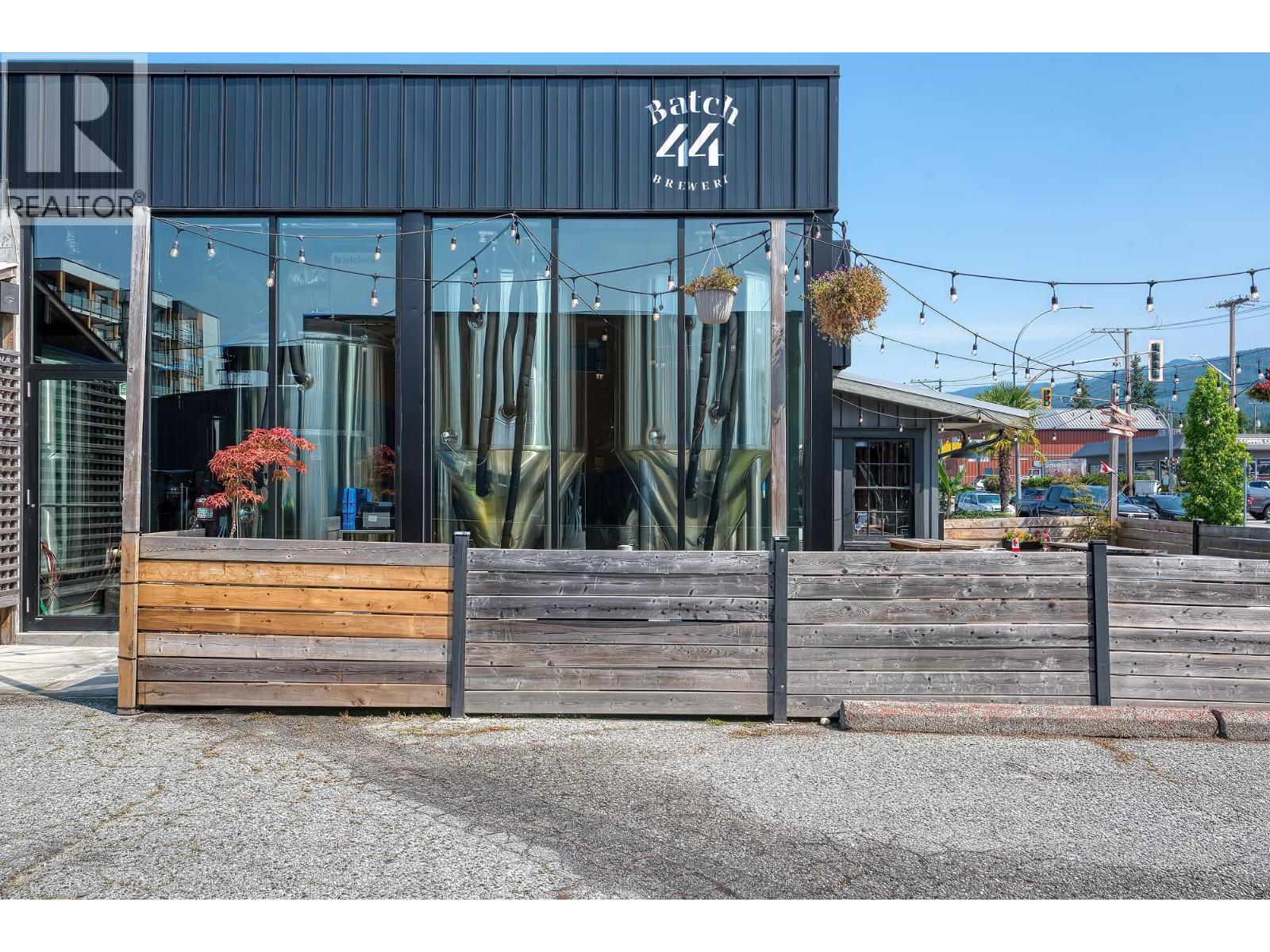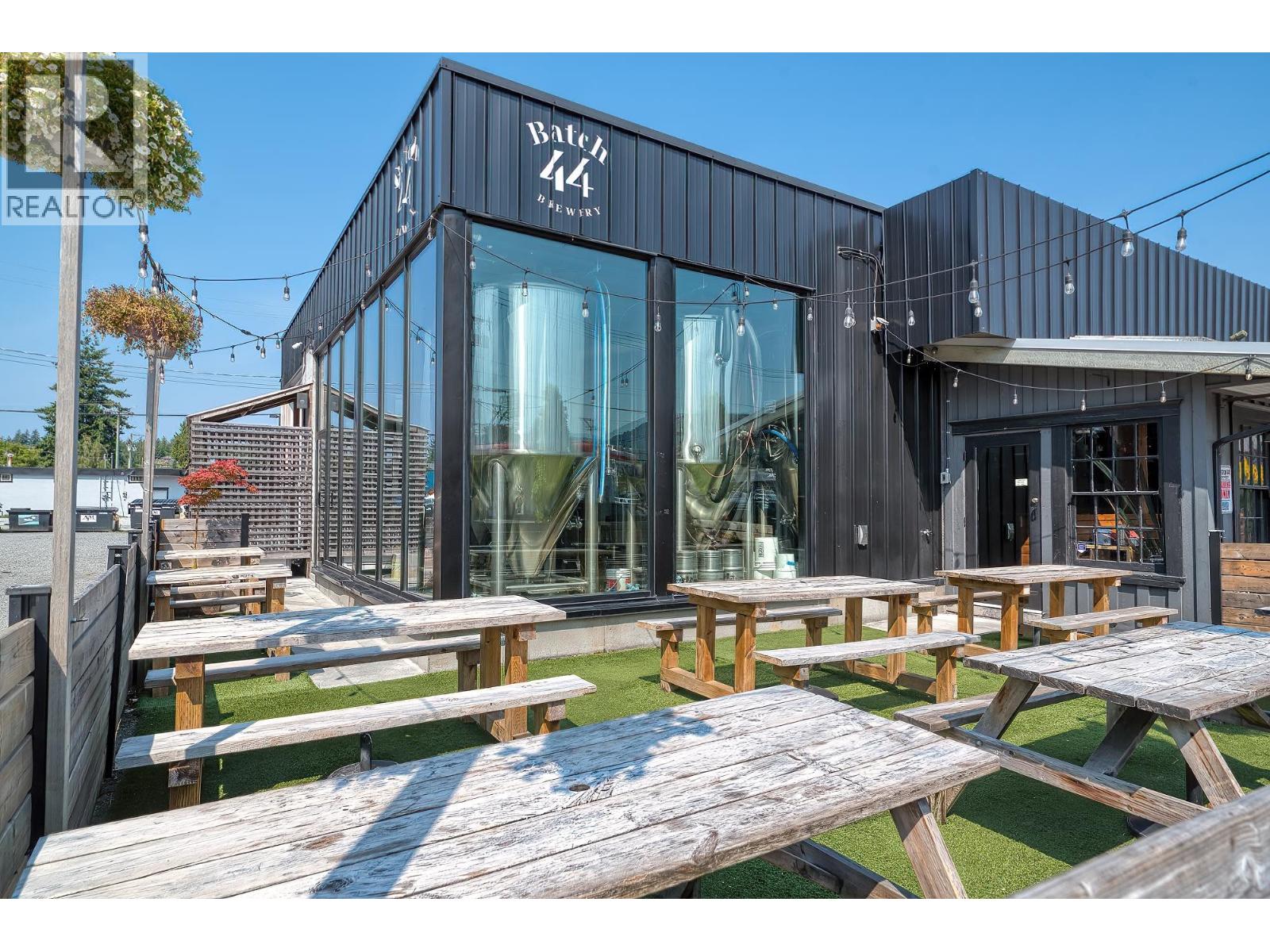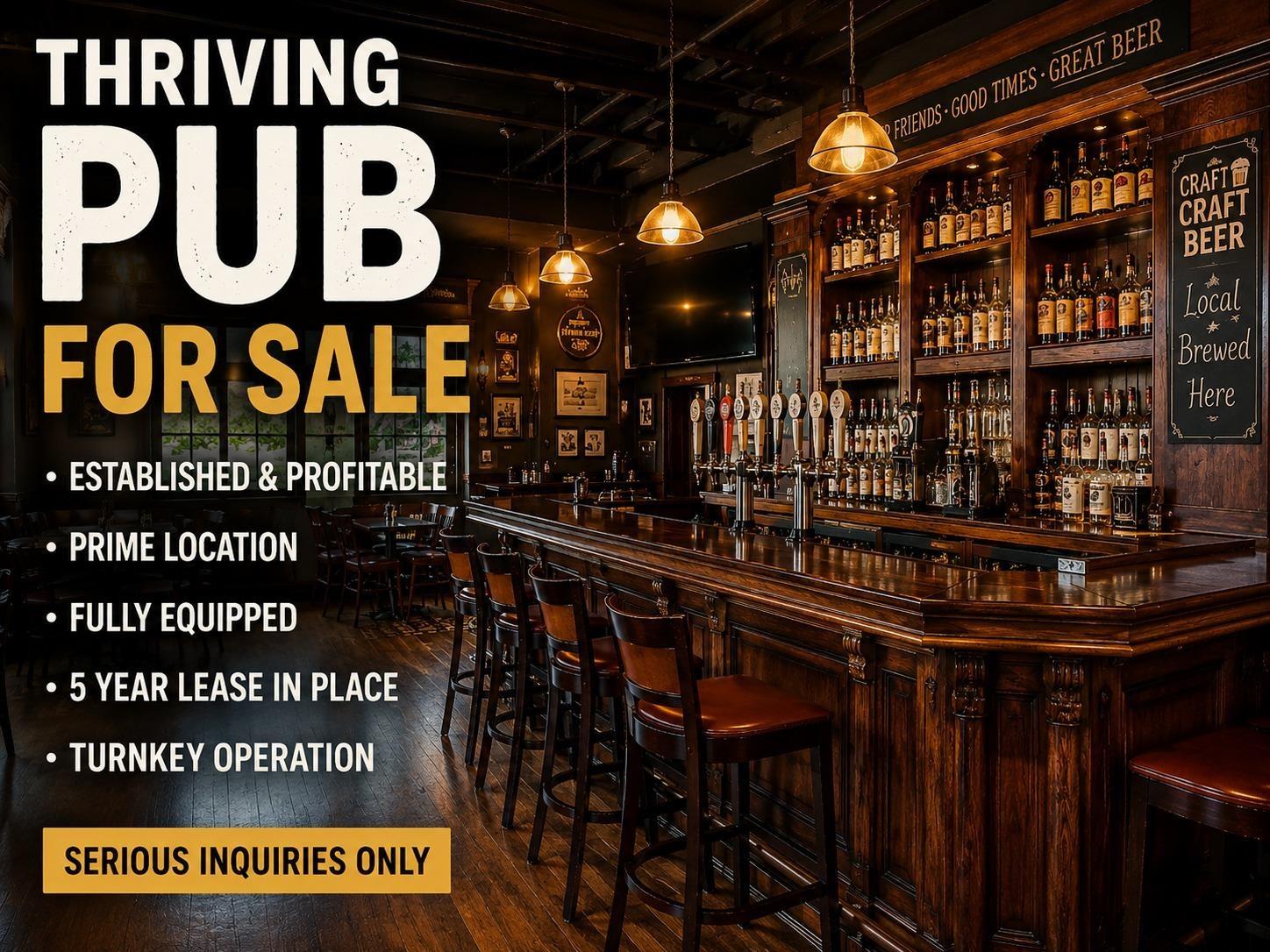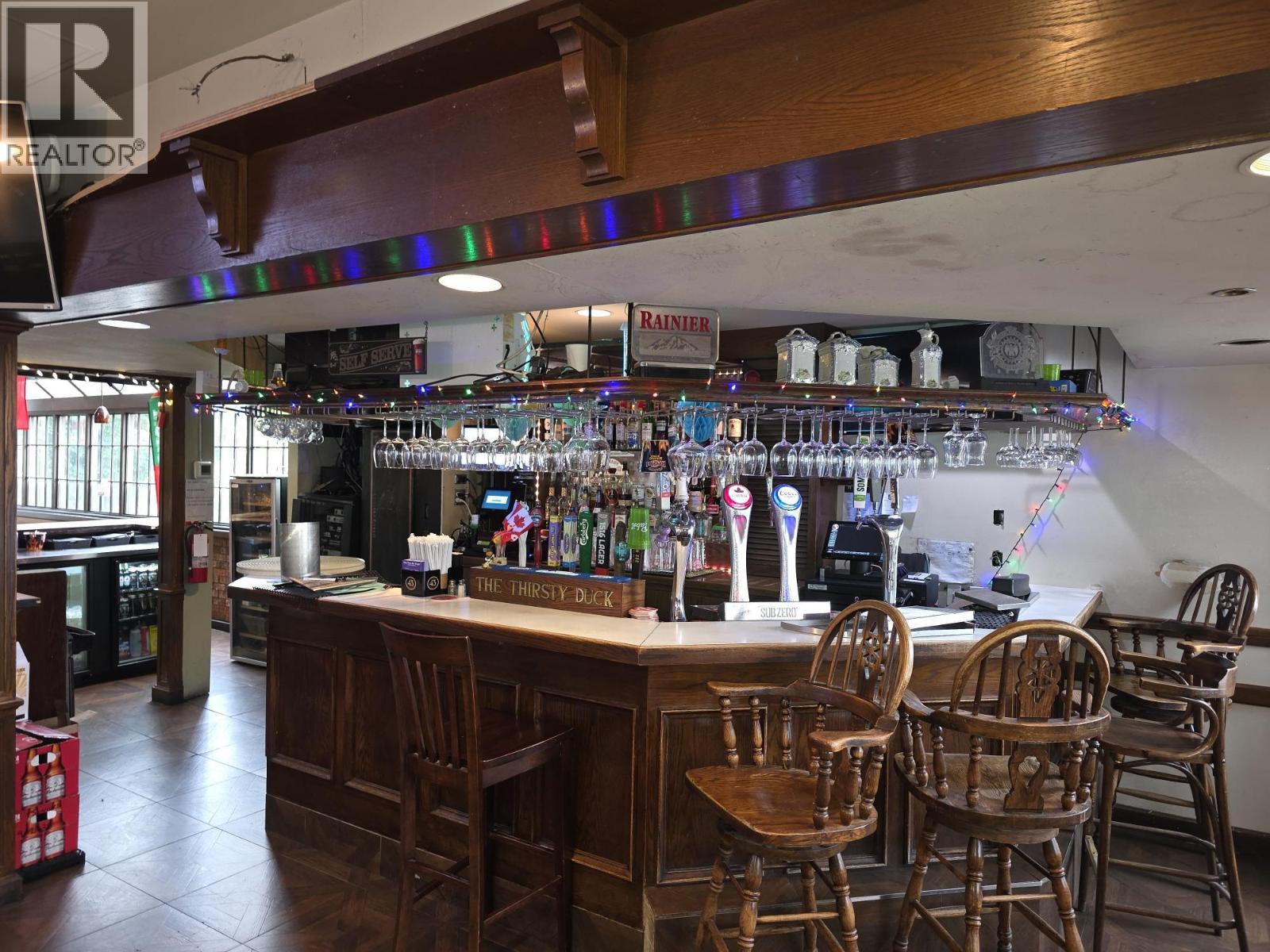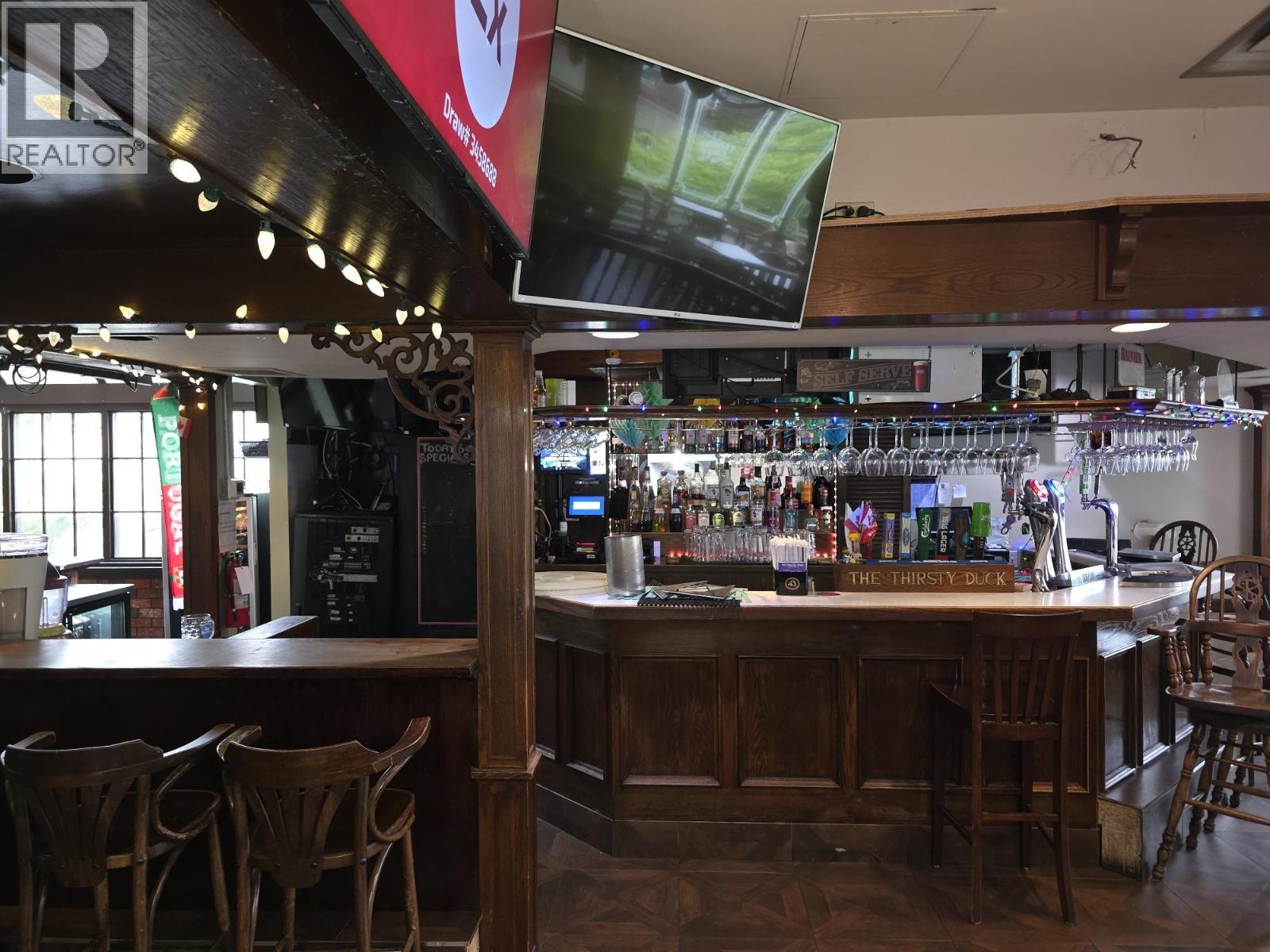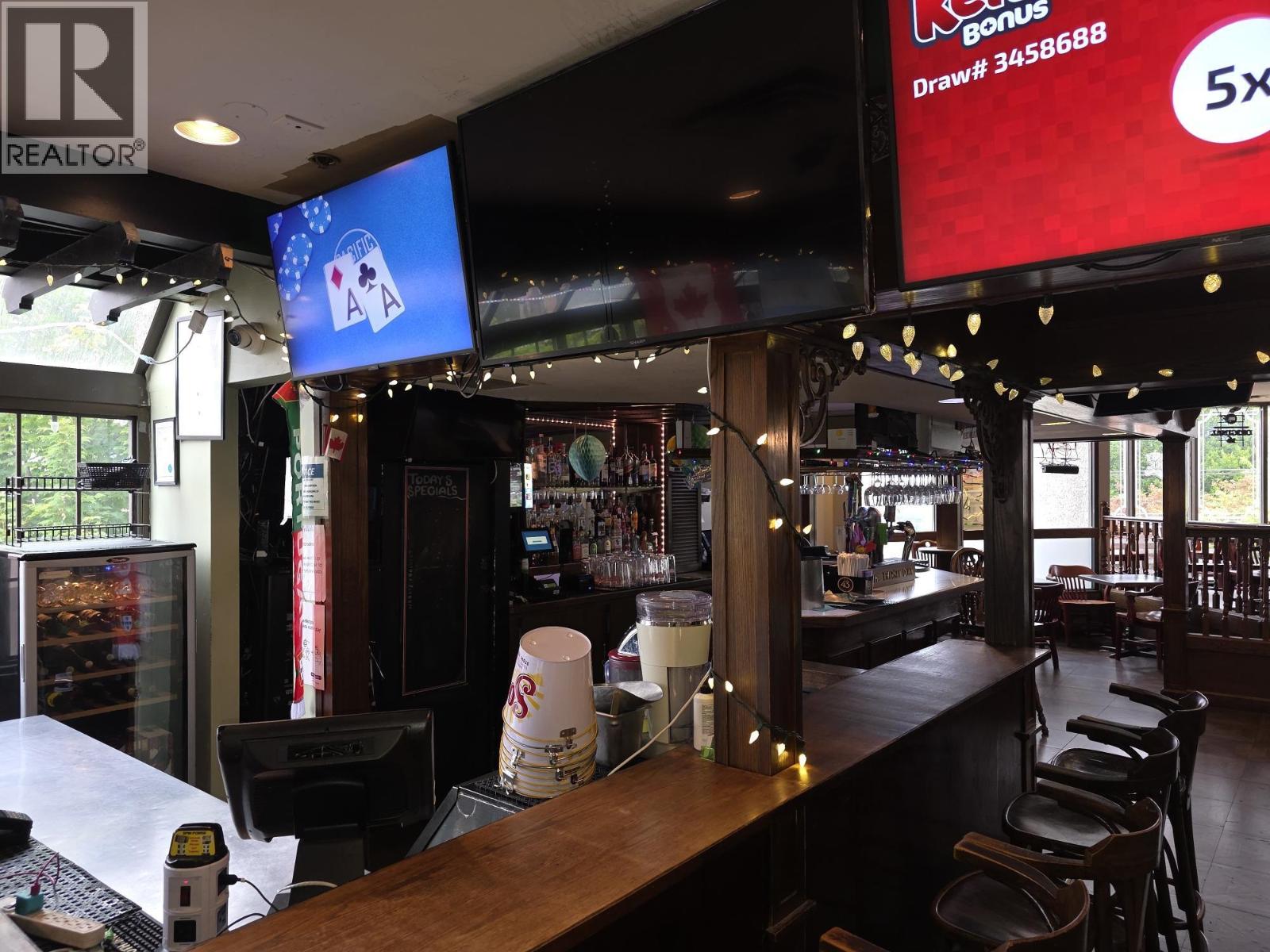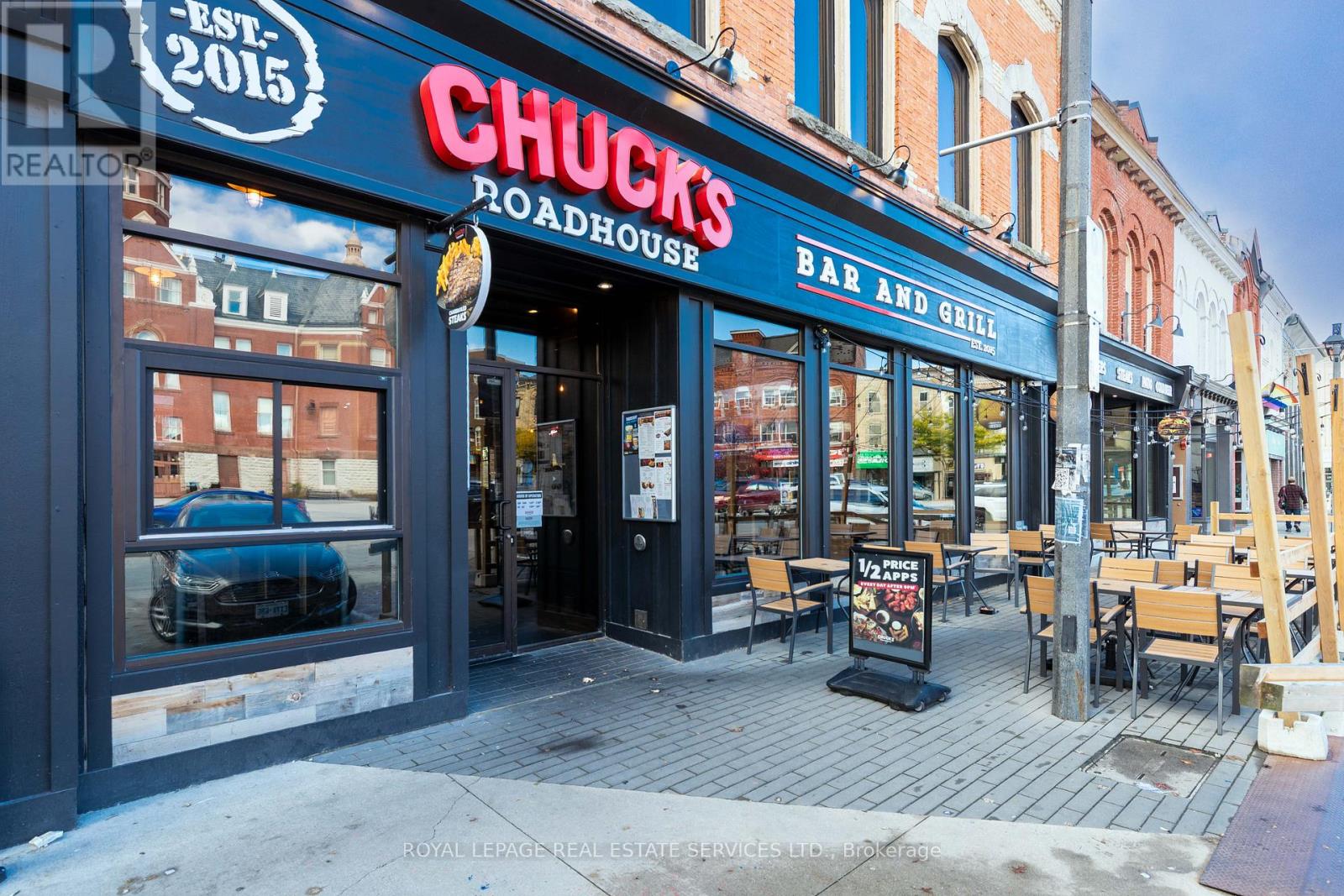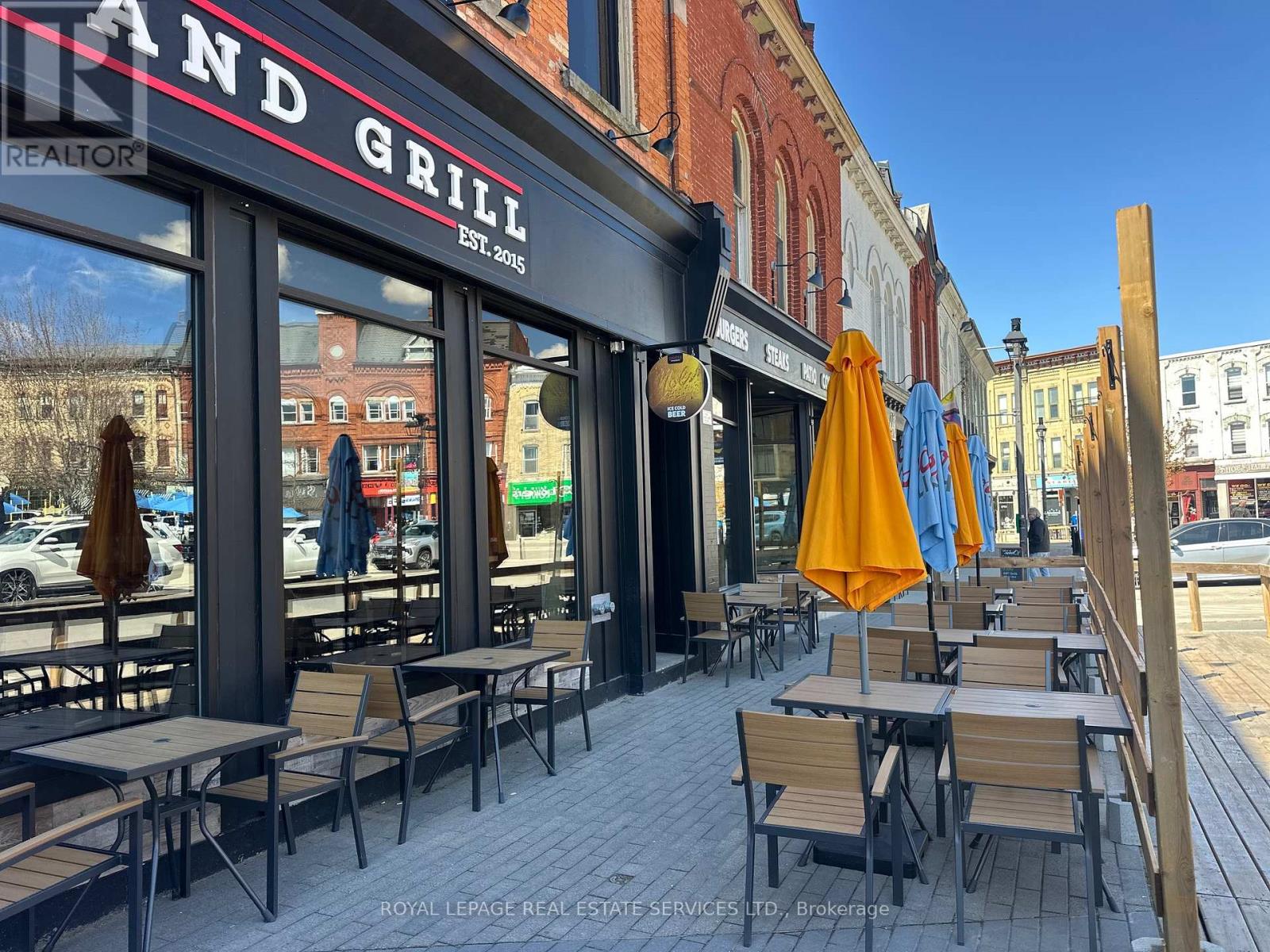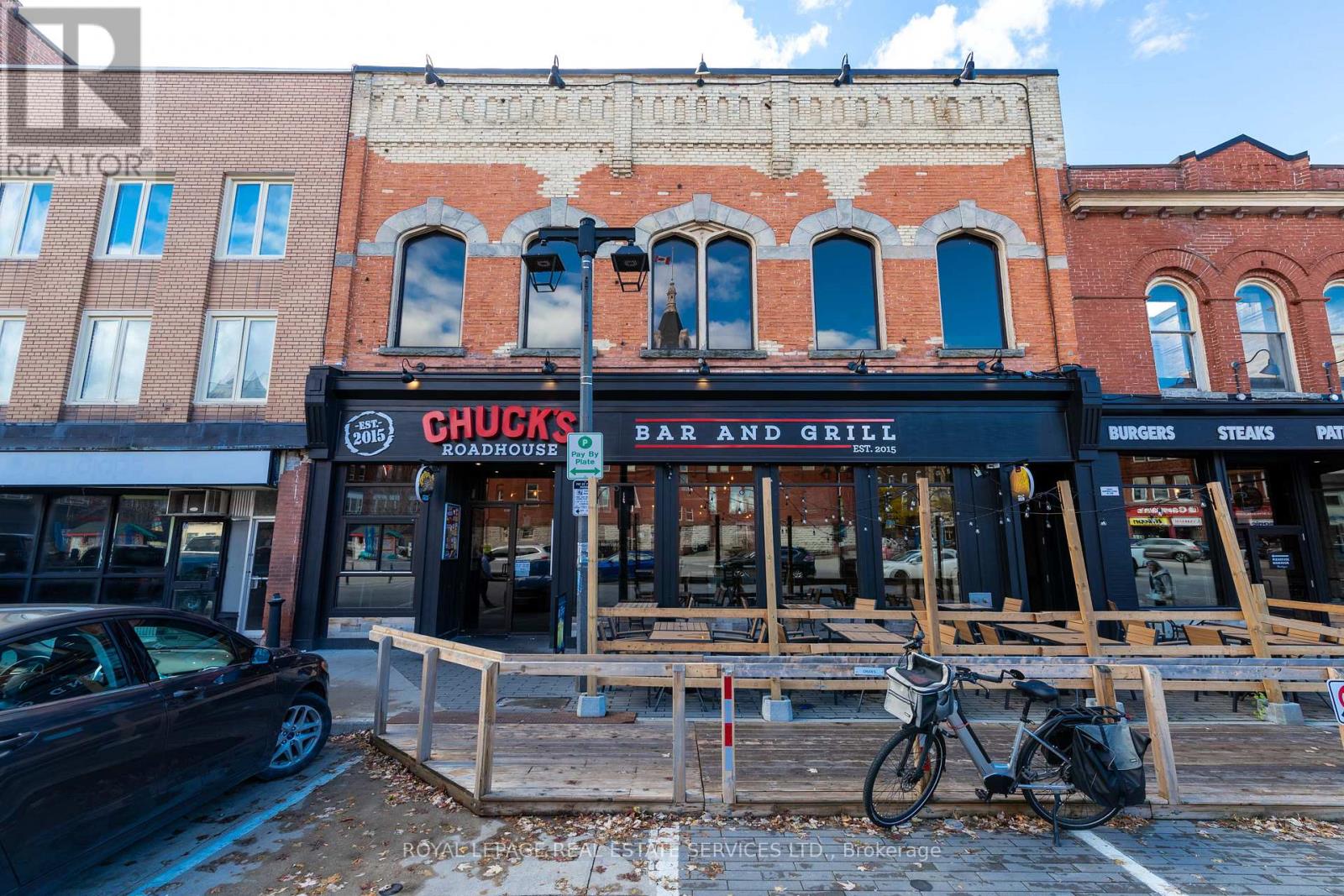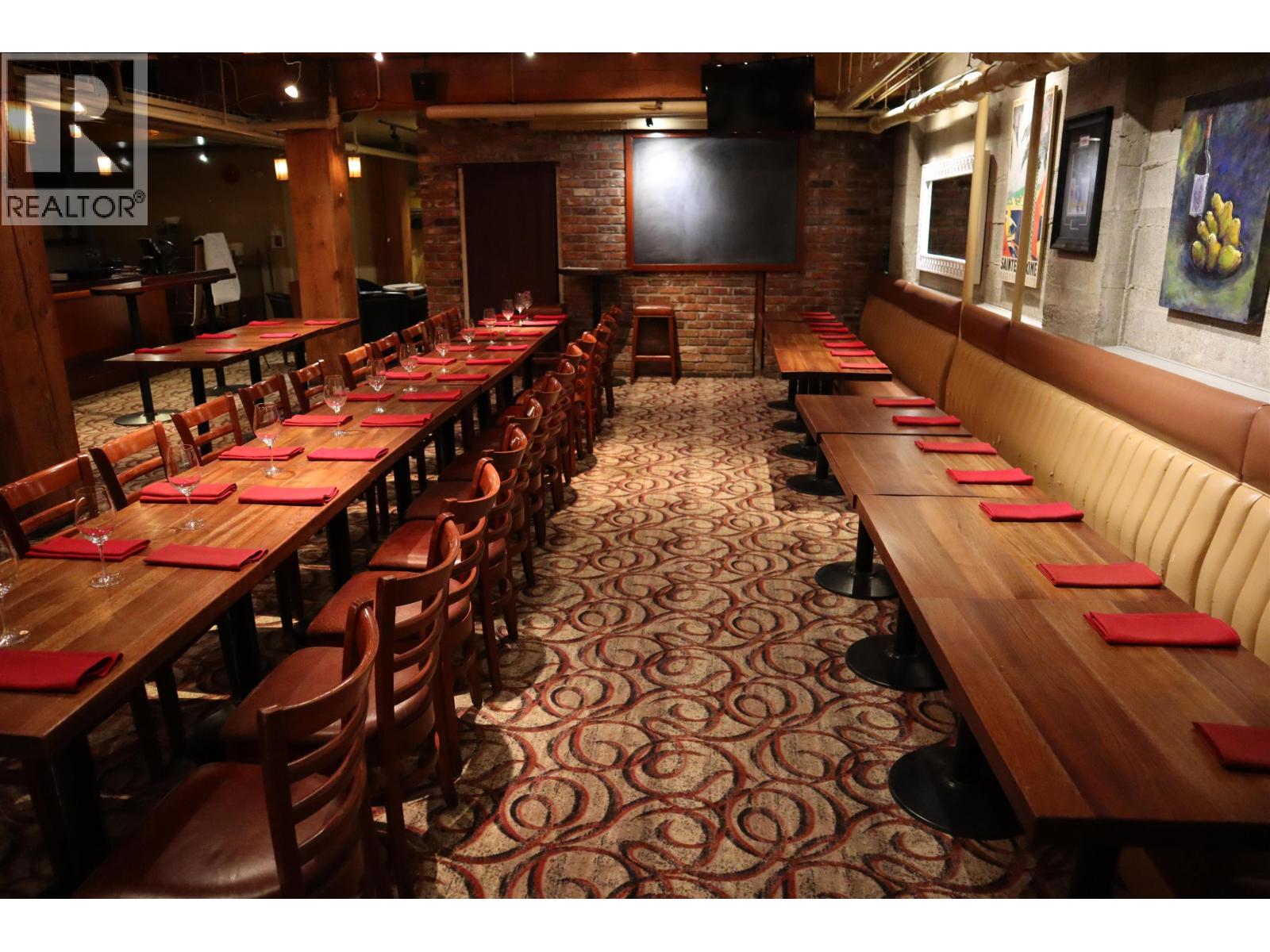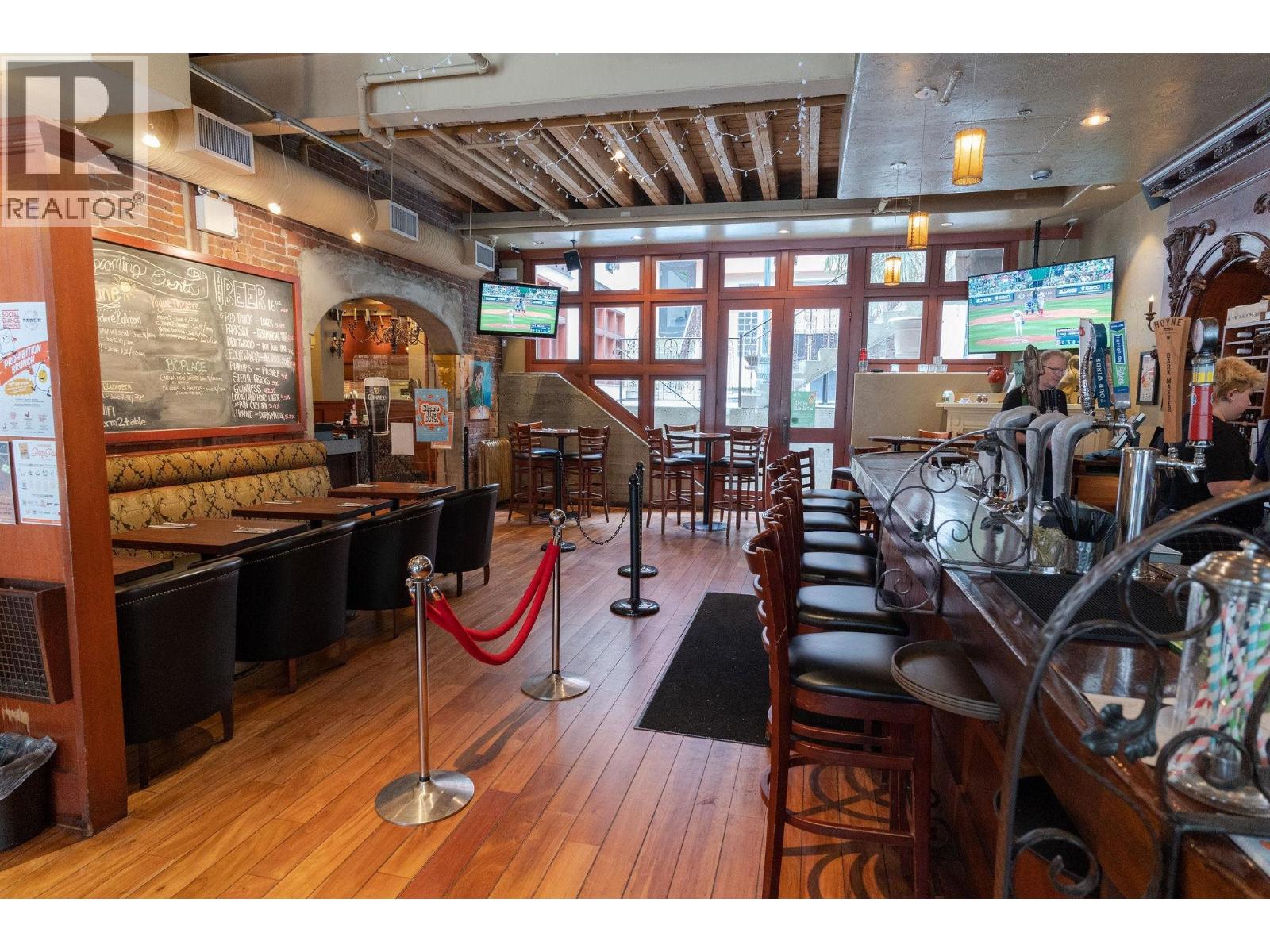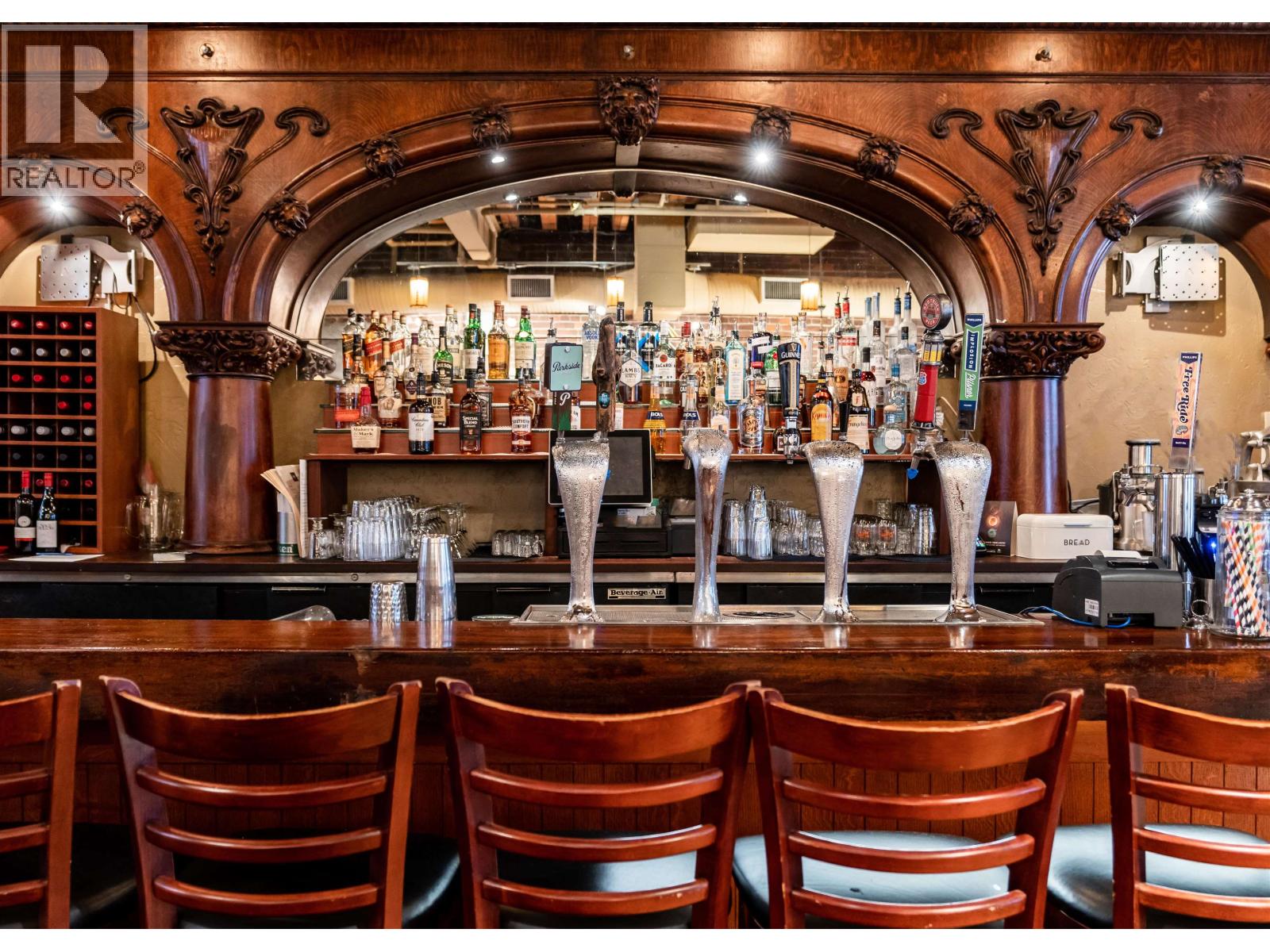
The average asking price for Bars : $1,817,243
The most viewed Bars listings on FBF are linked below:
| Restaurant/Bar for Sale | Restaurant/Bar for Sale | Restaurant/Bar for Sale |
| Restaurant/Bar for Sale | Restaurant/Bar for Sale | Restaurant/Bar for Sale |
Written by David Turner, M.A.
When you're considering purchasing a bar in Canada, you'll need to weigh both the opportunities and challenges inherent in this dynamic industry. Canada's bar sector continues to evolve with shifting consumer preferences, technological integration, and regulatory landscapes that affect business operations.
Your success in this venture will depend on understanding the current market dynamics, including the rising demand for craft beverages 🍺, experiential dining, and the integration of mobile ordering systems.
The Canadian bar industry is experiencing growth in premium spirits and craft cocktails, with a 12% year-over-year increase in specialty drink sales.
Bar owners are capitalizing on the trend toward local sourcing, with 78% of establishments now featuring regional craft beers and spirits.
Technology adoption, including contactless payments and reservation systems, has become a critical factor in operational efficiency and customer satisfaction.
Additionally, being aware of the significant revenue losses experienced by the entire foodservice sector during the COVID-19 pandemic is crucial for setting realistic expectations and planning for potential challenges in the resurgence of the industry.
While startup costs and operating challenges require careful consideration, owning a bar can provide you with both personal and professional satisfaction.
| Advantages | Disadvantages |
| Regular cash flow | High startup costs |
| Social atmosphere | Complex regulations |
| Creative control | Late working hours |
| Brand building potential | Staff management |
| Tax benefits | Inventory control |
You'll need to weigh these factors carefully before making your decision. The hospitality industry offers unique opportunities for innovation and community building, but success demands dedication, financial acumen, and resilience in managing daily operations.
Collaborating with government levels and engaging in discussions with policymakers can help navigate complex regulations, a crucial aspect when owning a bar in Canada.
You'll find today's market driven by sustainability-focused suppliers and sophisticated patrons seeking unique experiences. Premium craft beverages and locally sourced ingredients dominate consumer preferences, with 73% of patrons willing to pay more for quality 🍺.
In the U.S., job growth in food service is expected to continue over the next decade, suggesting a potential parallel in Canada, which might signal an expanding market for bar for sale businesses. Supplier sustainability practices are reshaping inventory management, as eco-conscious sourcing becomes a competitive advantage. Digital integration through mobile ordering and contactless payments has become essential, with 65% of customers preferring tech-enabled service options 📱.
Read more
When buying a bar for sale in Canada, you'll need to navigate complex regulatory requirements while conducting thorough due diligence. Start by defining your acquisition criteria, engaging key professionals (broker, lawyer, accountant), and analyzing market dynamics.
Focus on rigorous financial verification, including revenue patterns and cash flow assessment. Please keep in mind provincial-specific liquor licensing requirements and compliance standards. 🍻
When establishing criteria for your bar acquisition, you'll need to develop an extensive framework that aligns with your business objectives and financial capabilities 🎯.
Conduct a thorough target market analysis to identify demographic trends, spending patterns, and growth potential in your chosen location.
Evaluate local consumer preferences through data-driven research, focusing on beverage selections, entertainment preferences, and price sensitivity.
Define your ideal operational parameters, including size requirements, licensing specifications, and infrastructure needs that match your investment threshold.
Your criteria should quantify specific metrics while remaining flexible enough to adapt to market opportunities, ensuring you don't overlook promising venues that could enhance your portfolio.
Since establishing a successful bar acquisition requires specialized expertise across multiple domains, you'll need to assemble a qualified team of professionals who can guide you through the complex transaction process 💼.
| Professional | Role | Key Value |
| Business Broker | Sources deals, negotiates terms | Market insights |
| Attorney | Reviews contracts, verifies compliance | Legal protection |
| Financial Team | Conducts due diligence, structures deal | Secure financing |
Working with experienced professionals helps minimize risks while maximizing your chances of acquiring a profitable establishment. Your team should have specific experience in hospitality acquisitions and understand local liquor licensing requirements.
One route to consider is online resources for small business support, like the Innovation Canada platform, which can connect you with relevant federal and provincial programs designed to enhance your business acquisition process.
Map nearby establishments, noting their unique selling propositions, clientele demographics, and pricing models. You'll need to assess market saturation within your target region while identifying potential competitive advantages.
Evaluate competitors' responses to supply chain disruptions, staffing challenges, and seasonal fluctuations. Analyze their marketing strategies, event calendars, and customer loyalty programs. Don't overlook their operational hours, menu offerings, and entertainment options. This intelligence will help you position your establishment effectively and identify untapped opportunities in the market.
Review business listings on reputable platforms, connect with commercial brokers, and leverage your professional network to identify suitable establishments. Once you've shortlisted potential bars, schedule meetings with sellers to validate their credentials and assess alignment with your bar acquisition goals. During these discussions, observe the venue's operations, review financial statements, and evaluate the current management structure 📊.
Ask targeted questions about licensing compliance, staff retention, and any pending legal or regulatory issues that could impact the transfer of ownership.
Before submitting a formal offer to purchase a bar, you'll need to conduct thorough due diligence by examining historical financial statements, reviewing lease agreements, and analyzing the complete asset inventory 📊.
A professional bar business valuation will help determine a fair market price while identifying potential risks and opportunities within the establishment's operations 💼. Consider whether the bar is part of any activities requiring a license to ensure compliance with Canadian regulations.
You should also carefully budget all acquisition-related expenses, including legal fees, transfer costs, renovations, and working capital requirements, to guarantee you're fully prepared for the investment 📈.
Review historical income statements to verify the establishment's operational efficiency against industry benchmarks.
As you assess business assets, scrutinize how the bar's financial performance aligns with standard unit economics. Pay special attention to food and beverage costs, ensuring they fall within acceptable ranges: beer/liquor at 22-25% and wine at 29-32% of sales.
Consider how a Cash Flow Calculator from TD Bank can further assist in projecting future financial performance and ensuring a sound investment decision.
When you review premises information, scrutinize the lease terms, duration, and renewal options. Pay special attention to restrictions on business operations, permitted uses, and any clauses affecting future renovations or transfers.
To understand real estate title, obtain a current title search and review any encumbrances, liens, or easements that could impact your ownership rights. If you're purchasing the property outright, guarantee there's a clear chain of title and no outstanding violations or zoning issues. Consider engaging a real estate attorney for expert guidance.
You'll need to verify equipment specifications and asset condition for every item you're potentially acquiring. Create an extensive checklist that documents each asset's operational status and maintenance history.
| Asset Category | Inspection Points |
| Bar Equipment | Age, condition, maintenance records |
| Sound System | Brand, wattage, speaker count |
| POS Systems | Software version, terminal count |
| Furniture | Material quality, wear level |
| Storage Units | Capacity, cooling efficiency |
Don't hesitate to bring in specialized inspectors to assess critical equipment. This investment in thorough verification can prevent costly surprises and strengthen your negotiating position. 🔍
Successful bar acquisition planning requires meticulous budgeting that extends far beyond the initial purchase price. Your thorough budget planning must account for both immediate and long-term funding considerations, ensuring you've got sufficient capital reserves for a smooth changeover.
Purchase costs, including legal fees, broker commissions, inspection fees, and mandatory licensing transfers
Working capital requirements for inventory restocking, staff retention bonuses, and operational cash flow during ownership shift
Renovation and upgrade expenses to align with your vision, including equipment repairs, interior updates, and technology systems
You'll want experts to analyze both quantitative metrics and qualitative elements. They'll apply multiples (typically 3-4x EBITDA or 2-3x SDC for smaller transactions), assess tangible/intangible assets, and reference comparable sales data.
This thorough approach guarantees you're making an informed investment decision based on verified market dynamics. 💼
When preparing your conditional offer to buy a bar, you'll need to decide between an asset sale or share sale structure while evaluating the seller's openness to providing partial financing.
Your offer should detail plans to inspect all physical assets, equipment, licenses, permits, and historical health inspection reports to guarantee compliance and operational preparedness.
You'll also want to include provisions for a thorough seller training and transition period agreement that outlines knowledge transfer timelines, operational guidance, and staff retention strategies.
Making the pivotal decision between an asset sale and a share sale structure represents one of the most impactful choices you'll face when preparing a bar acquisition offer in Canada. The structure affects your asset allocation strategy and seller tax considerations greatly.
| Aspect | Asset Sale vs Share Sale |
| Tax Impact | Assets: Step-up basis / Shares: Carry-over basis |
| Liability | Assets: Limited / Shares: All historical |
| Complexity | Assets: Simpler / Shares: More complex |
| Due Diligence | Assets: Focused / Shares: Encompassing |
| Cost | Assets: Lower / Shares: Higher |
You'll need to evaluate your risk tolerance, capital structure, and long-term operational goals to determine the best acquisition approach. 🎯
Negotiating partial seller financing represents a critical financing strategy when structuring your bar acquisition offer in Canada.
When requesting partial seller financing, you'll want to propose terms that benefit both parties - typically 15-30% of the purchase price over 3-5 years. This arrangement can bridge funding gaps while demonstrating the seller's confidence in the business's future success.
Present a well-structured financing proposal that includes your down payment amount, desired seller-financed portion, interest rate, and repayment schedule. You'll find sellers are often more receptive when you've already secured traditional financing for the majority portion.
Take inventory of every physical asset, from the bar's infrastructure to its smallest components. You'll want to inspect the equipment's condition, focusing on pivotal systems like refrigeration, draft lines, and POS terminals. Document any repairs needed and assess inventory value, including liquor stock and supplies.
Don't overlook furniture, fixtures, or kitchen equipment: their condition directly impacts operational continuity. Consider hiring a professional inspector to evaluate major systems and identify potential compliance issues.
A thorough review of licenses, permits, and health inspection reports stands as your next critical step in the bar acquisition process. You'll need to guarantee bar license compliance by verifying all documentation is current and transferable. Conduct thorough health inspections and review past violation records to identify potential red flags 🔍.
| Document Type | Validity Period | Key Verification Points |
| Liquor License | Annual | Transfer status, violations |
| Food Service Permit | 2 Years | Kitchen compliance |
| Health Inspection | Quarterly | Past infractions |
| Business License | Annual | Municipal standing |
Request complete documentation from the current owner and cross-reference with local authorities to confirm authenticity.
Once you've completed the initial due diligence, it's time to formalize your intentions through a detailed Letter of Intent (LOI) or conditional purchase agreement 📄. Your document should specify key changeover requirements, including a comprehensive seller training period, typically 2-4 weeks post-closing. Include provisions for hands-on operational guidance, staff introductions, and transfer of key supplier relationships.
The changeover agreement must outline specific milestones, knowledge transfer expectations, and the seller's availability for consultation after the training period. Consider incorporating performance metrics and documentation requirements to guarantee you're fully equipped to take control of your new business venture.
You'll need to secure bank financing to support your bar acquisition, which typically requires a substantial down payment of 20-30% of the purchase price 💰. A strong relationship with your bank or credit union can streamline the financing process and potentially secure more favourable terms.
Your lender will scrutinize your business plan, financial projections, and industry experience to assess the loan's viability and risk level.
Prepare detailed financial statements, including projected cash flow, income statements, and balance sheets for 3–5 years.
Compile extensive market analysis and competitive positioning to demonstrate market viability.
Document your management team's experience and industry expertise to build creditor confidence.
Securing bank financing for a bar acquisition requires thorough preparation and a meticulously crafted business plan that demonstrates your venture's viability. You'll need to explore various financing options, including traditional bank loans, BDC loans, and private lenders. Most Canadian banks require a 20-30% down payment, a strong credit history, and industry experience.
Key loan requirements typically include collateral, personal guarantees, and proof of sufficient cash flow. You'll need to provide detailed financial projections, tax returns, and personal financial statements. Consider working with a commercial mortgage broker who specializes in hospitality businesses to navigate complex lending criteria and secure ideal terms.
Before finalizing your bar purchase, you'll need to verify compliance with Canada's extensive regulatory framework, including provincial liquor licenses, food service permits, and municipal zoning requirements 🏢.
You'll find invaluable guidance through resources like the Canadian Bar and Restaurant Association, provincial hospitality associations, and government small business development centres 📋. These organizations provide critical data on market trends, compliance requirements, and networking opportunities that'll help you navigate the closing process and move into bar ownership 🔑.
While you might worry about the complexity of purchasing a bar in Canada, following these key steps will help streamline your acquisition process. By leveraging professional expertise, conducting thorough due diligence, and developing a solid business plan, you'll be well-positioned to make an informed decision.
Remember: success in the bar industry isn't just about the purchase; it's about your dedication to maintaining high standards and delivering exceptional customer experiences 📈🍸.
Manoeuvring the complex landscape of federal, provincial, and municipal regulations is a critical milestone in finalizing the purchase of your Canadian bar. You'll need to secure specific liquor store licensing requirements and business permit regulations for your establishment.
| Regulatory Level | Key Permits | Timeline |
| Federal | Business Number | 2-4 weeks |
| Provincial | Liquor License | 4-8 weeks |
| Municipal | Zoning Permit | 3-6 weeks |
Don't overlook critical compliance elements like food safety certificates, occupancy permits, and health inspections -they're essential for successful bar operations in Canada's regulated market. 🍻
While traversing the final stages of your bar purchase, you'll need reliable industry resources to make informed decisions and close the deal with confidence. Access current bar industry statistics and bar business financing options through these essential channels:
Canadian Restaurant and Foodservices Association (CRFA) - Offers thorough market data, trends analysis, and industry benchmarks 📊
Business Development Bank of Canada (BDC) - Provides specialized financing solutions and business valuation tools 💼
Provincial Liquor Control Boards - Maintain databases of licensed establishments and regulatory compliance requirements. 📋
These resources will empower you to navigate negotiations effectively and finalize your bar acquisition strategically.
When finalizing your bar purchase in Canada, you'll need to leverage critical information resources that support a successful transaction closure 📊.
Connect with the Canadian Restaurant and Foodservices Association (CRFA) for industry trends, market analysis, and sector-specific guidance.
Access provincial liquor control board resources to comprehend regulatory requirements and licensing processes specific to your region.
Utilize Business Development Bank of Canada (BDC) resources for financial planning, operational metrics, and performance benchmarking data.
Understanding these crucial information channels empowers you to make informed decisions while maneuvering the complexities of bar ownership. Remember to verify all data through multiple authoritative sources to guarantee compliance and strategic alignment.
A: You'll need to plan for 4–8 weeks for your license transfer duration; the exact timing depends on local licensing regulations. You're free to operate under temporary permits while awaiting approval.
A: You'll find around 20–30% of bar sellers offer financing, but they'll require strict vendor pre-approval requirements. You may want to explore various buyer financing options, as seller financing is not widely available in this industry.
A: You'll typically face 30-40% annual turnover in Canadian bars, but you can lower this through strong staff management and boosting employee morale with competitive pay, flexible schedules, and a positive work culture.
A: You can start by checking online listings that specialize in business for sale opportunities, focusing on bars, pubs, and restaurants for sale in Toronto. Websites like BizBuySell or local real estate agencies often have updated listings.
A: Look for a well-established business in a prime location with high foot traffic. Ensure it has a primary liquor license, and consider if it’s a turnkey operation to save on initial setup costs. Determine if it's in the heart of downtown or a thriving area of the Greater Toronto Area.
A: Yes, pubs and bars are often available for sale in Vancouver. It's beneficial to focus on those that are fully licensed and have features like live music or a lounge area, as these can attract a diverse clientele.
A: A grill franchise is a bar and grill that operates under a brand name with a set business model. There are often grill franchises available for sale in Toronto, offering a more structured business opportunity with brand recognition.
A: Yes, the Greater Toronto Area often has well-established pubs available for sale. Look for those with a history of profitability, a loyal customer base, and a good location to ensure a thriving business.
A: Location is crucial when buying a bar or pub. A prime location in a high-traffic or residential and commercial area can lead to more customers and, ultimately, a more profitable business.
A: Yes, wine bars are often available for sale in Toronto. These can be a niche market with a dedicated customer base, especially if they are located in areas known for dining and nightlife.
Data is supplied by CREA who is the owner of the copyright in its MLS®System. Data provided is deemed reliable but is not guaranteed accurate by CREA. The trademarks MLS®, Multiple Listing Service® and the associated logos are owned by The Canadian Real Estate Association (CREA) and identify the quality of services provided by real estate professionals who are members of CREA. Used under license.