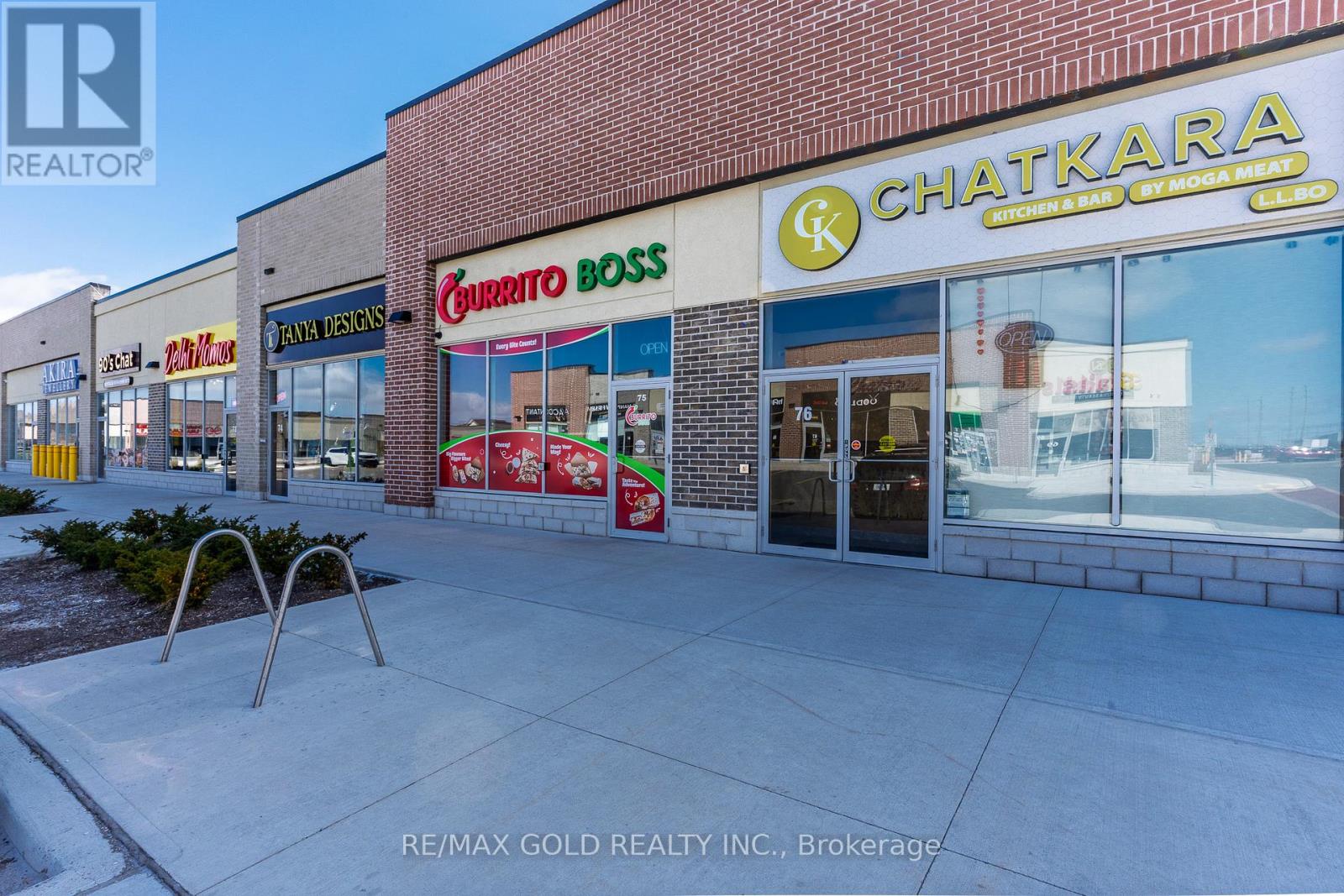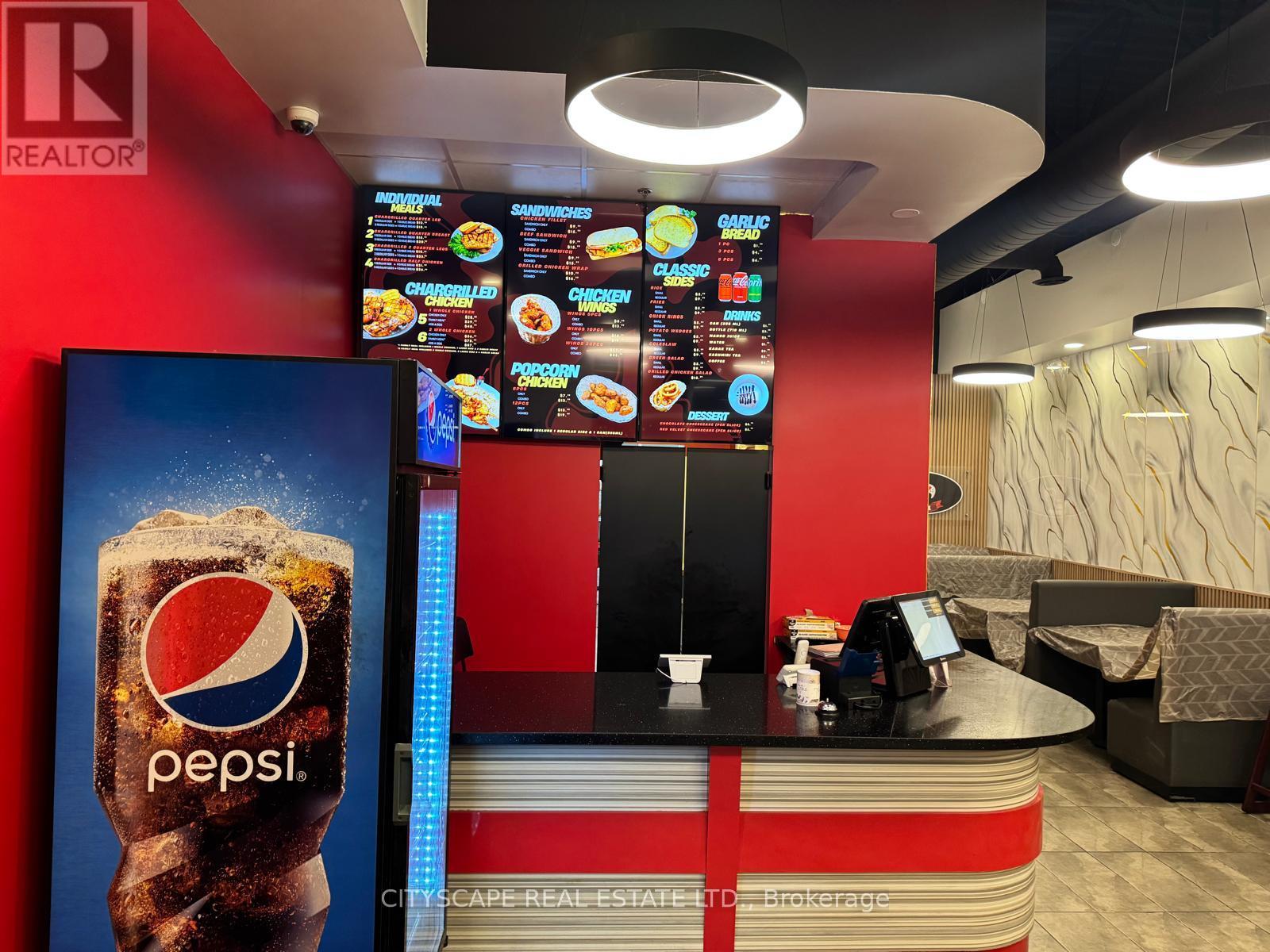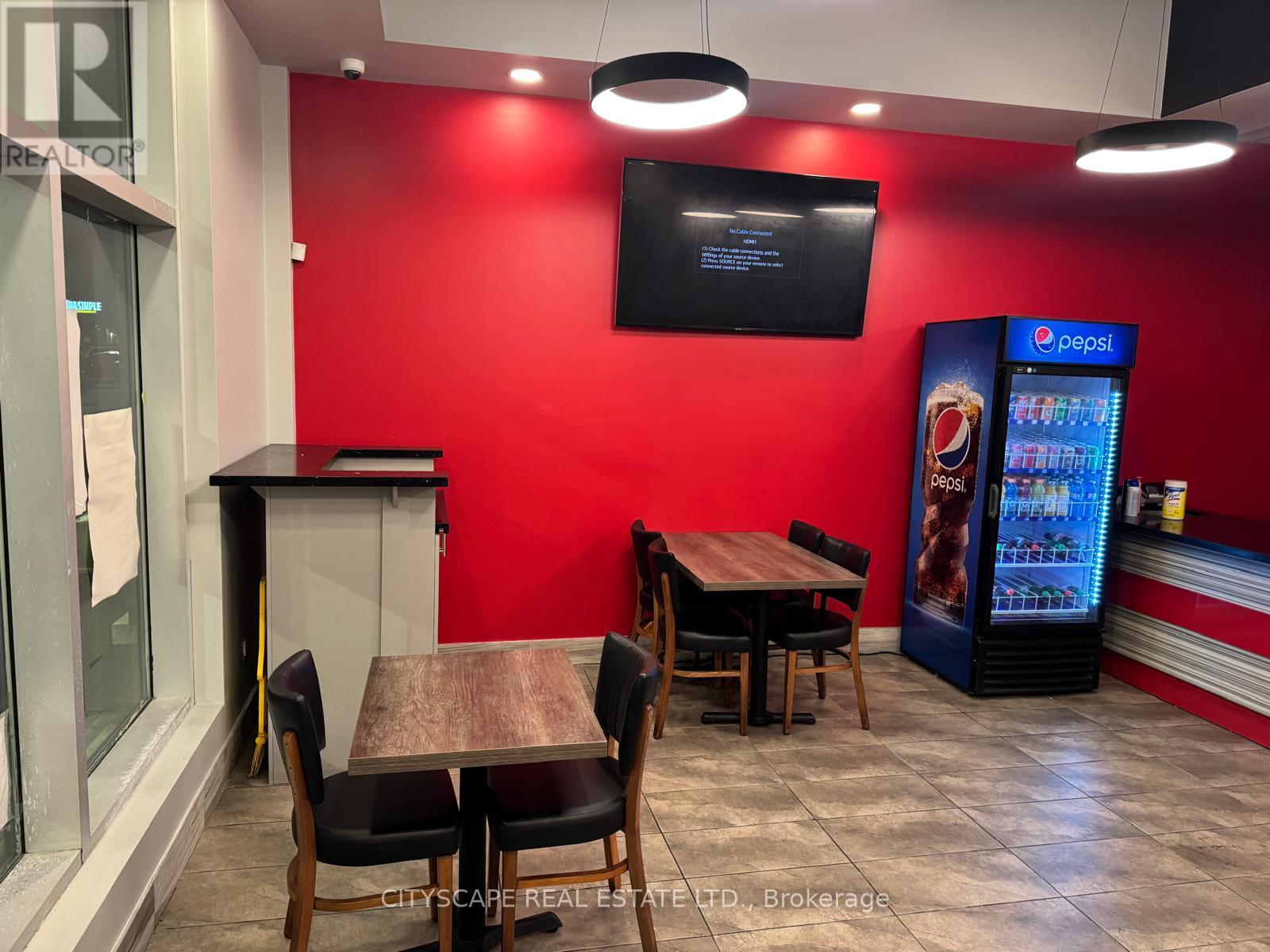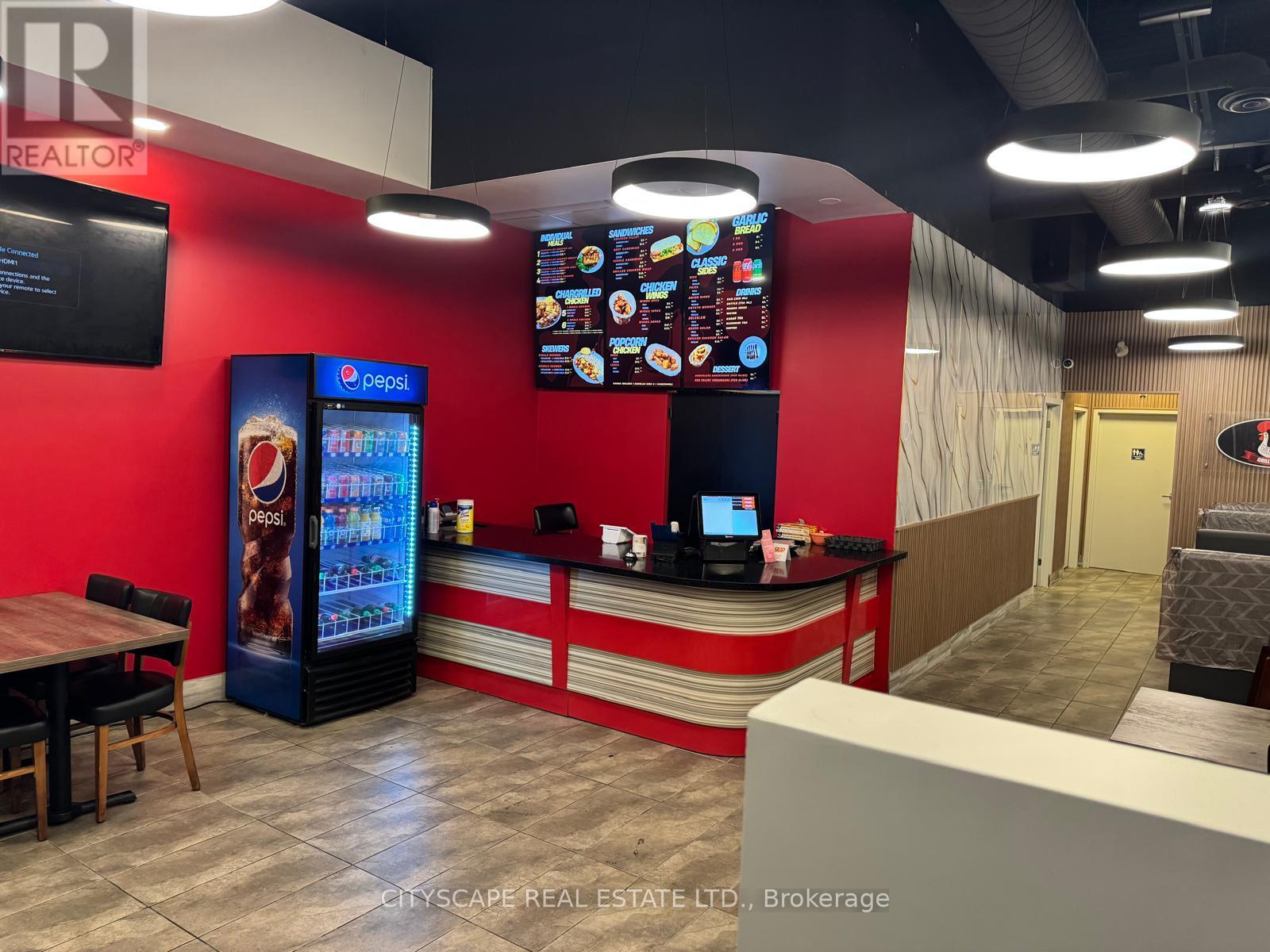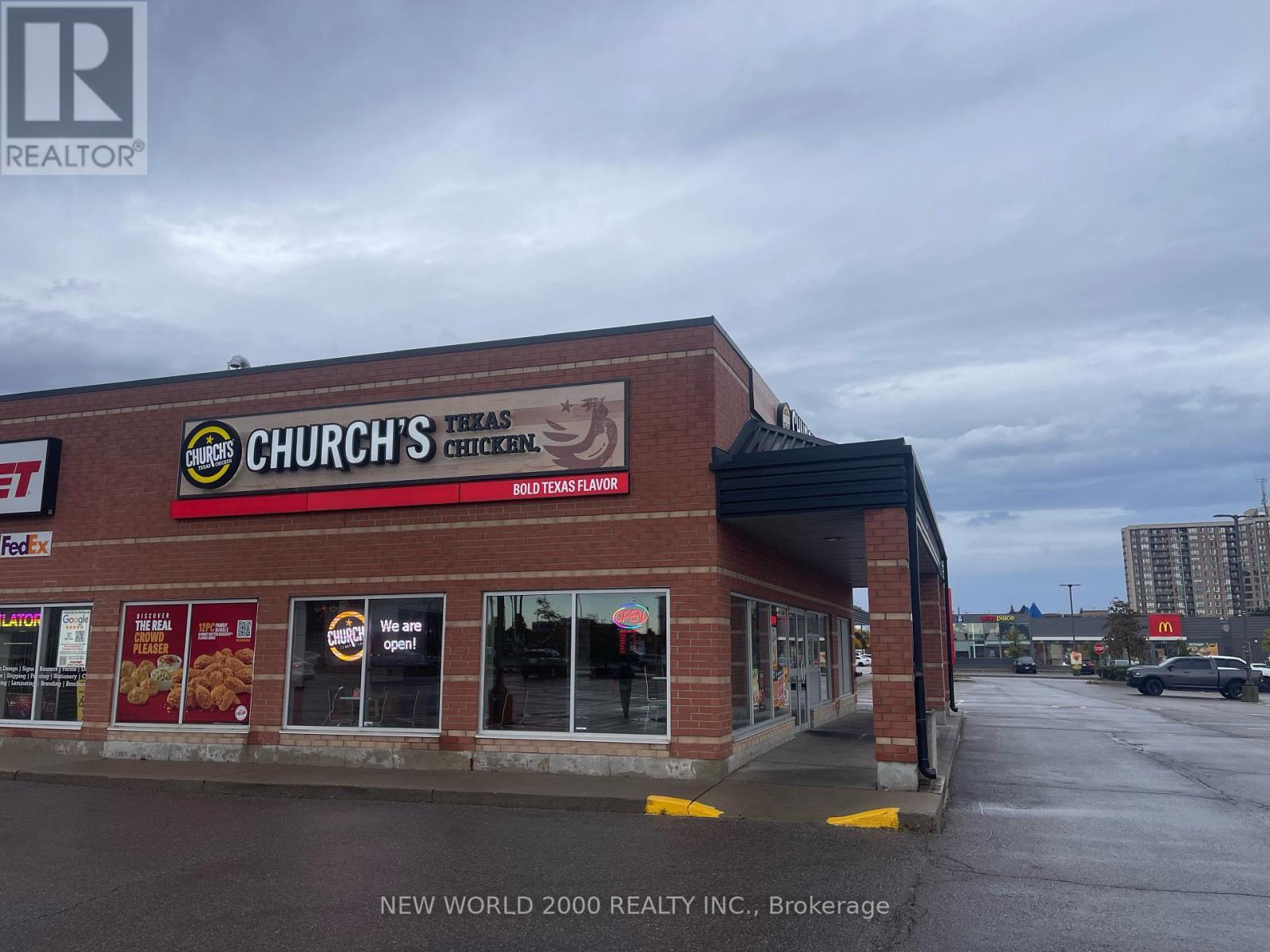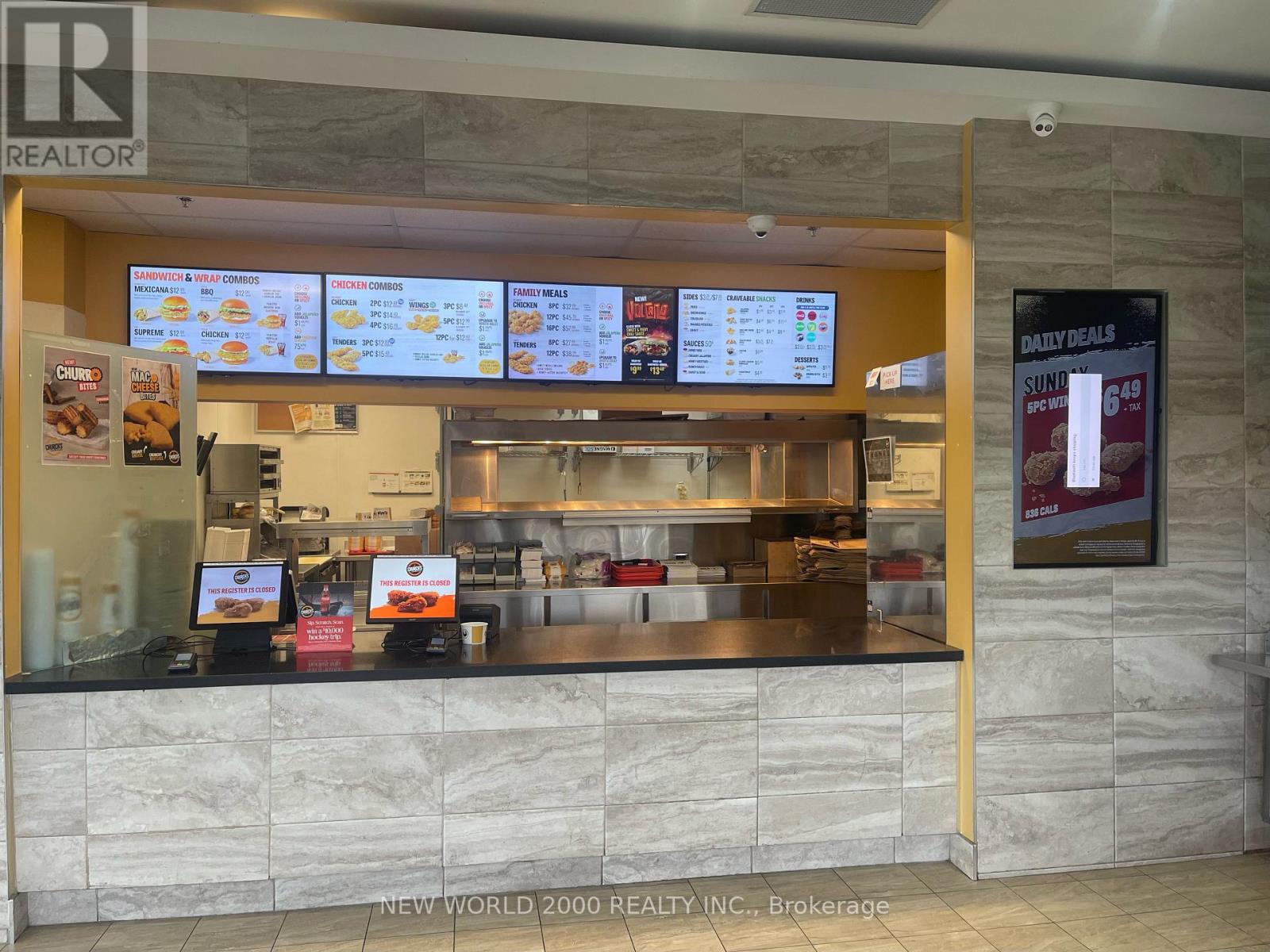
Businesses for Sale in Brampton, Ontario
Brampton's diverse economy and strategic Greater Toronto Area location create compelling investment potential, while businesses benefit from expanding demographics and strong infrastructure. Business ownership transforms dreams into reality, providing entrepreneurial freedom and wealth-building opportunities. For discovering exceptional businesses for sale in Brampton, findbusinessesforsale.com remains the premier destination for current opportunities.
Showing 37 - 48 of 78 Results

Why Buy a Business for Sale in Brampton, Ontario?
Written by David Turner, M.A.
Three key factors make Brampton an attractive city for buying a business: its rapid population growth, diverse economy, and strategic location within the Greater Toronto Area.
When you're considering market advantages, you'll find that Brampton's business landscape offers significant potential for growth and development, particularly due to its expanding consumer base and robust local economy.
The city's strategic positioning provides exceptional opportunities for business owners who want to tap into both local and regional markets. You'll benefit from Brampton's well-developed infrastructure and its proximity to major transportation hubs, including Toronto Pearson International Airport.
Additionally, the city's diverse population creates unique market opportunities across various sectors.
-
The local economy features a strong manufacturing sector, advanced technology firms, and a growing service industry, providing multiple entry points for prospective business owners.
-
Brampton's business-friendly policies and support programs offer tax incentives and development opportunities that can enhance your business's potential for success.
-
The city's younger demographic profile, compared to other GTA municipalities, presents opportunities for innovative business concepts and modern service delivery models.
When evaluating business opportunities in Brampton, you'll find that these advantages combine to create a compelling case for investment in this dynamic market.
Pros and Cons of Buying a Business Opportunity in Brampton
When considering the business advantages of purchasing an established operation, you'll find an existing customer base, a proven business model, and immediate cash flow potential. However, you must also weigh these benefits against potential financial risks and inherited challenges.
|
Aspect |
Advantages |
Disadvantages |
|
Financial |
Immediate revenue stream |
Higher initial investment |
|
Operations |
Established systems |
Potential outdated processes |
|
Market |
Existing customer base |
Limited growth potential |
|
Staff |
Trained employees |
Resistant to change |
|
Brand |
Built reputation |
Possible negative history |
While established businesses offer reduced startup challenges and proven track records, they often require significant capital and may come with hidden liabilities.
more


Business Consumer & Supplier Trends in the Greater Toronto Area
Market dynamics in Brampton's business landscape continue to evolve, shaping both consumer behaviour and supplier relationships. You'll need to analyze shifting consumer behaviour patterns and evaluate how well the target business has adapted to these changes.
Understanding supplier dynamics is equally important for your potential business acquisition. You'll want to examine existing supplier relationships, contract terms, and the overall stability of the supply chain.
In Brampton's diverse market, successful businesses often maintain strong relationships with multiple suppliers while staying adaptable to market fluctuations.
-
Consumer preferences are increasingly shifting toward digital-first experiences, with many Brampton businesses implementing hybrid service models.
-
Local supplier networks are becoming more interconnected, offering opportunities for better pricing and more reliable supply chains.
-
Environmental consciousness is driving both consumer choices and supplier practices, making sustainability a key factor in business operations.
Key Steps in Buying a Business for Sale in Brampton, Ontario
Before purchasing a business in Brampton, you'll need to follow several important steps to secure a successful acquisition.
-
Begin by conducting thorough market research and identifying potential businesses that align with your goals and expertise.
-
Once you've shortlisted promising opportunities, evaluate their financial statements, including profit and loss records, tax returns, and cash flow projections.
-
Explore various financing options, from traditional bank loans to alternative funding sources such as private lenders or seller financing. It's essential to have your funding secured before proceeding with serious negotiations.
-
When you're ready to move forward, employ effective negotiation strategies that consider both the asking price and other key terms like asset inclusion, training periods, and non-compete agreements.
-
Before finalizing any deal, verify you're working with qualified professionals, including a business lawyer, accountant, and business broker who understand Brampton's market.
-
Once you're satisfied with the investigation results and terms, you can proceed with drafting and executing the purchase agreement, followed by a structured transition plan.
Define Your Business Acquisition Criteria
When developing your acquisition strategy in Brampton's diverse market, you'll need to evaluate multiple factors that align with your business goals and risk tolerance.
Consider these key criteria categories that'll help shape your business search:
|
Criteria Type |
Considerations |
|
Financial |
Annual revenue, profit margins, cash flow stability, and asking price |
|
Operational |
Industry type, staff size, location within Brampton, hours of operation |
|
Market Position |
Competition level, growth potential, and customer base diversity |
|
Personal Fit |
Required expertise, time commitment, lifestyle alignment |
Your criteria should reflect both your immediate capabilities and long-term business goals. When evaluating businesses in Brampton, you'll want to focus on opportunities that match your management style and industry experience.
Engage a Business Broker, Lawyer, Accountant, and Lender in Brampton
You'll need experienced professionals who understand the local market and can guide you through complex transactions while protecting your interests.
When selecting your advisors, prioritize those with proven track records in business acquisitions and strong knowledge of Brampton's business landscape.
|
Professional |
Key Role |
|
Selection Criteria |
|
Business Broker |
Sources listings, handles negotiations |
|
Experience with business valuation, local market knowledge |
|
Lawyer |
Legal documentation, due diligence |
|
Corporate law expertise, transaction history |
|
Accountant |
Financial analysis, tax planning |
|
Business assessment skills, industry expertise |
|
Lender |
Financing options, funding strategy |
|
Understanding of acquisition loans, flexibility |
Your team should work collaboratively to evaluate opportunities and structure deals effectively.
-
A business broker will help identify suitable targets and negotiate terms.
-
Your lawyer guarantees proper documentation and risk management.
-
Your accountant will assess financial statements and tax implications.
-
Your lender will outline financing options that align with your goals.
Together, these professionals create a thorough support system that increases your chances of completing a successful business acquisition in Brampton.
Conduct a Business Competitor Analysis in Brampton
You'll need to assess the competitive landscape by identifying both direct and indirect competitors, evaluating their strengths and weaknesses, and understanding their market positioning within the local business ecosystem.
-
Begin your analysis by mapping out competitors within a 5-10 kilometre radius of your target business location. Research their pricing strategies, customer service approaches, and unique selling propositions through online reviews, social media presence, and direct observation.
-
Next, evaluate your potential business's current market positioning relative to these competitors. Consider factors such as product quality, service offerings, location advantages, and brand reputation.
-
You'll want to identify gaps in the market that you can potentially exploit while also understanding the challenges you might face from established competitors.
Identify a Business Acquisition Target and Meet with the Seller
During your first meeting, it's vital to maintain a professional demeanour while gathering essential information about the business's operations, financial performance, and reason for sale.
You'll need to prepare an extensive list of questions addressing key aspects of the business, including customer base, supplier relationships, and growth potential.
Before discussing business valuation or engaging in negotiation tactics, make certain you've signed a non-disclosure agreement (NDA) to protect both parties' interests. This initial meeting serves as a foundation for future discussions and helps you assess whether there's potential for a successful transaction.
Conduct "Pre-Offer" Due Diligence on your Business Acquisition Target
Before making an offer on a business, you'll need to thoroughly examine key aspects, including historical financial statements, lease agreements, and a thorough asset inventory to guarantee you're making a sound investment decision.
While conducting this pre-offer due diligence, you should develop a detailed budget that accounts for both acquisition costs and anticipated post-completion expenses, as these figures will greatly impact your negotiation strategy.
To establish a strong foundation for your offer, it's crucial to obtain a professional business valuation that considers market conditions, industry trends, and the specific characteristics of the Brampton market, ensuring you don't overpay for your acquisition target.
Analyze Historical Financial Statements
You'll need to examine at least three years of financial records to identify revenue trends and calculate essential financial ratios that reveal the true health of the business.
| Key Financial Documents to Review | Analysis Focus Points |
| Balance Sheets | Asset composition and liabilities |
| Income Statements | Profitability and operating margins |
| Cash Flow Reports | Working capital management |
| Tax Returns | Revenue verification and compliance |
When reviewing these documents, you'll want to pay particular attention to the consistency of revenue growth, profit margins, and any unusual fluctuations that might indicate underlying issues. Consider engaging a professional accountant who's familiar with Brampton's business landscape to help you interpret these figures accurately.
They can assist in identifying red flags such as unusual write-offs, undisclosed liabilities, or creative accounting practices that might affect your valuation of the business.
Review of the Business Premises Lease
You'll need to carefully examine the existing lease terms, including renewal options, rent escalation clauses, and any restrictions on business operations that could affect your plans.
Additionally, you should verify whether the lease can be transferred to you without the landlord's approval or if you'll need to negotiate a new agreement.
While analyzing the lease agreement, you'll want to assess the property condition and any maintenance responsibilities outlined in the contract. Pay special attention to who's responsible for repairs, renovations, and utility costs.
Consider requesting documentation of any recent property improvements, maintenance records, and compliance certificates to guarantee you're making an informed decision about the business premises you're potentially taking over.
Inspect a Detailed Asset List
When conducting your inventory assessment, break down the assets into clear categories and verify their condition, age, and market value. You'll want to document everything from equipment and machinery to digital assets and intellectual property.
Remember to cross-reference the seller's stated values against current market rates to ensure accuracy.
|
Asset Category |
What to Check |
Documentation Needed |
|
Physical Assets |
Condition & Age |
Maintenance Records |
|
Digital Assets |
Licenses & Access |
Ownership Proof |
|
Inventory Stock |
Quantity & Quality |
Stock Reports |
Consider hiring a professional appraiser for high-value items, as their expertise can prove invaluable in negotiating the final purchase price. Additionally, verify all assets are free from liens or encumbrances by requesting relevant documentation from the seller.
Budget for Acquisition and Post-Completion Costs
When planning your finances, you'll need to evaluate both immediate closing costs and ongoing operational expenses for at least the first six months of ownership.
Post-completion expenses often catch new business owners off guard, potentially disrupting cash flow during the critical shift period. You'll want to maintain a substantial financial buffer to address unexpected challenges while guaranteeing smooth operations.
Think about working with a financial advisor who specializes in business acquisitions to develop a detailed budget that accounts for all potential scenarios.
-
Legal and professional fees, including lawyer retainers, accountant services, and business valuations.
-
Working capital requirements for inventory, payroll, and immediate operational needs.
-
Renovation or upgrade costs, equipment maintenance, and potential rebranding expenses.
When calculating your total budget, factor in a contingency fund of at least 10-15% above your estimated expenses to make sure you're adequately prepared for any unforeseen circumstances.
Obtain a Professional Business Valuation
Professional valuators employ three distinct valuation methods to determine a company's worth: income-based calculations using EBITDA (earnings before interest, taxes, depreciation & amortization) or SDE (seller discretionary earnings) multiples, asset-based assessments of tangible and intangible property, and market-based comparisons of similar business sales.
The most widely used approach centres on earnings multiples, typically ranging from three to four times EBITDA for mid-sized businesses or two to three times SDE for smaller operations under $650,000.
However, these multiples aren't set in stone—they’re influenced by factors such as industry trends, location, intellectual property, and recent comparable sales. Your valuator will make necessary valuation adjustments based on these variables.
Submit a Conditional Offer to Purchase or a Letter of Intent (LOI) Agreement
When you're ready to make an offer on a business in Brampton, you'll need to carefully consider whether to structure it as an asset sale or share sale, while also determining if seller financing could help bridge any funding gaps in your acquisition strategy.
Additionally, you'll want to outline a thorough seller training and change plan in your offer documentation, ensuring you'll have adequate support to maintain business continuity and preserve valuable operational knowledge after the ownership change.
Asset Sale vs. Share Sale Considerations
The decision between an asset sale and a share sale represents one of the most vital choices you'll make when purchasing a business in Brampton. When considering asset sale implications, you'll primarily acquire specific business assets while leaving behind potential liabilities, offering greater flexibility in selecting which assets to purchase and potentially reducing your risk exposure.
|
Aspect |
Asset Sale |
Share Sale |
|
Tax Impact |
Generally favorable for the buyer |
More favorable for the seller |
|
Liability Transfer |
Limited to acquired assets |
Complete transfer of all liabilities |
|
Complexity |
More straightforward |
More complex due diligence |
-
Share sale benefits include maintaining existing business contracts, licenses, and permits without interruption, which can be particularly valuable if the target business holds special permits or has key contracts that aren't easily transferable.
-
While asset sales typically offer more favourable tax treatment for buyers, share sales often provide better continuity of business operations and may be preferable when dealing with complex regulatory requirements or when maintaining existing business relationships is vital to success.
Request Some Partial Seller Financing
Savvy business buyers in Brampton should consider requesting seller financing as part of their purchase strategy. When properly structured, this arrangement can provide significant financial flexibility while demonstrating seller motivation and confidence in the business's future success.
Requesting partial seller financing typically involves structuring the deal with a substantial down payment, followed by scheduled payments over an agreed-upon term. This approach can benefit both parties, as you'll conserve working capital for business operations while the seller receives ongoing income and potential tax advantages.
When negotiating seller financing terms, you'll want to clearly outline interest rates, payment schedules, and any security arrangements in your purchase agreement.
Review the Business Operating Licenses & Permits
Understanding the specific operating requirements and permit types will help you guarantee compliance and avoid potential legal issues after the purchase.
While conducting your due diligence, you'll need to verify that all current licenses are transferable and remain valid under new ownership.
Work with your legal advisor to examine the following documentation thoroughly:
-
Municipal business licenses specific to Brampton, including zoning permits, sign permits, and any special industry-specific authorizations
-
Provincial licenses and certifications required for your type of business operation, such as food handling permits or professional service licenses
-
Federal permits that may apply to import/export activities, regulated products, or specialized services
You'll want to contact Brampton's licensing department to understand the requirements for transferring or obtaining new permits under your ownership.
Prepare a Seller Training & Transition Plan
You'll need to negotiate specific terms regarding the seller's post-sale involvement, including duration, scope, and compensation for their transfer support. This groundwork guarantees you'll have sufficient time to learn the business's essential operations, systems, and relationships.
Your handover strategies should outline a detailed knowledge transfer process, covering everything from daily operations to seasonal business cycles.
It's vital to document key vendor relationships, customer accounts, and employee management protocols. You'll want to secure the seller's commitment to introduce you to important business contacts and assist with maintaining continuity in essential relationships.
Include provisions for hands-on training in specialized equipment operation, proprietary software systems, and unique business processes that aren't immediately apparent but are necessary for sustained success.
Create a Business Plan for Financing Your Business Acquisition
Your plan should detail your acquisition strategy, projected financials, and market analysis to demonstrate the business's potential for growth and sustainability.
Include detailed financial projections that demonstrate your ability to service any debt while maintaining profitable operations.
-
Present a thorough market analysis that includes competitor research, industry trends, and growth opportunities specific to Brampton's business environment.
-
Provide detailed financial statements, including projected cash flow, profit and loss statements, and balance sheets for at least three years.
-
Include your management experience and qualifications, demonstrating your capability to successfully operate and grow the acquired business.
Your business plan should ultimately convince potential lenders that you've thoroughly evaluated the opportunity and have a solid strategy for success.
Close the Deal!
During this vital phase, you'll need to employ effective negotiation strategies to guarantee all terms align with your interests while maintaining a professional relationship with the seller.
Before signing any documents, you'll want to conduct a final review of all financial statements, legal documents, and contractual obligations. Your lawyer should thoroughly examine the purchase agreement, guaranteeing it includes all previously discussed terms and conditions.
Additionally, it's essential to implement closing tactics that protect your interests, such as establishing clear timelines for the transfer of assets, licenses, and permits.
You'll need to arrange for the transfer of funds, handle any necessary regulatory compliance matters, and guarantee all required documentation is properly executed.
Once you've verified that all conditions have been met and contingencies addressed, you can proceed with signing the final documents and completing the ownership transfer, officially becoming the new owner of your Brampton business.
Final Thoughts
When you're ready to venture into business ownership in Brampton, you'll find that careful planning and thorough research are your strongest allies. By following these key steps, understanding local regulations, and leveraging available resources, you're positioning yourself for a successful business acquisition.
While the process may present its challenges, the potential rewards of owning an established business in Brampton's thriving market make it a worthwhile endeavour for those who've done their due diligence.
Government Regulations for Businesses in Brampton
Business ownership in Brampton comes with specific regulatory requirements you'll need to navigate.
|
Regulatory Area |
Requirements |
Timeline |
|
Business Registration |
Federal/Provincial Registration, Business Number |
2-4 weeks |
|
Municipal Licensing |
4-6 weeks |
|
|
Health & Safety |
WSIB Registration, Safety Training |
1-3 weeks |
Industry Information Resources for Businesses in Brampton
The city offers extensive resources through its Economic Development Office, where you'll find thorough market research reports and industry trends specific to the Greater Toronto Area.
To conduct thorough market research and stay informed about industry trends, you'll want to utilize these key information sources:
-
Statistics Canada's Business Register and Industry Canada's SME Benchmarking Tool provide detailed data on market conditions, competition, and financial benchmarks.
-
Brampton's Business Information Centre offers free access to business databases, market reports, and demographic analysis tools.
-
The Brampton Board of Trade maintains current industry reports and networking opportunities with local business leaders.
Beyond these resources, you'll find additional support through local business associations and industry-specific organizations.
These connections can provide invaluable insights into market conditions, growth potential, and emerging opportunities in your chosen sector. Consider scheduling consultations with industry experts and business advisors who can help interpret the data and apply it to your specific situation.
Frequently Asked Questions:
Q: How long does a typical business acquisition take from start to finish?
A: You'll typically spend 3-6 months completing the business acquisition process for a business for sale in Brampton, from initial research through due diligence and exploring financing options. Shorter deals can happen, but rushing could mean missing critical details about the unique opportunity you're pursuing in this vibrant plaza in Brampton.
Q: Are there specific insurance requirements for business buyers in Brampton?
A: You'll need essential insurance types like liability, property, and workers' compensation when acquiring a well-established business. Start with a risk assessment to determine your specific coverage needs and protect your new business venture from potential losses in the greater Toronto area, ensuring compliance with local regulations.
Q: What happens to existing business contracts after ownership transfer?
A: While you might worry about disrupting operations, existing contracts for a turnkey business for sale don't automatically terminate. You'll need contract assignment approvals for ongoing agreements and lease agreements. Meet with vendors to guarantee smooth changes of business relationships in your prime location, making the transition seamless for both your strong customer base and staff.