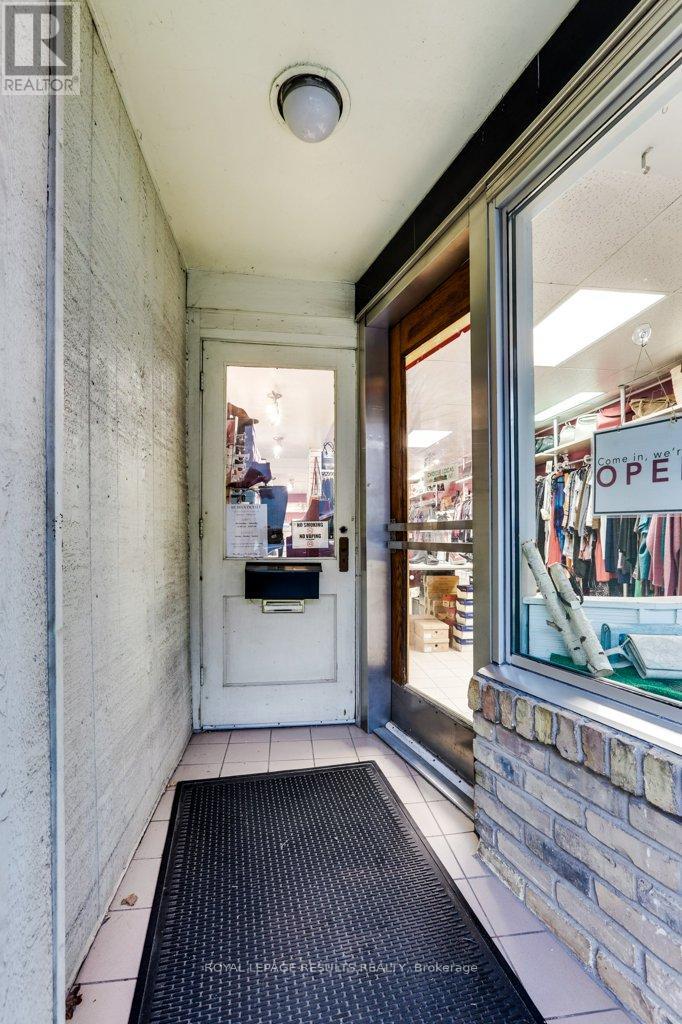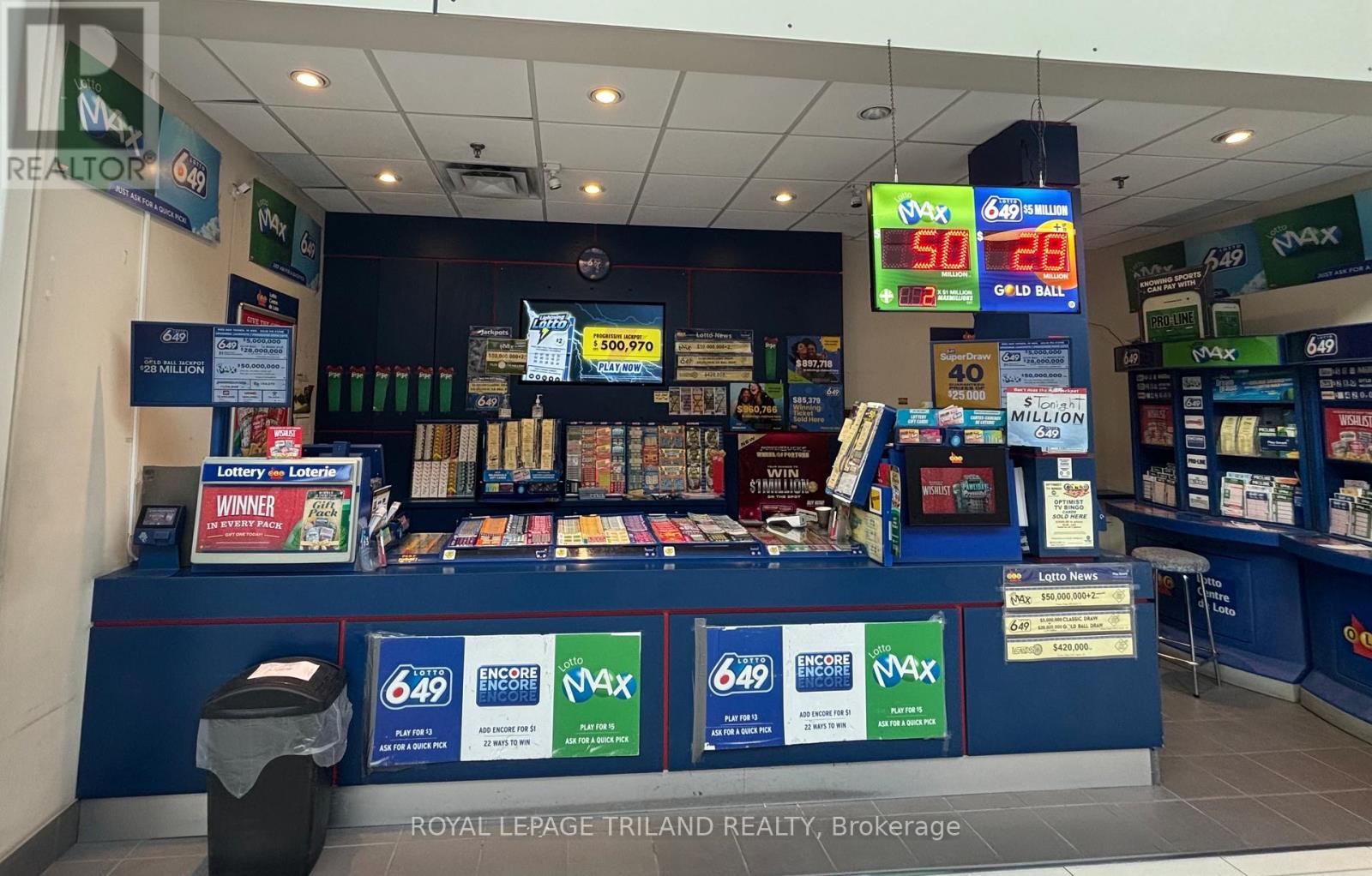
Businesses for Sale in London, Ontario
and integration planning. Canada's robust economy shows 2.5% GDP growth, with London's diverse healthcare, technology, and manufacturing sectors driving stability. Owning a business transforms dreams into reality while building lasting wealth. Discover your perfect business-for-sale opportunity in London, Ontario, on FindBusinessesForSale.com, the premier destination for current acquisition opportunities.
Showing 97 - 108 of 243 Results

Marketplace Statistics
The average asking price for Listings in
London: $1,588,428
The most viewed listings in London on FBF are linked below:
| Laundromat for Sale | Wavell Variety, Coin Laundry & Rental Apartments For Sale in London | Business for Sale |
| Restaurant/Pizza Store for Sale | Commercial Realty for Sale | Bakery for Sale |
Why Buy a Business for Sale in London, Ontario?
Written by David Turner, M.A.
Buying a business for sale in London, Ontario, can be a strategic move for entrepreneurs and investors. London is a thriving city with a strong economy, diverse industries, and a growing population, making it an attractive location for businesses to operate.
- Lower startup risks: Many startup risks are mitigated when buying an established business, as the venture has already navigated initial challenges and has a proven track record.
- Instant cash flow: Existing businesses typically have established customer bases, generating immediate revenue and cash flow.
- Opportunity for growth and expansion: With an existing customer base and market presence, there is potential for growth and expansion, both within the current market and through diversification.
- London's economic stability: London's diverse economy, including industries such as healthcare, technology, and education, contributes to a stable business environment.
- Access to a skilled workforce: The city's universities and colleges provide a pool of skilled and educated workers, making it easier to find and retain talented employees.
- Government incentives: London offers various incentives for businesses, such as tax breaks and funding programs, to support growth and investment.
- Strategic location: London's central location in southwestern Ontario provides easy access to major cities, including Toronto and Detroit.
- Quality of life: London offers a high quality of life, making it an attractive location for entrepreneurs and employees alike.
more

London, Ontario: Economy, Geography, and lifestyle
With a population exceeding 400,000, London serves as a regional hub, attracting talent through its post-secondary institutions like Western University and Fanshawe College. You'll appreciate the high quality of life, with numerous local attractions, including parks, outdoor activities, and cultural venues.
You'll find a diverse economy with strong sectors in healthcare, education, manufacturing, and technology, providing a stable foundation for your venture. The city's strategic location in southwestern Ontario, along major highways and near the U.S. border, offers excellent opportunities for market expansion and trade.
Key Steps to Buying a Business for Sale in London, Ontario
To navigate this process successfully, you'll need to assemble a team of professional advisors, including accountants, lawyers, and business brokers, and follow these important steps.
Define Your Business Acquisition Criteria
Consider these key factors when developing your acquisition strategies:
- Financial parameters: Set your budget and financing options.
- Industry and business type: Match your skills and interests.
- Business size: Determine desired revenue and employee count.
- Specific characteristics: Identify growth potential and operational efficiency.
- Geographic preferences: Consider proximity to your current operations.
Research the Macroeconomic Landscape & Trends in London
London's economy shows promising signs, with a 2.5% GDP growth in 2022 and diversification across healthcare, manufacturing, and technology sectors. Key economic indicators paint a positive picture: unemployment rates are below the national average at 5.6%, signalling a robust job market.
Market trends reveal a competitive real estate sector, with home prices rising 10% year-over-year. You'll also notice an increasing focus on sustainability and technology adoption among businesses, reflecting shifting consumer preferences.
Utilize the City of London's economic development reports for industry trends and demographic data. Analyze competitors' financials through public records or industry reports to understand their revenue streams and profit margins.
Evaluate market share to gauge the competitive landscape and identify opportunities for differentiation.
Engage a Local Business Broker, Lawyer, Accountant and Lender in London
- Engage a business broker to access exclusive listings and gain insights into negotiation strategies. Open communication is essential for effective problem-solving throughout the acquisition process. These professionals can offer invaluable insights into potential businesses and franchises, ensuring a smooth buying experience.
- Collaborate with a lawyer well-versed in Ontario's business laws to review legal documents and structure the purchase agreement.
- Partner with an accountant to evaluate financial health and assess tax implications. Secure a lender experienced in financing business acquisitions to explore capital options.
This team of experts will help you:
- Navigate complex business valuation processes.
- Develop effective negotiation strategies.
- Mitigate risks associated with the acquisition.
- Ensure compliance with local regulations.
- Optimize the financial structure of the deal.
Meet with Target Business Sellers
Prepare a comprehensive list of questions addressing key aspects like financial performance, customer base, and growth potential. Build rapport by demonstrating genuine interest and industry knowledge specific to the London market.
Conduct Due Diligence on Your Acquisition Target
You'll need to conduct thorough due diligence on your acquisition target in London.
SWOT Analysis of Target Business
Conducting a SWOT analysis on your target business stands out as a crucial step in the due diligence process. This comprehensive evaluation of strengths, weaknesses, opportunities, and threats provides invaluable insights into the company's market positioning and operational viability.
You'll uncover proprietary technologies, brand recognition, and customer loyalty that drive revenue. Simultaneously, you'll identify potential risks like high turnover or outdated systems.
|
Strengths |
Weaknesses |
Opportunities |
|
Proprietary tech |
High turnover |
Market expansion |
|
Brand recognition |
Outdated systems |
New products |
|
Loyal customers |
Client dependency |
Untapped segments |
Budget for Acquisition and Post-Completion Costs
Acquisition budgeting requires a comprehensive analysis of financial statements, assets, and liabilities. Engage independent valuators to ensure an objective assessment and fair purchase price.
When planning your budget, consider these post-completion expenses:
- Integration costs.
- Employee training.
- Potential renovations.
- Technology upgrades.
- Marketing and rebranding initiatives.
Review existing liabilities to understand potential financial obligations that may transfer with the purchase.
Analyze Historical Financial Statements
Conduct a thorough financial trend analysis, scrutinizing revenue patterns, expense fluctuations, and profitability ratios. Pay close attention to gross and net profit margins, as well as the current ratio, to gauge operational efficiency.
When evaluating businesses, consider consulting experienced business brokers who can provide valuable insights and market knowledge to support your due diligence process. Don't overlook the importance of cash flow assessment.
Cross-reference reported figures with tax returns and bank statements to ensure data accuracy. By meticulously analyzing historical financials, you'll be able to evaluate the business's stability and potential, empowering you to make an informed decision about your acquisition.
Review the Real Estate Title or Premises Lease.
When reviewing real estate titles, you'll need to check for any title liens or encumbrances that could affect ownership. For leased premises, scrutinize the lease terms, including duration, renewal options, and rent escalations.
Conduct a physical inspection to identify maintenance issues or structural problems that could lead to additional costs.
Review a Detailed Asset List
Conduct asset valuation through specialist appraisals to determine fair market value and make an informed purchase decision. Pay close attention to the age and condition of equipment, as this impacts future operational expenses.
Ownership verification is crucial; investigate whether assets are owned outright or leased to understand your post-acquisition obligations. Ensure the list includes detailed inventory descriptions, model numbers, and locations for accurate assessments.
|
Asset Type |
Key Considerations |
Impact on Decision |
|
Equipment |
Age and condition |
Replacement costs |
|
Inventory |
Detailed description |
Accurate valuation |
|
Real Estate |
Ownership status |
Financial obligations |
|
Leased Items |
Contract terms |
Future commitments |
|
Intangibles |
Intellectual property |
Business value |
Prepare a Conditional Offer to Purchase or an LOI Agreement
When preparing your Conditional Offer to Purchase or Letter of Intent, you'll need to consider whether you're pursuing an asset sale or share sale, as this decision significantly impacts the transaction's structure and has many tax, legal, and operational implications.
Asset Sale vs. Share Sale Considerations
During the process, you'll need to decide between an asset sale and a share sale, which will significantly impact the structure of your purchase agreement.
- An asset sale allows you to cherry-pick specific assets and liabilities, potentially limiting your exposure to pre-existing debts.
- A share sale transfers all assets and liabilities, including hidden ones, to you as the buyer.
|
Aspect |
Asset Sale |
Share Sale |
|
Liability |
Limited |
Full |
|
Negotiation |
Flexible |
Less flexible |
|
Tax implications |
Capital gains |
Single taxation |
|
Due diligence |
Asset-specific |
Company-wide |
|
Hidden liabilities |
Reduced risk |
Higher risk |
Your choice will affect the level of due diligence required. It's crucial to consult business brokerage, legal, and financial advisors to ensure you're making the best decision for your situation and protecting your interests in the transaction.
Business Valuation Using the Market Comparable Income Approach
The most common method used to determine a fair sale price for a business is calculating a multiple of EBITDA (earnings before interest, taxes, depreciation, and amortization) and/or a multiple of SDE (seller discretionary earnings), which is simply EBITDA plus a manager’s wage (normalized to market). Both are measures of a company’s ability to generate operating earnings for the owner.
The multiples vary slightly by industry and are typically in the range of three to four times EBITDA for a small to medium-sized business or two to three times SDC (for transactions under $650,000).
Training & Transition Agreement
This agreement outlines the seller's commitment to assist you during the transition period, ensuring a smooth transfer of operations and knowledge. When drafting the LOI, specify training expectations, including duration, scope, and any fees associated with the seller's ongoing support.
Clearly define roles and responsibilities for both parties to prevent misunderstandings and ensure accountability.
Prepare a Detailed Business Plan for Financing
Preparing a detailed business plan is a crucial step in securing financing for your business acquisition. Your plan should include:
- A clear executive summary outlining your mission and objectives.
- Comprehensive financial projections for 3-5 years.
- An in-depth market analysis is conducted to identify target customers and trends.
- A robust marketing strategy is necessary to attract and retain clients.
- A comprehensive risk assessment and implementation strategy to mitigate potential risks.
Financial forecasting is essential to demonstrate your business's growth potential and viability. Include balance sheets, income statements, and cash flow projections. Highlight your competitive advantages and sustainability to convince investors and lenders of your business's potential.
Financial literacy is critical for successful business purchases, as it enables you to make informed decisions and present a compelling case to financiers.
Effective risk management is crucial. Outline potential challenges and your strategies to overcome them. This approach shows financiers that you're prepared for uncertainties and enhances your plan's credibility.
Ownership Transfer and Transition
When transferring ownership of a business, you'll need to address key legal, financial, and staffing considerations.
Legal Considerations
You'll need to ensure all legal documentation and compliance requirements are met to protect your investment and future operations. Here are key legal considerations:
- Drafting a comprehensive purchase agreement
- Conducting thorough due diligence.
- Reviewing and transferring necessary permits and licenses.
- Assessing and potentially assigning lease agreements.
- Filing required documents with regulatory authorities.
You must obtain and review all corporate records, financial statements, and relevant permits from the seller. It's essential to uncover any potential legal liabilities, such as outstanding contracts or lawsuits.
Financial Considerations
Evaluate the purchase structure, weighing the pros and cons of a share purchase versus an asset purchase, as this decision will impact your tax implications and liability exposure.
-
Consider reaching out to organizations like the Canadian Federation of Independent Business for expert advice and resources to guide you through the acquisition process.
Consider securing vendor financing to cover 15-20% of the purchase price, easing your upfront cash requirements. Post-acquisition, establish a clear financial strategy that includes monitoring cash flow, assessing working capital needs, and planning for future investments.
Staff & Management Considerations
Identify key employees critical to the business's success and consider retention incentives to maintain their loyalty. Evaluate the existing organizational structure and consider necessary adjustments to enhance efficiency and address leadership gaps.
Develop a clear communication strategy to inform staff about the acquisition, addressing concerns and outlining potential role changes.
Close the Deal!
As you move toward finalizing the purchase, you'll want to review and verify all documentation, including the asset purchase agreement. Your closing tactics should include a detailed checklist of essential items such as inventory verification, employee contracts, and outstanding liabilities.
It's imperative to work closely with your legal counsel to guarantee all regulatory requirements are met and proper permits are transferred. You'll need to coordinate with your financial institution to arrange the transfer of funds and establish new banking relationships for the business.
Once all parties have signed the necessary documents and funds have been transferred, you'll need to implement your shift plan immediately. This includes notifying employees, suppliers, and customers of the ownership change while guaranteeing minimal disruption to ongoing operations.
Final Thoughts
As you navigate the process of buying a business in London, Ontario, you're embarking on a journey as complex as a chess game. Each move requires careful consideration and strategic planning.
By following these key steps, you'll be well-equipped to make informed decisions, mitigate risks, and seize opportunities. Remember, thorough research, diligent analysis, and professional guidance are your strongest allies in this venture. Stay focused, adaptable, and prepared for the challenges and rewards that lie ahead.
Connect with Local Business Associations in London
- Joining the London Chamber of Commerce can provide valuable access to entrepreneurs and potential sellers.
- You'll benefit from participating in events hosted by the London Economic Development Corporation, enhancing your visibility and connecting with business owners looking to sell.
- Utilize online platforms and social media groups specific to London to stay informed about available businesses.
- Attend workshops and seminars organized by local associations to gain acquisition knowledge and build relationships with industry professionals.
Government Resources for Businesses in London
- You'll find valuable assistance through the Government of Ontario's Small Business Enterprise Centre, which offers free consultations and workshops to help you grow your business.
- Additionally, consider exploring employee training initiatives that can help enhance your workforce's skills and improve business performance.
- Don't overlook potential government incentives and business grants provided by the Ontario Ministry of Economic Development, Job Creation and Trade. The London Chamber of Commerce can connect you with networking opportunities and advocacy services.
- For comprehensive support, explore the Canada Business Network's online portal, which consolidates federal, provincial, and municipal resources.
By leveraging these government-backed initiatives, you'll position your newly acquired business for success in London's competitive market.
Frequently Asked Questions:
Q: How do I find most commercial businesses for sale, such as franchised dessert shops, retail stores, or hair salons, in London, Ontario?
A: To find businesses for sale, you can use online business listing platforms, work with local business brokers, network with industry professionals, and check local classifieds.
Q: What should I consider when evaluating a takeaway or convenience store for sale in West London?
A: When evaluating a takeaway or convenience store, consider factors such as the business's financial performance, location, competition, lease terms, and potential for growth. Assess the foot traffic, parking availability, and visibility of the store.
Q: How important is a prime location when buying a restaurant franchise in East London?
A: Location is crucial when buying a restaurant franchise. A prime location with high visibility and foot traffic can significantly impact the success of your business. Consider factors such as proximity to residential areas, business districts, or popular attractions. Evaluate the area's demographics and ensure they align with your target market.
Q: What should I look for when buying a well-established coffee shop or restaurant for sale?
A: When considering a well-established coffee shop or restaurant for sale that enjoys a strong reputation and loyal clientele, look at its financial performance, reputation, menu offerings, and loyal customer base. Evaluate the kitchen equipment, dining area condition, and any outdoor seating. Review employee retention rates, existing supplier relationships, and any licenses or permits.