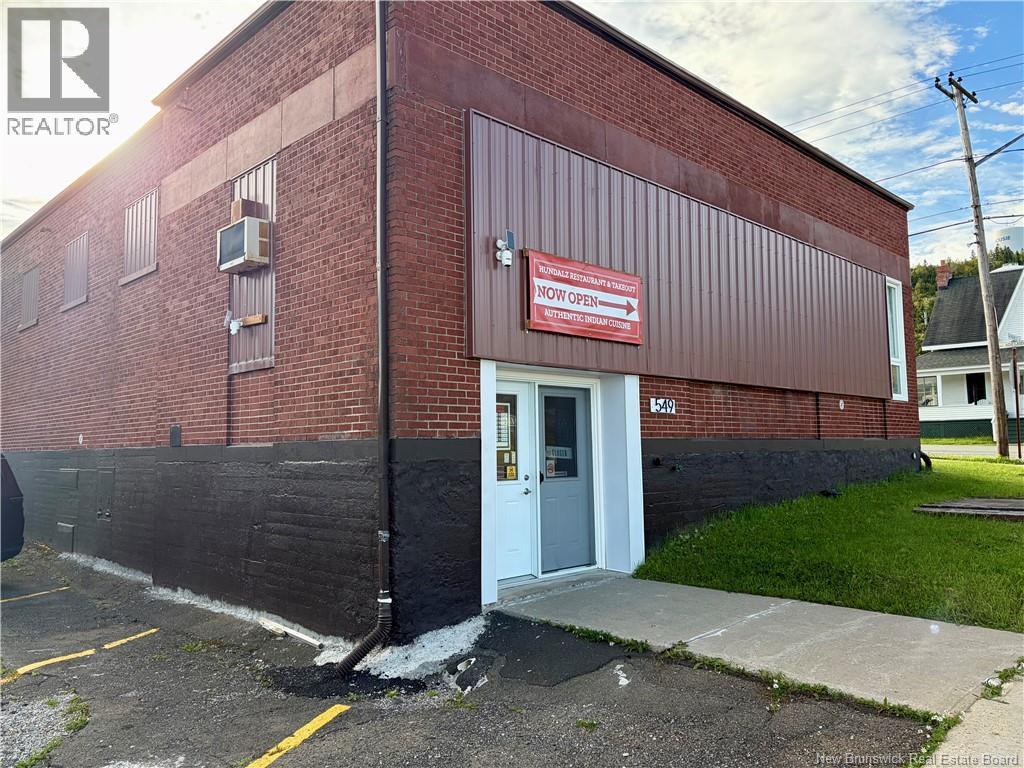
Businesses for Sale in New Brunswick
However, potential buyers should consider challenges like seasonal fluctuations and geographic limitations. The province's growing tech sector and government incentives create favourable market conditions for entrepreneurs. Owning a New Brunswick business means joining a supportive community while building your entrepreneurial legacy. For the best selection of current New Brunswick business opportunities, findbusinessesforsale.com remains your premier destination.
Showing 1 - 12 of 35 Results

Marketplace Statistics
The average asking price for Listings in
New Brunswick: $731,111
The most viewed listings in New Brunswick on FBF are linked below:
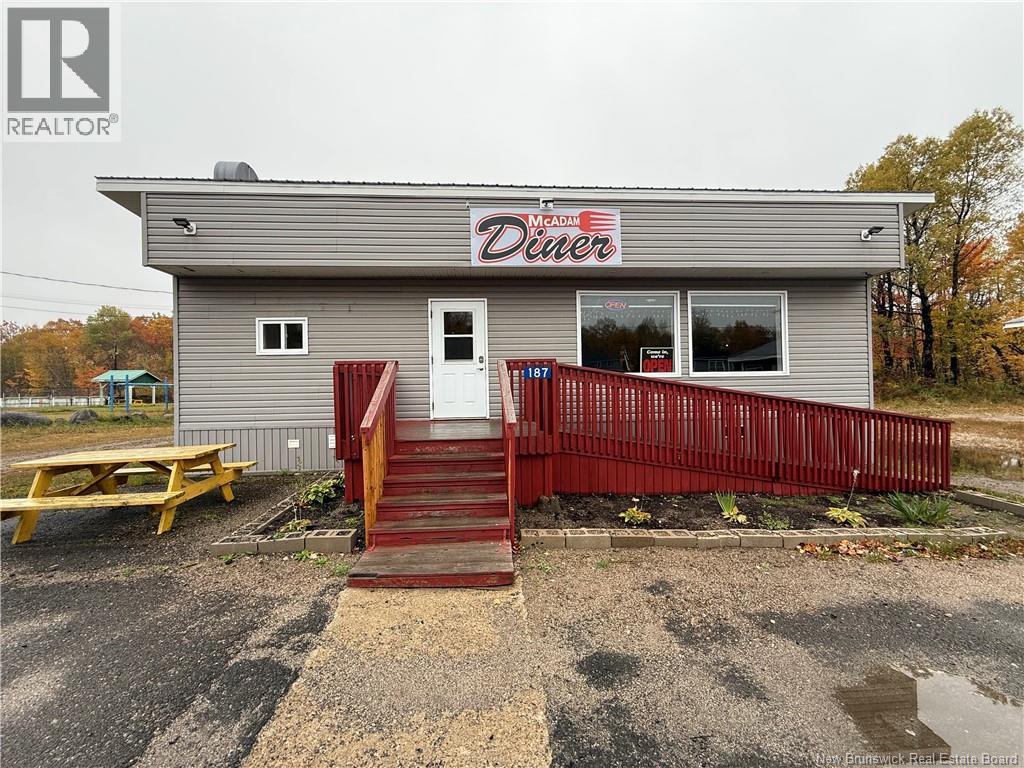
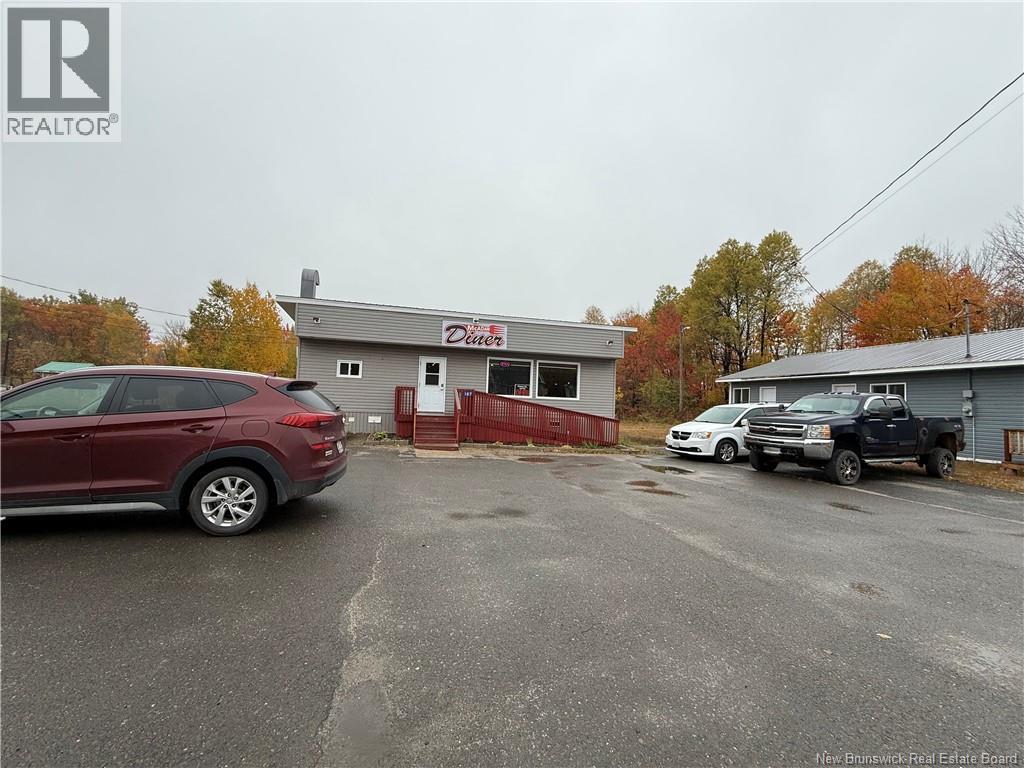
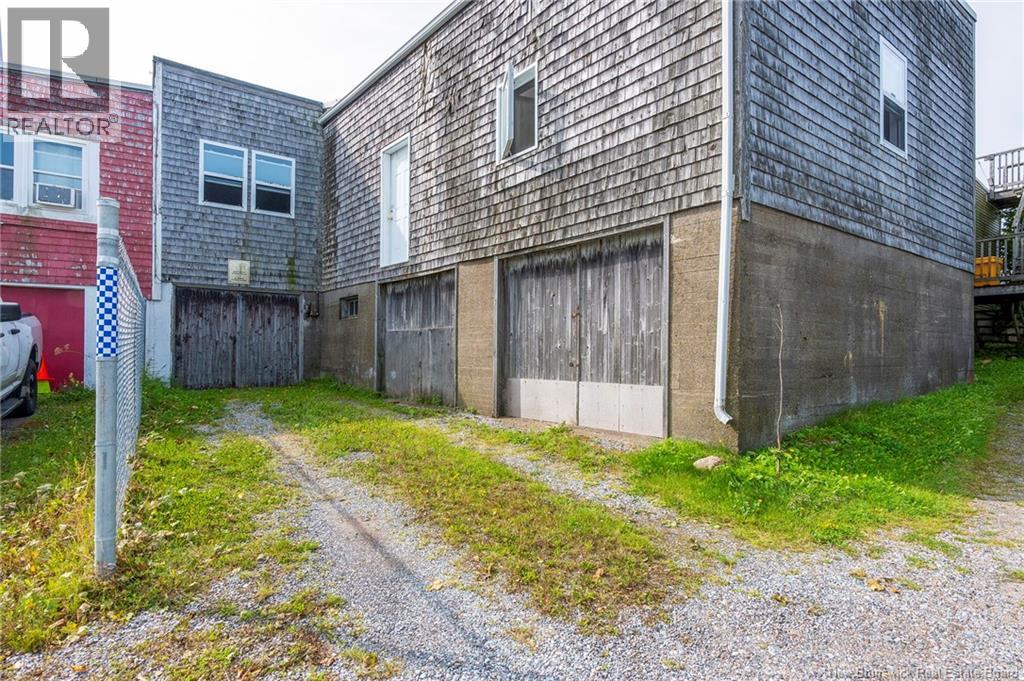
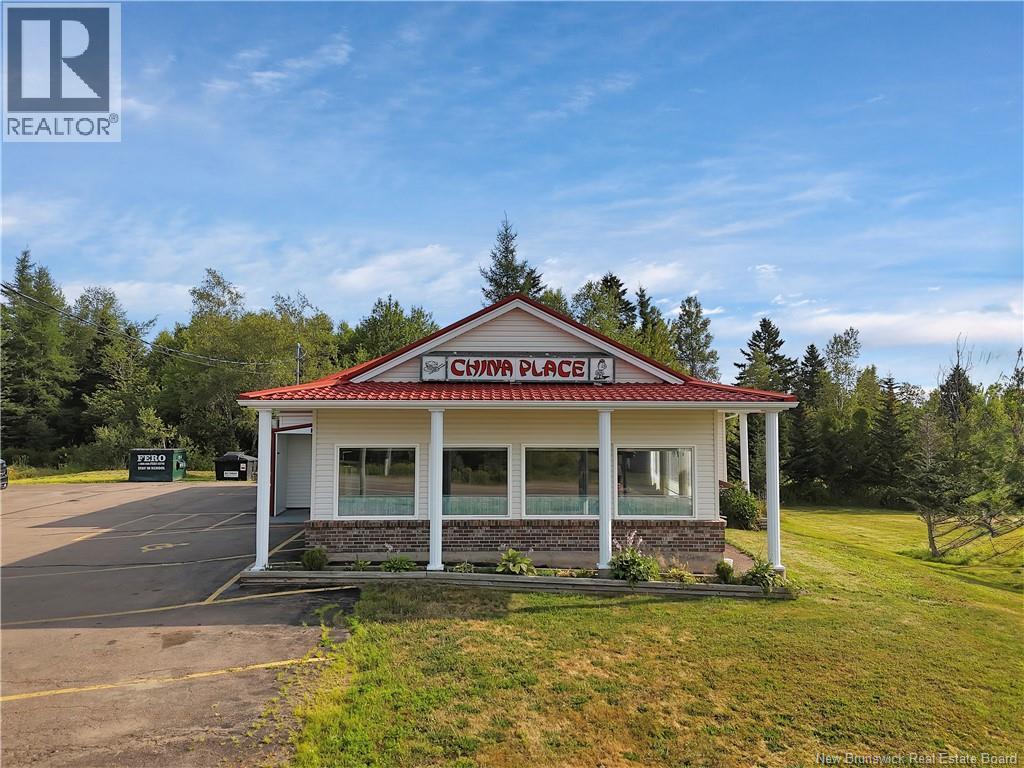
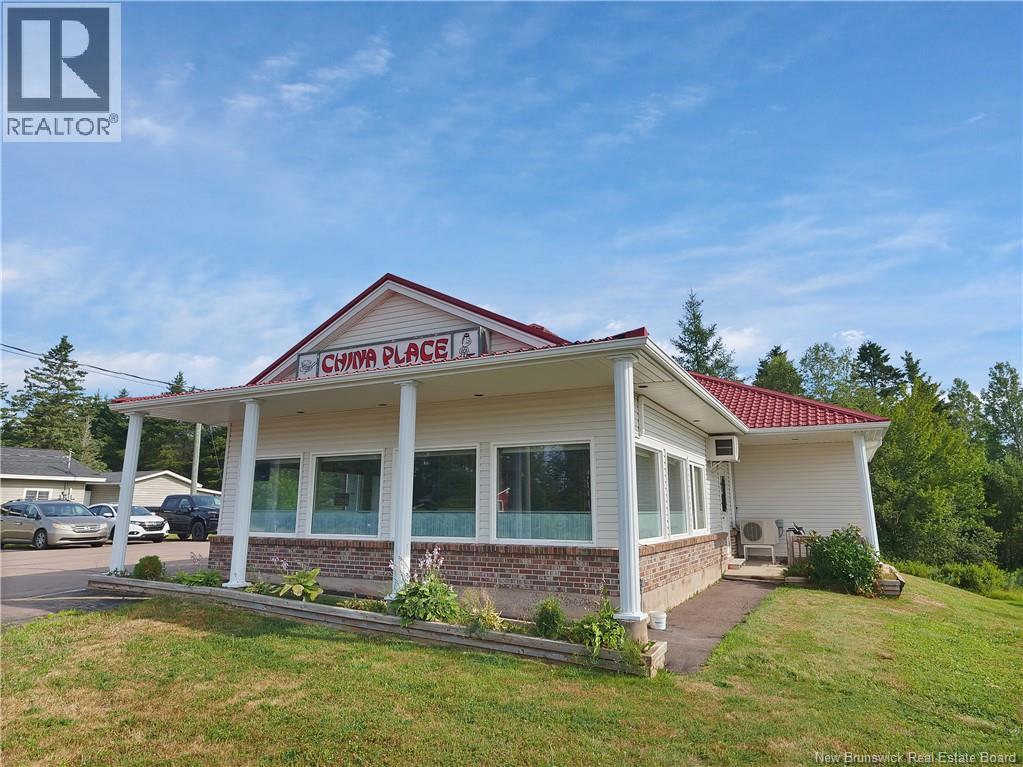
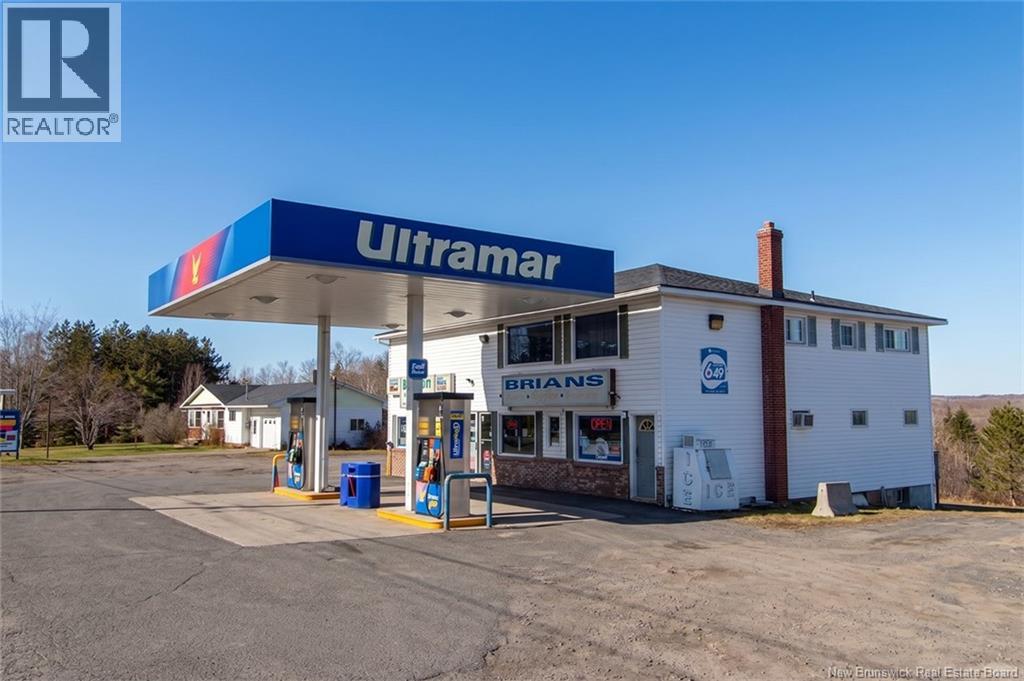
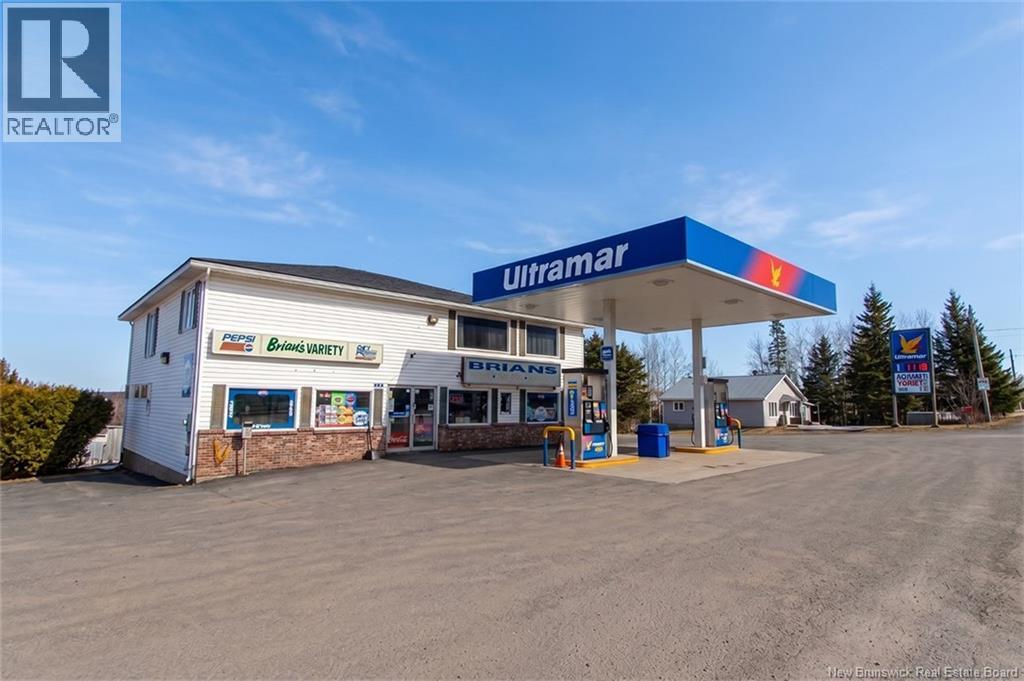
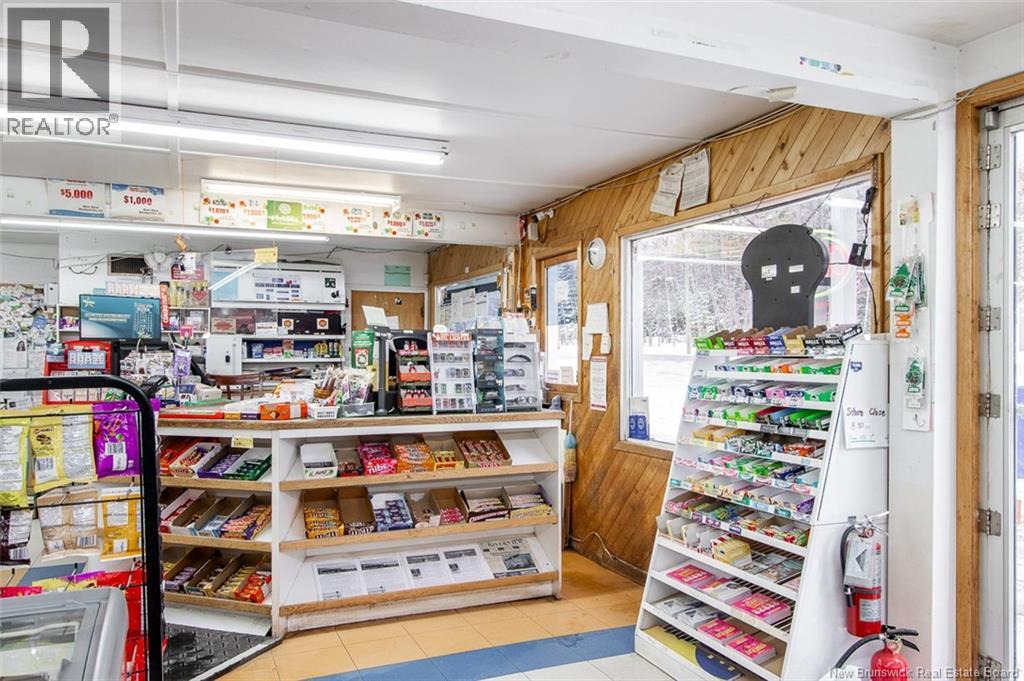
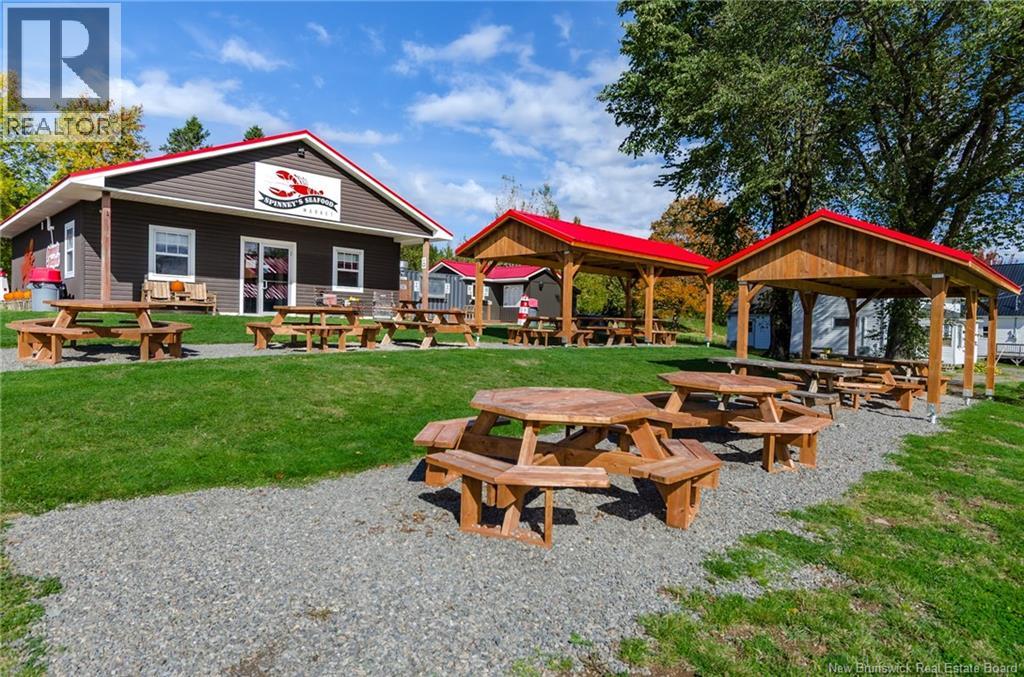
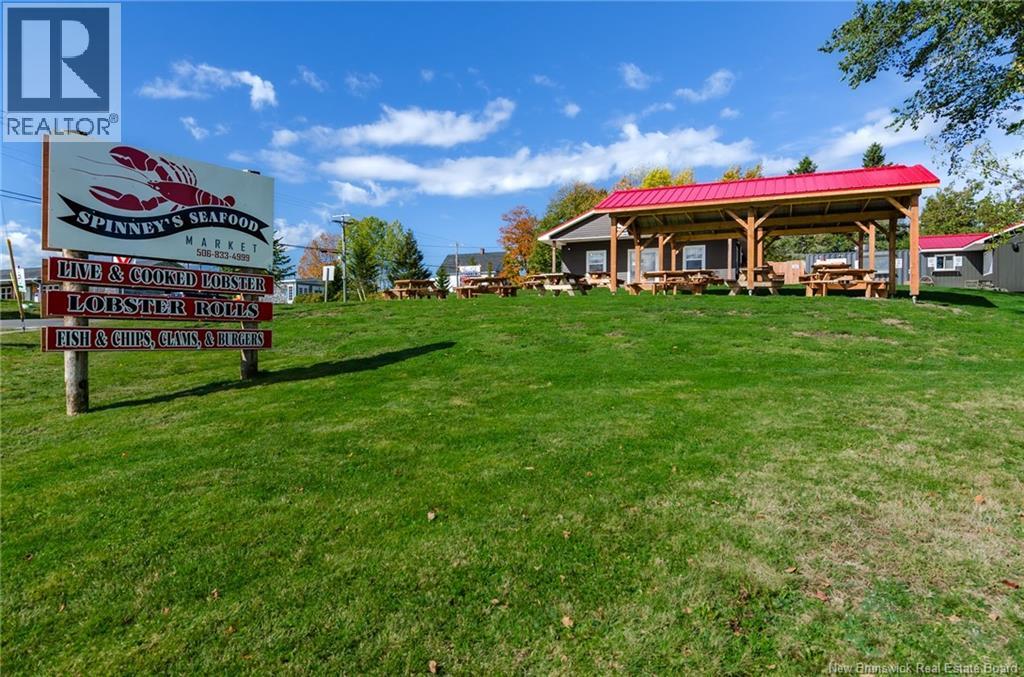
| Restaurant for Sale | Business for Sale | Business for Sale |
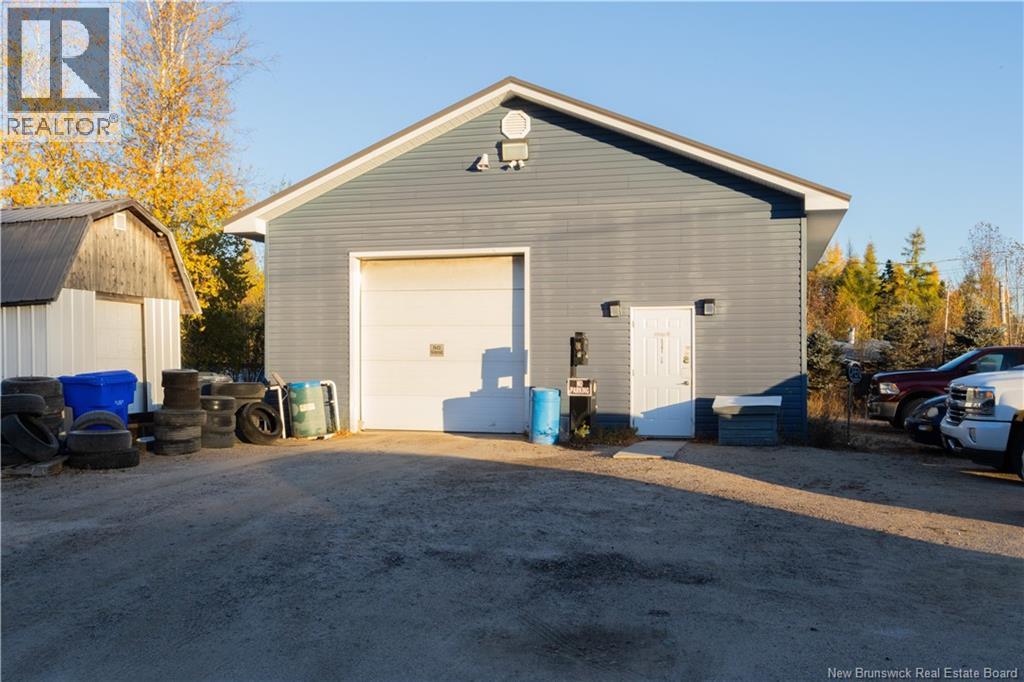
| Commercial Realty for Sale | Business for Sale | Restaurant for Sale |

Why Purchase an Existing Business for Sale in New Brunswick?
Written by David Turner, M.A.
Purchasing an existing, well-established business in New Brunswick can be a smart move for entrepreneurs looking to hit the ground running. You'll gain immediate access to an established customer base, allowing for quicker revenue generation compared to starting from scratch.
-
The province's diverse economy, with key industries like manufacturing, healthcare, and IT, offers a range of business opportunities to suit your interests and expertise.
-
New Brunswick's supportive business environment, including government incentives and programs, can ease your financing and operational shifts.
-
You'll benefit from the province's lower cost of living, which translates to reduced operational costs and enhanced profitability. Additionally, the strategic location and access to major transportation routes provide excellent market access, allowing you to reach broader markets and fuel growth.
These business benefits make buying an existing enterprise in New Brunswick an attractive option for freedom-seeking entrepreneurs.
New Brunswick Economy, Geography, Lifestyle
New Brunswick's unique economic landscape, diverse geography, and appealing lifestyle make it an attractive destination for business owners. The province's economy thrives on industries like forestry, fishing, agriculture, and manufacturing, offering diverse economic opportunities.
Its varied geography, from coastal regions to mountains and forests, provides ample resources for businesses in different sectors. When considering purchasing an established business, it's essential to have a comprehensive buying checklist to guide you through the process and guarantee you don't overlook important details.
With a relatively low population density, you'll find niche markets in smaller communities, perfect for specialized ventures. The lower cost of living compared to the national average can help you minimize operational expenses.
New Brunswick's strong sense of community, outdoor recreational activities, and rich cultural heritage foster an environment conducive to employee satisfaction and retention. This combination of factors creates an ideal setting for community engagement and business growth, allowing you to tap into the province's potential while enjoying a high quality of life.
more


| New Brunswick Business Listings Summary | Figure |
| Figure Active listings, New Brunswick and area | 35 |
| Lowest asking price, New Brunswick | $150,000 |
| Highest asking price, New Brunswick | $2,600,000 |
| Average asking price, all New Brunswick listings | $731,111 |
| Most common categories | Business, Restaurant, General retail, Bed & Breakfast, Campground |
| Areas covered | Saint John, Moncton, McAdam, Balmoral, Barnesville |
Key Steps to Buying a Business for Sale in New Brunswick
To buy a business in New Brunswick, start by defining your acquisition criteria and researching the local economy. Conduct thorough market and competitor analyses to identify opportunities. Leverage government resources and network with local business associations for support. Engage professionals like brokers, lawyers, and accountants to assist with the process.
When you've found a potential business, meet with sellers and perform extensive due diligence, including financial analysis and asset review. Prepare a detailed business plan for financing and draft a conditional offer. Finally, focus on a smooth ownership transfer and changeover. These steps will set you up for a successful business acquisition in New Brunswick.
Define Your Business Acquisition Criteria
Establishing clear parameters will guide your search and guarantee you're targeting businesses that align with your goals and expertise.
Start by considering factors like industry, size, location, and revenue potential. Develop an acquisition strategy that includes specific financial benchmarks, such as minimum cash flow or profit margins, to ensure the target business meets your investment expectations.
Strategic objectives should be clearly set and aligned with your long-term business vision, as this will be imperative for post-acquisition success.
To refine your criteria:
-
Determine your desired ownership structure (full ownership vs. partnership).
-
Create a list of must-have attributes (e.g., customer diversity, growth potential).
-
Utilize market research and industry trends to align with current demands.
Research the Macroeconomic Landscape & Trends in New Brunswick
New Brunswick's economy shows resilience, driven by a diverse mix of industries. This economic strength creates numerous business opportunities, especially in the thriving small business sector.
You'll want to consider the demographic shift, as increased immigration is fueling population growth and consumer demand.
Additionally, the robust real estate market, with residential property prices rising 7% annually, could affect your business location decisions. Understanding these trends will help you make informed choices when acquiring a business in New Brunswick's dynamic economic environment.
Conduct a Competitor Market Analysis for Your Target Business
Start by identifying key players in your target industry and evaluating their market share, strengths, and weaknesses. Review competitors' financial performance to establish benchmarks and evaluate your target business's viability.
Don't forget to leverage online resources, industry reports, and networking events to stay informed about emerging trends and innovations in New Brunswick's market.
Engage a Local Business Broker, Lawyer, Accountant, and Lender in New Brunswick
Engaging local professionals is a critical step in your journey to purchase a business in New Brunswick.
-
A business broker can provide market insights and help identify suitable opportunities that align with your criteria. They'll assist with business valuation and offer negotiation strategies to secure the best deal.
-
A lawyer familiar with New Brunswick's business laws will navigate legal complexities and guarantee compliance.
-
An accountant can assess financial health and analyze tax implications.
-
A local lender can streamline financing options.
To maximize your success:
-
Attend industry events to network with potential brokers, lawyers, and accountants.
-
Research professionals' track records and specializations in business acquisitions.
-
Schedule initial consultations to gauge compatibility and expertise.
Meet with Target Business Sellers
Once you've identified potential businesses for acquisition, it's time to meet with target sellers. Schedule meetings outside operational hours to guarantee focused discussions without disruptions.
Prepare a list of questions about the business's financial health, operational challenges, and customer base to maximize your time with sellers. During facility tours, gain operational insights and ask specific questions about equipment, inventory, and employee roles.
Maintain confidentiality throughout your interactions to protect sensitive information and build trust. This approach will help you understand seller motivations and develop effective negotiation tactics.
Conduct Due Diligence on Your Acquisition Target
When conducting due diligence on your acquisition target in New Brunswick, you'll need to budget for both acquisition and post-completion costs.
You should thoroughly analyze historical financial statements and review the real estate title or premises lease. Additionally, it's essential to examine a detailed asset list to understand the full scope of what you're acquiring.
It's advisable to consult with Chartered Business Valuators who can provide expert valuation services and financial model development to support your decision-making process.
Budget for Acquisition and Post-Completion Costs
Acquisition budgeting involves more than just the purchase price. You'll need to account for closing fees, transfer taxes, and potential renovation expenses.
Don't forget to factor in post-completion expenses, such as integration costs and ongoing financial management.
To guarantee a successful acquisition, consider these key steps:
-
Review financial statements, operating agreements, and tax returns from the past three years.
-
Evaluate the company's assets and liabilities.
-
Establish a system for monitoring cash flow and expenses post-acquisition.
Analyze Historical Financial Statements
Review at least three years of profit and loss statements, balance sheets, and cash flow statements to assess the business's profitability and financial health.
Pay close attention to financial trends in revenue and expenses, as they can reveal the company's market position and operational efficiency.
Perform ratio analysis, evaluating key metrics like gross margin, net profit margin, and return on assets. Compare these to industry standards to identify areas for improvement.
Scrutinize accounts receivable for collectability and age, ensuring reported revenue is likely to be received. Be on the lookout for unusual fluctuations or one-time expenses that could skew the true financial performance.
Review Real Estate Title or Premises Lease
One of the most vital steps in your due diligence process is reviewing the real estate title or premises lease. This significant examination helps identify existing liens, encumbrances, or restrictions that may impact property valuation and your future operations.
If you're acquiring a business that relies on its location, verify the lease terms are favourable and transferable. Scrutinize the agreement for renewal options, rent escalations, and obligations affecting cash flow.
Don't overlook compliance with local zoning laws to avoid potential legal issues. Consider engaging a real estate attorney or title company to uncover hidden liabilities or past disputes.
During lease negotiations, focus on securing terms that support your business goals. By thoroughly evaluating the property's legal status and lease conditions, you'll safeguard your investment and set the stage for successful operations post-acquisition.
Review a Detailed Asset List
Conduct a thorough asset valuation, including inventory, equipment, and accounts receivable. Assess the condition and age of inventory, verify equipment model numbers and maintenance records, and evaluate the collectability of receivables.
|
Asset Type |
Key Considerations |
Impact on Value |
|
Inventory |
Age, condition |
Future sales potential |
|
Equipment |
Maintenance history |
Operational efficiency |
|
Accounts Receivable |
Collectability |
Cash flow stability |
|
Intangible Assets |
Market relevance |
Long-term growth |
Don't hesitate to engage specialists for objective appraisals of physical and intangible assets.
Prepare a Conditional Offer to Purchase or an LOI Agreement
When preparing your Conditional Offer to Purchase or LOI Agreement, you'll need to decide between an asset sale or a share sale, as this choice considerably impacts the transaction structure.
You should clearly outline the terms of any training or changeover agreement to guarantee a smooth handover of the business.
These agreements are essential for maintaining operational continuity and can be a valuable part of your negotiation strategy.
Asset Sale vs. Share Sale Considerations
The decision between an asset sale and a share sale is a crucial step in buying a business in New Brunswick.
|
Aspect |
Asset Sale |
Share Sale |
|
What's Acquired |
Specific assets and liabilities |
Entire company, including all obligations |
|
Flexibility |
Selective acquisition of assets |
Complete takeover of the business |
|
Tax Implications |
Potentially higher for the seller |
Tax benefits for the seller due to capital gains |
When preparing your offer to purchase, clearly define whether you're pursuing an asset sale or share sale. This clarity will guide negotiations and due diligence.
Remember, you'll have up to 60-90 days of exclusive negotiation rights during the LOI period. Use this time wisely to thoroughly evaluate the business and finalize terms that protect your interests.
Training & Transition Agreement
Crafting a robust Training & Shift Agreement is essential when preparing your Conditional Offer to Purchase or Letter of Intent (LOI). This agreement should outline the seller's commitment to provide training programs and change strategies, ensuring operational continuity after the sale.
When drafting your offer, include provisions that detail the scope and duration of support you'll receive. Remember, a well-structured LOI agreement serves as a non-binding agreement, granting you exclusive negotiation rights for up to 60-90 days.
It's vital to specify any contingencies, such as completing due diligence and securing financing. By clearly defining the change process, you'll align expectations and reduce potential misunderstandings.
This approach helps establish a framework for a smooth acquisition, giving you the freedom to confidently step into your new role as a business owner.
Prepare a Detailed Business Plan for Financing
Preparing a detailed business plan is essential when seeking financing for your New Brunswick business acquisition. Your plan should include a thorough overview of your business model, market analysis, and projected financials for at least three years.
Clearly outline your funding strategy, specifying the amount needed and how you'll use the funds. Include cash flow projections to demonstrate your ability to repay loans and support growth.
To enhance your plan's credibility:
-
Present a solid management team profile.
-
Include a risk assessment section with mitigation strategies.
-
Provide detailed financial projections for 3-5 years.
Your business plan should instill confidence in lenders or investors by showcasing your understanding of the market, potential challenges, and your ability to navigate them.
This thorough approach will increase your chances of securing the necessary financing for your New Brunswick business acquisition.
Ownership Transfer and Transition
As you approach the ownership transfer and changeover phase of buying a business in New Brunswick, you'll need to address key legal, financial, and staffing considerations.
You'll encounter legal requirements for finalizing documents and updating licenses while also managing financial aspects like establishing new bank accounts.
It's essential to communicate effectively with staff and management to guarantee a smooth changeover and maintain business continuity. It's important to focus on maximizing value and achieving a successful transaction during this pivotal phase.
Legal Considerations
You'll need to draft and sign a thorough purchase agreement that outlines payment terms, liabilities, and warranties to protect your interests.
Conduct a meticulous title search to guarantee the seller has the right to transfer ownership and there are no hidden encumbrances.
Legal documentation and regulatory compliance are critical components of the process. You must:
-
Prepare necessary amendments to organizational documents.
-
Arrange for the assignment of contracts and licenses.
-
Obtain required approvals or permits specific to your industry.
Don't forget to consider post-acquisition legal matters, such as non-compete agreements or employment contracts with key personnel.
Financial Considerations
It's essential to guarantee all financial obligations are settled before closing the deal to avoid unexpected liabilities. You'll need to establish new bank accounts and transfer licenses for operational continuity.
Seller financing can be a significant factor, often requiring a down payment and structured payments aligned with projected cash flows.
Implement financial controls and budgeting processes immediately post-acquisition to monitor cash flow closely during the vital initial months. A well-prepared financial plan identifying funding sources will ease the shift and support sustainable growth.
Staff & Management Considerations
Three critical staff and management considerations demand attention when buying a business.
-
First, prioritize effective communication with employees to guarantee they understand the change process and maintain high employee engagement. This will help retain talent and preserve operational continuity.
-
Second, assess the existing management structure to identify potential leadership gaps and decide whether to keep or replace current management. You'll need to establish clear employment agreements, especially if theseller will stay on during the change.
Close the Deal!
As you move toward finalizing the purchase, you'll want to review and verify all agreements, including the asset purchase agreement. Your closing procedures should include a detailed checklist of essential items such as inventory verification, employee contracts, and outstanding liabilities.
It's highly recommended to work closely with your legal counsel to guarantee all regulatory requirements are met and proper permits are transferred.
You'll need to coordinate with your financial institution to arrange the transfer of funds and establish new banking relationships for the business.
Once all parties have signed the necessary documents and funds have been transferred, you'll need to implement your transition plan immediately. This includes notifying employees, suppliers, and customers of the ownership change while guaranteeing minimal disruption to ongoing operations.
Final Thoughts
You've now got the roadmap to navigate the exciting journey of buying a business in New Brunswick. Remember, "Fortune favours the prepared mind," so do your homework diligently.
Stay focused on your goals, trust the process, and don't hesitate to seek expert advice when needed. With careful planning and execution, you'll be well-positioned to make a successful acquisition and thrive in New Brunswick's vibrant business landscape.
Government Resources for Businesses in New Brunswick
A treasure trove of government resources awaits entrepreneurs looking to buy a business in New Brunswick.
-
The province's Business Development Program offers financial assistance and support for those starting or acquiring businesses.
-
You'll find valuable tools through the Department of Economic Development and Small Business, including market research and business planning resources.
-
Sunbelt's expertise can complement these resources, offering personalized guidance and access to a wide network of business opportunities across Canada.
-
Explore government grants through programs like the New Brunswick Innovation Foundation, especially if you're eyeing technology-driven ventures.
-
The New Brunswick Business Navigator simplifies your journey, helping you access regulations and support services effortlessly.
-
Don't overlook business mentorship opportunities. Organizations like the New Brunswick Business Council connect you with experienced leaders who can guide you through the acquisition process.
These resources empower you to make informed decisions, navigate challenges, and seize opportunities as you commence your entrepreneurial journey in New Brunswick.
Network & Connect with Local Business Associations in New Brunswick
Networking with local business associations in New Brunswick can open doors to invaluable opportunities for entrepreneurs looking to buy a business. Organizations like the New Brunswick Business Council and Greater Moncton Chamber of Commerce offer essential networking strategies and mentorship opportunities.
By engaging with these associations, you'll gain access to resources, workshops, and events focused on acquisition strategies and best practices. You'll connect with current owners and industry experts, enhancing your knowledge base and increasing your chances of success.
Joining a community like the Canadian Federation of Independent Business (CFIB) can provide exclusive savings and negotiating power, which may be beneficial when purchasing a business. These associations often advocate for better taxes, laws, and regulations that can impact small business owners.
Take advantage of mentorship programs where experienced business owners can guide you through the acquisition process. Attend networking events featuring guest speakers and panel discussions on market trends, funding options, and regulatory considerations.
Association membership may also lead to exclusive listings and insider information on businesses for sale, giving you a competitive edge in the market.
Frequently Asked Questions:
Q: What are the benefits of buying a retail business in Saint John?
A: Purchasing a retail business in Saint John offers numerous advantages, including a prime location and access to a thriving customer base. Well-established businesses often come with loyal clientele, making it easier for a new owner to generate consistent revenue.
Q: How can I find well-established businesses available for purchase in Atlantic Canada?
A: To discover well-established businesses available for purchase in Atlantic Canada, consider consulting local real estate agents, business brokers, and online listings that specialize in businesses for sale in regions like NB and Nova Scotia.
Q: What makes a turnkey convenience store a profitable business in Moncton?
A: A turnkey convenience store is often a profitable business because it comes fully operational with an established brand and customer base. This allows a new owner to step in and start earning revenue immediately without the need for extensive setup.
Q: Is investing in an established independent gas station in Saint Andrews a good opportunity?
A: Investing in a gas station in Saint Andrews can be an exceptional opportunity due to its strategic location and the consistent demand for fuel and convenience items. This type of business model often provides a reliable income stream for an absentee owner.
Q: What Should I Look for When Considering an Automotive Services Business?
A: When evaluating an automotive services business, look for factors such as location, existing customer relationships, and the potential for room to grow. A proven business model and a well-established brand can also significantly enhance the value of the business.