Businesses for Sale in Ottawa, Ontario
but also comes with challenges, such as due diligence and adapting to local competition. Canadian industry trends show growth in tech, services, and franchising, while Ottawa’s business landscape is shaped by innovation and stability. Embrace the journey of ownership—findbusinessesforsale.com is the best place to discover current opportunities.
Showing 25 - 36 of 148 Results

Marketplace Statistics
The average asking price for Listings in
Ottawa: $721,714
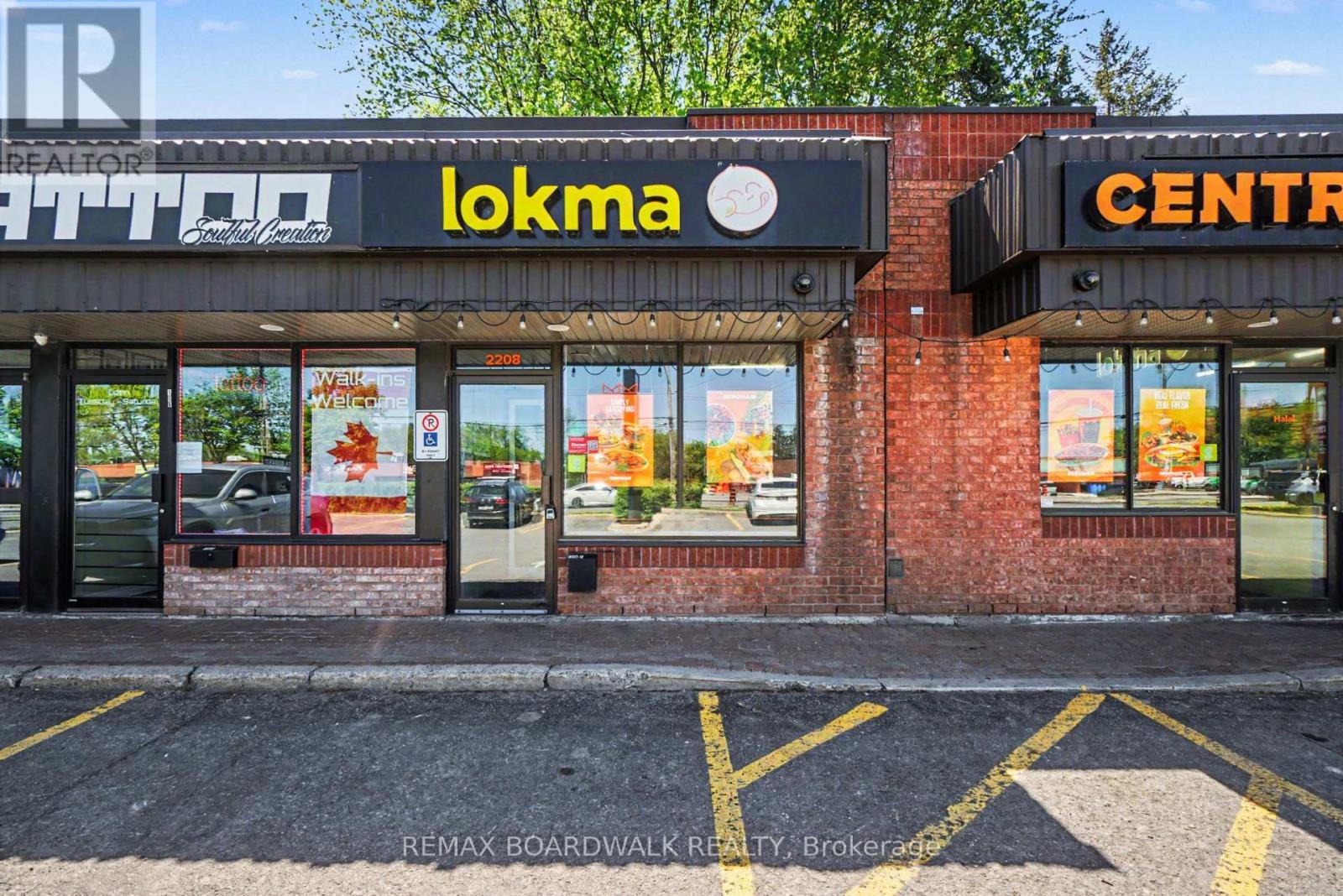
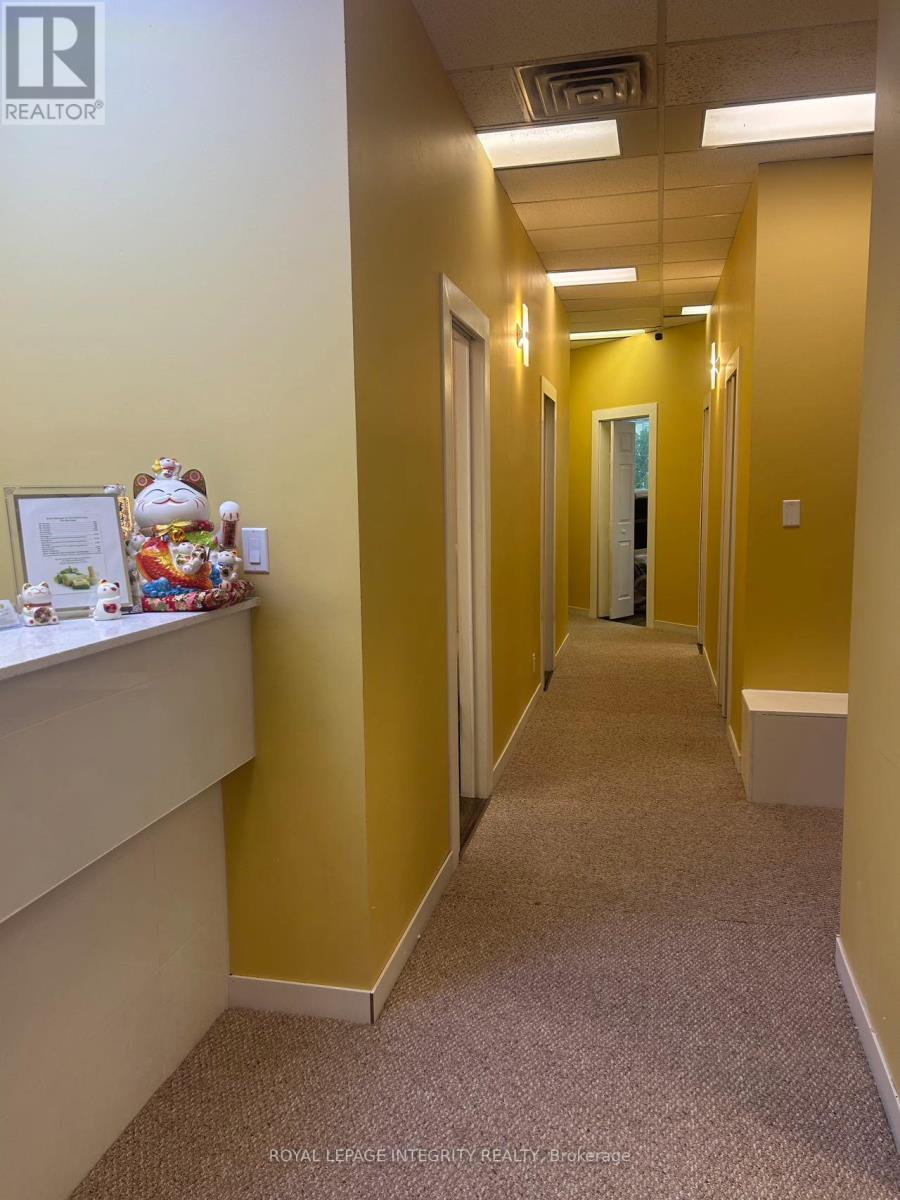
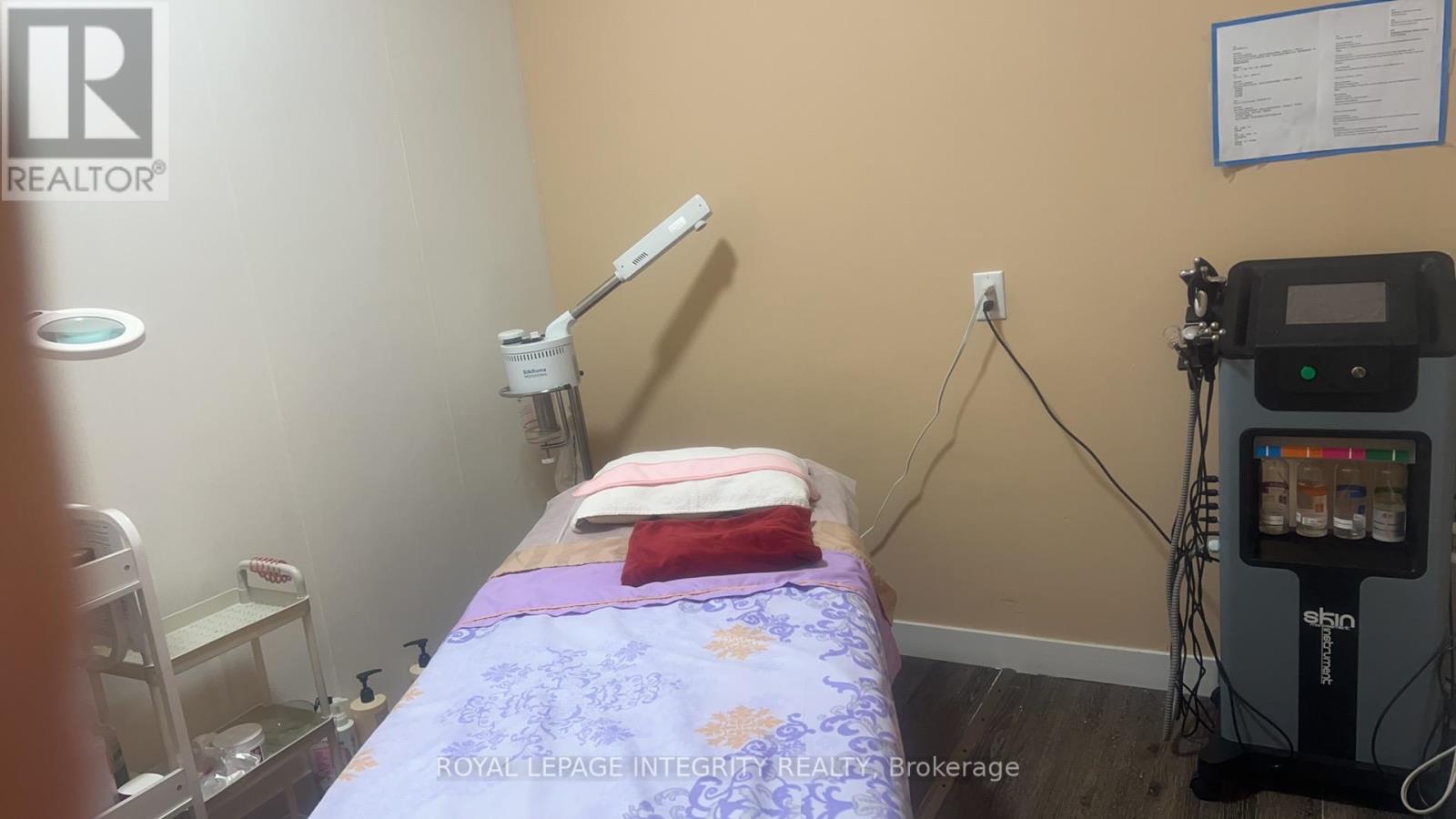
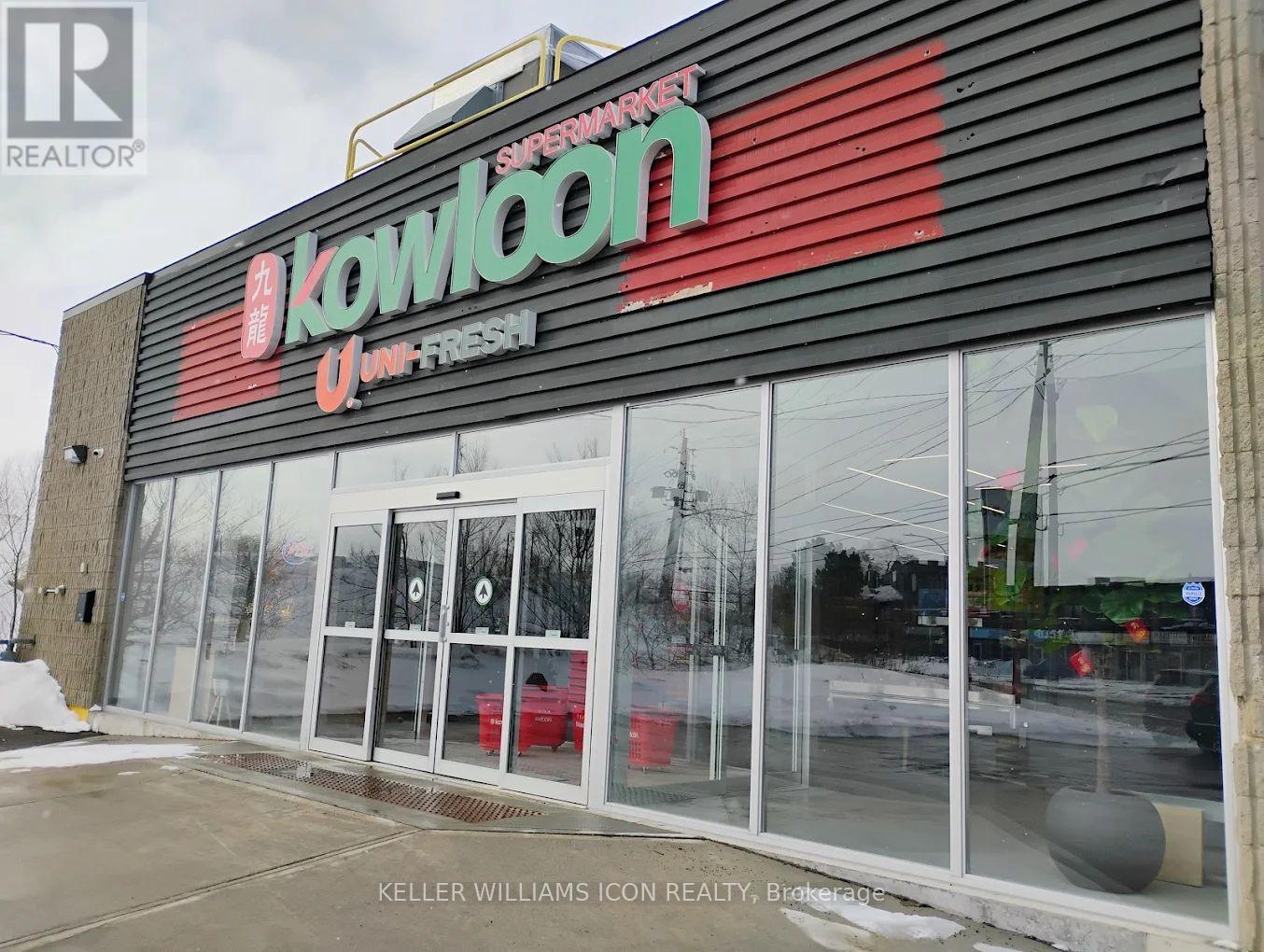
The most viewed listings in Ottawa on FBF are linked below:
| Well-established Nail Salon Business for Sale | Laundromat for Sale | Commercial Realty for Sale |
| Restaurant for Sale | Motel for Sale | Restaurant for Sale |

Why Buy a Business for Sale in Ottawa, Ontario?
Written by David Turner, M.A.
You should buy a business for sale in Ottawa because it provides immediate cash flow generation from established customer bases, proven operational systems, and existing supplier relationships that eliminate startup risks.
Acquiring an established enterprise offers accelerated market entry with verified business models, diverse financing options including seller financing, and strategic positioning within Ottawa's expanding technology sector and service industries.
Thorough due diligence and professional advisory support will maximize your acquisition success and reveal additional strategic advantages.
Pros & Cons of Buying a Business for Sale in Ottawa
When evaluating investment opportunities of buying a business for sale in Ottawa's dynamic business marketplace, you must carefully weigh the substantial advantages against the potential drawbacks of acquiring an established enterprise.
|
Advantages |
Disadvantages |
|
Immediate cash flow generation from the existing customer base |
Higher initial capital requirements than startup ventures |
|
Proven business model with established operational systems |
Potential inherited liabilities or operational inefficiencies |
|
Existing supplier relationships and market positioning |
Limited flexibility in restructuring established processes |
|
Access to diverse financing options, including seller financing |
Complex negotiating terms requiring extensive due diligence |
Strategic acquisition provides accelerated market entry while minimizing operational risks, though thorough financial analysis remains essential for sustainable success.
more


Business Industry Consumer & Supplier Trends
Beyond the financial considerations of acquisition, understanding Ottawa's evolving market dynamics becomes paramount for identifying businesses positioned to capitalize on emerging consumer behaviours and supplier network transformations.
You must analyze industry trends that indicate shifting purchasing patterns, technological adoption rates, and demographic preferences within Ottawa's diverse marketplace.
Successful acquisitions require evaluating established supplier relationships that provide competitive advantages through cost optimization, quality assurance, and supply chain resilience.
-
The technology sector expansion is driving increased demand for specialized services.
-
Remote work trends are creating opportunities in home-based service industries.
-
Sustainable business practices are becoming mandatory consumer expectations.
-
Local sourcing preferences are strengthening regional supplier partnerships.
Key Steps in Buying a Turnkey Business for Sale in Ottawa
Manoeuvring through the acquisition process of a turnkey business for sale in Ottawa requires methodical execution of sequential evaluation stages that determine both financial viability and operational continuity.
You'll conduct exhaustive due diligence, examining financial statements, tax records, and operational procedures while validating market positioning through target market research analysis.
Essential business planning activities include securing pre-approval for financing, engaging qualified legal counsel for contract review, and conducting competitive landscape assessments. You must verify all licenses, permits, and regulatory compliance requirements; negotiate purchase terms, including asset valuations and liability transfers; and then coordinate closing procedures with professional advisors.
Define Your Business Acquisition Criteria
Before initiating your search for available businesses, you must establish thorough acquisition criteria that'll serve as your strategic framework for evaluating potential opportunities and filtering prospects that align with your investment objectives, operational capabilities, and financial parameters.
These criteria should encompass your business goals, target market preferences, industry sectors, revenue thresholds, geographical constraints, and operational requirements.
|
Criteria Category |
Primary Considerations |
Decision Factors |
|
Financial Parameters |
Revenue range, profitability margins |
ROI expectations, cash flow requirements |
|
Market Position |
Target market demographics, competition level |
Growth potential, market saturation |
|
Operational Scope |
Industry expertise, management complexity |
Scalability opportunities, resource demands |
Engage a Business Broker, Lawyer, Accountant, and Lender in Ottawa
Several specialized professionals constitute essential components of your business acquisition team, and you'll need to engage their expertise early in the process to navigate Ottawa's complex regulatory environment, financial structures, and legal frameworks effectively.
-
Business Broker Expertise - Provides market intelligence, valuation analysis, and transaction facilitation throughout the acquisition process
-
Legal Counsel - Structures purchase agreements, conducts due diligence reviews, and guarantees regulatory compliance with provincial requirements
-
Accountant's Tax Planning - Optimizes transaction structures, evaluates financial statements, and develops post-acquisition tax strategies
-
Commercial Lender - Secures acquisition financing, structures debt arrangements, and facilitates seamless capital deployment for your investment objectives
Conduct a Business Competitor Analysis in Ottawa
Understanding competitive dynamics becomes paramount once you've assembled your professional advisory team, as extensive competitor analysis reveals market positioning opportunities and validates your acquisition strategy within Ottawa's diverse business landscape.
You must systematically evaluate industry leaders' pricing structures, service offerings, and customer retention strategies to identify competitive gaps within your target market. Thorough market segmentation analysis enables you to assess customer demographics, purchasing behaviours, and geographic distribution patterns across Ottawa's distinct neighbourhoods.
This methodical approach empowers you to negotiate acquisition terms confidently while developing strategic differentiation plans that capitalize on competitors' weaknesses and market inefficiencies.
Identify a Business Acquisition Target and Meet with the Seller
After completing a thorough competitor analysis, you must systematically identify viable acquisition targets through multiple sourcing channels, including business brokers, industry publications, professional networks, and direct outreach campaigns to privately held companies.
Once you've compiled preliminary target lists, prioritize candidates based on strategic fit, financial performance metrics, and market positioning alignment with your investment criteria. Schedule formal meetings to meet with seller representatives, utilizing structured interview protocols that assess operational capabilities, growth potential, and cultural compatibility factors.
During initial discussions, evaluate the seller’s motivation through careful questioning regarding retirement timelines, succession planning objectives, and underlying transaction drivers influencing their divestiture decision.
Conduct "Pre-Offer" Due Diligence on Your Business Acquisition Target
Before submitting a formal offer, you must conduct thorough pre-offer due diligence to assess the target company's financial viability, operational risks, and true market value.
Your preliminary investigation should encompass analyzing three to five years of audited financial statements, reviewing lease agreements and property titles for potential encumbrances, and commissioning an independent business valuation from a certified appraiser.
Additionally, you'll need to establish realistic budgets for both acquisition costs, including legal fees and financing expenses, and post-completion integration expenses to guarantee adequate capital availability throughout the transaction process.
Analyze Historical Financial Statements
The cornerstone of effective pre-offer due diligence involves meticulously examining the target company's historical financial statements, which provide critical insights into revenue trends, profitability patterns, and operational efficiency metrics that directly impact valuation assumptions. You must analyze historical cash flows to identify seasonal fluctuations and scrutinize accounting practices for potential red flags.
Focus your assessment on these critical elements:
-
Revenue consistency across multiple fiscal periods, identifying growth trajectories and market dependencies.
-
Expense categorization accuracy, ensuring operational costs align with industry benchmarks.
-
Working capital management efficiency, evaluating inventory turnover, and receivables collection.
-
Debt-to-equity ratios assess financial leverage sustainability.
Review the Premises Lease & Real Estate Title
While financial statements reveal operational performance, examining premises leases and real estate titles constitutes equally critical pre-offer due diligence that can fundamentally alter acquisition valuations and post-closing operational capabilities.
You must review lease terms meticulously, analyzing rental escalations, renewal options, assignment clauses, and landlord consent requirements that directly impact operational continuity and future cash flows.
When you review real estate titles for owned properties, examine encumbrances, easements, zoning compliance, and environmental liabilities that could restrict business operations or generate unexpected costs, thereby preserving your entrepreneurial freedom and investment returns.
Obtain a Professional Business Valuation
Having thoroughly examined the physical and legal foundations of your target acquisition, you must now obtain an independent professional business valuation to establish fair market value and avoid overpaying for the opportunity.
Obtaining business valuation requires engaging qualified professionals who utilize comprehensive methodologies, including income-based approaches, calculating EBITDA multiples, market-based comparable transaction analysis, and asset-based fair market assessments.
Getting business valuation methodology expertise guarantees accurate determination of seller discretionary earnings multiples, typically ranging from two to four times annual earnings for small businesses, while confirming valuations through multiple approaches safeguards your investment decision-making process.
Budget for Acquisition and Post-Completion Costs
Beyond establishing market value through professional valuation, you must develop a thorough budget encompassing both acquisition costs and post-completion operational expenses to guarantee adequate capital reserves for successful business ownership.
Calculate exhaustive financial requirements through systematic analysis of immediate and future expenditures that will determine your entrepreneurial independence.
-
Legal fees, due diligence costs, and transaction advisory services.
-
Working capital requirements and inventory financing needs.
-
Post-acquisition integration costs, including system upgrades and staff training.
-
Ongoing operational budgets covering rent, utilities, insurance, and payroll obligations.
Request Some Partial Seller Financing
Many prospective business buyers overlook seller financing as a strategic acquisition tool, yet this arrangement can considerably reduce your initial capital requirements while demonstrating the seller's confidence in the business's future performance.
You should negotiate partial seller financing terms that typically range from 20% to 40% of the purchase price, with payment schedules extending three to seven years at competitive interest rates. Effective seller financing structuring involves securing favourable terms through promissory notes, personal guarantees, and collateral arrangements that protect both parties' interests. This approach enables you to preserve working capital while establishing credible payment obligations.
Prepare a Conditional Offer to Purchase or Letter of Intent (LOI) Agreement
When structuring your conditional offer to purchase a business for sale in Ottawa, you must determine whether you'll acquire the business assets directly or purchase the corporate shares, as this decision fundamentally impacts your liability exposure, tax obligations, and transfer procedures.
Asset purchases typically provide greater protection from undisclosed liabilities since you're selectively acquiring specific business components rather than inheriting the corporation's entire legal history, while share purchases often present simpler transfer mechanisms but expose you to potential unknown corporate obligations.
You'll need to specify your preferred transaction structure in the LOI, understanding that asset sales generally favor buyers through enhanced depreciation benefits and liability limitations, whereas share sales may offer sellers more favourable capital gains treatment.
Asset Sale vs. Share Sale Considerations
Selecting between an asset purchase and a share purchase structure represents one of the most critical decisions you'll encounter during business acquisition negotiations, as this choice fundamentally determines your liability exposure, tax implications, and the complexity of your due diligence requirements.
|
Asset Sale Considerations |
Share Sale Considerations |
|
Cherry-pick specific assets and liabilities |
Acquire entire corporate entity with all obligations |
|
Enhanced protection from unknown liabilities |
Inherit all corporate liabilities, including contingent claims |
|
Depreciation benefits on stepped-up asset basis |
Limited tax advantages for the purchaser |
|
Complex transfer procedures for contracts and licenses |
Streamlined ownership transfer process |
|
Higher transaction costs and administrative burden |
Lower closing costs and simplified documentation |
Prepare a Seller Training & Transition Agreement
A holistic seller training and handover agreement establishes the framework for knowledge transfer, operational continuity, and performance standards during the critical post-acquisition period.
Your migration planning must encompass extensive documentation of operational procedures, customer relationships, supplier agreements, and proprietary methodologies that drive revenue generation. Effective seller mentorship requires structured timelines, measurable deliverables, and defined compensation mechanisms tied to performance outcomes.
You'll need detailed protocols covering employee introductions, client handovers, financial system walkthroughs, and strategic decision-making processes. This contractual framework protects your investment while ensuring the seller remains accountable for successful knowledge transfer throughout the predetermined changeover period.
Review of a Detailed Asset List
How thoroughly have you examined every tangible and intangible asset that comprises the business acquisition's total value proposition? Your detailed asset list review must encompass equipment valuations, inventory assessments, intellectual property portfolios, and customer databases to guarantee acquisition accuracy.
During asset list examination, verify depreciation schedules against actual equipment conditions, confirm inventory turnover rates, and validate trademark registrations or patent holdings.
You'll need professional appraisals for high-value machinery, extensive audits of receivables aging, and thorough documentation of proprietary processes that generate competitive advantages, securing your investment reflects genuine market value rather than inflated seller representations.
Inspect Licenses, Permits & Health Inspection Reports
Beyond asset verification, your acquisition due diligence must encompass a thorough examination of all regulatory compliance documentation, including current business licenses, operating permits, and health inspection records that determine the company's legal standing within Ottawa's municipal framework.
When you review business licenses and guarantee health compliance, implement these systematic verification protocols:
-
Validate municipal business license expiration dates and renewal requirements.
-
Examine specialized industry permits for zoning compliance violations.
-
Scrutinize health department inspection reports for outstanding infractions.
-
Confirm professional certifications match operational requirements.
This regulatory audit safeguards your investment from unforeseen compliance costs and operational restrictions.
Prepare a Business Plan for Financing Your Business Acquisition
Once you've verified the target business's regulatory compliance status, your acquisition financing strategy requires thorough business plan development that demonstrates projected cash flows, return on investment calculations, and debt service coverage ratios to secure favourable lending terms from Ottawa-based financial institutions.
Your detailed plan must detail multiple financing sources while establishing a realistic acquisition timeline that accommodates due diligence requirements and regulatory approvals.
-
Executive summary outlining acquisition rationale and growth projections.
-
Financial forecasts demonstrating sustainable profitability margins.
-
Market analysis validating competitive positioning within Ottawa's economy.
-
Risk assessment identifies potential challenges and mitigation strategies.
Obtain Financing
With your thorough business plan prepared, you must approach Ottawa's financial institutions armed with detailed documentation that substantiates your acquisition's viability, including three years of historical financial statements, projected cash flow analyses, and collateral valuations that demonstrate your ability to service debt obligations.
Explore multiple financing options simultaneously, including traditional bank loans, BDC financing, seller financing arrangements, and private equity partnerships. Develop all-encompassing financing strategies that leverage your personal credit profile, down payment capacity, and industry expertise to negotiate favourable terms, ensuring adequate working capital remains available post-acquisition for operational flexibility and growth initiatives.
Close the Deal!
Three critical phases comprise the deal closure process, requiring meticulous coordination between your legal counsel, accountant, and financial institution to execute the asset purchase agreement while satisfying all contingencies outlined in your letter of intent.
You'll conduct final due diligence reviews, negotiate terms regarding inventory adjustments and working capital requirements, and then secure financing through documentation verification and collateral arrangements.
The completion phase involves transferring licenses, permits, and registrations while executing promissory notes, security agreements, and bill of sale documents. Your solicitor will register liens, update corporate records, and facilitate the smooth changeover of business ownership upon final payment disbursement.
Final Thoughts
Purchasing an established business for sale in Ottawa represents a strategic investment opportunity that'll accelerate your entrepreneurial journey while mitigating many startup risks through proven revenue streams, established customer relationships, and operational infrastructure.
Your acquisition strategy should incorporate extensive tax considerations, including asset depreciation schedules, inventory valuations, and potential capital gains implications that'll impact your overall return on investment.
Additionally, evaluate the seller's succession planning requirements, as these factors often influence negotiation leverage and final purchase terms.
This acquisition approach provides immediate market entry while establishing sustainable competitive advantages in Ottawa's diverse economic landscape.
Government Regulations for Businesses in Ottawa
Beyond financial considerations, acquiring an existing business for sale in Ottawa requires a thorough understanding of the federal, provincial, and municipal regulatory frameworks that govern commercial operations within Ontario's capital region. Traversing these regulatory hurdles demands strategic preparation and comprehensive compliance planning to guarantee operational continuity and legal adherence.
Essential licensing requirements encompass multiple governmental jurisdictions:
-
Federal incorporation documentation and Canada Revenue Agency registration for tax obligations.
-
Provincial business registration through Service Ontario and industry-specific licensing protocols.
-
Municipal business licenses, zoning compliance certificates, and development permits.
-
Health and safety certifications, environmental assessments, and employment standards documentation.
Strategic regulatory compliance safeguards your investment while establishing legitimate operational foundations.
Industry Information Resources for Businesses in Ottawa
While regulatory compliance establishes your legal foundation, accessing thorough industry intelligence becomes equally critical for evaluating market opportunities, competitive landscapes, and operational benchmarks within Ottawa's diverse business ecosystem.
Trade associations provide invaluable networking opportunities, standardized operating procedures, and market trend analyses that enhance your strategic positioning capabilities.
-
Industry magazines deliver quarterly financial performance metrics, emerging technology assessments, and competitor analysis reports.
-
Professional conferences offer direct access to suppliers, distributors, and potential acquisition targets.
-
Market research databases contain demographic studies, consumer behaviour patterns, and revenue forecasting models.
-
Peer networks facilitate knowledge transfer regarding operational efficiencies, cost structures, and growth strategies.
Frequently Asked Questions:
Q: What are the Tax Implications of buying a Business for sale in Ottawa?
A: You'll dance with the Canada Revenue Agency like a tango with a porcupine. Consider tax liability considerations, including asset vs. share purchases, depreciation recapture, and GST implications. Smart tax planning strategies maximize your investment freedom.
Q: How Long Does the Average Business Acquisition Process Take in Ottawa?
A: Your business acquisition timeline typically spans 3-6 months in Ottawa. You'll spend 2-4 weeks on initial negotiations, followed by a 30-60-day due diligence period for financial review, legal checks, and finalizing financing arrangements.
Q: What Financing Options Are Available for First-Time Business Buyers in Ottawa?
A: You'll find several financing paths for your first business purchase. Small business loans from banks offer traditional funding, while angel investors can provide capital plus mentorship. Government programs and seller financing also open opportunities for your entrepreneurial freedom.
Q: Are There Government Incentives for Purchasing Existing Businesses in Ottawa?
A: Money doesn't grow on trees, but government support can sprout opportunities. You'll find local economic development programs and small business grants available when purchasing existing businesses, giving you the financial freedom to pursue your entrepreneurial dreams.
Q: What Happens if the Business Fails Within the First Year?
A: If your business fails within the first year, you'll face serious liability concerns and cash flow disruptions. You're responsible for debts, lease obligations, and employee commitments unless you've structured proper legal protections beforehand.