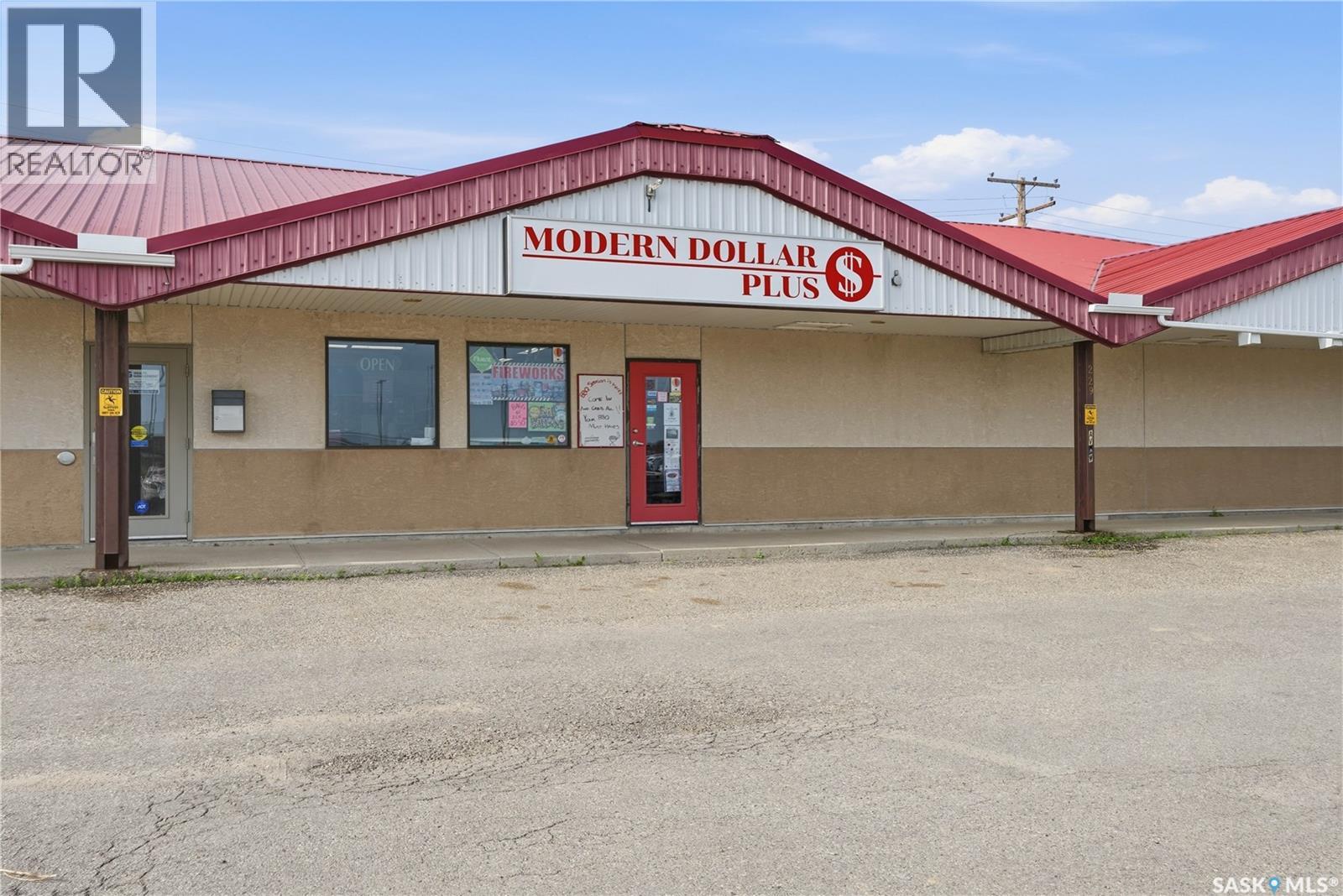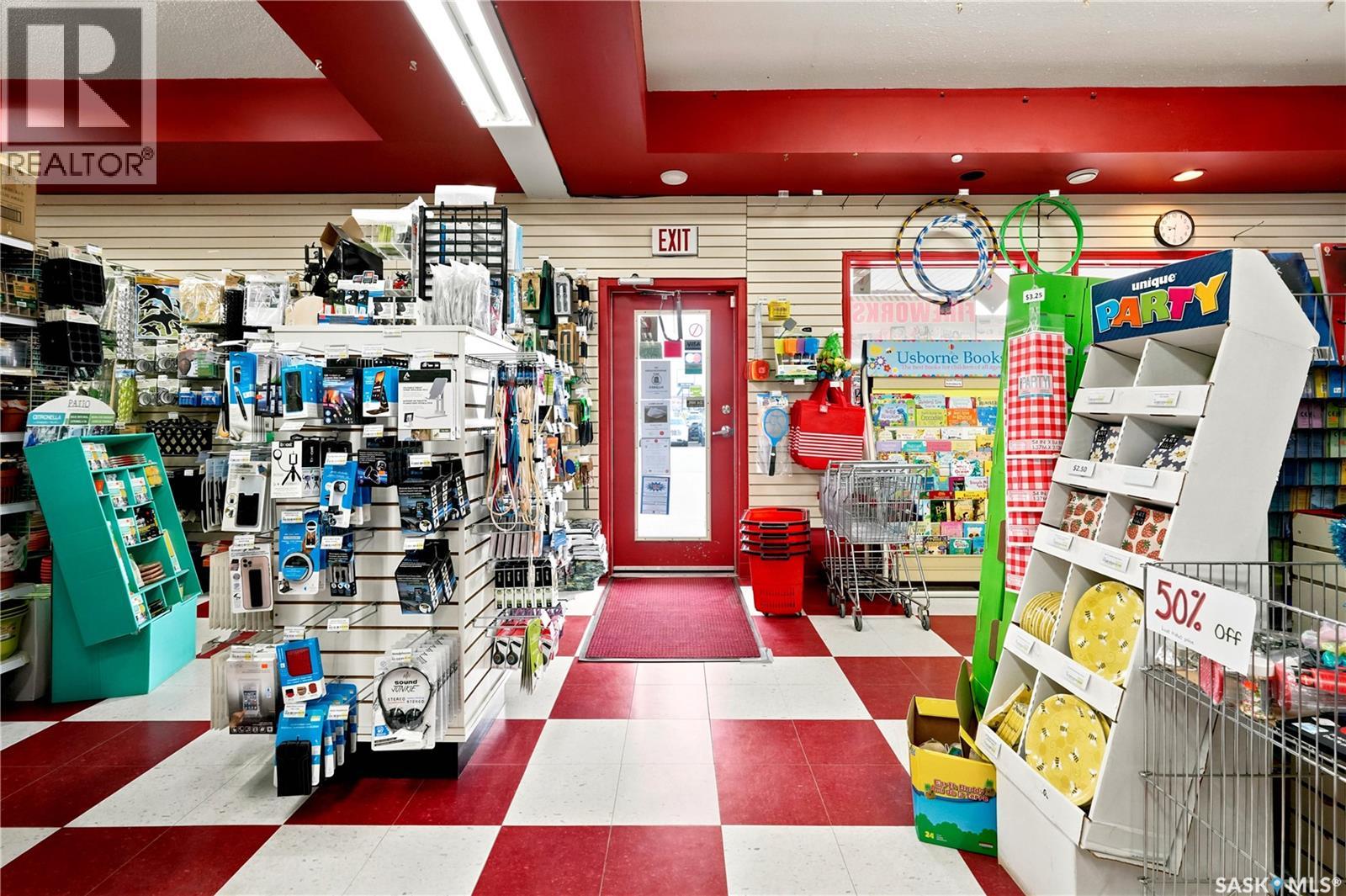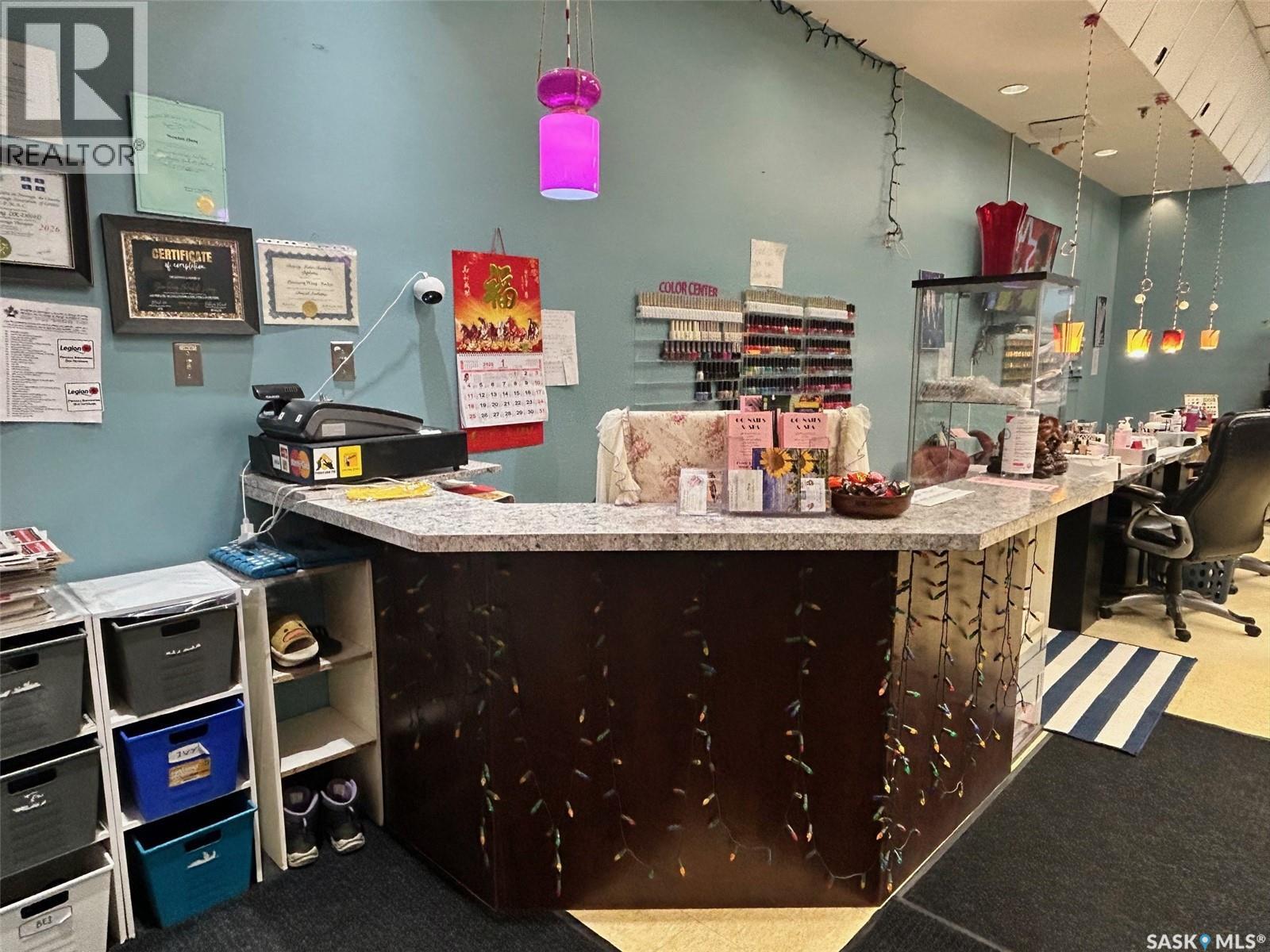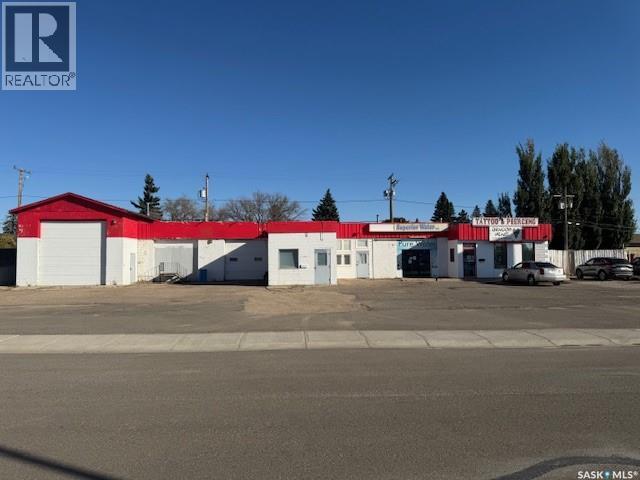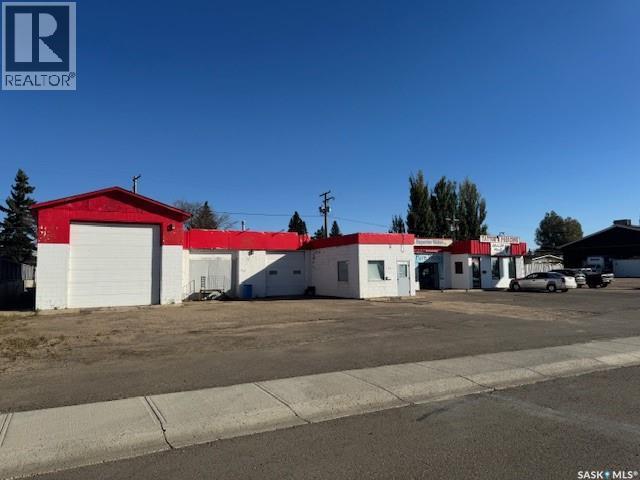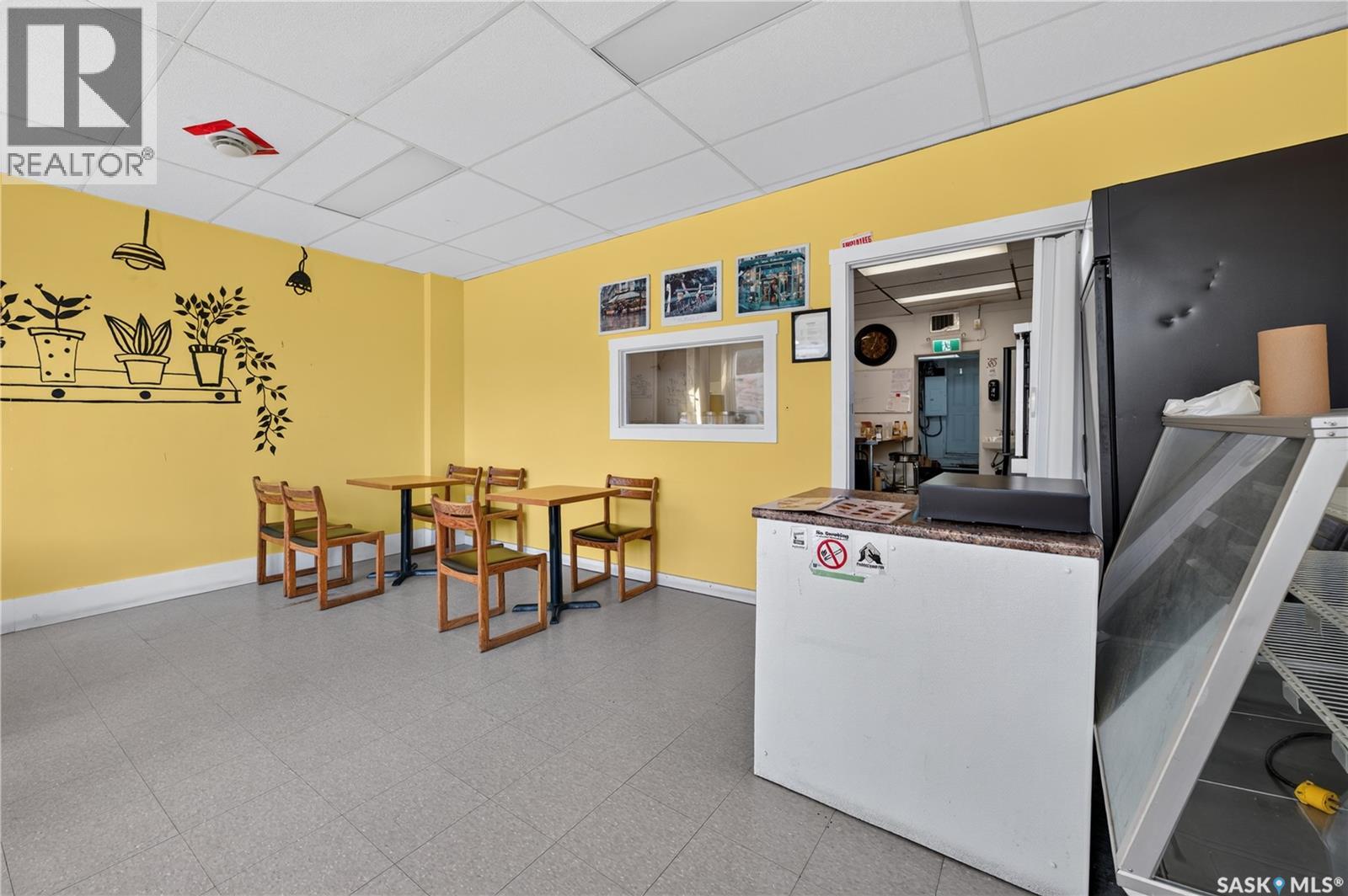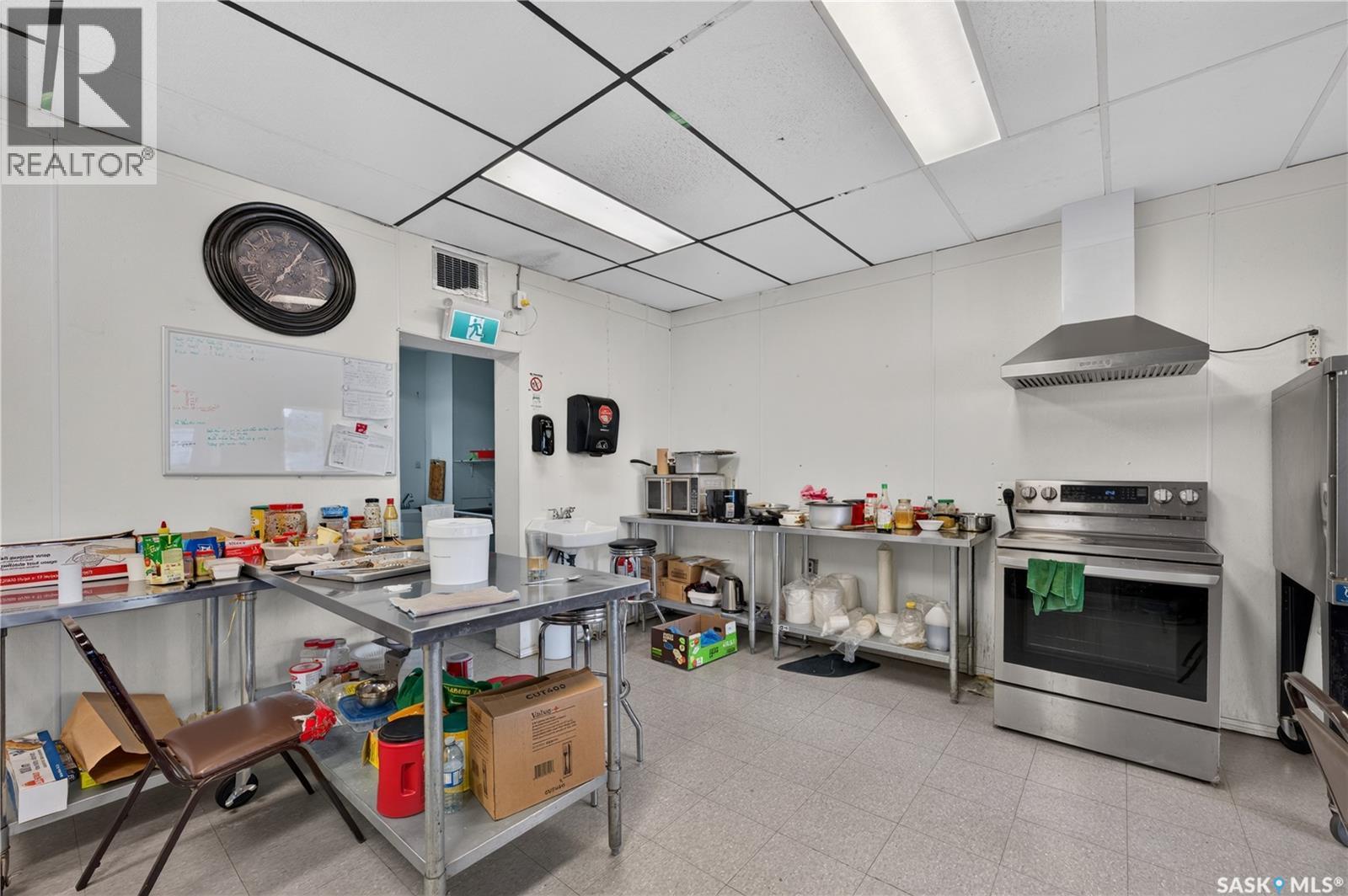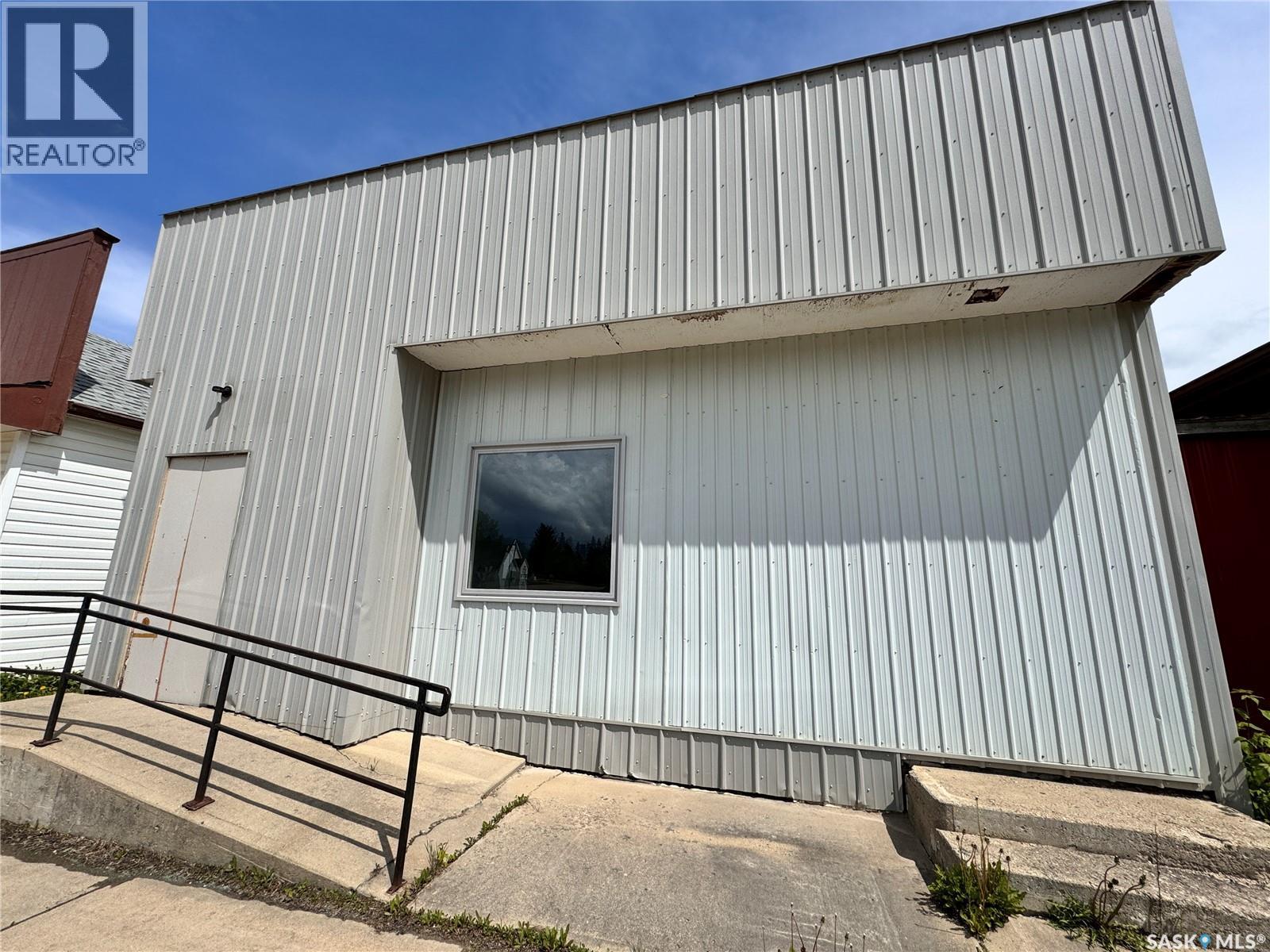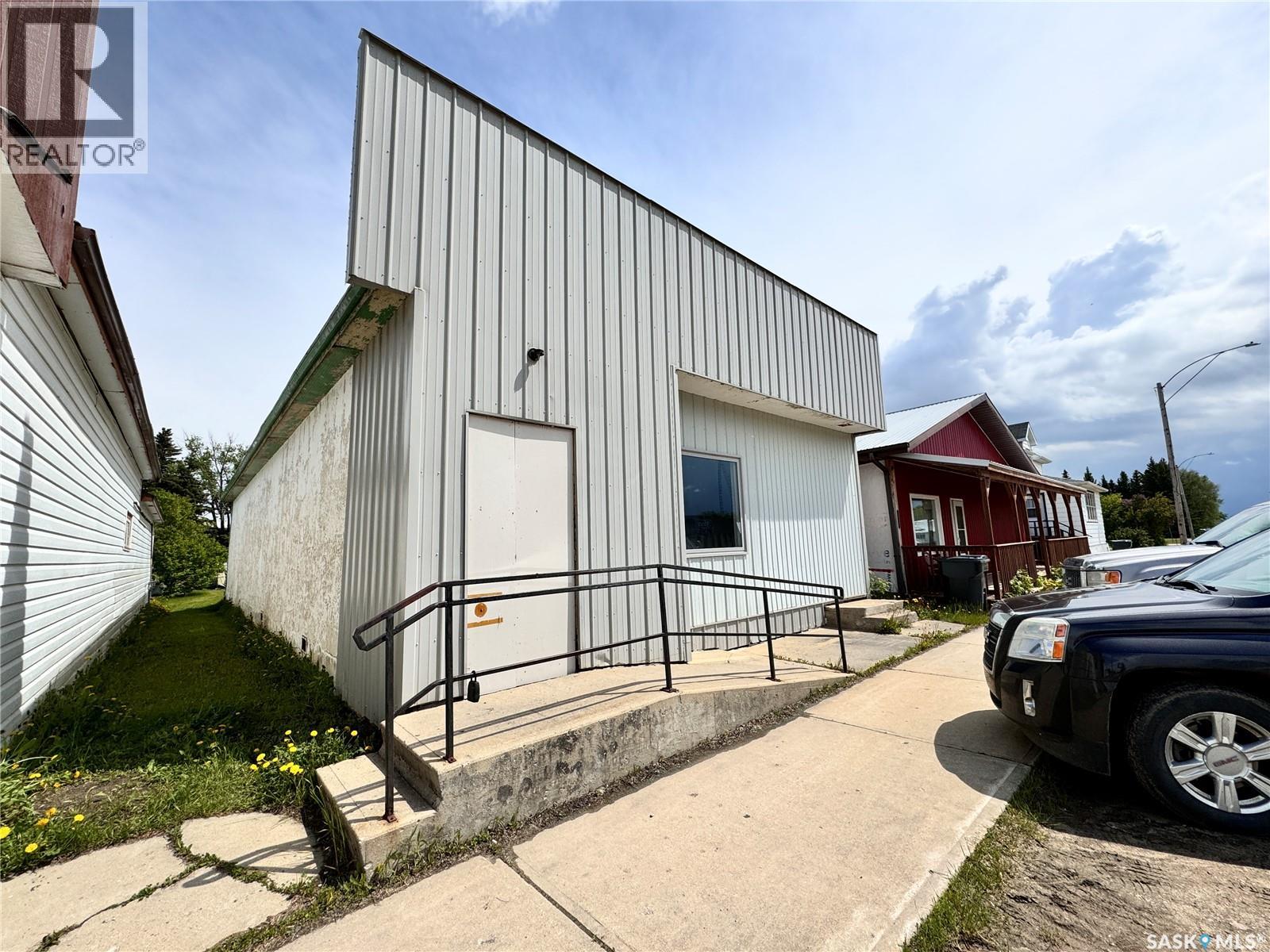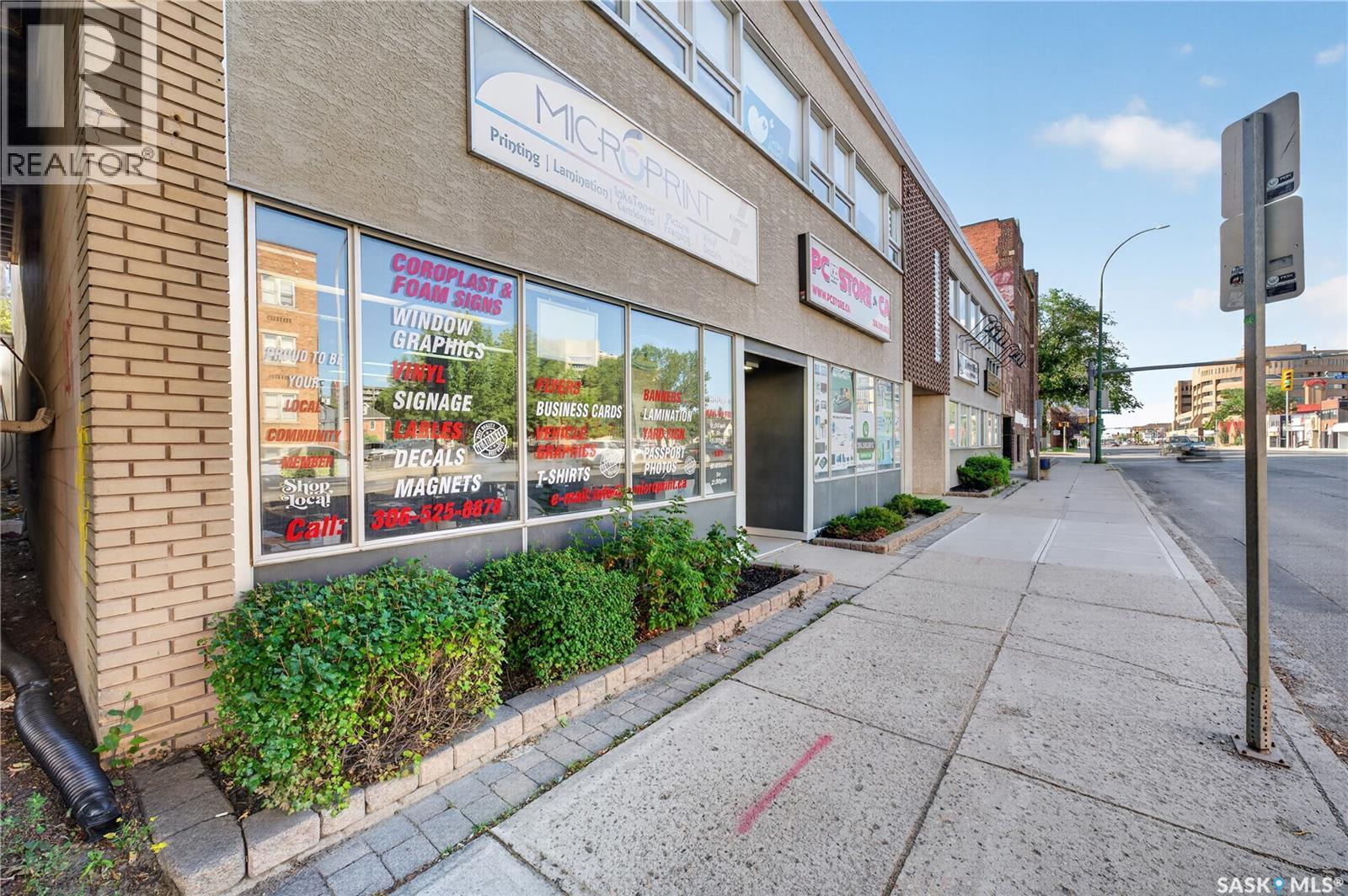
The average asking price for Listings in
Saskatchewan: $979,589
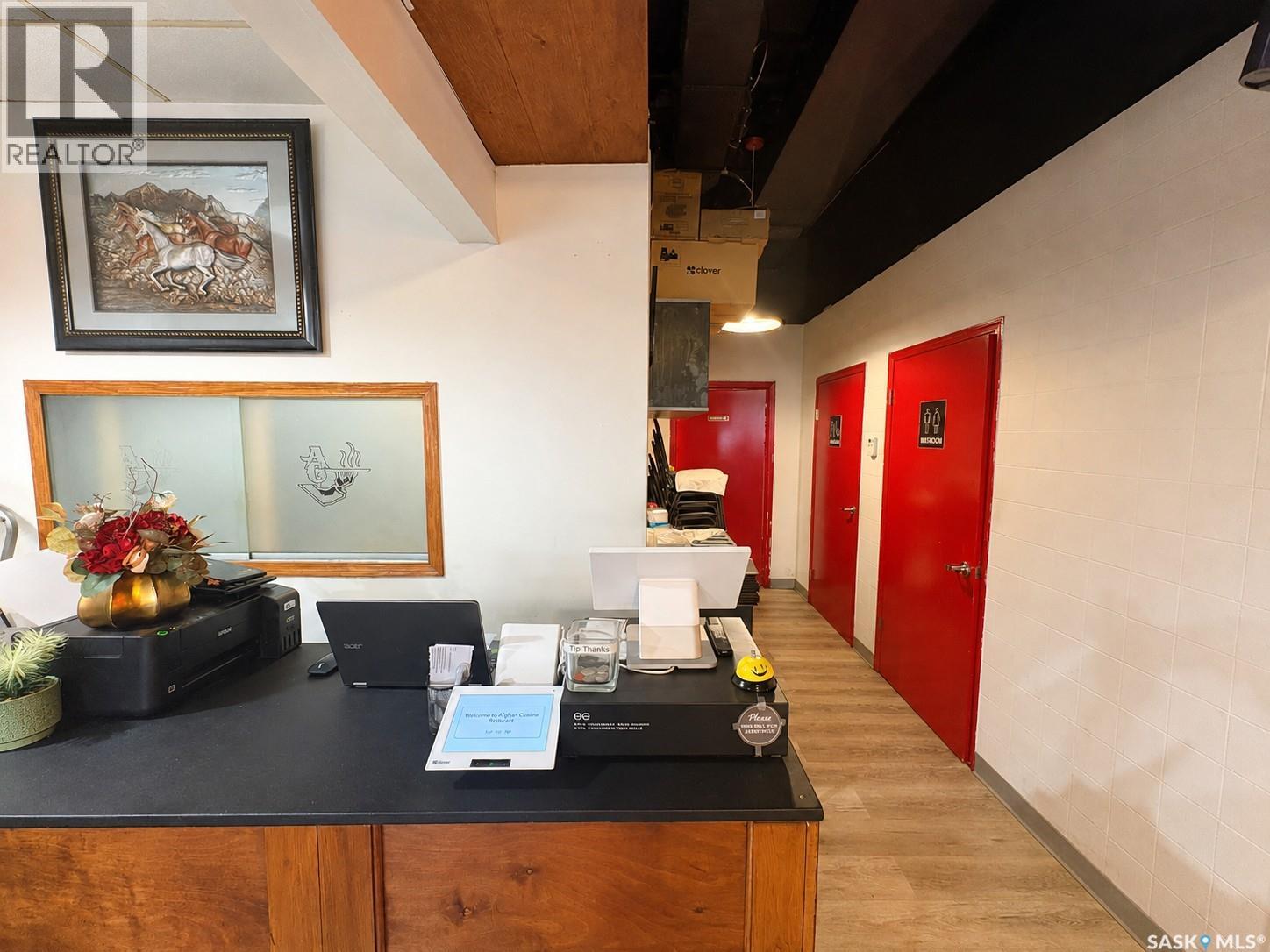
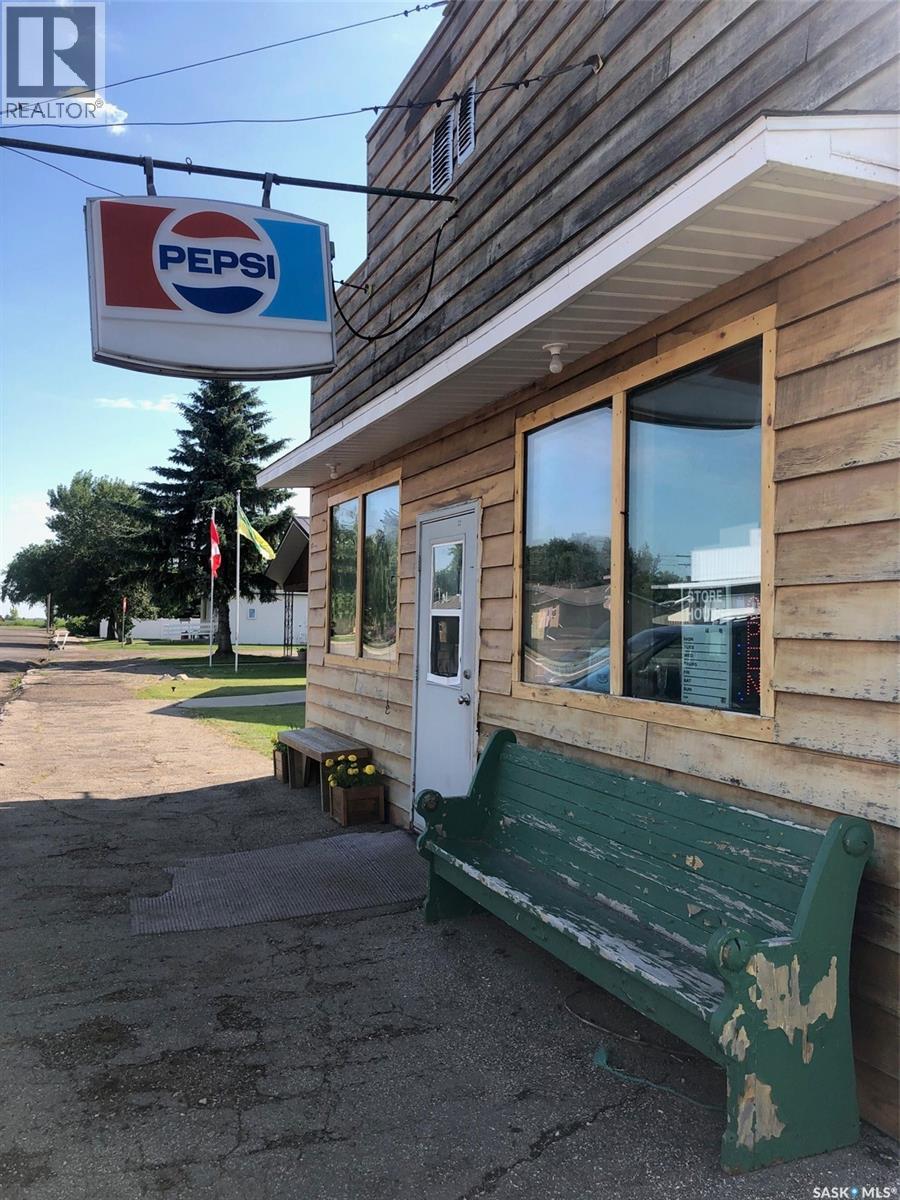
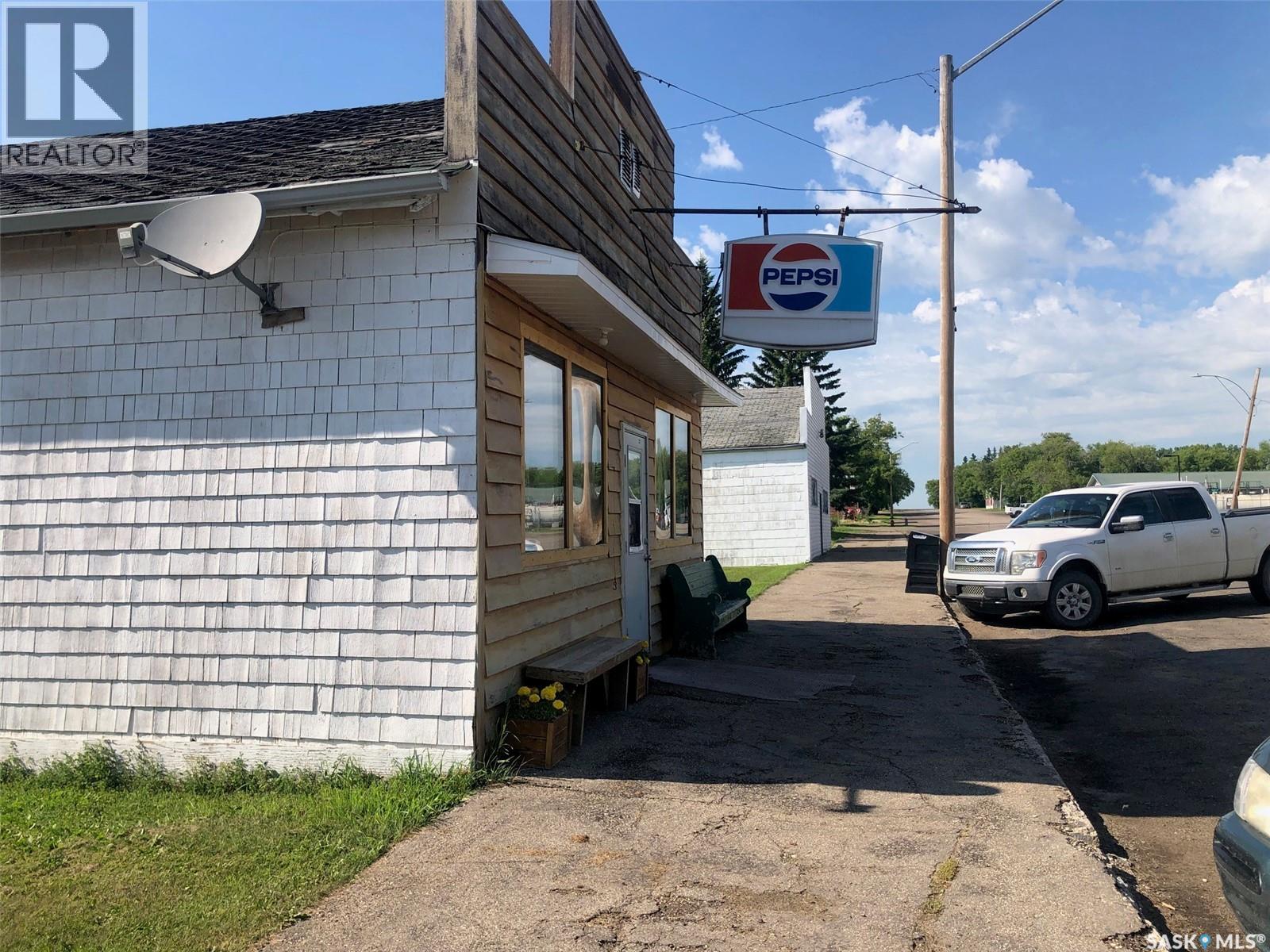
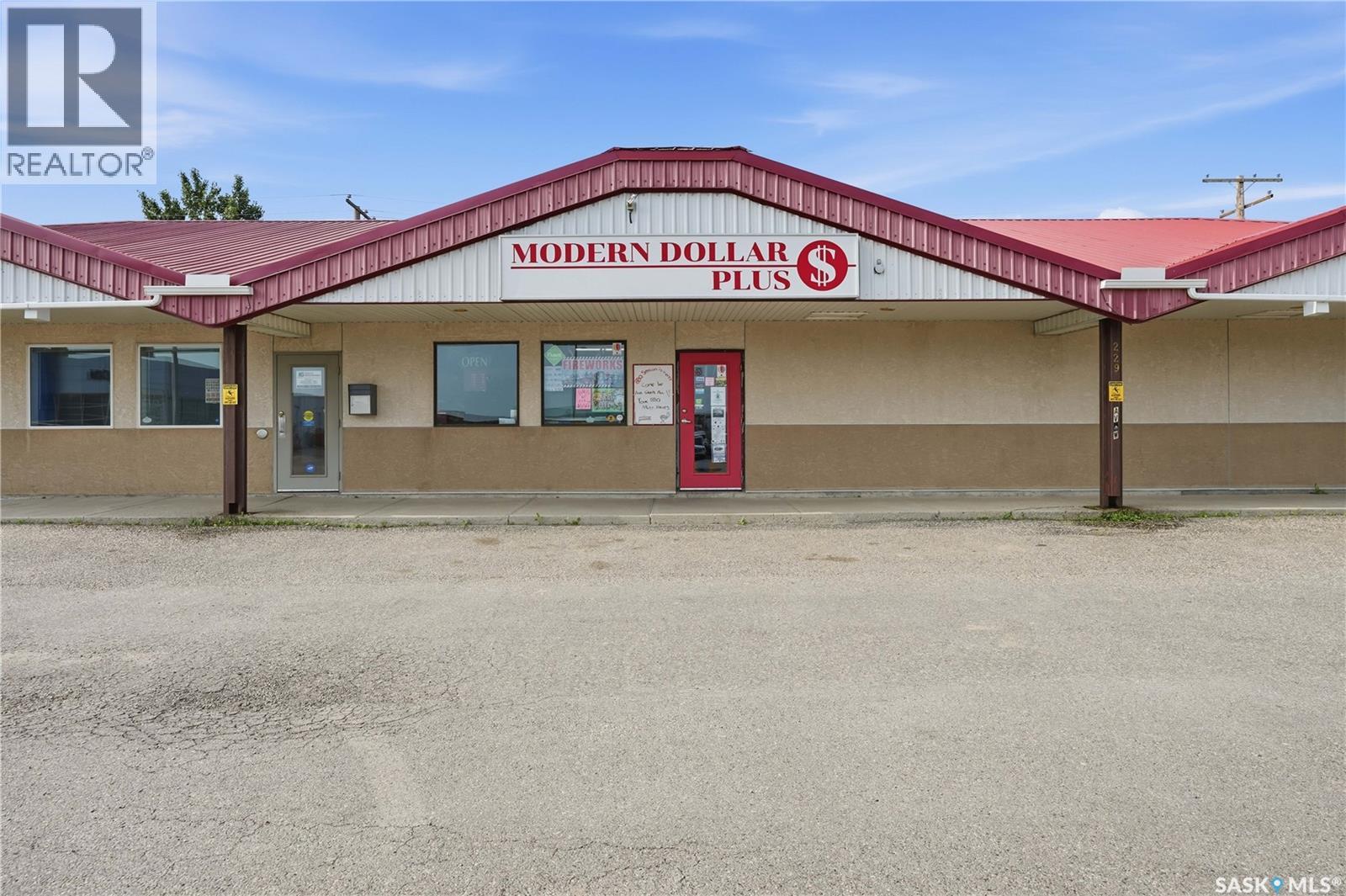
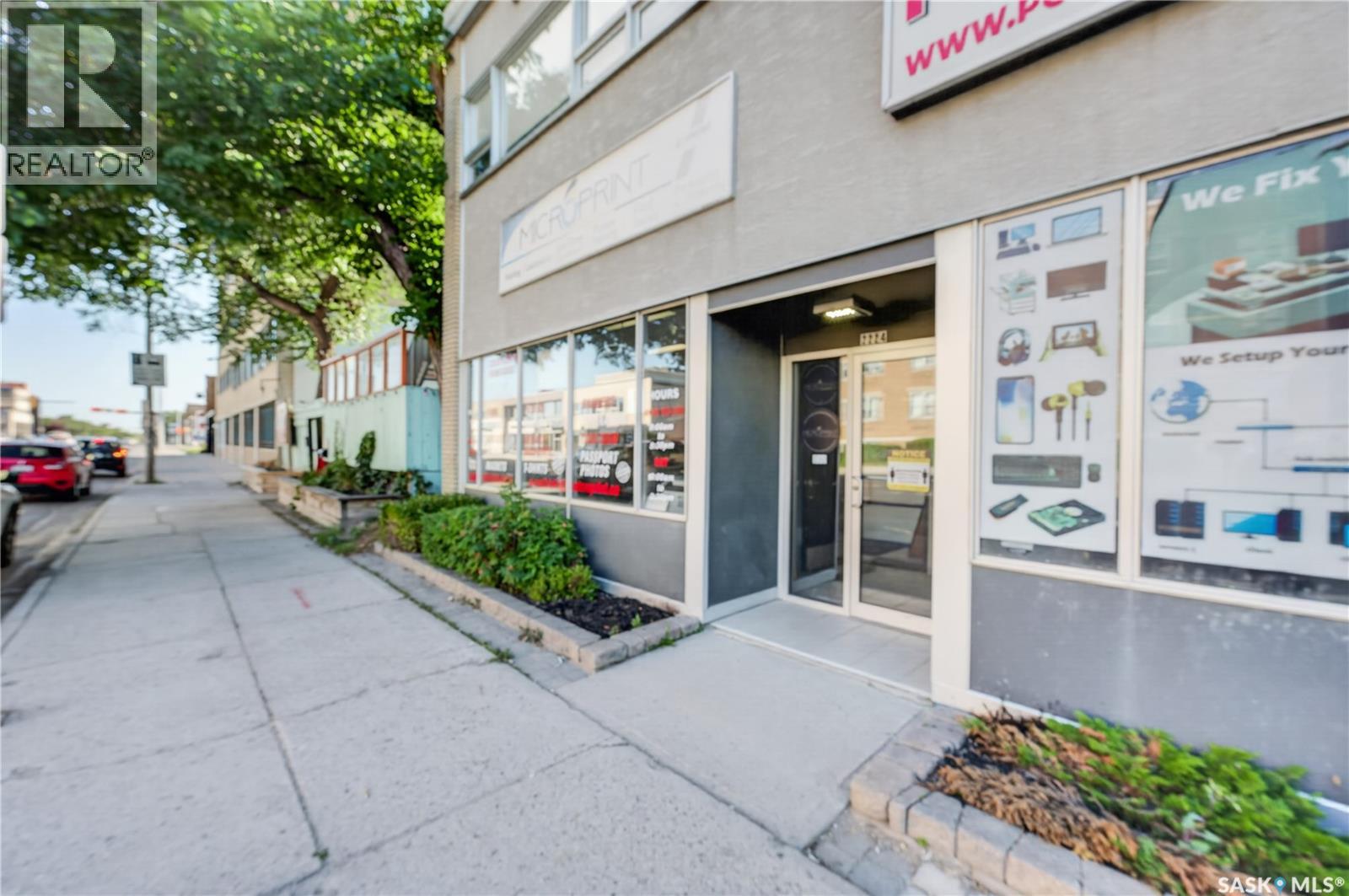
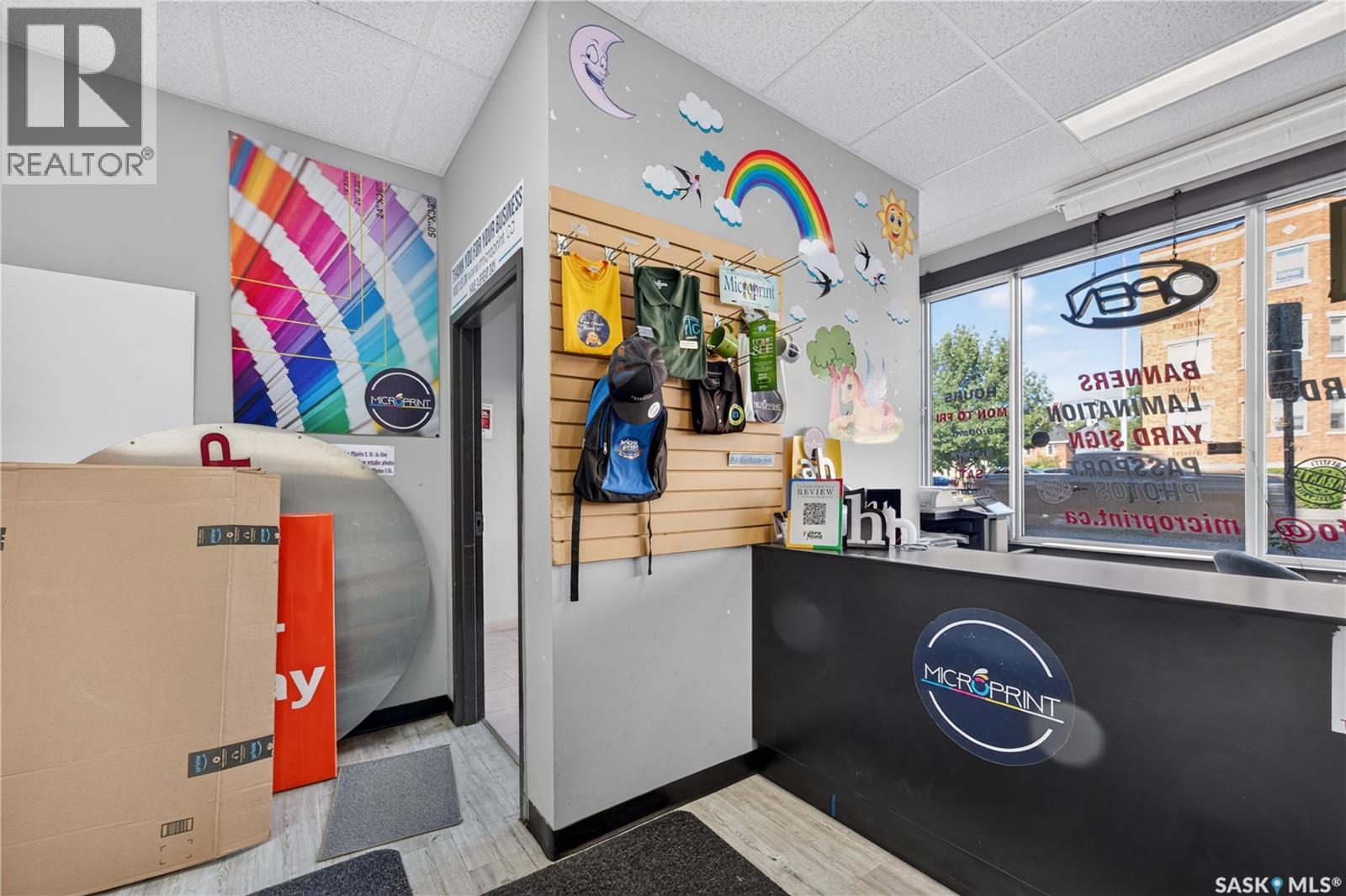
The most viewed listings in Saskatchewan on FBF are linked below:
| Business for Sale | Business for Sale | Business for Sale |
| Business for Sale | Liquor Store for Sale | Business for Sale |
Written by David Turner, M.A.
Saskatchewan's thriving economy and business-friendly environment make it an attractive destination for entrepreneurs looking to acquire established businesses. The province's diverse local market offers numerousinvestment opportunities across various sectors, from agriculture and mining to technology and retail.
You'll find that established businesses often come with existing customer bases, trained staff, and proven business models, reducing the risks associated with starting from scratch.
The SK Startup Institute provides extensive guidance and networking opportunities for entrepreneurs acquiring existing businesses, facilitating a smoother shift into business ownership.
When you're considering business acquisition in Saskatchewan, you'll discover several compelling advantages that set this province apart:
Strong economic stability is backed by rich natural resources and a well-diversified economy.
Lower operating costs compared to other major Canadian provinces, including competitive commercial lease rates.
Business-friendly government policies and support programs for entrepreneurs.
The province's steady population growth and increasing urbanization create continuous opportunities for business expansion.
Additionally, the relatively lower competition levels in certain market segments offer unique opportunities for business buyers to establish strong market positions and achieve sustainable growth.
While purchasing an existing business presents significant opportunities, it is essential to carefully weigh both the advantages and disadvantages before making your investment decision.
|
Advantages |
Disadvantages |
|
Established customer base and revenue stream |
Higher initial investment compared to starting from scratch |
|
Existing operational systems and processes |
Potential hidden liabilities or unknown issues |
|
Trained staff and supplier relationships |
May inherit outdated practices or equipment |
|
Proven business model and market presence |
Limited ability to change established brand identity |
When evaluating a business purchase in Saskatchewan, you'll need to reflect on how these pros and cons specifically relate to your situation. The advantages often centre around reduced startup risks and immediate cash flow, while the disadvantages typically involve higher upfront costs and potential inherited problems.
Modern business trends in Saskatchewan reflect significant shifts in both consumer behaviour and supply chain dynamics. When you're reviewing a business for purchase, it's essential to understand how consumer preferences have evolved, particularly in response to technological advancements and changing market demands.
Using proper financial analysis tools can help prevent costly mistakes when evaluating a business's market position and financial health. You'll need to determine whether the business you're considering has adapted to these shifts and maintains strong relationships with both customers and suppliers.
Current supplier dynamics in Saskatchewan are increasingly focused on:
Local sourcing and sustainable supply chain practices that align with growing environmental consciousness.
Digital integration and automation of ordering systems to streamline operations.
Flexible payment terms and inventory management solutions that protect cash flow.
The province's business landscape continues to transform as consumer preferences lean toward personalized experiences and digital convenience.
You'll want to analyze whether your target business has established reliable supplier networks and if their customer base demonstrates loyalty and growth potential. .
Start by identifying potential businesses through brokers or online marketplaces, then conduct thorough due diligence of financial records, legal documents, and market position. You'll want to build a professional team,including a lawyer, accountant, and business broker who understand Saskatchewan's business landscape.
The process includes evaluating assets, reviewing lease agreements, analyzing competitor positions, and determining fair market value.
Finally, structure your offer based on whether you're pursuing an asset or share sale, considering tax implications and liability transfer. The following information will guide you through each step of this complex process.
Read more
By establishing your business goals and developing a focused acquisition strategy, you'll be better positioned to identify opportunities that align with your vision and capabilities.
Consider these essential criteria when defining your business acquisition parameters:
|
Criteria Category |
Key Considerations |
Impact on Decision |
|
Financial |
Purchase price range, ROI expectations, financing needs |
Determines affordability and potential returns |
|
Operational |
Industry type, size, location, staff count |
Affects management requirements and scalability |
|
Market Position |
Competition level, growth potential, market share |
Influences future expansion opportunities |
|
Risk Tolerance |
Industry stability, regulatory requirements, economic factors |
Shapes investment security and compliance needs |
|
Personal Fit |
Required expertise, time commitment, lifestyle impact |
Guarantees alignment with your capabilities |
Your acquisition strategy should reflect both your immediate objectives and long-term business goals.
Your professional team should include a qualified business broker who'll conduct a thorough business valuation, a lawyer who specializes in commercial transactions, an accountant who'll review financial statements, and a lender who understands Saskatchewan's business landscape.
Each team member plays an essential role in risk assessment and ensuring your investment is sound.
|
Professional |
Key Responsibilities |
When to Engage |
|
Business Broker |
Business valuation, Market analysis |
Initial search phase |
|
Lawyer |
Contract review, Due diligence |
Before making offers |
|
Accountant |
Financial verification, Tax planning |
During due diligence |
|
Lender |
Financing options, Credit assessment |
Early planning stage |
|
Insurance Broker |
Coverage review, Risk management |
Pre-closing phase |
When evaluating potential competitors, you'll need to analyze their market share, pricing strategies, customer demographics, and operational strengths across the province's diverse regions, from Regina to Saskatoon and beyond.
Begin by identifying both direct and indirect competitors within your target market. You'll want to examine their product or service offerings, marketing approaches, and customer retention strategies.
Through thorough research, including local business directories, industry associations, and market reports specific to Saskatchewan, you can assess how these competitors position themselves and determine potential gaps in the market that you could leverage.
Once you've identified promising opportunities, it's essential to understand the seller's motivations before scheduling initial meetings.
Whether they're retiring, pursuing other ventures, or facing personal circumstances, knowing their reasons for selling will give you valuable leverage during negotiations and help you assess the business's true potential.
During your first meeting, maintain a professional yet approachable demeanour while gathering essential information about the business's operations, financial performance, and market position.
This initial assessment should examine various factors, including revenue trends, profit margins, asset quality, and market conditions. Remember to sign a non-disclosure agreement before accessing sensitive financial information and be prepared to demonstrate your capability and commitment as a serious buyer.
Before making an offer on a business, you'll need to conduct thorough pre-offer due diligence by examining historical financial statements, reviewing lease agreements, and creating a detailed inventory of assets.
Your investigation should also include obtaining a professional business valuation, which will help establish a fair market price and identify any potential red flags or areas of concern.
Additionally, you'll want to prepare a complete budget that accounts for both the acquisition costs and anticipated post-completion expenses, ensuring you have adequate resources for a successful change of ownership.
By examining at least three years of financial records, you'll gain essential insights into the business's financial performance and revenue trends, enabling you to make an informed decision about your potential investment.
|
Financial Statement Component |
What to Analyze |
Why It Matters |
|
Income Statement |
Revenue Trends |
Shows business growth trajectory |
|
Balance Sheet |
Asset Quality |
Reveals true business value |
|
Cash Flow Statement |
Operating Cash |
Indicates actual money movement |
|
Tax Returns |
Reported Income |
Verifies financial claims |
|
Financial Ratios |
Profitability |
Demonstrates business health |
When reviewing these statements, you'll want to pay particular attention to seasonality patterns, customer concentration, and gross margin trends.
Don't hesitate to engage a qualified accountant who can help you interpret these documents and identify potential issues that might not be immediately apparent.
You'll need to thoroughly examine the lease terms, specifically focusing on the remaining duration, monthly obligations, and any additional costs like maintenance fees, property taxes, or utilities that you'll be responsible for as the tenant.
Pay particular attention to the renewal options and any conditions that might affect your ability to continue operating from the current location.
You'll want to verify whether the lease can be assigned to you without the landlord's approval or if you'll need to negotiate new terms. Consider requesting an estoppel certificate from the landlord to confirm the lease's current status and guarantee there aren't any undisclosed disputes or defaults.
It's also essential to review any restrictions on signage, parking, or property modifications that could impact your future business operations.
If the location is critical to the business's success, you might want to negotiate lease extensions or modifications before finalizing your purchase to secure your long-term occupancy rights.
You'll want to independently verify each item's condition, ownership status, and true market value to guarantee you're getting what you're paying for.
Begin your inventory evaluation by categorizing all assets into tangible and intangible components. You'll need to verify the condition, age, and remaining useful life of equipment, while also determining the value of intellectual property, customer lists, and brand recognition.
|
Asset Type |
What to Check |
Documentation Needed |
|
Equipment |
Condition & Age |
Maintenance Records |
|
Inventory |
Quantity & Quality |
Stock Lists |
|
Vehicles |
Mileage & Repairs |
Service History |
|
Property |
Ownership Status |
Title Documents |
|
IP Rights |
Registration Status |
Legal Certificates |
Don't overlook hidden assets like customer relationships, supplier contracts, and specialized software licenses. These intangible assets often carry significant value and can impact your business's future success. Request detailed documentation for each asset category and consider hiring professional appraisers for complex equipment or specialized inventory.
Successful business acquisitions require careful financial planning beyond just the purchase price. When developing your acquisition budget, you'll need to account for immediate transaction costs, operational expenses, and potential improvement investments. This thorough financial approach guarantees you'll have sufficient resources to not only complete the purchase but also successfully manage the change period.
Your acquisition budget should include professional fees for lawyers, accountants, and business valuators, while also factoring in post-completion costs such as inventory replenishment, employee training, and system upgrades. Consider establishing a contingency fund of 10-15% above your initial calculations to handle unexpected expenses during the ownership change.
Remember that lenders will scrutinize your financial planning carefully, so a well-structured acquisition budget demonstrating your understanding of both purchase and operational costs will strengthen your position during financing negotiations.
Consider engaging a financial advisor to help develop realistic projections and identify potential cost-saving opportunities.
When you're looking to purchase a business in Saskatchewan, understanding its true worth through proven valuation methods guarantees you'll make an informed investment decision and negotiate effectively.
Professional valuators typically employ a combination of approaches to determine a fair market value, with EBITDA multiples being the most widely used method.
The valuation process generally involves analyzing the business's EBITDA (earnings before interest, taxes, depreciation, and amortization), then applying industry-specific multipliers typically ranging from three to four times EBITDA for small to medium-sized businesses.
This initial calculation is then verified through asset-based and market comparison approaches to confirm accuracy. You'll want to focus particularly on the company's earnings potential, as it's the primary driver of business value.
While you might be tempted to rely solely on the seller's numbers, investing in a professional valuation can protect your interests and provide vital negotiating leverage.
When you're ready to formalize your interest in purchasing a business, you'll need to decide between pursuing an asset sale or share sale while considering factors such as tax implications, liability transfer, and existing contracts.
Before submitting your offer, you'll want to negotiate terms that include potential seller financing options and an extensive review of all necessary operating licenses and permits to guarantee compliance and transferability.
Your offer should also outline expectations for the seller's involvement during the changeover period, including specific training requirements and a detailed timeline for transferring operational knowledge and customer relationships.
The decision between an asset sale and share sale represents one of the most crucial choices you'll make when submitting an offer to purchase a Saskatchewan business. Each structure carries distinct implications for taxation, liability, and business continuity that'll greatly impact your investment's success.
|
Aspect |
Asset Sale |
Share Sale |
|
Tax Implications |
Typically, more favorable for buyer; ability to depreciate assets |
Generally preferred by seller; possible tax deferral |
|
Liability Transfer |
Limited to specified assets; reduced risk exposure |
Complete assumption of business liabilities |
|
Transaction Complexity |
More straightforward; selective asset acquisition |
More complex due diligence required |
|
Business Continuity |
May need new permits, licenses, contracts |
Seamless continuation of operations |
When evaluating asset sale advantages, consider that you'll have greater flexibility in selecting specific assets while potentially avoiding hidden liabilities. Share sale implications include maintaining existing business relationships and contracts, though you'll need to conduct thorough due diligence to understand potential risks.
Your decision should account for factors such as existing contracts, employee relationships, and operational permits that might be affected by the transaction structure.
Securing partial seller financing represents a strategic approach when submitting your purchase offer for a Saskatchewan business. This financing method can markedly reduce your initial capital requirements while demonstrating the seller's confidence in the business's continued success.
When structured properly, seller financing often leads to more favourable terms than traditional lending options, potentially saving you thousands in interest payments.
In your negotiation strategies, you'll want to emphasize how seller financing creates a win-win scenario. The seller receives regular payments, often at a higher interest rate than they'd earn from other investments, while you benefit from their intimate knowledge of the business's operations and potential.
Consider proposing a hybrid financing structure where the seller finances 20-30% of the purchase price, with the remainder covered through traditional lending or your own capital.
You'll find that sellers who agree to partial financing typically remain more invested in the business's successful shift, often providing valuable insights and support during the handover period.
This arrangement can also facilitate more flexible payment terms and potentially reduce the overall purchase price during negotiations.
Before finalizing any purchase agreement with seller financing, conducting a thorough review of all business operating licenses and permits must be your next priority.
Work with your legal advisor to examine the following critical documents:
Your due diligence should include confirming renewal dates, associated fees, and any conditions or restrictions attached to these operating licenses and business permits.
Additionally, you'll want to investigate whether there are any outstanding violations or pending regulatory changes that could affect the business's operations.
If you discover any gaps in licensing or permit requirements, address these issues with the seller before proceeding with the purchase.
This all-encompassing plan should outline specific change strategies, including knowledge transfer timelines, operational handover procedures, and clear expectations for both parties during the change period.
Establish detailed seller communication protocols that specify how and when you'll interact with the current owner during the change phase. Your plan should address key areas such as customer relationships, vendor contracts, employee management, and proprietary systems or processes.
Consider including provisions for ongoing consultation with the seller after the handover, particularly for complex businesses or those with specialized operations.
You'll want to secure the seller's commitment to providing hands-on training for a specified period, typically ranging from 14 to 30 days.
Within your change plan, incorporate measurable milestones and specific knowledge transfer goals to make sure you're fully equipped to take control of the business operations independently.
Your plan should thoroughly detail the business valuation, projected financials, and your strategy for maintaining and growing the operation. This all-encompassing document will serve as your roadmap while convincing potential lenders of your venture's viability.
When exploring financing options, you'll need to illustrate how you'll generate sufficient cash flow to service any debt while maintaining profitable operations. Include detailed market analysis, competitive positioning, and clear financial projections that show your understanding of the business's potential. Your plan should address various funding scenarios, including traditional bank loans, seller financing, or alternative lending sources like BDC.
Key elements to include in your business acquisition plan:
Remember to outline your personal financial contribution and any additional collateral you're willing to provide. This illustrates your commitment and helps reduce the lender's perceived risk, potentially leading to more favourable financing terms.
During this vital stage, you'll need to implement effective negotiation strategies while working closely with your lawyer, accountant, and other professional advisors to guarantee all documentation is properly prepared and reviewed.
As you move toward finalizing the purchase, you'll want to employ proven closing techniques that maintain momentum while protecting your interests. This includes conducting a final review of all agreements, securing necessary financing arrangements, and confirming that all conditions precedent have been met.
You'll need to verify that all required licenses, permits, and registrations can be transferred or obtained and that lease assignments or property transfers are properly handled.
Before signing the final documents, verify you've received all required financial statements, tax records, and operational documentation. It's essential to coordinate the transfer of assets, inventory, and customer accounts while maintaining business continuity.
Once you're satisfied that all aspects of the deal meet your requirements, you can proceed with executing the purchase agreement and transferring funds through your lawyer's trust account.
Like steering a well-charted river, buying a business in Saskatchewan requires careful planning and informed decision-making. You'll need to understand market trends, secure financing, and comply with local regulations.
By following the key steps outlined and leveraging available resources, you're well-positioned to acquire a successful business in Saskatchewan's thriving economy.
Remember, thorough due diligence and professional guidance will help guarantee your business acquisition journey leads to a profitable destination.
You'll need to guarantee regulatory compliance by obtaining necessary business licenses, permits, and registrations before operating your newly acquired business.
|
Level |
Primary Requirements |
Regulatory Body |
|
Federal |
Business Number, Tax Registration |
Canada Revenue Agency |
|
Provincial |
PST Registration, Workers' Comp |
Saskatchewan Finance |
|
Municipal |
Business License, Zoning Permits |
Local City Hall |
When purchasing an existing business, you'll need to verify that all current permits and licenses are transferable or apply for new ones. It's advisable to work with a local business lawyer who understands Saskatchewan's regulatory landscape to guarantee you've addressed all compliance requirements.
Remember that certain industries, such as food service, healthcare, or childcare, have additional regulatory obligations that you must meet to operate legally.
Successful entrepreneurs dig into Saskatchewan's diverse industry resources before making purchasing decisions. When you're considering a business purchase, it's crucial to leverage the wealth of market research and industry data available through various provincial organizations.
The Saskatchewan Chamber of Commerce and regional economic development agencies offer extensive reports that'll help you understand market trends, competition, and growth potential.
You'll find valuable insights through Saskatchewan's industry associations, which provide sector-specific information and networking opportunities.
Connect with industry leaders and access detailed reports through:
Beyond traditional resources, you're encouraged to explore Saskatchewan's network of business development specialists who can provide customized market research services.
These experts can help you evaluate industry-specific opportunities, analyze competitive landscapes, and identify potential growth areas within your target sector, ensuring you're making an informed investment decision based on reliable data.
A: You'll find non-compete clauses are common, but you're free to negotiate their terms. Consider pushing back on overly restrictive limits during negotiations, focusing on reasonable duration and geographic scope that protects both parties' interests.
A: In Saskatchewan, there are a variety of businesses for sale, including retail stores, restaurants, and service-based ventures. Whether you're looking for a well-established business or a new venture, the province offers numerous opportunities for prospective buyers.
A: Saskatoon has several turnkey businesses available for sale. These businesses typically come fully equipped and operational, providing a new owner with a smooth transition. You can explore commercial listings for more details on available options.
A: Investing in commercial property in Regina can offer fantastic business opportunities. The city's prime location and growing market provide a solid foundation for businesses, whether you're considering retail or commercial cleaning services.
A: Yes, there are food franchises for sale in Prince Albert. These franchises can be a great way to start a business with a proven model and support from established brands. Look into available listings to find the right fit for your investment goals.
Data is supplied by CREA who is the owner of the copyright in its MLS®System. Data provided is deemed reliable but is not guaranteed accurate by CREA. The trademarks MLS®, Multiple Listing Service® and the associated logos are owned by The Canadian Real Estate Association (CREA) and identify the quality of services provided by real estate professionals who are members of CREA. Used under license.