Clark's Harbour, Nova Scotia
Keller Williams Select Realty (Barrington Passage)
Written by David Turner, MA
Investing in an established business means you are also benefiting from experienced team members who bring industry knowledge and contribute to operational efficiency. You'll find that acquiring an existing business gives you access to:
Furthermore, Canada's stable economic environment and diverse market opportunities make it an attractive destination for business acquisition. You'll benefit from the country's robust banking system, transparent regulatory framework, and strong property rights protection.
While you'll benefit from existing infrastructure and customer relationships, you'll need to guarantee the business's current practices align with your vision and management style.
You’ll need to analyze current market dynamics and shifting consumer preferences to guarantee your investment aligns with where the market is heading. This includes evaluating digital transformation trends, sustainability practices, and changing demographics that influence purchasing decisions.
Key trends you'll need to monitor include:
When buying a business for sale near me in Canada, you'll need to follow several key steps to guarantee a successful acquisition. While the process requires a few sequential steps and significant upfront capital, it offers significant advantages over starting from scratch, including established cash flow and proven business systems.
Following these fundamental steps will position you for a successful acquisition.
Defining clear acquisition criteria will serve as your roadmap throughout the business buying process in Canada. Before diving into market research, you'll need to establish specific parameters that align with your acquisition goals and capabilities. Consider factors like industry preferences, geographic location, and financial requirements to narrow your search effectively.
|
Criteria Category |
Key Considerations |
Impact on Search |
|
Financial |
Revenue, profit margins, cash flow |
Determines affordability and ROI |
|
Operational |
Staff size, systems, processes |
Affects management requirements |
|
Market Position |
Competition, growth potential, location |
Influences long-term viability |
Each expert brings unique skills and perspectives that'll help you navigate the complex process of business acquisition while protecting your interests and guaranteeing a sound investment.
When selecting your professional team, carefully evaluate their experience with business acquisitions, industry knowledge, and track record of successful deals. Your business broker will help identify suitable opportunities and assist with business valuation, while your lawyer guarantees proper due diligence and contract negotiations. An accountant reviews financial statements and advises on tax implications, and a lender explores financing options tailored to your situation.
|
Professional |
Primary Role |
Key Benefits |
|
Business Broker |
Market Research & Valuation |
Access to listings & pricing expertise |
|
Lawyer |
Legal Due Diligence |
Contract protection & compliance |
|
Accountant |
Financial Analysis |
Tax planning & risk assessment |
|
Lender |
Funding Solutions |
Diverse financing options & terms |
Remember that while professional fees may seem substantial, they're an investment in your success. These experts will help you avoid costly mistakes, negotiate better terms, and increase your chances of acquiring a profitable business that aligns with your goals.
You'll need to assess both direct and indirect competitors, evaluating their strengths, weaknesses, market share, and pricing strategies. This analysis will reveal opportunities for differentiation and potential threats to your business's success.
Begin by researching current market trends and identifying key players in your chosen industry. You can access valuable competitive intelligence through industry reports, trade associations, and public financial records.
Pay special attention to competitors' online presence, customer reviews, and marketing strategies. Understanding the competitive landscape will help you determine if your target business has sustainable advantages or faces significant challenges.
During these initial conversations, focus on building rapport while gathering essential information about the business's operations, financial performance, and reason for selling.
It's vital to maintain confidentiality and professionalism throughout this process, as sellers are often concerned about their employees and customers learning about the potential sale prematurely.
Before making a formal offer on a Canadian business for sale, you'll need to conduct thorough pre-offer due diligence.
Through thorough financial statement analysis, you'll uncover crucial insights into the company's financial health, performance trends, and potential red flags. By examining historical data trends across multiple years, you'll be better positioned to make an informed decision about the business's true value.
| Financial Statement | Key Elements to Analyze | Red Flags to Watch |
| Income Statement | Revenue growth trends | Inconsistent profit margins |
| Balance Sheet | Asset-to-liability ratios | Excessive debt levels |
| Cash Flow Statement | Operating cash flow | Negative cash flow patterns |
| Tax Returns | Reported income | Discrepancies with books |
When reviewing these documents, you'll want to pay particular attention to year-over-year changes in revenue, profit margins, and operational expenses. Look for consistent patterns that indicate stable business performance and identify any unusual fluctuations that might require explanation.
Additionally, compare the company's financial ratios to industry standards to gauge its competitive position. Remember to verify that all financial statements have been properly prepared and, ideally, reviewed by a professional accountant.
You'll need to thoroughly examine the lease terms, including renewal options, rent escalations, and any restrictions on business operations or property.
Understanding these elements will help you determine whether the location can sustain your future business plans and growth objectives. When reviewing the lease, pay particular attention to assignment clauses and landlord approval requirements. You'll want to guarantee that lease negotiations with the landlord can proceed smoothly during the business transfer process.
Additionally, verify whether you need to replace any personal guarantees from the current owner with your own. It's essential to verify if there are any outstanding violations, maintenance issues, or property tax obligations that could affect your occupancy.
A thorough asset valuation will help you determine the true worth of tangible and intangible assets, ensuring you're making an informed investment decision.
|
Asset Category |
Key Considerations |
| Physical Assets | Equipment condition, age, maintenance records |
| Inventory | Current stock levels, turnover rates, obsolescence |
| Intellectual Property | Patents, trademarks, proprietary processes |
You'll want to cross-reference the seller's asset list against the physical items, ensuring everything matches and is properly valued. Don't forget to examine maintenance records, warranties, and any outstanding liens or encumbrances on major equipment.
Pay particular attention to inventory levels and aging reports, as they can significantly affect your initial working capital requirements. Consider hiring an independent appraiser to validate the asset values, especially for specialized equipment or unique intellectual property. This thorough evaluation will help you negotiate a fair purchase price and protect your interests throughout the acquisition process.
When planning your finances, factor in not just the purchase price but also professional fees, working capital requirements, and potential renovation or upgrade costs.
To develop an all-encompassing budget for your business purchase, you'll want to contemplate these essential cost categories:
Understanding your complete financial commitment helps you make informed decisions about acquisition financing options.
You might need to combine various funding sources, such as traditional bank loans, seller financing, or private investors. Remember to maintain adequate cash reserves for unexpected post-completion expenses that often arise during the first year of ownership.
Obtaining a professional valuation is essential before offering to purchase a business for sale.
Professional valuators typically employ three complementary methods to assess a company's worth, with an income-based approach using EBITDA multiples (earnings before interest, taxes, depreciation & amortization) being the most common.
In today's market, small to medium-sized businesses typically sell for three to four times EBITDA, while smaller enterprises valued under $650,000 often use Seller Discretionary Earnings (SDE) multiples of two to three times.
However, you'll want to understand that these multiples can vary based on industry standards, location, and recent comparable sales. To validate these figures, valuators will also analyze the company's tangible and intangible assets while comparing the target business to similar recent transactions in the market.
When you're ready to make an offer on a business, you'll need to evaluate whether to structure it as an asset sale or share sale while also determining if you'll request partial seller financing to optimize your capital structure.
Your offer should also outline a thorough seller training and transition plan, detailing the previous owner's post-sale involvement to guarantee a smooth handover of business operations and relationships with key stakeholders.
During the negotiation phase of buying a business for sale, you'll need to decide between pursuing an asset sale or share sale transaction structure. The choice between these two structures will greatly impact your tax implications, liability exposure, and operational changes.
In an asset purchase, you'll acquire specific business assets and liabilities while leaving the corporate shell behind, allowing you more flexibility to choose what you want to buy. Through a share transfer, you'll take ownership of the entire corporation, including all assets, liabilities, and potential risks, both known and unknown.
| Aspect | Asset Sale | Share Sale |
| Tax Impact | Typically, more favourable for the buyer. | Generally preferred by the seller |
| Liability | Limited to acquired assets | Full assumption of corporate history |
| Complexity | More complex asset transfer process | Simpler ownership transfer |
Consider consulting with financial and legal advisors to determine which structure aligns best with your investment goals, risk tolerance, and long-term business strategy. Your decision will affect everything from employee contracts to existing business relationships and regulatory compliance requirements.
Securing financing for your business purchase often involves exploring multiple funding sources, including seller financing. When you're negotiating the purchase of a business for sale near me, it's worthwhile to discuss seller financing options with the current owner, as this arrangement can benefit both parties.
You'll often find that sellers are more willing to offer partial financing when they're confident in their business's future success and your ability to maintain its profitability.
During negotiations, you should present a well-structured proposal that demonstrates how seller financing could work to everyone's advantage. Consider requesting 20-30% of the purchase price through seller financing, which can serve as a bridge between your down payment and traditional lending sources.
This approach helps you manage cash flow and shows the seller you're committed to maintaining the business's success. The seller's continued financial interest can provide you with valuable mentorship and guarantee a smoother transition period.
When structuring the deal, make sure to outline clear terms regarding interest rates, payment schedules, and any security arrangements to protect both parties' interests.
You'll need to thoroughly review all operating regulations and licensing requirements to guarantee the business you're purchasing meets federal, provincial, and municipal standards. Understanding these requirements will help you maintain operational continuity and avoid potential legal issues after the acquisition.
Before finalizing your purchase, it's crucial to verify that all necessary permits and licenses are transferable or obtainable under your ownership. Many Canadian industries have specific regulatory frameworks that require certifications or qualifications.
You'll want to identify any gaps in compliance and factor those into your due diligence process.
Here are three critical areas of licensing and permits to examine:
Working with a qualified business lawyer who understands Canadian operating regulations can help you navigate the complex landscape of regulatory compliance.
A well-structured transition plan forms the foundation of a successful business acquisition. When developing your seller training and transition plan, you'll need to outline specific timelines, responsibilities, and knowledge transfer protocols that guarantee a seamless handover of operations.
It's crucial to document all critical business processes, customer relationships, and vendor connections that you'll need to maintain.
Your change plan should include detailed provisions for hands-on training with the seller, typically spanning 30 to 60 days post-closing. During this period, you'll want to focus on understanding day-to-day operations, key relationships, and proprietary systems or processes unique to the business.
Make sure to include provisions for the seller's availability after the formal training period for troubleshooting and consultation. You'll also want to establish clear communication channels with employees, customers, and suppliers to maintain business continuity and prevent any disruption during the ownership change.
Your plan should include detailed financial projections, market analysis, and a clear strategy for business growth and management. Understanding various financing options, from traditional bank loans to alternative funding sources, will strengthen your position as you pursue acquisition opportunities. The Business Buyer Advantage program offers essential financial literacy skills, which can be crucial in understanding and effectively navigating these financing options.
Your business plan must effectively communicate how you'll maintain and grow the business post-acquisition. Include thorough business projections covering at least three years, showing revenue forecasts, expense management, and anticipated cash flow. Additionally, outline your relevant experience and expertise that will contribute to the business's success.
Key elements to include in your financing business plan:
Remember to support your plan with market research, competitive analysis, and risk mitigation strategies. This thoroughness will demonstrate to potential financiers that you've carefully considered all aspects of the acquisition and have a solid framework for success.
During this phase, you'll need to implement effective negotiation strategies while maintaining open communication with the seller to address any last-minute concerns or adjustments.
It's essential to work closely with your legal counsel and accountant to review all final documents and guarantee compliance with Canadian business regulations.
To streamline the closing process, you should develop a thorough closing checklist that includes all necessary documentation, from purchase agreements and financial statements to permits and licenses.
Once everything's in order, you can proceed with signing the final agreements and completing the ownership transfer, marking the successful conclusion of your business acquisition journey.
Verify the fulfillment of all prerequisite conditions, such as securing financing, obtaining necessary third-party consents, and fulfilling due diligence requirements. Additionally, confirm that all assets, contracts, and employee agreements are properly transferred to your ownership.
Before finalizing the transaction, coordinate with your professional advisors to review the closing documents, arrange for funds transfer, and establish a clear transition plan for day-one operations. Once everything's in order, you can proceed with signing the final agreements and completing the ownership transfer, marking the successful conclusion of your business acquisition journey.
As you commence your journey to acquire a business for sale near me in Canada, you'll find that careful planning and thorough research are your greatest allies. From defining clear acquisition criteria to steering through regulatory requirements, each step builds toward your ultimate success.
With Canada's stable economy and diverse market opportunities, your well-executed business purchase can become the foundation of a thriving enterprise in this dynamic marketplace.
Canadian business regulations encompass three main levels of oversight: federal, provincial, and municipal requirements. You'll need to confirm your business licensing and regulatory compliance align with all three jurisdictions, which can greatly impact your operational capabilities and costs.
Consider these key regulatory aspects across different governmental levels:
| Level | Primary Focus | Key Requirements |
| Federal | National Standards |
Tax Registration, Industry Permits |
| Provincial | Regional Operations | Professional Licensing, Labour Laws |
| Municipal | Local Activities | Zoning Permits, Health Inspections |
As you proceed with your business acquisition, you'll need to verify that all existing permits and licenses are transferable or obtain new ones as required. It's crucial to conduct a thorough review of regulatory requirements specific to your industry and location, as these can vary greatly.
Discovering accurate industry information is essential for evaluating a potential business purchase in Canada. Canada's government and private sector offer extensive databases and analytical tools that can help you understand market trends, competitive landscapes, and growth potential in your target industry.
The best sources for Canadian industry information include Statistics Canada, Industry Canada, and provincial economic development agencies. These platforms provide detailed reports, financial benchmarks, and demographic data that you'll find invaluable during your due diligence process.
Key resources you'll want to explore include:
Remember to cross-reference multiple sources and consider hiring professional market research firms for more profound analysis. Local chambers of commerce and business development centres can also provide valuable regional market insights and connect you with industry experts.
A: Just as Rome wasn't built in a day, your business acquisition takes time. You'll typically need 2-4 months from initial business valuation to closing, though transaction timelines can vary based on complexity.
A: You'll find higher survival rates in healthcare, technology, and professional services. Industry trends show these sectors have strong success factors due to Canada's aging population and digital transformation needs.
A: The key steps include researching the market, identifying potential businesses, conducting due diligence, securing financing, negotiating the deal, and completing the legal paperwork. It's crucial to work with a reputable business brokerage to find the perfect business opportunity and navigate the process smoothly.
A: You can use online marketplaces specializing in business sales, such as Canada's largest business-for-sale platform. These sites allow you to filter results by location, including Ontario, Toronto, and Mississauga. Additionally, working with a local business broker can help you find exceptional opportunities that may not be publicly listed.
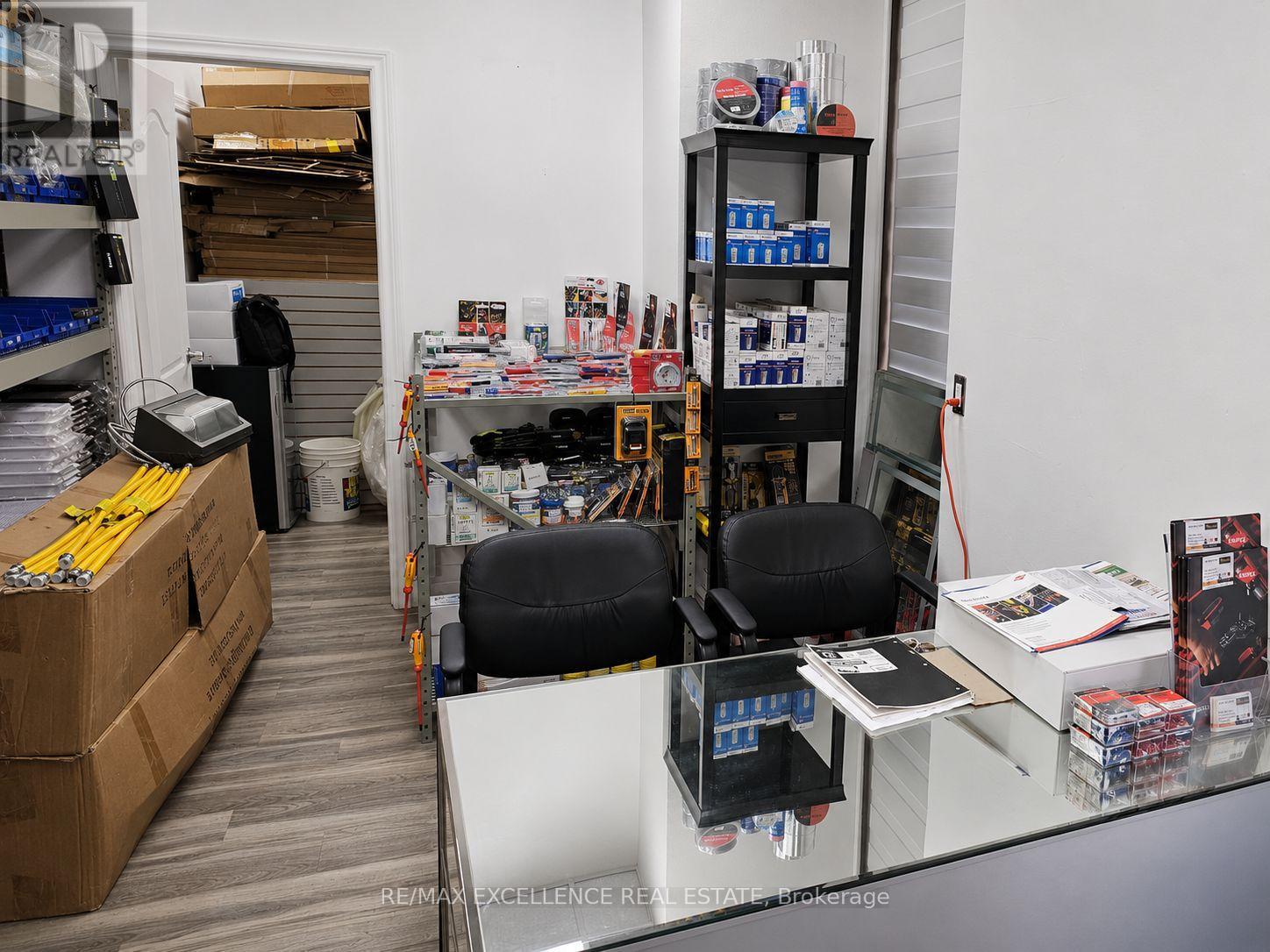
A: Canada offers a diverse range of business opportunities, including franchises, service businesses, retail stores, and online ventures. Popular options include coffee franchises, automotive businesses, spas, childcare centres, and highly profitable Shopify stores. The market also features lucrative opportunities in emerging sectors like solar energy and SaaS (Software as a Service) companies.
A: Yes, buying a franchise can be an excellent option for aspiring entrepreneurs. Franchises offer the advantage of a proven business model, established brand recognition, and support from the franchise system. Many franchise opportunities in Canada come with exclusive territories and a loyal customer base, making them attractive for those new to business ownership.
A: When evaluating a small business in Toronto or Mississauga's prime locations, consider factors such as the company's financial health, growth potential, customer base, and competitive landscape. Pay attention to the business's location, lease terms, and any unique selling points. It's also crucial to understand why the current owner is selling and verify all the financial information provided.
Data is supplied by CREA who is the owner of the copyright in its MLS®System. Data provided is deemed reliable but is not guaranteed accurate by CREA. The trademarks MLS®, Multiple Listing Service® and the associated logos are owned by The Canadian Real Estate Association (CREA) and identify the quality of services provided by real estate professionals who are members of CREA. Used under license.