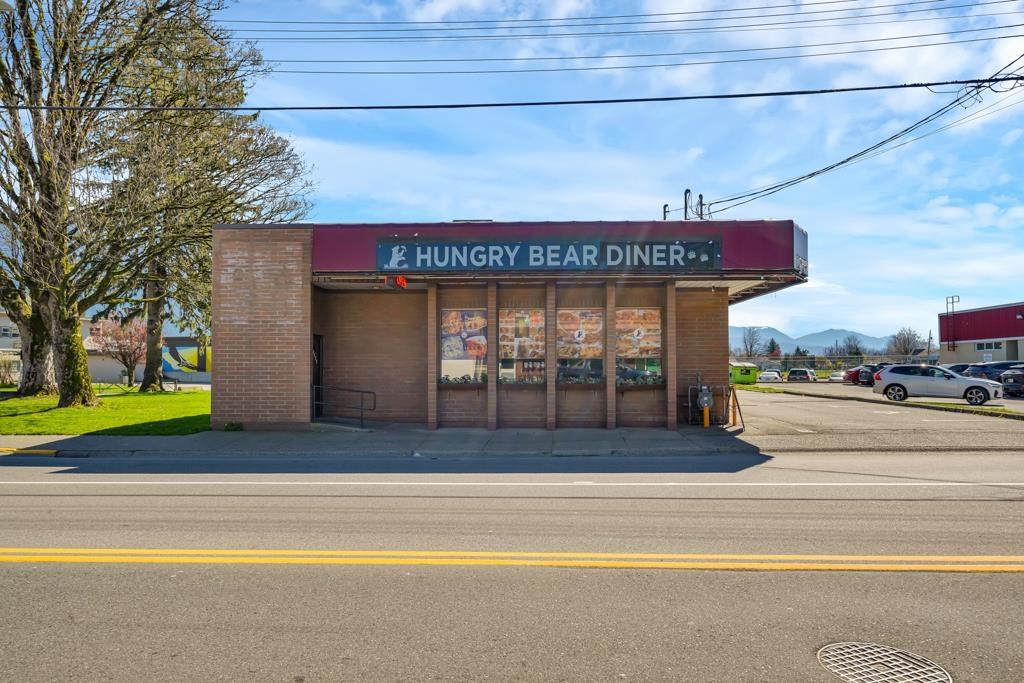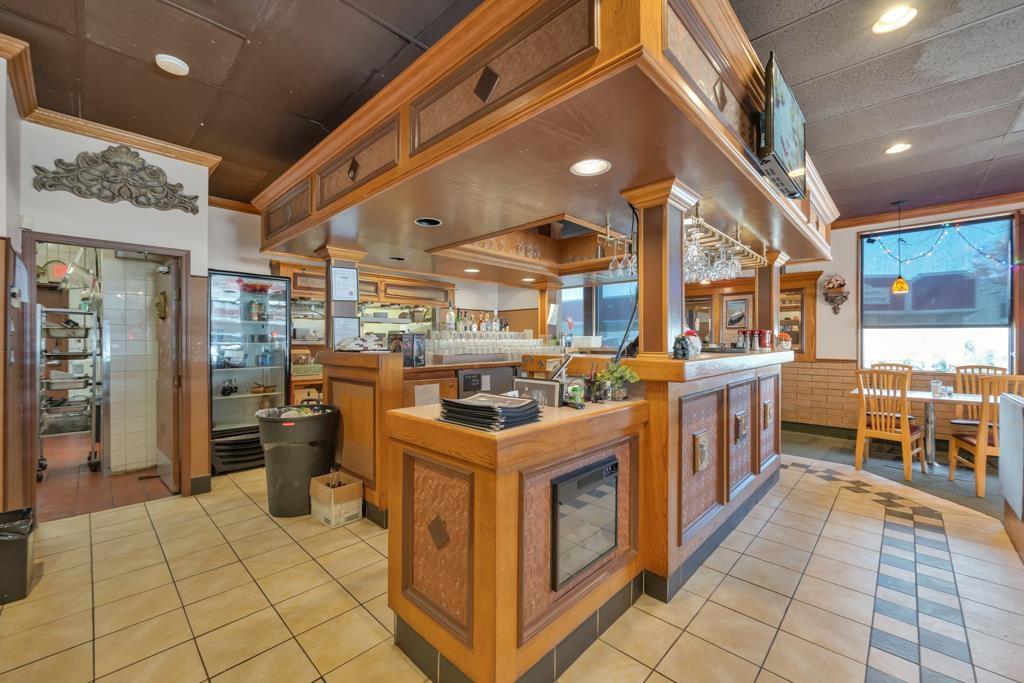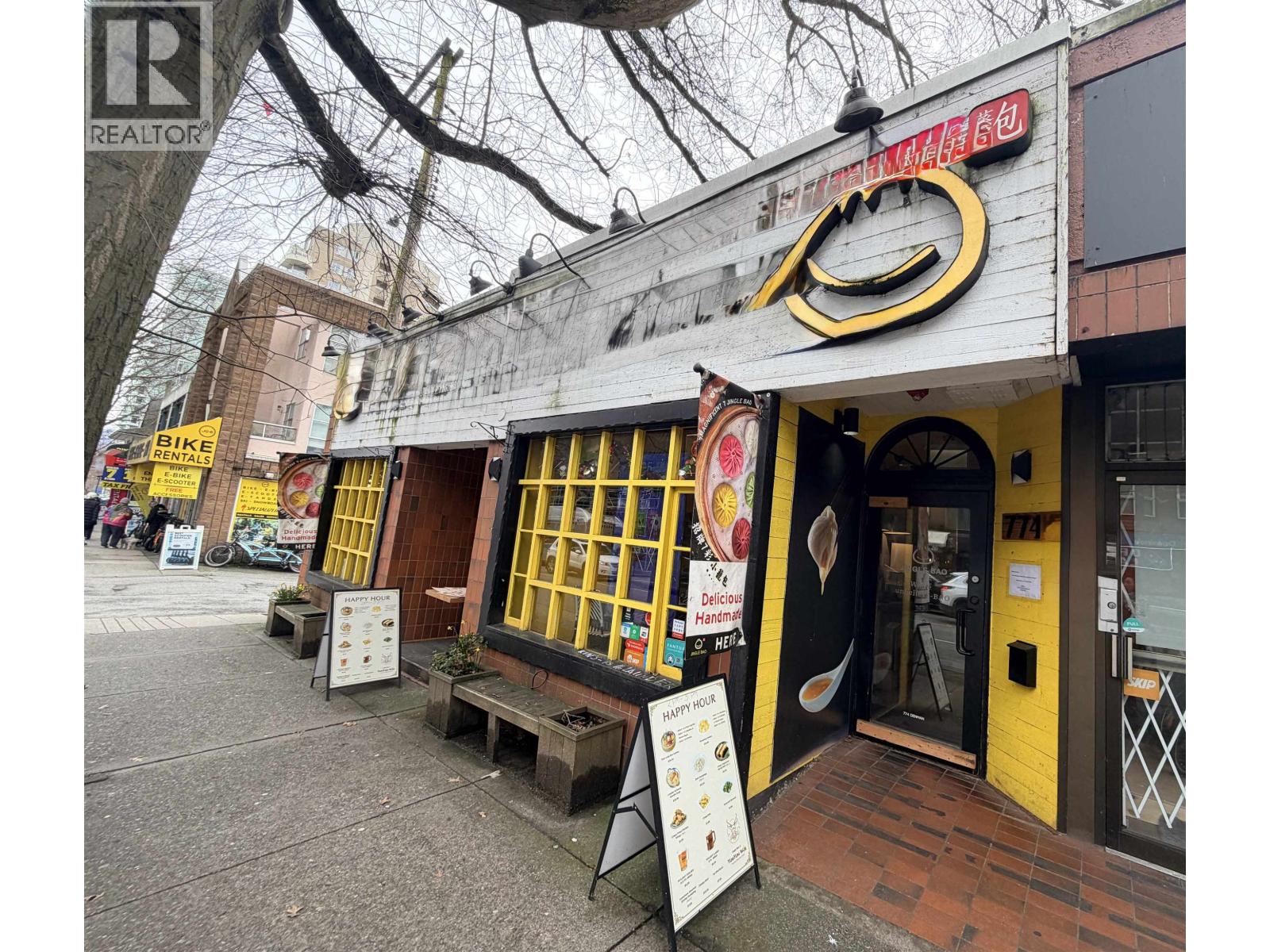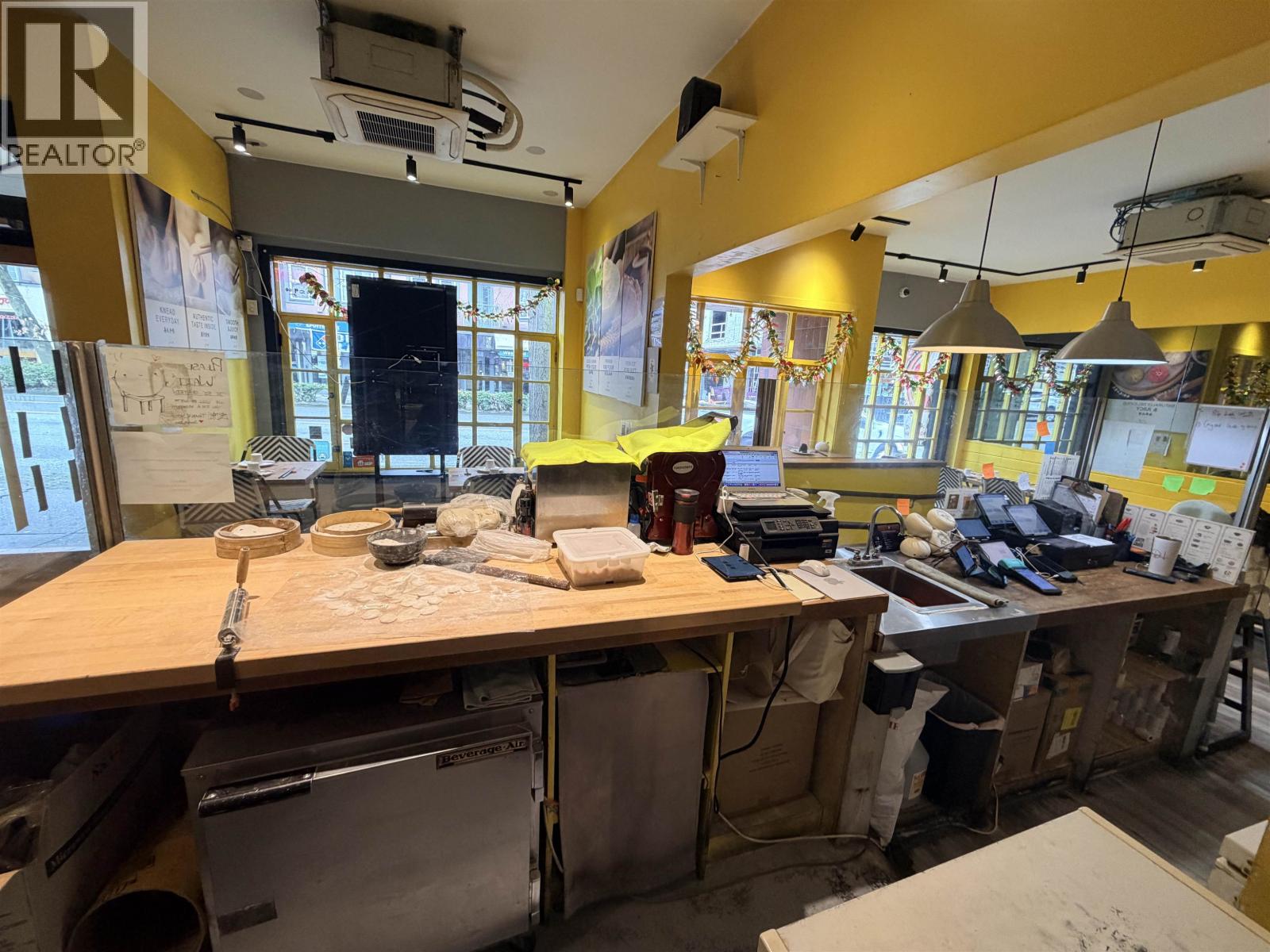
Nanaimo, British Columbia
REMAX Professionals - Dave Koszegi Group
Springwater, Ontario
COLDWELL BANKER THE REAL ESTATE CENTRE
The average asking price for Cafe Businesses : $229,974
The most viewed Cafe Businesses listings on FBF are linked below:
Written by David Turner, M.A.
Canada's thriving coffee culture and steady growth in specialty beverage consumption create promising opportunities for cafe owners to capitalize on evolving consumer preferences and market trends.
Your success in the Canadian cafe industry will largely depend on understanding supplier relationships, managing overhead costs, and implementing innovative service models that align with changing customer behaviours and preferences, such as:
A bustling downtown Toronto Cafe with morning commuters lined up for artisanal pour-overs and fresh pastries, while remote workers settle into comfortable seating with laptops ☕
A cozy Montreal neighborhood coffee shop featuring local art installations and hosting community events, creating a loyal customer base. 🎨
A Vancouver waterfront cafe incorporating sustainable practices, serving organic beverages in reusable containers while offering panoramic harbour views.
Prospective entrepreneurs frequently consider purchasing an existing café business in Canada as a strategic entry point into the food service industry 🏪.
While you'll face operational challenges and customer retention hurdles, buying an established café offers immediate cash flow advantages and proven business models.
| Advantages | Disadvantages |
| Existing customer base | Higher initial investment |
| Proven business model | Inherited reputation risks |
| Immediate revenue | Potential hidden issues |
Understanding these trade-offs is essential for your success. You'll inherit trained staff and established supplier relationships, but you'll need to carefully evaluate the café's financial health and market position before committing to purchase.
Read more
You'll find cafe consumer preferences trending toward sustainability, health-consciousness, and experiential dining.
Modern supply chain dynamics emphasize direct trade relationships and tech-enabled inventory management, creating opportunities for café owners to differentiate themselves in the market.
Consumers increasingly demand plant-based options, artisanal beverages, and locally sourced ingredients.
Digital ordering platforms and contactless payment systems are becoming industry standards.
Sustainable packaging, zero-waste initiatives, and ethical sourcing practices now drive purchasing decisions.
These emerging trends position café ownership as an attractive business venture in Canada's growing specialty beverage market. Furthermore, the food service sector demonstrates continuous growth post-pandemic, aligning with these evolving consumer demands.
Before setting out on your journey to purchase a café in Canada, understanding the essential steps and gathering crucial information will vastly impact your success.
You'll need to develop a thorough cafe acquisition budget and conduct extensive cafe acquisition due diligence to guarantee you're making an informed decision.
Maximum purchase price range: $200,000-$500,000, including equipment, inventory, and goodwill.
Location requirements: High-foot-traffic area with 20+ parking spaces, minimum 1,500 sq ft.
Financial performance: Proven monthly revenue of $40,000+, with documented growth potential and 15%+ profit margins.
Consider these parameters your non-negotiable framework as you navigate the market for the perfect cafe opportunity.
| Professional | Key Role | Value Add |
| Business Broker | Market Analysis | Access to Off-Market Deals |
| Lawyer | Due Diligence | Contract Protection |
| Accountant/Lender | Financial Review | Funding Solutions |
Each team member serves an essential function in your cafe purchase journey, from validating financials to securing ideal financing terms. Their combined expertise helps minimize risks while maximizing your investment potential.
You'll need to identify direct competitors within a 5 km radius, analyzing their menu offerings, pricing strategies, and customer demographics. Conduct a detailed target market analysis to understand local consumer behaviours and preferences.
Map out competitors' cost structure analysis, including their suppliers, operational hours, and staffing models. Don't forget to evaluate their marketing approaches, online presence, and unique selling propositions. This data will help you identify market gaps and opportunities to enhance your competitive advantage. 📊 🎯
Begin evaluating seller information by examining financial statements, tax returns, and operational metrics. Request detailed documentation on equipment conditions, lease terms, and employee contracts.
Schedule an in-person meeting with the seller to discuss the cafe's history, customer base, and growth potential. Don't hesitate to ask probing questions about revenue trends, profit margins, and any potential challenges.
Your pre-offer due diligence should include obtaining a professional business valuation that accounts for market conditions, operational performance, and growth potential. You'll also want to create an extensive budget that factors in both the acquisition price and anticipated post-completion expenses, ensuring you've accounted for every financial aspect of the transaction 💼.
If the café engages in manufacturing, processing, or labelling food for interprovincial trade, ensure that it has the necessary licenses under the Safe Food for Canadians Regulations.
You'll need to scrutinize the historical financial performance and assess projected financial performance against industry benchmarks. Focus on these key metrics:
| Metric | Target Range |
| Food Cost | 29-32% |
| Labor Cost | 30-32% |
| Rent Expense | 6-8% |
| Operating Margin | 8-12% |
Compare these figures against the café's actual performance to identify operational inefficiencies and growth opportunities. Pay special attention to seasonal variations, cost trends, and revenue patterns to validate the business's financial health.
For leased properties, verify that the current tenant's lease is transferable and obtain the landlord's written consent. If purchasing real estate outright, conduct a thorough title search and review any covenants or restrictions affecting the property.
| Asset Category | Key Evaluation Points |
| Equipment | Age, condition, maintenance records |
| Furniture | Quality, wear level, replacement needs |
| Technology | POS systems, software licenses |
| Brand Assets | Trademarks, recipes, customer database |
Remember to verify ownership documentation and assess whether items are owned outright or subject to financing agreements. This analysis will help you determine fair market value and identify potential investment needs.
Before making an offer on your target café, you'll need to develop a detailed budget that accounts for both initial acquisition costs and post-completion expenses. Effective budget planning requires thorough analysis of both immediate financial needs and projected post-acquisition costs.
Your financial roadmap should incorporate contingencies for unexpected challenges while maintaining flexibility for growth opportunities.
Professional fees, including legal, accounting, and business valuation services: $15,000-25,000.
Renovation and equipment upgrade to align with your vision: $30,000-75,000.
Working capital buffer for initial 6-12 months of operations: $50,000-100,000, depending on location and scale.
When exploring business appraisal alternatives, focus on qualified valuator selection - preferably someone with restaurant industry expertise.
They'll analyze your target café using three key methods: income-based (EBITDA/SDC multiples), asset-based (tangible/intangible values), and market-based (comparable sales) approaches. While café valuations typically range between 2-4x earnings, a restaurant broker or professional appraiser will adjust these metrics based on your specific scenario, considering factors like location, brand strength, and market conditions.
When preparing your conditional offer or LOI agreement, you'll need to carefully outline whether you're pursuing an asset sale or share purchase, as this decision vastly impacts tax implications and liability transfers 💼.
Your offer should address critical elements, including proposed seller financing terms, comprehensive asset inspection requirements, and verification of all regulatory compliance documentation, including permits, licenses, and health inspection records.
You'll want to incorporate a detailed seller training and changeover agreement that specifies the duration, scope, and expectations for the handover period to guarantee smooth operational continuity 🤝.
Understanding the fundamental differences between asset sales and share sales represents a critical decision point in your cafe acquisition journey. You'll need to carefully evaluate asset allocation and legal implications to make an informed choice that aligns with your business objectives.
| Aspect | Asset Sale | Share Sale |
| Tax Impact | Buyer can depreciate assets | Inherited tax history |
| Liability | Limited to acquired assets | Complete business transfer |
| Complexity | Generally straightforward | More complex due diligence |
The structure you choose will greatly impact your tax position, risk exposure, and operational flexibility. Asset sales typically offer more protection, while share sales can preserve existing contracts and licenses.
Request some seller financing terms that align with your financial capabilities and the cafe's valuation. Consider proposing a 20-30% seller-financed arrangement with clearly defined repayment schedules.
When you negotiate seller financing agreements, focus on key elements like interest rates, payment terms, and security provisions. This approach can bridge funding gaps while demonstrating your commitment to maintaining the cafe's success through a structured changeover of ownership.
Government grants and loans can also be explored to support your cafe acquisition and development goals, offering potentially favourable terms for your business's growth.
Your thorough equipment inspection should assess each piece of machinery's condition, maintenance history, and remaining useful life. Document the operational status of espresso machines, grinders, refrigeration units, and POS systems.
A meticulous inventory review must account for all supplies, ingredients, smallwares, and furniture. Don't forget to evaluate the condition of leasehold improvements like counter spaces, seating areas, and kitchen build-outs.
You'll need to review the cafe's current health inspection history and analyze past legal compliance issues to protect your investment. Request copies of all active permits and conduct due diligence on their validity.
| Document Type | Key Verification Points |
| Health Permits | Latest inspection scores, violations |
| Business License | Renewal status, restrictions |
| Food Safety Certs | Staff training compliance |
| Municipal Permits | Zoning, occupancy limits |
Request written verification from authorities that all permits are transferable and in good standing before proceeding with your purchase agreement.
Your LOI should specify how you'll manage the seller's operations during changeover, including a comprehensive training schedule covering daily operations, vendor relationships, and staff management. Request a 14-30 day handover period where the seller remains involved to guarantee a smooth changeover.
Define specific milestones, such as menu preparation, equipment maintenance, and customer service protocols. Include provisions for ongoing consultation after the handover to address any unforeseen challenges.
Securing bank financing for your café acquisition requires a detailed business plan that demonstrates the venture's financial viability and your ability to generate sustainable returns 💼. You'll need to present thorough financial projections, market analysis, and historical performance data that validate your proposed purchase price and operational strategy.
Working with experienced commercial lenders who understand the food service industry can considerably improve your chances of loan approval and potentially secure more favourable terms.
Present three years of historical financial statements, including profit and loss statements, balance sheets, and cash flow reports from the existing café operation
Include projected financials with realistic growth assumptions, detailed cost structures, and clear debt service coverage ratios that demonstrate loan repayment capability
Provide market research data showing local demographics, competitor analysis, and evidence of sustainable customer demand in your target location. 📊
To obtain bank financing for your café acquisition, you'll need a detailed business plan that demonstrates the venture's financial viability and your management capabilities. To obtain adequate funding, make sure you've documented your industry experience, collateral assets, and credit history.
To minimize approval time, gather all required documentation before approaching lenders: tax returns, personal financial statements, and proof of down payment funds.
Consider working with banks that specialize in restaurant financing, as they'll better understand the industry's unique challenges and opportunities.
You're now equipped with the essential roadmap for purchasing a cafe in Canada. Like brewing the perfect cup of coffee, acquiring a cafe requires precision, patience, and attention to detail.
By following these key steps—from defining criteria to closing the deal—you'll navigate the complexities of business acquisition with confidence. Remember, thorough due diligence and professional guidance are your strongest allies in making this significant business investment successful.
| Requirement | Description |
| Food Safety | FOODSAFE certification required |
| Health Permit | Annual inspection & compliance |
| Business License | Municipal authorization needed |
| Fire Safety | Regular inspections & equipment |
| Occupancy Permit | Maximum capacity compliance |
Access detailed cafe business resources through professional organizations and government databases to evaluate potential opportunities.
Industry Canada's SME Benchmarking Tool - Compare financial metrics across café sectors.
Canadian Restaurant and Foodservices Association reports - Access market analysis and forecasts.
Provincial Business Associations' café-specific databases - Review local market conditions and. opportunities
You'll find expansive resources through Industry Canada and provincial small business agencies to guide your business strategy and discover government incentives for new café owners.
Access in-depth market analysis reports through Canadian Business Network's food service database. Connect with provincial café associations for licensing requirements and local regulations. Utilize BizPaL's interactive platform to identify required permits and calculate startup costs.
A: Like birds choosing whether to stay in their familiar nest, your staff retention rates depend heavily on your employee shift/change/turnover plans. You'll typically keep 50-75% of staff for 3-6 months post-ownership [shift/change/turnover].
A: You're looking at a high failure rate of 60-80% for cafes in their first year, based on industry-wide trends. That's why it's essential you've got solid planning and market research.
A: When buying a café or coffee shop, consider factors like the prime location, foot traffic, and if it's a well-established business. Check if it's a turnkey operation, which can save you time and effort. A loyal customer base is also a big plus for a thriving business.
A: Yes, there are several cafés available for sale in Greater Vancouver. These range from small, cozy spots to larger, established businesses. It's a fantastic opportunity to own a café in a high-traffic area.
A: A turnkey business means the café is fully equipped and ready to operate. You can essentially take over and start running it immediately, without needing to invest in major renovations or equipment.
A: Buying a restaurant franchise offers benefits like brand recognition, established systems, and ongoing support. It's a prime business opportunity, especially in high-traffic locations across Canada.
A: Buying a café, especially one that's well-established, can be a fantastic opportunity. It provides an existing customer base and proven operations, which can be less risky than starting a new food business from scratch.
A: You can find a list of restaurant franchises for sale in Toronto on business sale websites, through franchise brokers, or at franchise expos. These platforms offer a range of options, from coffee franchises to bubble tea businesses.
A: A café business is a rare opportunity if it's in a prime location, has a loyal customer base, and is a well-established operation with high profitability. Such opportunities are highly sought after in the market.
Data is supplied by CREA who is the owner of the copyright in its MLS®System. Data provided is deemed reliable but is not guaranteed accurate by CREA. The trademarks MLS®, Multiple Listing Service® and the associated logos are owned by The Canadian Real Estate Association (CREA) and identify the quality of services provided by real estate professionals who are members of CREA. Used under license.