Written by David Turner, M.A.
In British Columbia, buying a car wash presents a compelling business opportunity due to the province's growing automotive market and steady demand for vehicle maintenance services.
With increasing fuel efficiency trends driving consumers to keep their vehicles longer, the need for regular washing and maintenance continues to rise.
Your investment potential is enhanced by several key market factors:
Strategic location accessibility across BC's expanding urban centres.
Year-round demand due to diverse weather conditions.
Growing population and vehicle ownership rates.
Minimal seasonal fluctuations in revenue.
When you acquire a car washer in BC, you're positioning yourself in a market where environmental regulations and water conservation measures work in your favour.
Modern car wash facilities use substantially less water than home washing, making them increasingly attractive to environmentally conscious consumers while providing you with a sustainable business model.
By purchasing a car wash, you could benefit from industry-leading car wash solutions that cater specifically to the Alberta region but also have applications in British Columbia, ensuring business success.
Making an informed decision about purchasing a car wash business requires carefully weighing its advantages and disadvantages.
While startup costs and equipment maintenance can present significant challenges, the potential for steady income and minimal employee requirements makes car washes an attractive investment opportunity.
You'll find that car wash ownership offers both rewarding possibilities and notable considerations to evaluate.
| Pros | Cons |
| Consistent cash flow potential | High startup costs |
| Limited employee oversight needed | Regular equipment maintenance |
| Recession-resistant business model | Weather-dependent revenue |
| Multiple revenue streams possible | Competitive market saturation |
Car wash businesses in Canada can especially benefit from the resources and advocacy provided by the Canadian Carwash Association, helping owners navigate industry challenges.
When properly managed, car washes can provide a reliable source of income with relatively straightforward operations.
However, you'll need to carefully assess factors like location demographics, competition density, and equipment quality before making your investment decision.
Read more
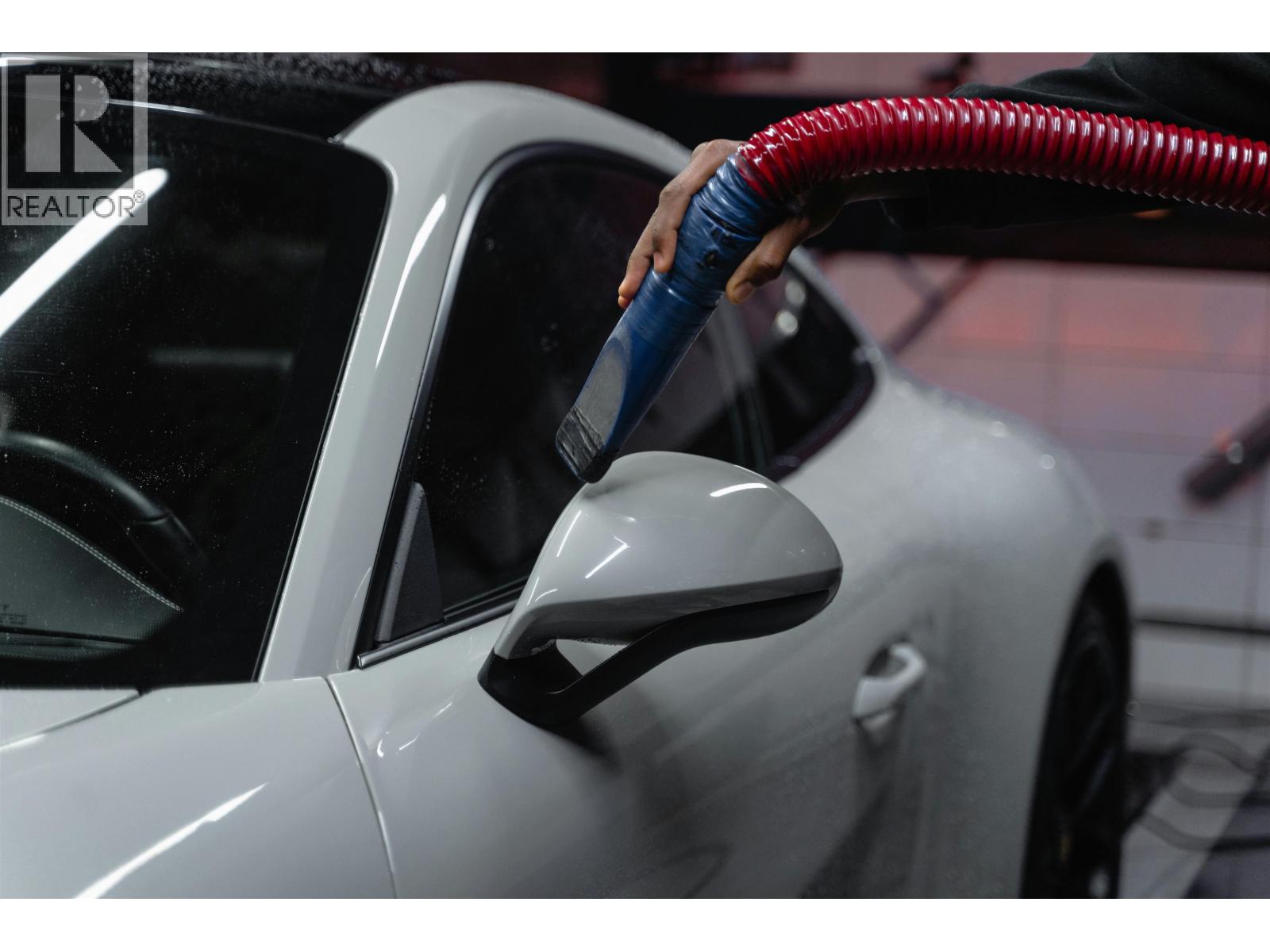
Recent shifts in consumer behaviour and supplier innovation are reshaping British Columbia's car washing industry.
As you examine market opportunities, you'll need to understand how customer needs are evolving alongside technological advancements, particularly in areas with varying market saturation levels.
The most significant trends you'll want to ponder include:
Growing demand for eco-friendly washing solutions and water recycling systems.
Increased preference for contactless payment and mobile app integration.
Rising popularity of monthly subscription models and loyalty programs.
Shift toward express exterior services with free vacuum stations.
While traditional full-service operations remain viable at certain locations, the industry is rapidly moving toward automated solutions that maximize efficiency while minimizing labour costs.
You'll find that successful operators are those who've adapted their services to match these emerging consumer preferences while maintaining competitive pricing structures.
Many car wash businesses are also exploring remote technology for carwash operations, allowing them to manage and optimize processes from a distance, which can further enhance efficiency and reduce operational costs.
Purchasing a car wash business in British Columbia requires careful planning and a systematic approach to guarantee a successful investment. You'll need to thoroughly evaluate current market trends, analyze local competition, and understand regional consumer behaviour before making your decision.
When considering financial considerations, you'll want to examine not just the purchase price but also operational costs, potential revenue streams, and equipment maintenance expenses. It's indispensable to assess the location's traffic patterns, nearby demographics, and growth potential while reviewing historical performance data.
You should also investigate local regulations, environmental requirements, and necessary permits specific to BC municipalities.
Additionally, you'll need to evaluate the condition of existing equipment, consider modernization costs, and determine if the current business model aligns with emerging industry trends toward automated systems and eco-friendly operations.
Through exhaustive location analysis and target market identification, you'll determine the parameters that align with your business goals and investment capacity.
It's crucial to understand that any car wash purchase could involve buying the business's goodwill, which represents the intangible value beyond tangible assets.
| Criteria Category | Key Considerations | Impact Factors |
| Location | Traffic volume, visibility | Customer accessibility |
| Financial | Purchase price, ROI | Operational costs |
| Market Demographics | Income levels, car ownership | Service demand |
| Competition | Existing car washes, services | Market saturation |
Consider the type of car wash operation that best suits your objectives, whether it's a self-service facility, an automated tunnel system, or a full-service operation with detailing services.
Your criteria should also account for growth potential, equipment condition, and whether you'll need to invest in upgrades or renovations to meet your target market's expectations.
A successful car wash acquisition requires assembling a team of qualified professionals who understand the British Columbia market.
Your ability to negotiate transaction terms and mitigate business risks will largely depend on having experienced advisors guiding you through the process.
Business Broker: Find a broker specializing in car wash sales who'll help identify viable opportunities and assist with valuations.
Corporate Lawyer: Retain counsel experienced in BC business transactions to review contracts and protect your interests.
Accountant: Work with a CPA who understands the car wash industry to analyze financials and structure deals effectively.
Commercial Lender: Partner with a financial institution familiar with car wash acquisitions to secure ideal funding terms.
These professionals will work together to ensure your car wash purchase aligns with your investment goals while navigating provincial regulations and industry-specific challenges.
When analyzing your competitors, you'll need to evaluate important factors for car wash locations
, including traffic patterns, demographic data, and proximity to commercial centres in your target area.
Start by mapping existing car wash operations within a 10-kilometre radius of your intended location, noting their service types, pricing structures, and customer volumes.
Industry consolidation trends show larger chains acquiring independent operators, so you'll want to identify which competitors might be acquisition targets or potential threats to your market share.
When you've identified promising targets, it's essential to assess the seller's motivations for selling, as this can greatly impact negotiations and changeover planning.
Schedule meetings with potential sellers to discuss operational history, staffing structure, and maintenance records in detail.
During these discussions, you'll need to verify their asking price aligns with current market valuations and confirm that all permits and licenses are transferable.
Remember to document every aspect of these meetings, as they'll form the foundation for your due diligence process and eventual purchase negotiations.
Before making an offer on a car wash business, you'll need to carefully examine the target's historical financial statements, review the premises lease terms, and compile a detailed list of assets that would transfer with the sale.
After gathering this critical documentation, it's indispensable to obtain a professional business valuation to determine a fair market price and develop an exhaustive budget that accounts for both acquisition costs and anticipated post-completion expenses.
Your thorough pre-offer due diligence won't only help you make an informed decision but also position you to negotiate effectively with the seller while avoiding potential pitfalls that could impact your investment's success.
You'll need to analyze historical cash flows and operational expenses across multiple years to identify trends and validate the business's financial health.
Request and carefully review balance sheets, income statements, and cash flow reports.
| Financial Document | Key Analysis Points | Red Flags to Watch |
| Income Statement | Revenue Trends | Unexplained Drops |
| Balance Sheet | Asset Values | High Debt Levels |
| Cash Flow | Operating Margins | Irregular Patterns |
| Tax Returns | Reported Income | Discrepancies |
| P&L Statements | Expense Ratios | Unusual Write-offs |
Don't hesitate to engage professional accounting help to thoroughly examine these documents. They'll help you spot potential issues like inconsistent reporting, unusual expenses, or concerning revenue patterns that could impact your purchase decision.
You'll need to carefully review lease terms, including duration, renewal options, and any rent escalation clauses that could impact your future profitability.
Pay particular attention to understanding maintenance responsibilities outlined in the lease. You'll want clarity on whether you or the landlord is responsible for major repairs, equipment upgrades, and property improvements.
Additionally, examine any restrictions on operating hours, signage rights, and the ability to modify or expand services.
Make sure the lease's remaining term aligns with your business plans, and verify if you'll need landlord approval for the business transfer.
When evaluating a car wash business, you'll need to carefully assess each piece of equipment and infrastructure to determine its income-generating potential and remaining useful life.
| Asset Category | Key Inspection Points |
| Washing Equipment | Mechanical condition, maintenance records |
| Water Systems | Filtration, recycling capabilities |
| Building Structure | Roof condition, bay integrity |
| Point of Sale | Software updates, payment systems |
During your asset condition assessment, document the age, condition, and replacement cost of each major component.
Pay particular attention to high-value items like automatic wash systems, water reclamation equipment, and mechanical components that directly impact service delivery.
Consider bringing in a qualified equipment inspector who understands car wash operations to provide an unbiased evaluation of the assets' condition and market value.
Building on your detailed asset inspection, proper budgeting for both acquisition and post-completion costs will help you avoid financial surprises.
When planning your investment, you'll need to estimate operational expenditures carefully while keeping future growth opportunities in mind.
Consider these essential cost categories when developing your budget:
Initial purchase price and closing costs, including legal fees and permits.
Immediate equipment repairs or upgrades needed post-acquisition.
Working capital requirements for the first 3-6 months.
Marketing budget to maintain or expand customer base.
As you plan for growth and expansion, factor in potential modernization costs and equipment replacements.
You'll want to maintain adequate cash reserves for unexpected repairs while setting aside funds for future improvements that could increase your car wash's market value and revenue-generating potential.
Professional business valuation represents your critical next step before making an offer on a car wash.
Working with a qualified business broker or valuator, you'll need to validate business data and apply appropriate valuation multiples to determine a fair market price.
The most common approach involves calculating 3-4 times EBITDA for mid-sized operations or 2-3 times SDE (seller's discretionary earnings) for smaller car washes under $650,000.
Your valuation professional should confirm these initial calculations through both an asset-based analysis of tangible and intangible property, as well as comparable market sales data from similar car wash transactions.
While the process combines analytical methods with professional judgment, obtaining an accurate valuation helps you avoid overpaying while ensuring you're making a sound investment decision based on verified financial performance.
You'll want to thoroughly review all operating licenses and permits to ensure they're transferable and compliant with British Columbia regulations, as these are critical to maintaining uninterrupted operations.
It's also essential to include provisions for a thorough seller training and changeover period in your offer or LOI, guaranteeing you'll gain the necessary operational knowledge and maintain existing customer relationships during the ownership change.
Buyers face a critical decision between pursuing an asset sale or share sale when acquiring a car wash business in BC. Your transaction structure considerations should carefully weigh the tax implications and liability exposure of each option.
With an asset sale, you'll gain more flexibility in asset allocation considerations while potentially reducing your exposure to the seller's historical liabilities.
When evaluating your options, focus on these key differences:
Tax implications - Asset sales often provide better tax advantages through depreciation
Liability exposure—Share sales transfer all historical liabilities to you.
Due diligence requirements—Asset sales typically require less extensive verification.
Contract assignments—Share sales maintain existing business relationships automatically.
Understanding these distinctions will help you structure the deal that best protects your interests while maximizing potential returns on your investment.
Consider requesting partial seller financing as part of your purchase agreement. This approach not only demonstrates the seller's confidence in the business's continued success but also reduces your initial capital requirements.
When structuring your offer, carefully assess the seller's motivations and propose minimum seller financing terms that align with both parties' interests.
You'll want to include specific details about the proposed financing structure in your Letter of Intent, including the down payment amount, interest rate, repayment schedule, and any security arrangements.
This shows you're serious about the purchase while maintaining flexibility in your financing options.
Remember that seller financing often leads to favourable purchase terms and can provide valuable handover support, as the seller remains financially invested in the business's success.
A critical step before submitting your Letter of Intent is thoroughly reviewing all operating licenses and permits required for the car wash business in British Columbia.
You'll need to verify compliance with local zoning requirements and environmental permits, guaranteeing the business operates within legal parameters.
When conducting your due diligence, focus on these essential permits:
Municipal business license specific to car wash operations.
Environmental permits for water discharge and waste management.
WorkSafeBC coverage and compliance. documentation.
Chemical storage and handling permits.
You'll want to review the current owner's documentation thoroughly, checking expiration dates and renewal requirements.
This verification process protects your investment and ensures a smooth handover of ownership while maintaining operational continuity within British Columbia's regulatory framework.
During negotiations, you'll want to specify the duration and scope of the seller training period, ensuring you'll gain essential operational knowledge about equipment maintenance, staff management, and customer service protocols.
Your transition plan should outline how you'll maintain business continuity while implementing any desired changes. Request that the seller provide detailed documentation of operating procedures, vendor relationships, and employee information.
Additionally, establish clear timelines for the transfer of utilities, insurance policies, and service contracts.
Consider negotiating a post-sale consulting arrangement with the seller to address any challenges that may arise during your first few months of ownership.
Creating a detailed business plan is essential for securing financing to purchase a car wash in British Columbia.
Your plan should thoroughly outline your financing options, cash flow management strategies, and projected revenue based on current market conditions and location analysis.
When developing your business plan, make sure to include these critical components:
Detailed market analysis of the local car wash industry.
Extensive financial projections for the first three to five years.
Marketing and operational strategies to maintain competitiveness.
Clear explanation of management structure and experience.
Include specific details about your intended improvements to the existing business, equipment upgrades, and strategies for increasing market share through enhanced service offerings.
The final steps of purchasing your car wash involve careful attention to legal and financial details. To streamline purchase negotiations, work with your business broker and legal counsel to draft and review all necessary documents, including the final purchase agreement, lease assignments, and equipment transfer papers.
During this critical phase, you'll need to coordinate with various parties, including the seller's representatives, financial institutions, and local authorities, to guarantee a smooth handoff of ownership.
As you manage post-acquisition integration, focus on maintaining existing customer relationships while implementing your planned improvements.
As you're now equipped with essential knowledge about purchasing a car wash in British Columbia, you'll need to carefully evaluate your options while considering market dynamics, operational requirements, and financial implications.
Whether you choose a self-serve facility or an automated system, success will depend on thorough due diligence, strategic location selection, and adherence to provincial regulations.
Operating a car wash in British Columbia requires compliance with numerous municipal and provincial regulations.
You'll need to navigate through business registration requirements, environmental regulations, and local zoning laws while guaranteeing your operations meet strict standards for water usage and waste management.
| Regulatory Area | Key Requirements |
| Business License | Municipal permit registration |
| Environmental | Water recycling systems compliance |
| Safety Standards | WorkSafeBC certification |
| Waste Management | Proper disposal documentation |
Before launching your car wash business, you'll need to obtain necessary permits from your local municipality, implement proper environmental protection measures, and certify compliance with WorkSafeBC guidelines.
Working with a legal professional who specializes in business regulations can help streamline this process and prevent potential compliance issues that could impact your operations.
To stay informed about regulations and industry trends, numerous organizations and resources support car wash operators in British Columbia.
You'll find valuable insights through industry associations, technology providers, and market research firms that track the latest technology innovations and market developments.
Key resources you'll want to utilize include:
International Carwash Association (ICA)—offering industry reports and educational materials.
Canadian Carwash Association (CCA)—providing regional market data and networking opportunities.
Professional Car washing & Detailing Magazine—delivering current trends and operational strategies.
BC Chamber of Commerce—connecting you with local business intelligence and support services.
These resources will help you make informed decisions about equipment upgrades, pricing strategies, and operational improvements while staying competitive in British Columbia's growing car wash market.
A: You'll spend roughly $2,000-3,500 monthly on utilities, with electricity consumption averaging $1,500 and water usage around $1,000-2,000, depending on your wash volume and equipment efficiency.
A: You'll need extensive business insurance coverage, including general liability, property damage, worker's compensation, and commercial auto insurance. Don't forget equipment breakdown coverage to protect your machinery investments.
A: Like a rainmaker's paradise, you'll see peak customer demand during BC's wet winters and muddy springs. Summer's dust and fall's leaf debris create strong seasonal weather patterns for year-round business potential.
A: You'll need 1-2 staff for self-serve washes, 3-5 for automatic washes, and 8-12 for full-service operations. Adjust your minimum staffing requirements and seasonal labour needs during peak business periods.
A: Vancouver is a bustling city with high-traffic areas, making it an excellent business opportunity for a well-established car wash. The demand for auto wash services is high, ensuring a steady flow of customers.
A: Yes, there are self-serve car wash businesses available for sale in Vancouver. These businesses often feature multiple wash bays and are easy to operate, making them attractive to investors.
A: Consider the location, such as proximity to a busy highway or a prime location with great exposure. Verify the building size, land size, and the condition of the car wash equipment. Furthermore, assess the business's profitability and whether the sale includes any existing leases or agreements.
A: Car wash businesses for sale might include various types of bays, such as self-wash bays, 5 auto wash bays, and 1 auto bay, catering to different customer preferences.
A: Some car wash businesses include additional services like auto service or truck wash, enhancing their appeal and revenue potential by offering comprehensive vehicle care solutions.
A: Evaluate profitability by examining the financial records, customer volume, location advantages like frontage and adjacency to busy highways, and the condition of facilities. A well-established car wash in a high-demand area is likely to be a profitable business.
Data is supplied by CREA who is the owner of the copyright in its MLS®System. Data provided is deemed reliable but is not guaranteed accurate by CREA. The trademarks MLS®, Multiple Listing Service® and the associated logos are owned by The Canadian Real Estate Association (CREA) and identify the quality of services provided by real estate professionals who are members of CREA. Used under license.