Written by David Turner, M.A.
In Alberta, buying an existing car wash business presents a compelling investment opportunity. With industry consolidation reshaping the market landscape and labour challenges affecting many sectors, car washes offer a relatively low-staff business model that can generate consistent revenue streams.
The province's diverse economy and growing population provide a stable customer base, while the harsh winter conditions create a year-round demand for vehicle cleaning services.
Consider these compelling reasons to invest in an Alberta car wash:
Winter road salt and spring mud create constant demand for vehicle washing services.
Growing urban centres like Calgary and Edmonton offer high-traffic locations.
Oil industry workers with disposable income seek premium car care services.
Year-round operation potential due to enclosed bay designs that withstand weather extremes.
The resilience of the car wash industry during economic fluctuations makes it particularly attractive for entrepreneurs seeking stability.
Additionally, technological advancements in automated systems have reduced operational complexities while increasing efficiency and profitability.
As urban development continues across Alberta's major cities, strategic locations become increasingly valuable, offering long-term appreciation potential alongside immediate cash flow opportunities.
Before investing in a car wash business, you'll need to carefully weigh its advantages and disadvantages.
A well-run car wash can provide substantial returns through efficient operations and recurring revenue streams, especially when you establish strong customer loyalty through quality service and convenience.
To help you make an informed decision, consider these key pros and cons:
| Advantages | Disadvantages |
| Consistent cash flow potential | High initial investment costs |
| Limited inventory management | Weather-dependent business |
| Opportunity for automation | Equipment maintenance expenses |
| Strong customer retention potential | Competitive market saturation |
While the initial investment may seem formidable, car washes offer remarkable potential for semi-passive income when you implement efficient operations systems.
You'll benefit from minimal employee requirements compared to other retail businesses, and there's a significant opportunity for expansion through additional services or locations.
However, you must carefully consider factors like local competition, seasonal fluctuations, and ongoing maintenance costs that could impact your profitability.
Remember that success often depends on selecting the right location with adequate traffic flow and developing strategies to maintain consistent customer loyalty throughout the year.
You'll need to begin by conducting thorough market research to understand local competition, consumer preferences, and potential growth opportunities in your target area.
It's essential to work with experienced professionals throughout the process, including business brokers, accountants, and lawyers who understand Alberta's business regulations.
They'll help you navigate complex aspects like environmental compliance, water usage permits, and zoning requirements.
Read more
You'll need to carefully evaluate multiple factors that align with your business goals and investment capacity while considering the potential for growth and market positioning in your chosen location.
| Criteria Category | Key Considerations | Target Parameters |
| Location | Traffic Volume | 15,000+ cars daily |
| Financial | Annual Revenue | $500,000+ |
| Property | Lot Size | Minimum 0.5 acres |
| Equipment | Age & Condition | Under 10 years old |
| Competition | Market Saturation | Max 2 competitors within 3km |
Consider developing a weighted scoring system for evaluating potential acquisitions, ensuring that each prospect meets your minimum requirements while offering room for improvement and value addition. Your criteria should reflect both current operational standards and future expansion possibilities, particularly if you're planning to implement modern automated systems or additional service lines.
Working with experienced professionals who understand the car wash industry will greatly increase your chances of a successful acquisition while helping you navigate the complexities of business financing options and legal requirements.
A qualified business broker can help you identify suitable car wash opportunities and negotiate favourable terms, while an accountant will analyze your financial statements and tax implications.
Your lawyer will protect your interests through due diligence and contract review, and a commercial lender familiar with financing for car wash acquisitions can guide you through funding options.
Partnering with professionals provides exclusive listings that often aren't publicly advertised, saving you time and effort in finding the right opportunity.
Partner with a business broker who maintains relationships with car wash owners and has successfully closed deals in Alberta's automotive service sector.
Select an accountant experienced in analyzing car wash financial statements, cash flow projections, and valuation methods.
Engage a commercial lawyer well-versed in Alberta business acquisitions, environmental regulations, and equipment contracts.
Connect with lenders who understand car wash operations and can structure financing packages aligned with your investment goals and financial capacity.
When conducting your competitive landscape analysis, you'll want to map out existing car washes within a 5–10-kilometre radius of your target location, noting their service types, pricing structures, and unique selling propositions.
As you evaluate the competition, pay close attention to industry growth trends and how they're playing out locally. Document their peak operating hours, customer demographics, and service quality to gauge market saturation and identify underserved segments.
Don't limit your analysis to direct competitors—consider indirect competition from car washes at gas stations and mobile detailing services. You'll also want to assess their marketing strategies, loyalty programs, and seasonal promotions.
When you've identified promising prospects, it's time to initiate contact with sellers. You'll want to prepare an exhaustive list of questions about the business's financials, operational processes, and existing customer base.
During your meeting, pay close attention to the seller's motivation for selling and their willingness to provide detailed documentation. It's indispensable to verify all claims about revenue, profit margins, and operational costs through proper due diligence.
Don't hesitate to request multiple meetings if needed, as this significant investment requires thorough understanding and careful consideration of all aspects before moving forward with negotiations.
Before making an offer on a car wash business, you'll need to thoroughly examine the target's financial records, including several years of income statements, cash flow reports, and tax returns.
Your due diligence should also cover a detailed review of the property lease terms, equipment conditions, and an exhaustive list of assets that will transfer with the sale.
You'll need to examine at least three years of financial records to effectively analyze cash flow trends and begin forecasting financial performance.
When examining the statements, you'll want to focus on key performance indicators that directly impact profitability and operational efficiency. Here's what you should carefully evaluate:
| Financial Metric | What to Look For |
| Revenue Growth | Year-over-year increases and seasonality patterns |
| Gross Margins | Consistency and comparison to industry standards |
| Operating Expenses | Cost control and efficiency measures |
| Cash Flow | Working capital management and debt service capacity |
| EBITDA | Overall financial performance and valuation basis |
Don't rely solely on the seller's financial statements—request supporting documentation such as tax returns, bank statements, and utility bills to verify the reported numbers. You'll also want to analyze customer counts, average ticket prices, and peak usage times to understand the business's revenue patterns and identify potential areas for improvement.
When examining the lease agreement, you'll need to assess several critical components that could impact your business's long-term viability, including term length, renewal options, and any restrictions on operations or modifications to the property.
You'll want to confirm that the agreement doesn't contain any clauses that could limit your ability to operate during peak hours or restrict signage visibility.
You'll also want to verify whether the lease allows for a business sale or transfer without excessive landlord restrictions, as this could affect your exit strategy.
Consider having a commercial real estate attorney review the document to identify any potential red flags or negotiation points.
You'll want to document every piece of equipment, its condition, and its estimated remaining lifespan through an exhaustive asset inventory review.
This detailed assessment will help you understand potential maintenance cost analysis and future replacement needs.
| Equipment Type | Expected Lifespan | Replacement Cost |
| Wash Equipment | 7-10 years | $15,000-25,000 |
| Water Systems | 5-8 years | $8,000-12,000 |
| Bay Structures | 15-20 years | $25,000-40,000 |
Don't overlook the importance of verifying that all listed equipment is owned outright and free of liens. Request maintenance records for major systems and guarantee you're getting a complete picture of the operation's physical assets.
Additionally, examine the condition of specialized equipment like pressure washers, water recycling systems, and payment terminals.
Your budget allocation should extend beyond the initial purchase price to include necessary upgrades, repairs, and ongoing maintenance costs that will guarantee your operation runs smoothly from day one.
Consider these essential cost components when planning your budget:
Purchase price plus closing costs, including legal fees, permits, and insurance.
Equipment repairs or replacements, such as updating washing systems or installing new payment terminals.
Initial inventory of cleaning supplies, chemicals, and maintenance materials.
Working capital reserve for the first 3-6 months of operation.
Factor in potential renovation costs and equipment upgrades that might be necessary to compete effectively in your local market.
Additionally, maintain a contingency fund of at least 10–15% of your total budget to address unexpected expenses or opportunities that may arise during the transition period.
When evaluating a car wash operation, you'll need to assess intangible assets such as customer relationships, brand recognition, and strategic location value, alongside the physical equipment and property.
To determine normalized earnings, work with a qualified business broker or valuator who'll analyze the company's financial statements to calculate EBITDA or SDE (seller discretionary earnings).
They'll typically apply industry-specific multiples, ranging from three to four times EBITDA for larger operations or two to three times SDE for transactions under $650,000.
Your evaluator should also examine recent comparable sales of car wash businesses in Alberta to validate these calculations.
Remember that the final valuation should incorporate all three standard approaches: income-based (using earnings multiples), asset-based (calculating tangible and intangible asset values), and market-based (analyzing comparable sales).
This extensive analysis will give you confidence in negotiating a fair purchase price and understanding the true potential of your investment.
When you're ready to make an offer on a car wash business, you'll need to carefully consider whether to structure it as an asset sale or share purchase while also exploring the possibility of seller financing to optimize your cash flow.
In an asset sale, you'll purchase specific business assets while leaving behind certain liabilities, giving you more flexibility in choosing what you want to acquire.
With a share sale, you'll take ownership of the entire corporation, including all assets, liabilities, and potential risks.
When considering your purchase structure, evaluate these key elements:
The car wash's physical assets, including equipment, property, and facilities.
Existing contracts with suppliers, employees, and service providers.
Corporate tax implications and potential carry-forward losses.
Outstanding liabilities, permits, and compliance requirements.
Your decision between an asset sale and a share sale will profoundly impact your tax obligations, liability exposure, and business migration process.
When you request partial seller financing, you're showing the seller that you're committed to maintaining the business's success while seeking financing options that benefit both parties.
This arrangement can often lead to more favourable purchase terms and a smoother changeover in ownership.
Consider proposing a structured deal where the seller finances 20-30% of the purchase price, while you secure traditional financing for the remainder. This approach can help you conserve working capital and potentially negotiate better interest rates than those offered by traditional lenders.
Before finalizing any agreement, ensure that your letter of intent clearly outlines the proposed financing structure, including payment schedules, interest rates, and any security arrangements.
It's vital to have your legal counsel review these terms to protect your interests while maintaining a cooperative relationship with the seller throughout the negotiation process.
You'll need to verify that all existing permits are transferable and confirm their compliance with current Alberta regulations.
When reviewing the documentation, make sure to examine these essential elements:
Examine the municipal business licenses and their status of renewal.
Examine the environmental permits related to water usage and disposal.
Certifications for the storage and handling of chemicals are also required.
Documentation pertaining to health and safety compliance is also necessary.
Consider requesting copies of recent inspection reports and any correspondence with regulatory bodies to identify potential compliance issues that might need addressing.
Remember that transferring these permits to your name may require additional applications and fees, so factor these into your acquisition timeline and budget.
Your seller training plan should specify the duration of the training period, typically ranging from two to four weeks, and detail which aspects of the business require hands-on instruction.
Include provisions for learning about vendor relationships, employee management, scheduling systems, and any proprietary cleaning techniques or special services offered.
It's crucial to document the seller's commitment to sharing their knowledge about local market dynamics and customer preferences that they've acquired over years of operation.
The handover plan must also address how you'll handle the transfer of existing customer accounts, loyalty programs, and service contracts.
Consider incorporating clauses that require the seller to introduce you to key business contacts and assist with employee retention during the ownership change.
Your plan should include an exhaustive cost analysis of the target business, including equipment valuations, property assessment, and projected operational expenses.
Additionally, you'll want to detail various financing options you're considering, from traditional bank loans to BDC financing or seller financing arrangements.
To create a compelling business plan that appeals to potential lenders, make sure to include these essential components:
Three-year financial projections showing monthly cash flow, revenue forecasts, and expense breakdowns.
Market analysis detailing local competition, demographic data, and traffic patterns near your location.
Operational strategy outlining staffing plans, equipment maintenance schedules, and service offerings.
Marketing initiatives, including digital presence, loyalty programs, and promotional strategies.
Include specific details about your industry experience, management team qualifications, and any relevant certifications that strengthen your position as a qualified buyer.
When you're ready to negotiate the purchase agreement, ensure you've assembled a team of professionals, including a business lawyer and accountant, who can protect your interests throughout the transaction.
Your lawyer should conduct thorough due diligence on permits, licenses, and environmental compliance to manage post-acquisition risk effectively.
Additionally, you'll want to verify that all equipment warranties and maintenance records are transferable to you as the new owner.
Before closing, establish clear terms for the handover period, including training from the previous owner and an introduction to key suppliers and staff.
You'll also need to arrange for the transfer of utilities, insurance policies, and vendor relationships.
Consider implementing a holdback provision in the purchase agreement to address any undisclosed issues that might arise after the sale.
You can close and take ownership of your new business once you have financing and meet all conditions.
With Alberta's car wash industry projected to grow by 3.2% annually through 2025, you're positioned to enter a thriving market that's showing consistent expansion.
You'll need to carefully evaluate locations, assess competition, and understand regulatory requirements before making your investment.
By following the steps outlined in this guide and conducting thorough due diligence, you're well-equipped to make an informed decision about purchasing a car wash business in Alberta.
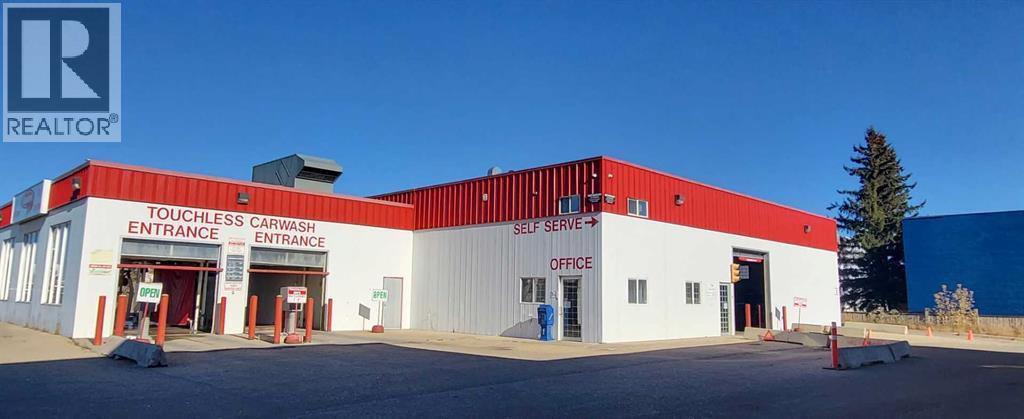
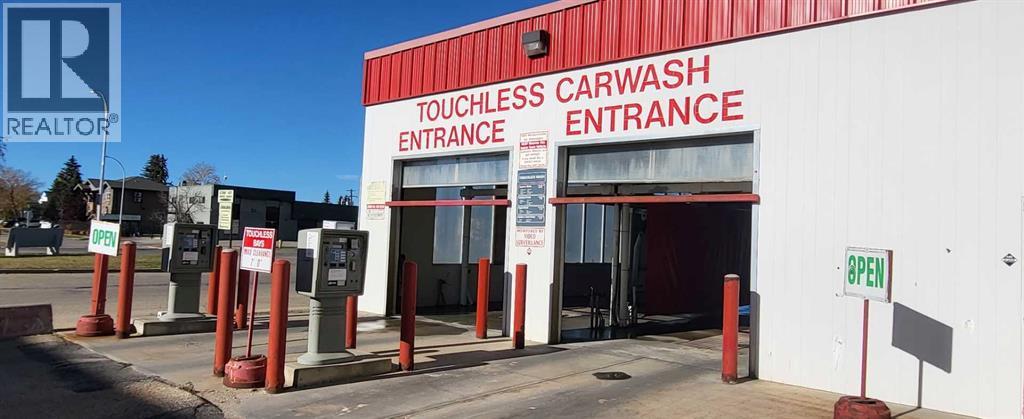
Recent consumer trends show that modern car wash customers increasingly prefer contactless, automated services that offer both convenience and quality results.
Market trends indicate that suppliers are responding to these shifts by developing more sophisticated equipment and environmentally conscious cleaning products.
You'll find that successful car wash operations are adapting their business models to meet these changing demands while maintaining competitive pricing structures.
Drive-through tunnel systems with automated pay stations, touchless washing technology with high-pressure water jets, advanced dryer systems with spot-free rinse options, and mobile app integration for membership programs and payments are all part of the transformed landscape.
Today's consumers are looking for full-service care packages, including undercarriage cleaning, tire shine, and protective coating applications.
This shift toward deluxe services presents opportunities for higher profit margins and increased customer loyalty through membership programs and recurring revenue models.
The province maintains strict oversight of environmental protection, workplace safety, and business operations to guarantee sustainable practices in the industry.
You'll need to obtain specific permits, maintain proper wastewater management systems, and make certain all employees receive mandatory safety training.
The employee training requirements encompass WHMIS certification, safety protocols, and proper chemical handling procedures.
| Regulatory Area | Requirements | Renewal Period |
| Business License | Municipal approval | Annual |
| Environmental Permit | Wastewater compliance | 3 Years |
| Safety Certification | Safety Certification | 2 Years |
| Insurance Coverage | Liability protection | Annual |
| Health Standards | Chemical storage | Ongoing |
To maintain compliance, you'll need to implement regular monitoring systems and keep detailed records of all regulatory requirements.
This includes scheduling routine inspections, updating safety protocols, and maintaining proper documentation of employee certifications.
As a prospective car wash owner in Alberta, you'll want to leverage industry reports, market analyses, and professional networks to make informed decisions.
Several valuable resources can provide you with vital insights into the car wash industry:
International Carwash Association's market research reports and annual industry surveys.
Canadian Professional Car Wash Directory's extensive database of equipment suppliers and service providers.
Professional Car Washing & Detailing Magazine's monthly updates on technology and operational best practices.
Alberta Motor Vehicle Industry Council's regulatory guidelines and compliance requirements.
A: You'll typically recover your investment in 3-5 years, depending on your payback period analysis and operating cost breakdown. A well-managed car wash can start generating positive cash flow sooner.
A: Looking to keep your car wash spotless? You'll find reliable suppliers like Zep, ChemQuest, and Transchem leading Alberta's market—they've got solid chemical quality standards and supplier eco-certifications you can trust.
A: A car wash for sale in Calgary and Edmonton is an excellent business opportunity due to its prime location in bustling commercial areas. These locations often have a steady customer flow, providing endless business potential.
Plus, being in a well-established car wash industry ensures a good business foundation.
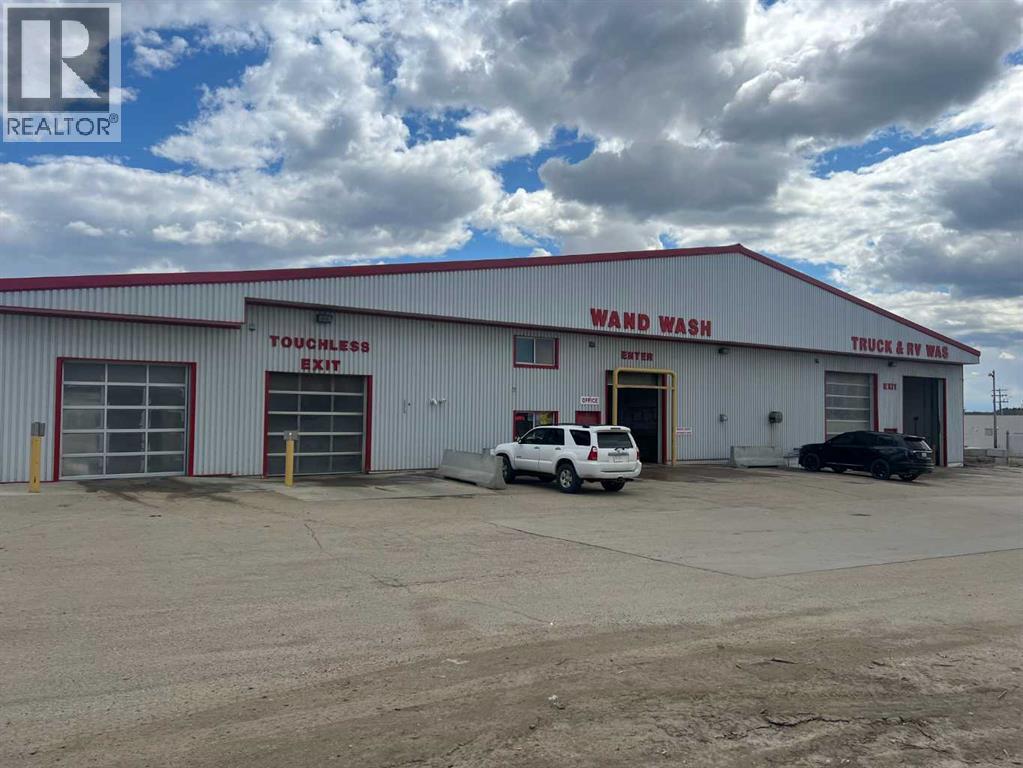
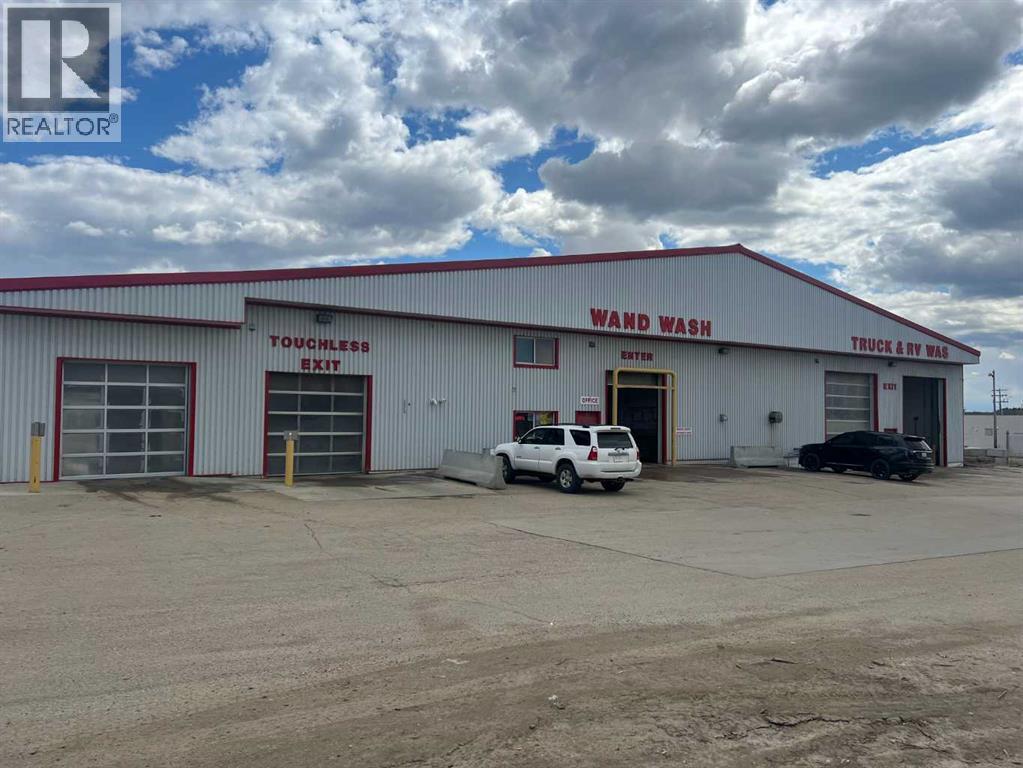
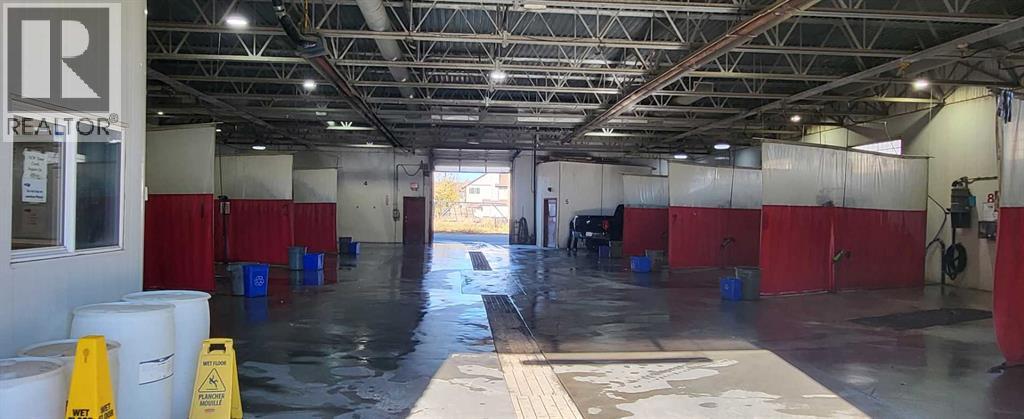
A: Owning a self-serve car wash in Alberta offers flexibility and lower operational costs. With features like wand wash capability and wash bays, customers can wash their vehicles at their convenience, making it a popular choice in the car wash industry.
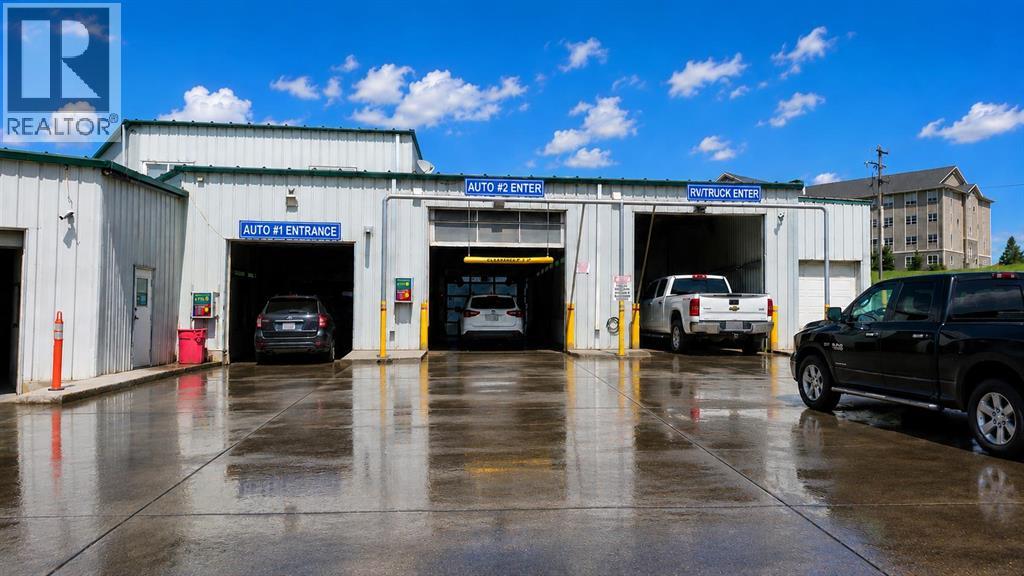
A: Purchasing a car wash with a wash bay and wand bays is beneficial because it caters to various vehicle sizes and types, including trucks and RVs. This versatility attracts a wider customer base, enhancing the business's profitability.
A: Calgary and Edmonton are ideal locations for a car wash for sale due to their vibrant economies, growing populations, and bustling commercial areas. These factors ensure a steady customer flow and make it a prime location for a profitable car wash.
Data is supplied by CREA who is the owner of the copyright in its MLS®System. Data provided is deemed reliable but is not guaranteed accurate by CREA. The trademarks MLS®, Multiple Listing Service® and the associated logos are owned by The Canadian Real Estate Association (CREA) and identify the quality of services provided by real estate professionals who are members of CREA. Used under license.