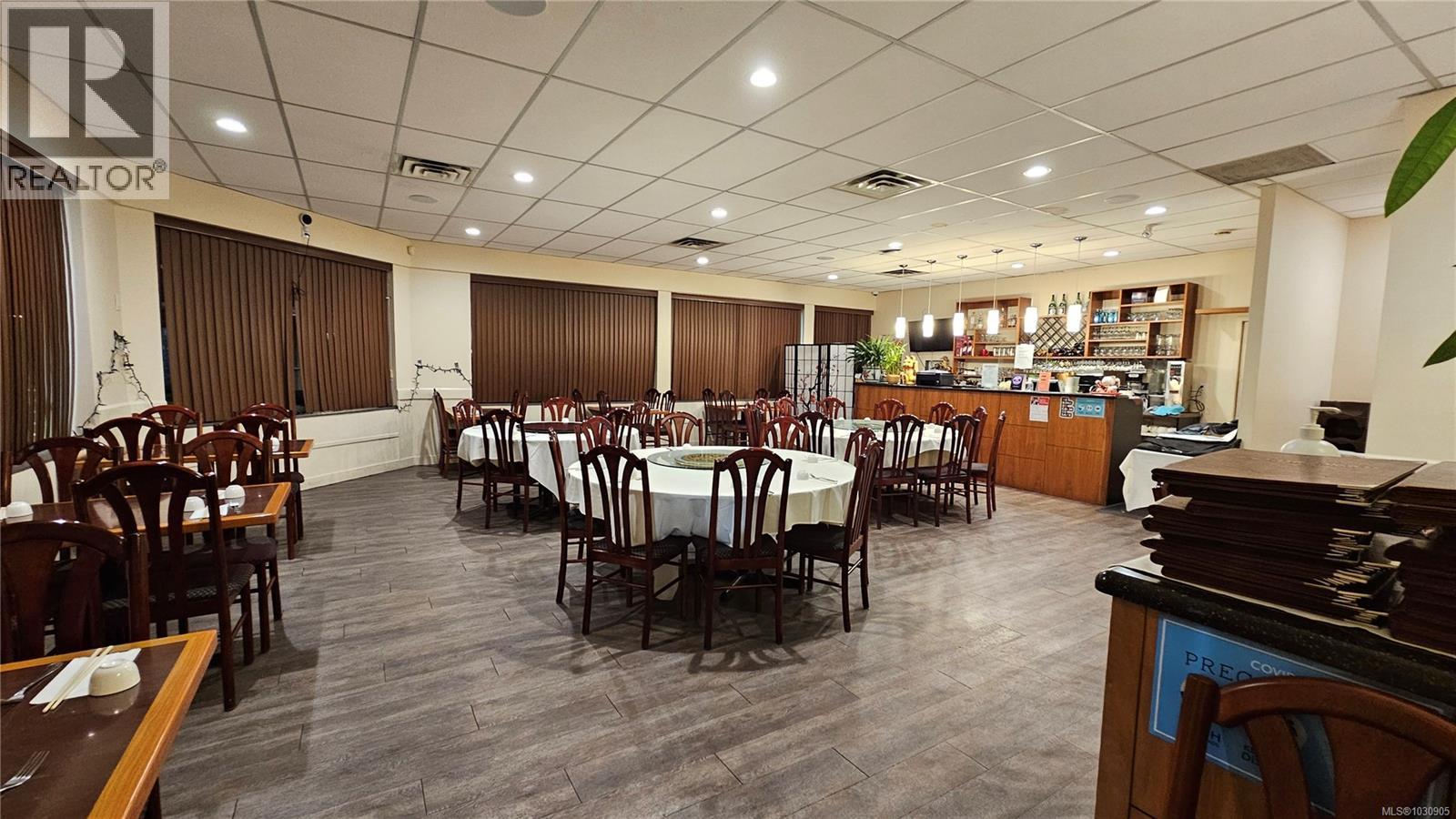
Hamilton, Ontario
HOMELIFE LANDMARK REALTY INC.
Regina, Saskatchewan
Coldwell Banker Local Realty
Kawartha Lakes, Ontario
HOMELIFE NEW WORLD REALTY INC.
Kawartha Lakes, Ontario
HOMELIFE NEW WORLD REALTY INC.
The average asking price for Chinese Restaurants : $518,317
The most viewed Chinese Restaurants listings on FBF are linked below:
Written by David Turner, M.A.
Purchasing an existing Chinese restaurant presents several compelling advantages when considering business opportunities in Canada's diverse restaurant industry.
You'll tap into Canada's well-established market for Chinese cuisine, which continues to grow alongside diverse customer preferences. With a proven business model and existing infrastructure, you can start generating revenue quickly while adapting to niche market opportunities. The Chinese cuisine market, akin to the Ocean Front Restaurant in Pender Island, BC, leverages its location advantage and established presence in the community.
Successfully operating a Chinese restaurant often requires careful consideration of both its advantages and potential drawbacks before making a purchase decision. When evaluating operational expenses and customer demographics, you'll need to weigh various factors carefully, including established brand recognition versus potential renovation needs.
| Aspect | Advantages | Disadvantages |
| Operations | Existing recipes & systems | Staff retraining needs |
| Market | Established customer base | Demographic shifts |
| Finance | Immediate cash flow | Higher purchase price |
| Equipment | Turnkey setup | Potential repairs |
| Location | Proven viability | Lease restrictions |
This business model typically offers lower food costs compared to other cuisines, while specialized equipment and authentic recipe knowledge transfer provide immediate operational readiness.
Read more
Recent shifts in consumer preferences and supply chain dynamics have dramatically reshaped the Chinese restaurant industry landscape in Canada.
As you consider purchasing a Chinese restaurant, understanding emerging market trends and the rise of fast-casual dining formats will position you for success in this evolving market.
The economic impact of foodservice highlights how pivotal adapting to industry shifts is, especially considering the significant revenue losses and job reductions experienced during the pandemic.
These industry shifts present unique opportunities for innovative restaurant owners who can adapt their business models to meet changing consumer expectations while maintaining operational efficiency.
Purchasing a Chinese restaurant involves a systematic approach to business acquisition that builds upon current market dynamics.
As you evaluate your purchase considerations, you'll need to analyze the restaurant's financial performance, including food costs, labour expenses, and profit margins specific to its Chinese cuisine operations. Before proceeding with the acquisition, you'll want to address closing hurdles such as equipment transfer, staff retention, and recipe documentation.
Additionally, you'll need to secure necessary permits, guarantee proper training for specialized cooking techniques, and maintain established supplier relationships to preserve the restaurant's authentic offerings and operational efficiency. It is crucial to understand that food businesses involved in packaging or labelling food for export or interprovincial trade will require a license under the Safe Food for Canadians Regulations.
Proper evaluation criteria serve as the foundation for a successful Chinese restaurant acquisition. When analyzing potential restaurants for sale, you'll need to establish clear restaurant selection criteria and conduct thorough profit margin analysis.
Success in acquiring a Chinese restaurant depends entirely on having the right evaluation criteria and conducting a detailed financial analysis.
Consider key factors like location demographics, competition, and operational efficiency to guarantee you're making an informed investment decision. The Innovation Canada platform can assist in matching your business with relevant programs and services, streamlining access to invaluable resources.
Your criteria should align with both your financial capabilities and long-term business objectives while maintaining flexibility for potential growth opportunities.
After establishing your Chinese restaurant selection criteria, you'll need to assemble a qualified team of professionals to guide you through the acquisition process. Engage an experienced business broker who specializes in restaurant transactions to help identify suitable opportunities and negotiate terms.
Your legal and financial advisors will handle critical due diligence, including a thorough review of the restaurant lease and property title. Ensure you maintain clean, up-to-date records to streamline the due diligence process and facilitate a smooth transaction.
| Professional | Key Responsibilities |
| Business Broker | Valuation, Negotiations, Deal Structure |
| Lawyer | Contracts, Lease Review, Permits |
| Accountant | Financial Analysis, Tax Planning, Projections |
These professionals work together to protect your interests while ensuring a seamless changeover from the current owner to you, minimizing risks and maximizing your chances of success.
You'll need to benchmark performance metrics for the Chinese restaurant industry against local competitors, examining their menu pricing, operating hours, and customer demographics. Additionally, you should evaluate Chinese restaurant supply chain networks in your area to understand ingredient sourcing options and potential cost advantages.
Consider factors like delivery radius, local Asian grocery distributors, and relationships with specialty importers. This research will help you position your business effectively and identify operational efficiencies that can drive profitability. Networking opportunities, such as events and webinars from the foodservice community, can also provide valuable insights and connections that enhance your market positioning.
Once you've identified a promising restaurant, schedule a meeting with the seller to verify their credentials and thoroughly assess the restaurant’s operations capabilities. During this meeting, review the establishment's financial statements, inspect equipment conditions, and discuss the current management structure.
Consider participating in workshops and skill development to enhance your business acumen before proceeding with this purchase. It's pivotal to understand their reasons for selling and evaluate whether the business aligns with your expertise and goals before proceeding with an offer to purchase.
When you're buying a Chinese restaurant in Canada, you'll need to analyze key financial metrics like cash flow margins and revenue history, evaluate the existing equipment and infrastructure, and guarantee proper permits and licenses are transferable. You should assess the current customer base, review staff contracts, and confirm supplier relationships while conducting thorough due diligence on the location's viability.
Understanding industry trends and consumer preferences will help position you for success, with additional critical factors to ponder throughout the acquisition process.
Before making an offer on your Chinese restaurant acquisition target, you'll need to carefully examine the historical financial statements, review both the premises lease and real estate title, and analyze a detailed asset list to understand exactly what you're buying. To make an informed decision, it's vital to develop an exhaustive budget that accounts for all acquisition costs and anticipated post-completion expenses, including any necessary renovations or equipment upgrades.
Given the complexity of restaurant valuations, you should also obtain a professional business valuation that considers the unique aspects of Chinese restaurants, such as specialized equipment, recipes, and established customer relationships. It's also important to familiarize yourself with the restaurant inspections procedures in your region to ensure compliance with local health regulations and avoid potential issues after acquisition.
When you review past income statements, you'll need to analyze profit margins against industry benchmarks to assess the business's financial health. Additionally, consider using a Business Plan Template to map out potential growth strategies and financial projections for your restaurant acquisition. Compare the restaurant's performance metrics to these standard ratios:
| Category | Industry Standard | Target Range |
| Food Cost | 32% | 29-32% |
| Labor Cost | 32% | 30-34% |
| Rent | 6% | 5-7% |
| Operating Expenses | 20% | 18-22% |
| Cash Flow | 10% | 8-12% |
When reviewing premises lease terms, pay careful attention to the remaining lease duration, renewal options, and any restrictions on business operations or transfer rights.
Additionally, you'll need to examine real estate title covenants to identify any encumbrances, easements, or restrictions that could impact your future operations. Since restaurant location profoundly influences success, guarantee you're not inheriting problematic lease conditions or property limitations that could impair your business growth and profitability.
You'll need to meticulously document every piece of equipment, from major kitchen appliances to smaller utensils, ensuring you're getting fair value for your investment.
| Asset Category | Documentation Required | Value Assessment |
| Kitchen Equipment | Detailed equipment list | Current market value |
| Furniture/Fixtures | Inventory count sheets | Depreciated worth |
| Small wares | Detailed inventory list | Replacement cost |
This thorough asset review will protect your interests and help determine if the asking price aligns with the actual value of included items. Don't hesitate to bring in an equipment specialist for professional valuation.
Before making an offer on a Chinese restaurant, you'll need to meticulously calculate both the upfront acquisition costs and ongoing operational expenses to ascertain you're financially prepared for the investment. Proper cost accounting will help you understand the profit margins and confirm sustainable success.
A thorough financial analysis will reveal whether the asking price aligns with the restaurant's actual value and your investment capacity.
Consult experienced valuators who'll analyze the business using multiple methods, primarily earnings-based calculations like EBITDA and SDC multiples (typically 2–4 times), along with an asset-based valuation approach for equipment and improvements.
They'll also examine comparable restaurant sales data to validate their findings.
When you're ready to make an offer on a Chinese restaurant, you'll need to determine whether to structure it as an asset sale or share purchase while also considering options for seller financing to potentially reduce your upfront capital requirements.
During this stage, it's pivotal to thoroughly inspect all business assets, licenses, permits, and health inspection reports to guarantee everything complies and is in excellent working order.
As part of your offer preparation, you should include terms for a thorough seller training and handoff agreement that clearly outlines the previous owner's commitment to helping you learn the business operations, recipes, and customer relationships.
Deciding between an asset sale and a share sale represents one of the most essential strategic decisions you'll make when purchasing a Chinese restaurant in Canada. Each structure carries distinct implications for taxation, liability, and operational changeover.
While asset sales typically offer more flexibility and protection from inherited liabilities, share sales can preserve existing contracts and licenses.
| Consideration | Asset Sale | Share Sale |
| Tax Impact | Lower for buyer | Lower for seller |
| Legal Risk | Limited liability | Full assumption |
| Contracts | Need reassignment | Auto-transfer |
| Licenses | New applications | Continuous |
| Timeline | Generally longer | Usually faster |
Securing partial seller financing represents a strategic approach to structuring your Chinese restaurant for sale, particularly when traditional lending options may not fully cover your acquisition needs.
When you request seller financing terms, guarantee you propose a substantial down payment to demonstrate your commitment—typically 15–20% of the purchase price. As you review the details of the seller financing agreement, focus on negotiating favourable interest rates and repayment terms that align with projected cash flows.
This arrangement can benefit both parties, offering you manageable payment terms while providing the seller with ongoing income and potential tax advantages.
You'll need to conduct a pre-closing inspection of all kitchen equipment, dining room furnishings, and operational systems to verify their condition and functionality.
Make sure to thoroughly inspect fixtures, ventilation systems, refrigeration units, and cooking equipment, as these represent significant investments. Document any maintenance issues or needed repairs, as these findings will directly impact your negotiating position and help determine a fair purchase price.
This pivotal step safeguards your investment and verifies you're acquiring a legally compliant operation.
Understanding the restaurant's regulatory standing helps you negotiate better terms and identify potential compliance issues that could affect your purchase price or future operations.
Your agreement should outline specific terms for seller handover, including a comprehensive training period where the current owner will teach you essential recipes, cooking techniques, and operational procedures.
Additionally, address employee training retention by specifying how existing staff will be shifted and trained under your guidance.
Consider including clauses about the transfer of vendor relationships, customer lists, and proprietary recipes to guarantee a seamless ownership changeover.
Creating a detailed business plan stands as the cornerstone of successfully financing your Chinese restaurant acquisition, since financial institutions and potential investors will scrutinize every aspect of your proposed venture.
A well-crafted business plan is essential for securing restaurant financing, as lenders meticulously evaluate every element of your acquisition proposal.
Your restaurant financing strategy must incorporate profit margin projections based on industry standards, with careful attention to the typical unit economics of a Chinese restaurant operation.
During this critical stage, you'll need to focus on finalizing agreements with the seller, landlord, and relevant authorities while resolving outstanding issues.
Work with your broker to complete the transaction closing checklist, including POS changeover, training arrangements, vendor notifications, and securing necessary permits. Don't forget to address the transfer of utilities, insurance policies, and equipment warranties.
Once all documentation is in order, you'll proceed to the final signing and exchange of funds.
To understand the general business environment and regulatory landscape in Canada's restaurant sector, you'll need to tap into various knowledge bases that offer market insights and compliance guidance.
Understanding and complying with safety standards for food preparation and employment regulations isn't optional—it's essential for your business's survival and growth. You'll want to ascertain proper licensing and certifications are in place before closing the deal.
| Regulatory Level | Key Requirements | Compliance Timeline |
| Federal | Food Safety Certification | Before Opening |
| Provincial | Health Permits | 30 Days Prior |
| Municipal | Business License | 60 Days Prior |
| Health Department | Kitchen Inspection | 2 Weeks Prior |
| Labor Board | Employment Standards | Immediate |
A: Like a well-oiled wok, your kitchen needs at least 30–40% experienced Chinese cuisine staff to maintain reliable staff training and efficient kitchen workflow. You'll want seasoned pros teaching newcomers authentic techniques.
A: When buying an established restaurant with property, consider the location, customer base, financial performance, and the condition of the property. A restaurant located in a prime location with high foot traffic and a loyal customer base can be a rare opportunity for success.
A: You can find a profitable restaurant for sale near you by using websites like FindBusinessesForSale.com, which lists many restaurants, including Chinese restaurants for sale available in excellent locations. It's important to assess the financials and the restaurant's reputation.
A: A prime location for a Chinese fast food restaurant is typically in a high-traffic area with lots of foot traffic, such as near shopping centres or busy downtown areas. Proximity to offices and residential areas can also be beneficial.
A: Buying a well-established Chinese restaurant offers benefits such as an existing loyal customer base, established suppliers, and a proven menu. These features can transform the restaurant experience into a turnkey one, reducing risk compared to starting from the beginning.
A: A Chinese noodle restaurant primarily focuses on noodle-based dishes from various Chinese cuisines, while a Korean-Chinese restaurant blends Korean and Chinese culinary traditions, offering dishes unique to that fusion.

Data is supplied by CREA who is the owner of the copyright in its MLS®System. Data provided is deemed reliable but is not guaranteed accurate by CREA. The trademarks MLS®, Multiple Listing Service® and the associated logos are owned by The Canadian Real Estate Association (CREA) and identify the quality of services provided by real estate professionals who are members of CREA. Used under license.