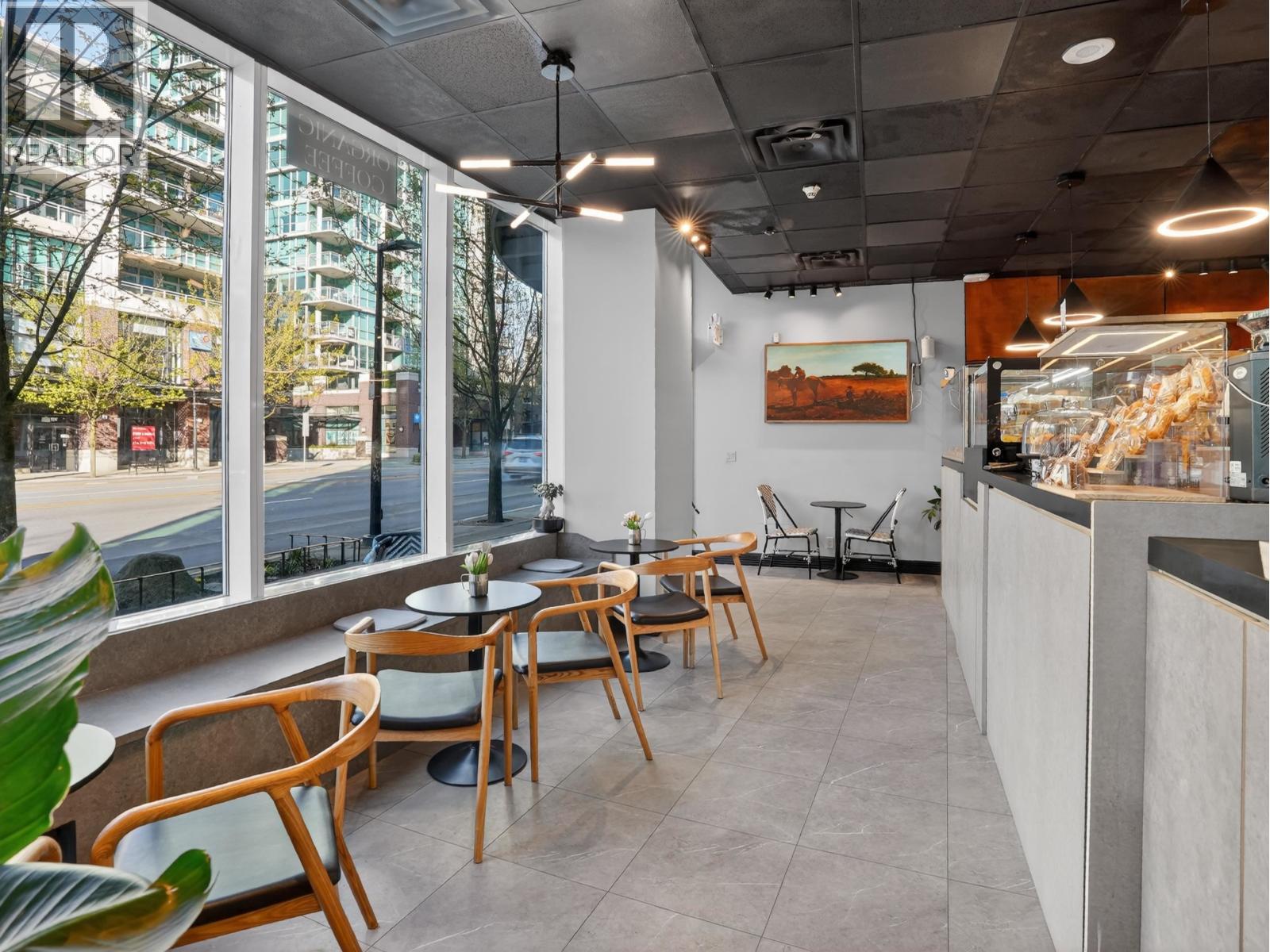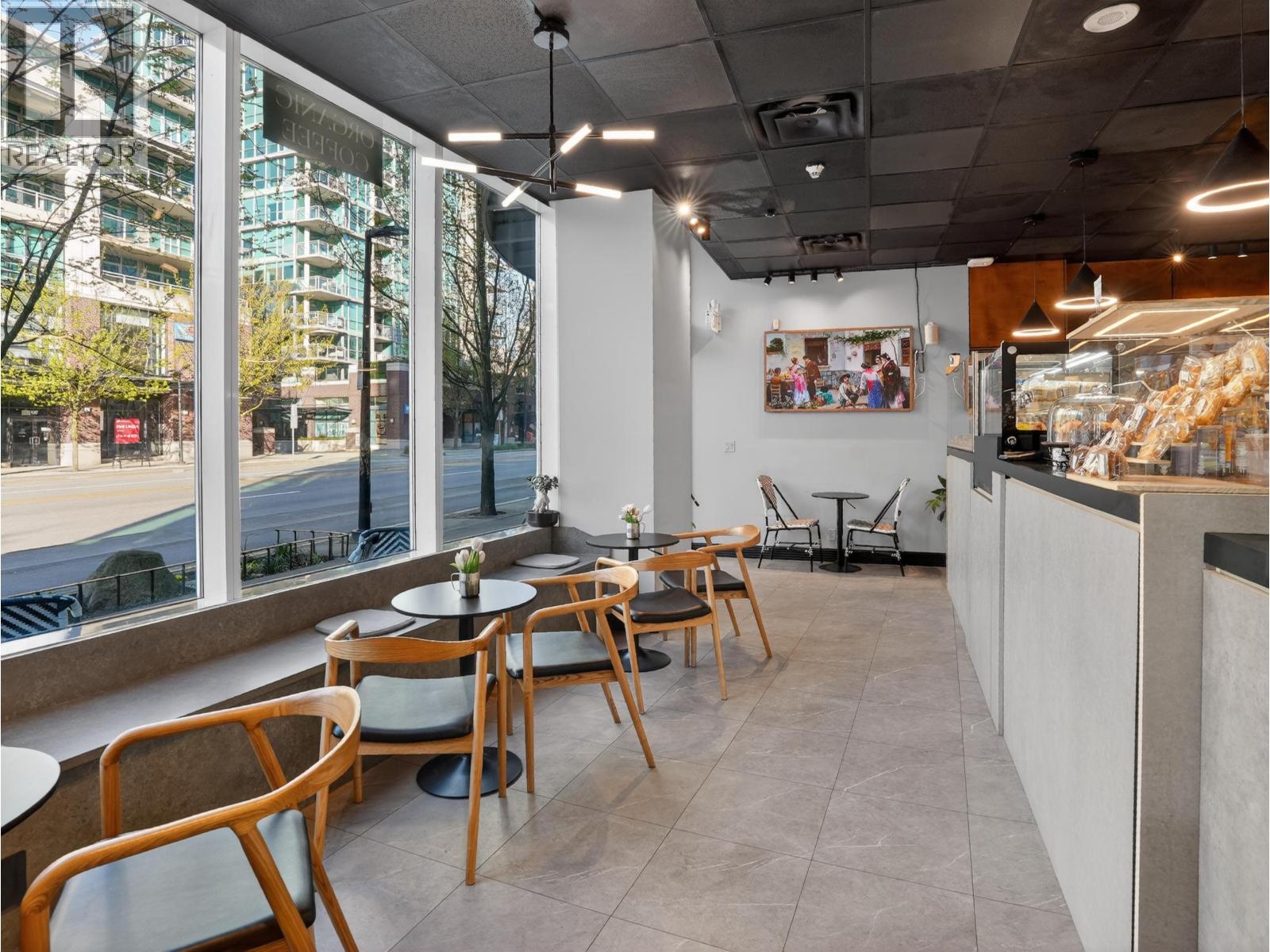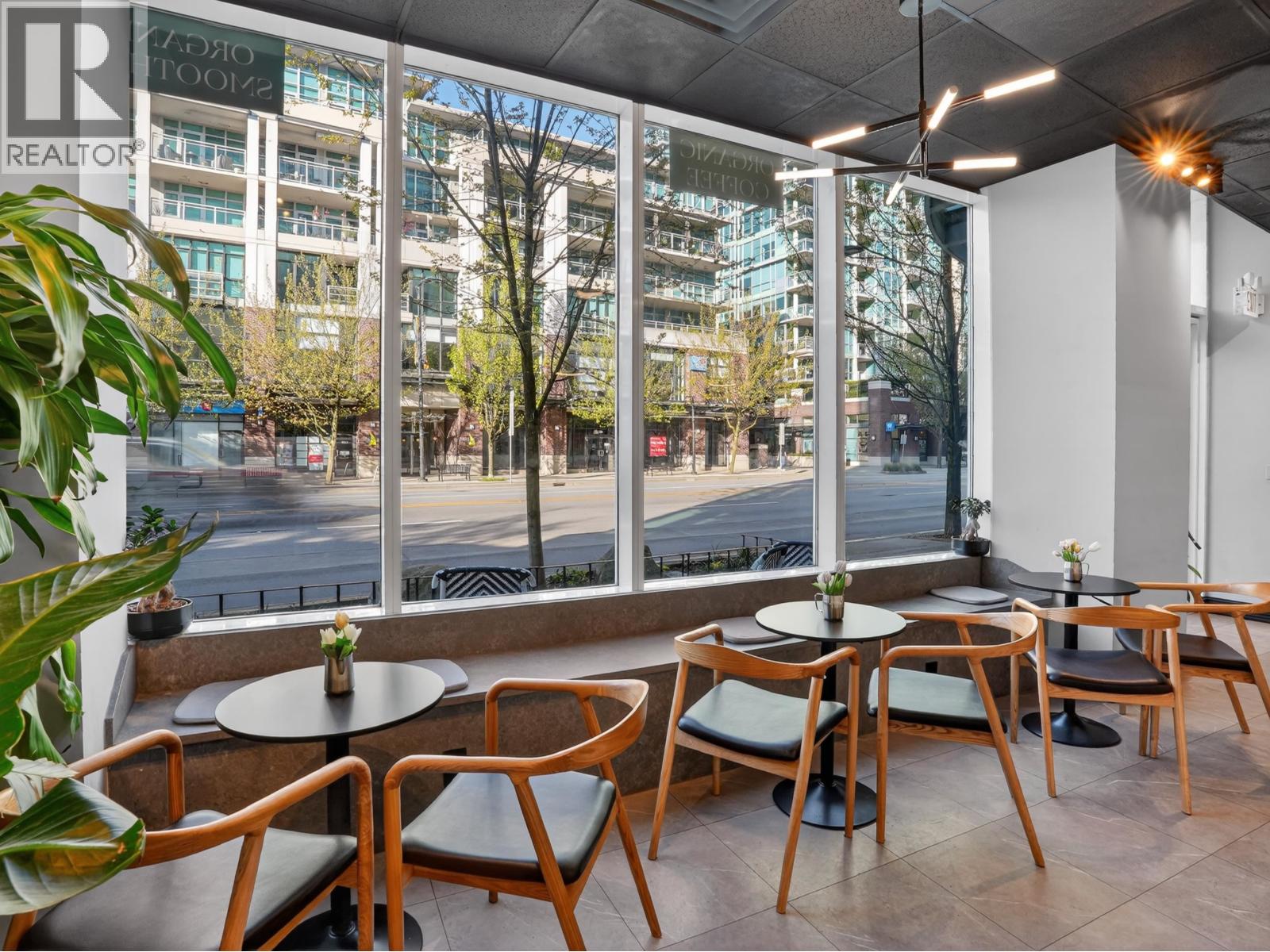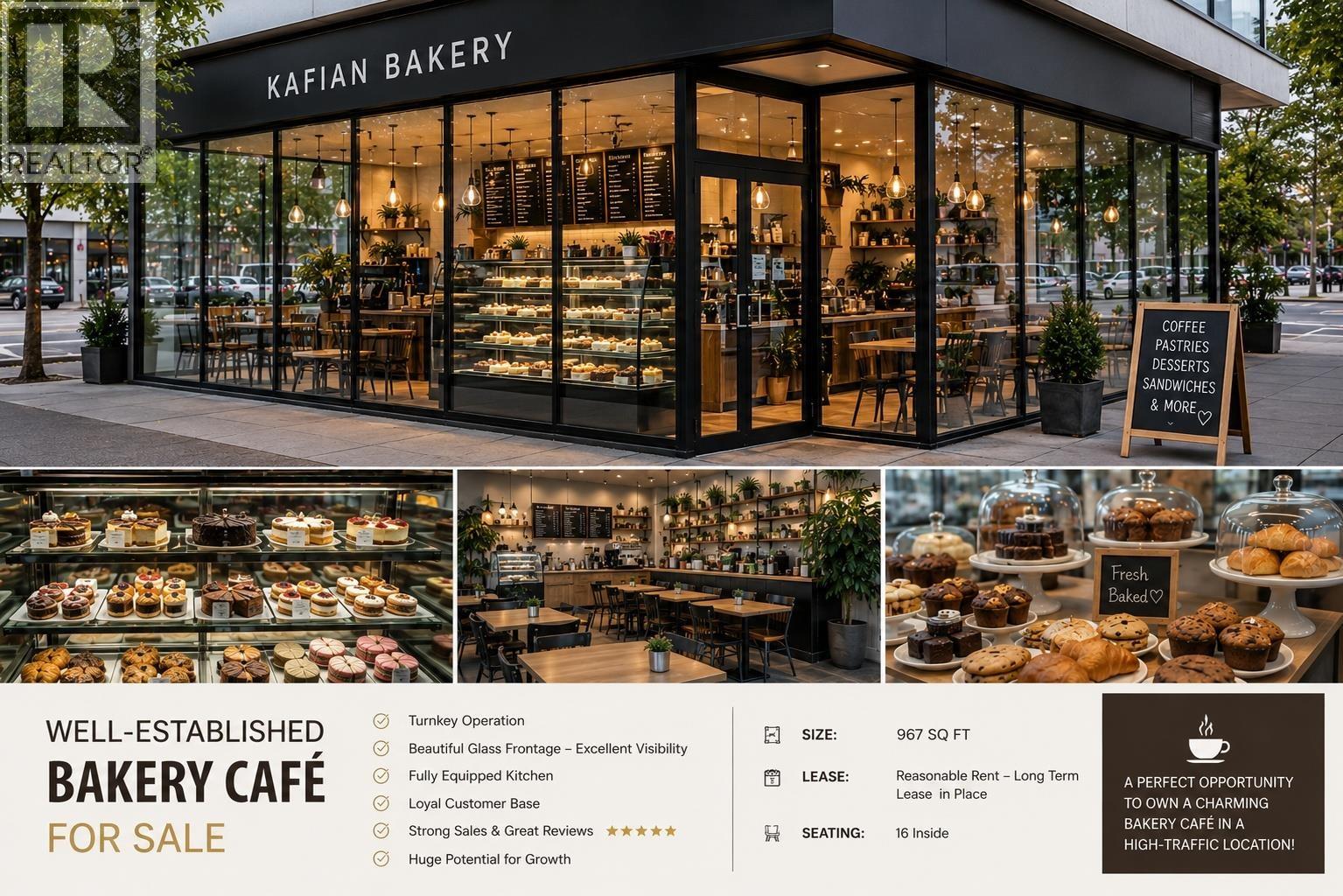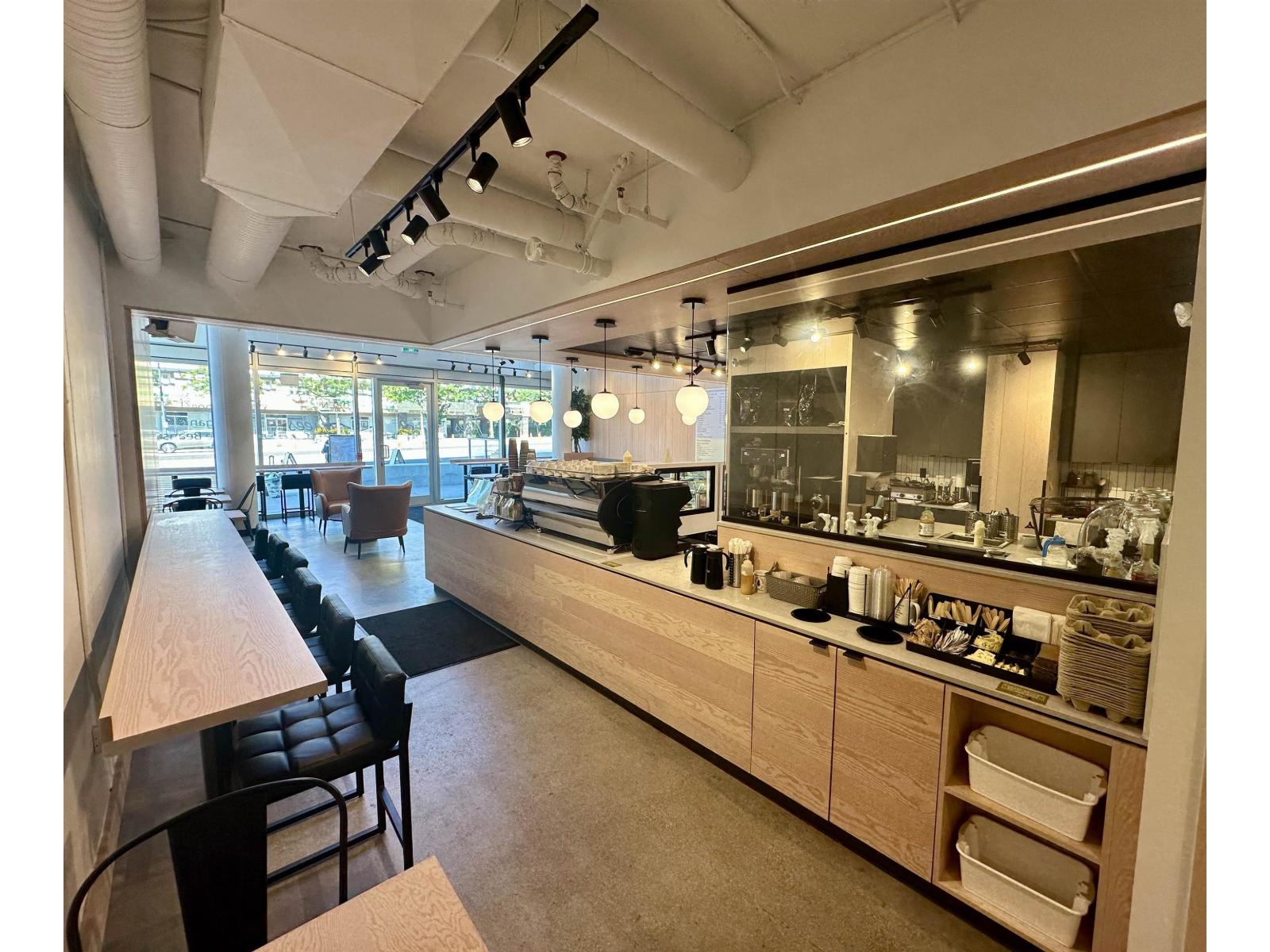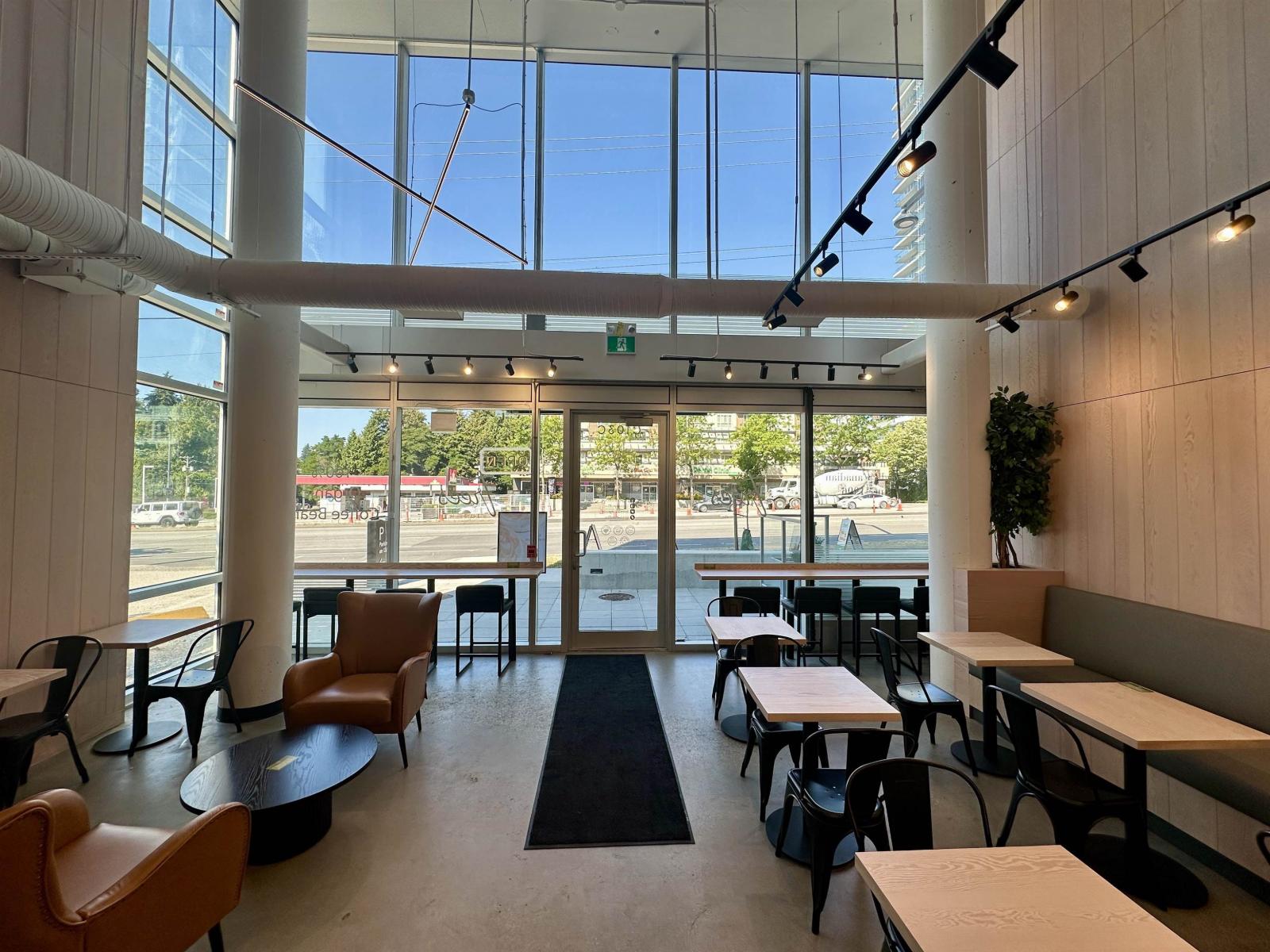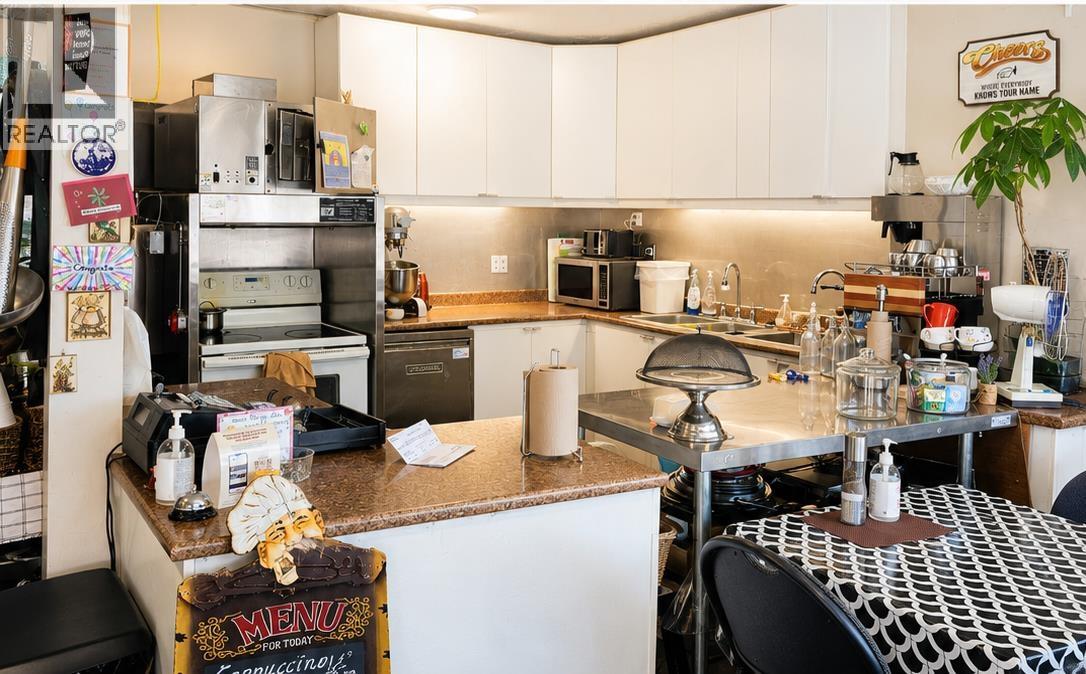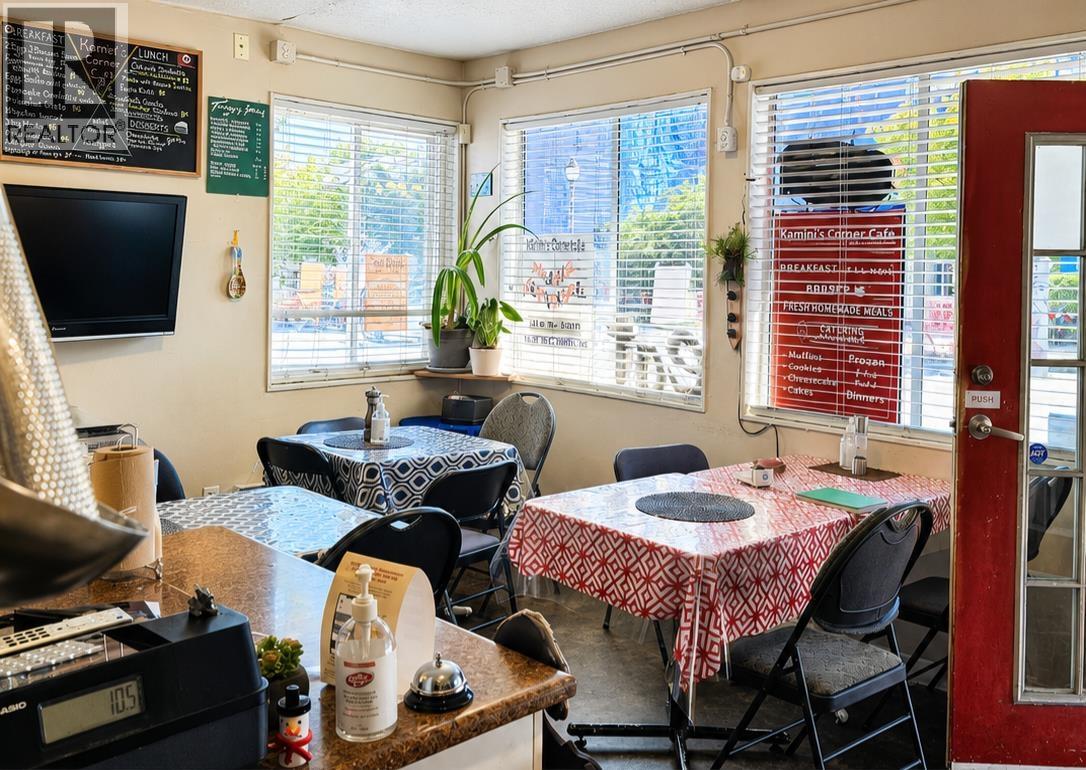
Successfully launching your café venture requires meticulously analyzing Vancouver's competitive landscape, identifying key market players, and understanding their unique value propositions.
Map out competitors' locations across neighbourhoods like Gastown, Yaletown, and Commercial Drive to identify market gaps. Analyze competitor pricing strategies for coffee, pastries, and specialty items.
You'll want to examine their peak hours, customer demographics, and service quality.
Don't forget to assess their digital presence and delivery partnerships.
Consider creating a competitive matrix to track strengths and weaknesses, helping you position your café's unique offerings effectively.
This data-driven approach guarantees you'll make informed decisions about your café's market entry strategy.
Finding the right café acquisition target requires evaluating three essential criteria: the business's financial health, operational efficiency, and growth potential.
When you've identified promising prospects through business listings or broker networks, it's pivotal to meet with sellers prepared. Review your acquisition goals beforehand and compile a detailed due diligence checklist.
As you consider acquiring a café, it's crucial to understand key issues in the industry, such as labour shortages and rising food costs that could impact future operations.
During meetings, assess both quantitative metrics (profit margins, customer traffic) and qualitative factors (staff retention, brand reputation).
Strive to approach negotiations with both analytical precision and interpersonal sensitivity, bearing in mind that sellers might have emotional investment in their café.
Before making an offer on your target cafe, you'll need to thoroughly examine the historical financial statements, lease details, and real estate documentation to understand the business's true financial position and operational constraints.
Your pre-offer analysis must include an extensive review of the cafe's asset inventory and a detailed budget that accounts for both acquisition costs and anticipated post-completion expenses.
Securing a professional business valuation will provide you with pivotal negotiating leverage and help verify that the asking price aligns with market conditions and the cafe's actual worth.
To enhance the business management of your newly acquired cafe, consider leveraging technology for operational efficiency, which can significantly improve the overall success and growth potential of your business.
Read more
While investigating a potential cafe acquisition, a thorough analysis of the target's historical financial statements forms the cornerstone of your due diligence process.
You'll need to scrutinize three years of financial data to identify trends and validate the cafe's financial health.
Consider exploring the available government grants and loans to potentially enhance your financial planning.
| Key Metrics | Industry Benchmark | Red Flags |
| Food Cost | 29-32% | >35% |
| Labor Cost | 32% | >35% |
| Rent | 6% | >10% |
Compare the cafe's performance against these industry standards. Your historical financial statement analysis will reveal operational efficiency and help develop accurate cafe financial projections.
Pay special attention to cost patterns and profit margins that deviate considerably from benchmarks.
A thorough review of the premises lease and real estate title must accompany your financial analysis to guarantee your cafe investment stands on solid legal ground.
Start by reviewing ownership details through BC's Land Title Office to verify the property's legal status and any encumbrances.
Next, scrutinize the lease terms, focusing on rent escalations, maintenance obligations, and permitted use clauses.
Pay special attention to assignment rights, renewal options, and termination conditions—they'll impact your operational flexibility.
Consider hiring a commercial real estate lawyer to navigate complex lease provisions and protect your interests.
To protect your investment and guarantee accurate valuation, conducting a thorough inventory analysis of the cafe's assets stands as a critical step in your due diligence process.
You'll need to assess each piece of equipment's condition and verify its market value. Create an exhaustive asset condition assessment, documenting the age, maintenance history, and operational status of all items.
| Asset Category | Key Considerations |
| Equipment | Age, functionality, repair history |
| Furniture | Condition, style relevance, wear |
| Inventory | Stock levels, expiration dates |
Don't skip examining seemingly minor items—even small kitchen tools contribute to your inventory valuation and impact your cafe's operational readiness.
Beyond identifying physical assets, you'll need to construct a thorough budget that accounts for both acquisition costs and post-completion expenses.
Understanding your acquisition financing options and projecting post-completion costs will help you avoid unexpected financial strain during the critical shift period.
Initial purchase price and down payment requirements
Working capital for the first 3-6 months of operations.
Renovation expenses and equipment upgrades.
Legal and accounting fees for transfer of ownership.
Training costs for retaining existing staff or hiring new team members.
Your detailed budget should include a 10-15% contingency buffer for unexpected expenses and market fluctuations, ensuring you maintain operational flexibility during the ownership change.
Before making an offer on your target cafe, securing a professional business valuation serves as a critical foundation for informed decision-making and negotiation leverage.
Professional valuators will assess your potential cafe purchase using three key methodologies: income-based (EBITDA/SDC multiples), asset-based (tangible/intangible assets), and market-based (comparable sales).
For cafes valued under $650,000, expect multiples between 2x and 3x SDC.
Factors influencing café valuation include location, goodwill, equipment condition, lease terms, and recent market comparables.
Your valuator will reconcile any differences between approaches to determine a defendable fair market value.
When preparing your conditional offer or LOI for a Vancouver Cafe, you'll need to decide between an asset sale or share sale structure while considering pivotal elements like partial seller financing and a thorough transition agreement.
You must thoroughly review all business assets, licenses, permits, and health inspection reports to guarantee compliance and identify any potential issues that could affect the deal's value.
Your offer should include specific conditions around seller training and support during the handover period, ensuring you'll have the knowledge needed to maintain the cafe's operations and standards.
Understanding the distinction between asset sales and share sales represents a pivotal decision point as you prepare your cafe purchase offer in Vancouver.
You'll need to carefully weigh seller tax implications and legal entity considerations for each structure.
| Aspect | Asset Sale | Share Sale |
| Tax Impact | Lower buyer liability | Typically seller-preferred |
| Due Diligence | Focused on specific assets | Complete corporate review |
| Liability Transfer | Limited to acquired assets | Full historical exposure |
| Complexity | Generally straightforward | More complex documentation |
Your choice will substantially affect both purchase price and post-acquisition responsibilities, so consult tax and legal advisors before proceeding.
When structuring your financing agreement, consider proposing monthly payments with a balloon payment option at term's end. This approach can improve your cash flow while demonstrating commitment to the seller.
Remember to clearly define default provisions, prepayment options, and security arrangements in your written agreement to protect both parties' interests.
A thorough inspection of all business assets forms the foundation of your conditional offer to purchase or Letter of Intent (LOI).
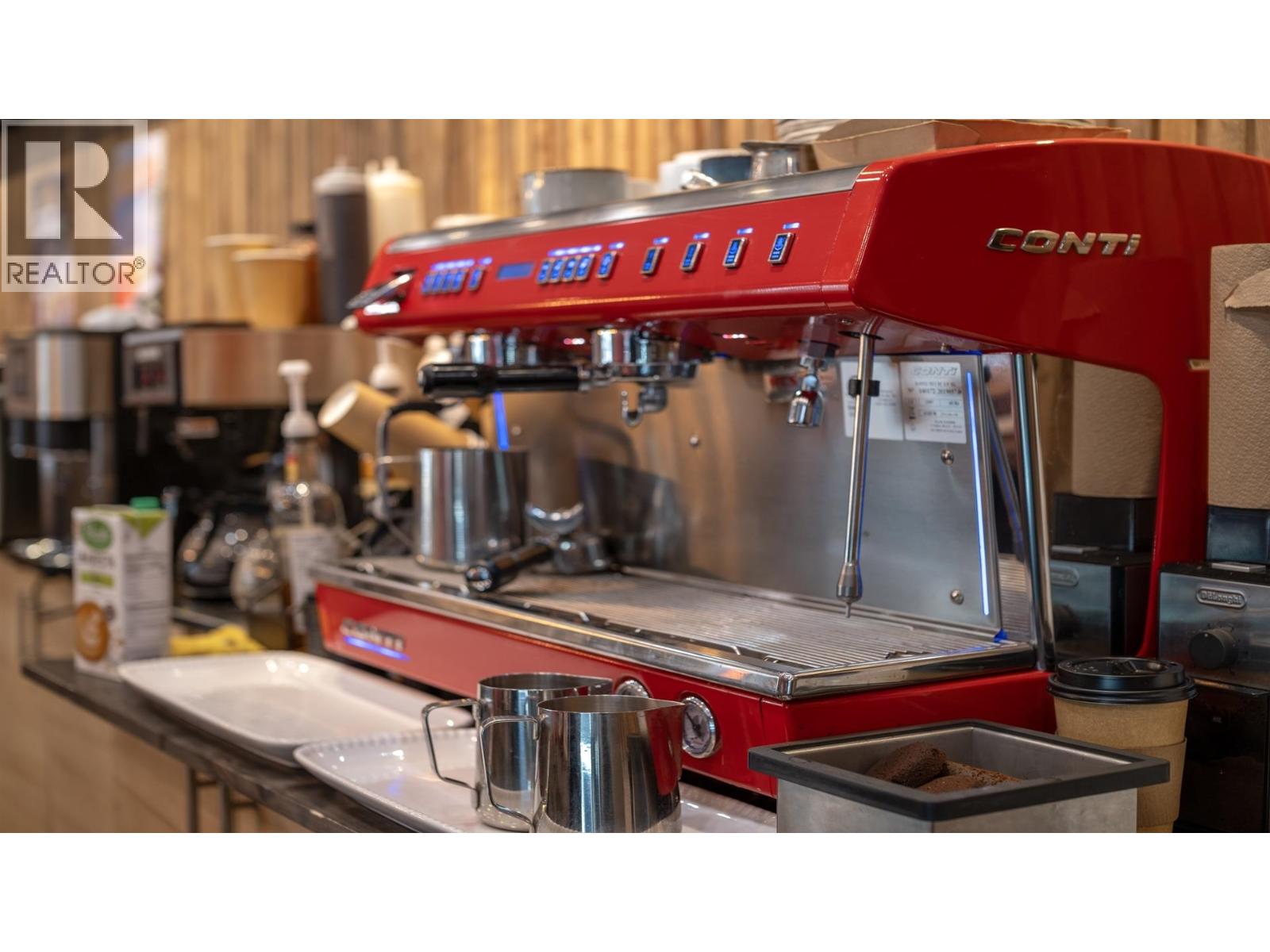
You'll need to meticulously inspect equipment condition, from espresso machines to refrigeration units, documenting their operational status and maintenance history.
Don't overlook the cafe layout analysis—examine traffic flow patterns, kitchen efficiency, and customer seating optimization.
Consider hiring professional inspectors for specialized equipment evaluations. They'll help identify potential repair costs and replacement needs. Create a detailed inventory checklist including furniture, fixtures, and small wares.
This exhaustive assessment safeguards your investment and strengthens your negotiating position.
Review health inspection reports, proper ventilation requirements, and employee health policies to ascertain compliance with Vancouver's strict food service regulations.
| License/Permit Type | Renewal Period | Typical Cost |
| Business License | Annual | $150-300 |
| Food Service Permit | Annual | $250-500 |
| Health Certificate | Biennial | $200-400 |
Request copies of all current permits and past violation records. You'll want to verify that all equipment meets ventilation codes and that staff training protocols align with WorkSafeBC standards.
Once you've verified all regulatory requirements, your next step involves constructing a well-defined seller training and migration agreement within the offer.
The seller training component should specify the duration, scope, and methodology of knowledge transfer, including detailed operational procedures, vendor relationships, and customer management practices.
Your handover agreement must outline specific milestones, responsibilities, and timelines for the handover process.
Include provisions for hands-on training sessions, documentation of proprietary recipes, staff introductions, and access to essential business records.
Consider incorporating performance metrics to facilitate effective knowledge transfer during the handover period.
To secure bank financing for your Vancouver café acquisition, you'll need to present a compelling business case that demonstrates your venture's viability and potential for success.
Your detailed financial projections should include historical performance data, market analysis, and clear revenue forecasting that validates your ability to service any loan payments.
Working with an experienced commercial banking advisor who specializes in restaurant and café financing can substantially improve your chances of loan approval while helping you structure the most advantageous terms.
Prepare three years of pro forma financial statements, including income statements, balance sheets, and cash flow projections.
Compile market research data showing local café industry trends, competitor analysis, and demographic statistics.
Document your relevant business experience, management team qualifications, and operational strategy.
Include detailed information about the property, equipment valuations, and any planned renovations or improvements.
Present a clear exit strategy and contingency plans that address potential risks and mitigation measures.
A thorough business plan serves as the cornerstone of your cafe's financing strategy, requiring careful attention to financial projections, market analysis, and operational details.
You'll need to explore financing options through traditional banks, credit unions, and BDC, each offering distinct advantages and terms. Before applying, assess lender requirements carefully, ensuring you meet minimum credit scores, down payment expectations, and collateral needs.
Before finalizing your cafe purchase, you'll need to guarantee compliance with Vancouver's health regulations, business licensing requirements, and food safety standards through the Vancouver Coastal Health Authority.
You can access extensive resources and guidance through the BC Restaurant and Food Services Association (BCRFA) and Small Business BC, which offer specialized information for cafe operators.
The City of Vancouver's Business Portal provides essential permits, zoning requirements, and regulatory documentation you'll need to complete the transaction and begin operations.
Just like the careful steps taken to brew that perfect cup of espresso, you've now got the blueprint for successfully purchasing your Vancouver café.
From defining criteria to closing the deal, you're ready to join the city's vibrant coffee culture.
Remember, due diligence is your barista's scale—precise measurements lead to ideal results. Take these steps forward confidently, and you'll soon be serving your slice of Vancouver's coffee community.
When closing the deal on your Vancouver café, understanding and complying with the city's regulatory framework is essential for a seamless ownership change.
You'll need to navigate various licensing procedures and regulatory requirements to guarantee your business operates legally.
| Requirement | Details |
| Health Permit | Annual inspection, food safety certification |
| Business License | Municipal registration, zoning compliance |
| Food Service License | Menu approval, handling protocols |
| Building Permit | Interior modifications, signage |
| Liquor License | If serving alcohol, separate application |
Remember to submit all documentation before finalizing your purchase to avoid delays in operation.
Vancouver's regulations ensure consumer safety while maintaining industry standards.
Successful café ownership relies heavily on staying informed through industry-specific resources and reliable market data. Y
ou'll need access to current cafe industry data and cafe customer insights to make strategic decisions and stay competitive in Vancouver's dynamic market.
Finalizing your cafe purchase in Vancouver requires accessing specialized local resources that'll guide you through the closing process.
The city's strong advocacy groups for the cafe industry and cafe sustainability practices offer invaluable support for your business change.
The BC Restaurant and Foodservices Association provides regulatory compliance guidance and industry advocacy.
Vancouver Coffee Network connects you with suppliers and potential mentors.
Small Business BC offers free business planning consultations.
Vancouver Economic Commission provides sustainability grant opportunities.
The City of Vancouver's Business License Office streamlines permit processes and zoning requirements.
A: You'll find peak business hours from 7-9am and 11:30am-2pm on weekdays, with varied weekend rushes based on your location and customer demographic trends. Late afternoons attract remote workers and students.
A: You'll need heritage permits for structural changes, and you can't alter heritage-designated facades. Check rezoning requirements carefully—while interior modifications are possible, exterior changes face strict municipal oversight.
A: When looking for cafes and coffee shops for sale in Vancouver, it's important to consider factors like location, customer base, and profitability.
Areas like Kitsilano, North Vancouver, and Downtown Vancouver offer fantastic opportunities, each with their own unique vibe and potential.
A: You can find well-established coffee shops for sale through online services or by contacting a listing agent who specializes in the Greater Vancouver area.
A: To ensure a profitable investment in a Surrey coffee shop or cafe, research the neighbourhood information, the potential to expand, and the already loyal customer base.
A reputable listing agent can offer advice about the area's market trends.
A: Yes, corner location restaurants in the Lower Mainland are considered rare opportunities due to their visibility and high traffic. Corner locations are in high demand and have the potential to greatly enhance your business's visibility.
Data is supplied by CREA who is the owner of the copyright in its MLS®System. Data provided is deemed reliable but is not guaranteed accurate by CREA. The trademarks MLS®, Multiple Listing Service® and the associated logos are owned by The Canadian Real Estate Association (CREA) and identify the quality of services provided by real estate professionals who are members of CREA. Used under license.