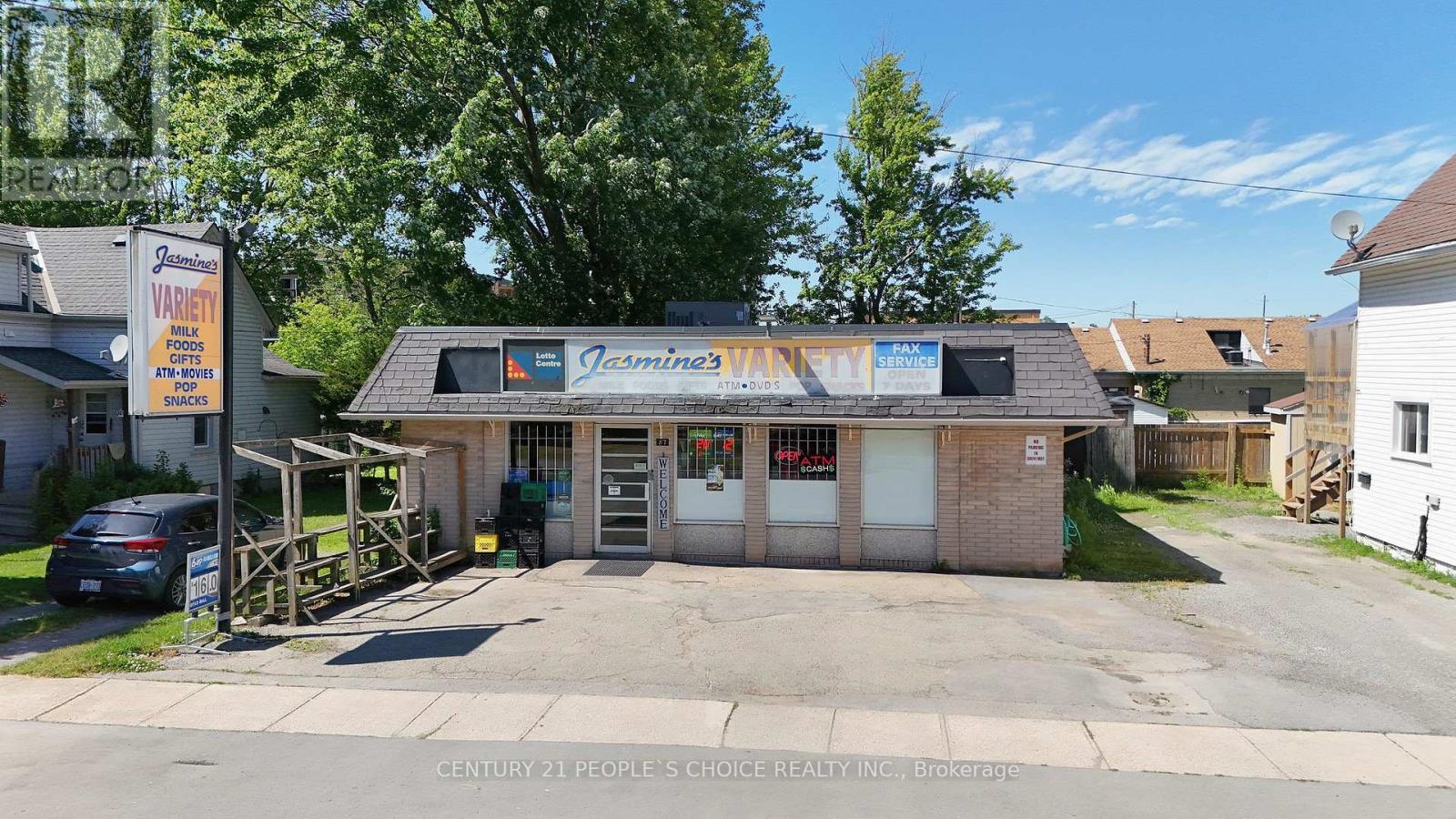
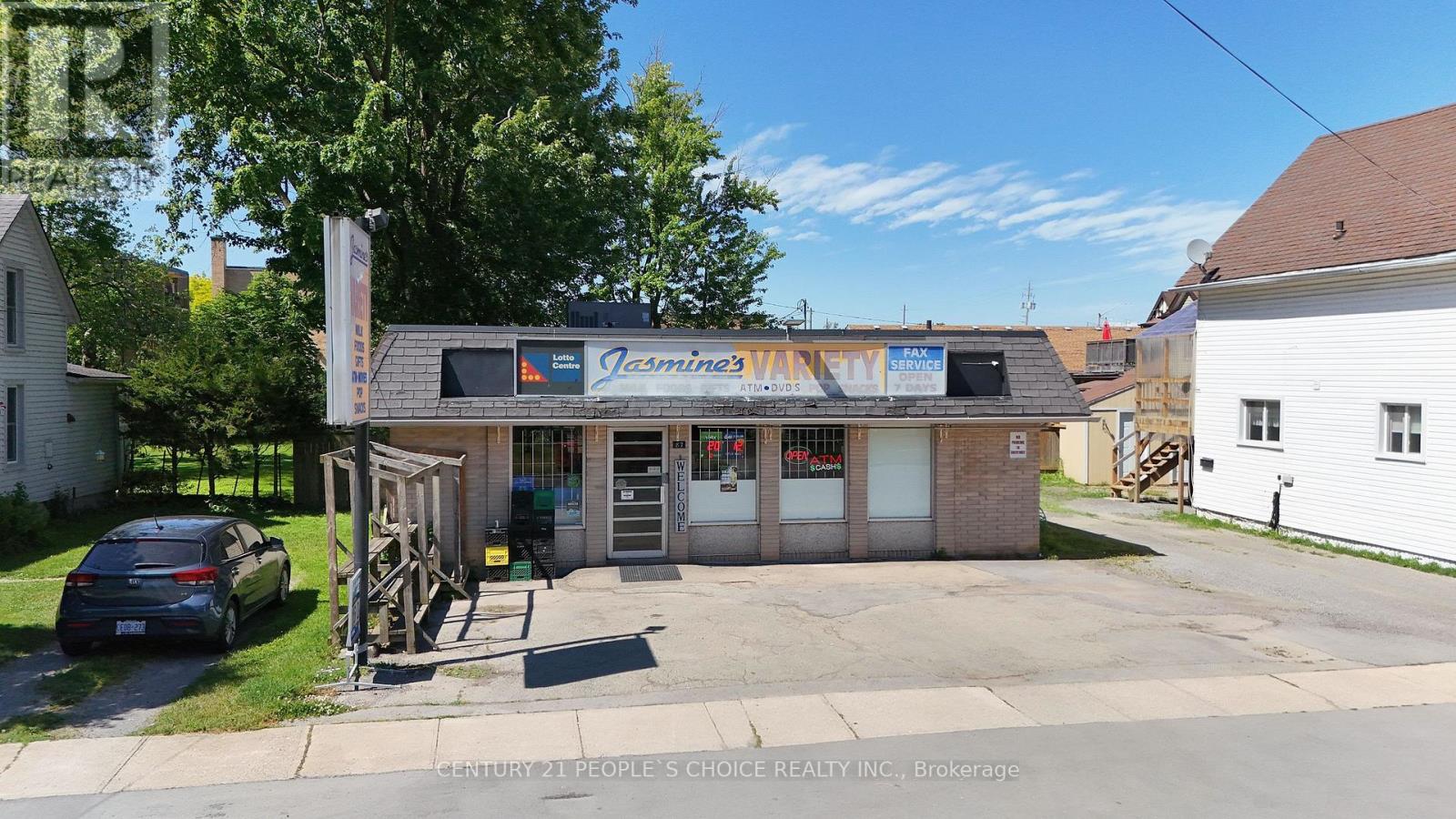
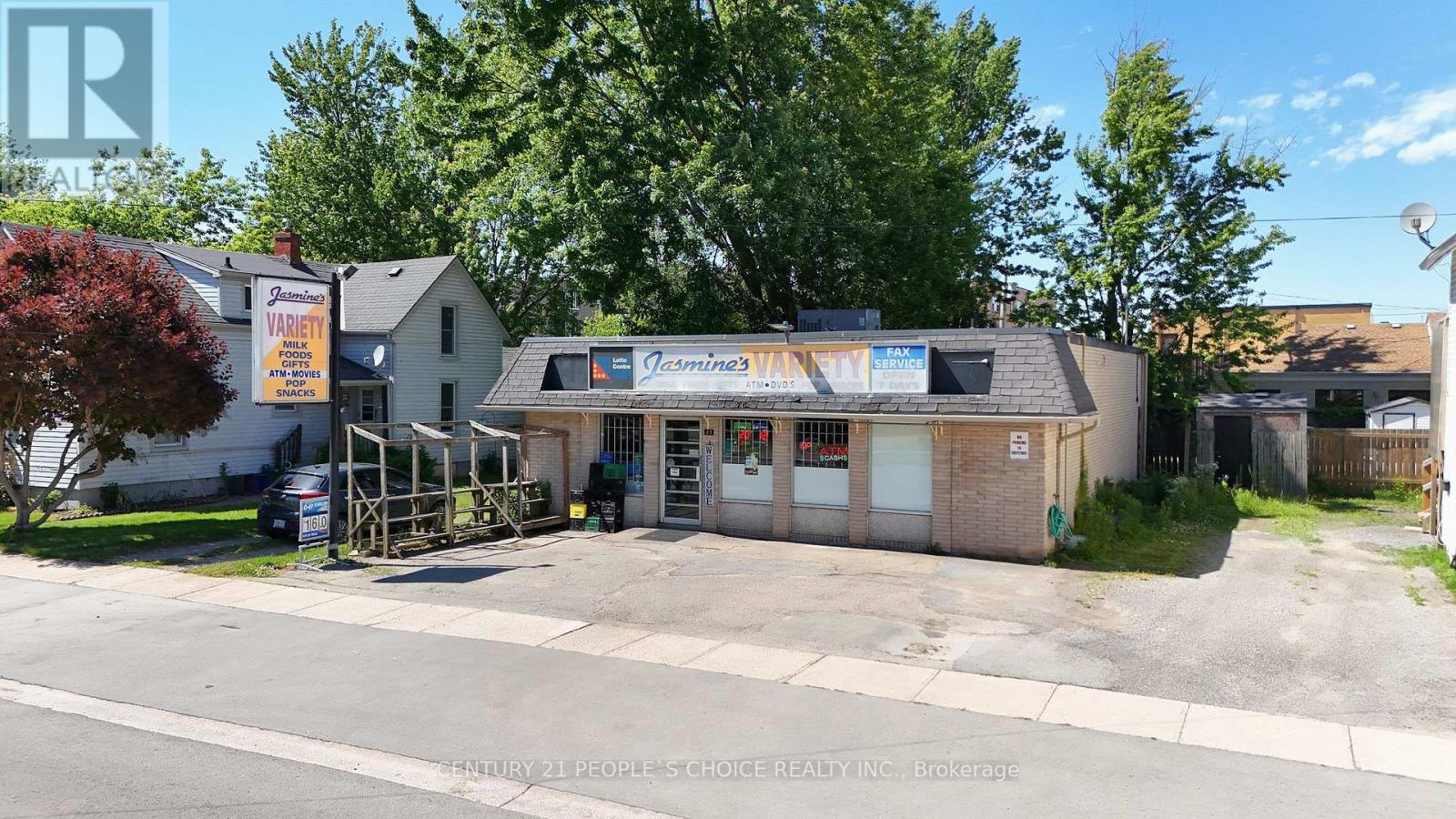
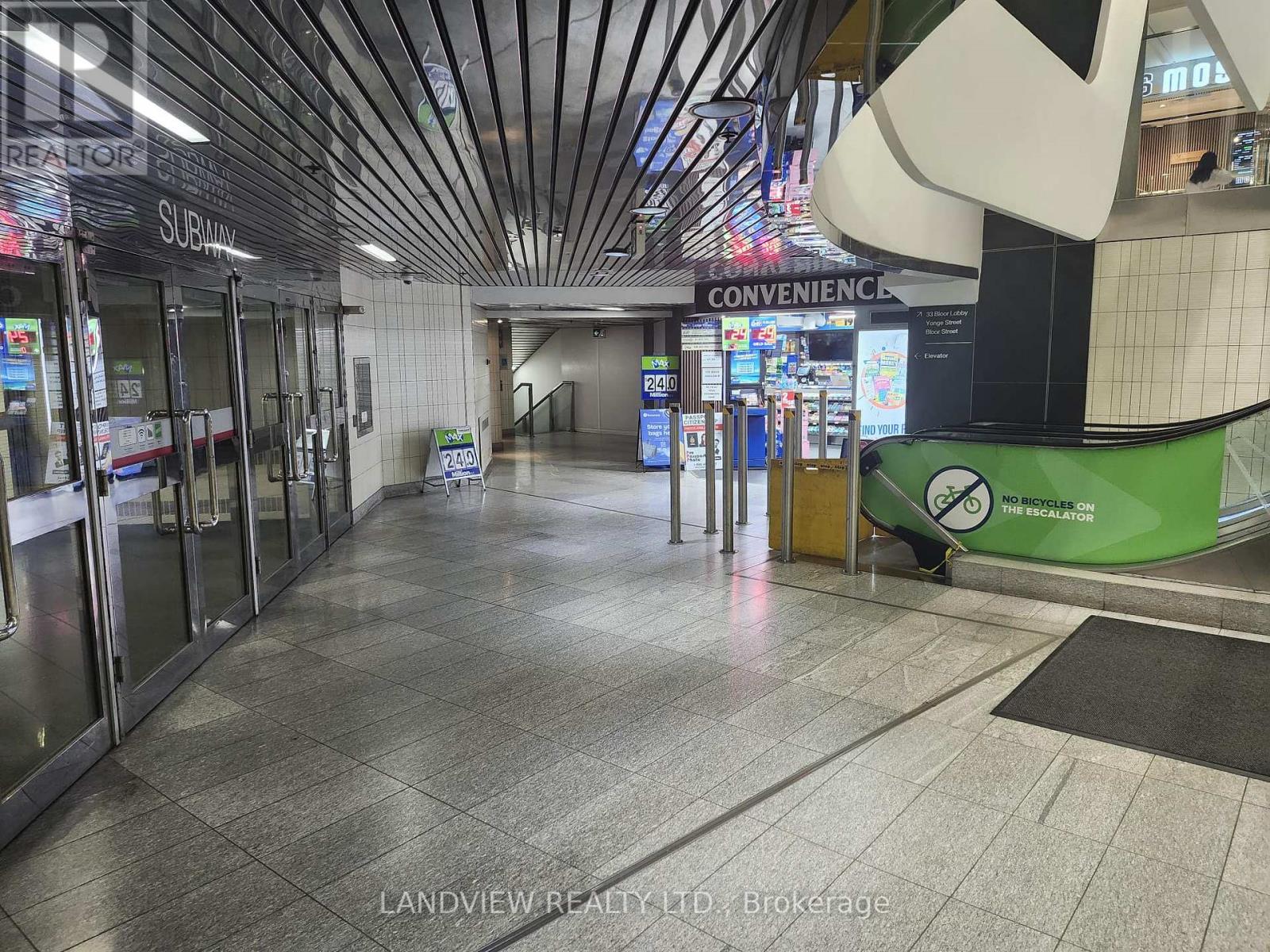
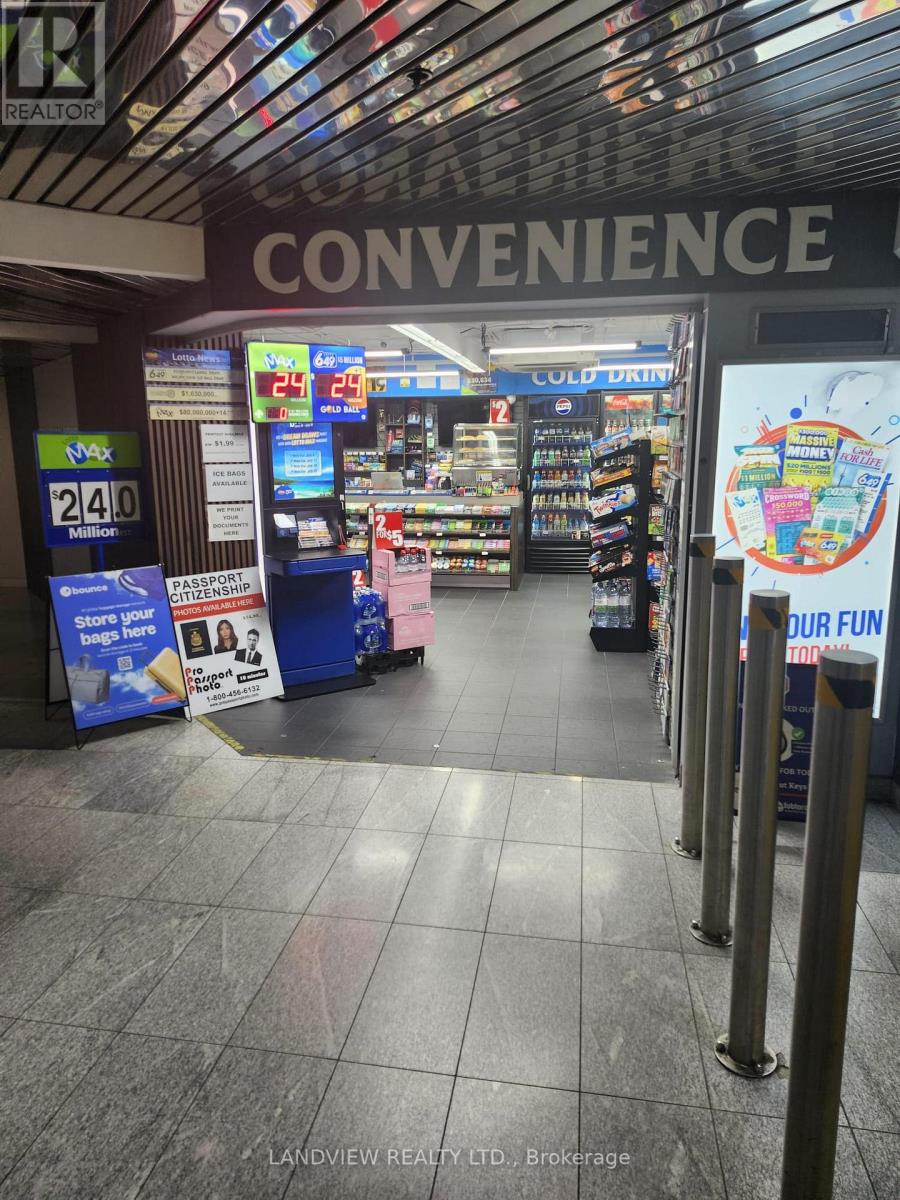
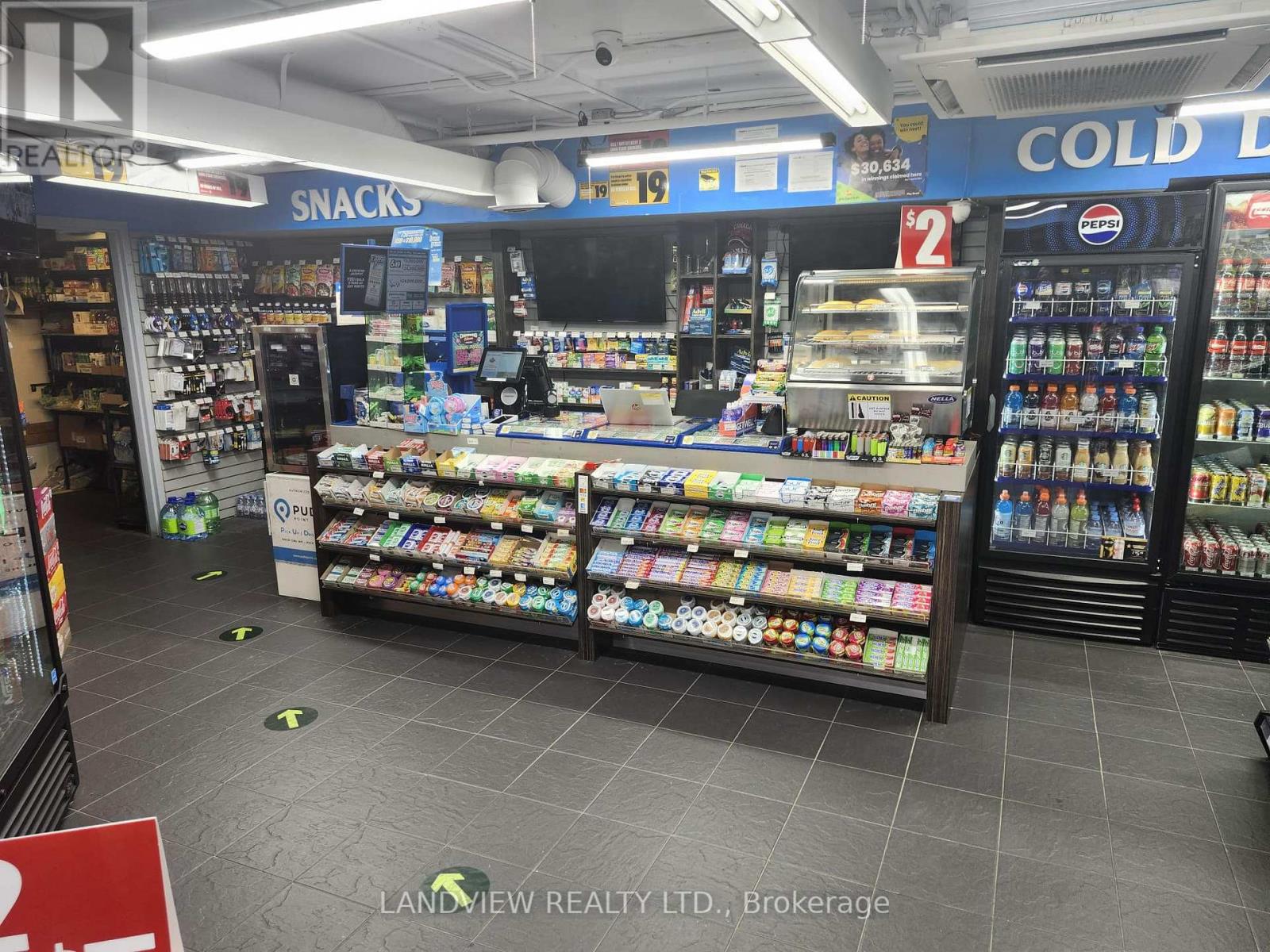
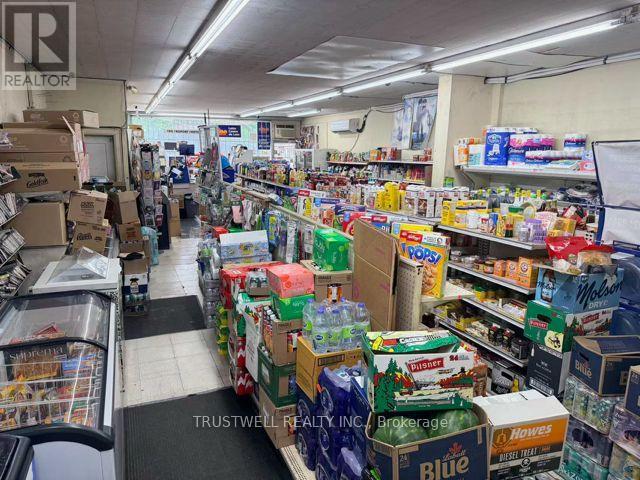
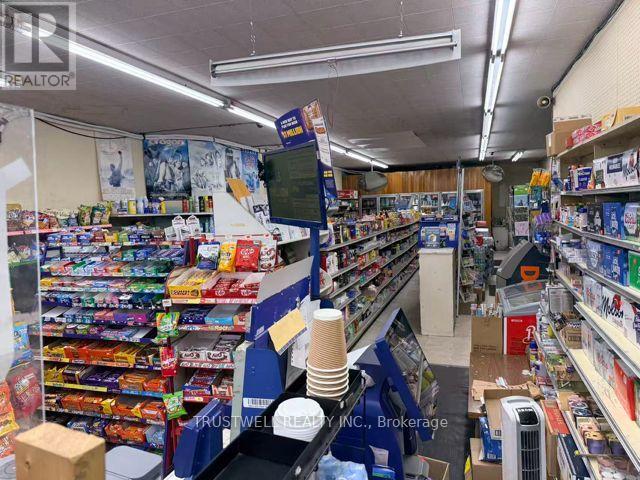
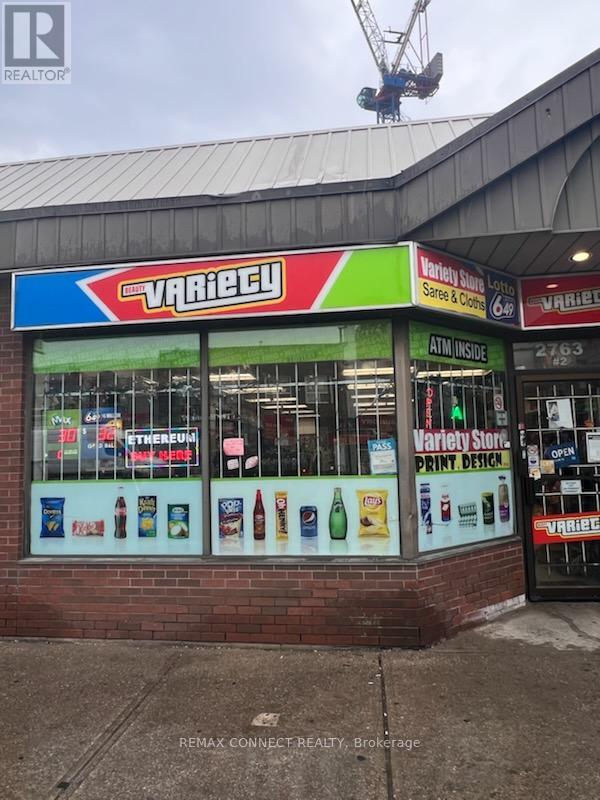
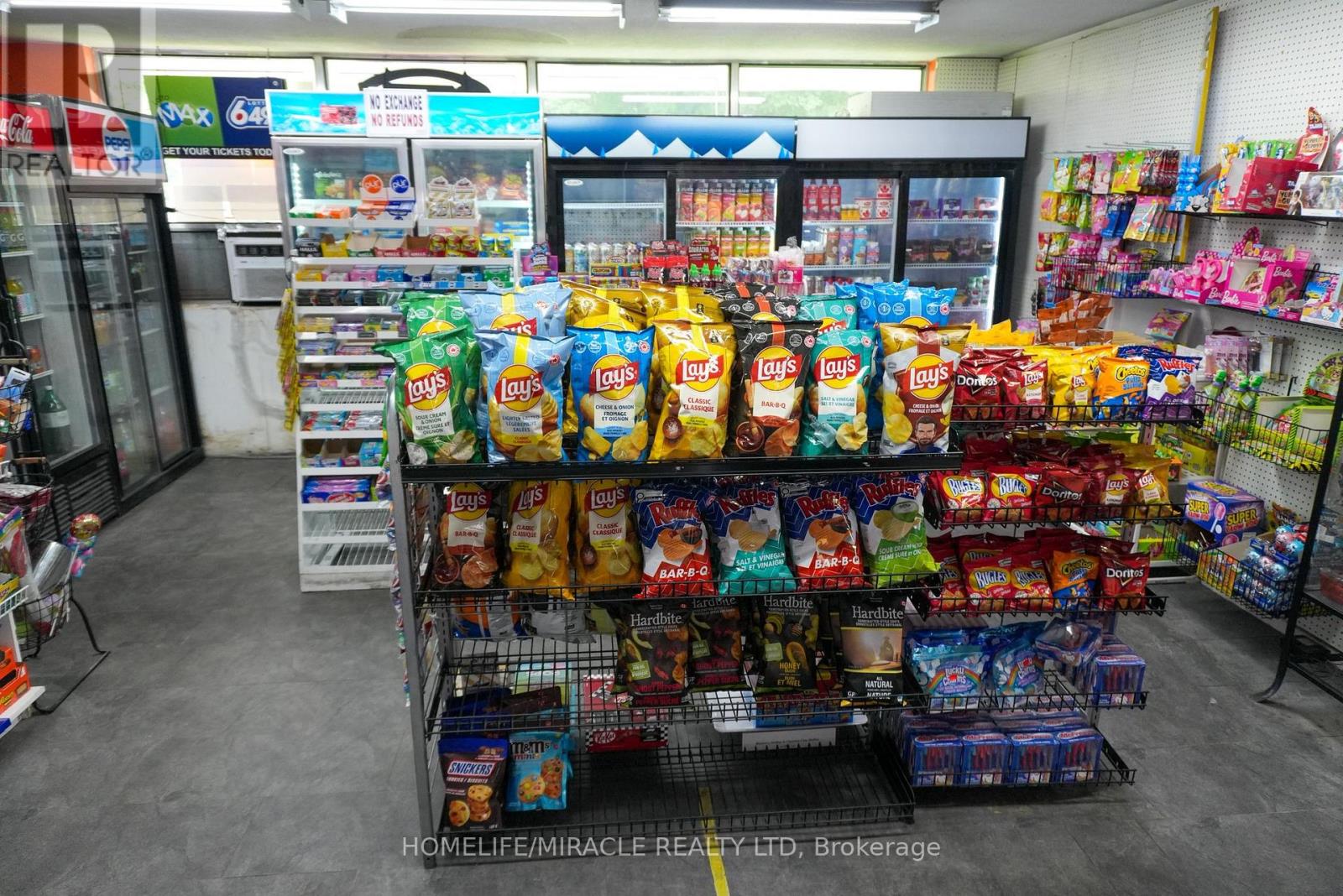
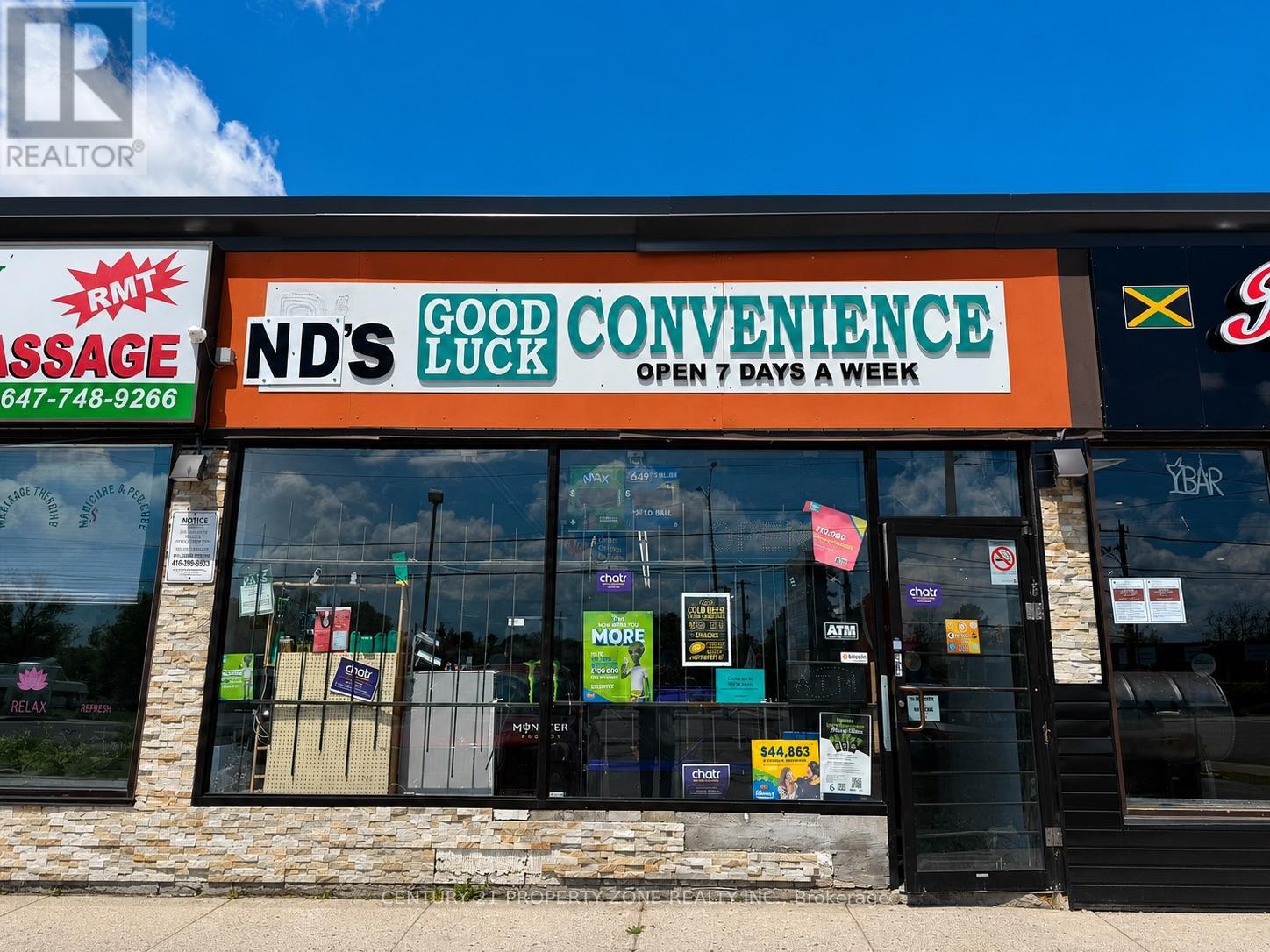
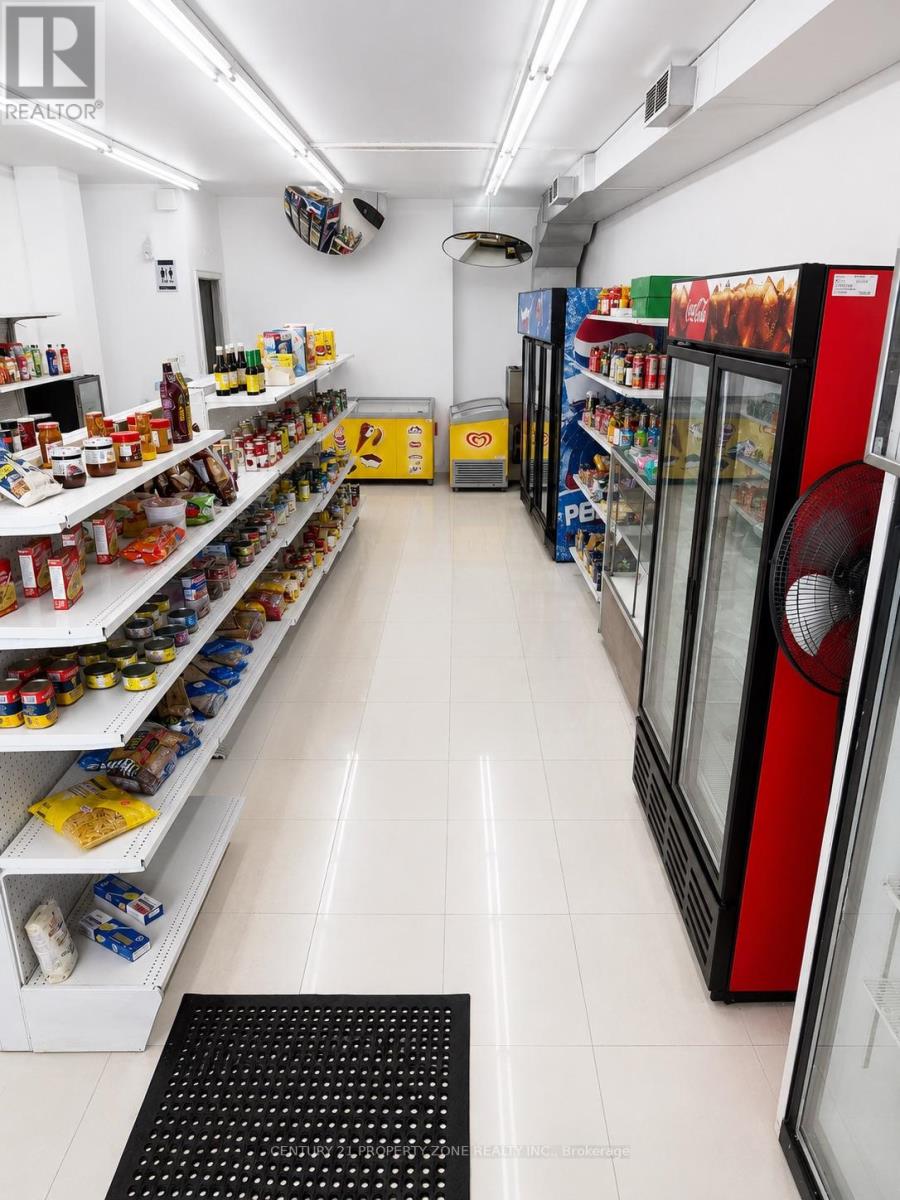
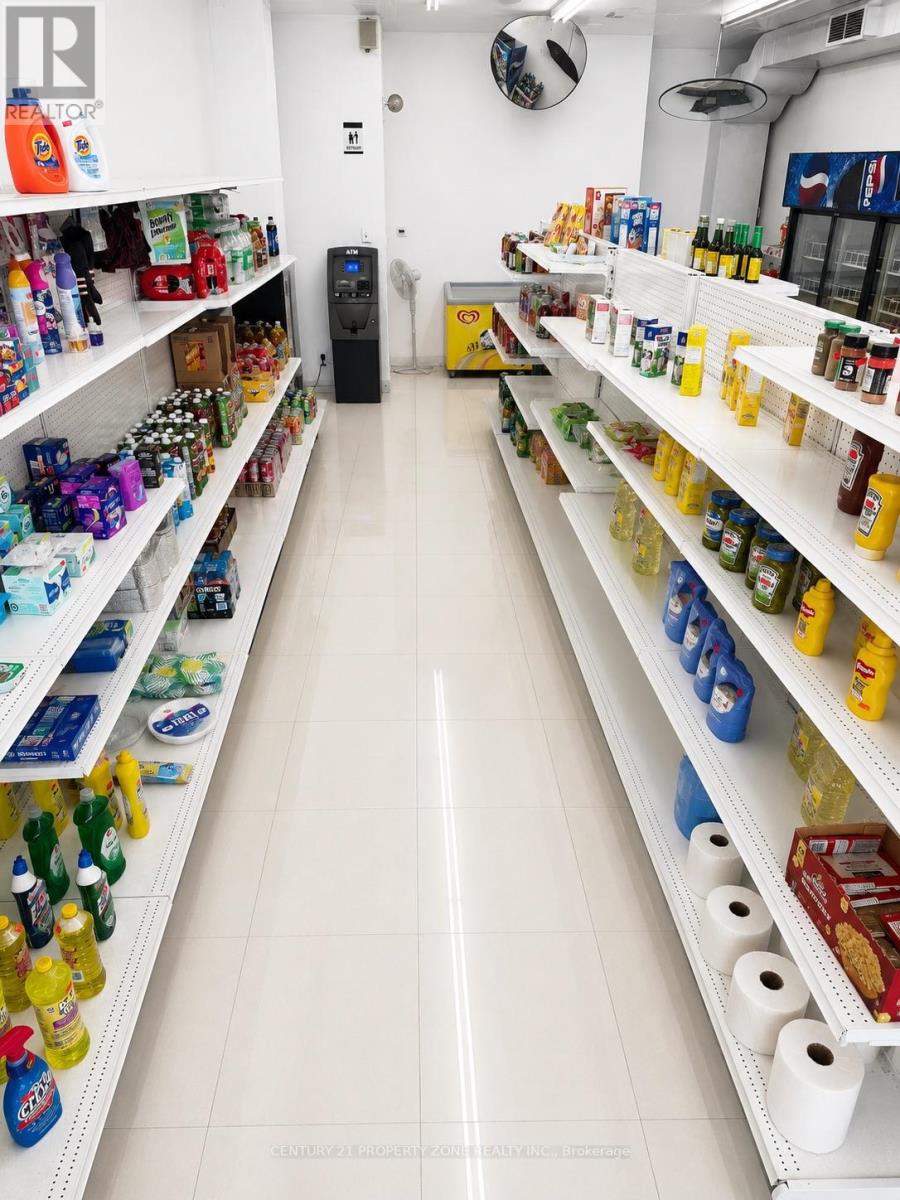
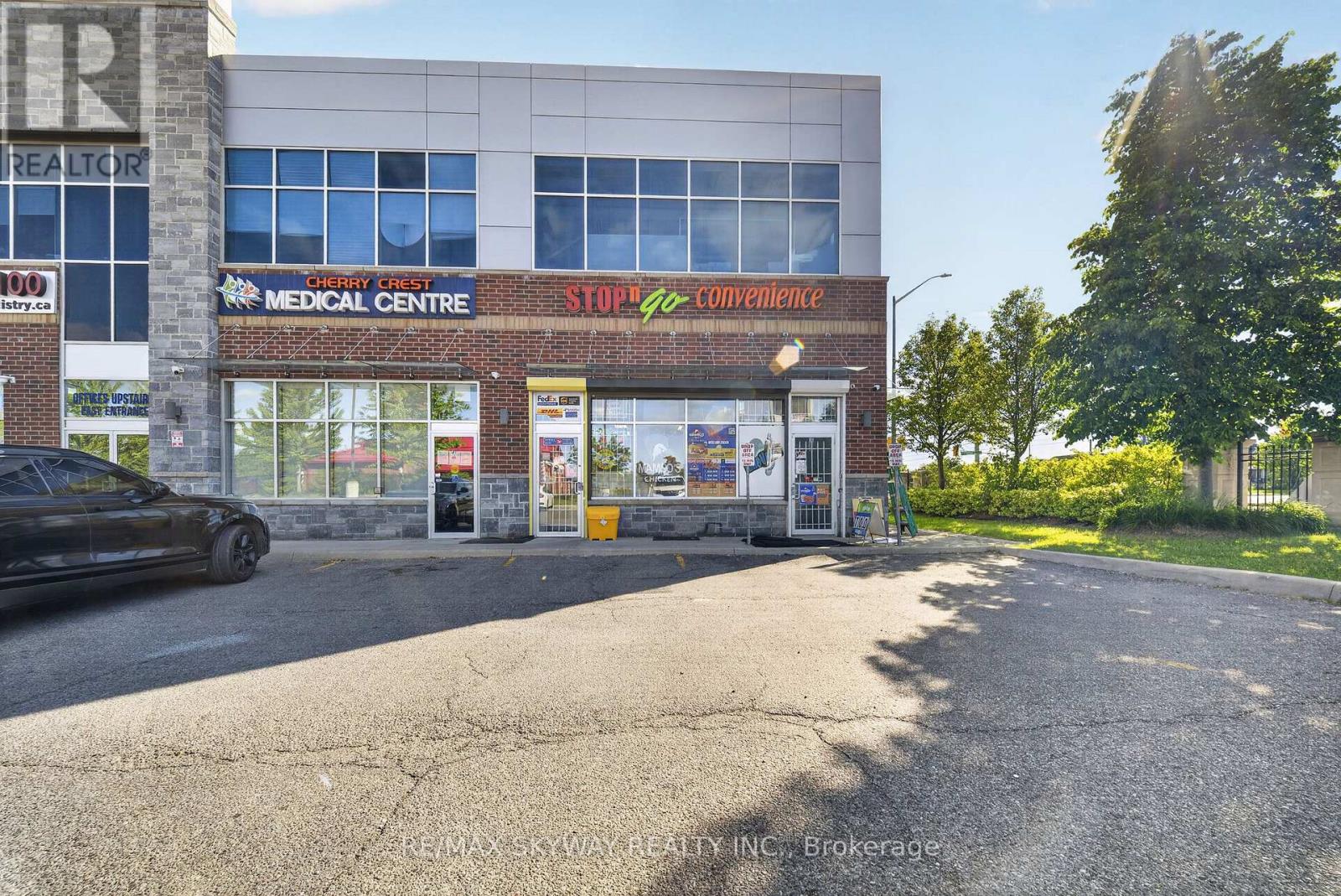
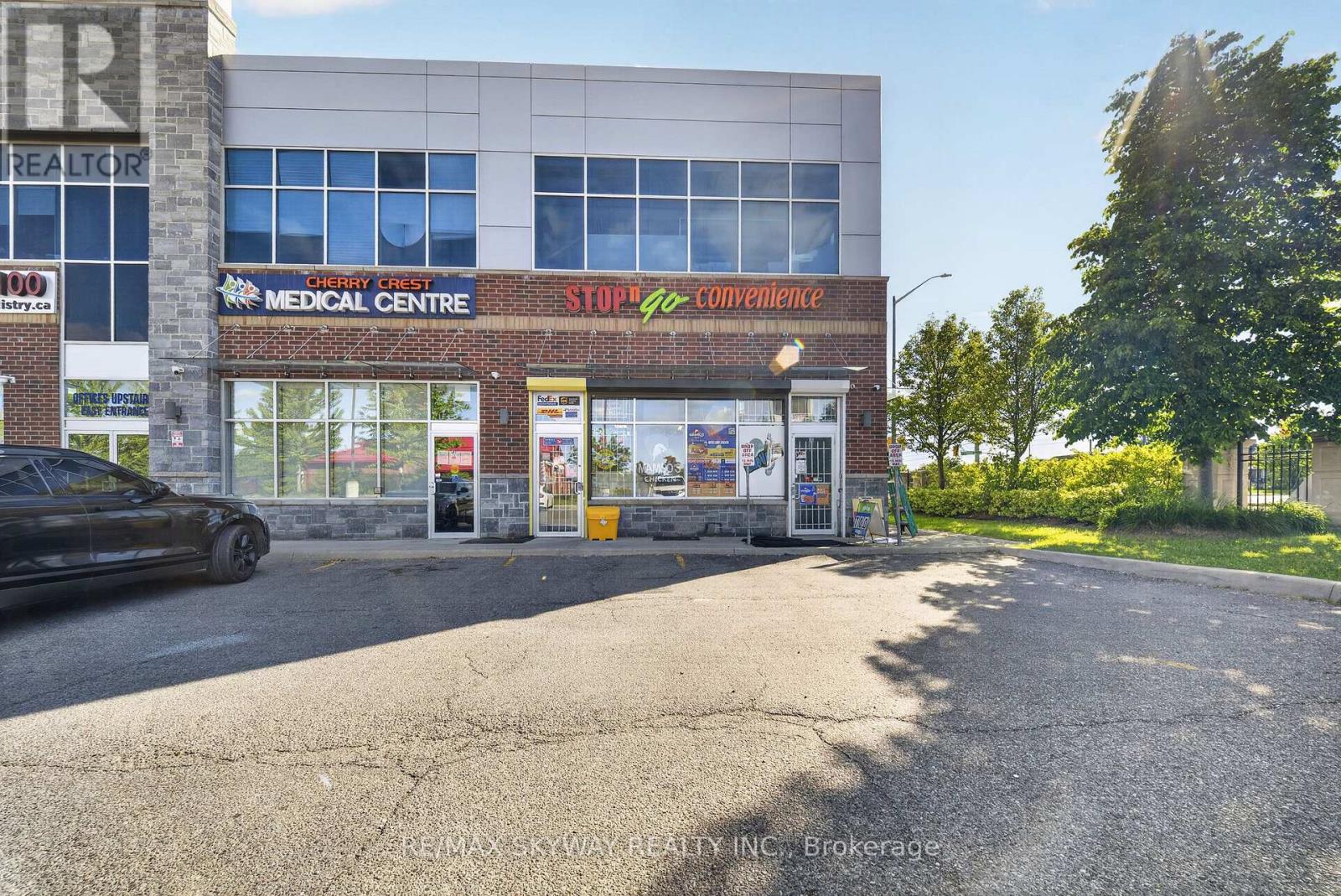
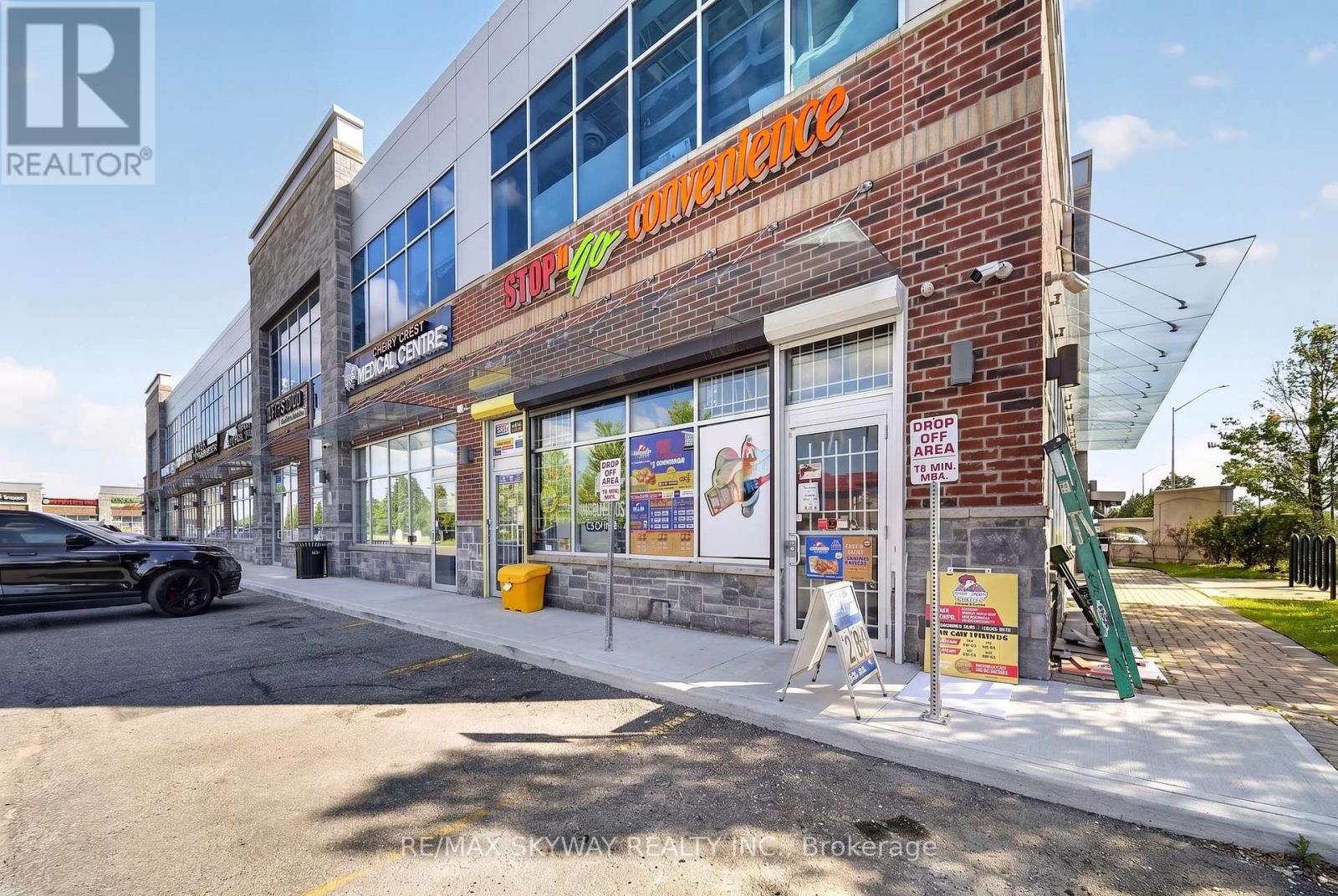
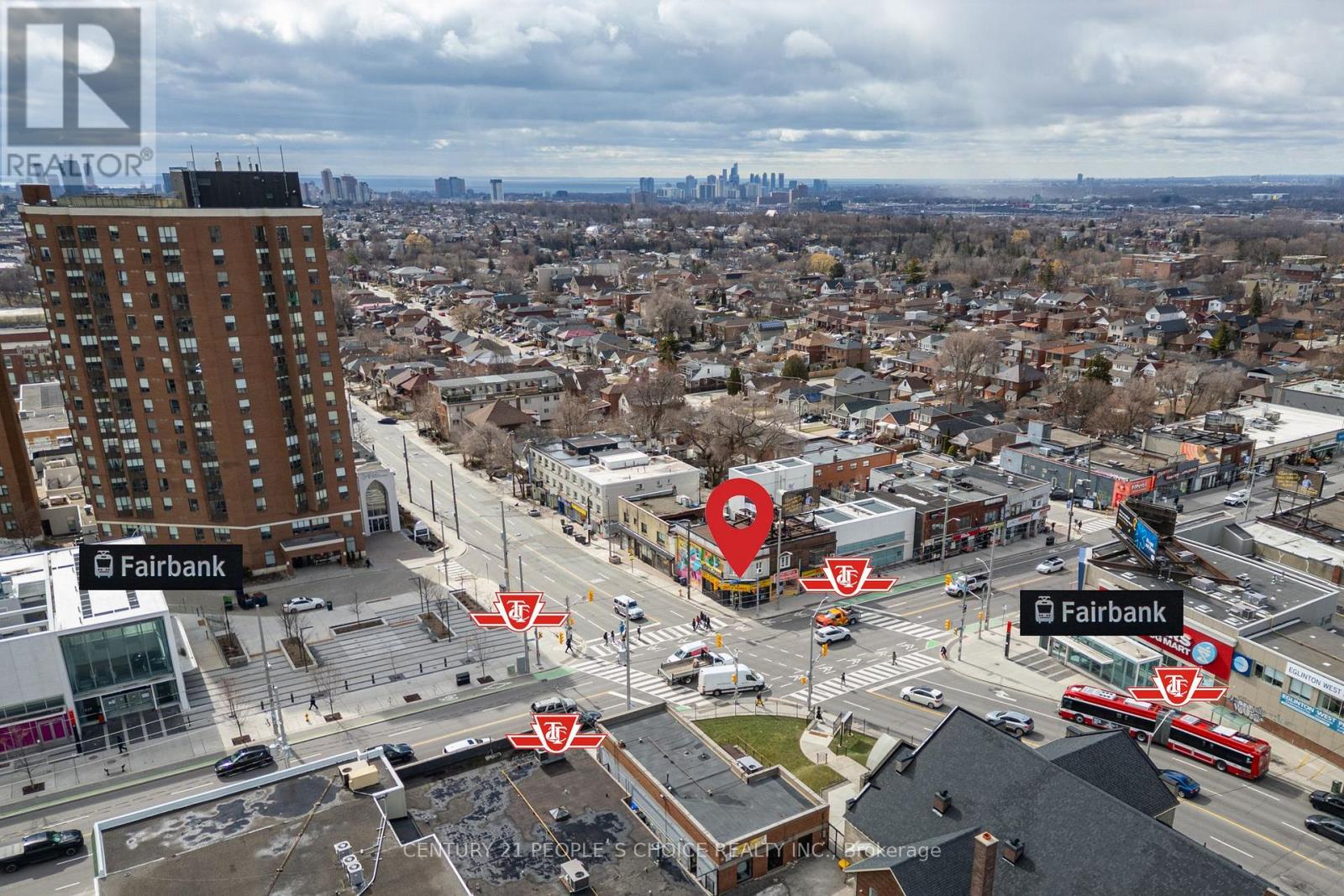
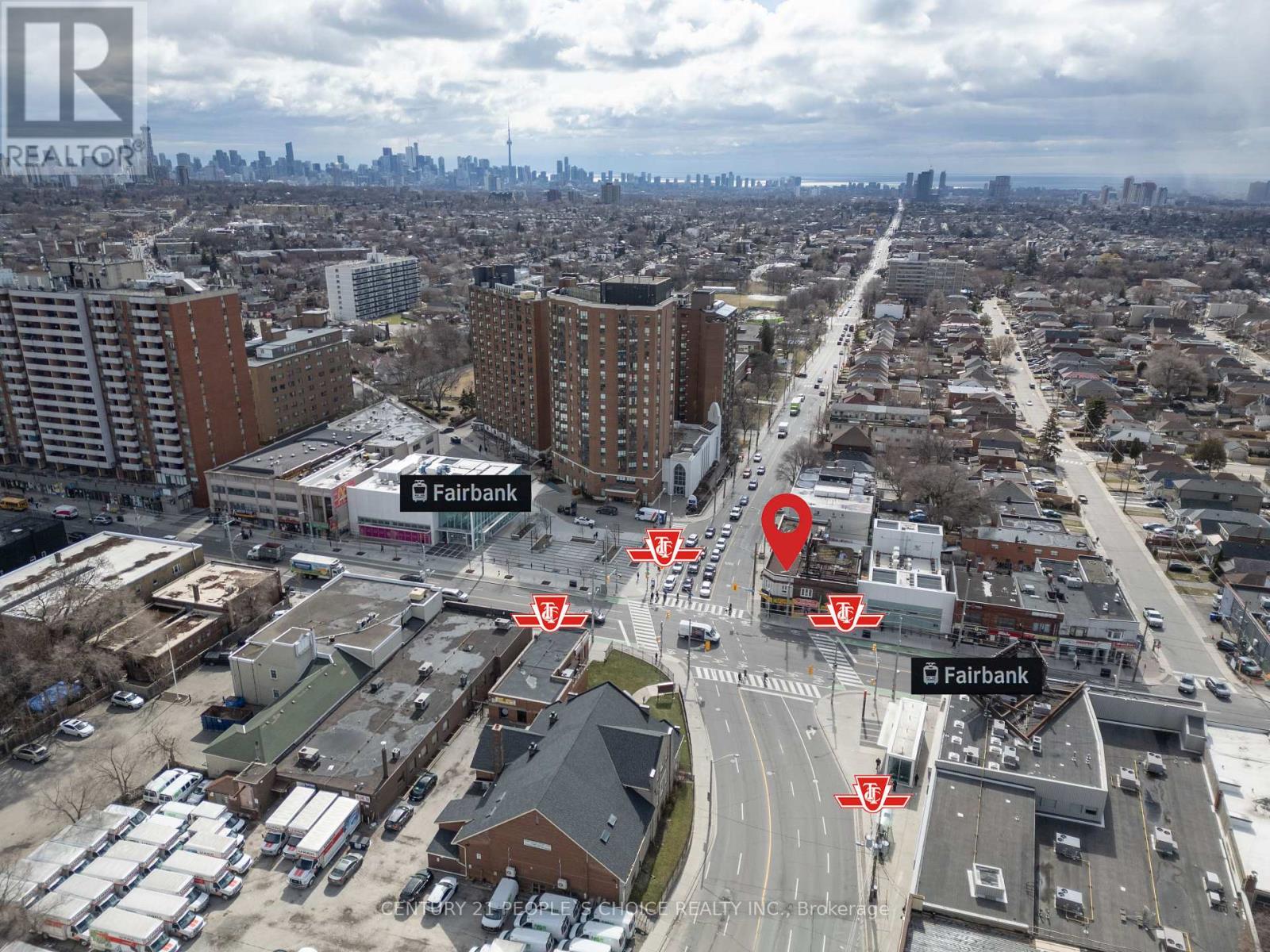
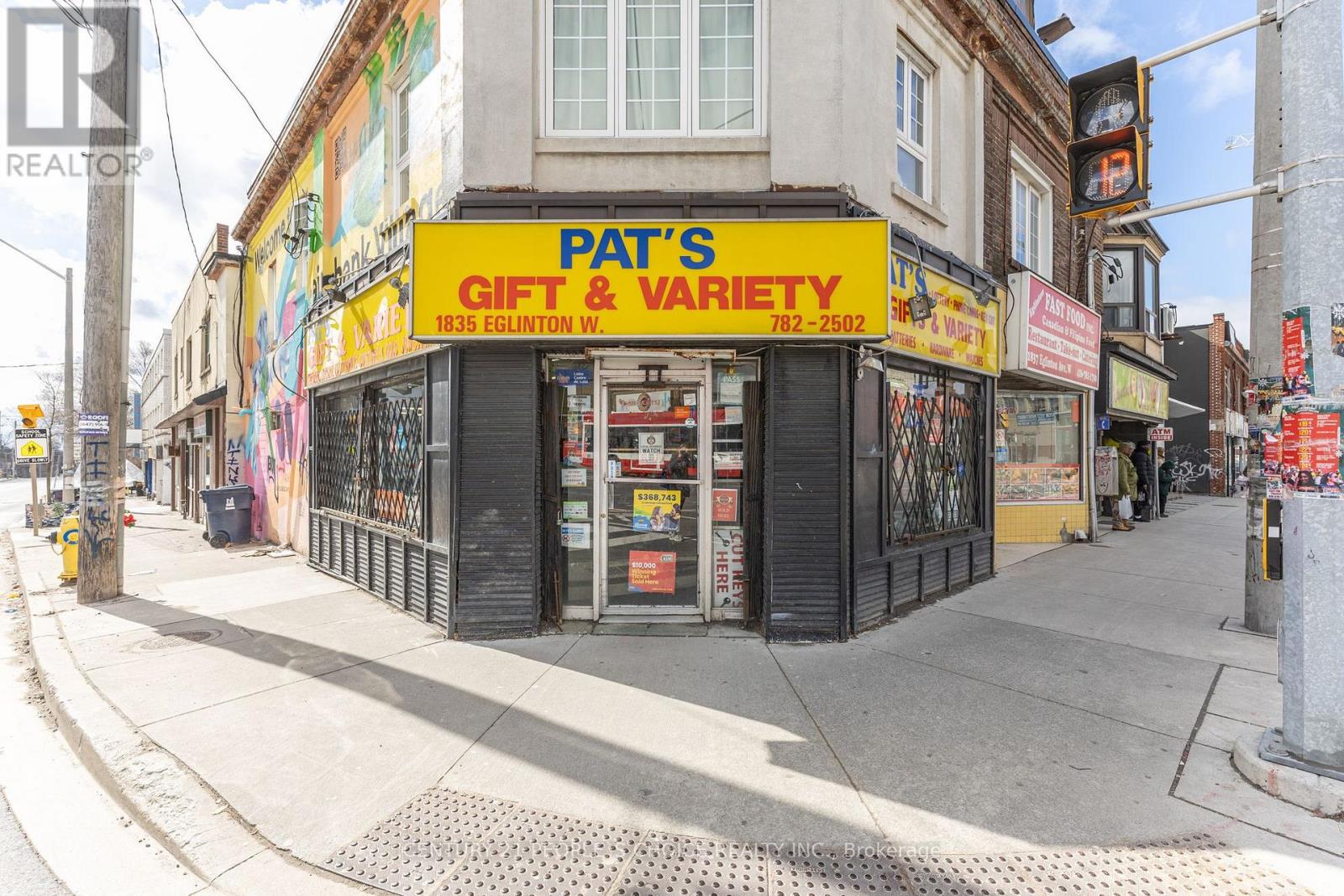
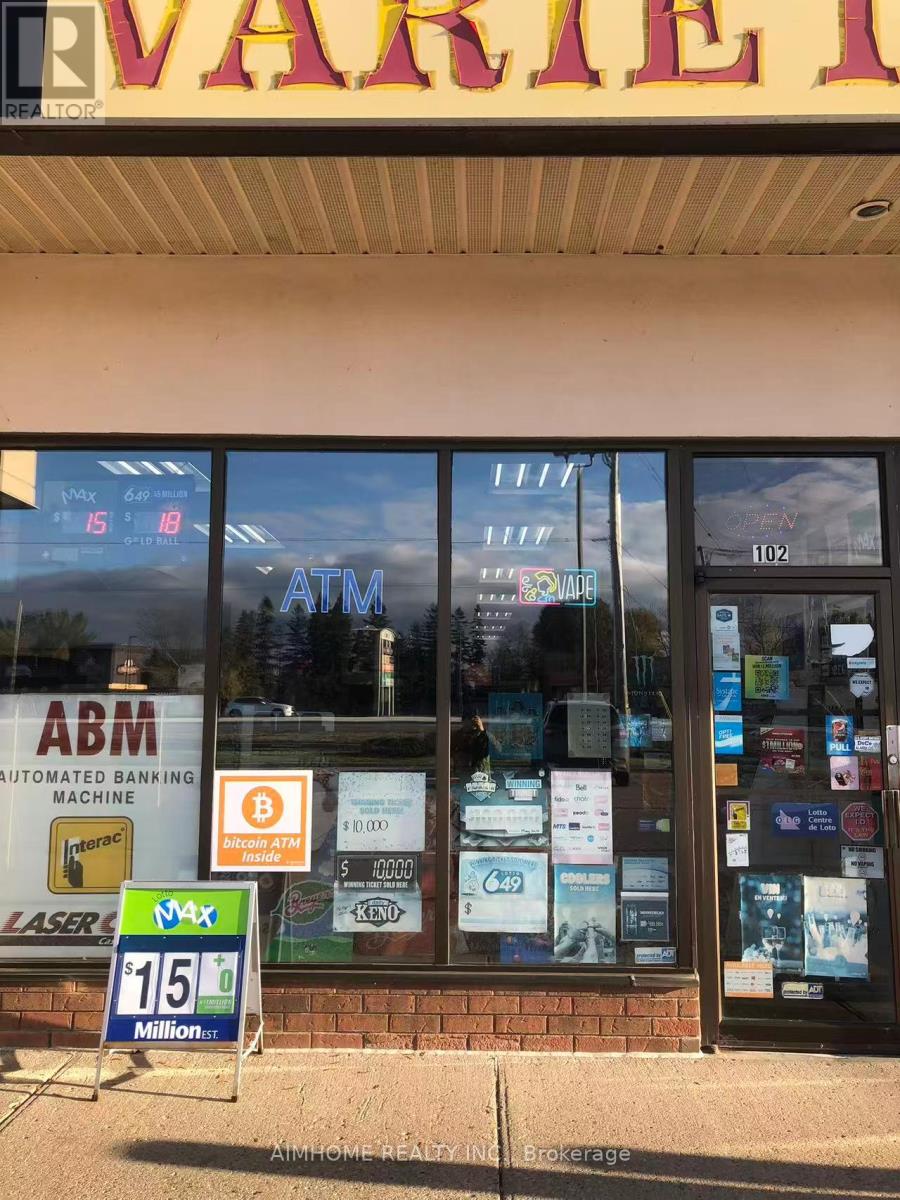
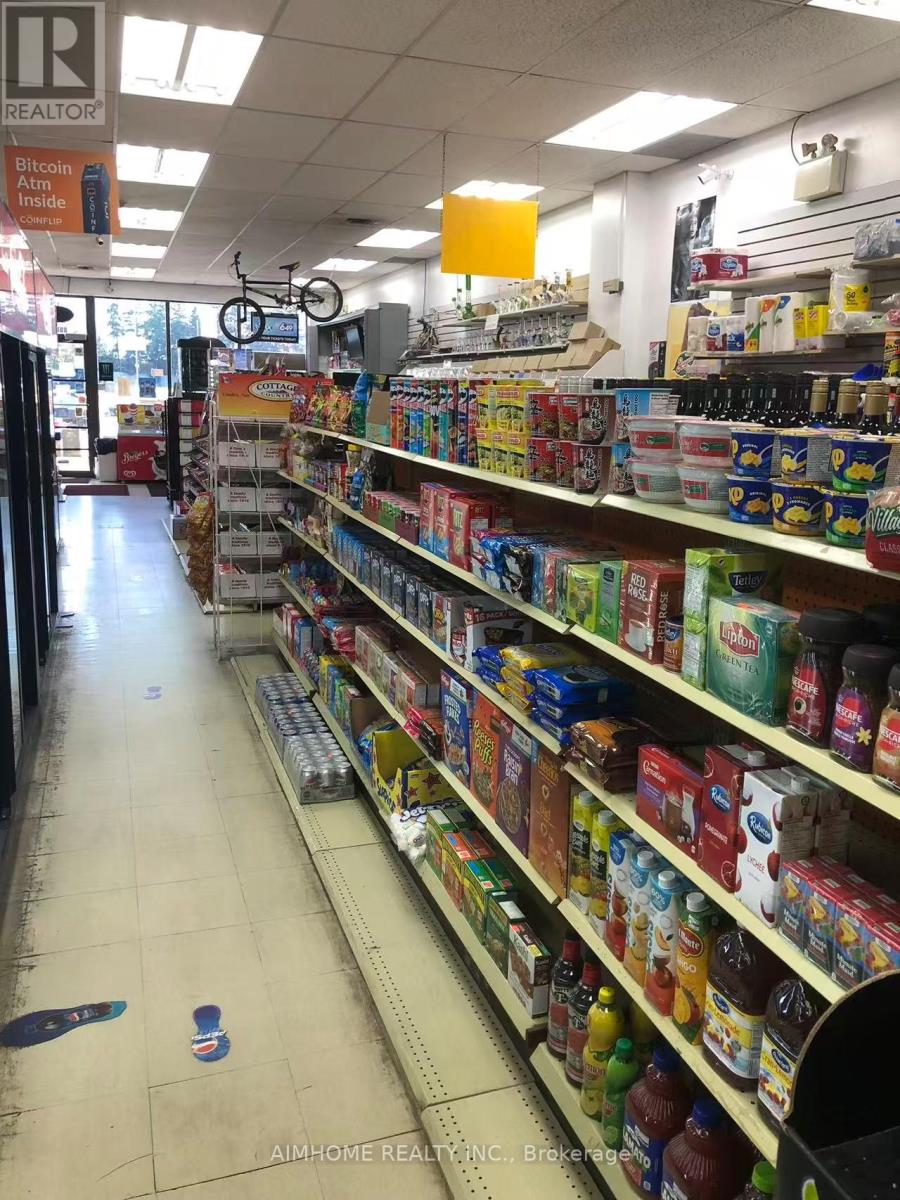
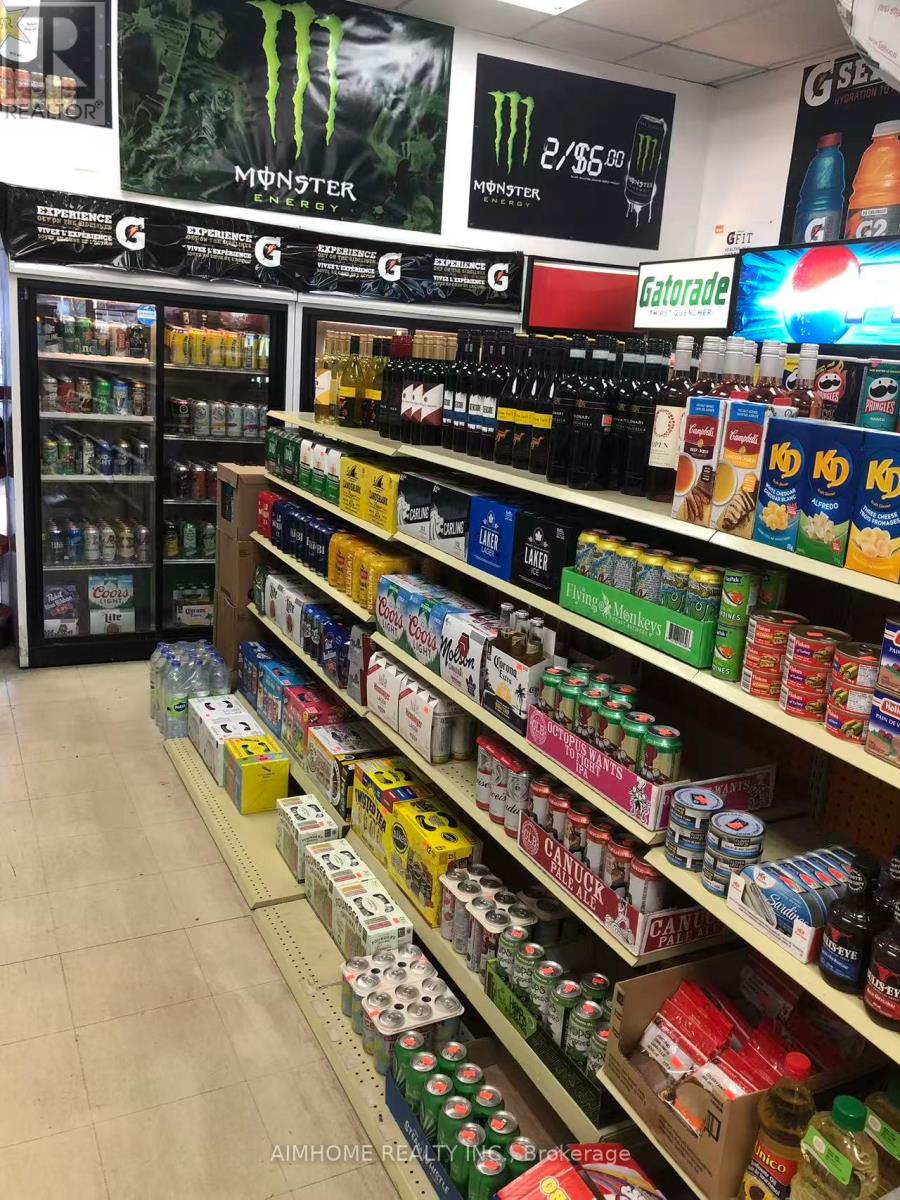
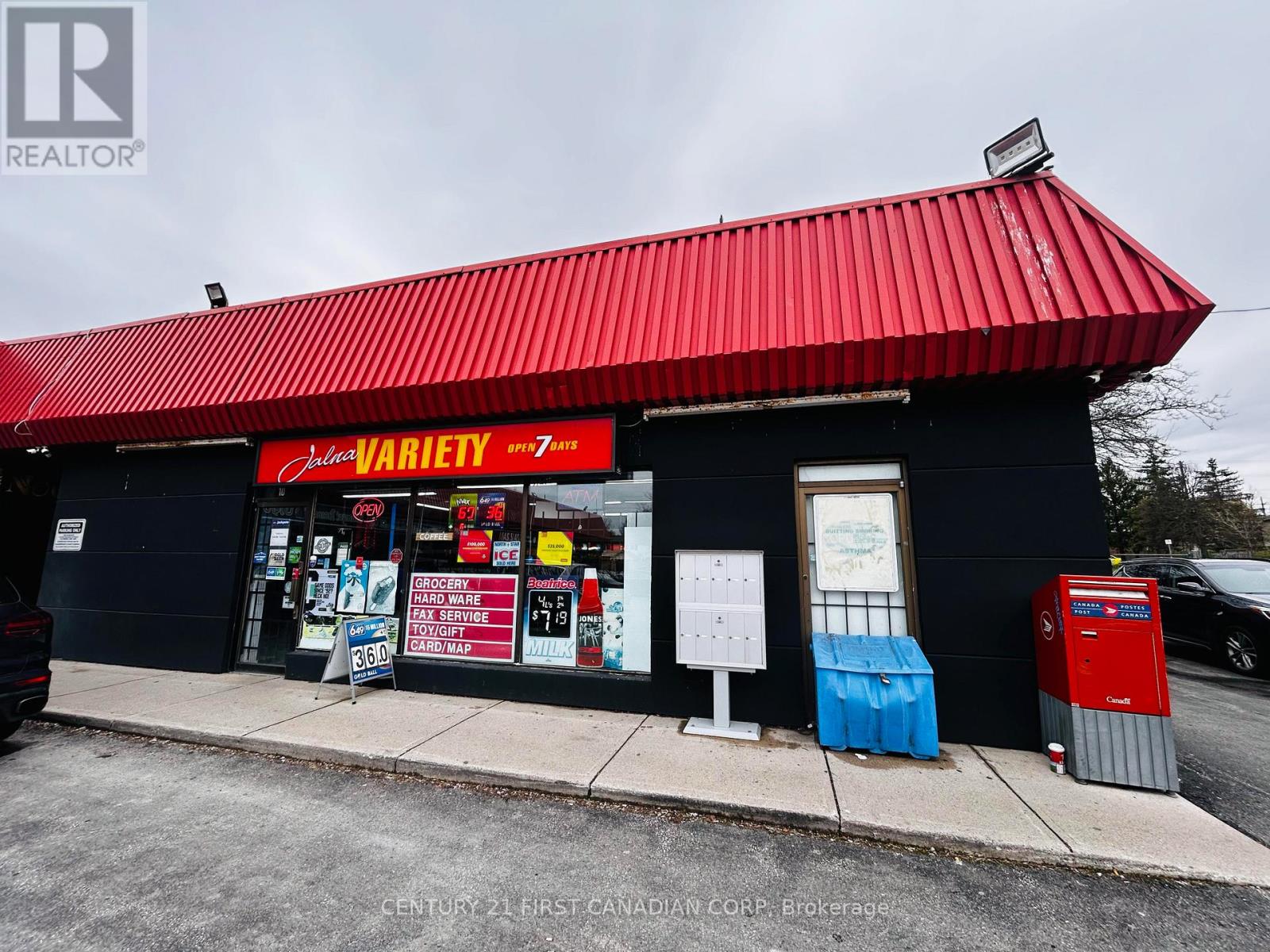
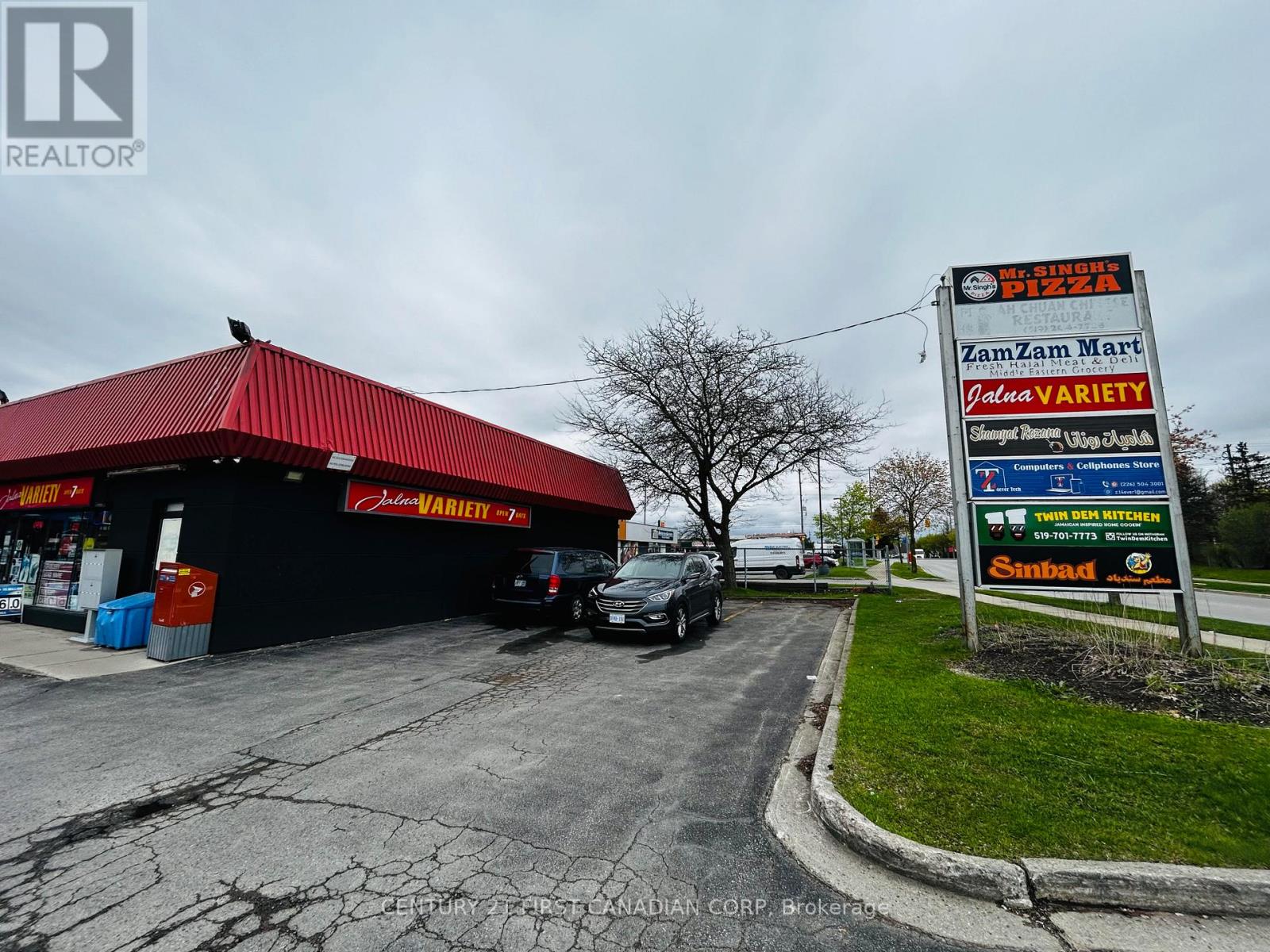
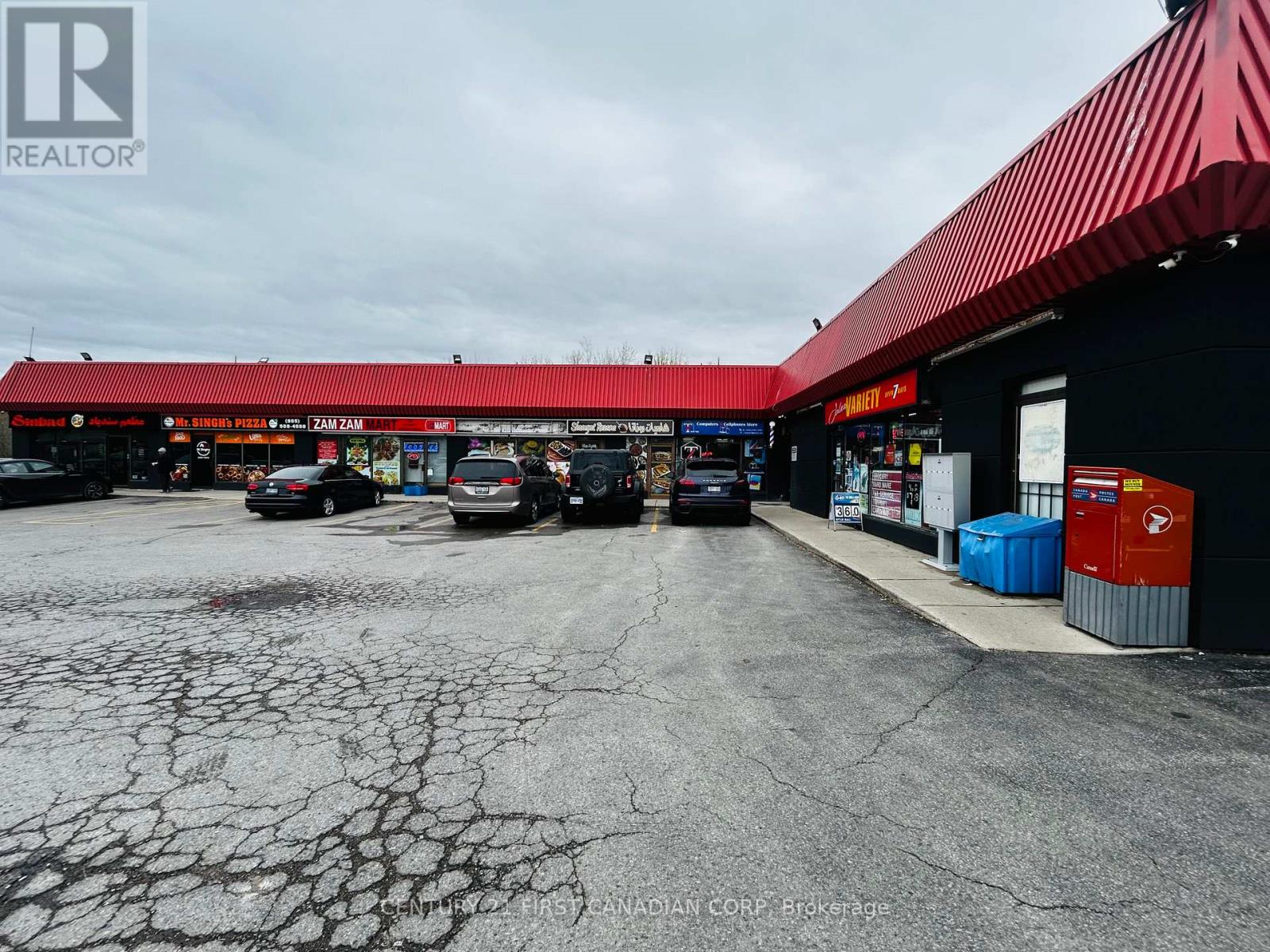
The average asking price for Convenience Stores : $325,485
The most viewed Convenience Stores listings on FBF are linked below:
| Convenience Store for Sale | Convenience Store for Sale | Convenience Store for Sale |
| Convenience Store for Sale | Convenience Store for Sale | Convenience Store for Sale |
Written by David Turner, M.A.
A convenience store business in Canada offers several compelling advantages for potential buyers. With a market size of $11.9 billion in 2023, this industry provides a stable foundation for entrepreneurial ventures, despite experiencing modest growth. Through careful location analysis and understanding of market trends, you'll find opportunities to establish yourself in this essential retail sector. With average store revenue at $715,300 and a 73.5% profitability rate, you'll want to confirm the specific location meets or exceeds these benchmarks.
Additionally, the convenience retail channel employs over 227,000 individuals and engages with over 10 million customers daily, showcasing its crucial role in the economy and community as a considerable contributor to local economies.
While current market dynamics show a slight decline in the industry's growth rate, convenience stores continue to demonstrate resilience through steady cash flow and consistent customer demand.
| Pros | Cons |
| Daily cash flow & consistent revenue | Thin profit margins & high competition |
| Simple operations & management | Long operating hours & staffing challenges |
| Essential business model resilience | Rising operational costs & shrinkage |
| Strategic location opportunities | Changing consumer preferences & regulations |
While the industry faces challenges from larger retailers and changing consumer habits, you're investing in a business model that's proven to weather economic fluctuations.
The key lies in understanding that despite lower profit margins compared to other retail ventures, convenience stores offer the freedom of being your own boss while providing essential services to your community.
Recent innovations in foodservice systems, such as retail innovations, highlight the importance of adapting to consumer demands for quality and convenience.
Despite challenges from larger retailers, convenience stores maintain their appeal through accessibility and quick service. The key to success lies in recognizing these trends and positioning your store to capitalize on emerging opportunities while managing traditional product lines effectively.
When searching for the right convenience store to purchase, establishing clear acquisition criteria will help you focus on properties that match your goals and capabilities.
|
Criteria Category |
Key Considerations |
Target Metrics |
|
Financial |
Annual Revenue, Profit Margins, Cash Flow |
$500K-$1M Revenue |
|
Location |
Demographics, Competition, Traffic |
High-density Area |
|
Operations |
Hours, Staff Size, Security |
24/7 or 16/7 |
You'll want to assess the store's historical performance, current market position, and growth potential while factoring in the changing retail landscape. Pay particular attention to the store's product mix and evaluate opportunities to diversify revenue streams through additional services or product offerings.
Each expert brings specialized knowledge that's essential for a successful convenience store acquisition, from conducting proper business valuation to exploring financing options.
| Professional | Key Responsibilities |
| Business Broker | Sources opportunities, negotiates deals, facilitates communication |
| Lawyer | Reviews contracts, guarantees legal compliance, protects your interests |
| Accountant | Analyzes financial, assesses tax implications, validates statements |
| Lender | Evaluate creditworthiness, structure financing, provide capital |
You'll want to assess how nearby competitors are adapting to these changes and identify potential opportunities they might be missing. Consider factors such as their product mix, pricing strategies, operating hours, and unique value propositions. Additionally, evaluate their customer service quality, store layout, and technological implementations.
Focus your analysis on stores within a 3- to 5-kilometer radius, noting their strengths and weaknesses. Document their foot traffic patterns, peak business hours, and customer demographics.
When meeting with sellers, you'll want to focus on understanding their reasons for selling, daily operations, and key supplier relationships. Remember to verify all claims independently and consider engaging professional advisors to conduct due diligence.
Through detailed financial ratio analysis, you'll gain vital insights into the store's operational efficiency, profitability trends, and overall financial health.
| Key Financial Metrics | What to Analyze |
| Profit Margins | Compare against industry average of 73.5% profitability |
| Revenue Growth | Evaluate against industry benchmark of 0.8% growth |
| Operating Costs | Assess labor, inventory, and overhead expenses |
Pay particular attention to inventory turnover rates and gross margins across different product categories. Request monthly statements to identify seasonal patterns and verify the consistency of financial reporting.
If you're dealing with leased property, carefully review the lease terms, including duration, renewal options, and any rent escalation clauses. Pay particular attention to assignment provisions that'll determine your ability to take over the existing lease.
If it is an owned property, conduct inspections to identify any structural issues, code violations, or environmental concerns that could affect your investment. You'll also need to verify zoning requirements, easements, and any encumbrances on the title.
When examining the assets, don't just focus on their current condition—consider their remaining useful life and potential replacement costs.
| Asset Category | Valuation Considerations | Impact on Operations |
| Equipment | Age, maintenance history, replacement cost | Daily functionality |
| Fixtures | Condition, modernization needs, lease terms | Store layout efficiency |
| Inventory | Turnover rate, shelf life, supplier terms | Working capital needs |
| Technology | POS systems, security equipment, software | Process automation |
You'll want to verify that all equipment meets current safety standards and regulatory requirements. Pay special attention to high-value items like refrigeration units, security systems, and POS terminals.
When planning your acquisition financing, you'll need to account for both immediate and ongoing expenses to guarantee a smooth shift and sustainable operation.
Additionally, engaging with resources from the CICC can offer invaluable information about compliance and operational standards that will enhance your business's success.
Your post-completion budgeting should include provisions for multiple expense categories that will impact your business operations:
You'll want to secure sufficient funding to not only complete the purchase but also maintain operations through any potential market fluctuations or unexpected expenses during the critical first year of ownership.
A thorough business appraisal will typically employ three primary valuation methods to determine a fair market price. The income-based approach calculates multiples of EBITDA (earnings before, interest, taxes, depreciation & amortization) or SDE (seller discretionary earnings), which typically range from 2 to 4 times earnings for convenience stores.
When preparing your conditional offer or Letter of Intent (LOI) for a convenience store purchase, you'll need to carefully consider whether to structure the deal as an asset sale or a share sale, while also exploring the possibility of seller financing to make the transaction more feasible.
As part of your offer conditions, you'll want to include requirements around verifying all necessary operating licenses and permits are transferable and remain valid post-sale, guaranteeing compliance with local regulations.
Additionally, your offer should outline specific terms for a thorough seller training and transition period.
Deciding between an asset sale and a share sale represents one of the most crucial decisions you'll make when purchasing a convenience store. Your choice will greatly impact tax implications, liability exposure, and business structure considerations.
| Consideration | Asset Sale | Share Sale |
| Tax Impact | Generally favorable for buyer | More favorable for seller |
| Liability | Limited to acquired assets | Assumes all liabilities |
| Complexity | More straightforward | More complex documentation |
An asset sale allows you to purchase specific assets and liabilities, providing you with greater flexibility to selectively acquire what you desire. This option often provides better tax advantages through depreciation write-offs and helps minimize inherited risks.
Conversely, a share sale involves purchasing the company's stock, meaning you'll acquire everything—including unknown liabilities and potential legal issues. However, share sales typically involve less disruption to business operations since contracts, licenses, and permits usually transfer seamlessly.
Consider requesting that the seller finance 15-30% of the purchase price, particularly if you're acquiring a profitable convenience store with stable revenue trends. This arrangement can help bridge any funding gaps while potentially securing more favourable terms than traditional lenders offer.
When structuring your seller financing proposal, outline specific terms, including the proposed interest rate, repayment schedule, and any security arrangements you're willing to provide. Additionally, emphasize how this arrangement allows the seller to earn interest income while providing you with their invaluable industry expertise during the adjustment period.
Remember to include the seller financing terms as a condition in your conditional offer or LOI, making it clear that the deal's completion depends partly on reaching a mutually acceptable financing arrangement that benefits both parties.
Before proceeding with your purchase, you'll need to verify several critical licenses and permits:
Given that the convenience store industry in Canada faces increased regulatory oversight, you'll want to carefully examine all existing permits to guarantee they're transferable to you as the new owner.
Additionally, consider any upcoming regulatory changes that might affect permit requirements or operating regulations in your area.
During this significant time, you'll need to establish clear seller expectations and develop thorough transition strategies that guarantee a smooth transfer of operations.
This document should specify how long the current owner will remain available for consultation, typically ranging from 30 to 60 days after closing. Additionally, you'll need to address knowledge transfer regarding day-to-day operations, including POS systems, ordering procedures, and vendor contracts.
When approaching lenders, you'll need to demonstrate your understanding of various financing options and show how you'll maintain profitability despite increasing competition from supermarkets.
Your business plan must highlight how you'll adapt to changing market conditions and maintain strong cash flow. Consider these critical elements:
Your plan should also outline your operational approach, staffing requirements, and marketing strategies that will help you capture market share in this highly fragmented industry.
During the final stages, you'll need to coordinate with your lawyer to review all purchase agreements, lease assignments, and inventory transfer documents. Your financial advisor should verify that your chosen financing options align with the store's current performance metrics and future growth potential.
Before signing the final papers, conduct a detailed walkthrough of the store to verify that all equipment, inventory, and fixtures match the agreed-upon terms. You'll also want to establish relationships with key suppliers and understand existing employee contracts.
Once you're satisfied with all aspects of the deal, work with your legal team to coordinate the transfer of funds, keys, and operational control. Remember to obtain all security codes, operational manuals, and vendor contact information during the handover process.
Purchasing a convenience store in Canada can be your gateway to owning a business that's more reliable than the North Star. While you'll need to navigate through mountains of regulations, market analysis, and financial considerations, the potential for success in this $11.9 billion industry remains strong.
By following these key steps, conducting thorough due diligence, and staying informed about industry trends, you're well-positioned to make a smart investment in Canada's convenience store sector.
You'll need to navigate federal, provincial, and municipal requirements while ensuring your store meets all licensing requirements and health regulations.
| Regulatory Level | Key Requirements | Renewal Period |
| Federal | GST Registration, Tobacco License | Annual |
| Provincial | Retail License, Lottery Permit | 2-3 Years |
| Municipal | Business Permit, Signage Approval | Annual |
| Health Department | Food Handler Certification | 3-5 Years |
| Safety Standards | Fire Safety, Security Systems | Annual |
Before finalizing your convenience store purchase, you'll want to verify that the existing business has maintained compliance with all regulatory requirements. This includes checking the status of current permits, reviewing inspection records, and ensuring all licenses are transferable.
You'll also need to coordinate with various government agencies to update or obtain new permits under your ownership, a process that typically takes 30-60 days depending on your location and the scope of your operations.
When you're planning to invest in a convenience store, having access to accurate industry statistics and market analysis can make the difference between success and failure.
To effectively navigate the convenience store sector, you'll want to leverage these essential information resources:
Understanding these resources helps you make data-driven decisions about store location, product mix, and pricing strategies.
While the convenience store sector's revenue growth has been modest at 0.8% in 2023, knowing where to find reliable market analysis enables you to identify untapped opportunities and potential challenges. This knowledge becomes particularly valuable when evaluating specific stores for purchase or planning your operational strategy.
A: As a convenience store owner, you'll likely dedicate 70–80 hours a week to your work. Your store's daily operations fundamentally depend on your intense owner responsibilities and minimal work-life balance.
A: You'll need various insurance types, including liability, property, and inventory coverage. Your costs will vary based on factors like location, size, and claims history, typically ranging from $2,000 to $6,000 annually.
A: While thieves prowl and customers shop, you'll need surveillance cameras, motion sensors, and panic buttons backed by trained staff who know emergency protocols. Don't forget well-lit spaces and secure cash handling procedures.
A: You can find various convenience stores for sale in Canada, including standalone c-stores, gas station convenience stores, variety stores, and general stores. Some may also include additional features like lottery sales or liquor stores. Many are well-established businesses in prime locations with steady customer bases.
A: The asking price for convenience stores can vary widely depending on factors such as location, size, and profitability. Prices can range from under $100,000 for smaller stores to over $1 million for larger, more profitable businesses or those with valuable real estate. It's important to consider the store's financial performance and potential when evaluating the asking price.
A: When considering a convenience store for sale, look for factors such as a prime location with high foot traffic, a loyal customer base, modern convenience features, and potential for growth. Evaluate the store's financial performance, including sales figures and profit margins. Furthermore, consider whether it's a turnkey operation and if there are any additional revenue streams like lottery sales or gas pumps.
A: Purchasing an existing convenience store often comes with benefits such as an established customer base, proven cash flow, and existing supplier relationships. You'll also have historical financial data to review. Many stores for sale are turnkey operations, allowing you to start generating income immediately. Starting a new store, while potentially less expensive upfront, may require more time and effort to build a customer base and become profitable.
A: Yes, many convenience stores for sale come with additional revenue streams. Common combinations include convenience stores with gas stations (such as Esso gas stations), lottery sales, or liquor stores. Some listings may even offer two businesses for the price of one, such as a convenience store paired with another retail operation. These combination businesses can provide diversified income streams and potentially higher profitability.
A: Prime locations for convenience stores typically include high-traffic areas with a steady flow of customers. Look for stores in busy residential areas, near shopping centres, in bustling city neighbourhoods, or along major commuter routes. Cities like Edmonton and North York often have lucrative c-store opportunities. Additionally, stores located near schools, offices, or tourist attractions can benefit from regular foot traffic.
A: The lease is a crucial factor when purchasing a convenience store. Look for stores with favourable lease terms, such as low rent and a long-term agreement. Some listings may even include the opportunity to purchase the commercial property outright. Be sure to review the lease carefully and understand any restrictions or upcoming renewals that could impact the business.
A: While prior retail or business management experience can be advantageous, it's not always necessary to run a convenience store successfully. Many stores for sale are well-established with systems already in place, making them suitable for first-time business owners. However, you should be prepared for long hours, have good customer service skills, and be willing to learn about inventory management, pricing strategies, and local regulations.

Data is supplied by CREA who is the owner of the copyright in its MLS®System. Data provided is deemed reliable but is not guaranteed accurate by CREA. The trademarks MLS®, Multiple Listing Service® and the associated logos are owned by The Canadian Real Estate Association (CREA) and identify the quality of services provided by real estate professionals who are members of CREA. Used under license.