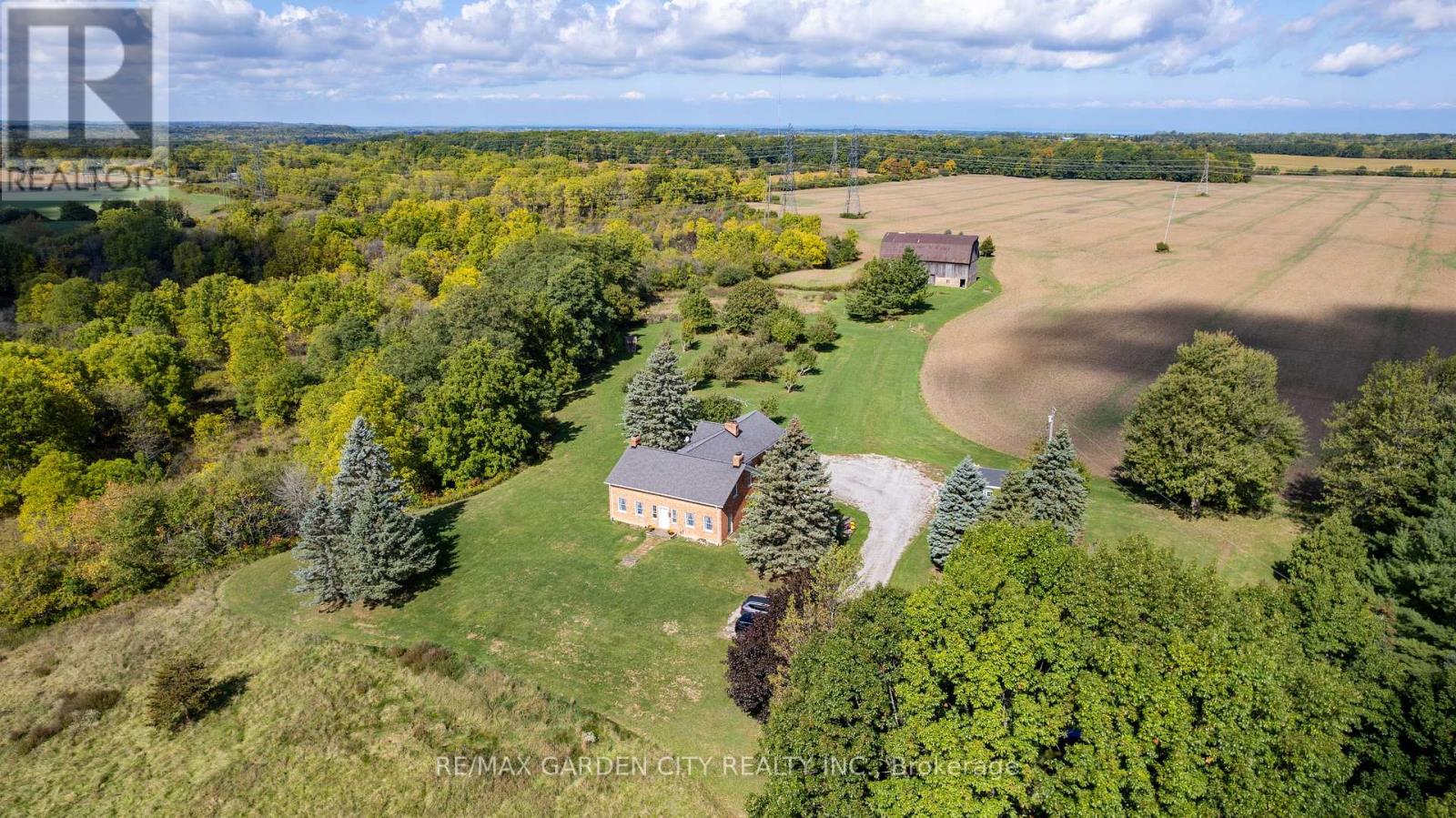
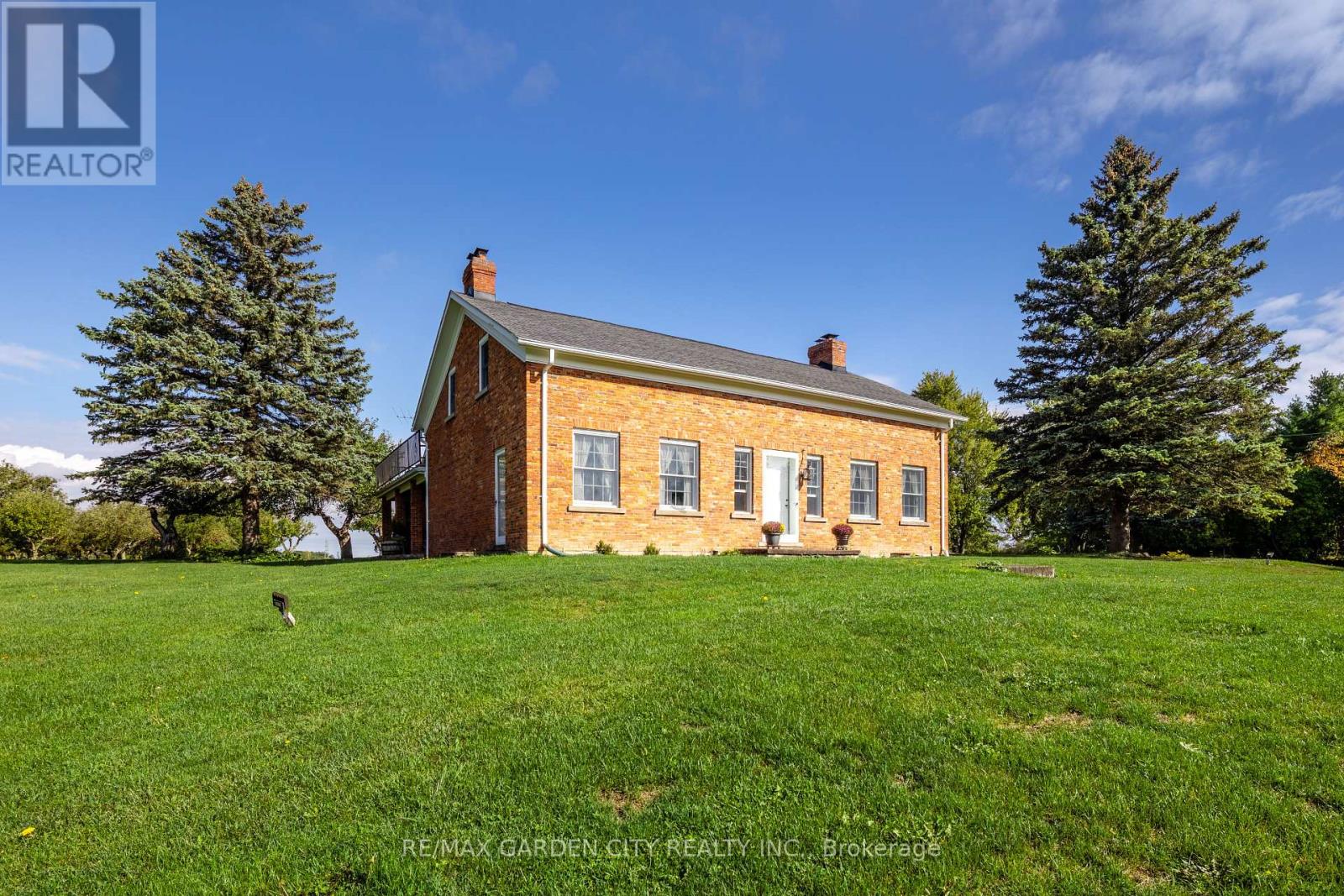
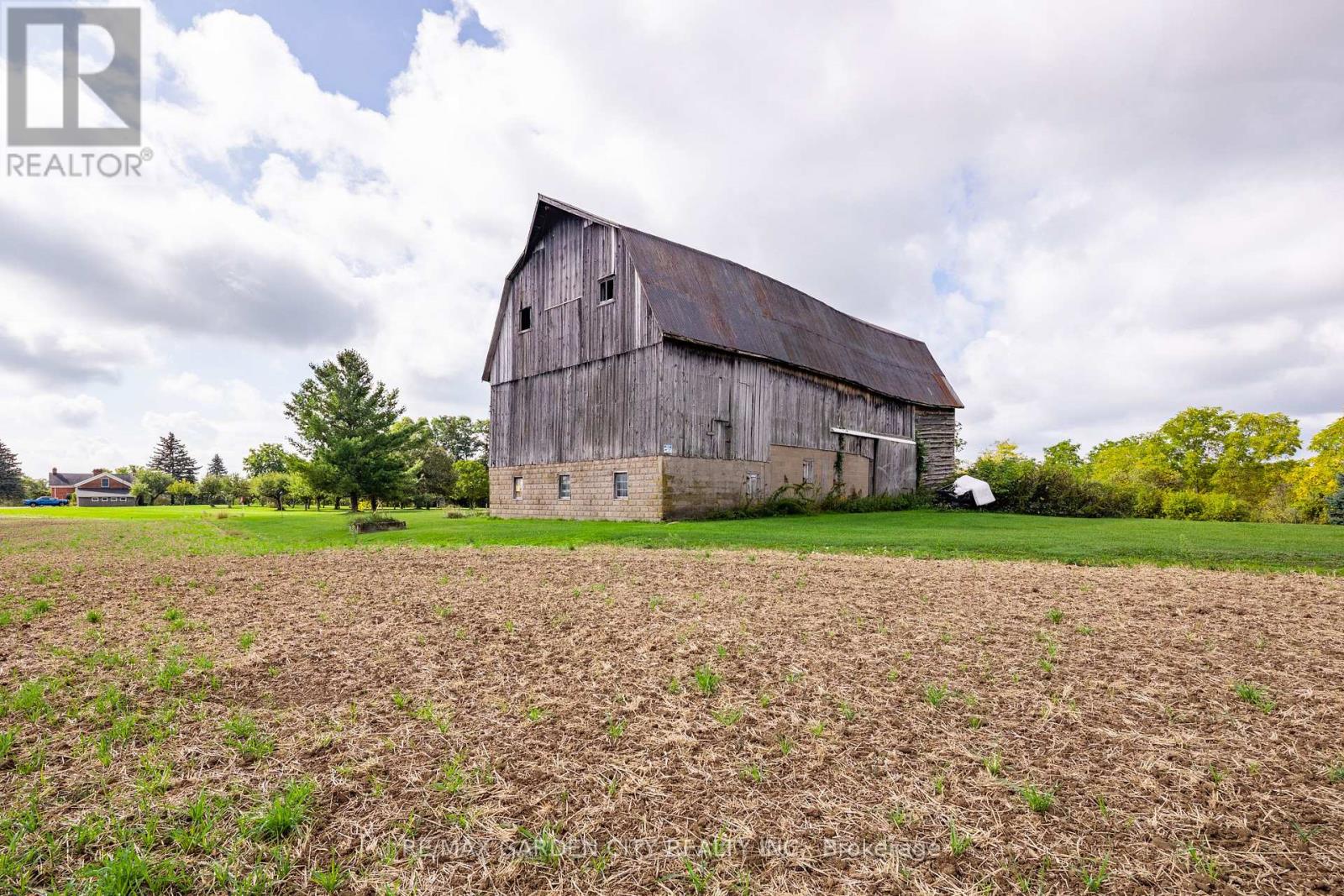
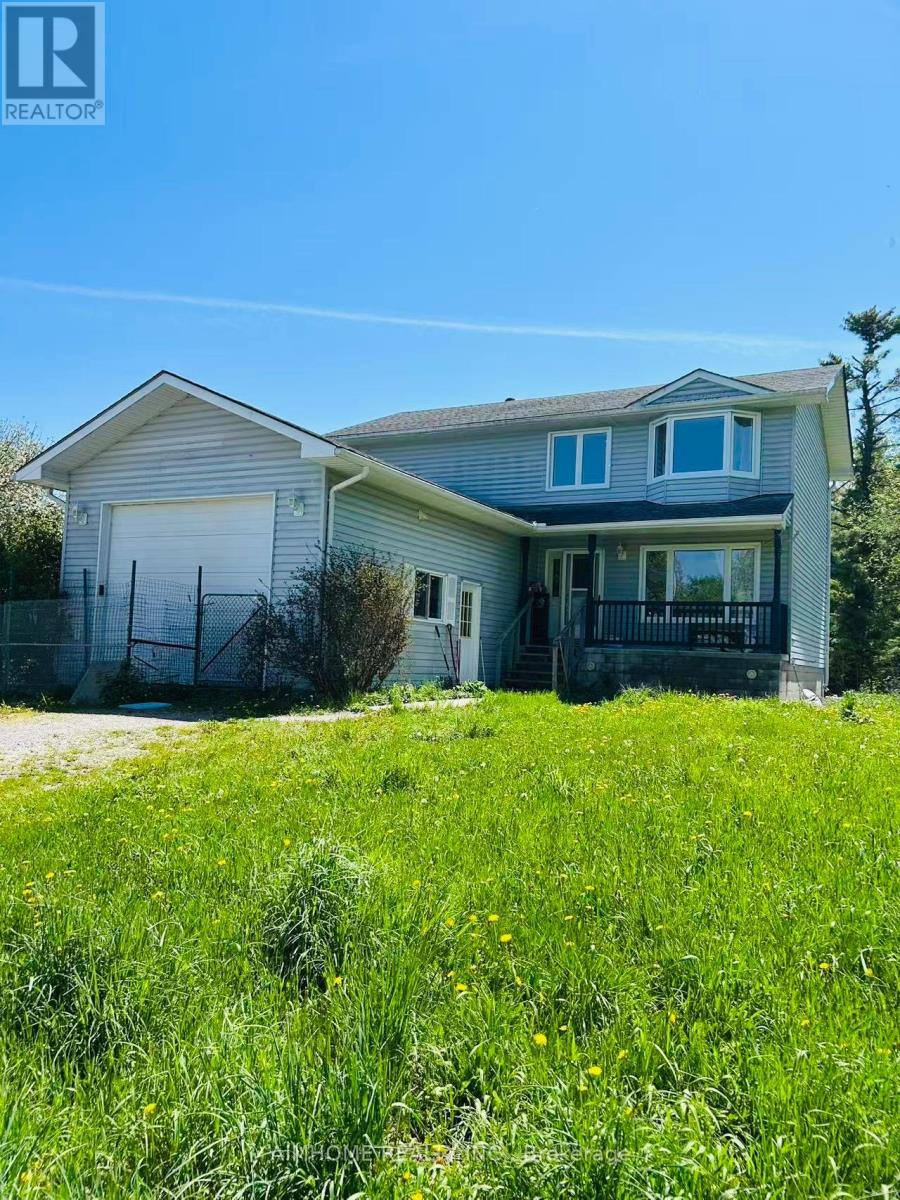
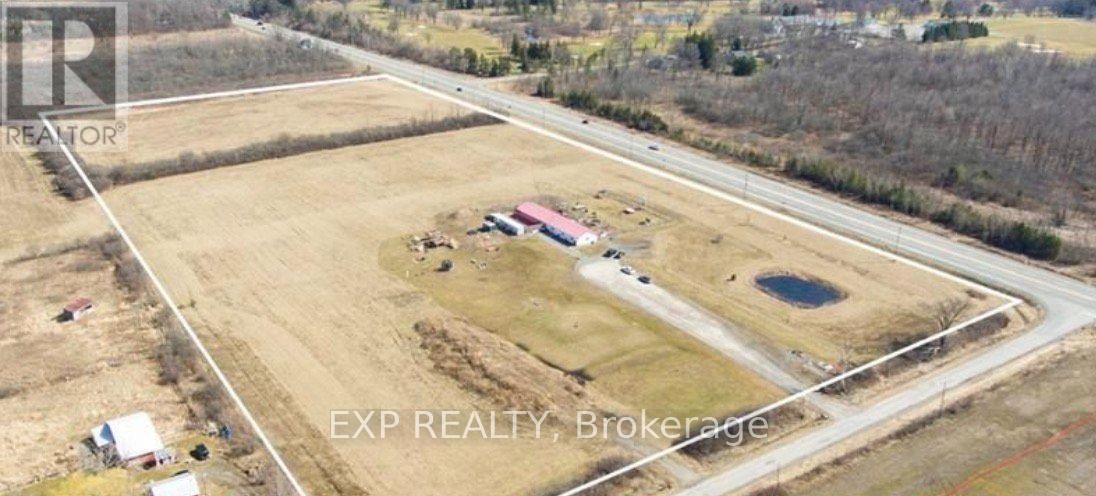
The average asking price for Farms : $2,711,594
The most viewed Farms listings on FBF are linked below:
| Farm for Sale | Farm for Sale | Farm for Sale |
| Farm for Sale | Farm for Sale | Farm for Sale |
Written by David Turner, M.A.
When buying a farm business in Canada, you'll need to conduct thorough due diligence by evaluating soil quality, water rights, and existing infrastructure. Develop an extensive business plan, verify provincial ownership restrictions, and assess municipal zoning requirements. Secure appropriate financing through agricultural lenders, and investigate tax exemptions specific to farm operations. Consider market viability through regional agricultural trends and consumer demands for organic or sustainable products. Further examination of regulatory compliance will reveal additional critical considerations.
The financial implications of farm ownership can be substantial, but current market trends suggest that agricultural land continues to be a stable long-term investment. While property values have shown consistent appreciation over time, you'll need to carefully evaluate your capital reserves and financing options.
Considering the financial and lifestyle implications before purchasing agricultural land necessitates a thorough analysis of the advantages and disadvantages inherent to farm ownership in Canada's diverse agricultural landscape.
|
Aspect |
Pros |
Cons |
|
Financial |
Build equity, tax benefits |
High initial investment, ongoing maintenance costs |
|
Operational |
Complete control, flexibility |
Full responsibility, steeper learning curve |
|
Market Position |
Asset appreciation, income diversity |
Exposure to market volatility, weather risks |
Before making your decision, consider that owning a farm business provides you with complete operational control and the freedom to implement your vision. However, this independence comes with significant responsibilities, including maintaining infrastructure, managing employees, and ensuring regulatory compliance.
You'll need to develop thorough business plans that account for seasonal variations, equipment needs, and potential market fluctuations. While the initial investment may be substantial, the potential for building long-term wealth through both land appreciation and agricultural operations can make farm ownership a rewarding venture.
Read more
A successful farm purchase begins with establishing clear acquisition criteria that align with your goals and resources. Before diving into land investment opportunities, you'll need to carefully evaluate your financial capacity, desired location, and intended agricultural activities. Understanding your parameters will help streamline your search and guarantee you're making a sound farm financing decision.
Consider creating a structured evaluation framework that encompasses your must-haves and deal-breakers. You'll want to account for both immediate needs and future expansion possibilities while remaining realistic about your budget constraints.
|
Criteria Category |
Essential Requirements |
Flexible Considerations |
|
Property Size |
Minimum acreage needed |
Additional land for growth |
|
Infrastructure |
Basic building condition |
Upgrades potential |
|
Location |
Maximum distance from markets |
Community amenities |
|
Land Quality |
Soil type requirements |
Conservation options |
Once you've defined your criteria, you can effectively filter available properties and focus your search on farms that truly match your objectives. Remember that while it's important to maintain some flexibility, staying true to your core requirements will help prevent emotional decisions that could compromise your farming success.
When maneuvering Realtor selection, you'll need experienced professionals who understand agricultural properties and can guide you through complex regulatory requirements. Your team should include a real estate broker specializing in farm properties, an agricultural lawyer, a tax-savvy accountant, and a lender familiar with farm financing options.
|
Professional |
Primary Role |
Key Considerations |
|
Farm Broker |
Property Search & Negotiations |
Experience with agricultural deals |
|
Agricultural Lawyer |
Legal Documentation & Compliance |
Knowledge of farming regulations |
|
Accountant |
Tax Planning & Structure |
Farm tax expertise |
|
Agricultural Lender |
Financing Options |
Understanding of farm valuations |
|
Insurance Agent |
Risk Management |
Farm-specific coverage options |
Your broker will help identify suitable properties while your lawyer guarantees compliance with agricultural laws and regulations. The accountant's role involves structuring the purchase to maximize tax benefits, while your lender will maneuver various financing options, including specialized agricultural loans and government programs.
You'll need to systematically evaluate potential properties based on your predetermined criteria, including land quality, infrastructure condition, and location accessibility.
While online listings provide initial insights, nothing replaces firsthand inspection of prospective farms. For optimal property searches, utilize specialized agricultural websites and connect with real estate agents experienced in farm transactions.
During seller negotiation, maintain a professional yet approachable demeanor while gathering essential information about the property's history, current operations, and any potential challenges or opportunities.
Remember to document everything during your visits, including photographs, notes about soil conditions, and details about water sources. Don't hesitate to schedule multiple visits at different times to observe seasonal variations and potential issues.
With Canada's position as the fifth largest agri-food exporter globally, evaluating potential crop export opportunities is essential for long-term success.
You should also carefully review the property title, any access easements, and thoroughly understand all provincial, regional, and local agricultural policies that could affect your farming operations.
It's fundamental to confirm specific land use permissions, development restrictions, irrigation rights, and clearing policies that will impact your ability to operate the farm effectively and maximize its potential value.
When examining property size, you'll need to consider your immediate operational needs as well as potential future expansion. Given that agricultural land values have shown consistent growth of 4.8% annually since 2005, careful property size selection is critical for long-term investment success. A thorough analysis of the acreage should account for usable farmland, conservation areas, and building sites.
The geographic location will greatly impact your farm's success, affecting factors like soil quality, climate conditions, and market accessibility. You'll want to evaluate land accessibility and proximity to major transportation routes, which can influence your ability to move products efficiently to market.
Access to essential rural amenities and public services can't be overlooked. You'll need to verify the availability and reliability of utilities, including water sources, electrical infrastructure, and internet connectivity.
Additionally, consider the distance to important services such as equipment suppliers, veterinary care, and processing facilities. The property's proximity to these resources will directly affect your operational costs and efficiency.
You'll need to understand how each jurisdiction's policies might affect your farming operations, including restrictions on land use, water rights, and environmental requirements. Many regions offer government programs and agricultural incentives that could benefit your operation, but you'll need to guarantee your planned activities align with local bylaws.
Understanding sustainable farming practices and environmental stewardship programs will be essential for long-term success, as these align with federal priorities for the sector.
At the provincial level, you'll encounter regulations governing agricultural practices, pesticide use, and animal welfare standards.
Regional districts often manage land-use planning, drainage requirements, and development permits. Local municipalities control zoning, building permits, and property tax assessments.
You'll want to investigate potential restrictions on crop types, livestock numbers, and processing facilities specific to your area. Before proceeding with a purchase, it's vital to verify that your intended farming activities comply with all three regulatory levels.
Consider consulting with agricultural extension offices and local farming associations to understand available support programs and potential regulatory challenges that could impact your operation's profitability and growth potential.
You'll need to thoroughly research and verify the property's permitted land use designations, zoning restrictions, and development potential through both provincial and municipal authorities. With Canada's position as a leading agricultural exporter and its emphasis on technology-driven farming practices, ensuring compliance with modern agricultural standards is essential.
Before proceeding with your purchase, you should obtain written confirmation of the property's irrigation rights and water access permissions. This includes investigating existing water licenses, well permits, and irrigation infrastructure capabilities.
Additionally, you'll want to review any clearing restrictions or environmental protection orders that might affect your ability to expand farmable acreage or modify existing structures.
Your due diligence should also encompass a review of historical land use records, soil quality assessments, and drainage patterns.
Contact the local agricultural office to verify compliance with regional farming regulations and to understand any restrictions on specific agricultural activities. If you're planning future developments, you'll need to confirm that the property's current zoning allows for your intended use and that there are no pending changes to land use policies that could impact your operations.
A thorough title review stands as one of the most vital steps before making an offer on farmland. You'll need to carefully examine the property title to guarantee there aren't any liens, encumbrances, or other potential issues that could affect your ownership rights or future land use.
This investigation will reveal significant details about previous owners, outstanding mortgages, and any registered claims against the property. Consider seeking expert farm advice through government resources to help evaluate potential properties and their documentation.
When reviewing access easements, you'll want to verify that you have legal rights to reach all parts of the property, especially if some parcels are landlocked or separated by other properties. Pay particular attention to shared driveways, utility corridors, and water access points. It's important to understand any existing agreements with neighboring landowners and confirm whether these arrangements will transfer to you as the new owner.
You should also investigate whether there are any unregistered easements or informal access arrangements that could impact your farming operations. Don't hesitate to engage a qualified real estate lawyer who specializes in agricultural properties to help you navigate these complex legal matters and protect your interests during the purchase process.
Understanding your prospective property's soil composition, fertility levels, and potential contaminants will directly impact your farm's future productivity and profitability.
Through thorough soil testing, you'll gain valuable insights into nutrient levels, pH balance, and organic matter content that influence crop success. Your soil analysis should examine multiple locations across the property, as soil quality can vary considerably within a single farm.
Consider reviewing historical crop rotation patterns and agricultural practices, as these factors influence soil health and future remediation needs. Pay particular attention to drainage characteristics, erosion potential, and soil structure, as these elements affect long-term sustainability and management costs.
Additionally, investigate any previous industrial or agricultural activities that might've impacted soil quality through chemical residues or compaction. Request documentation of recent soil amendments, fertilization history, and past yields to establish baseline expectations for your farming operation.
Whether you're dealing with barns, storage facilities, or residential structures, their condition will greatly impact both your immediate operations and long-term investment value. Professional building inspections can reveal critical issues with foundations, roofing, electrical systems, and structural integrity that mightn't be apparent during casual walkthroughs.
Before making an offer, you'll want to secure detailed renovation estimates for any necessary repairs or upgrades. These costs should factor into your negotiation strategy and overall budget planning.
Pay particular attention to essential agricultural structures like grain storage facilities, dairy parlors, or equipment sheds, as their functionality directly affects your farm's operational capacity.
Consider whether existing buildings meet current agricultural codes and standards, as non-compliant structures may require substantial modifications. Don't overlook the potential for future expansion when evaluating building placement and condition.
A thorough evaluation of building infrastructure, including water systems, ventilation, and waste management facilities, will help you avoid unexpected expenses and guarantee your farming operation can begin efficiently from day one.
With today's emphasis on sustainable productivity growth and data-driven agriculture, equipment valuation has become increasingly complex and critical.
The valuation should carefully analyze the condition, age, and remaining useful life of all machinery, implements, and specialized farming equipment that would transfer with the property. This thorough assessment will help you understand the total value proposition and negotiate more effectively, while also identifying any equipment that may need replacement or significant repairs soon.
A professional farm business valuation serves as your vital first step in evaluating a potential farm purchase. An accredited appraiser will employ proven farm appraisal methods, including sales comparison, income, and cost approaches, to determine fair market value.
You'll gain vital insights into land value factors like soil quality, water rights, existing infrastructure, and proximity to markets - all essential for making an informed investment decision.

Request Some Partial Seller Financing
Submitting an offer with partial seller financing can greatly improve your chances of purchasing a farm property, especially if you're working with a tight budget. Through this approach, you'll request that the current owner finance a portion of the purchase price, which can considerably reduce your immediate capital requirements and potentially offer more favorable terms than traditional lenders.
When pursuing seller financing, you'll need to develop effective negotiation strategies that demonstrate your creditworthiness and business acumen. Consider proposing a substantial down payment to show your commitment while requesting the seller to carry a note for a portion of the remaining balance.
You can structure the arrangement with monthly payments, balloon payments, or a combination of both, depending on what works best for both parties. Additionally, you'll want to clearly outline the interest rate, payment schedule, and any special conditions in your offer.
Remember to have your legal counsel review any seller financing agreements before signing, as these arrangements require careful consideration of terms, conditions, and potential risks. This financing method can provide flexibility and help you acquire farmland that might otherwise be out of reach.
Understanding the complex web of farm licensing and permit requirements will protect your investment and guarantee legal compliance from day one of operations. This extensive evaluation should examine both existing permits and any additional licenses you'll need based on your intended farming activities.
When reviewing the property's documentation, focus on these essential elements:
Before finalizing your offer, you'll want to verify that all current permits are transferable and remain in good standing. It's equally important to confirm whether any existing violations or compliance issues need resolution.
Consider engaging a legal professional who specializes in agricultural property transactions to assist with permit verification and transfer requirements, as oversights in this area could lead to costly complications after purchase.
A successful farm purchase hinges on developing a thorough seller training and transition plan before submitting your conditional offer. Understanding seller motivation and addressing potential challenges upfront will help you navigate the complex process of farm ownership transfer while protecting your interests.
Before finalizing your offer, you'll need to negotiate specific terms regarding the seller's involvement, if any, during the shift period. This includes determining how long they'll stay on to train you, what specific farming practices and operational knowledge they'll share, and whether they'll introduce you to key suppliers and customers.
Consider incorporating these details into your purchase agreement, along with clear timelines and expectations for knowledge transfer.
Additionally, you should outline how you'll handle potential change challenges, such as seasonal operations, crop cycles, and livestock management. Request detailed documentation of existing farm processes, maintenance schedules, and equipment operations.
If the seller has longstanding relationships with local agricultural services or cooperatives, arrange for proper introductions and account transfers.
Creating a thorough business plan represents a significant step toward securing financing for your farm purchase. Your plan should outline your business structure and financing options, and demonstrate how you'll generate sufficient income to cover loan payments while maintaining operations.
Lenders want to see that you've carefully considered both the opportunities and challenges of farm ownership. With tuition ranging from agricultural education costs of $13,804 to $33,968 for relevant agribusiness programs in Canada, investing in formal education can strengthen your business planning credentials.
Your business plan should address these essential elements:
When presenting your plan to potential lenders, you'll need to demonstrate a clear understanding of agricultural economics and risk management. Include contingency plans for various scenarios like weather events or market fluctuations. Remember to highlight any existing relationships with suppliers, potential customers, or agricultural cooperatives.
You'll also want to outline your marketing strategy and distribution channels, showing how you'll get your farm products to market efficiently and profitably.
After identifying your ideal farm property and securing appropriate financing, completing the transaction represents the critical final phase in your acquisition process, requiring meticulous attention to legal and financial details.
During this phase, you'll coordinate with legal counsel to review purchase agreements, conduct thorough title searches, and verify all contingencies have been satisfied prior to closing escrow. The property transfer involves executing deed documentation, paying requisite transfer taxes (investigating potential agricultural exemptions), and ensuring all regulatory permits are transferred appropriately.
Finalize insurance coverage before taking possession, including extensive agricultural liability protection, and establish essential utility connections to maintain operational continuity during the changeover of ownership.
Successful farm business owners in Canada recognize the pivotal importance of accessing reliable, current information resources that support their agricultural operations and strategic decision-making processes.
When acquiring farm businesses, leverage these essential information channels:
Traversing government regulations forms an intricate component of purchasing and operating a farm business in Canada, requiring a thorough understanding of both federal and provincial frameworks that govern agricultural enterprises.
When manoeuvring farm business regulations, you'll need to address:
Agricultural policies vary substantially across provinces, necessitating consultation with specialized legal advisors familiar with regional farming regulations.
|
Regulatory Level |
Key Considerations |
Available Support |
|
Federal |
Food safety standards, pesticide regulations, farm registration |
AgriStability program, farm income support |
|
Provincial |
Land use restrictions, water rights, environmental compliance |
Tax credits, grant programs, training resources |
|
Municipal |
Zoning bylaws, building permits, property development |
Local farming initiatives, community support |
Before finalizing your farm purchase, you'll want to review all applicable regulations affecting your intended agricultural activities. This includes understanding requirements for livestock management, crop production, waste handling, and environmental protection. While regulatory compliance might seem overwhelming, many government agencies help programs to help you navigate these requirements.
You'll find that staying informed about both obligations and opportunities can help you build a successful farming operation while maintaining good standing with regulatory authorities. Consider working with an agricultural lawyer who can guide you through the regulatory landscape and guarantee your farm purchase aligns with all necessary requirements.
You'll want to establish connections with agricultural organizations and industry experts who can provide valuable insights into market trends and operational best practices. Subscribe to agricultural publications and join farming associations that offer regular updates on commodity prices, equipment innovations, and government grants.
Building a strong knowledge base through these information channels will help you navigate the complexities of farm ownership. You'll gain access to critical data about production methods, sustainability practices, and financial management strategies.
Additionally, these resources often provide early notifications about available government grants and funding opportunities, which can greatly impact your farm's financial success. Consider working with agricultural consultants who can help interpret market trends and develop strategic plans tailored to your specific farming goals.
Just as you're finalizing your decision to purchase a farm in Canada, you'll find that proper planning and professional guidance are indispensable for success. While you've learned about the essential aspects of farm acquisition, from conducting due diligence to traversing regulations, it's worth noting that many successful farmers have started exactly where you are now.
By following these thorough steps and leveraging available resources, you're well-positioned to make your agricultural investment a reality.
A: When buying a farm for sale, it's essential to evaluate the land's soil quality, water availability, and zoning regulations. Understanding the type of farming you plan to do and whether the farm meets those needs is crucial. Additionally, consider the surrounding community and access to resources.
A: Saskatchewan has a variety of farms for sale, including large operational farms, hobby farms, and vacant land. You can find properties ranging from 55 acres to over 100 acres, catering to different agricultural pursuits.
A: To find featured properties for sale in Manitoba, you can consult real estate websites, local listings, and agricultural auctions. Networking with local farmers or real estate agents specializing in land for sale can also provide valuable insights.
A: Owning a hobby farm allows you to engage in farming on a smaller scale, providing a chance to grow your food, raise animals, and enjoy a rural lifestyle. It's a fulfilling way to connect with nature and can also serve as a supplemental income if you decide to sell farm products.
A: When selling your farm, it's important to prepare the property for sale by improving its appearance and documenting its features. Pricing the farm competitively and hiring a knowledgeable real estate agent can help attract potential buyers and understand your real estate needs. Additionally, marketing your farm effectively will increase visibility.
Yes, there are various government programs designed to assist in buying or selling turnkey farms in all farming communities. These may include grants, loans, and tax incentives aimed at promoting agricultural development. Researching local resources can help you take advantage of these opportunities.
A: You'd think farm insurance would be quick, but depending on your coverage types and insurance application complexity, you'll need to allow 2-4 weeks for approval for farm real estate- though simpler policies can move faster depending on the property features and living quarters.
A: You'll find that about 60% of urban-to-rural migrants successfully adapt to farm and ranch life in Western Canada? Your chances improve if you're prepared for the rural lifestyle shift and take time to learn Canadian farming basics beforehand.
A: With 40% of new farmers qualifying, you'll find first-time agricultural tax credits vary by province. You can claim deductions on equipment, land improvements, and startup costs through Canada's First-Time Farm Property Program.
A: You'll need to follow strict visitor protocols like wearing protective gear, using sanitizing footbaths, and respecting farm health zones. Don't risk disease prevention by skipping livestock management procedures during your poultry farm tours.
Data is supplied by CREA who is the owner of the copyright in its MLS®System. Data provided is deemed reliable but is not guaranteed accurate by CREA. The trademarks MLS®, Multiple Listing Service® and the associated logos are owned by The Canadian Real Estate Association (CREA) and identify the quality of services provided by real estate professionals who are members of CREA. Used under license.