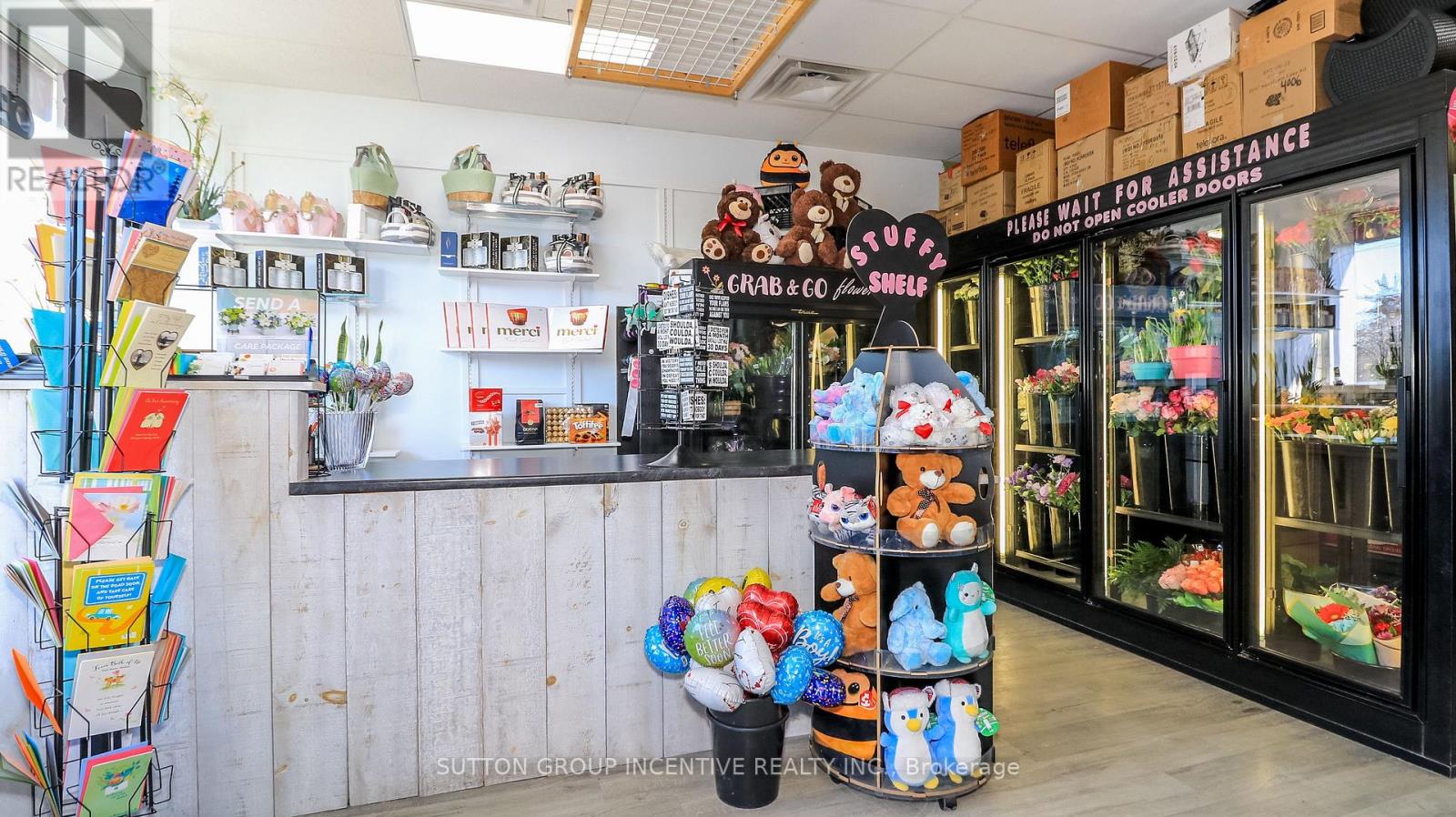
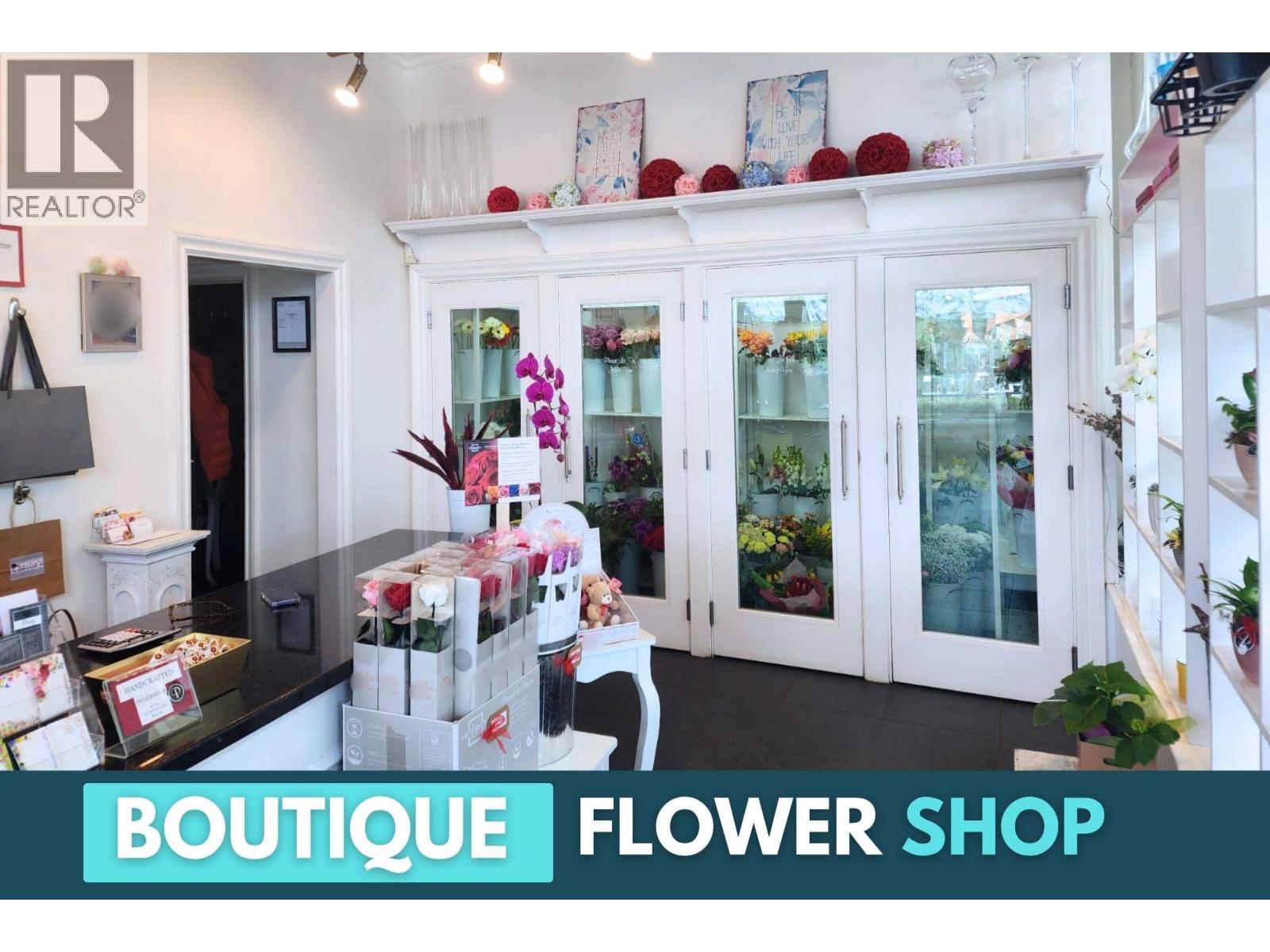
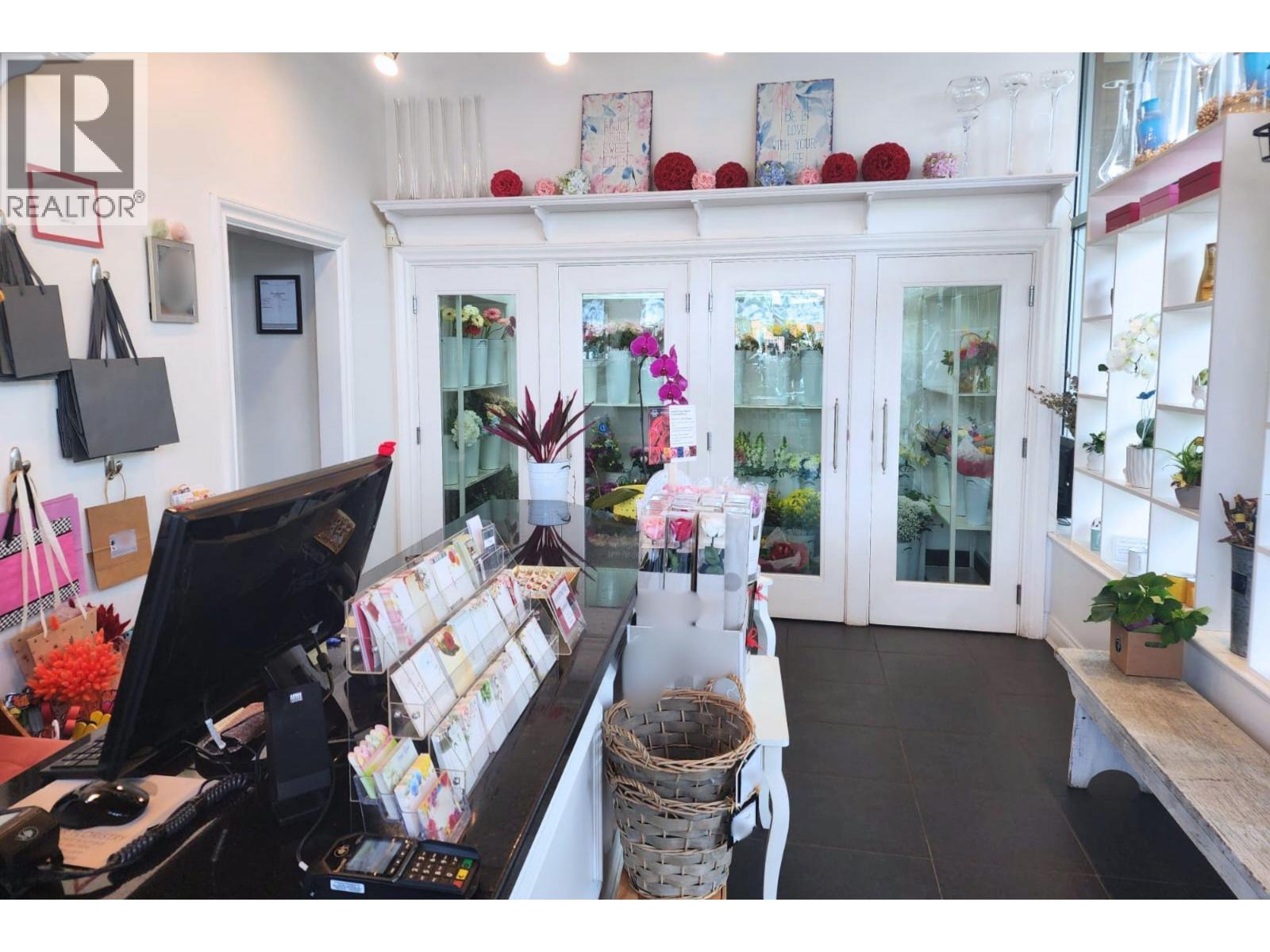
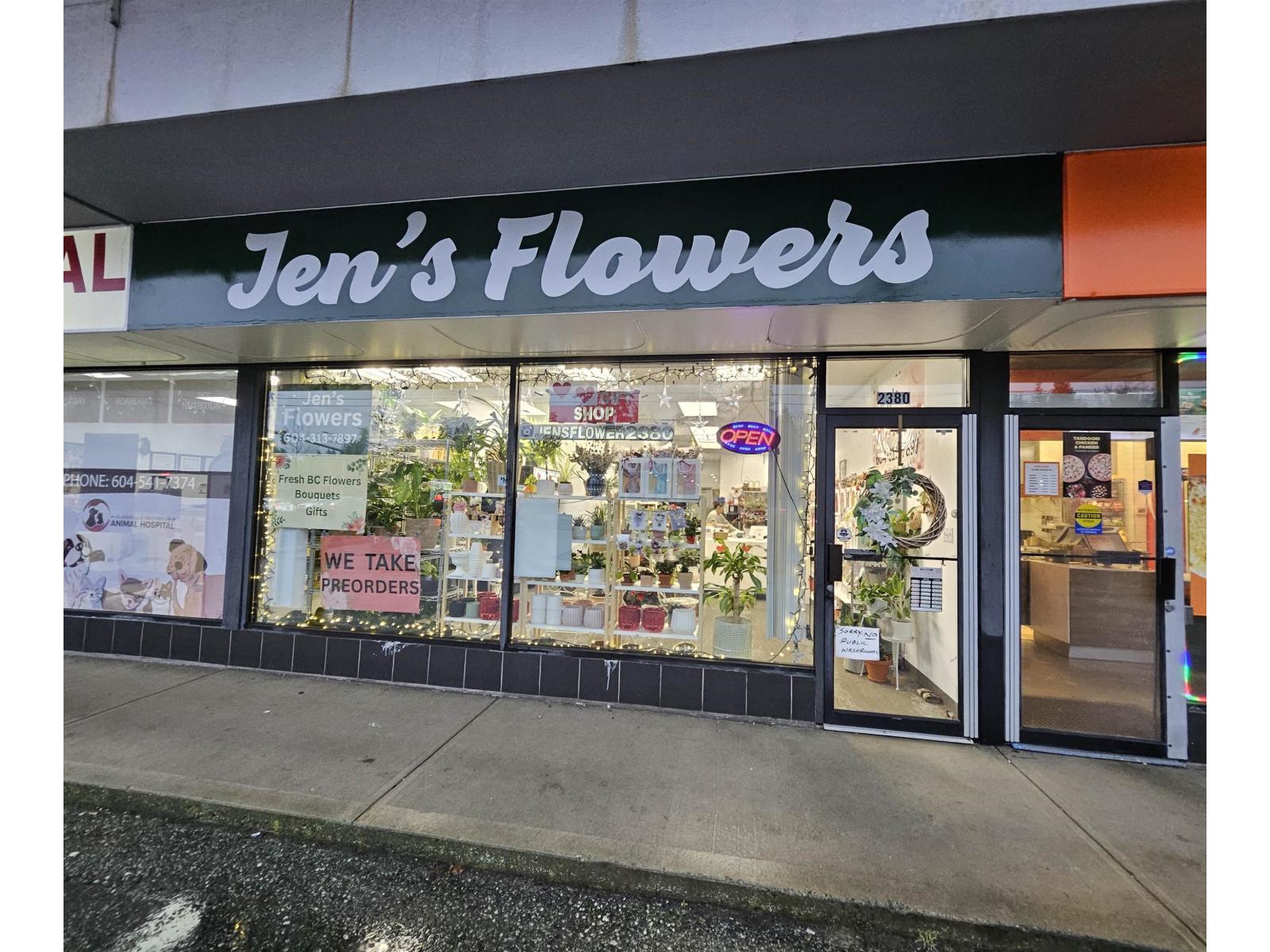
Flower Shops for Sale
Canada's floral industry benefits from low barriers to entry, established customer relationships, and evolving trends toward sustainability and e-commerce integration. Despite disadvantages such as perishable inventory and high competition from supermarkets, owning a floral business represents a rewarding path to entrepreneurial freedom. Discover exceptional flower shop business for sale opportunities at findbusinessesforsale.com.
Showing 1 - 12 of 18 Results
Marketplace Statistics
The average asking price for Flower Shops : $328,860
The most viewed Flower Shops listings on FBF are linked below:
| Flower Shop for Sale | Flower Shop for Sale | Flower Shop for Sale |
| Flower Shop for Sale | Flower Shop for Sale | Flower Shop for Sale |
Why Buy a Well Established Flower Shop Business for Sale in Canada?
Pros and Cons of Buying a Profitable Flower Shop & Gift Store
When considering the acquisition of a flower shop business in Canada, you'll need to evaluate numerous operational and financial factors that impact long-term viability.
Conduct thorough due diligence on lease requirements, as commercial rental terms can substantially affect your operational budget and location stability, and may require careful negotiation of renewal options and escalation clauses.

|
Advantages |
Disadvantages |
|
Recurring revenue streams |
Seasonal demand fluctuations |
|
Low barrier to entry |
Perishable inventory management |
|
Creative expression |
Staffing challenges during peak periods |
|
Multiple revenue channels |
High competition from supermarkets |
|
Established customer base |
Lease requirements limiting expansion |
Flower Shop Industry Consumer & Supplier Trends
Although consumer preferences continue to evolve rapidly in the floral industry, you'll need to monitor several emerging trends that profoundly impact both purchasing behaviors and supply chain dynamics.

Understanding these shifts will position you advantageously in this competitive market.
-
Sustainability demand has intensified, with consumers prioritizing locally sourced blooms and eco-friendly packaging.
-
E-commerce integration has become non-negotiable, as customers expect omnichannel purchasing options.
-
Subscription-based models are generating reliable revenue streams across demographic segments.
-
Supply chain disruptions have necessitated diversification of supplier networks.
These consumer preferences and supplier challenges require strategic adaptation, which may involve capital investment, but will position your acquisition for long-term viability in Canada's evolving floral marketplace.
Key Steps in Buying a Flower Shop Business for Sale in Canada
Acquiring a flower shop in Canada's competitive retail landscape requires meticulous planning, thorough due diligence, and strategic financial preparation that extends well beyond simple business transaction protocols.
-
Begin by conducting exhaustive market analysis of the local floral industry, followed by rigorous financial review of the target establishment's balance sheets, cash flow statements, and tax returns.
-
You'll need to learn flower shop inventory management systems and understand customer service best practices to maintain existing clientele.
-
Secure appropriate financing through BDC loans or private equity investment, ensuring sufficient capital reserves for post-acquisition operational shifts.
-
Engage qualified legal counsel to review lease agreements, employment contracts, and vendor relationships.
Define your Flower Shop Business Acquisition Criteria
Before initiating the search for a flower shop acquisition, you'll need to establish clear, measurable criteria that align with your business objectives, financial capabilities, and long-term vision for success in the floral industry.
|
Criteria Category |
Key Considerations |
|
Financial Parameters |
Annual revenue threshold, profit margins, and debt-to-equity ratio |
|
Location Factors |
Demographic profile, competitive landscape, and foot traffic potential |
|
Operational Structure |
Existing supplier relationships, inventory management systems, and staff expertise |
|
Market Positioning |
Target customer segments, product line diversification, and brand reputation |
Developing thorough acquisition parameters facilitates efficient evaluation of potential businesses, ensuring you focus exclusively on opportunities that correspond with your strategic objectives and financial constraints, thereby maximizing your freedom to build upon existing foundations.
Engage a Business Broker, Accountant, Lawyer & Lender in Canada
With your acquisition criteria firmly established, you'll need to assemble a professional team to navigate Canada's complex business acquisition landscape.
-
Business Broker - Retain a specialized broker with floriculture industry expertise who can identify suitable opportunities and facilitate confidential negotiations.
-
Accountant - Commission a financial expert to analyze revenue projections, tax implications, and assess liabilities.
-
Corporate Lawyer - Secure legal counsel to structure agreements, review insurance coverage, and mitigate acquisition risks.
-
Commercial Lender - Establish relationships with financial institutions that understand seasonal retail dynamics before you interview prospective employees.
Conduct a Flower Shop Competitor Analysis in Canada
A thorough competitor analysis fundamentally drives your acquisition strategy, enabling you to identify market gaps, pricing benchmarks, and potential growth opportunities within Canada's floriculture sector.
You'll need to evaluate competing florists' supplier relationships, scrutinizing whether they've secured advantageous terms with wholesalers or direct farm connections. Document their operational efficiency by analyzing staffing models, delivery systems, and inventory turnover rates.
Examine competitors' digital presence, service differentiation, and customer loyalty programs through mystery shopping and market intelligence gathering. This competitive intelligence becomes your strategic roadmap, illuminating pathways to capture market share and optimize profitability once you've acquired the flower shop business.
Identify a Flower Shop Acquisition Target and Meet with the Seller
Upon selecting your target, arrange a confidential meeting with the current proprietor to discuss valuation metrics, current inventory assessment, and handover plan specifics.
During this critical interaction, request full documentation regarding operations review, staffing configurations, and customer retention strategies, as these elements will considerably impact your acquisition decision and subsequent integration planning.
Conduct "Pre-Offer" Due Diligence on Your Flower Shop Acquisition Target
Before submitting an offer for a flower shop acquisition, you'll need to conduct thorough financial due diligence by analyzing historical statements, reviewing detailed asset inventories, and verifying all operating licenses and permits.
Your acquisition strategy should include discussions about potential vendor financing arrangements, which can drastically reduce your upfront capital requirements and demonstrate the seller's confidence in the business's future viability.
Prepare a detailed budget that accounts for both acquisition costs and post-completion operational adjustments, including potential inventory replenishment, staff retention incentives, and immediate capital improvements that might be necessary to maintain or enhance the shop's competitive position.
Analyze Historical Financial Statements
Examine historical profit margins against industry benchmarks to identify operational inefficiencies requiring immediate intervention post-acquisition.
|
Key Metric |
Target Range |
Action Required |
|
Cost of Goods |
29%-32% |
Renegotiate supplier contracts |
|
Payroll Cost |
<32% |
Optimize staffing structure |
|
Cash Flow |
>10% |
Enhance inventory turnover |
Your financial ratios analysis should extend beyond standard metrics to include inventory turnover specific to perishable products, accounts receivable efficiency, and seasonal revenue fluctuations—all critical factors in determining the authentic valuation of the flower shop business.
Review a Detained Asset List
You'll need to meticulously evaluate each item, identifying potential asset impairment issues that could diminish future returns on investment.
|
Asset Category |
Key Verification Points |
|
Refrigeration |
Maintenance records, age, energy efficiency |
|
Delivery Vehicles |
Mileage, repair history, and remaining useful life |
|
Display Fixtures |
Condition, modernization needs, and versatility |
|
Inventory |
Freshness, inventory shrinkage metrics, turnover rate |
Request documentation for all major equipment purchases, noting any items with accelerated depreciation that may require near-term replacement, thereby affecting your acquisition price calculation and post-purchase capital expenditure planning.
Review the Flower Shop Operating Licenses & Permits
Request thorough documentation of all municipal business permits, provincial operating licenses, and environmental certifications currently held by the target establishment.
Verify adherence to local zoning regulations governing retail floral operations, particularly examining any variances or conditional use permits that may transfer with ownership. Additionally, investigate compliance with health department requirements for perishable merchandise handling and employment standards regarding staff certification, which often constitute overlooked licensing requirements during acquisition assessments.
Request Some Partial Vendor Financing
Partial vendor financing represents a powerful negotiation tool in your flower shop acquisition strategy, offering both financial flexibility and demonstrating the seller's confidence in the business's future viability under your leadership.
When structuring your offer, consider requesting 20-30% of the purchase price as partial owner financing, which enables you to conserve capital for operational improvements and inventory expansion. Present alternative financing options during negotiations, clearly articulating your financial capacity, business expertise, and growth vision to substantiate your request.
The seller's willingness to maintain a financial stake often signals their authentic belief in the enterprise's continued profitability.
Budget for Acquisition and Post-Completion Costs
Before committing to a flower shop acquisition, you'll need to conduct thorough pre-offer due diligence to establish a realistic budget that accounts for both purchase and post-completion expenses. Evaluating capital requirements early enables you to pursue appropriate financing options and avoid cash flow constraints during the changeover period.
Your comprehensive budget should include:
-
Acquisition price plus closing costs (legal fees, transfer taxes, broker commissions).
-
Working capital reserve for inventory replenishment and payroll during ownership shift.
-
Immediate facility improvements or equipment upgrades identified during inspection.
-
Marketing budget to maintain business continuity and announce new proprietorship.
This financial roadmap will strengthen your negotiating position and prevent unexpected expenditures that could jeopardize your path to profitability.
Obtain a Professional Flower Shop Business Valuation
A professional business valuation serves as the cornerstone of your flower shop's selling process, providing potential buyers with an objective assessment of your enterprise's worth in the current market.
When acquiring a Canadian flower shop, you'll need to employ standardized business valuation methods, including discounted cash flow analysis, capitalization of earnings, and comparable sales approaches, to determine a fair purchase price.
Engage a certified business appraiser who specializes in retail establishments to conduct an exhaustive shop asset appraisal, examining your inventory, equipment, leasehold improvements, and goodwill.
This valuation will establish a defensible baseline for negotiations and facilitate proper financing arrangements with potential lenders.
Prepare a Conditional Offer to Purchase or Letter of Intent (LOI) Agreement
When preparing your LOI for a flower shop acquisition, you'll need to determine whether to structure the transaction as an asset sale or share purchase, each carrying distinct tax implications and liability considerations.
-
In an asset sale, you're purchasing specific inventory, equipment, and goodwill without assuming the business's legal structure or potential hidden liabilities, which offers greater protection but may result in higher immediate tax consequences.
-
Share purchases, by contrast, involve acquiring the entire corporate entity, including all assets and liabilities, potentially providing tax advantages through capital gains treatment, but requiring significantly more due diligence to uncover any undisclosed obligations that would transfer with ownership.
Asset vs. Share Sale Considerations
Two critical decision points emerge when structuring your flower shop acquisition: pursuing an asset sale or a share purchase, each carrying distinct tax implications, liability considerations, and operational changes that must be carefully evaluated.
|
Consideration |
Asset Sale |
Share Purchase |
|
Tax Implications |
Step-up in cost basis, potential depreciation benefits |
Retention of tax attributes, potentially higher seller taxes |
|
Liability Exposure |
Limited to specified assets, fresh start |
Assumption of all historical liabilities |
|
Lease Terms |
Requires assignment or renegotiation |
Continues under the existing entity |
|
Inventory Valuation |
Direct negotiation of the included stock |
Automatically transfers with business |
When selecting your acquisition structure, prioritize thorough due diligence regarding the company's existing obligations, focusing particularly on outstanding contract terms and potential undisclosed liabilities.
Create a Detailed Business Plan for Financing Your Flower Shop Acquisition
Creating a detailed business plan for financing your flower shop acquisition requires strategic financial forecasting, market analysis, and operational planning to secure investor confidence and lending approval.
-
Your financial projections should include three-year income statements, cash flow analyses, and break-even calculations, demonstrating profitability potential and risk mitigation strategies.
-
Operational considerations must address inventory management systems, supplier relationships, and staffing requirements that directly impact revenue generation.
Incorporate market differentiation strategies and competitive positioning that justify your valuation to lenders, while detailing your debt service coverage ratio to demonstrate loan repayment capacity without compromising business liquidity.
Obtain Financing
Securing adequate financing for your flower shop acquisition requires traversing multiple funding channels while strategically positioning your investment opportunity to potential lenders and investors. To optimize your capital acquisition strategy, implement the following approaches:
-
Prepare extensive financial projections demonstrating positive cash flow potential within 12-18 months.
-
Explore government grants specifically targeting small business acquisitions in the horticultural sector.
-
Establish relationships with business-focused credit unions offering favorable terms for local enterprises.
-
The Business Development Bank (BDC) is a good option for many entrepreneurs.
-
Consider crowdsource financing through specialized platforms that connect entrepreneurs with micro-investors.
When approaching traditional lenders, articulate your market differentiation strategy and operational expertise, as these factors greatly influence underwriting decisions. Your business acquisition package must demonstrate thorough due diligence, including competitive analysis and revenue forecasts.
Close the Deal!
Negotiation expertise represents the cornerstone of successfully closing your flower shop acquisition, requiring meticulous attention to contractual details and contingencies that protect your investment.
When you negotiate contract terms, include non-compete clauses, intellectual property transfers, and customer list ownership, all of which safeguard your business continuity and market position.
Evaluate close timeline considerations, including inventory valuation dates, employee changeover periods, and vendor relationship transfers, as these elements vastly impact day-one operations.
The transfer of business licenses, permits, and lease agreements must be executed with precision, adhering to provincial regulations that govern commercial transactions in the Canadian floristry sector.
Final Thoughts
Why do some flower shop acquisitions flourish while others wither within the first year of ownership? The differentiating factor often lies in extensive change planning and a well-executed succession strategy.
When purchasing an established floral business, you're acquiring not just inventory and equipment, but client relationships, vendor contracts, and operational expertise.
Your freedom to succeed depends on methodical implementation of knowledge transfer protocols from the previous owner, thorough analysis of financial statements, and strategic retention of key staff members.
Approach this acquisition as both a financial investment and operational commitment, understanding that your preparedness during the changeover period directly correlates with long-term profitability and market sustainability.
Flower Shop Industry Information Resources
Effective research precedes any successful flower shop acquisition, requiring access to industry-specific information that illuminates market trends, competitive landscapes, and operational benchmarks.
When conducting your due diligence, leverage these authoritative resources to inform your investment decision:
-
The Canadian Nursery Landscape Association (CNLA), which publishes quarterly market analyses and regulatory updates.
-
Flowers Canada Growers is offering membership-based access to procurement channels and wholesale pricing metrics.
-
Industry trade publications such as Canadian Florist Magazine and Flora Magazine.
-
Statistics Canada's retail trade reports, which segment the floral industry performance by province and metropolitan area.
These resources facilitate strategic decision-making, enabling you to quantify market potential and identify operational efficiencies before finalizing your acquisition.
Government Regulations for Flower Businesses in Canada
Traversing the regulatory framework for Canadian flower shop businesses requires an extensive understanding of federal, provincial, and municipal requirements that govern operations in this specialized retail segment. When acquiring a flower shop, you'll need to address multiple compliance areas that impact your operational viability and financial performance.
Secure a business license from your municipality, which typically requires inspection of your premises.
Register for GST/HST collection if your annual revenue exceeds $30,000. Obtain permits for exterior signage and special event participation. Comply with provincial labor standards regarding employee management.
Frequently Asked Questions:
Q: Do I need floristry experience to buy a well-established florist shop in Edmonton?
A: While formal floristry experience isn't mandatory, you'll need to understand staff training requirements and develop supplier relationships. You can overcome knowledge gaps through hiring skilled employees and learning the business operations yourself. Investing in a renowned florist business can provide insights into successful floral arrangements and client management.
Q: What's the typical profit margin for a flower business in Canada?
A: You'll typically see 40-50% profit margins in Canadian flower shops. Your typical cost of goods sold runs 50-60% while average annual revenue falls between $250,000-$500,000, depending on your location and loyal customer base. Shops for sale in high-traffic areas like Edmonton and Vancouver may offer even higher profit potential.
Q: How seasonal is the floral business in Canada?
A: Imagine Sarah's shop doubling revenue each Valentine's Day! Your flower business will experience significant seasonal revenue fluctuations, with consumer purchasing patterns peaking around holidays and special occasions throughout Canada's calendar year. A well-established flower shop can capitalize on these trends with effective marketing strategies.
Q: What insurance do I need for a flower shop business in Alberta?
A: You'll need business liability insurance to protect against customer claims and property insurance for your shop, inventory, and equipment. Consider additional coverage for delivery vehicles if applicable, especially if you offer local delivery services for your floral arrangements.
Q: Can I operate a flower shop as a home-based business in Vancouver?
A: Like a seed waiting to bloom, you can operate a home-based flower shop. You'll primarily handle online order fulfillment while avoiding the costs of commercial space. Check local zoning laws first. Additionally, consider the potential of a turnkey flower shop that specializes in home décor products to enhance your offerings.