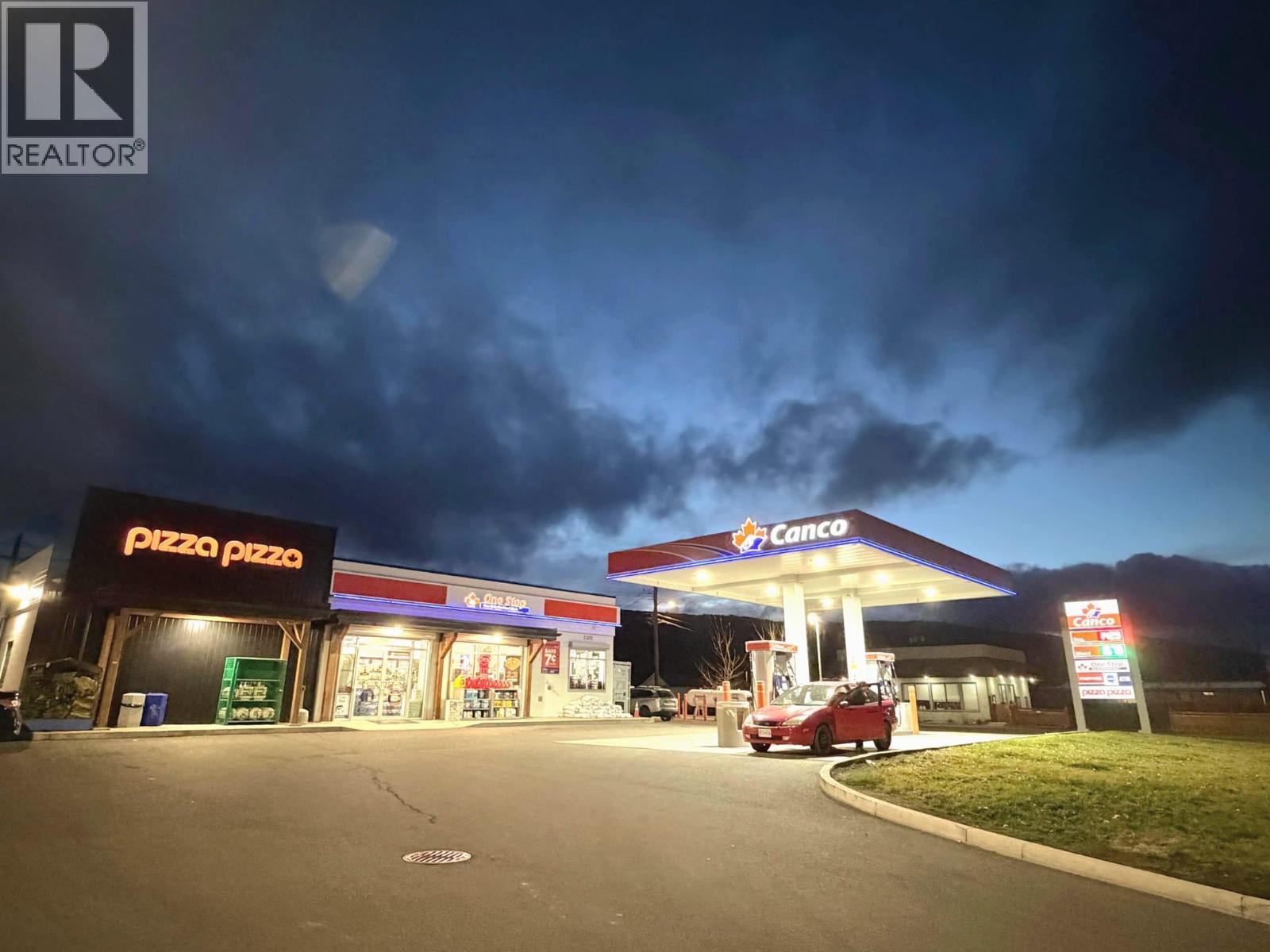
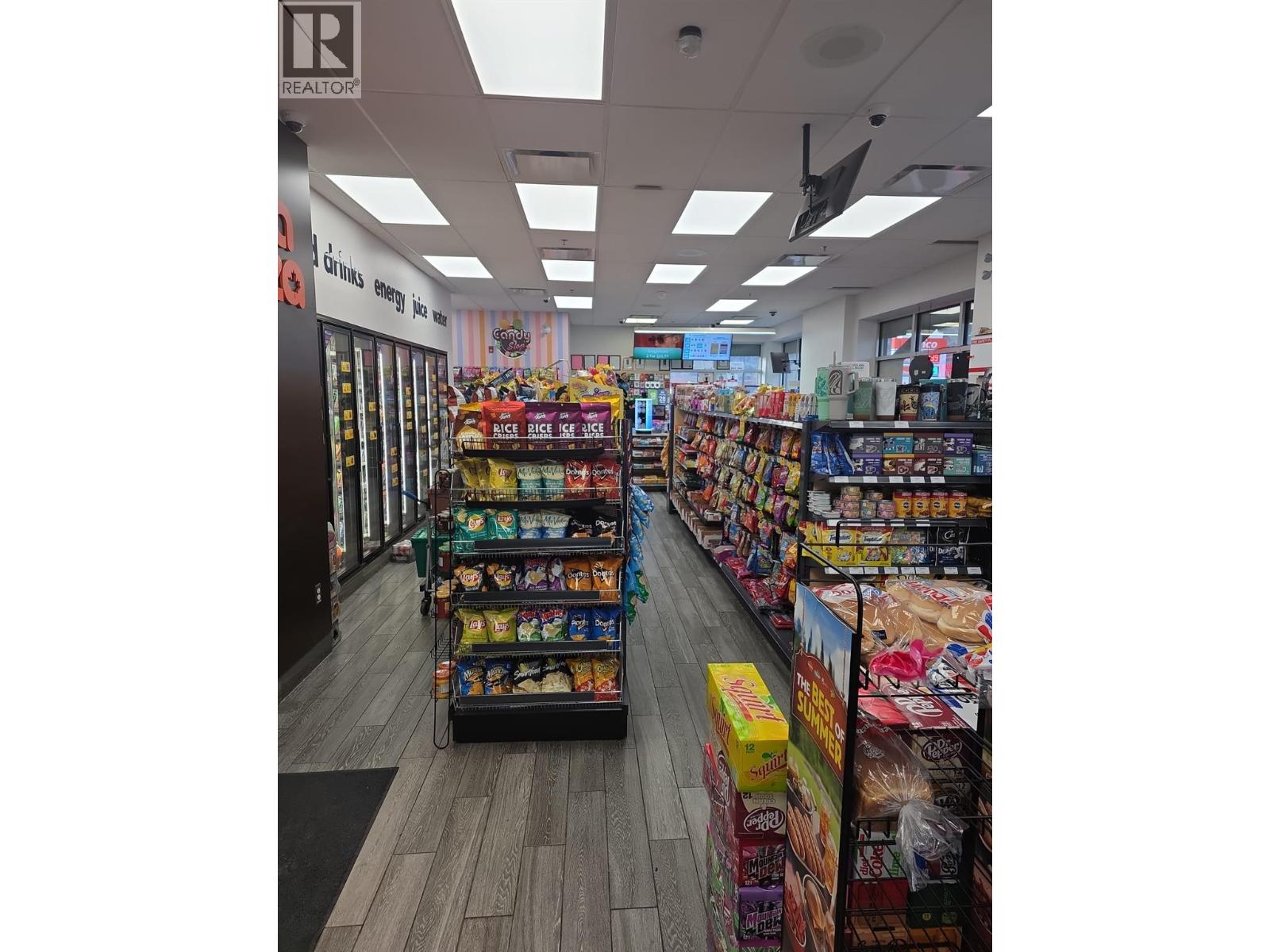
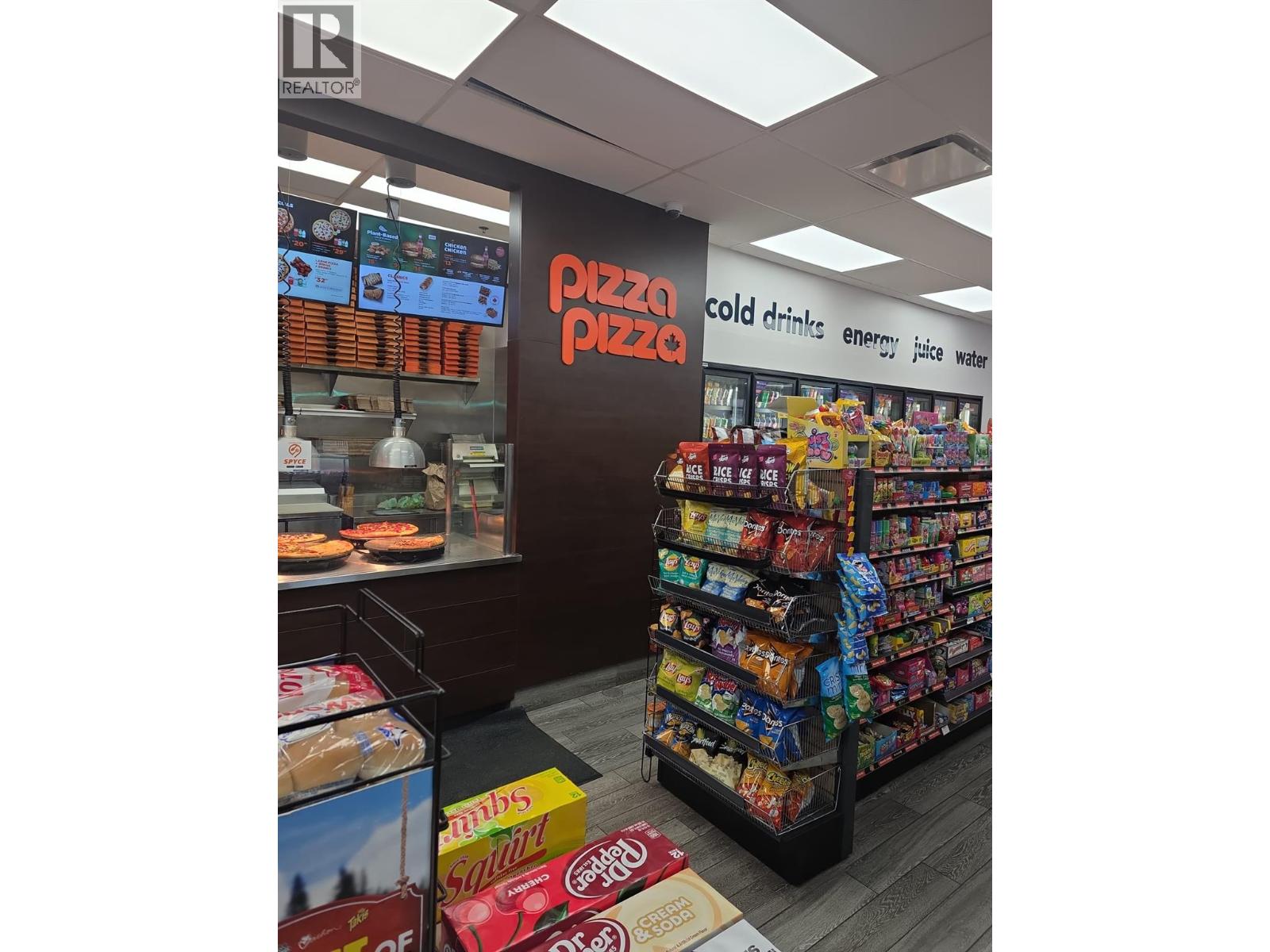
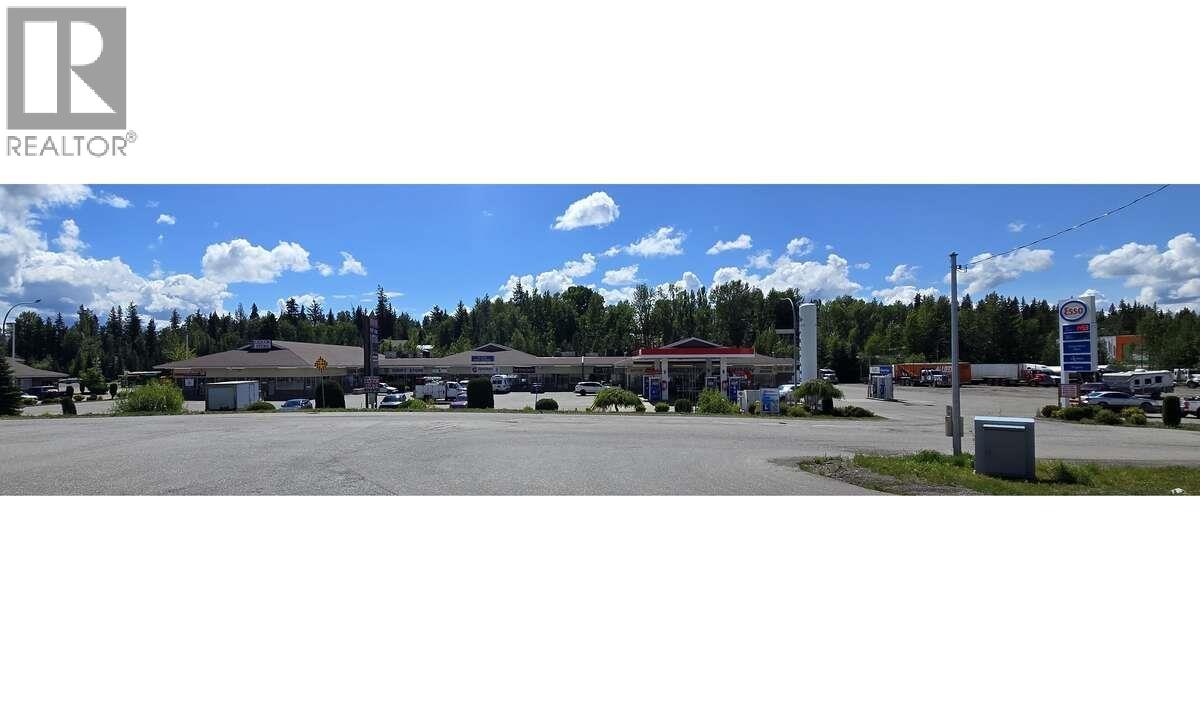
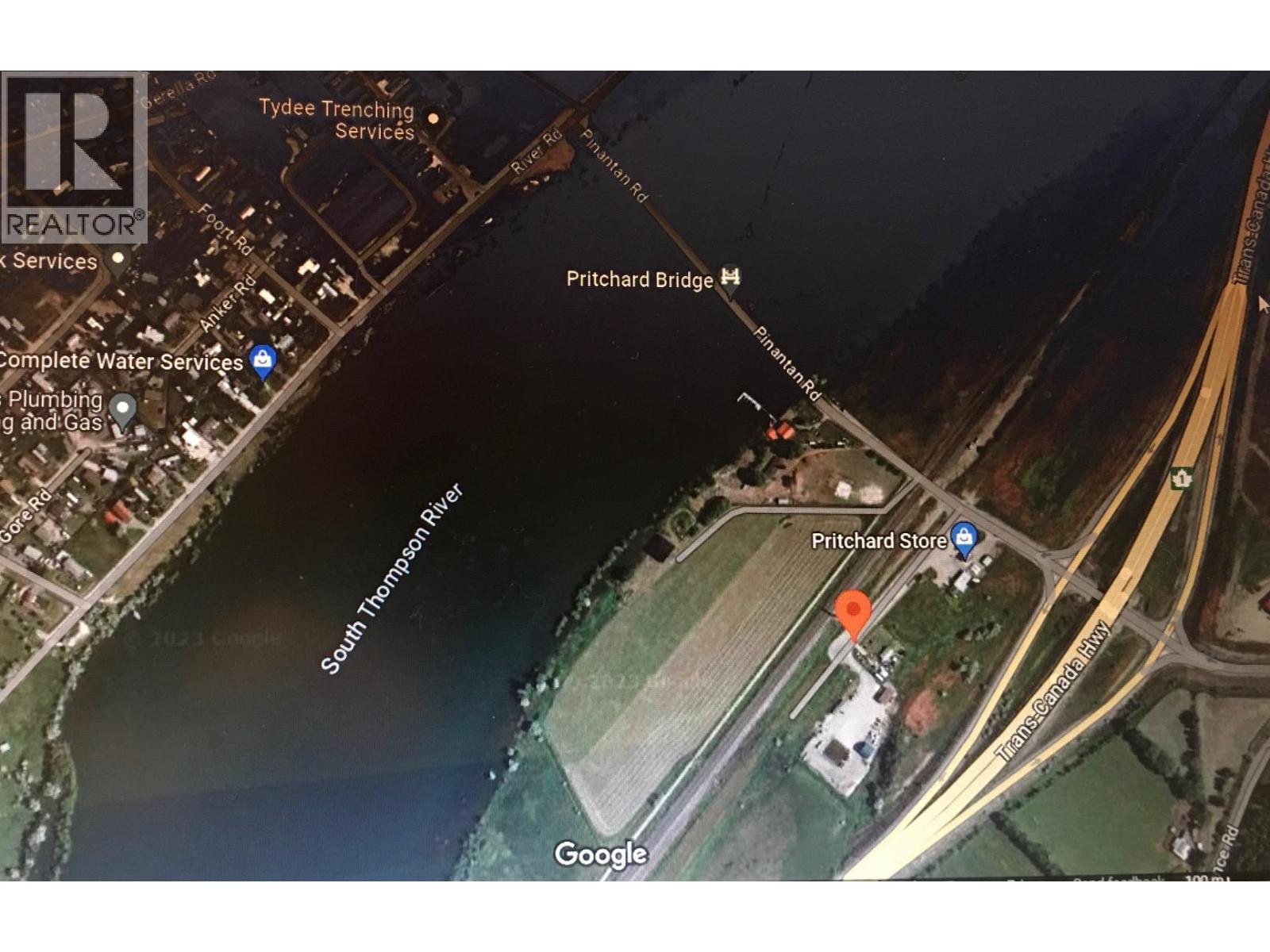
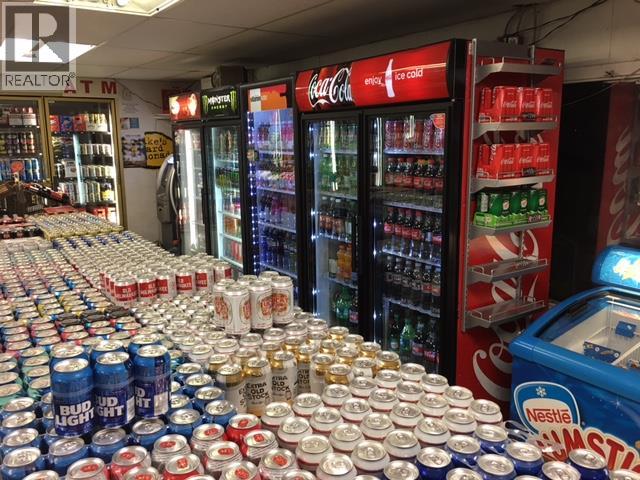
Merritt, British Columbia
Century 21 Coastal Realty Ltd.
Langley, British Columbia
Homelife Benchmark Realty (Langley) Corp.
Written by David Turner, M.A.
The province's thriving economy and diverse landscape create opportunities for both urban and rural gas station ownership.
With its robust tourism industry and strategic location as a gateway to the Pacific, BC provides a steady stream of customers for fuel and convenience store purchases.
Additionally, the gas station industry plays a significant role in local economies, contributing to job creation and community development, especially in Canada's Convenience Retail Channel.
Consider these key benefits of investing in a BC gas station:
Strong community engagement potential is present in small towns and neighbourhoods.
The growing population and economy of BC provide high investment potential.
Opportunity to capitalize on eco-friendly initiatives, such as EV charging stations.
Purchasing a gas station in BC comes with its set of pros and cons. As you consider this investment, it's essential to weigh the potential benefits against the challenges.
You'll have the chance to significantly impact the community and potentially make a sizable profit, on the one hand. On the other, you'll face regulatory hurdles and market fluctuations.
Consider the following table to help you make an informed decision:
| Advantages | Disadvantages | Considerations |
| Steady cash flow | High initial investment | Location importance |
| Community hub | Regulatory compliance | Profit margins |
| Diverse revenue streams | Environmental risks | Competition analysis |
| Potential for growth | Long working hours | Future industry trends |
Four key trends are shaping the gas station industry in BC, Canada. As you consider purchasing a station, it's essential to understand how consumer preferences and supplier relationships are evolving.
You'll need to adapt to:
The increasing demand for electric vehicle charging stations reflects the broader shift towards sustainable energy solutions and aligns with the growing trend of established businesses adapting to meet consumer expectations.
Mobile payment options are becoming increasingly popular.
Shift toward healthier convenience store offerings.
Consumers are increasingly seeking environmentally friendly options, prompting many station owners to invest in EV infrastructure.
Additionally, you'll find that streamlined payment processes and diverse product selections are becoming vital for attracting and retaining customers.
On the supplier side, fostering strong relationships with fuel distributors and convenience store suppliers will be fundamental to your success.
When buying a gas station business for sale in BC, you'll need to follow several key steps to guarantee a successful acquisition.
Begin by conducting a thorough location analysis, considering factors such as traffic patterns, local competition, and demographic trends. This step is essential for guaranteeing long-term profitability.
Additionally, explore various financing options available for acquiring fixed assets, including traditional bank loans or seller financing.
Each option has its pros and cons, so weigh them carefully against your financial situation.
For those looking for tailored financing solutions, a higher percentage of financing can be beneficial.
Once you've secured funding, engage a qualified business broker to help you navigate the complexities of the purchase. They can assist with valuations, negotiations, and due diligence processes.
Additionally, consult legal and financial professionals to review contracts, assess potential liabilities, and guarantee compliance with regulatory requirements.
Conducting thorough market research and financial planning will help you define your ideal business parameters.
Consider factors such as location, size, and potential for growth when evaluating opportunities.
To streamline your decision-making process, create a detailed checklist of your requirements.
| Criteria | Importance | Notes |
| Location | High | Urban vs. rural |
| Revenue | Medium | Annual turnover |
| Services | High | Convenience store, car wash |
Assembling a skilled team of professionals is essential when buying a gas station in BC.
| Professional | Role | Benefits |
| Business Broker | Market Navigation | Expertise in Valuation |
| Lawyer | Legal Compliance | Contract Review |
| Accountant | Financial Analysis | Cash Flow Projections |
Begin by identifying nearby stations and evaluating their offerings, pricing strategies, and customer base. Assess market dynamics, including fuel demand trends and local economic factors that could impact your business.
Pay close attention to competitor strengths, such as prime locations, loyalty programs, or additional services they provide.
This information will help you identify potential gaps in the market and opportunities for differentiation.
Begin by scouring online business listings, industry publications and networking with local brokers to find promising opportunities.
Assessing market conditions can help you identify the best times to move forward with your acquisition.
Arrange meetings with sellers to discuss their motivations, asking probing questions about the business's history and future potential.
During these encounters, assess the station's physical condition, equipment status, and compliance with regulations.
Before making an offer on a gas station in BC, you'll need to conduct thorough pre-offer due diligence to guarantee you're making a sound investment.
Financial sleuthing is essential when considering a gas station purchase. You'll need to analyze historical financial statements to uncover the true health of the business. Start by examining income statements, balance sheets, and cash flow statements for the past 3–5 years.
Look for trends in revenue, expenses, and profitability. Calculate key financial ratios to assess liquidity, efficiency, and profitability.
Perform a trend analysis to identify patterns and potential red flags.
| Financial Statement | Key Metrics to Analyze |
| Income Statement | Revenue growth, margins |
| Balance Sheet | Debt-to-equity, liquidity |
| Cash Flow Statement | Operating cash flow |
| Tax Returns | Reported income, deductions |
Pay close attention to the station's revenue mix, focusing on fuel sales, convenience store performance, and any additional services.
Scrutinize lease agreements for potential restrictions, renewal options, and any clauses that could impact your future operations.
Don't overlook the importance of title verification; confirm that the seller has clear ownership and there are no encumbrances that could jeopardize your purchase.
Engage a real estate lawyer to assist with this process, as they can identify any red flags or potential issues that may not be immediately apparent.
This process involves conducting an extensive asset valuation and examining the maintenance history of all equipment.
To guarantee you're making an informed decision, consider the following key areas:
| Category | Items to Inspect | Importance |
| Fuel Systems | Tanks, pumps, lines | Critical |
| Store Equipment | POS, fridges, shelving | High |
| Property | Land, buildings, signage | High |
| Vehicles | Delivery trucks, service vans | Medium |
| Miscellaneous | Tools, office equipment | Low |
Before making an offer on a gas station, it's vital to create an all-encompassing budget for both acquisition and post-completion costs.
Consider various financing options, including traditional bank loans or seller financing, to determine the most advantageous path for your situation. Additionally, explore tailored loan amounts that can support your specific business needs, such as higher financing percentages compared to conventional loans.
When budgeting, account for:
Initial purchase price and associated closing costs.
Necessary renovations or equipment upgrades.
Working capital for inventory, staffing, and initial operating expenses.
Post-acquisition expenses can greatly impact your financial stability, so it's important to anticipate ongoing costs such as insurance, environmental compliance, and potential remediation.
Securing a professional gas station business valuation is an essential step in your pre-offer due diligence. This assessment provides a detailed analysis of the station's financial health and market position, enabling you to make an informed decision.
A skilled business valuator will employ multiple methods, including income-based, asset-based, and market-based approaches, to determine a fair price.
They'll examine EBITDA (earnings before interest, taxes, depreciation & amortization) and SDC (seller discretionary cash) multiples, typically ranging from 2 to 4 times earnings, while considering industry-specific factors and recent market trends.
When preparing your conditional offer or letter of intent (LOI) for a gas station purchase in BC, you'll need to carefully consider several critical factors.
First, weigh the pros and cons of an asset sale versus a share sale, as each structure has important implications regarding taxes, liabilities, and the transfer of licenses and permits.
Additionally, you should explore the possibility of requesting partial seller financing, which can be beneficial for both parties and may increase your chances of a successful acquisition.
These two options have distinct implications for your business acquisition. In an asset sale, you'll purchase specific assets and liabilities, while a share sale involves acquiring the entire company, including its legal structure and history.
Consider the following key differences:
| Aspect | Asset Sale | Share Sale |
| Tax Implications | Potentially more favorable | May result in higher taxes |
| Liability | Limited to acquired assets | Includes all company liabilities |
| Complexity | Generally simpler | More complex due diligence |
| Contracts | May require renegotiation | Usually transfer automatically |
Consult with legal and financial advisors to guarantee you're making an informed decision that maximizes your potential for success in the gas station industry.
When you're looking to buy a gas station, partial seller financing can make a significant difference.
This approach not only demonstrates the seller's confidence in the business but also eases your financial burden.
Engaging a broker's expertise can help you navigate the complexities of structuring such a deal effectively. When preparing your offer, consider incorporating seller financing options into your proposal.
This strategy can provide you with more flexibility and potentially better terms than traditional lenders.
As you engage in financing negotiation strategies, emphasize the mutual benefits of this arrangement. The seller maintains a vested interest in the business's success, while you gain access to their industry expertise.
Additionally, seller financing often comes with less stringent qualification requirements, enabling you to preserve your working capital for operational needs.
These documents are vital for ensuring your future business's compliance with local, provincial, and federal regulations, particularly in relation to energy infrastructure regulations set by the Canada Energy Regulator (regulatory compliance).
To navigate this significant step effectively, consider the following key actions:
Request a detailed list of all current licenses and permits from the seller.
Verify the validity and expiration dates of each document, paying close attention to renewal requirements.
Consult local authorities to confirm compliance with current permit requirements and identify any potential issues.
As you draft your conditional offer or Letter of Intent (LOI), it's vital to address seller support and transition planning.
Negotiate an extensive training period with the current owner, ensuring you'll gain invaluable insights into daily operations, supplier relationships, and customer management.
Additionally, outline a detailed transition agreement that specifies the seller's involvement post-sale, including their availability for consultation and any ongoing responsibilities.
This agreement should include introducing you to key supplier contacts.
Creating a detailed business plan is essential when seeking financing for your gas station acquisition and should include a thorough market analysis and realistic financial projections, demonstrating your understanding of the industry and potential for success.
Additionally, consider incorporating potential financial benefits available to small businesses, such as lower credit card fees, which can enhance your overall profitability.
To craft a compelling business plan, consider the following key elements:
Executive summary outlining your vision and goals.
Detailed breakdown of startup costs and projected revenues.
Marketing strategy to attract and retain customers.
Your business plan serves as a roadmap for your venture and a tool to convince lenders of your creditworthiness.
Remember to highlight your industry knowledge, management experience, and strategies for overcoming potential challenges, as these factors will greatly impact your ability to obtain funding.
This vital phase demands a strategic approach to financial negotiation strategies, ensuring you secure the best terms possible.
Be prepared to leverage your knowledge of the market and the property's potential to strengthen your position.
As you navigate the closing process, familiarize yourself with the closing paperwork essentials, including the purchase agreement, transfer of licenses, and environmental compliance documents.
It's essential to have your legal and financial advisors review all documents meticulously before signing. Don't hesitate to seek clarification on any ambiguous terms or conditions.
As you commence on this journey to purchase a gas station in BC, you're not just buying a business; you're fueling your future. Armed with the knowledge of industry trends, regulatory requirements, and key acquisition steps, you're well-equipped to navigate this complex process.
Remember, thorough research and careful planning are your roadmap to success.
By following these guidelines, you'll be poised to make an informed decision and drive your entrepreneurial dreams forward in British Columbia's vibrant fuel industry.
Guaranteeing regulatory compliance and adhering to strict environmental standards are paramount for your success and legal operation.
To help you understand the key areas of focus, consider the following table:
| Regulatory Area | Governing Body |
| Fuel Storage | BC Ministry of Environment |
| Hazardous Materials | WorkSafeBC |
| Fire Safety | Office of the Fire Commissioner |
| Environmental Protection | Environment and Climate Change Canada |
These regulations aim to safeguard the environment, ensure public safety, and uphold equitable business practices.
As a freedom-minded entrepreneur, you may find some of these regulations challenging, but keep in mind that their ultimate purpose is to establish fair competition and ensure the industry's long-term sustainability.
Familiarize yourself with these requirements to avoid potential fines or legal issues down the road.
Gas Station Industry Information Resources for Gas Station Business Owners in BC
Six key resources can help you stay informed and competitive as a gas station owner in British Columbia.
These resources not only provide valuable industry insights but also offer guidance on sustainability practices and customer engagement strategies:
The British Columbia Petroleum Contractors Association (BCPCA) offers industry-specific training, regulatory updates, and networking opportunities, as well as certification programs that enhance your skills and knowledge.
Natural Resources Canada's Office of Energy Efficiency: Provides information on energy-saving technologies and sustainable business practices for fuel retailers.
Canadian Independent Petroleum Marketers Association (CIPMA)—Shares market analysis
BC Ministry of Energy, Mines and Low Carbon Innovation—Offers regulatory updates
Canadian Fuels Association (Provides industry insights and advocacy)
BC Chamber of Commerce: Connects you with local business communities and offers resources on market trends and consumer behaviour.
A: You're looking at a 3–4-month purchase timeline for a gas station. Don't rush it—you'll need time for due diligence. Investing in a gas station is a crucial step towards achieving financial independence.
A: You'll need to stay on top of tank maintenance and follow environmental regulations. Typically, you're looking at inspections every 1-3 years and replacements every 20-30 years. Don't let the system dictate your schedule—stay proactive.
A: You'll find that profit margins for non-fuel products at gas stations can be a real goldmine. Your profit analysis should focus on smart product selection. Convenience items often yield 20-40% margins, while food service can reach 50-60%.
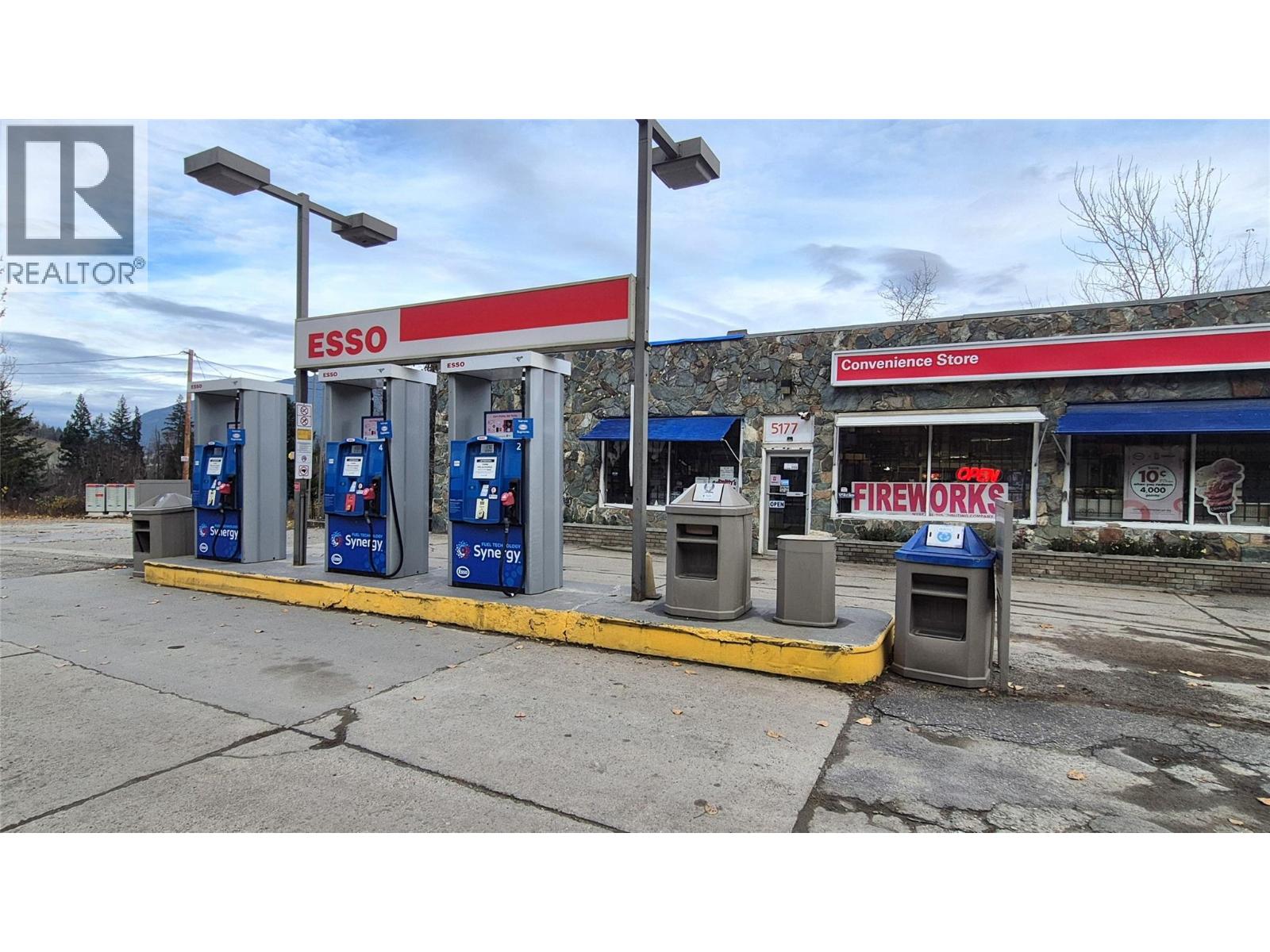
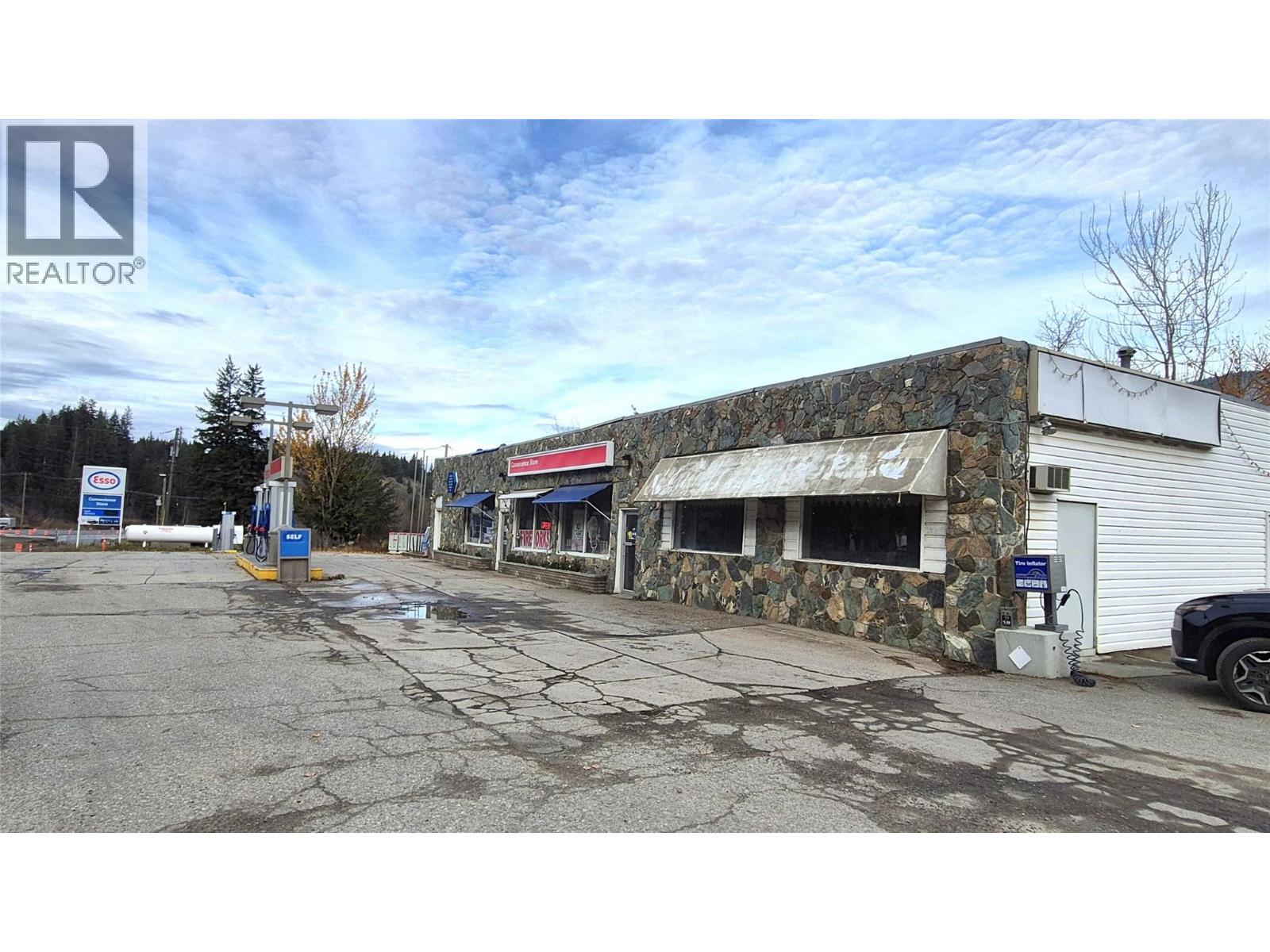
A: When browsing gas stations for sale in BC, consider factors like location, traffic volume, and whether it's a branded gas station like an Esso. Look for features like a convenience store or a car wash, and check if it’s a well-established business with a loyal customer base.
A: Yes, you can find gas stations in Vancouver that come with amenities such as a car wash, a burgeoning truck stop, or a convenience store. These features can enhance the investment opportunity by attracting more customers.
A: Absolutely, purchasing a gas station in a prime location, especially one with high visibility and road frontage, can be a bankable business. Locations along main highways or in metro Vancouver are particularly attractive due to high traffic.
A: A thriving gas station typically has a high-traffic location, multiple streams of income, like a convenience store or car wash, and offers branded fuel. It often benefits from being in a community with steady demand and has a loyal customer base.
A: Gas stations in BC are often zoned C-1, which permits commercial real estate activities. It's essential to check local zoning laws to ensure any desired modifications or expansions are allowed.
A: Investing in a new gas station involves assessing the costs of gas pumps, retail space, and any extra amenities like a convenience store or car wash. It’s crucial to consider the potential revenue streams and maintenance costs when evaluating the overall investment opportunity.

Data is supplied by CREA who is the owner of the copyright in its MLS®System. Data provided is deemed reliable but is not guaranteed accurate by CREA. The trademarks MLS®, Multiple Listing Service® and the associated logos are owned by The Canadian Real Estate Association (CREA) and identify the quality of services provided by real estate professionals who are members of CREA. Used under license.