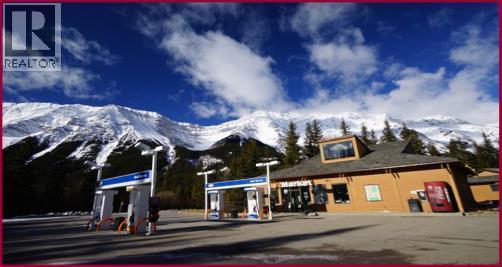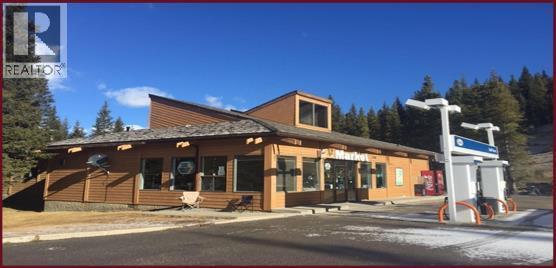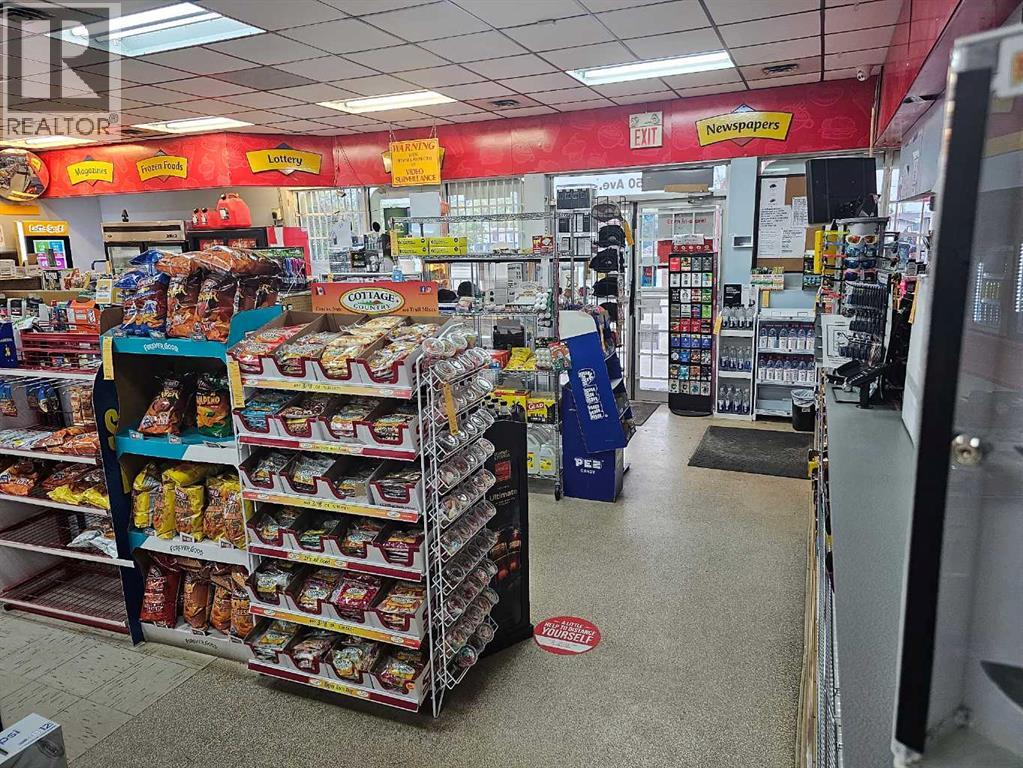
Gas Stations for Sale in Alberta | Prime Investment Opportunities
Canadian gas station ownership provides both stability and growth potential in a province with strong consumer spending power. Imagine becoming an essential part of your community while building a profitable enterprise. FindBusinessesForSale.com is the best place to discover current gas station opportunities throughout Alberta.
Showing 1 - 12 of 14 Results
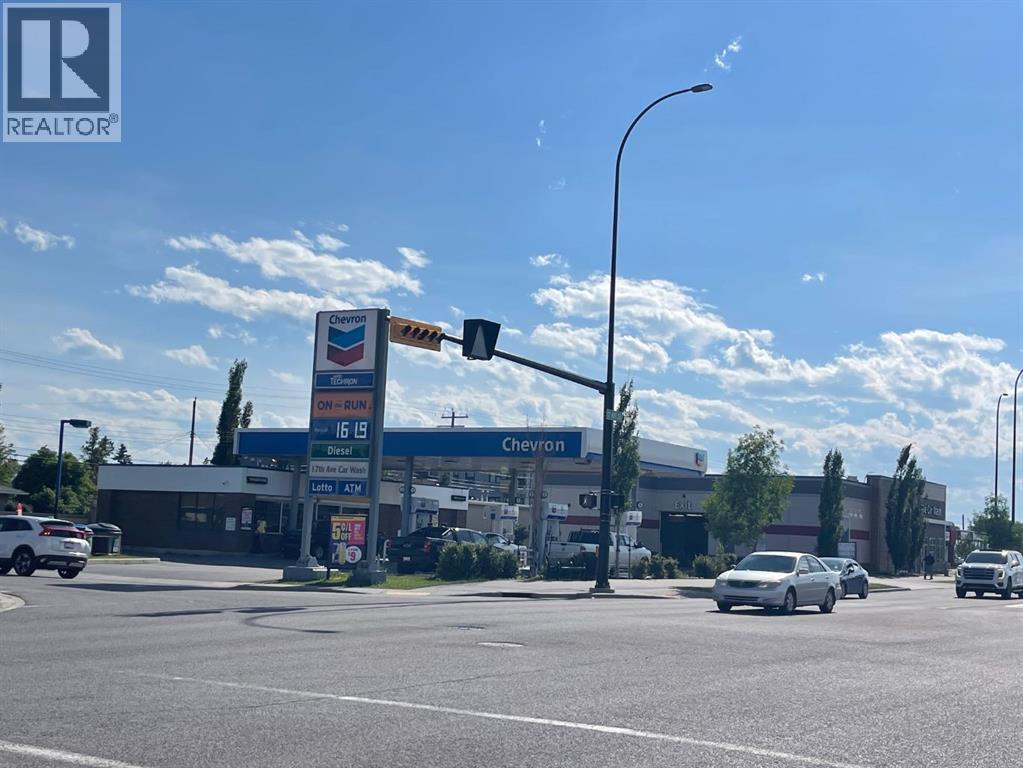
Why Buy a Gas Station for Sale in Alberta, Canada?
Alberta's booming oil industry and bustling highways make it a prime location for gas station ownership. When you invest in a gas station here, you're not just buying a business; you're becoming an integral part of the local community.
Your station will serve as a hub for travellers, commuters, and residents alike, offering essential services and fostering connections.
In addition, investing in an established gas station can provide you with a proven track record of success that mitigates risks commonly associated with starting a new venture.
Moreover, the existing customer relationships and reliable supply chains of established businesses can contribute to a smoother operational transition.
Consider these compelling reasons to purchase a gas station in Alberta:
-
Steady demand due to Alberta's oil-centric economy.
-
Opportunity to implement eco-friendly practices, reducing environmental impact .
-
Potential for diversification through additional services and products.
Alberta Economy, Geography, Demographics, Lifestyle
The economic powerhouse of Alberta offers a unique landscape for gas station owners. With its vast oil reserves and robust energy sector, you'll find yourself at the heart of Canada's fuel industry.
The province's diverse geography, from sprawling prairies to majestic mountains, creates varied opportunities for strategic locations. Alberta's demographics reflect a growing population with a median age of 37.1 years, indicating a prime market for both fuel and convenience store offerings.
The Alberta lifestyle, characterized by a love for outdoor activities and long road trips, guarantees a steady stream of customers.
Furthermore, the province's strong economy and high average household income translate to greater consumer spending power.
more

Advantages and Disadvantages of Buying a Gas Station
As you contemplate buying a gas station in Alberta, it's important to weigh the pros and cons of such a venture. This decision involves careful consideration of various factors, including financing options and potential operational challenges.
To assist in your decision-making process, consider the following table outlining key advantages and disadvantages:
| Advantages | Disadvantages | Considerations |
| Steady cash flow | High initial investment | Financing options |
| Community hub | Regulatory compliance | Environmental risks |
| Multiple revenue streams | Intense competition | Operational challenges |
| Potential for growth | Thin profit margins | Industry trends |
| Essential business | Long operating hours | Work-life balance |
While the potential for steady income and community engagement is appealing, you'll need to carefully assess your financial capacity and willingness to navigate complex regulations.
Additionally, the evolving energy landscape presents both opportunities and challenges, requiring adaptability and strategic planning to guarantee long-term success in this dynamic industry.
Gas Station Industry Consumer & Supplier Trends
As a potential business buyer, you'll need to stay attuned to market shifts to guarantee your investment remains profitable. Understanding current trends is essential for adapting your business model and maintaining a competitive edge.
Consider these key developments:
-
Increased demand for convenience store offerings and diverse services
-
Growing interest in eco-friendly fuel options and electric vehicle charging stations
-
Shift towards digital payment systems and loyalty programs
These changes reflect broader consumer preferences for convenience, sustainability, and technology integration.
Simultaneously, supplier dynamics are shifting, with some major oil companies divesting from retail operations while others are expanding their presence.
To succeed in this market, you'll need to leverage these trends, anticipate future shifts, and position your business to meet evolving consumer demands while steering supplier relationships effectively.
Key Steps to Buying a Gas Station Business for Sale in Alberta
Before diving into the gas station business, you'll need to follow a structured approach to secure a successful purchase.
Define Your Alberta Gas Station Business Acquisition Criteria
When starting your gas station acquisition journey, it is crucial to define clear criteria that align with your business goals and financial capabilities. Consider factors such as location analysis, property size, and potential for growth.
Evaluate the station's current performance, existing customer base, and competition in the area.
| Criteria | Considerations |
| Location | Traffic flow, demographics, future development |
| Financials | Current revenue, profit margins, growth potential |
| Property | Size, condition, environmental compliance |
Engage a Business Broker, Lawyer, Accountant and Lender in Alberta
Engaging experts in their respective fields will guarantee you navigate the complex transaction with confidence and clarity. Consider enlisting the following key players:
| Professional | Role | Key Responsibilities |
| Business Broker | Intermediary | Identify suitable listings, negotiate terms |
| Lawyer | Legal Advisor | Draft and review contracts, conduct due diligence |
| Accountant | Financial Analyst | Perform business valuation, assess financial health |
| Lender | Financing Partner | Explore financing options, structure loan terms |
| Environmental Consultant | Risk Assessor | Evaluate property for potential contamination |
These specialists will provide invaluable insights, helping you make informed decisions throughout the acquisition process. Their expertise will prove essential in evaluating the gas station's true value, identifying potential risks, and securing favourable financing terms.
Conduct a Gas Station Competitor Analysis in Alberta
Conducting a thorough gas station competitor analysis in Alberta is essential for understanding the market landscape and identifying opportunities.
Begin by mapping out nearby stations, noting their locations, services, and pricing strategies. Analyze the gas station demographics in your target area, focusing on traffic patterns, population density, and consumer preferences.
Evaluate your competitors' strengths, such as brand recognition, loyalty programs, or unique offerings. Pay attention to their weaknesses as well, which may reveal potential gaps in the market you can exploit.
Identify a Profitable Established Gas Station Acquisition Target and Meet with the Seller
Begin by scouring online listings, industry publications, and business brokers specializing in gas station sales.
When you've narrowed down your options, reach out to arrange meetings with a seller. During this encounter, come prepared with a list of detailed questions about the business's operations, financials, and challenges.
Pay close attention to the seller's motivations for selling and any red flags that may arise.
Conduct "Pre-Offer" Due Diligence on your Gas Station Acquisition Target
This process involves analyzing historical financial statements, reviewing the premises lease and real estate title, and inspecting a detailed asset list.
It's also essential to understand the implications of asset valuation and CCA during this evaluation.
Additionally, you should budget for acquisition and post-completion costs and obtain a professional gas station business valuation to guarantee you're paying a fair price for the business.
Analyze Historical Financial Statements
When eyeing a gas station for purchase, analyzing its historical financial statements is essential. You'll want to scrutinize revenue trends and calculate key financial ratios to gauge the business's health. Focus on profit margins, liquidity, and efficiency metrics to understand its performance over time.
Examine cash flow statements to assess the station's ability to generate consistent income. Pay close attention to any significant fluctuations or anomalies in revenue or expenses.
Review the Premises Lease and Real Estate Title
Carefully review all lease agreements and property titles to confirm you're fully aware of your rights and obligations. If the station is leased, scrutinize the terms, including duration, renewal options, and any restrictions on property use or modifications.
For owned properties, verify the title's clarity and absence of liens or encumbrances.
Consider engaging a real estate lawyer to navigate complex legal jargon and identify potential issues. Don't overlook environmental assessments, as contamination liabilities can be significant in this industry.
Assess the property's condition, including underground storage tanks and fuel dispensing equipment. This thorough examination will provide a detailed understanding of the physical assets you're acquiring, helping you make an informed decision and avoiding costly surprises down the road.
Review and Inspect a Detailed Asset List
With the property's legal aspects reviewed, it is vital to turn your attention to the gas station's physical assets. Conducting a thorough asset valuation and inspection is important for making an informed decision. To streamline this process, develop a detailed inspection checklist that covers all critical components of the business.
| Asset Category | Key Items to Inspect | Valuation Considerations |
| Fuel Systems | Tanks, pumps, lines | Age, capacity, compliance |
| Buildings | Store, car wash | Condition, renovations |
| Equipment | POS, tools, signage | Functionality, upgrades |
Budget for Acquisition and Post-Completion Costs
Before making an offer on a gas station, you'll need to conduct thorough pre-offer due diligence and budget for both acquisition and post-completion costs.
To maximize your chances of success, consider developing a detailed acquisition plan at the outset to guide your process and align with your strategic objectives for the business.
When considering acquisition financing, explore various options to secure the necessary capital, including traditional bank loans or seller financing. Post-completion budgeting is equally important, as it accounts for immediate operational expenses and potential upgrades.
To effectively plan your budget, consider the following:
-
Engage a professional accountant to review financial statements and projections.
-
Obtain quotes for essential insurance policies, including environmental liability coverage.
-
Factor in costs for potential renovations, equipment upgrades, and inventory restocking.
Obtain a Professional Gas Station with Convenience Store Business Valuation
This vital step involves analyzing financial metrics such as EBITDA and Seller Discretionary Earnings, which provide insights into the station's profitability and cash flow.
A skilled valuator will apply multiple approaches, including income-based, asset-based, and market-based methods, to arrive at a detailed assessment.
By considering tailored loan amounts, they'll factor in elements like goodwill, intellectual property, and location, while also comparing recent sales of similar businesses.
By engaging a professional, you'll gain a clear understanding of the station's true worth, empowering you to make an informed decision and negotiate effectively.
Prepare a Conditional Offer to Purchase or a Letter of Intent (LOI) Agreement
In this essential step, you'll want to contemplate whether you're pursuing an asset sale or a share sale, as each has distinct implications for your business transaction.
Additionally, you should explore the possibility of requesting partial seller financing, which can help make the deal more feasible and potentially improve your cash flow situation post-acquisition.
Asset Sale vs. Share Sale Considerations
Diving into the acquisition process, you'll need to decide between an asset sale or a share sale when preparing your offer to purchase a gas station in Alberta. This decision will greatly impact your tax implications, liability exposure, and overall transaction structure.
Consider the following key differences:
| Aspect | Asset Purchase | Share Transfer |
| Tax Implications | Potential for step-up in asset basis | Carry-over of existing tax attribute |
| Liability | Limited to acquired assets | Assumption of all existing liabilities |
| Complexity | Generally simpler | More complex due diligence required |
| Flexibility | Greater control over specific assets | Acquisition of entire corporate entity |
Carefully weigh these factors in consultation with your legal and financial advisors. An asset purchase may offer more flexibility and reduced liability, while a share transfer could provide tax advantages and operational continuity.
Request Some Partial Seller Financing
Seller financing can help bridge the gap between your available funds and the purchase price of a gas station in Alberta. When exploring financing options, consider requesting partial seller financing as part of your offer.
By incorporating seller financing into your conditional offer or Letter of Intent (LOI), you may be able to negotiate more favourable terms and reduce your upfront capital requirements.
Additionally, this strategy can provide you with greater flexibility in structuring the transaction, potentially leading to a smoother acquisition process.
Inspect the Profitable Gas Stations' Operating Licenses & Permits
This important step guarantees you're not inheriting any compliance issues or unexpected regulatory hurdles.
Carefully review the following documents:
-
Petroleum Storage Tank System Permit.
-
Environmental Protection and Enhancement Act Approval.
-
Business License and Zoning Compliance Certificates.
Verify that all licenses and permits are current and in good standing. Additionally, examine any pending renewals or applications to gauge potential future obligations.
Don't hesitate to seek professional assistance from a lawyer or business broker familiar with Alberta's regulatory landscape.
Seller Training & Transition Agreement
A smooth transition is essential when buying a gas station in Alberta. To guarantee a seamless takeover, it's vital to negotiate a thorough seller training and transition agreement.
This document should outline the seller's responsibilities during the handover period, including the duration of their involvement and specific knowledge transfer requirements.
When drafting your conditional offer or letter of intent, incorporate detailed transfer planning provisions. These may encompass staff introductions, operational procedures, vendor relationships, and regulatory compliance processes.
Create a Detailed Business Plan for Financing your Gas Station Acquisition
Crafting a thorough business plan is essential. This document should meticulously outline your business model and provide detailed financial projections.
Lenders want to see that you've thoroughly analyzed the market, understand the industry's challenges, and have a solid strategy for success.
To create a compelling business plan, focus on:
-
Market analysis: Demonstrate your knowledge of local competition, consumer habits, and growth potential.
-
Operational strategy: Outline your plans for management, staffing, and day-to-day operations.
-
Financial forecasts: Present realistic projections for revenue, expenses, and profitability over the next 3-5 years.
Close the Deal!
Before finalizing the purchase, conduct a thorough due diligence process, examining all financial records, environmental assessments, and regulatory compliance documents.
Negotiate the terms of the sale, and once both parties agree, engage a lawyer to draft and review the purchase agreement, ensuring all legal aspects are covered.
Final Thoughts
As you commence your journey to purchase a gas station in Alberta, remember that success lies in thorough preparation and informed decision-making. By following these key steps, you'll be well-equipped to navigate the complexities of the acquisition process.
From understanding market dynamics to complying with regulations, each aspect plays a vital role in your venture's success.
With careful planning and a strategic approach, you'll be well-positioned to fuel your entrepreneurial dreams and drive your business forward in Alberta's dynamic economy.
Government Regulations for Gas Stations in Alberta
To guarantee compliance, you'll need to familiarize yourself with environmental compliance and safety standards set by provincial and federal authorities. These regulations are designed to protect both the environment and public safety, but they can be complex and demanding.
| Regulatory Area | Key Requirements | Governing Body |
| Environmental | Spill prevention, waste management | Alberta Environment and Parks |
| Safety | Fire safety, equipment maintenance | Alberta Municipal Affair |
| Fuel Quality | Testing, reporting, documentation | Measurement Canada |
As a business owner seeking freedom, you might find these regulations burdensome. However, understanding and adhering to them is essential for your station's long-term success and viability.
Gas Station Industry Information Resources
To maintain and grow your investment, you'll need to keep abreast of fuel market trends and regulatory changes.
Consider leveraging these valuable resources for gas station investments:
-
Canadian Fuels Association (CFA): Offers industry insights, regulatory updates, and market analysis.
-
Natural Resources Canada (NRCan): Provides data on energy consumption, prices, and emerging technologies.
-
Alberta Energy Regulator (AER): Offers province-specific information on regulations and compliance.
-
Alberta Petroleum Marketing Commission: Offers reports and forecasts.
-
Alberta's Climate Leadership Plan: Provides information on government climate initiatives.
-
Canadian Convenience Store Association: Provides many services and benefits to members.
These organizations provide thorough information to help you navigate the complex landscape of fuel retailing. These resources not only assist in maintaining regulatory compliance but also empower you to adapt to evolving market conditions and consumer preferences.
Frequently Asked Questions:
Q: How Long Does It Typically Take to Complete a Gas Station Purchase?
A: You're looking at 3-6 months to seal the deal on a gas station. Don't rush it - take time to explore financing options and conduct thorough due diligence. It's your path to freedom, so make every step count.
Q: How Often Do Gas Stations Need to Upgrade Their Fuel Storage Tanks?
A: You'll need to upgrade your fuel tanks regularly to stay in compliance. Typically, major overhauls should be performed every 15-20 years. Avoid being hindered by regulations; proactive fuel tank maintenance ensures your competitive edge.
Q: Are there any gas stations for sale in Calgary and Edmonton that include a car wash?
A: Yes, there are several gas stations for sale in Calgary and Edmonton that include car wash facilities. These properties often feature multiple car wash bays and are conveniently located to attract a steady stream of customers.
Q: Are there gas stations for sale in Central Alberta that are an hour from Edmonton?
A: Yes, there are gas stations available for sale in Central Alberta that are approximately an hour from Edmonton. These locations can be a profitable business opportunity due to their strategic positioning between major cities.
Q: What features should I look for in a gas station for sale in Edmonton?
A: When looking at gas stations for sale in Edmonton, consider features like the number of gas pumps, branded gas options such as Esso or Petro-Canada, the presence of a tire shop or car wash, and additional amenities like grab-and-go meals or lottery tickets.
Q: What is the typical sale price for a gas station in a prime Alberta location?
A: The sale price for a gas station in a prime Alberta location can vary widely depending on factors like size, features, and location. Prices often start around 1.5 million but can go higher for properties with additional amenities or in particularly desirable areas.
Q: What kind of maintenance or upgrades should I expect in a gas station with older infrastructure?
A: For gas stations with older infrastructure, you might need to consider upgrades like replacing fibreglass gas tanks, updating the canopy, or refurbishing car wash bays. It's important to check when key components, like pumps and tanks, were last replaced.