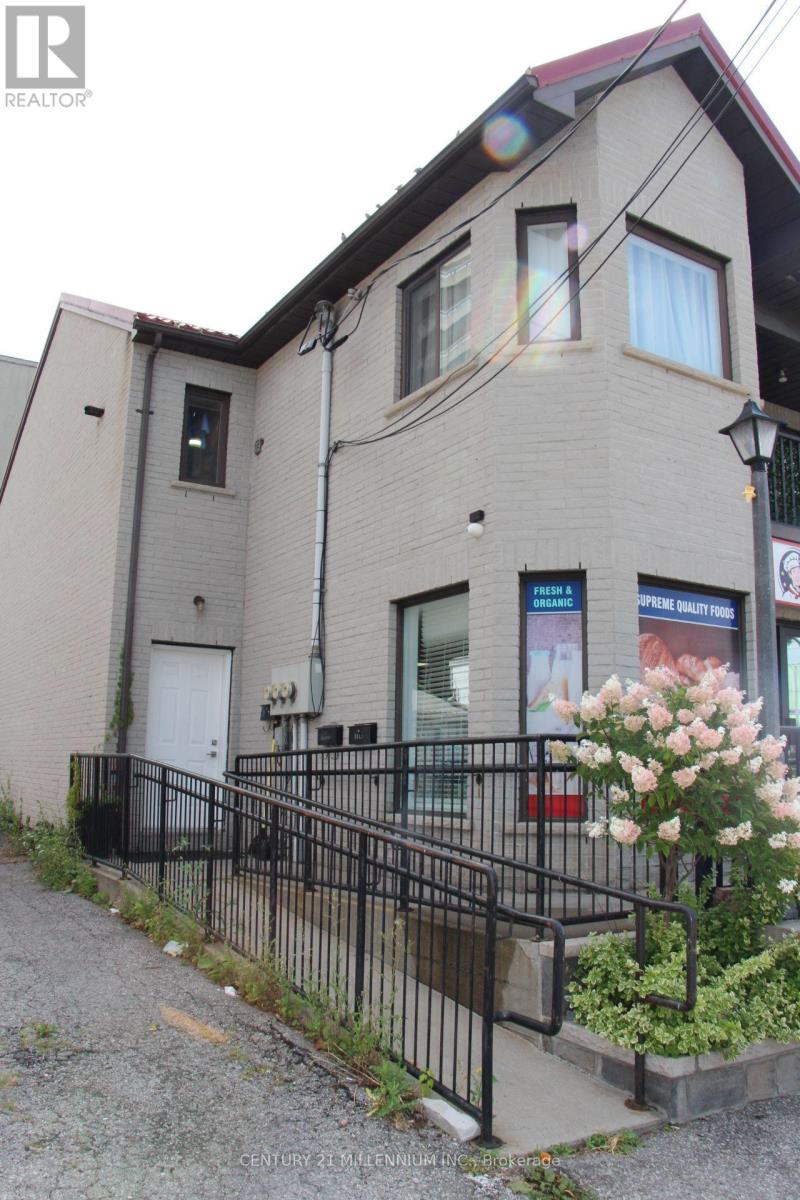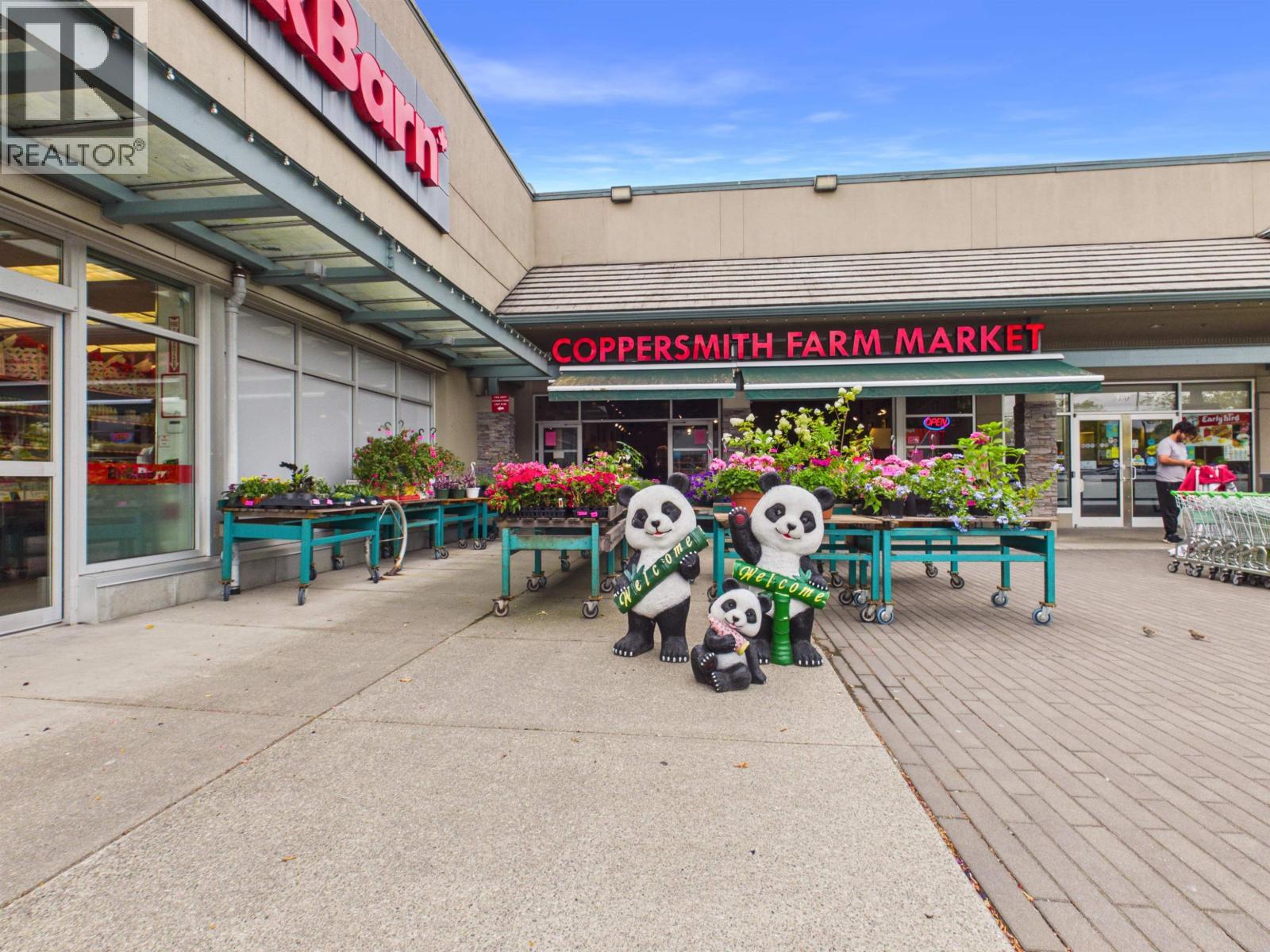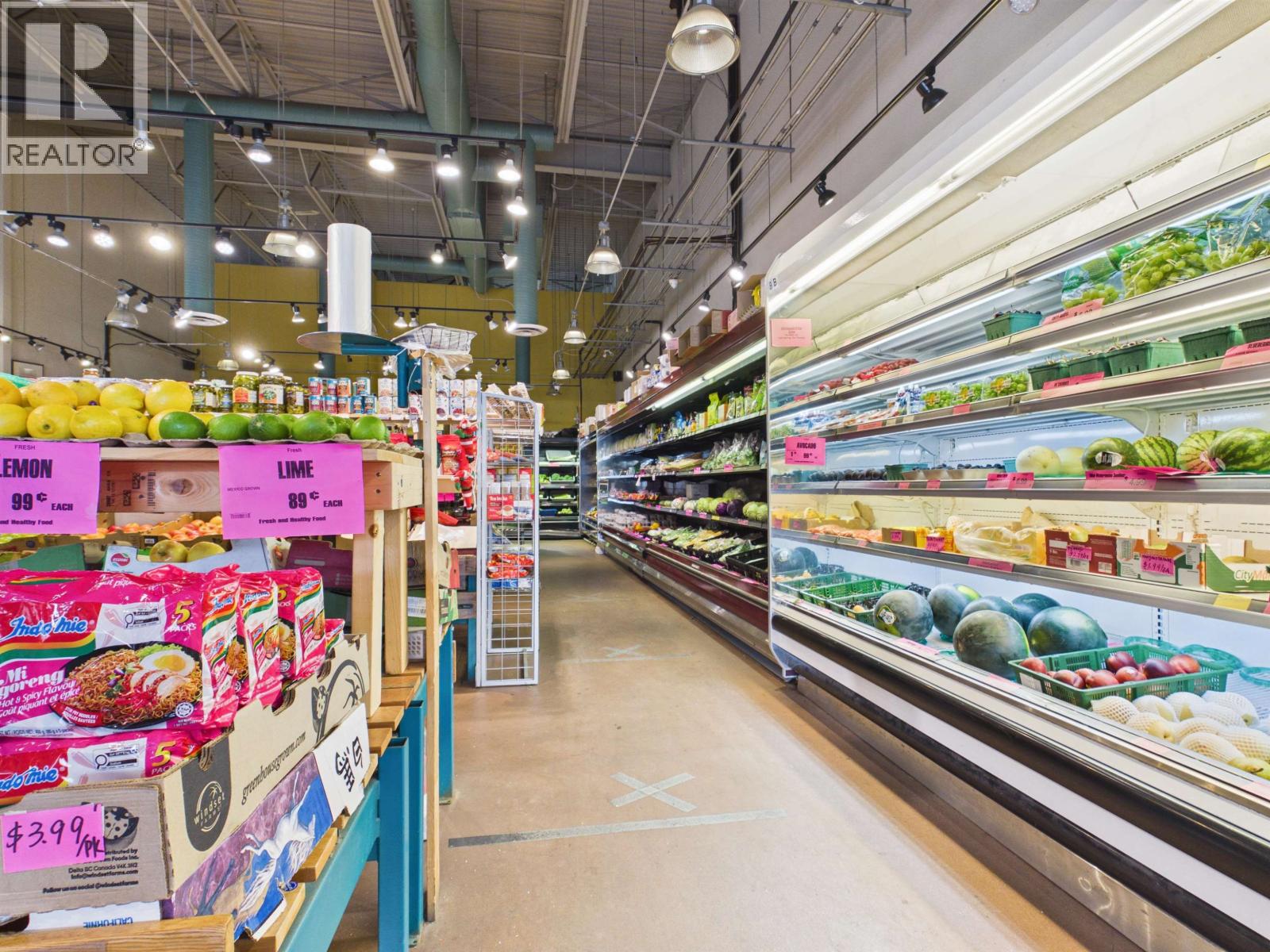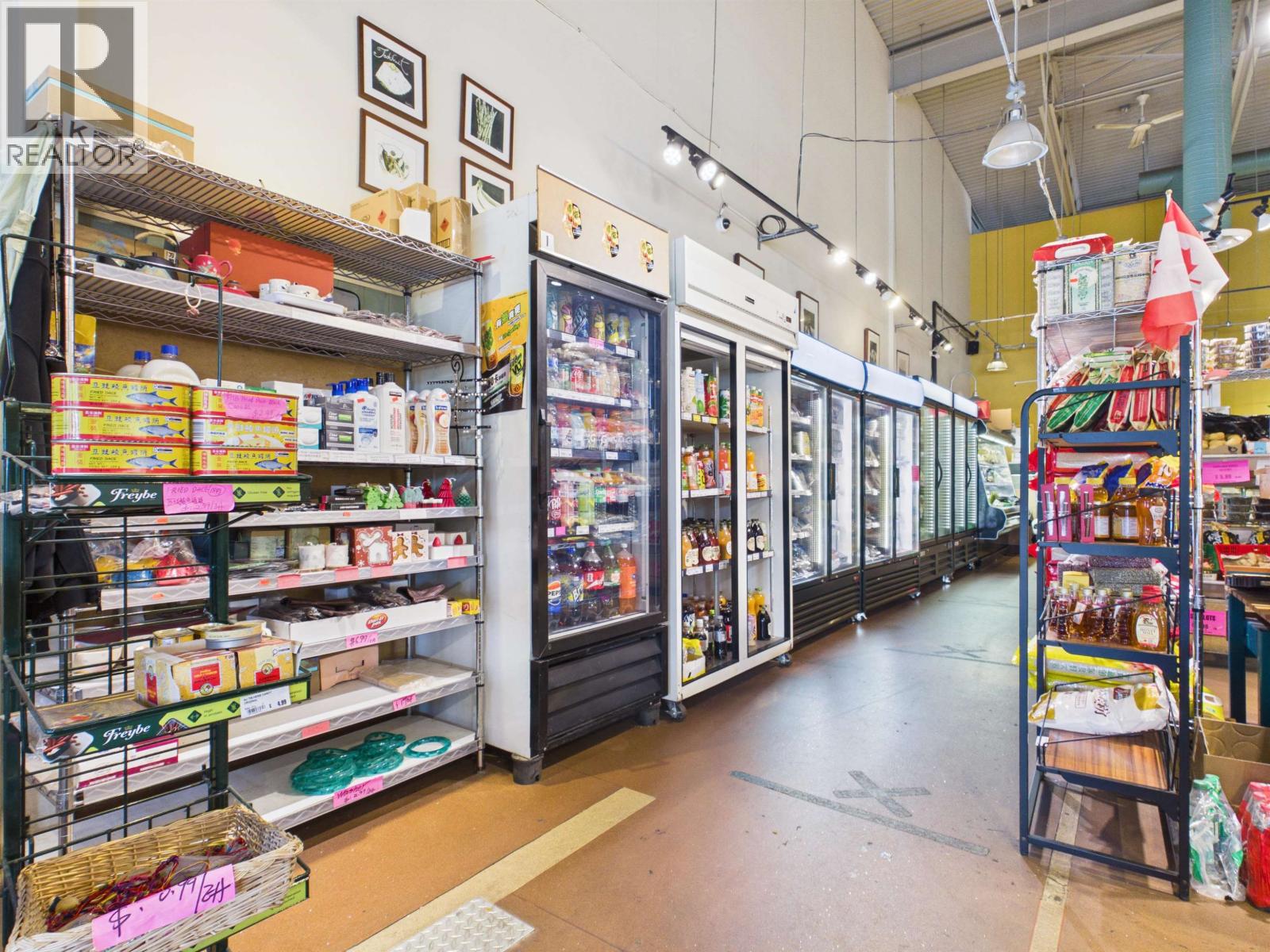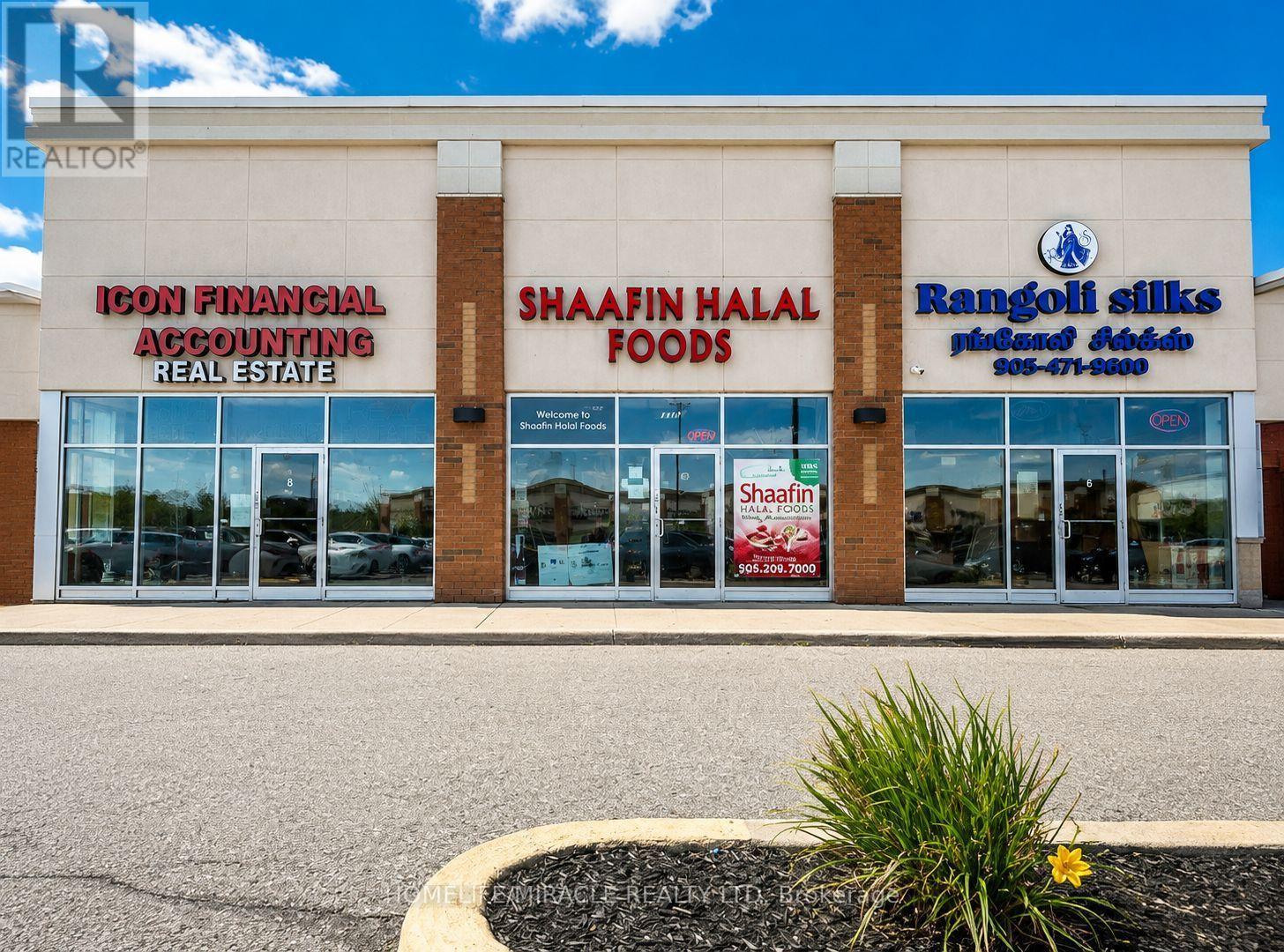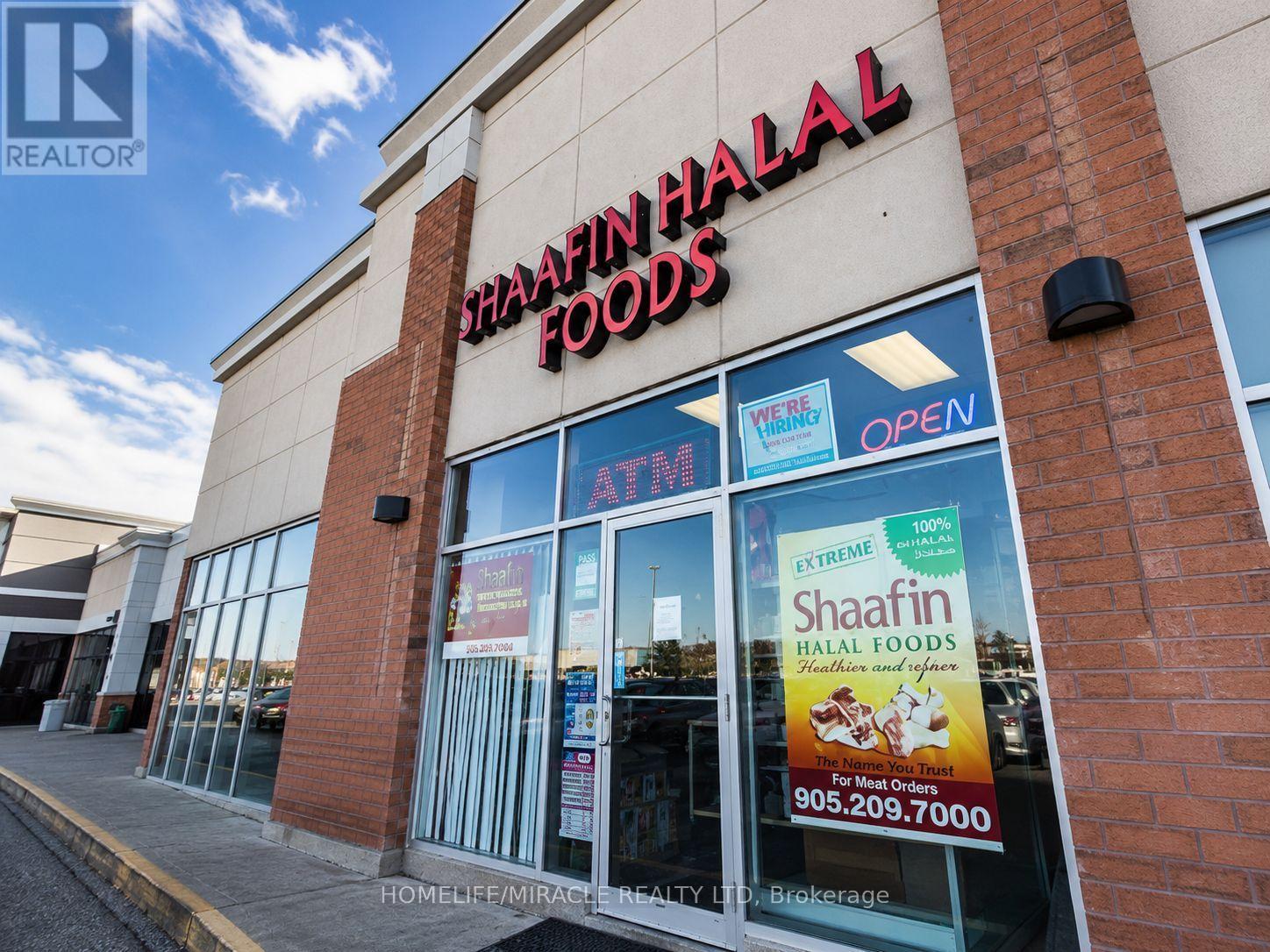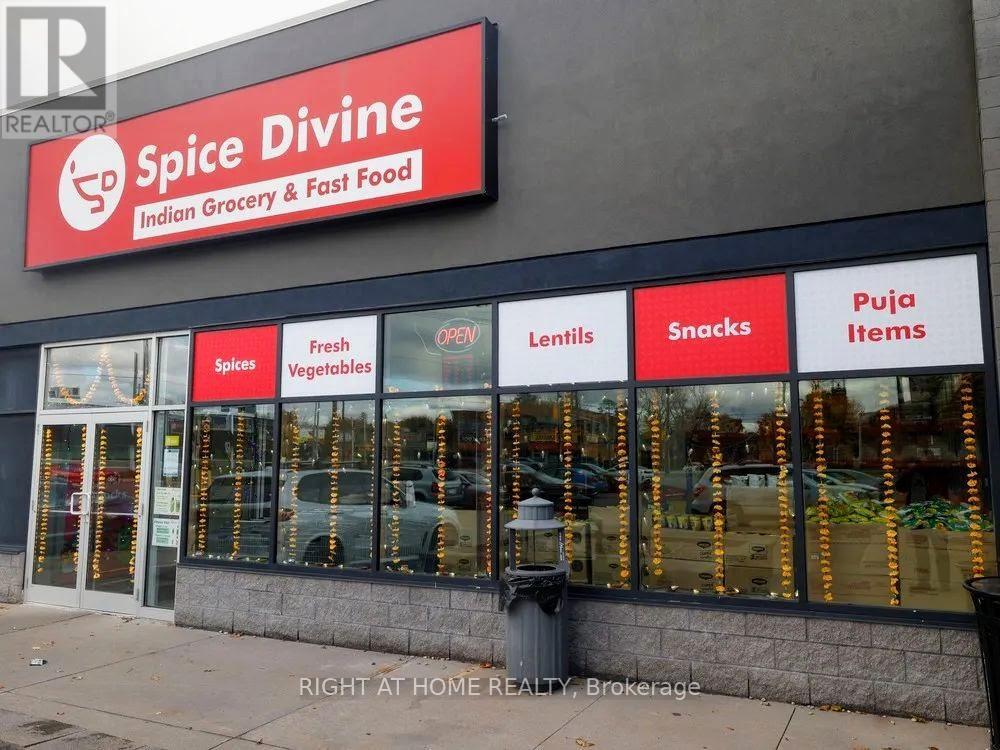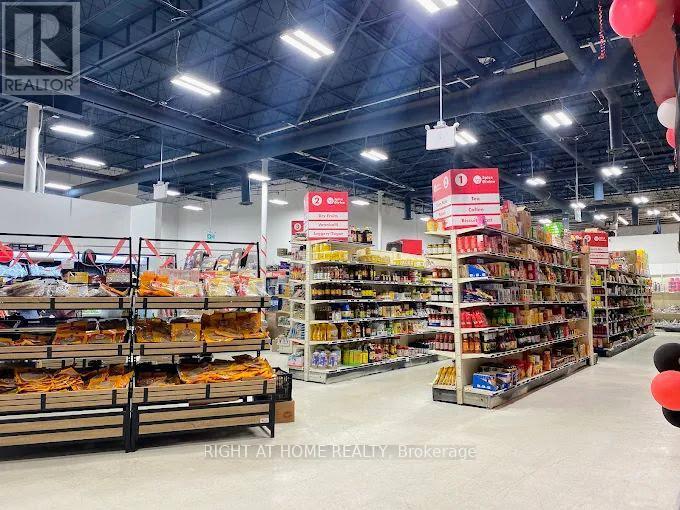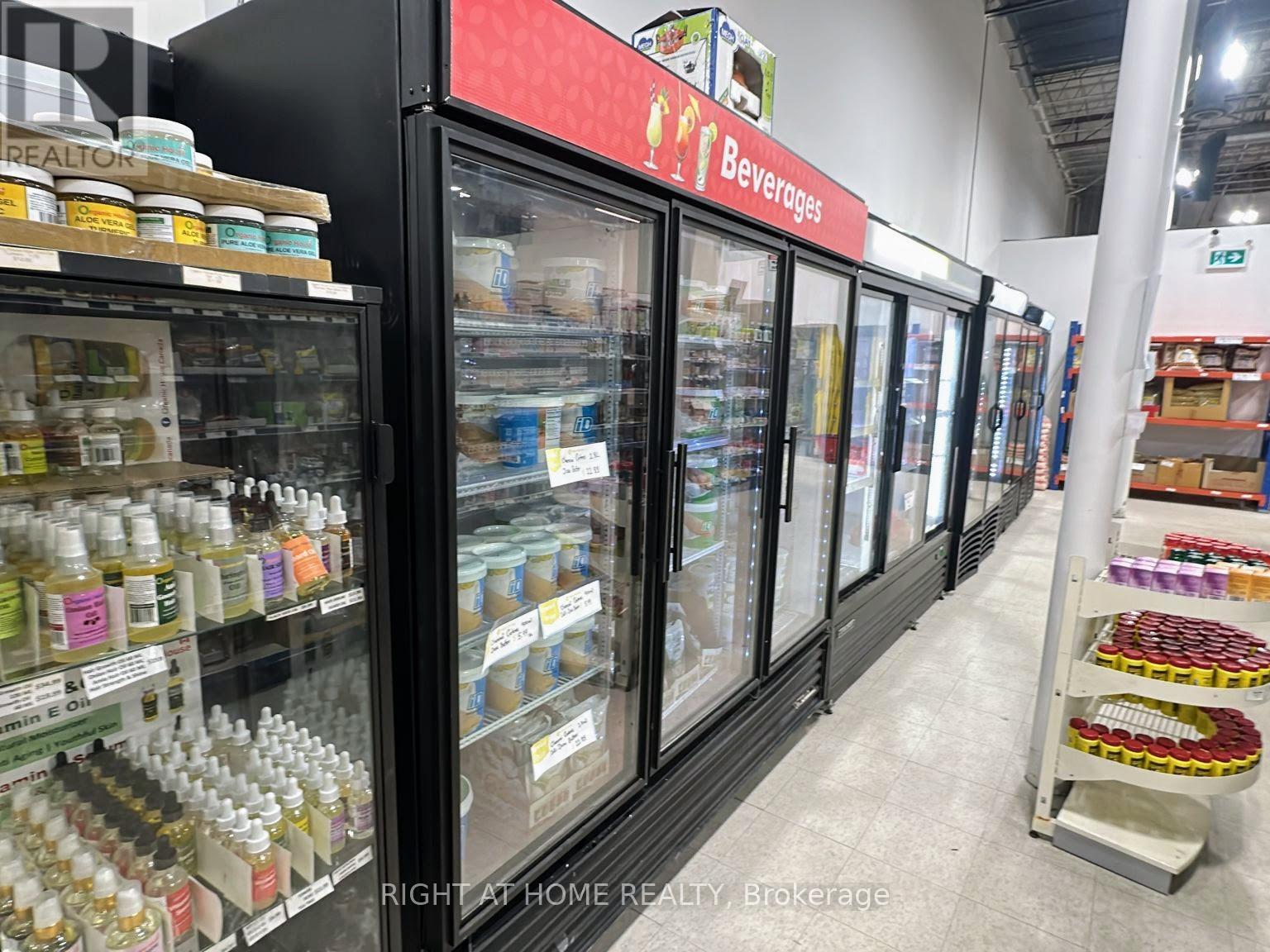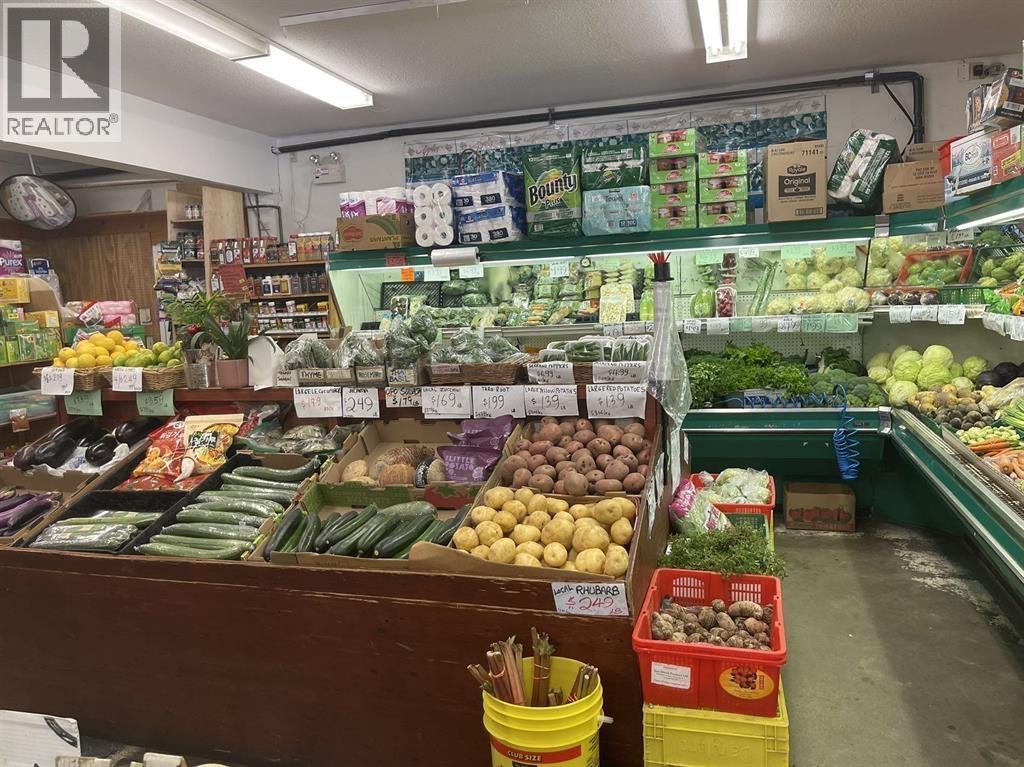
The average asking price for Grocery Stores : $658,597
The most viewed Grocery Stores listings on FBF are linked below:
| Business for Sale | Business for Sale | Business for Sale |
| Business for Sale | Business for Sale | Business for Sale |
Written by David Turner, M.A.
Purchasing a grocery store in Canada offers you consistent cash flow from an essential industry, opportunities to leverage community loyalty against corporate chains, and potential for margin growth through private label expansion. You'll need to manage thin profit margins through strategic cost controls, negotiate favourable lease terms, and conduct thorough due diligence on financial statements and operational frameworks.
The following analysis will equip you with critical evaluation criteria for this significant investment decision.
Grocery stores provide essential services with consistent cash flow regardless of economic conditions.
Canadian demographics support grocery retail with growing populations in urban and suburban markets.
Established grocery businesses offer immediate revenue without the startup challenges of new ventures.
Strategic opportunities exist to increase profitability through private label expansion and cost management.
Community-based grocery stores can leverage local loyalty to compete effectively against large corporate chains.
When considering a major investment such as purchasing a grocery store in Canada, you'll need to thoroughly evaluate the potential advantages and disadvantages before committing your capital.
Location considerations should guide your acquisition strategy, as demographic trends and accessibility directly impact customer traffic and revenue potential.
|
Factor |
Advantages |
Disadvantages |
|
Profitability |
Consistent cash flow |
Thin profit margins |
|
Competition |
Community loyalty |
Corporate chains |
|
Market Stability |
Essential industry |
Economic sensitivity |
|
Lease Arrangements |
Fixed overhead costs |
Long-term commitments |
Your lease arrangements will critically determine long-term viability, often representing a substantial fixed cost that persists regardless of sales fluctuations. Negotiate favorable terms with renewal options.
Canadian grocery industry trends have been shifting dramatically over the past decade, necessitating your awareness of evolving consumer preferences and supply chain innovations that will impact potential store acquisitions.
When evaluating investment opportunities, analyze these critical market developments:
Successful acquisition of a Canadian grocery store business demands meticulous planning, thorough due diligence, and strategic financial assessment to guarantee your investment yields sustainable returns in this competitive marketplace. You'll need to analyze historical financial statements, conduct market feasibility studies, and evaluate existing operational frameworks before proceeding with negotiations.
When exploring small business opportunities, determine whether independent ownership or franchise advantages better align with your capital constraints and management philosophy. Subsequently, secure appropriate financing through commercial lenders familiar with retail acquisitions, establish vendor relationships for inventory management, and develop an all-encompassing changeover plan that minimizes operational disruption during ownership transfer.
Before commencing on your grocery store acquisition journey, you'll need to establish clear, measurable criteria that align with your financial capacity, management experience, and long-term business objectives. Developing these parameters will eliminate unsuitable options, focusing your search on establishments that match your target market preferences and financing options.
|
Acquisition Parameter |
Considerations |
|
Store Size |
Square footage, departments, storage capacity |
|
Location |
Demographics, competition, growth potential |
|
Financial Performance |
Revenue, EBITDA, inventory turnover |
|
Financing Options |
BDC loans, seller financing, equity partners |
|
Operational Structure |
Staff size, management requirements, technology |
Assembling a professional advisory team represents a critical step in your grocery store acquisition process, as these experts will navigate the complex Canadian business landscape while protecting your interests throughout the transaction. Your team's composition should include specialized professionals who understand the grocery sector's unique financial planning requirements and legal considerations within Canadian jurisdictions.
Engage a business broker with demonstrated experience in grocery retail transactions, preferably one who maintains relationships with sellers not advertising on public channels.
Retain an accountant familiar with inventory valuation methodologies, cash flow analysis, and tax implications specific to food retail operations.
Select a commercial lawyer versed in provincial regulations governing food safety, employment law, and asset purchase agreements.
With your professional advisory team in place, your attention must now shift toward understanding the competitive landscape in which your prospective grocery business will operate.
You'll need to conduct a thorough market share analysis that identifies all regional grocery store chains operating in your target location, examining their pricing strategies, product selections, and customer demographics. Document the competitive advantages each competitor maintains while identifying potential market gaps that your acquisition could exploit.
This analytical process requires examining financial performance metrics, reviewing industry reports, and conducting discreet site visits to competitors, ultimately positioning your investment strategy to maximize market penetration and sustainable growth.
Once you've established a thorough understanding of the competitive landscape, it's time to identify viable targets for grocery store acquisitions that align with your investment criteria and strategic objectives.
Conduct proprietary deal sourcing through business brokers, direct outreach to owners, and industry networking events to generate qualified leads. When you meet sellers, maintain confidentiality through proper NDAs before requesting financial documentation and operational data.
Review acquisition terms carefully, including purchase price, asset allocation, working capital requirements, and contingency clauses. Perform exhaustive due diligence on all financial statements, ensuring EBITDA figures accurately reflect the asking price.
Before submitting an offer for a grocery store acquisition, you'll need to examine historical financial statements spanning at least three years, including income statements, balance sheets, and cash flow documents, to verify revenue claims and identify trends.
You should also request a comprehensive asset inventory, detailing all equipment, fixtures, and inventory, while simultaneously reviewing all operating licenses, health permits, and compliance certificates to corroborate transferability and identify potential regulatory issues.
Additionally, begin exploring financing options, including potential vendor financing arrangements, while preparing a detailed budget that accounts for acquisition costs, post-completion renovations, and operating capital requirements necessary for a seamless migration.
Financial scrutiny represents the cornerstone of your grocery store acquisition's due diligence process, requiring meticulous examination of past performance to predict future viability. When analyzing the target's financial statements, conduct an exhaustive revenue composition assessment to identify growth patterns and seasonality factors, while performing detailed expense analysis against industry benchmarks.
|
Financial Metric |
Industry Standard |
Action Required |
|
Food Cost |
29% - 32% |
Compare to target's COGS |
|
Payroll Expense |
32% |
Evaluate efficiency opportunities |
|
Cash Flow Margin |
10% |
Assess sustainability and debt service capacity |
You'll need three years of financial data, including income statements, balance sheets, and tax returns, to establish legitimate operational patterns and identify potential red flags that could impact valuation negotiations.
A detailed asset inventory serves as the foundation for accurate valuation and post-acquisition operational planning when purchasing a grocery store. When examining detailed asset details, you'll need to meticulously categorize all equipment, fixtures, and undisclosed property assets that transfer with the business.
|
Asset Category |
Valuation Considerations |
Documentation Required |
|
Equipment |
Age, condition, replacement cost |
Maintenance records |
|
Fixtures |
Depreciation value, remaining life |
Installation certificates |
|
Real Estate |
Market appraisal, zoning restrictions |
Title documents |
Your freedom to negotiate purchase terms hinges on this extensive review, enabling you to identify potential red flags and determine which assets represent genuine value versus future liabilities.
Why do operating licenses and permits represent critical compliance assets that demand thorough examination during your pre-offer due diligence phase? These documents constitute the legal foundation for grocery operations, where non-compliance can trigger immediate closure, substantial fines, or reputation damage.
You'll need to verify current business license requirements, ensuring all municipal, provincial, and federal authorizations remain active and transferable. Additionally, scrutinize the store's adherence to food safety regulations, including health inspection records, sanitation certificates, and specialized permits for departments like deli, bakery, or alcohol sales. Confirm all documentation expiration dates and renewal processes to avoid operational disruptions post-acquisition.
When evaluating your grocery store acquisition target, securing partial vendor financing represents a strategic component that merits thorough exploration during pre-offer due diligence, potentially enhancing your negotiating position while reducing initial capital requirements.
Request detailed terms for partial owner financing, including interest rates, amortization schedules, and security provisions, which demonstrates your financial acumen while signalling serious acquisition intent. Analyze the seller's willingness to maintain a vendor capital contribution, as this often indicates confidence in the business's future performance.
Negotiate favourable repayment terms that align with projected cash flows, preserving your working capital for operational improvements and strategic growth initiatives.
Before submitting an offer for a grocery store acquisition, you'll need to develop an extensive acquisition budget that encompasses not only the purchase price but also the significant post-completion expenditures that inevitably accompany ownership change.
Your financial planning must account for changeover costs that extend beyond the closing table, ensuring operational continuity while implementing your strategic vision.
Determining an accurate market value for your grocery store business requires engaging qualified valuation experts who understand the nuances of the retail food sector, particularly since potential buyers will scrutinize your asking price against industry benchmarks. Professional valuation methods, including income capitalization, market comparison, and asset-based approaches, provide an objective foundation for establishing your store's worth in today's competitive Canadian market.
Valuation data sources should encompass thorough financial statements, operational metrics, and market analytics that reflect both current performance and growth potential. You'll need this analysis to negotiate confidently, secure appropriate financing, and guarantee you're not leaving equity on the table when structuring the final transaction.
When structuring your offer to purchase a grocery store, you'll need to carefully consider whether to pursue an asset sale or share purchase changeover, as each carries distinct tax implications, liability considerations, and regulatory requirements.
In an asset sale, you're purchasing specific business assets while leaving corporate entities behind, which often provides better liability protection and allows for depreciation resets but may trigger higher transfer taxes on inventory and equipment.
Share purchases, conversely, keep all existing business relationships and permits intact, potentially simplifying the changeover process, but require more extensive due diligence as you'll inherit all corporate liabilities, including potential unknown obligations.
As you prepare to make an offer on a grocery business, the structure of your acquisition—either as an asset purchase or share purchase—carries significant tax and liability implications that will fundamentally shape your transaction. Your asset allocation decisions will determine depreciation benefits, while the ownership structure impacts ongoing compliance requirements.
|
Consideration |
Asset Sale |
Share Sale |
|
Tax Impact |
Step-up basis, higher depreciation |
Carry-over basis, possible tax liability |
|
Liability |
Limited to specified assets |
Inherit all liabilities |
|
Complexity |
More straightforward |
More due diligence required |
You'll need to weigh capital gains treatment against potential liability exposure, evaluating each option against your long-term operational strategy and risk tolerance threshold.
A detailed business plan serves as the cornerstone of your grocery store acquisition strategy, functioning both as your operational roadmap and the primary document potential lenders will scrutinize.
Your plan must include all-encompassing cash flow projections that demonstrate sustainable profitability potential, accounting for seasonal fluctuations typical in grocery retail.
Establish realistic acquisition timelines, incorporating due diligence periods, financing approval windows, and operational changeover phases.
You'll need to document market analysis, competitive positioning, and management structure to validate your business model's viability.
Financial institutions require evidence that you've thoroughly examined the investment from all angles before committing capital to your acquisition.
Securing appropriate financing represents the pivotal challenge in your grocery store acquisition journey, requiring a strategic approach to multiple funding sources. You'll need to methodically explore loan options while demonstrating your operational expertise, projected revenue streams, and collateral assets to potential lenders, all of which substantiate your business's viability.
Engage with commercial banking institutions specializing in retail sector financing, emphasizing your business plan's strategic advantage in the Canadian market.
Investigate BDC loans and government-backed financing programs offering preferential terms for independent grocery operators.
Consider alternative capital securing methods, including seller financing, private equity partnerships, or strategic investor arrangements that preserve your operational autonomy.
The final phase of your grocery store acquisition culminates in the closing procedures, which represent the formalization of ownership transfer through meticulous legal and financial protocols.
During this critical juncture, you'll conclude negotiations on any outstanding contingencies, ensuring all parties reach consensus on final terms. Subsequently, you must finalize paperwork, including the asset purchase agreement, bills of sale, and property transfer documents, with your legal counsel's oversight.
The escrow agent will coordinate fund transfers while regulatory compliance is verified. Schedule a closing date that allows sufficient time for document review and final due diligence completion before assuming operational control.
Ultimately, your journey toward grocery store ownership in Canada represents a significant business milestone that demands both celebration and continued vigilance as you move into operational management.
Remain cognizant of new industry trends, including technological integration, sustainability practices, and evolving consumer preferences, which will directly impact your competitive positioning in the market.
Anticipate potential challenges such as supply chain disruptions, labour shortages, and regulatory changes through extensive contingency planning, quarterly strategic reviews, and adaptive management protocols.
Your acquisition marks not merely a transaction but rather an entry into a dynamic ecosystem requiring continuous adaptation, financial acumen, and operational excellence to maximize return on investment.
Successful navigation of Canada's grocery retail landscape requires exhaustive, reliable information sources that you'll need to consistently leverage for strategic decision-making. To maintain competitive positioning within this dynamic sector, prioritize access to these critical intelligence resources:
These repositories of market intelligence will substantiate your acquisition evaluation process, enabling data-driven decision-making.
Canadian grocery store operations must comply with a complex framework of federal, provincial, and municipal regulations that profoundly impact your operational strategy, financial planning, and risk management protocols. When acquiring an existing grocery business, conduct thorough due diligence on regulatory compliance to avoid unforeseen liabilities and operational disruptions.
A: Your inventory turnover rate varies based on your store's size and supplier relationships. Typically, perishables last 3-7 days, while dry goods can stretch 2-4 weeks before you'll need replenishment. A well-established grocery store located in a prime location with high foot traffic may experience quicker turnover. This is particularly true for convenience stores and those specializing in groceries that cater to specific communities, such as an Indian grocery store.
A: You'll typically see 1-3% profit margins in independent Canadian grocery stores. You can boost these through smart product purchasing strategies and inventory management techniques that reduce waste and maximize your freedom to innovate. A well-established grocery business with a loyal customer base in Toronto can achieve highly profitable margins, especially if it's a turnkey business that allows for simple transition and operation.
A: You don't absolutely need retail experience, but management experience is vital for success. Financial resources matter more, as you'll need capital to navigate challenges while building your independent grocery business. An incredible opportunity to acquire a turnkey grocery store can be ideal for those without prior experience, especially if it is a well-established business in North York.
A: Canadians spend 35% more on comfort foods during winter months. You'll notice consumer buying patterns shift dramatically with each season, while weather impact on demand creates exceptional opportunities you can leverage for maximum independence. A grocery store located in a high-traffic area can thrive regardless of the season, making it a rare opportunity for investors looking for a profitable venture.
A: You'll need property, general liability, umbrella liability coverage, workers' compensation insurance, food spoilage, and business interruption policies. Don't skimp—they protect your freedom to operate without crippling financial setbacks. As a grocery store owner, especially if you are considering a sale in Calgary, it's crucial to have comprehensive insurance to safeguard your established business.
Data is supplied by CREA who is the owner of the copyright in its MLS®System. Data provided is deemed reliable but is not guaranteed accurate by CREA. The trademarks MLS®, Multiple Listing Service® and the associated logos are owned by The Canadian Real Estate Association (CREA) and identify the quality of services provided by real estate professionals who are members of CREA. Used under license.