Gyms & Fitness Clubs for Sale in Vancouver, BC
Showing 1 - 1 of 1 Results
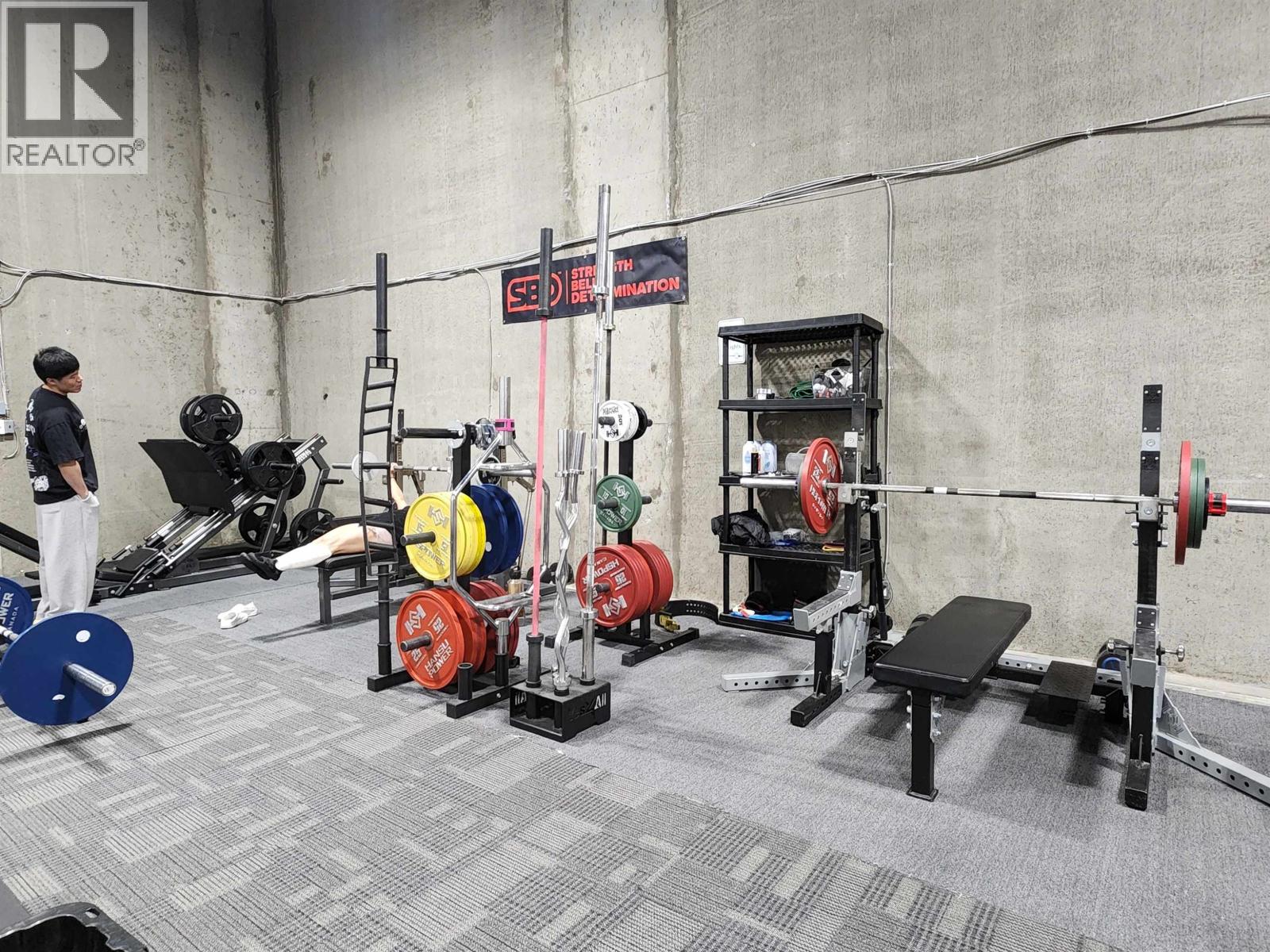
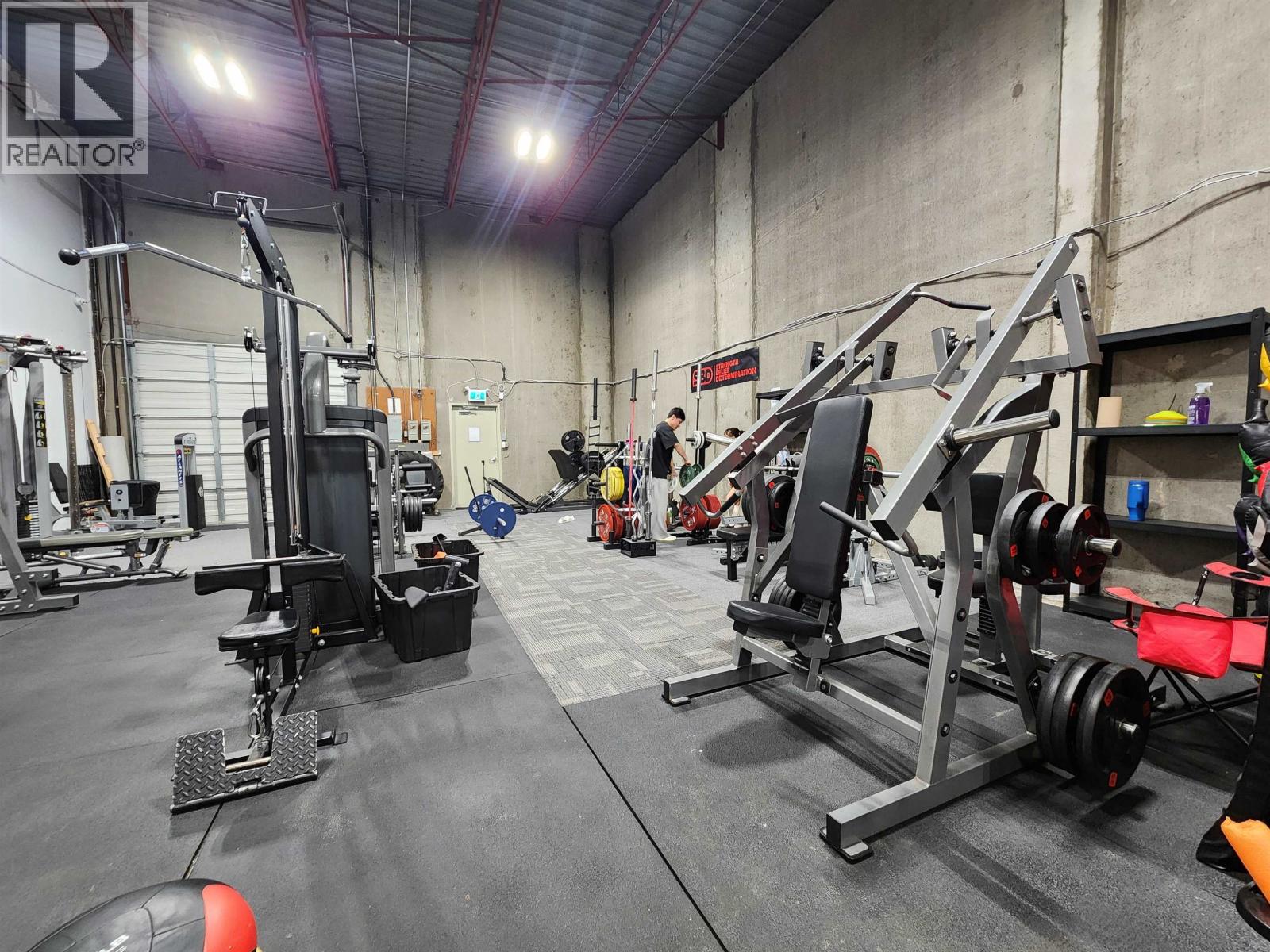
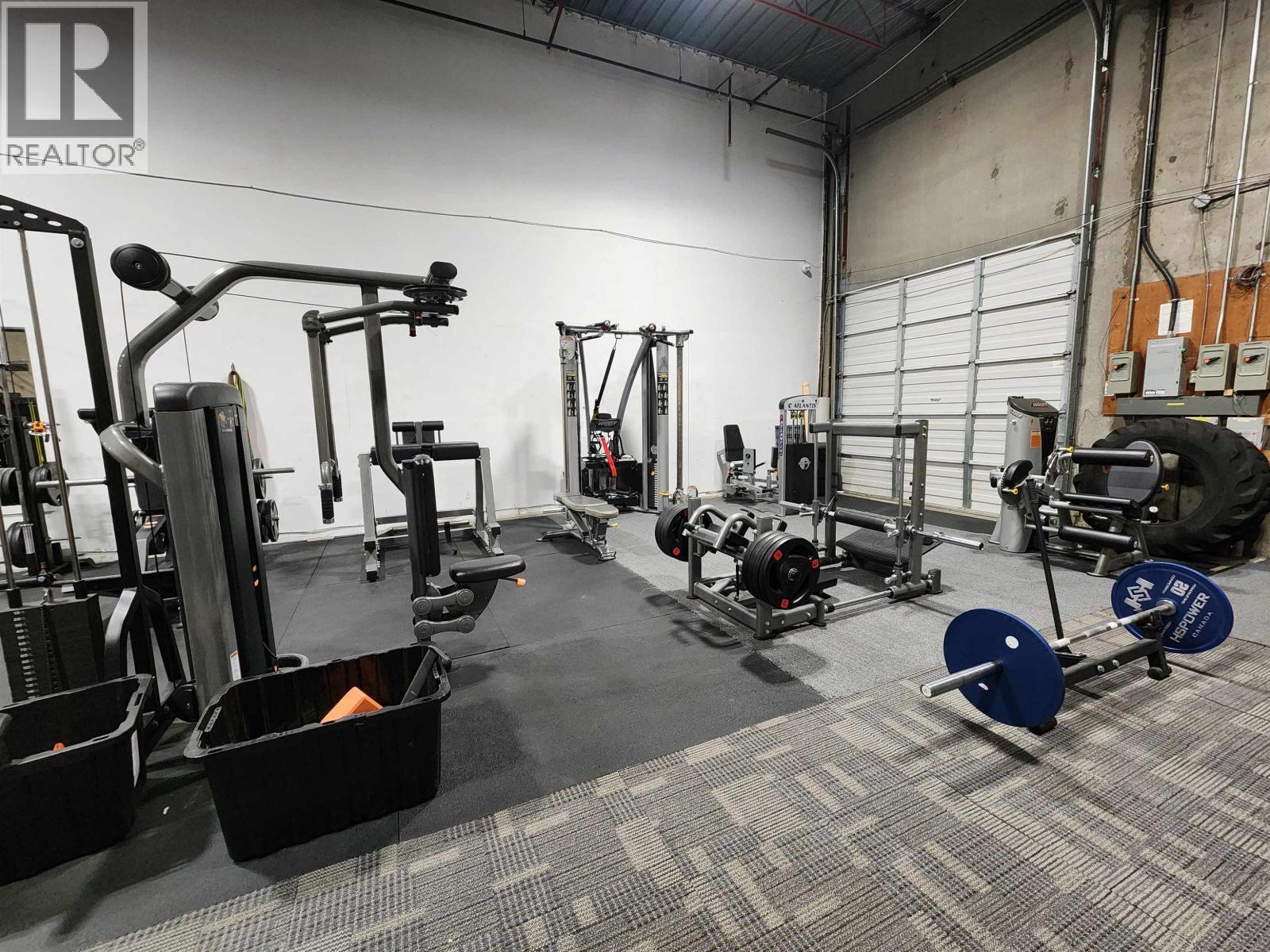
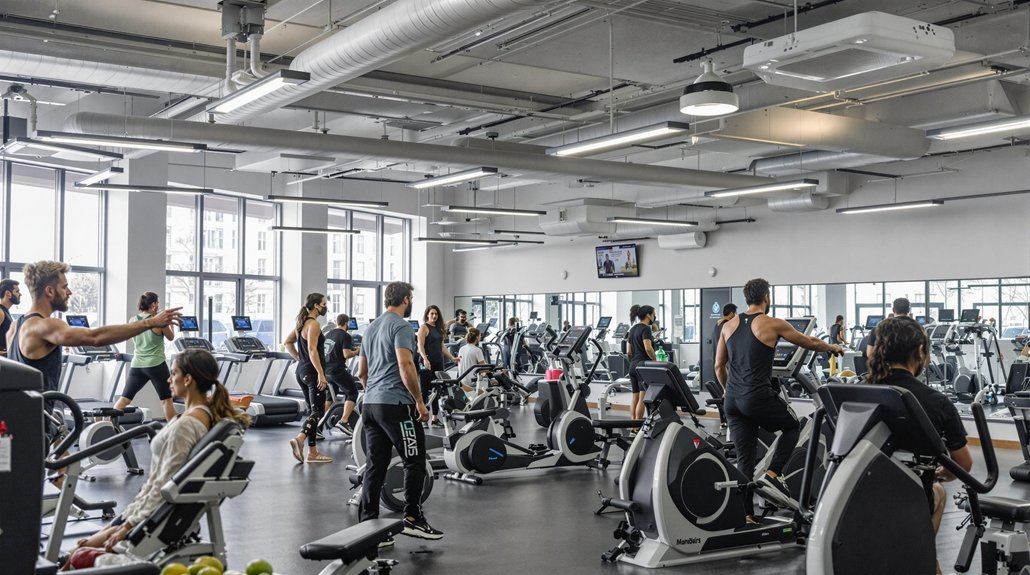
Why buy a Gym or Fitness Facility for Sale in Vancouver?
Despite recent industry challenges, buying a gym or fitness facility in Vancouver presents a compelling business opportunity. As a resilient market with strong growth potential, Vancouver's fitness industry continues to adapt through flexible membership offers and evolving fitness trends, maintaining its appeal to health-conscious residents. Vancouver's dense urban population provides a steady stream of potential clients who value fitness and wellness.
The city's commitment to active lifestyles, combined with increasing health awareness, creates a sustainable environment for fitness businesses that can adapt to changing consumer preferences.
Additionally, the sport, physical activity, and recreation (SPAR) sector plays an integral role in fostering healthier communities across Canada, further underscoring the robust foundation upon which Vancouver's fitness industry thrives.
Pros and Cons of Buying a Gym or Fitness Facility Business
Despite market saturation and rising competition in Vancouver's fitness sector, the potential for establishing a profitable business remains significant when you understand the key factors at play
| Aspect | Advantages | Disadvantages |
| Business Model | Recurring revenue through memberships | High equipment maintenance costs |
| Market Dynamics | Growing health consciousness | Increasing market saturation |
| Operations | Established systems and procedures | Staff turnover and management challenges |
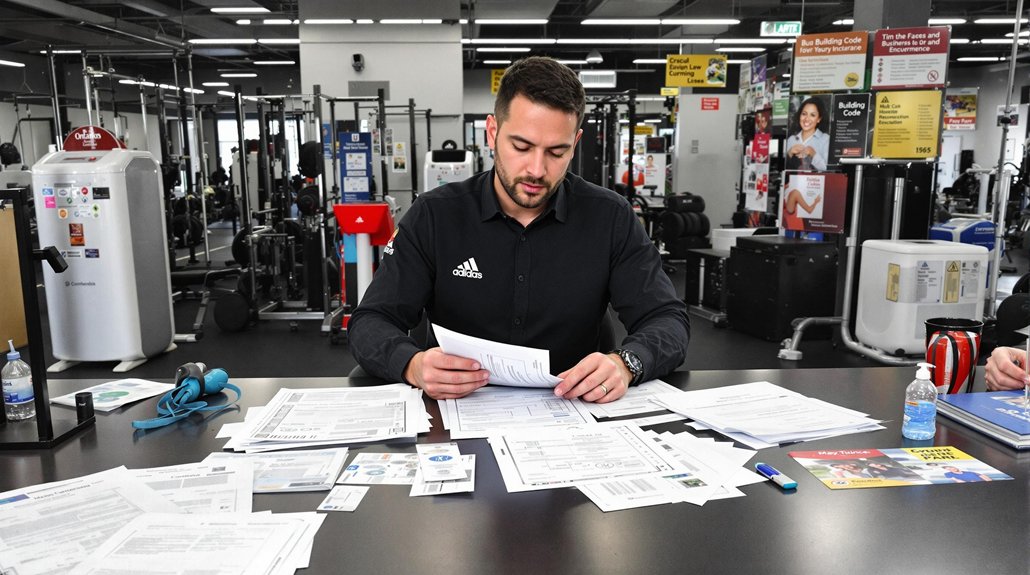
When evaluating a fitness business purchase, you'll need to weigh these factors against your professional goals and financial capabilities. While the industry faces challenges from digital alternatives and economic pressures, well-managed facilities continue to demonstrate resilience and growth potential, particularly in densely populated areas like Vancouver.
more