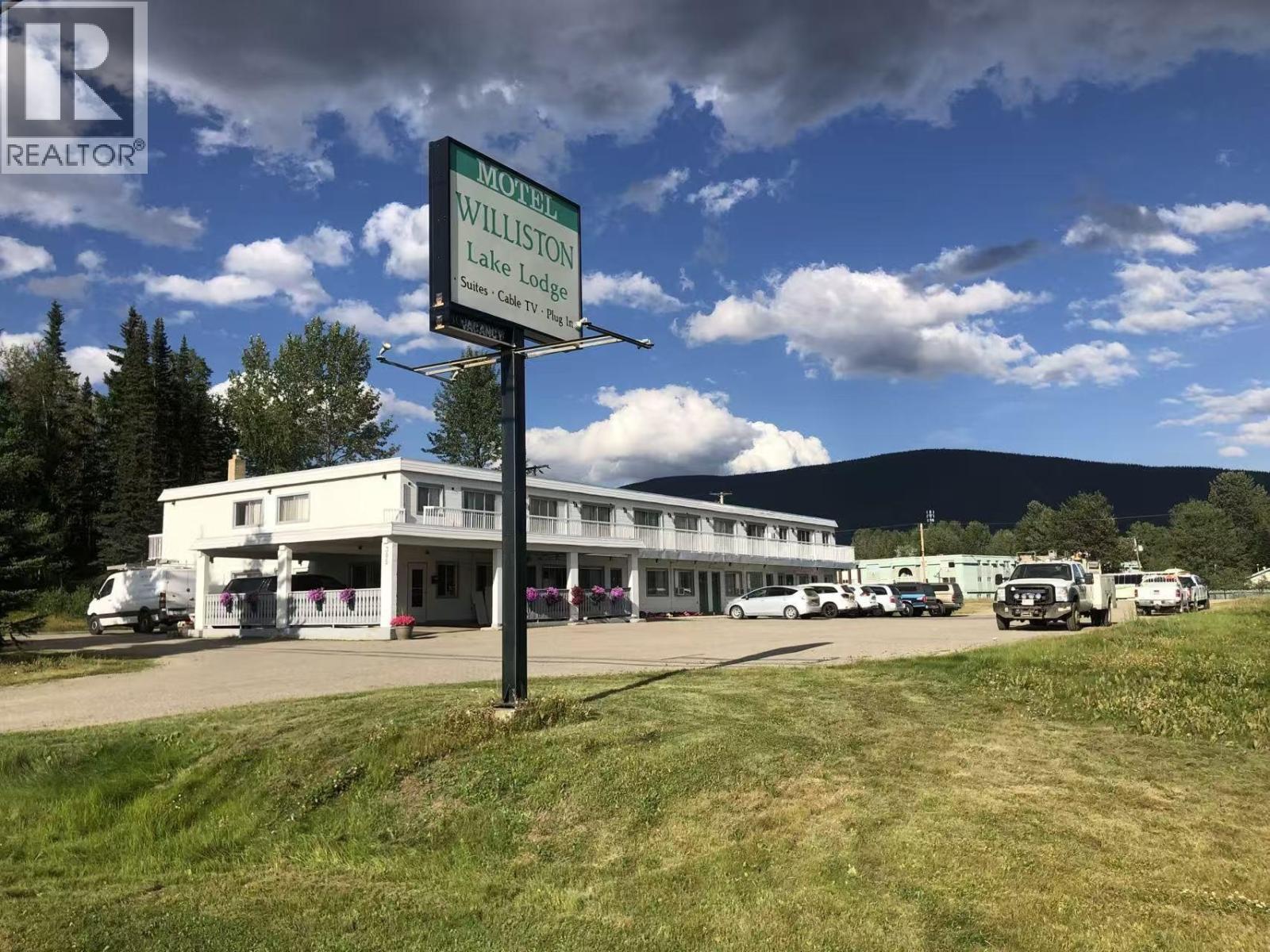
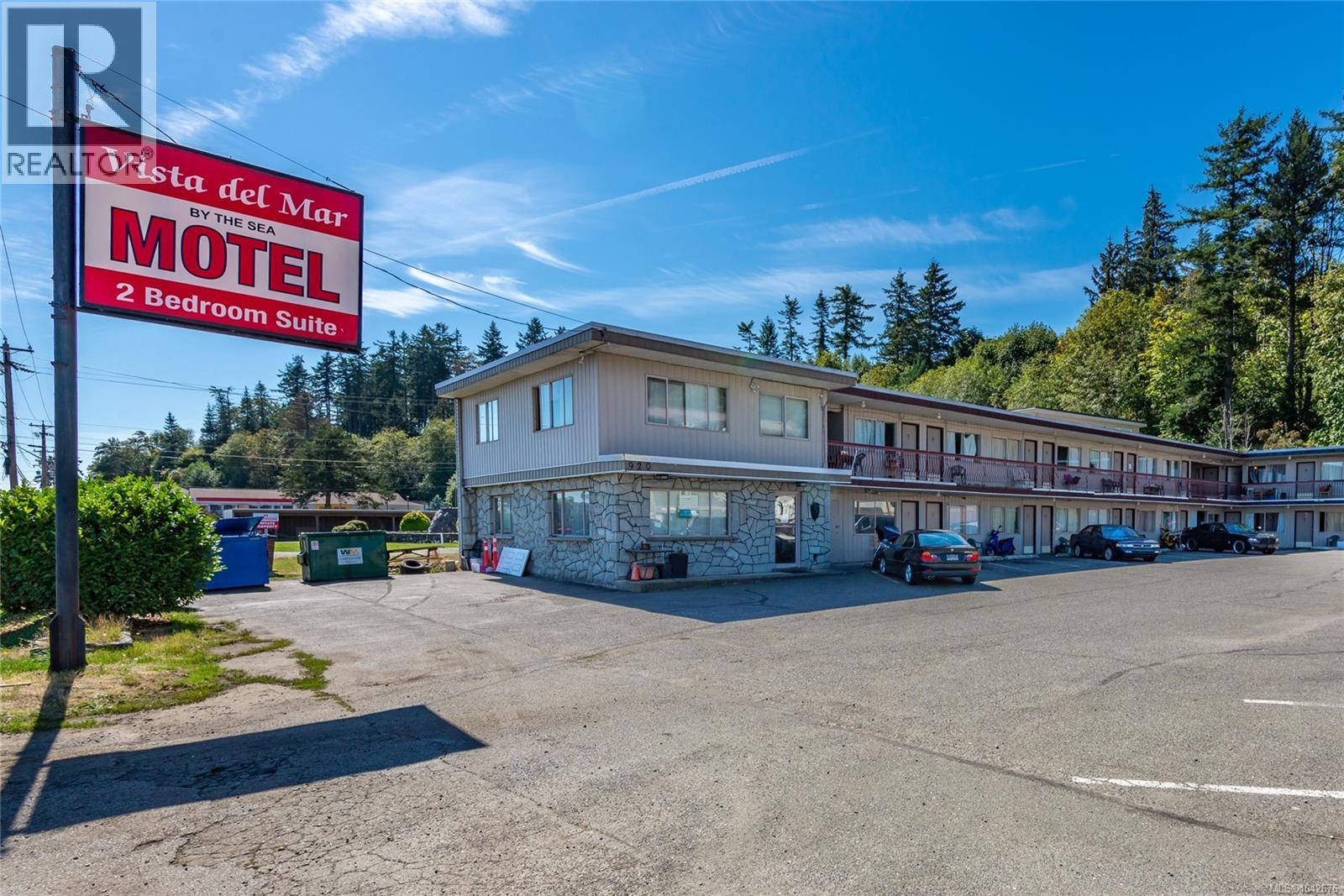
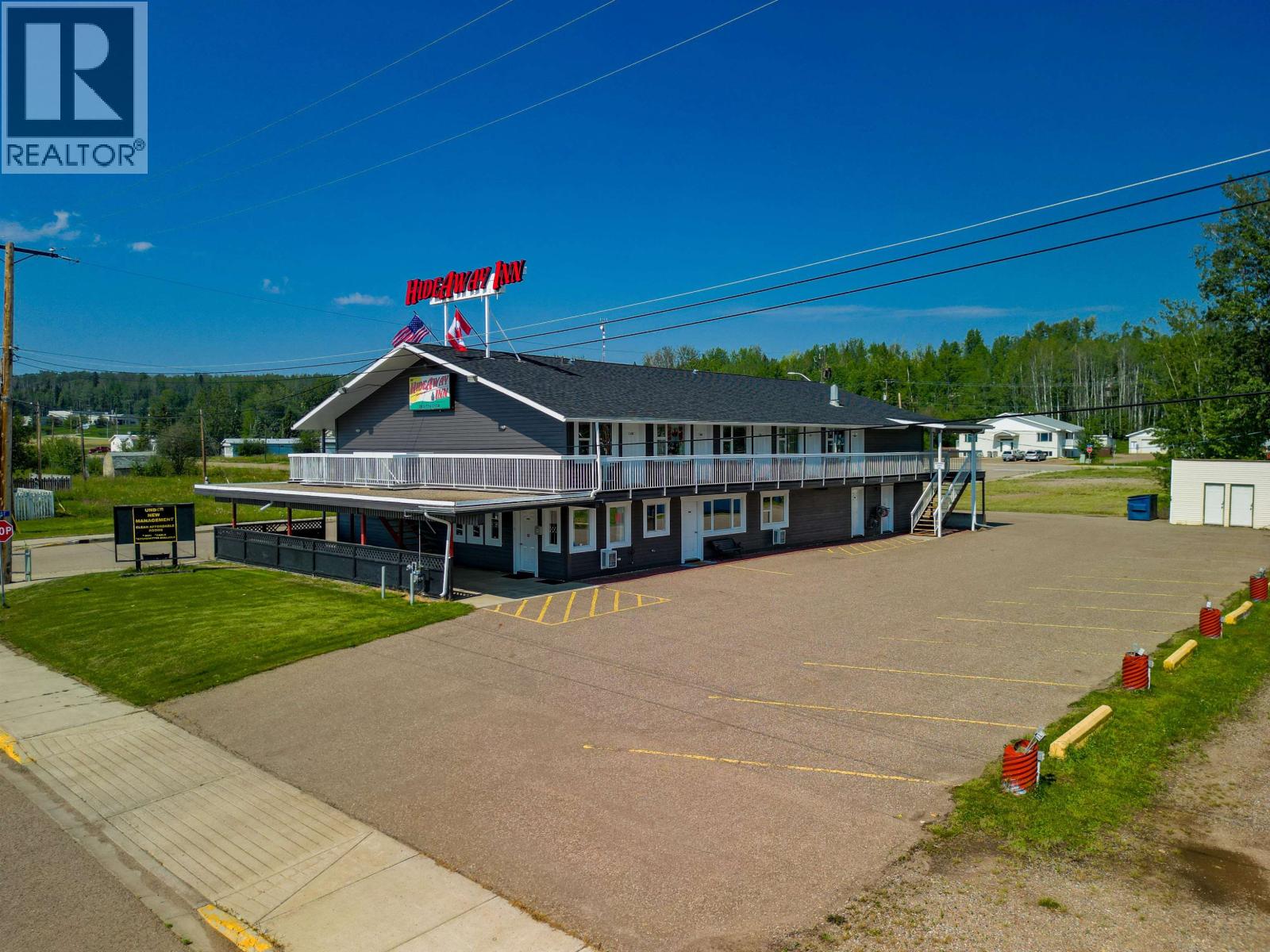
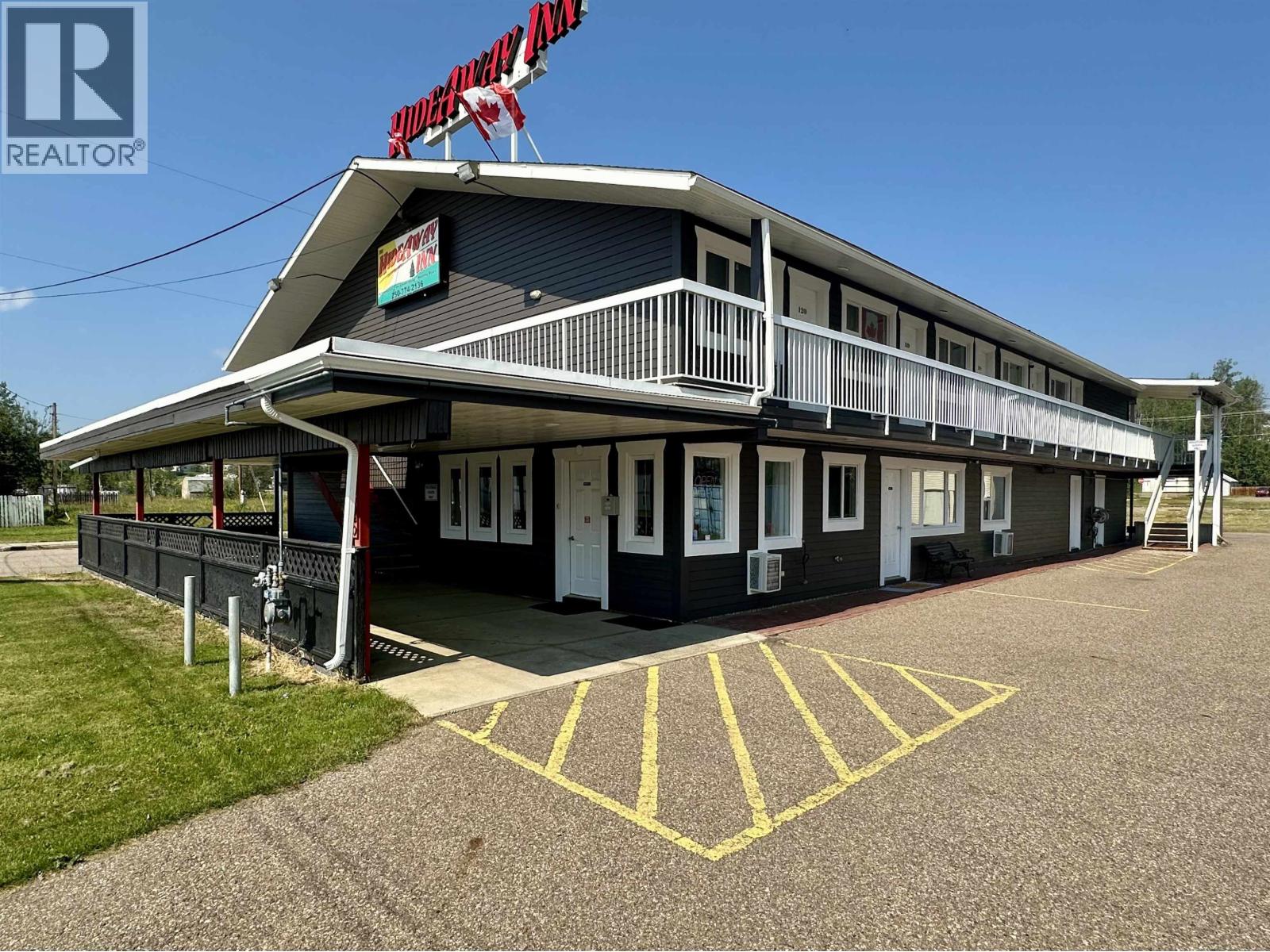
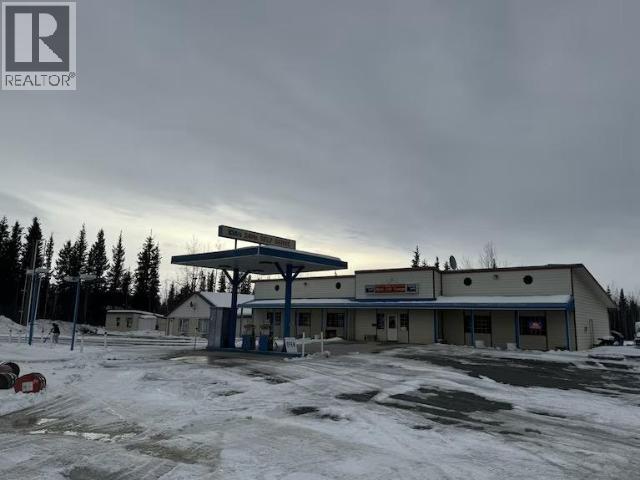
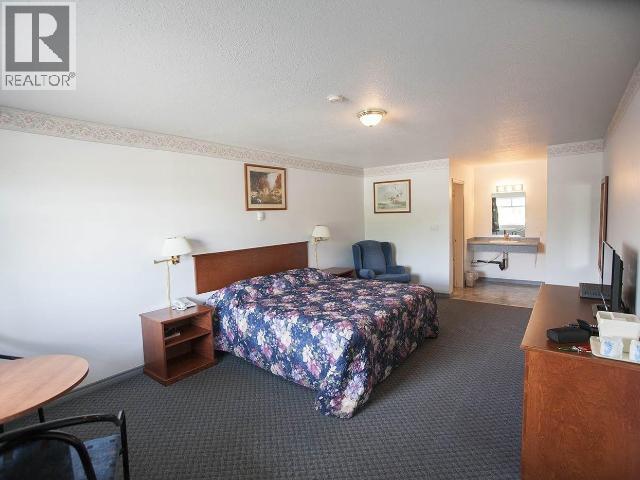
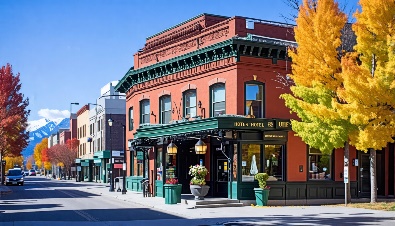
Terrace, British Columbia
William Wright Commercial Real Estate Services
The average asking price for Hotels : $2,497,538
The most viewed Hotels listings on FBF are linked below:
| Business for Sale | Turn-key Motel and RV Property Business for Sale | Motel/Resort for Sale |
| Motel for Sale | Kings Hotel with Liquor License for Sale | RED ROOF INN MOTEL Business for Sale |
Written by David Turner, M.A.
Investors looking to enter the hospitality industry often consider Canada an attractive destination for hotel owners. The country's stable economy, thriving tourism sector, and favourable business climate make it an appealing market for hotel investments.
In addition, established businesses in the hospitality sector provide a degree of security and certainty, as they often come with a proven track record of success. Canada's diverse landscape, from bustling cities to pristine wilderness, attracts millions of domestic and international visitors annually, creating a robust demand for accommodations.
Additionally, the Canadian government's commitment to supporting tourism through infrastructure development and marketing initiatives bolsters the industry's growth potential. As an investor, you'll benefit from the country's well-regulated business environment, which provides a sense of security and predictability.
Moreover, Canada's multicultural society and high standard of living contribute to a positive guest experience, potentially leading to increased repeat business and positive word-of-mouth marketing for your hotel property.
Read more
Consider your investment strategies and align them with current hotel market trends. Engaging a broker can offer useful information about industry expertise that can help refine your criteria.
By establishing specific parameters, you'll streamline your search and focus on opportunities that match your goals. As you develop your acquisition criteria, consider the following factors:
Location and market potential
Property size and room count
Target segment (budget, mid-scale, luxury)
Existing brand affiliation or independence
Furthermore, evaluate the property's financial performance, including occupancy rates, average daily rates, and revenue per available room (REVPAR).
Consider the potential for value-added improvements or repositioning opportunities. By thoroughly defining your acquisition criteria, you'll be better equipped to identify suitable properties and make informed decisions throughout the buying process.
Connecting with local business associations in Canada offers three key advantages for potential hotel buyers.
First, these organizations provide invaluable networking opportunities, allowing you to forge relationships with industry professionals and gain insider knowledge about the local market.
Second, you'll have access to resources and information specific to the Canadian hospitality sector, which can inform your decision-making process and help you navigate regulatory requirements.
Engaging experts who understand the intricacies of hotel investment strategies and the due diligence process is vital, especially given the current options for maintaining privacy during the sale.
These professionals will guide you through the complexities of acquiring a hospitality property, ensuring you make informed decisions every step of the way. Consider enlisting the following key players:
A business broker specializing in hotel transactions.
A lawyer well-versed in Canadian hospitality law.
An accountant experienced in hotel financial analysis.
A lender familiar with hotel financing options.
Each of these experts brings unique insights to your hotel acquisition endeavour. They'll help you navigate potential pitfalls, assess the property's financial health, structure the deal effectively, and secure appropriate financing.
Begin by researching hotel market trends in the area, focusing on occupancy rates, average daily rates, and seasonal fluctuations. Identify your direct competitors and evaluate their strengths and weaknesses, paying close attention to their amenities, service quality, and customer reviews. This information will help you develop a competitive pricing strategy and identify potential market gaps you can exploit.
Next, assess the local tourism industry and business travel patterns to gauge future demand. Consider factors such as upcoming events, infrastructure developments, and economic projections that may impact the hotel sector.
Leverage your understanding of hotel market trends to identify properties that align with your investment criteria and strategic goals.
Developing an acquisition plan is crucial as it guides your efforts and ensures you're ready for unforeseen challenges. Once you've shortlisted promising prospects, reach out to the owners or their representatives to initiate discussions.
When meeting with sellers, come prepared with a clear understanding of the property's value and your negotiation strategies. Be prepared to ask probing questions about the hotel's financial performance, operational challenges, and future growth potential.
This essential step involves analyzing historical financial statements, reviewing the premises lease or real estate title, and examining a detailed asset list to understand the full scope of the investment.
Additionally, you should budget for acquisition and post-completion costs and obtain a professional hotel valuation using the income approach, which will provide valuable insights into the property's potential return on investment.
You'll need to explore the property's income statements, balance sheets, and cash flow statements over the past 3–5 years. This financial statement analysis will provide vital insights into the hotel's revenue trends, operating expenses, and profitability.
Pay close attention to key performance indicators such as occupancy rates, average daily rates, and revenue per available room. Additionally, scrutinize any seasonal fluctuations or extraordinary events that may have impacted the financials.
As you examine these documents, you'll be better equipped to perform accurate revenue forecasting and assess the property's potential for future growth.
A vital step in your pre-offer due diligence is reviewing the premises lease or real estate title of the hotel you're considering. This process involves a detailed examination of the property's legal status and any associated agreements.
If the hotel operates on leased premises, you'll need to scrutinize the lease terms, including duration, renewal options, and financial obligations. Engage in lease negotiations if necessary to guarantee favourable conditions for your future operations.
For owned properties, conduct a thorough title search to uncover any encumbrances, liens, or potential disputes that could affect your ownership rights. This investigation will reveal important information about zoning regulations, easements, and property boundaries.
Examining the hotel's asset list is a key component of your pre-offer due diligence. This extensive inventory provides essential insights into the property's value and potential investment strategies.
As you review the list, pay close attention to the condition, age, and quality of furniture, fixtures, and equipment (FF&E). These assets greatly impact the guest experience and your future capital expenditure needs.
In addition, assess the technology infrastructure, including property management systems and guest-facing amenities. A well-maintained and up-to-date asset base can enhance operational efficiency and guest satisfaction, ultimately affecting your bottom line.
Additionally, evaluate any specialized equipment or unique features that may set the property apart from competitors.
When considering acquisition financing, it's vital to account for the purchase price and associated transaction costs.
Post-completion budgeting should include renovations, rebranding, and operational improvements. To guarantee a thorough financial plan, consider the following aspects:
Initial capital outlay for property acquisition.
Contingency funds for unexpected expenses.
Projected renovation and refurbishment costs.
Working capital requirements for the first year of operation.
Before making an offer on a hotel, it's vital to conduct thorough due diligence, starting with a professional valuation using the income approach. This method, widely recognized in hotel valuation methods, primarily focuses on calculating the property's EBITDA (Earnings Before Interest, Taxes, Depreciation, and Amortization).
To guarantee a complete understanding of the hotel's financial landscape, it is critical to analyze market trends and customer dependencies as part of your due diligence process; this analysis can help identify potential risks and opportunities related to the acquisition.
To determine a fair market value, analysts typically apply a multiple to the EBITDA, ranging from three to four times for small- to medium-sized businesses. However, it's vital to evaluate various factors that may influence this multiple, including the hotel's location, market demand, and recent comparable sales.
Additionally, professionals often employ asset-based and market-based approaches to confirm their findings. By obtaining a complete valuation, you'll gain invaluable insights into the hotel's financial performance and potential, enabling you to make an informed decision and negotiate effectively during the acquisition process.
When preparing your Conditional Offer or Letter of Intent (LOI) for a hotel acquisition in Canada, you'll need to consider several key factors. First, determine whether you're pursuing an asset sale or share sale, as this will greatly impact the structure of your offer and potential tax implications.
Additionally, you should address important elements such as requesting partial seller financing, outlining plans to inspect licenses and permits, and proposing a training and changeover agreement to guarantee a smooth handover of operations.
As you prepare to make an offer on a hotel, you'll need to decide between an asset sale or a share sale. This choice will greatly impact the transaction's structure, tax implications, and potential liabilities. An asset sale involves purchasing specific assets of the business, while a share sale entails acquiring the company's shares, including all assets and liabilities.
| Aspect | Asset Sale | Share Sale |
| Liabilities | Buyer can choose which to assume | Buyer inherits all existing liabilities |
| Tax Implications | Generally favorable for buyer | Often preferred by seller for tax reasons |
| Complexity | Usually, simpler | More complex due to due diligence |
| Contracts | May require renegotiation | Typically transfer automatically |
| Employee Relationships | New agreements may be necessary | Existing relationships continue |
Consider your risk tolerance, financial goals, and long-term plans when deciding between these options. Consult with legal and financial advisors to determine the most advantageous approach for your specific situation.
Having decided between an asset sale and a share sale, it's time to approach the seller with a formal proposal.
Consider requesting partial seller financing as part of your offer, which can provide flexibility and potentially sweeten the deal. This approach not only demonstrates your commitment but also allows you to gauge the seller's motivation.
Additionally, exploring customized financial packages can help you identify the best financing options tailored to your specific needs.
Begin by drafting a conditional offer to purchase or a letter of intent (LOI) agreement, outlining your proposed terms, including the financing structure. Clearly articulate your desire for seller financing, specifying the amount and terms you're seeking. This strategy can open doors to negotiation and may reveal additional financing options you hadn't previously considered.
Before proceeding with your offer, it's vital to thoroughly inspect the hotel's licenses and permits. Confirming compliance with hotel licensing requirements and understanding the permit application process will safeguard your investment and prevent future legal complications.
Conduct a thorough review of all necessary documentation, including:
Business licenses and registrations.
Health and safety permits.
Liquor licenses (if applicable).
Environmental compliance certificates.
Verify that all licenses and permits are current and transferable. If any are set to expire soon, factor renewal costs into your budget.
Additionally, research local zoning laws and regulations to confirm that the property complies with current standards. Should you discover any discrepancies or missing permits, address these issues with the seller before finalizing your offer.
Once you've completed your due diligence, it's time to prepare a conditional offer or a Letter of Intent (LOI). This essential document outlines your proposed terms for purchasing the hotel, including the purchase price, contingencies, and specific conditions that must be met before finalizing the deal.
When drafting your offer, carefully consider the training methods and change challenges you'll face as a new owner. Include provisions for a thorough training period, during which the current owner will guide you through the hotel's operations, systems, and procedures.
Address potential transition challenges, such as staff retention and maintaining business continuity, by requesting detailed documentation of existing processes and key relationships.
This extensive document should outline your vision, financial projections, and risk assessment. Lenders and investors will scrutinize your plan to evaluate the viability of your venture.
To create a compelling business plan, consider including:
Market analysis and competitive landscape.
Projected revenue streams and occupancy rates.
Operational strategies and cost management plans.
Marketing and branding initiatives.
Your financial projections should be realistic and based on thorough research. Include income statements, cash flow forecasts, and balance sheets for at least three years.
Additionally, conduct a thorough risk assessment, addressing potential challenges and your mitigation strategies. This illustrates your preparedness and instills confidence in potential financiers.
Buying a hotel in Canada is a complex process that requires careful planning and due diligence. As you start on this journey, it's essential to leverage various market analysis techniques to guarantee you're making an informed decision.
Understanding the local demographics and competition can greatly impact your success, as different locations serve different demographics and can dictate potential customer reach. These tools will help you assess the property's potential and identify any risks or opportunities that may impact your investment.
Additionally, explore diverse hotel financing options to secure the most advantageous terms for your acquisition. Remember that success in this industry demands a thorough understanding of the market, exceptional management skills, and a commitment to delivering outstanding guest experiences.
As for management, you'll need to decide whether to operate the hotel yourself or hire a professional management company. Each approach has its pros and cons, impacting your level of involvement and potential returns.
Lastly, you'll want to familiarize yourself with Canadian hospitality regulations, tax implications, and labour laws. By addressing these key areas, you'll be better prepared to navigate the complexities of hotel ownership in Canada.
As you commence your hotel ownership journey in Canada, you'll find a wealth of government resources designed to support small business owners. These resources can provide invaluable assistance as you navigate the complexities of acquiring and operating a hotel, including enhancing your online visibility through effective marketing strategies.
The Canadian government offers various programs, including government grants and business loans, to help entrepreneurs like you succeed in the hospitality industry. By leveraging these resources, you can potentially reduce your financial burden and gain access to expert guidance.
Consider exploring the following options:
Canada Business Network for extensive business information.
Business Development Bank of Canada for financing solutions.
Federal and provincial tax incentives for small businesses.
Innovation Canada's funding programs for business growth and innovation.
Hotel Association of Canada for industry resources.
Understanding and utilizing these resources can greatly enhance your prospects as a hotel owner in Canada, providing you with the support and freedom to build a thriving business in the competitive hospitality market.
A: Plunge into a sea of possibilities! You'll find traditional bank loans and equity financing as your main lifelines. Don't forget to explore government grants for a boost. Your entrepreneurial spirit can break free with these options!
A: You're looking at a 3- to 6-month timeline for a hotel acquisition in Canada. Don't rush the process—thorough hotel valuation is essential. Maintain agility, anticipate unforeseen obstacles, and persistently strive towards achieving your hospitality independence.
You'll find seasonal demand drastically impacts hotel profits across Canada's diverse regions. In coastal areas, you'll see summer booms, while mountain resorts thrive in winter. Urban centers often maintain steadier year-round occupancy. Adapt your strategy to regional differences.
A: In Canada, you can find various types of hotels for sale, including motels, inns, boutique hotels, and branded hotels. Each type offers different business opportunities, has different features, and caters to different market segments. For example, a charming boutique hotel might attract tourists looking for a unique experience, while a well-maintained motel could be perfect for travellers seeking budget-friendly accommodations.
A: Location is crucial when buying a hotel in Canada. A prime location can significantly impact your hotel's success. For instance, if a hotel is located near popular attractions, business districts, or transportation hubs like the Edmonton International Airport can attract more guests. Consider factors such as accessibility, local attractions, and potential for future development in the area.
A: When evaluating a hotel property for sale, consider factors such as the number of hotel rooms,hotel features, and the overall condition of the building, amenities offered, and any recent renovations. A well maintained motel is a good sign.
Pay attention to the hotel's basement mechanicals, as these can be costly to repair or replace. Additionally, assess the property's potential for expansion or improvement, and consider whether it's a rare opportunity in the market.
A: Several regions in Canada offer promising hotel investment opportunities. Alberta, particularly cities like Edmonton, has seen growth in the hospitality sector. Southern Alberta also presents intriguing prospects. Other areas to consider include locations near popular tourist destinations, business hubs, or scenic spots like the North Saskatchewan River. Research local market conditions and tourism trends to identify the best opportunities.
A: When buying a hotel in Canada, consider the following financial aspects: the current and projected revenue of the hotel business, operational expenses, potential for increasing profitability, and the terms of any existing franchise agreements for branded hotels. Furthermore, factor in the cost of any necessary renovations or upgrades. It's crucial to conduct a thorough financial analysis to ensure the investment aligns with your business goals.
A: To determine if a hotel for sale is a viable business opportunity, examine its financial statements, occupancy rates, and revenue trends. Look for hotels with stable or growing income, favourable reviews, and a solid reputation.
Consider the hotel's unique selling points, such as being near the Edmonton International Raceway or offering liquor sales. Assess the potential for improvement and growth, and compare the asking price with similar properties in the area.
A: When buying a hotel in Canada, be aware of local zoning laws, health and safety regulations, and licensing requirements for hotel operations. If the property includes amenities like a restaurant with 100 seats or allows liquor sales, ensure all necessary permits are in place or obtainable.
Additionally, understand the implications of any existing contracts, such as those with online booking platforms or suppliers, that may transfer with the property purchase.

Data is supplied by CREA who is the owner of the copyright in its MLS®System. Data provided is deemed reliable but is not guaranteed accurate by CREA. The trademarks MLS®, Multiple Listing Service® and the associated logos are owned by The Canadian Real Estate Association (CREA) and identify the quality of services provided by real estate professionals who are members of CREA. Used under license.