Frequently Asked Questions:
Q: What licenses and permits are required to operate a laundromat in Canada?
A: You'll need to secure business registration and undergo health inspections to run your laundromat legally. Don't let bureaucracy hold you back—these requirements are straightforward. Get your paperwork in order, and you'll be free to operate.
Q: How do Canadian regulations affect water usage and energy efficiency in laundromats?
A: You'll face strict water conservation regulations and energy efficiency requirements for laundromats in Canada. You're likely to need regular energy audits and may have to install water-saving devices.
Don't let these constraints restrict you—innovate to stay compliant!
Q: What are the typical lease terms for laundromat spaces in Canada?
A: You'll find laundromat lease terms vary widely in Canada. Negotiate hard for 5-10 year agreements with renewal options. Don't let landlords box you in—push for flexible rental agreements that give you room to adapt and grow your business.
Q: How does seasonality impact laundromat business in different Canadian provinces?
A: You'll notice winter demand spikes in colder provinces as people avoid hanging clothes outside. In the summer, business may dip slightly. But don't worry, laundromats stay steady year-round, giving you freedom from seasonal swings.
Q: What insurance coverage is necessary for laundromat owners in Canada?
A: You're operating a risky business, but don't worry. You'll need liability insurance to protect against customer injuries and property insurance for your equipment. These safeguards give you the freedom to focus on growing your laundromat empire.
Here's an extended FAQ for "Key Steps in Buying a Coin Laundromat Business for Sale in Canada" with 10 common questions and answers:
Q: What are the main steps to open a laundromat business in Canada?
A: To open a laundromat in Canada, start by researching the market, finding a suitable location with good foot traffic, securing financing or a business loan, purchasing or leasing equipment, obtaining necessary permits, and developing a business plan.
Consider whether you want to buy an existing laundromat or start a new one, and explore options for laundromats for sale across Ontario and other provinces.
Q: How profitable is owning a coin laundry for sale in Canada?
A: The profit margin for a coin laundromat can vary, but many laundromats in Canada can be quite profitable. Your actual income will depend on factors such as location, competition, and operational efficiency. A successful laundromat can generate a steady passi
ve income, with the average laundromat earning between $30,000 to $100,000 in annual revenue. However, it's important to thoroughly assess the financials of any laundromat for sale before making a purchase.
Q: Should I consider a laundromat franchise or an independent business?
A: Both options have pros and cons. A laundromat franchise for sale can provide brand recognition, established systems, and support but may have higher upfront costs and ongoing fees. An independent laundromat allows more flexibility and potentially higher profit margins, but you'll need to establish your brand and systems.
Consider your experience, budget, and long-term goals when deciding between a franchise and an independent laundromat.
Q: What equipment do I need to start a laundromat?
A: Essential equipment for a laundromat includes commercial washing machines and dryers in various sizes, change machines, seating areas, and folding tables. You may also need water heaters, ventilation systems, and security cameras. When buying an existing laundromat for sale, assess the condition of the current equipment and factor in any necessary upgrades or replacements in your budget.
Q: How can I increase the profitability of my laundromat business?
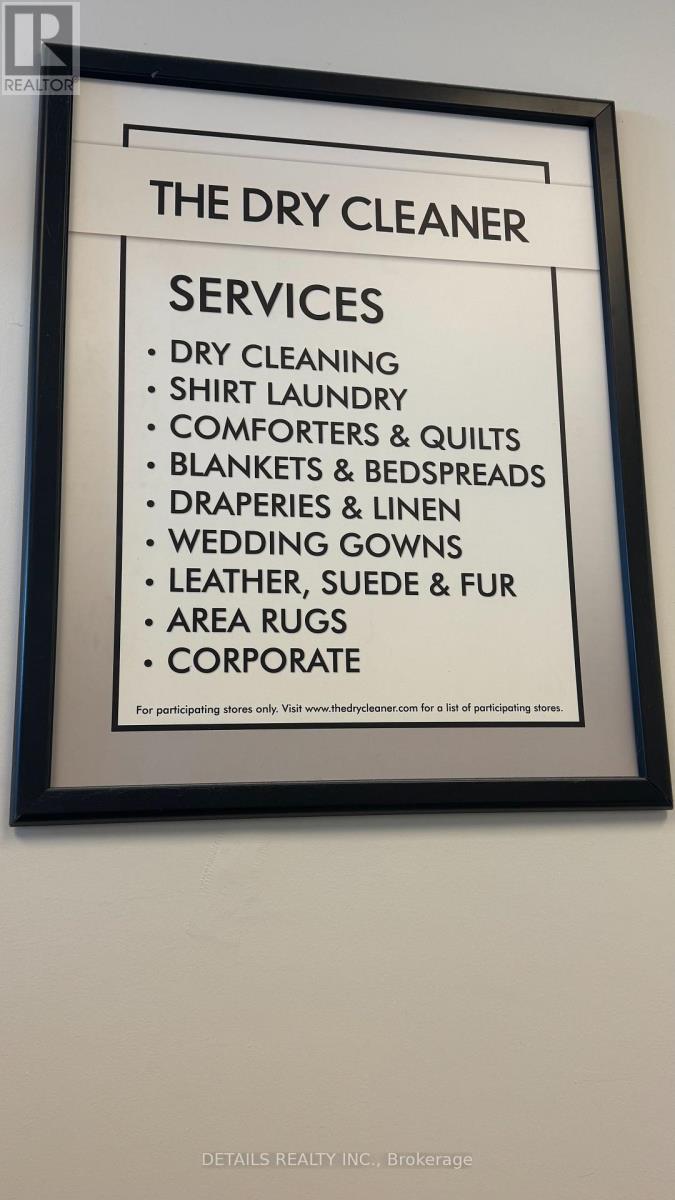
A: To boost your laundromat's profitability, consider offering additional services such as wash and fold, dry cleaning, or delivery. Implement energy-efficient machines to reduce utility costs. Maintain a clean, safe environment to attract and retain customers. You can also explore unattended coin laundromat models to reduce labour costs.
Regular maintenance of equipment and staying up-to-date with industry trends can help maximize your laundromat's gross income.
Q: What should I look for when purchasing a laundromat?
A: When buying a laundromat for sale, thoroughly evaluate the location, current foot traffic, competition, and equipment condition. Review financial statements to understand the actual income and expenses. Assess the lease terms if the property is rented. C
onsider the potential for growth and any necessary renovations or equipment upgrades. It's also important to understand why the current owner is selling and to verify all claims about the business's performance.
Q: How much does it cost to buy a laundromat in Canada?
A: The cost of buying a laundromat for sale in Canada can vary widely, typically ranging from $200,000 to $1,000,000 or more. Factors affecting the price include location, size, equipment condition, and profitability.
A small, basic laundromat might be available for around $200,000, while a larger, well-established full-service laundromat in a prime location could cost over $1,000,000. Always conduct due diligence and consider hiring a business appraiser to ensure a fair price.
Q: What are the key factors in running a successful laundromat?
A: To run a successful laundromat, focus on location, maintaining clean and functional equipment, providing excellent customer service, and efficient operations. Implement a successful marketing strategy to attract customers, and consider offering additional services like wash-and-fold or dry cleaning.
Stay on top of maintenance to avoid downtime, and regularly update your machines to stay competitive.
Building relationships with local businesses and apartment complexes can also help drive steady business to your laundromat.
Q: Are there any specific regulations for operating a laundromat in Canada?
A: While regulations can vary by province and municipality, generally, you'll need to comply with local zoning laws, obtain a business license, and meet health and safety standards. You may also need permits for water usage and waste management.
Some areas might require specific certifications for handling certain chemicals used in dry cleaning. It's important to check with local authorities and possibly consult with a lawyer familiar with laundromat regulations in your area to ensure full compliance.