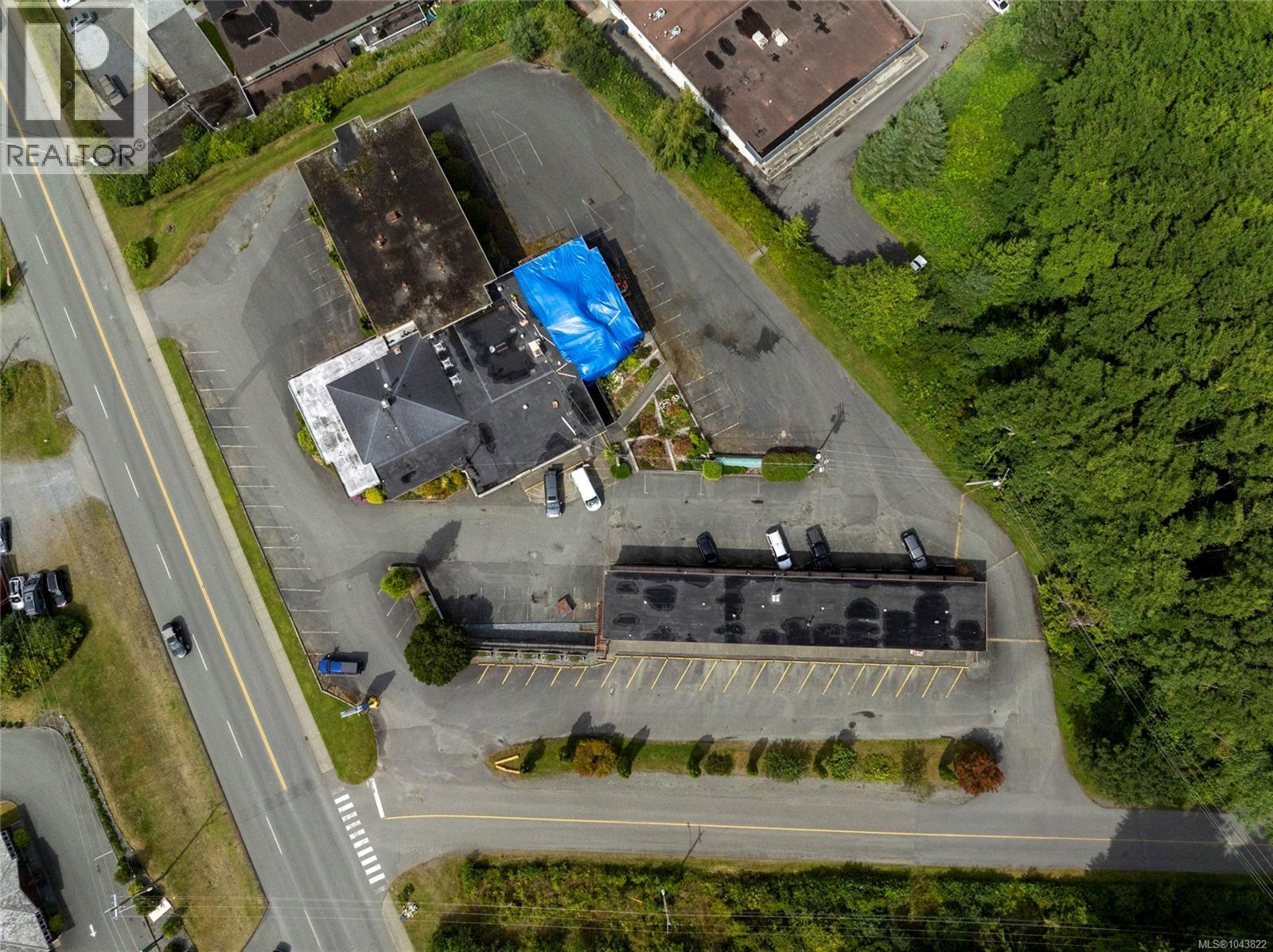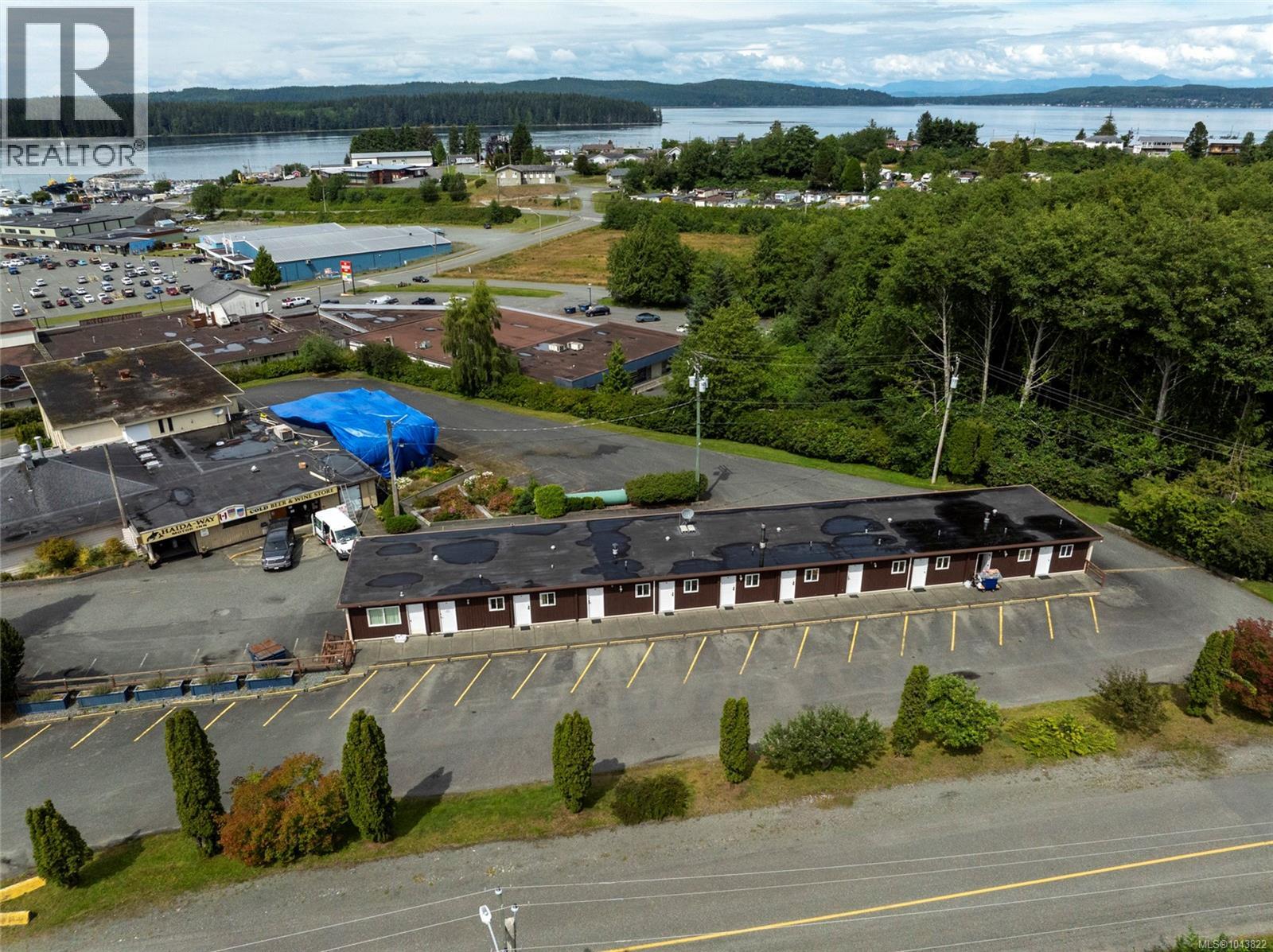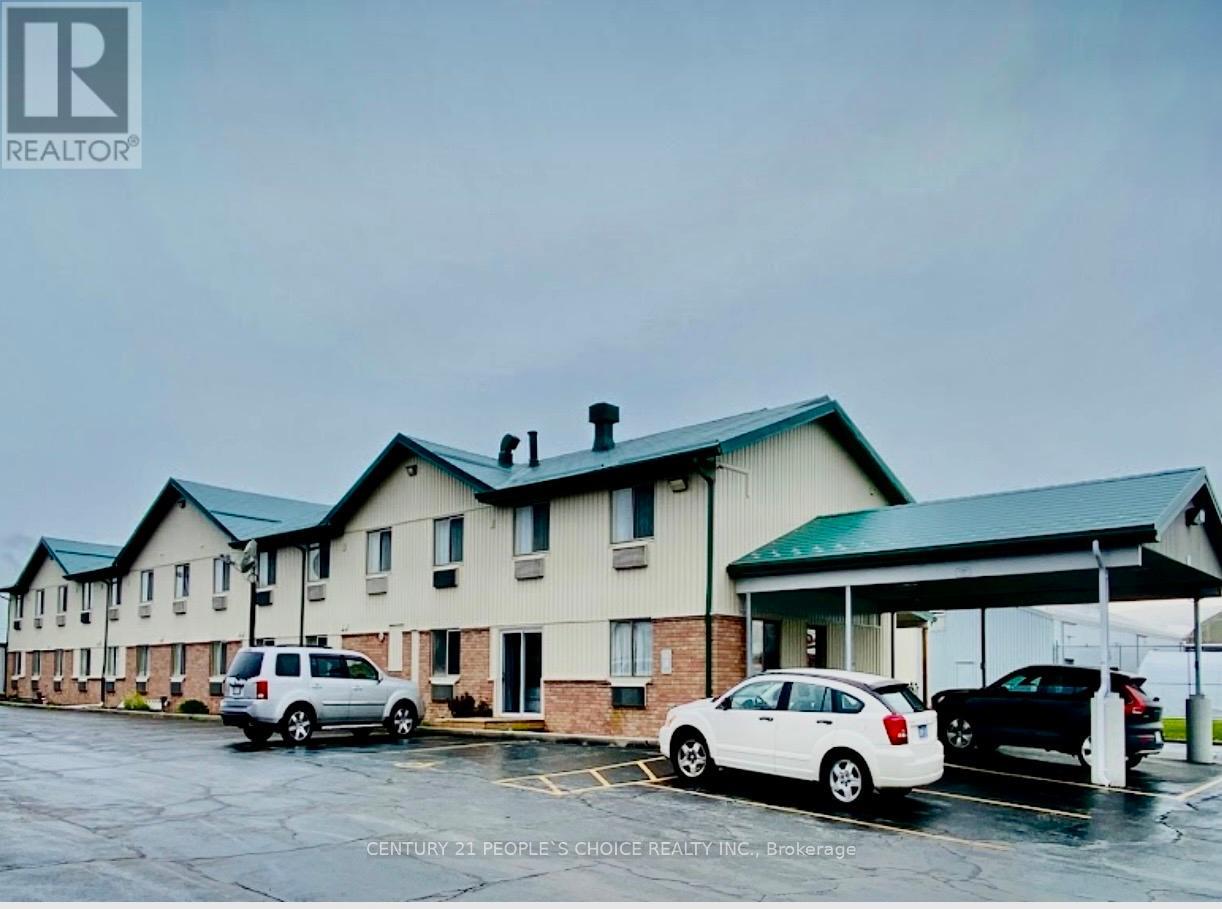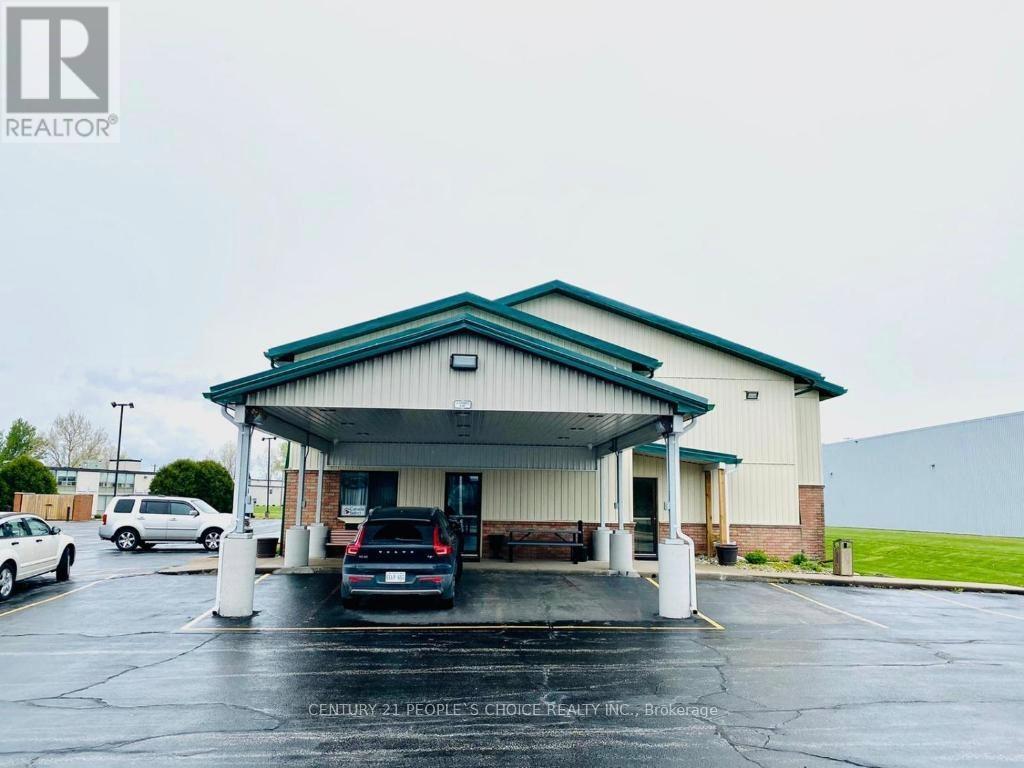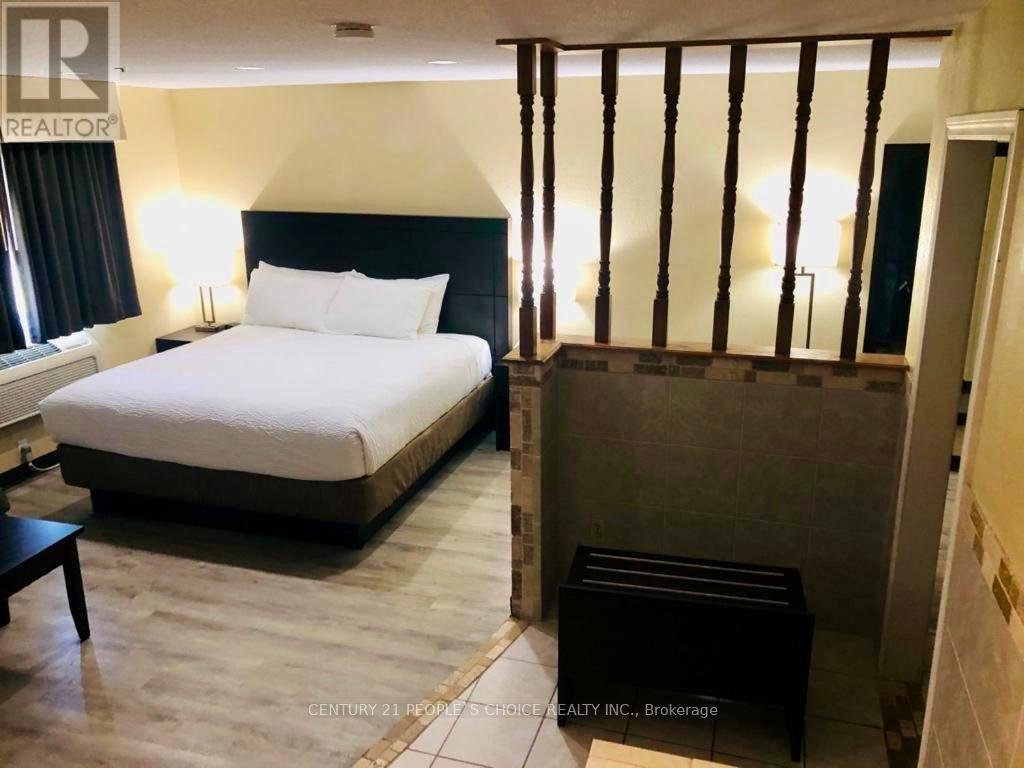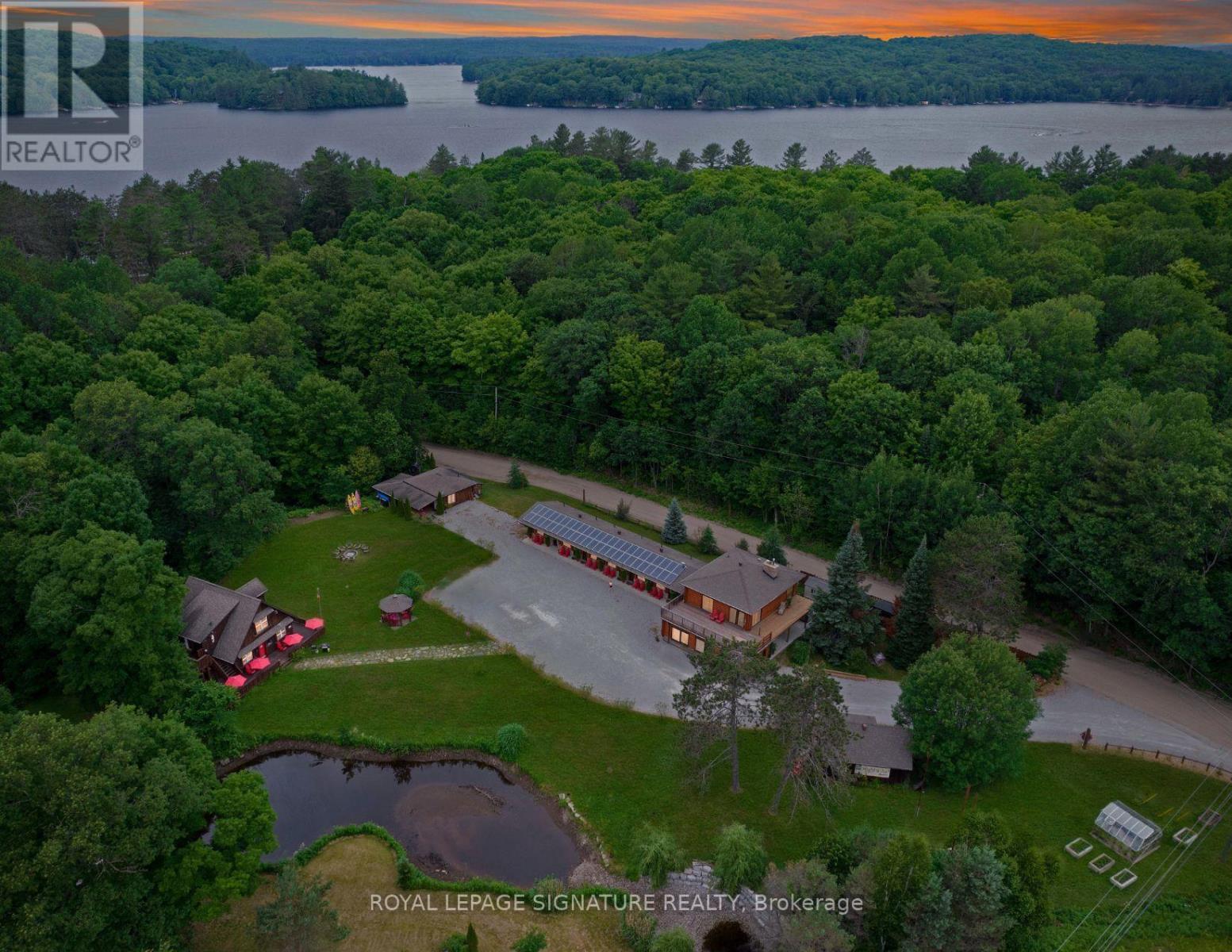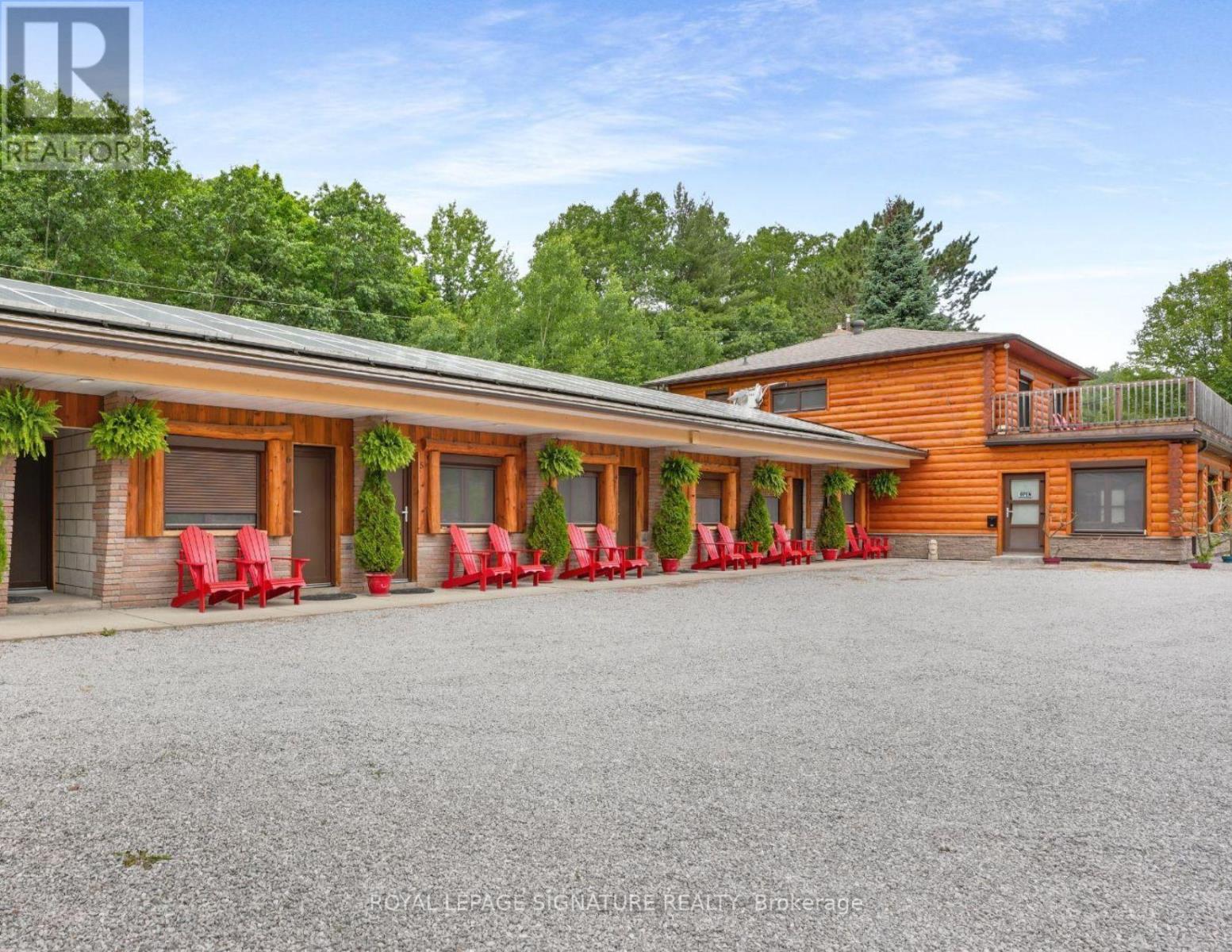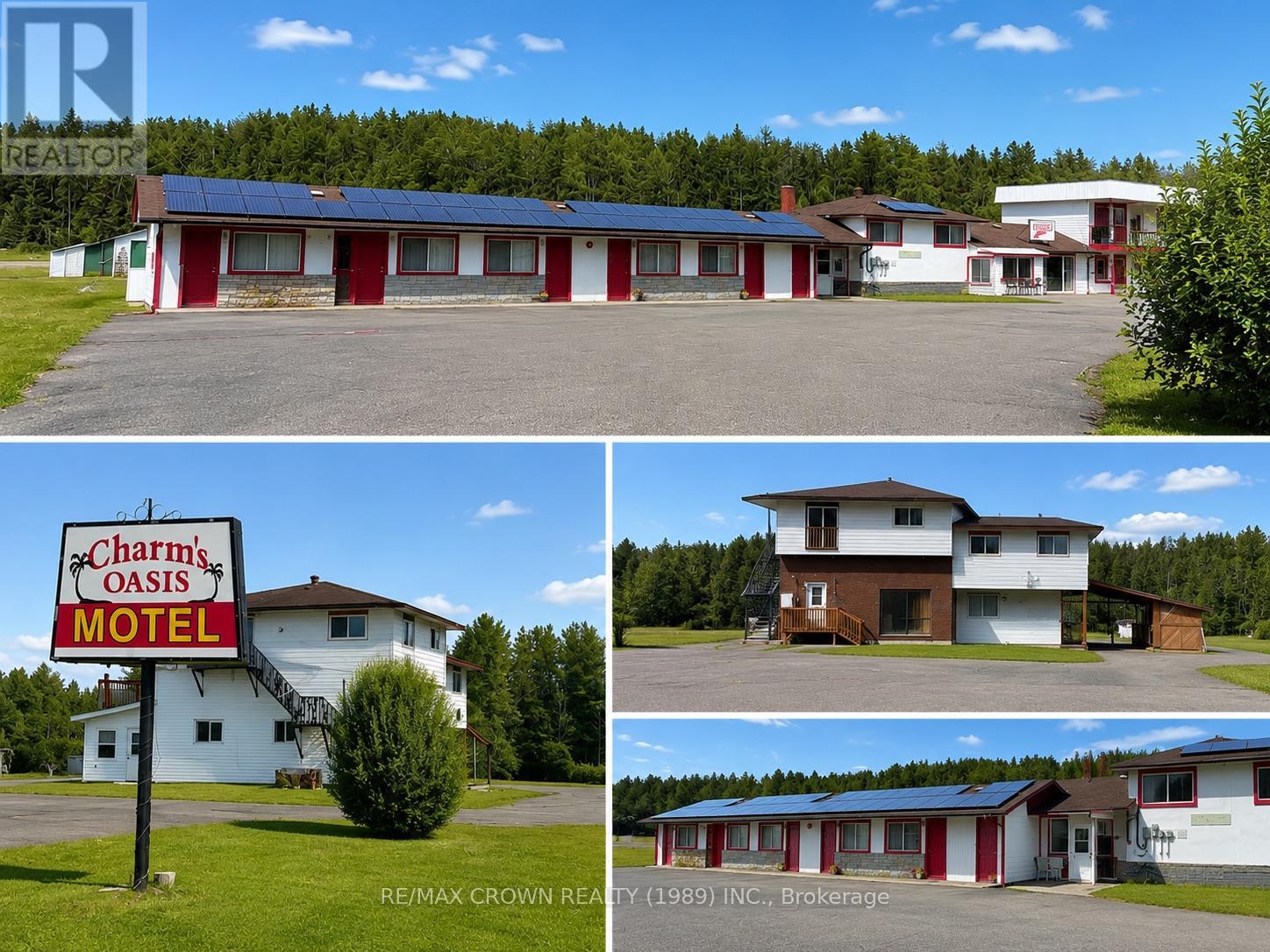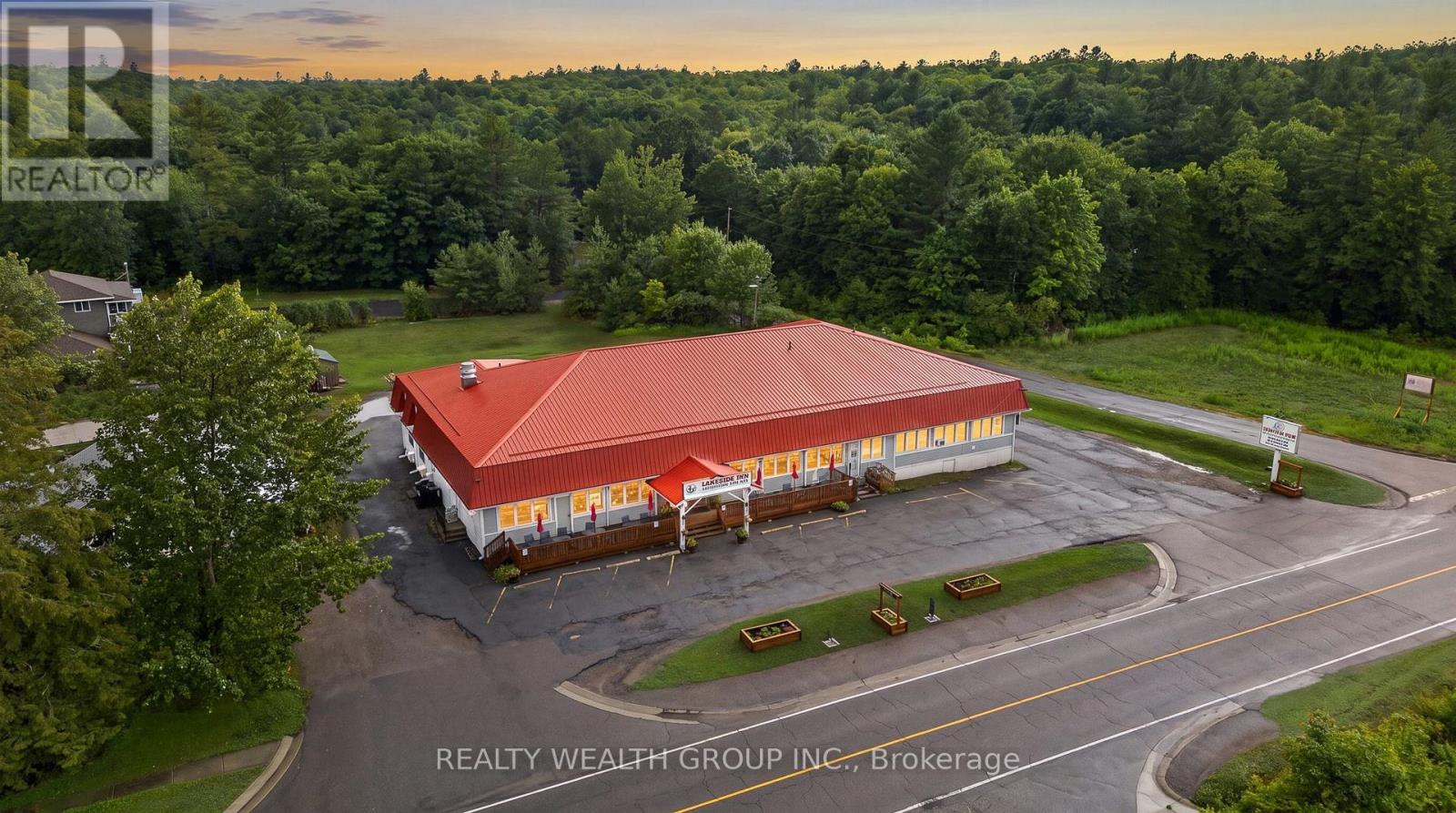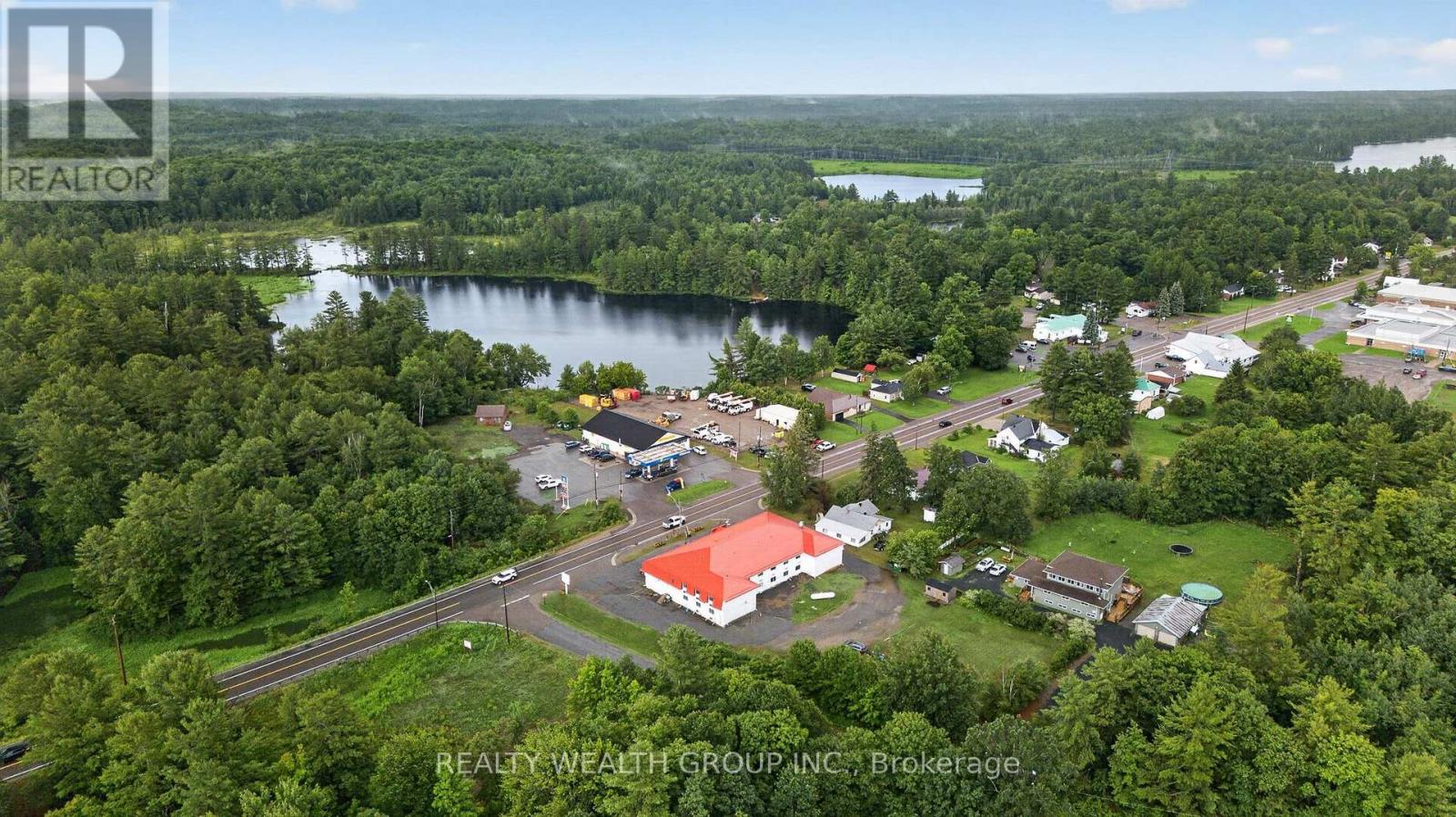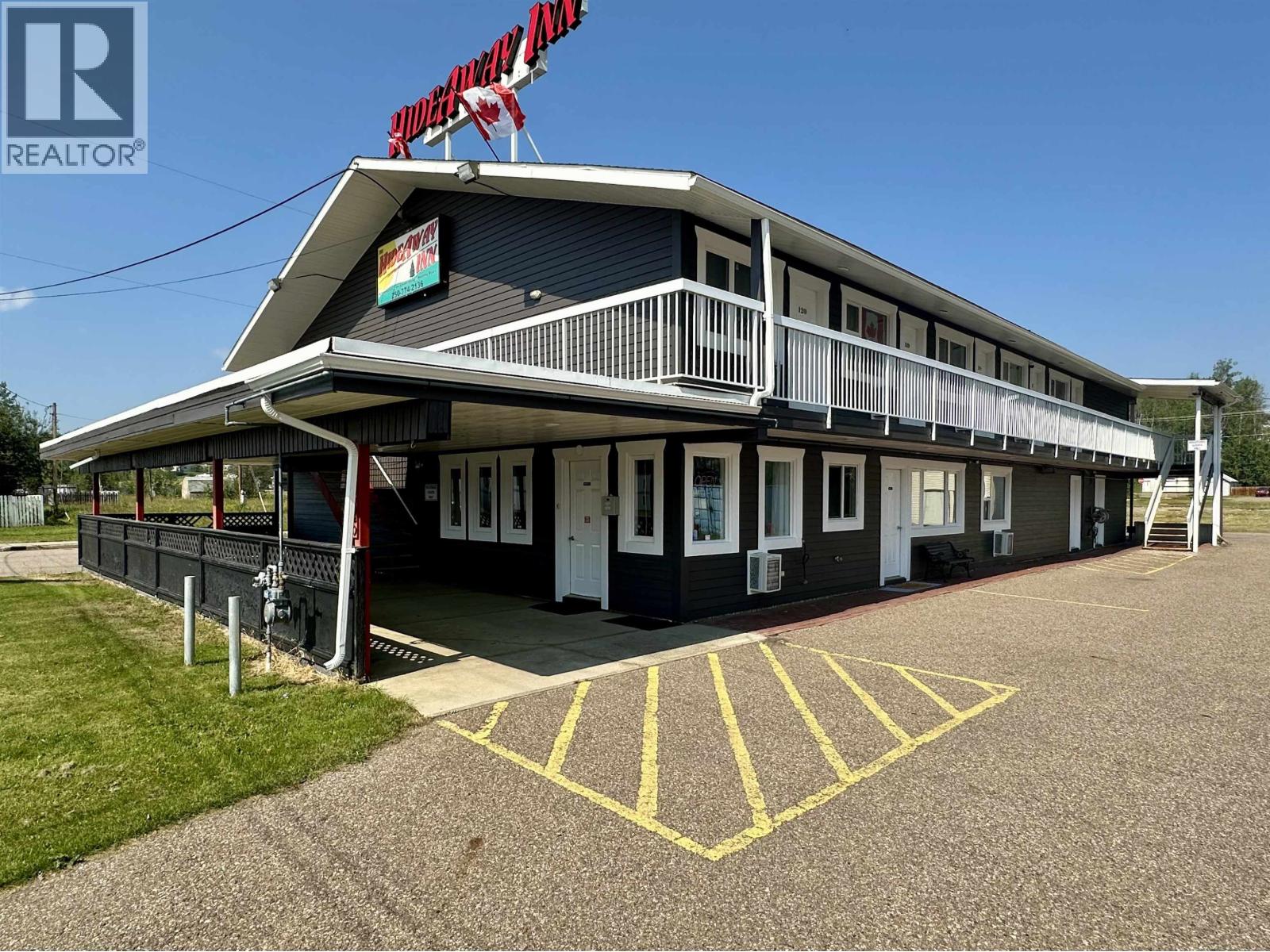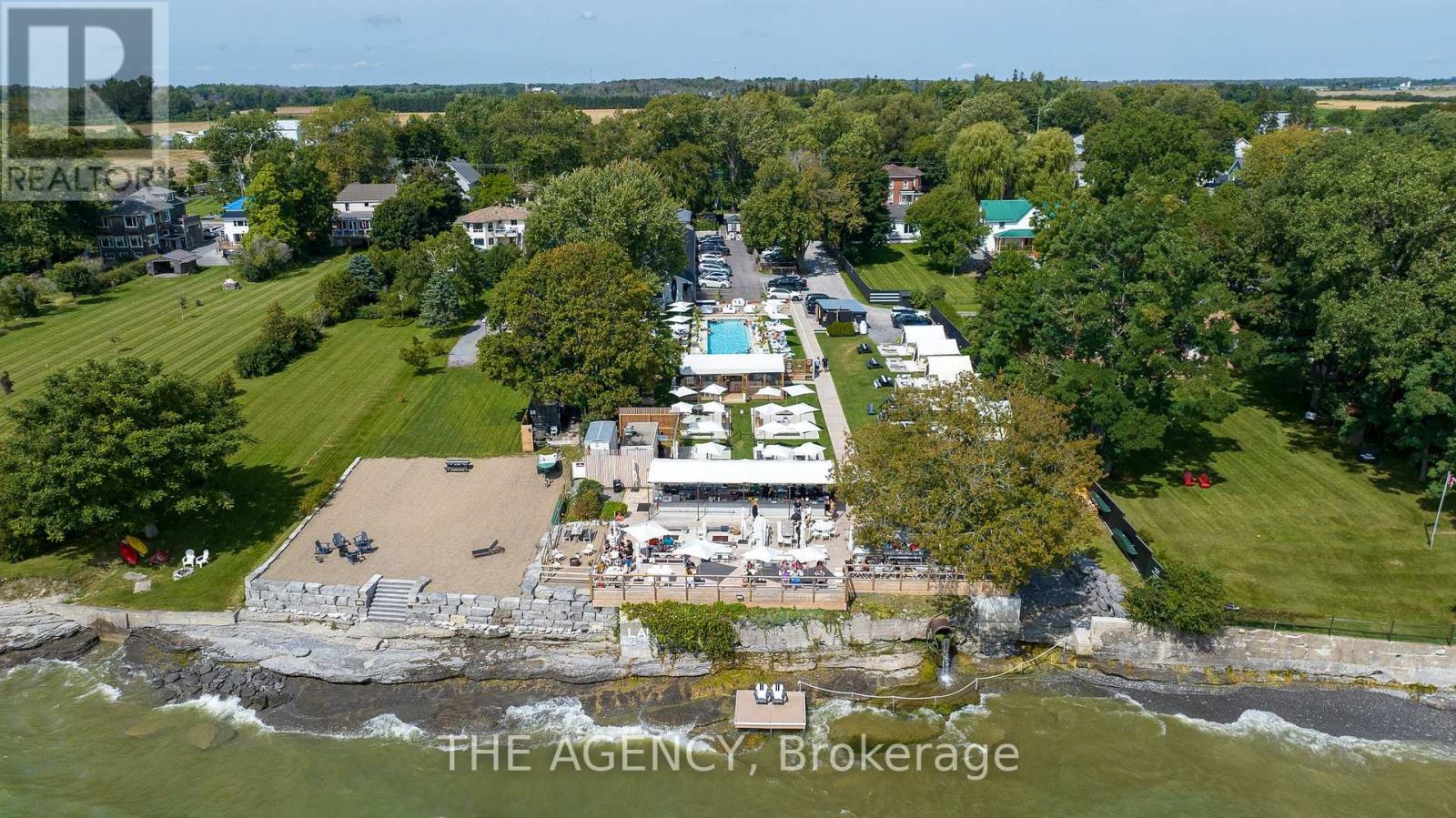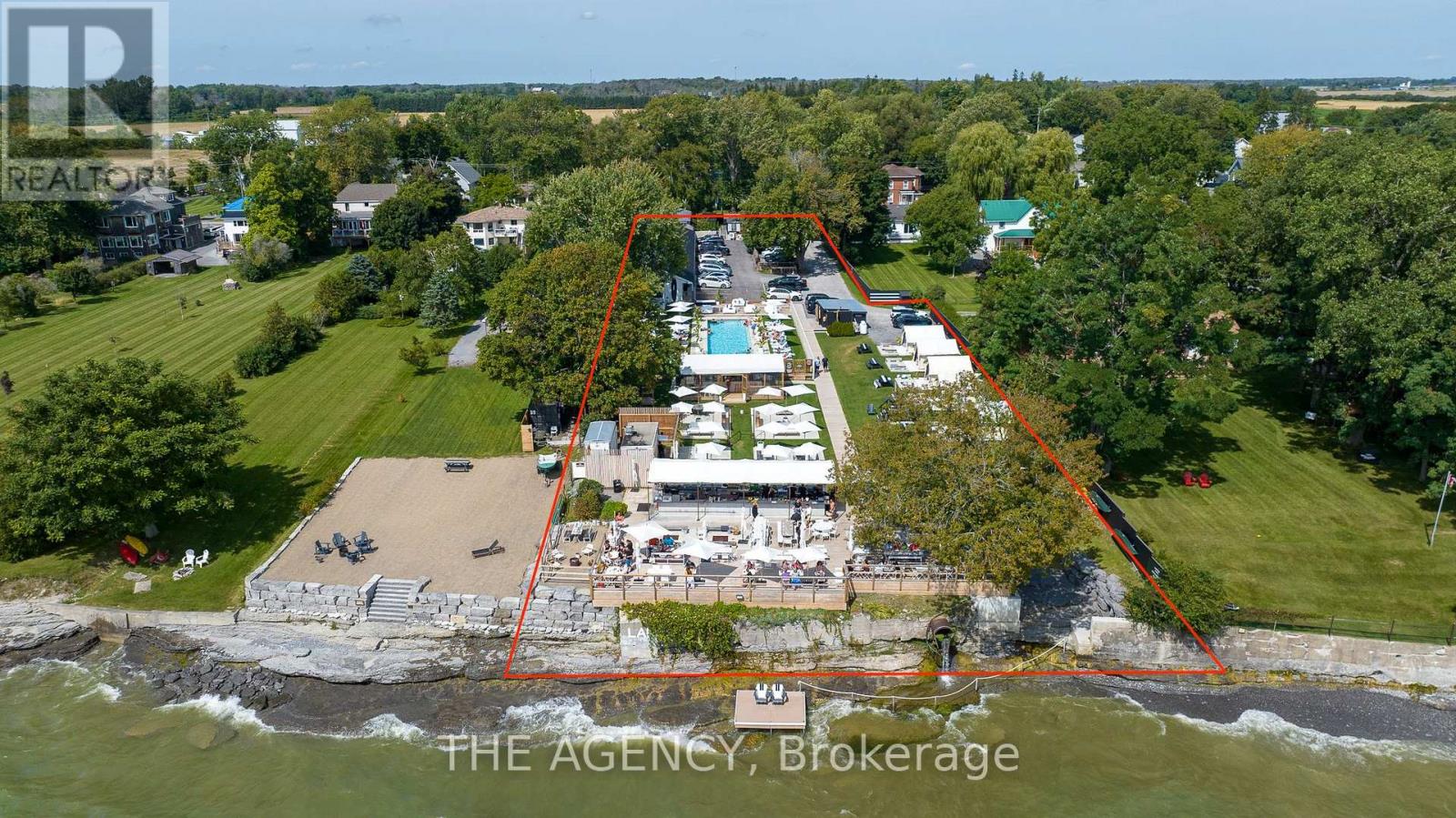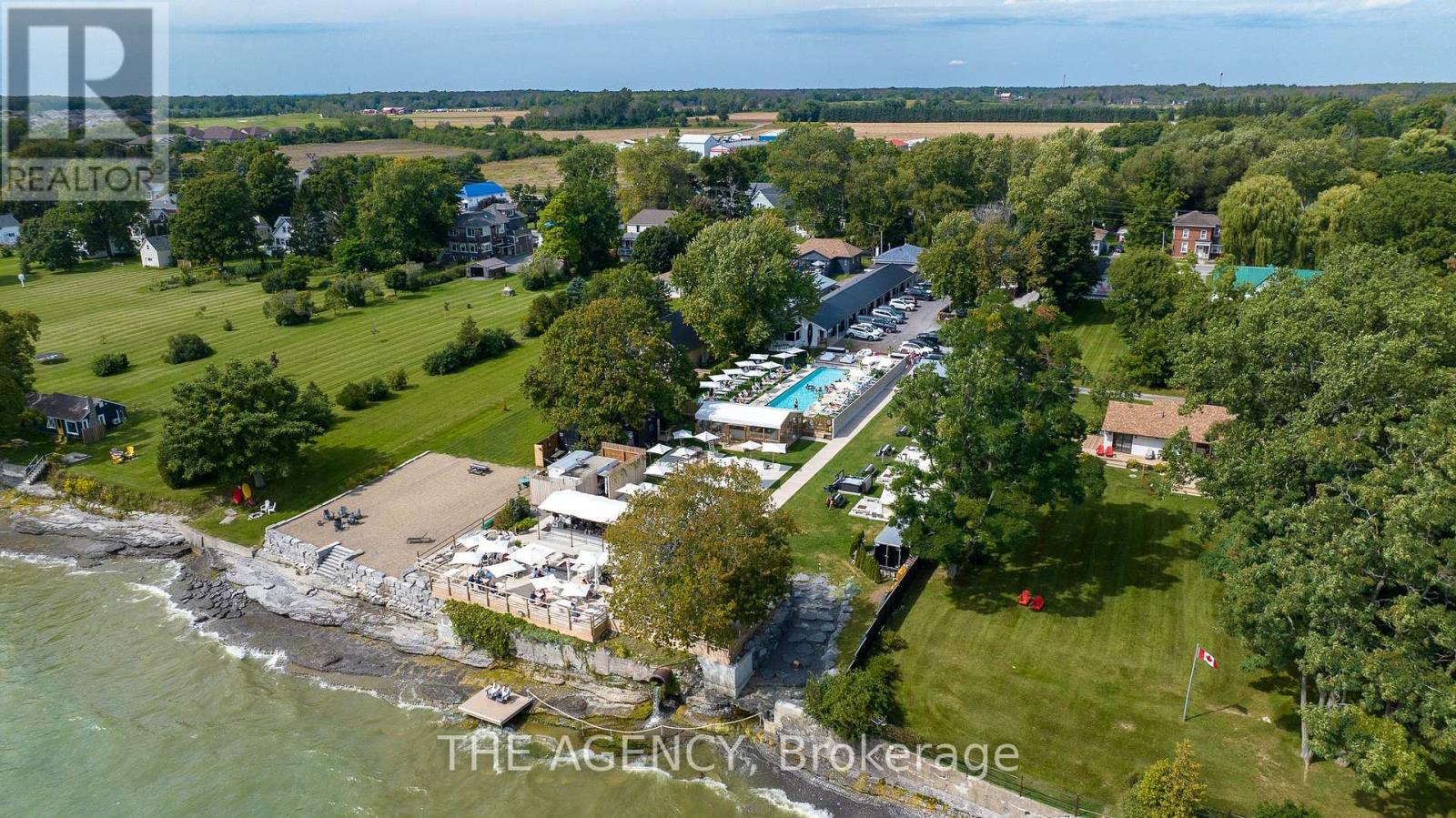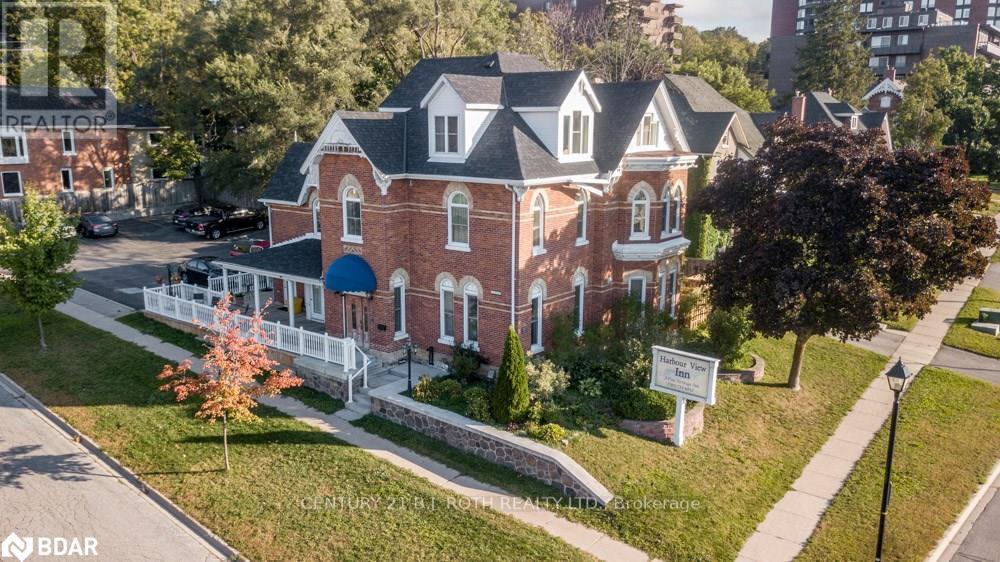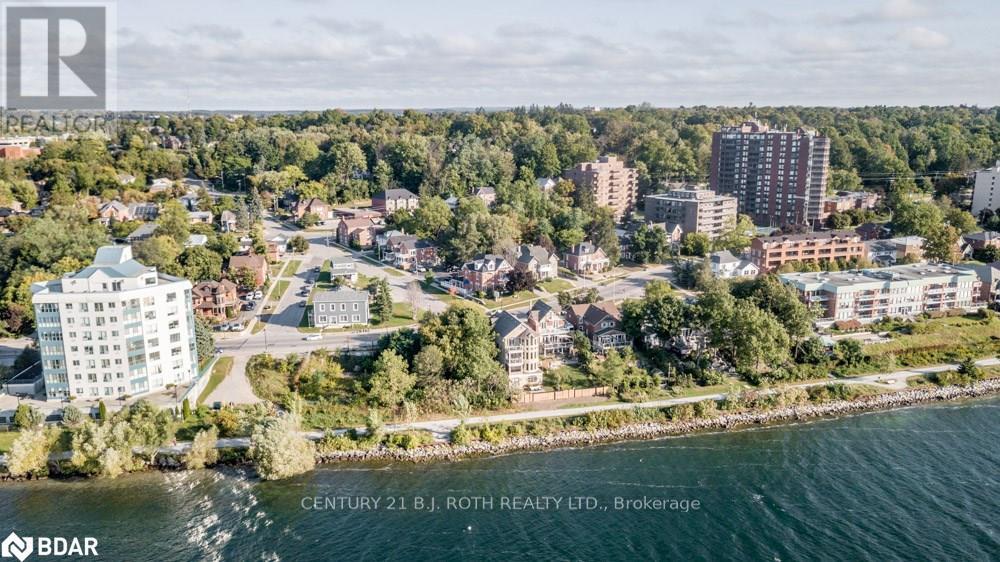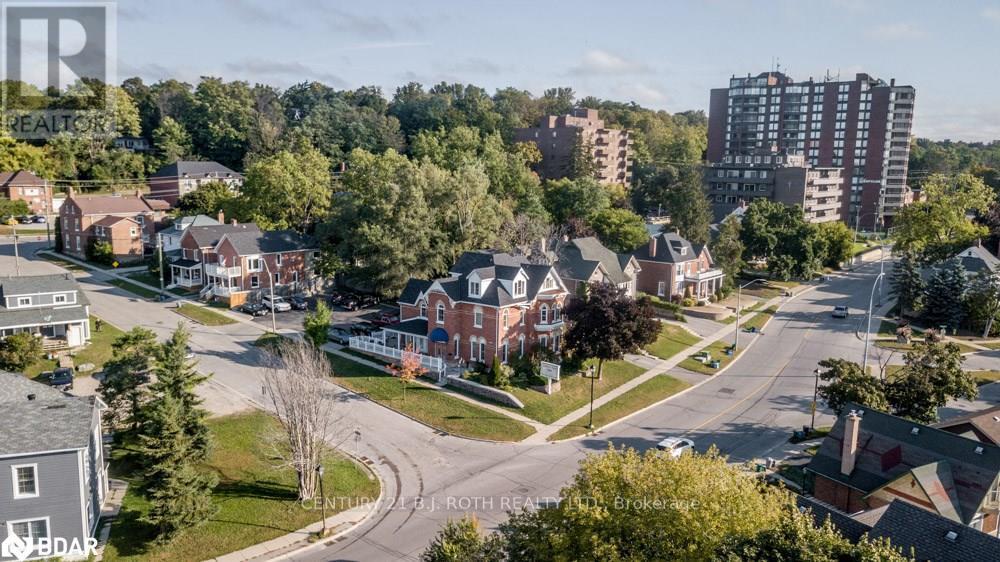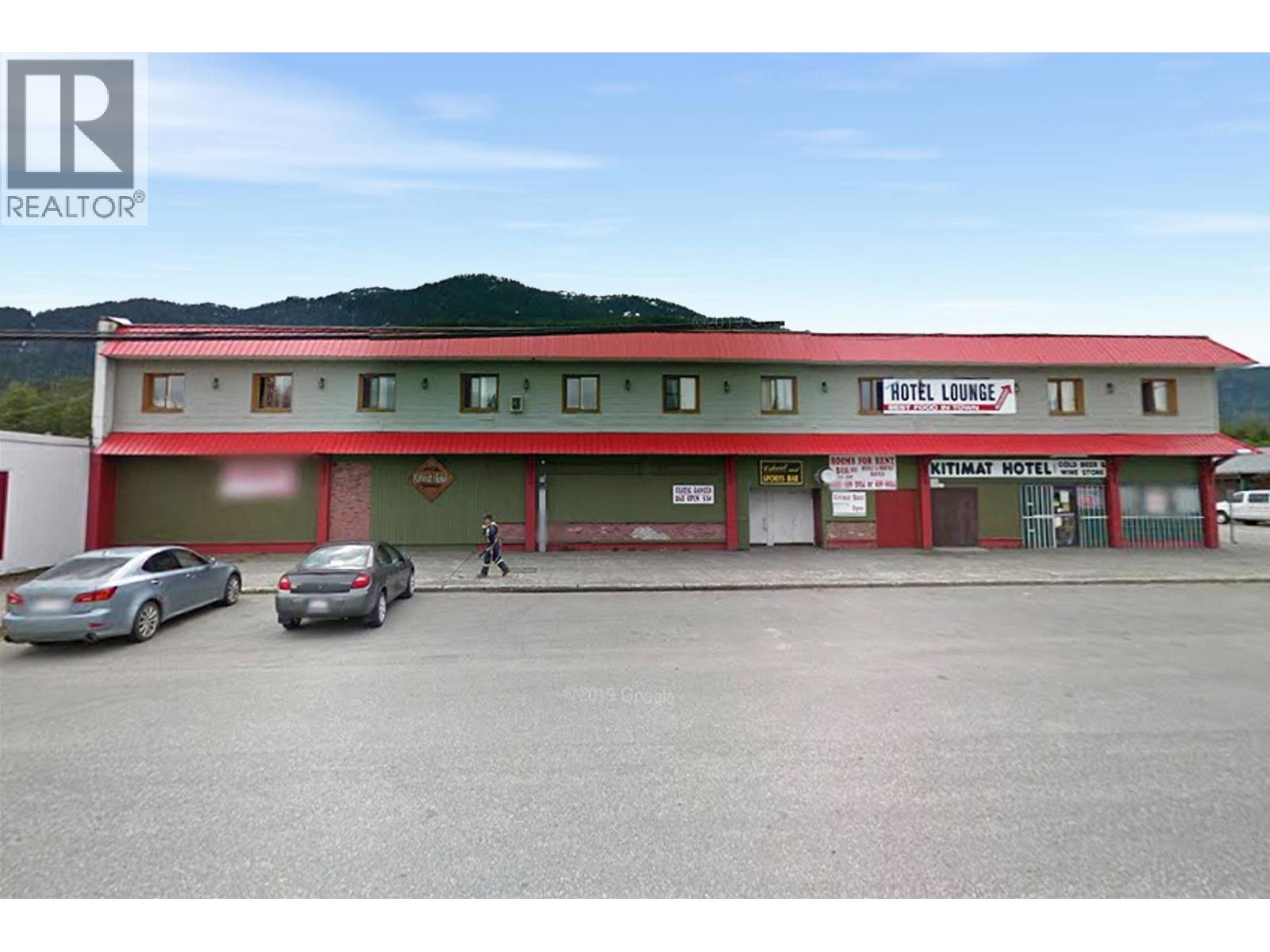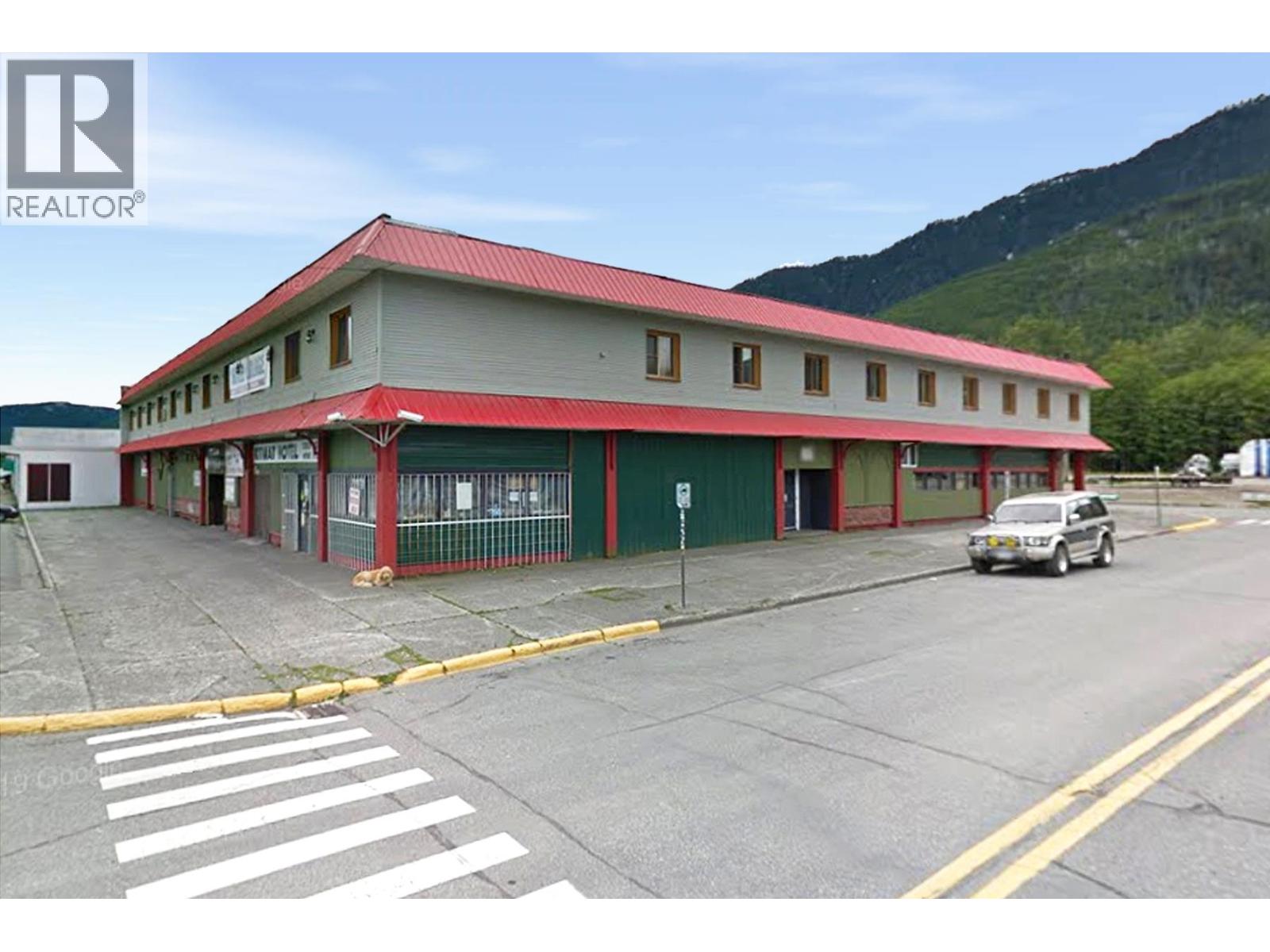
The average asking price for Motels : $2,832,076
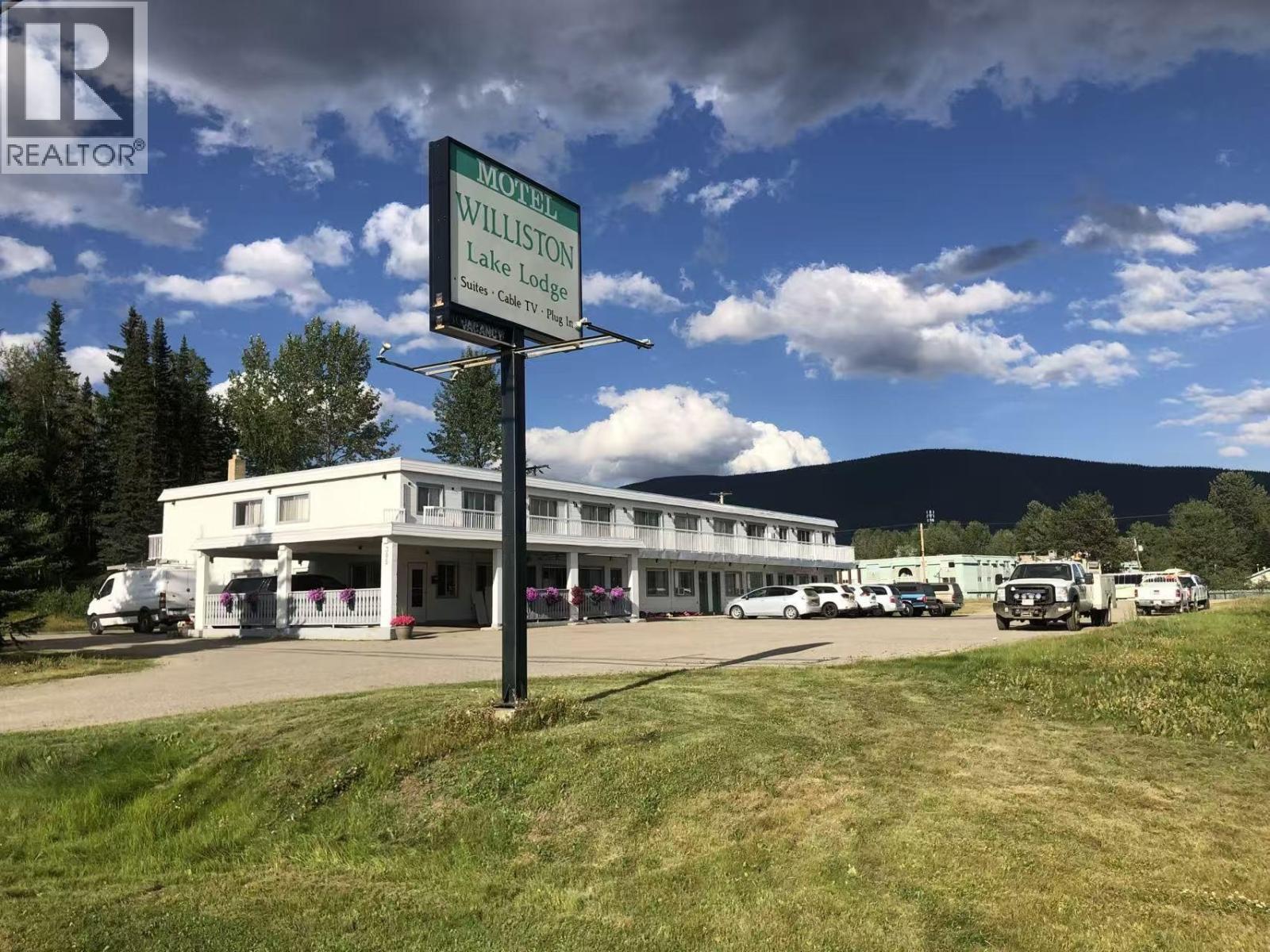
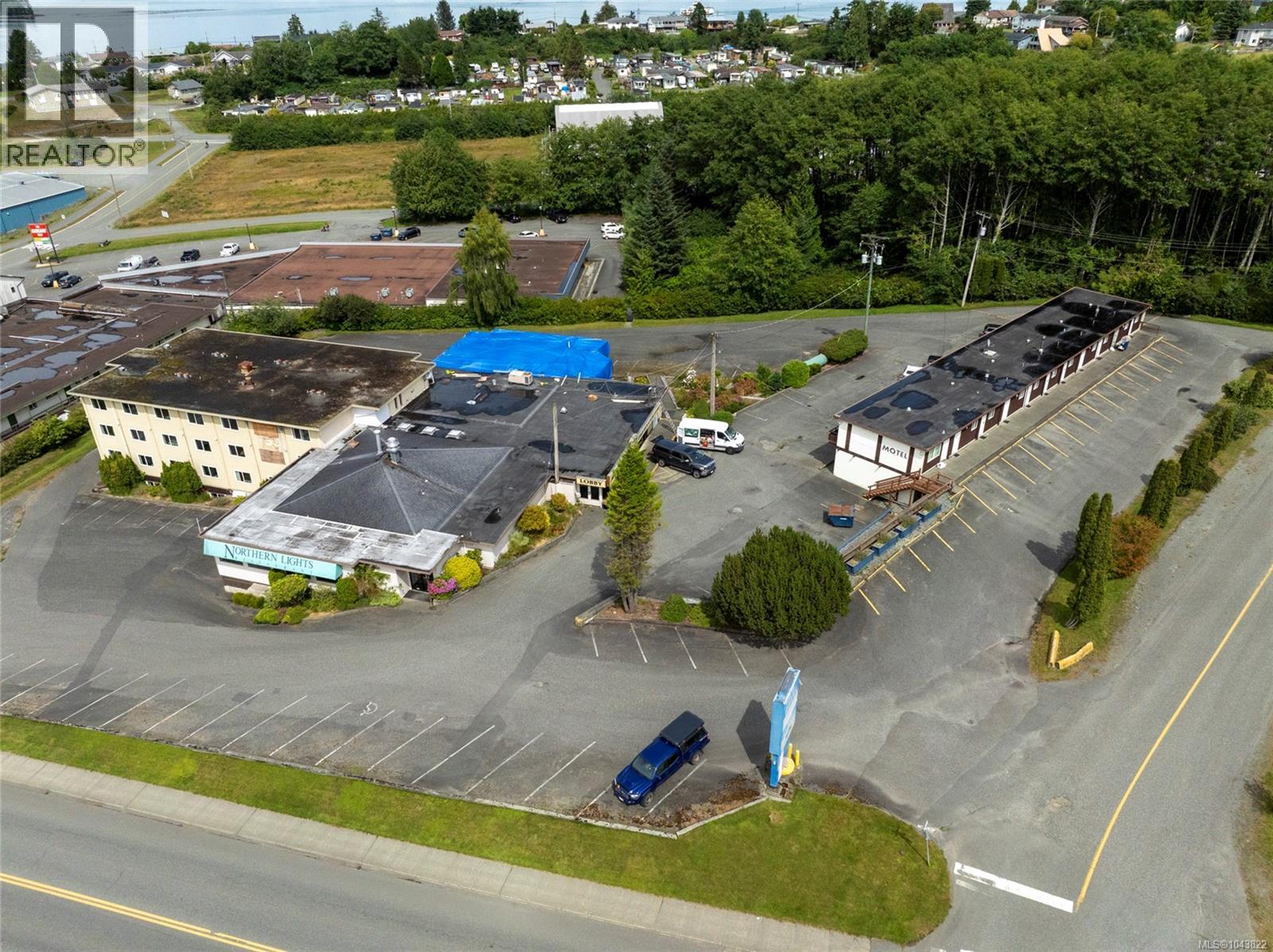
The most viewed Motels listings on FBF are linked below:
| Motel for Sale | Motel for Sale | Motel for Sale |
| Motel for Sale | Motel/Resort for Sale | RED ROOF INN MOTEL Business for Sale |
Written by David Turner, M.A.
When you're considering established motel investment strategies, you'll find that Canada's robust tourism industry and stable economy create an environment conducive to sustainable business growth. The proven track record of established motels provides valuable historical data and existing customer relationships that new ventures often lack.
The country's diverse landscape and year-round attractions continue to drive steady Canadian tourism trends, making motels a potentially lucrative investment option.
Understanding the distinct advantages of motel ownership in Canada can help you make an informed decision:
A thorough market analysis will help you understand the potential returns and challenges you might face in your chosen location.
|
Aspect |
Advantages |
Disadvantages |
|
Financial |
Steady cash flow potential; multiple financing options available |
High initial investment; ongoing maintenance costs |
|
Lifestyle |
Be your own boss; build equity |
Long working hours; limited personal time |
|
Business Model |
Diverse revenue streams; property appreciation |
Seasonal fluctuations; economic sensitivity |
While motel ownership offers the freedom of self-employment and potential for substantial returns, it also requires significant commitment and financial resources.
Three major trends are reshaping Canada's motel industry: the rise of digital booking platforms, growing demand for budget-friendly accommodations, and increasing focus on contactless services.
You'll need to understand these shifts to position your potential motel investment effectively in today's market. A thorough commercial due diligence process will help validate market trends and assess competitive positioning within the local hospitality landscape.
You'll find that successful motel operators are implementing:
When evaluating a motel for purchase, you'll want to assess how well the property aligns with these current market demands.
Consider how you might upgrade existing systems and implement sustainable practices to attract today's value-seeking travellers while maintaining competitive pricing structures.
When buying a motel in Canada, you'll need to follow several key steps to guarantee a successful acquisition.
Purchasing a motel in Canada requires a systematic approach from start to finish.
Your criteria should encompass both financial and operational aspects, ensuring you'll maintain independence while maximizing your investment potential.
Reflect on these essential factors when developing your acquisition criteria:
|
Criteria Category |
Key Considerations |
Target Parameters |
|
Motel Location Criteria |
Highway proximity, local attractions, competition |
Primary/secondary markets, tourist zones, business districts |
|
Financial Requirements |
Purchase price, down payment, financing options |
$500K-2M range, 25-30% down, SBA/conventional loans |
|
Operational Metrics |
Room count, occupancy rates, staffing needs |
20-50 rooms, 60%+ occupancy, 3-8 staff members |
Remember to remain flexible with your criteria while maintaining focus on your core requirements.
When maneuvering through complex Canadian property laws and exploring various motel financing options, you'll need experienced professionals who understand the hospitality industry's unique challenges and opportunities.
|
Professional |
Primary Role |
Key Benefits |
|
Business Broker |
Sources deals, negotiates terms |
Access to off-market listings, market insights |
|
Lawyer |
Reviews contracts, guarantees compliance |
Protection of legal interests, regulatory guidance |
|
Accountant |
Analyzes financials, tax planning |
Due diligence support, financial structuring |
|
Commercial Lender |
Arranges financing, assesses viability |
Multiple funding options, competitive rates |
|
Property Appraiser |
Determines fair market value |
Independent valuation, negotiation leverage |
Your business broker will help identify suitable properties and negotiate terms, while your lawyer guarantees compliance with provincial and federal regulations. Meanwhile, your accountant's expertise proves invaluable during financial due diligence and tax planning. For financing, consider working with lenders who specialize in hospitality properties and understand seasonal revenue patterns. These professionals' combined expertise will greatly improve your chances of completing a successful motel acquisition while minimizing potential risks
When conducting your motel market analysis, you'll need to evaluate competing properties within your target area, examining their room rates, occupancy levels, and service offerings to position your future business effectively.
Begin by identifying all motels within a 10-15 kilometre radius of your potential purchase, paying particular attention to those targeting similar customer segments. Analyze their competitive pricing strategies across different seasons, and take note of their amenities, property condition, and online reputation through review platforms.
You'll want to assess their marketing approaches, distribution channels, and any unique selling propositions that help them stand out in the market. Additionally, investigate local market dynamics that could impact your motel's performance, such as planned infrastructure developments, tourism trends, and business growth in the area.
Consider conducting mystery shopping at competitor properties to gain firsthand experience of their service quality and operational standards.
During initial meetings, maintain a professional demeanour while gathering critical information about the property's performance, capital improvements, and the seller's motivation to sell. Your seller negotiation strategies should focus on understanding their priorities while protecting your interests.
Request detailed documentation, including tax returns, operational reports, and maintenance records, to support your due diligence process.
Before making an offer on your target motel, you'll need to conduct thorough pre-offer due diligence by examining historical financial statements, reviewing premises leases, and inspecting detailed asset lists.
You'll want to review at least three years of financial records to identify historical revenue trends, seasonality patterns, and operational efficiency markers that will impact your investment decision.
Pay particular attention to revenue consistency, expense management, and profit margins across multiple years.
|
Financial Metric |
What to Look For |
Red Flags |
|
Revenue Growth |
Year-over-year increases |
Declining trends |
|
Occupancy Rates |
Consistent patterns |
Unexplained drops |
|
Operating Expenses |
Reasonable ratios |
Sudden spikes |
|
Profit Margins |
Industry benchmarks |
Below-market performance |
|
Cash Flow |
Strong positive flow |
Irregular patterns |
Request detailed documentation of all revenue streams, including room rates, ancillary services, and any additional income sources. You'll need to verify these numbers against tax returns and bank statements to ascertain accuracy.
Consider engaging a qualified accountant with hospitality industry experience to assist in your analysis, as they can spot potential issues that might affect your valuation and offer price.
Pay particular attention to the lease duration, renewal options, and any restrictions on property modifications or improvements.
When evaluating motel lease agreements, focus on understanding the rent escalation clauses, maintenance responsibilities, and any revenue-sharing arrangements with the landlord.
Additionally, consider engaging a commercial real estate attorney who specializes in negotiating motel leases to help you identify potential risks and negotiate favourable terms.
You should also investigate any outstanding violations, disputes, or pending legal issues related to the lease that could affect your future operations or create unexpected liabilities after taking over the business.
Through detailed motel asset valuation, you'll gain clarity on exactly what you're buying and determine if the asking price aligns with the property's true worth. This systematic review helps identify potential areas requiring immediate investment or replacement.
Pay particular attention to the condition and age of major equipment, furniture, and fixtures, as these can greatly impact your future operational expenses.
|
Asset Category |
What to Evaluate |
|
Room Furnishings |
Age, condition, and replacement timeline of beds, furniture, and appliances |
|
Building Systems |
HVAC, plumbing, electrical systems, and maintenance records |
|
Technology Infrastructure |
Property management software, security systems, and guest amenities |
|
Operational Equipment |
Laundry machines, maintenance tools, and cleaning equipment |
Consider creating a detailed inventory spreadsheet that includes purchase dates, current condition, and estimated replacement costs for each asset. This information will prove invaluable during price negotiations and help you develop accurate budget projections for future upgrades or replacements.
Thorough budget planning stands at the core of any successful motel acquisition. When calculating your total investment requirements, you'll need to account for both the purchase price and additional costs that'll arise during and after the transaction.
Beyond the property's selling price, you should evaluate various financing options, including traditional bank loans, private lenders, or seller financing arrangements. Small business owners can benefit from exclusive savings programs through industry memberships to help reduce operational costs.
Consider these essential budget components when planning your motel acquisition:
You'll want to maintain a detailed spreadsheet tracking these expenses while building in a contingency fund of 10-15% for unexpected costs.
Most professional valuators employ three primary valuation methods to establish a reliable value range: an income-based approach focusing on EBITDA analysis, an asset-based calculation, and market comparisons of similar motel sales.
The income-based method, which typically carries the most weight, involves calculating a multiple of the motel's EBITDA (earnings before interest, taxes, depreciation, and amortization) or SDC (Seller Discretionary Cash flow). For motels and hotels, these multiples usually range from three to four times EBITDA for medium-sized properties.
Your valuator will also consider the property's location, market conditions, and current performance metrics like occupancy rates and RevPAR (Revenue Per Available Room). To validate the EBITDA-based valuation, they'll analyze the property's tangible and intangible assets, including real estate, furnishings, and goodwill.
When you're ready to make an offer on a motel property, you'll need to carefully consider whether to structure the deal as an asset sale or share sale, while also exploring the possibility of seller financing to potentially reduce your initial capital requirements.
When considering an asset sale, you'll acquire specific assets and liabilities of the business, while a share sale involves purchasing the company's shares, including all assets, liabilities, and legal obligations.
|
Consideration |
Asset Sale |
Share Sale |
|
Tax Implications |
Generally more favorable for buyers; stepped-up tax basis |
More favorable for sellers; potential capital gains advantages |
|
Legal Liability |
Limited to acquired assets |
Assumes all historical liabilities |
|
Complexity |
Less complex; selective asset acquisition |
More complex; thorough due diligence required |
|
Transfer Process |
Individual asset transfers needed |
Single transaction transfers ownership |
Understanding these distinctions is significant for protecting your interests and optimizing your investment strategy. In an asset sale, you'll have greater flexibility to choose which assets and liabilities to acquire, potentially reducing your exposure to unknown risks. Conversely, a share sale might offer a smoother change but requires thorough investigation of the company's history, including potential hidden liabilities and compliance issues.
Requesting partial seller financing through a Conditional Offer or Letter of Intent (LOI) represents a strategic approach when purchasing a motel in Canada. Through seller negotiation, you'll want to propose terms that benefit both parties while demonstrating your commitment to the transaction's success.
When structuring your proposal, consider requesting 15-30% of the purchase price as seller financing while showing you've secured primary financing for the remainder. You'll need to present a compelling case that includes your business plan, industry experience, and financial capacity to service both the primary loan and seller payments.
Remember that seller financing often comes with additional benefits, including the seller's vested interest in your success and potential mentorship during the changeover period.
You'll need to verify that all necessary documentation is current and transferable to you as the new owner. Work with your legal counsel to review these essential elements:
Additionally, you'll want to examine any specific provincial requirements for hospitality businesses, such as liquor licenses or tourism board certifications.
If certain permits aren't transferable, you'll need to factor the time and costs of new applications into your purchase timeline.
During this critical phase, you'll need to develop a thorough transition plan that outlines specific knowledge transfer requirements, employee training protocols, and operational handover timelines.
Work with the seller to document all essential operational procedures, including property management systems, reservation processes, and vendor relationships. You'll want to establish clear transition strategies for maintaining continuity in guest services while implementing any planned changes to the business.
It's advisable to negotiate a post-sale consulting period with the seller, typically ranging from 30 to 60 days, during which they'll remain available to address questions and provide guidance.
Your plan should include extensive market analysis, projected financials, and various financing options you'll explore.
To create a compelling business plan that attracts financing, focus on these critical elements:
Remember to include supporting documentation such as historical financial statements, property condition reports, and environmental assessments.
Your business plan should also address potential risks and mitigation strategies, demonstrating to lenders that you've carefully considered all aspects of the acquisition.
Closing the deal on your motel purchase requires careful attention to both legal and financial details during the final stages.
You'll need to coordinate with your lawyer, accountant, and financial advisors to guarantee all documentation is thoroughly prepared and reviewed before signing. During this phase, it's vital to verify that all previously agreed-upon terms from your negotiation strategies are accurately reflected in the final purchase agreement.
Before finalizing the transaction, you'll want to conduct a thorough review of all financing options and make certain your funding is securely in place. This includes confirming that your down payment is ready for transfer and all loan documents are properly executed.
You'll need to navigate through various licensing requirements and motel zoning regulations to guarantee your business operates legally and smoothly.
|
Regulatory Level |
Key Requirements |
Compliance Actions |
|
Federal |
Health & Safety Standards |
Regular inspections, staff training |
|
Provincial |
Business Licensing |
Apply for permits, maintain records |
|
Municipal |
Zoning Laws |
Verify land use, obtain variances |
Before finalizing your motel purchase, you'll need to verify that the property complies with local zoning bylaws and obtain the necessary business permits. Each province has its own specific regulations governing hospitality establishments, including requirements for guest registration, fire safety, and public health standards.
To understand motel market trends and evaluate potential investments, you'll want to connect with industry associations, financial institutions, and market research firms that specialize in hospitality properties.
When researching financing options and market conditions, you'll find these essential resources particularly helpful:
Additionally, provincial tourism boards can provide valuable insights into local market dynamics, seasonal trends, and upcoming development projects that might impact your motel's future performance.
You're not just buying four walls and a parking lot—you're investing in the great Canadian hospitality tradition that's worth a thousand sunrises over the Rockies. While the path to motel ownership may seem as vast as the Canadian wilderness, you'll find that thorough research, careful financial planning, and professional guidance can transform this monumental undertaking into a calculated business venture that could potentially secure your financial future for generations to come.
A: You'll want to maintain a staff-to-room ratio of 0.2-0.3 employees per room for operational efficiency. This means if you're running a 40-room motel, you'd typically need 8 to12 total staff for smooth operations.
A: You'll find that about 85% of motel ownership changes succeed without closure, but you'll boost your chances of business continuity by maintaining staff relationships and keeping operations running smoothly during your takeover period.
A: Several factors influence the cap rate when purchasing a room motel in Alberta or Ontario. The cap rate (capitalization rate) is calculated by dividing the property's net operating income by its purchase price. For motels, location significantly impacts cap rates—properties in prime locations like tourist areas or major highways typically command lower cap rates due to higher demand.
Other influencing factors include the property's condition (well-maintained motels or recently renovated properties may have lower cap rates), occupancy rates, local market conditions, and whether the motel includes additional revenue streams like RV sites. In thriving business areas of southern Alberta or busy Ontario corridors, cap rates typically range from 8% to 12%, but this varies based on the specific business opportunity and its potential to be profitable.
A: When looking for a unit motel for sale in Canada, the ideal number of guest rooms depends on your business goals, management experience, and financial capabilities. Smaller properties (5-room to 20-unit motels) are often more manageable for first-time motel owners and can still provide a profitable business opportunity with a lower initial investment.
A: Midsized motels with 20–50 motel units offer a balance between management complexity and revenue potential. Larger properties with 54 guest rooms or more typically generate higher revenue but require more sophisticated management systems and possibly additional staff.
A: Hotels typically offer more comprehensive guest services, including 24-hour front desk operations, room service, on-site restaurants, and often meeting spaces, resulting in higher operational expenses but potentially higher room rates. From an investment perspective, hotels usually require a larger capital outlay and higher operational expenses but may generate stronger revenue per available room.
Unit motels, particularly those with 20-40 motel units, often provide more manageable entry points for new investors. The physical layout differs as well—motels consist of rooms directly accessible from parking areas, while hotels typically have interior corridors. Hotels may offer opportunities for additional revenue streams beyond lodging, while motels might include RV sites or other complementary businesses.
Location considerations also differ, with hotels commonly situated in urban centres or business districts, whereas motels are often found along highways or in suburban areas.
Data is supplied by CREA who is the owner of the copyright in its MLS®System. Data provided is deemed reliable but is not guaranteed accurate by CREA. The trademarks MLS®, Multiple Listing Service® and the associated logos are owned by The Canadian Real Estate Association (CREA) and identify the quality of services provided by real estate professionals who are members of CREA. Used under license.