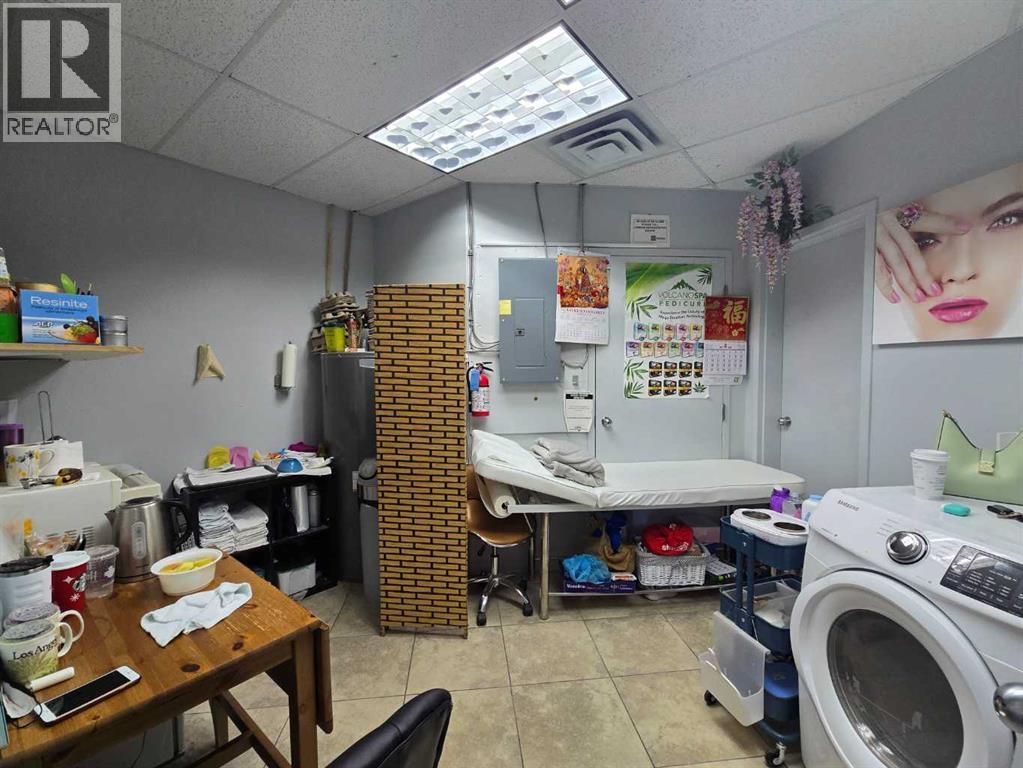
Vancouver, British Columbia
Royal Pacific Realty (Kingsway) Ltd.
Vancouver, British Columbia
Initia Real Estate
The average asking price for Nail Salons : $323,908
The most viewed Nail Salons listings on FBF are linked below:
Written by David Turner, M.A.
The nail salon demographics indicate a diverse customer base spending an impressive $4 billion annually on nail care services, creating substantial revenue opportunities for business owners.
Furthermore, the digital transformation of the industry presents notable advantages, with over 70% of nail salons for sale maintaining an established online presence through websites and social media platforms. This digital foundation provides immediate marketing channels and customer engagement opportunities for new owners.
The combination of market stability, proven business models, digital integration, and supportive franchise networks makes nail salon ownership a strategic investment choice in Canada's growing beauty industry.
Adding to these benefits, franchise opportunities in the nail salon sector offer operational support and established brand recognition, which can notably ease the challenges of starting and running a successful business.
Before investing in a nail salon business, you'll need to carefully weigh both the advantages and potential disadvantages of ownership.
| Advantages | Disadvantages |
| Established customer base and immediate cash flow | Potential hidden problems or deferred maintenance |
| Proven business model and operational systems | Staff retention and training challenges |
| Existing nail salon marketing strategies and brand recognition | Competition from new market entrants |
| Strong customer retention rates and loyalty programs | Regulatory compliance and licensing requirements |
When evaluating a nail salon purchase, consider that turnkey, fully equipped, well established existing businesses in high-traffic areas often come with valuable assets like loyal clientele and proven marketing channels. You’ll need to address challenges such as maintaining service quality, managing staff turnover, and ensuring compliance with health regulations.
Read more
The industry is experiencing notable changes in consumer behaviours and supplier relationships, particularly in these key areas:
You'll need to adapt to these evolving market dynamics by maintaining strong supplier relationships, staying current with product innovations, and implementing robust digital marketing strategies.
Purchasing a nail salon in Canada requires careful consideration of multiple key factors up front to guarantee a successful acquisition.
When defining your nail salon acquisition criteria, you'll need to establish clear parameters that align with your business goals and financial capabilities. Consider conducting a thorough target market analysis to understand the demographics and spending patterns in your desired location, while simultaneously exploring nail salon financing options that match your investment capacity.
| Criteria Category | Key Considerations |
| Financial Metrics | Annual Revenue, Profit Margins, Cash Flow |
| Location Factors | Foot Traffic, Competition, Demographics |
| Business Health | Client Base, Staff Retention, Equipment Age |
Focus on establishments that demonstrate consistent revenue growth, maintain a stable client base, and possess proper licensing and compliance records. Additionally, evaluate the existing staff's expertise and willingness to stay post-acquisition, as well as the condition of equipment and facilities, which can greatly impact your initial capital requirements and ongoing operational costs.
You'll need to engage key experts who specialize in business acquisitions and understand the unique dynamics of the salon industry.
| Professional | Primary Responsibilities |
| Business Broker | Locate suitable listings, negotiate terms, conduct market analysis |
| Lawyer | Review contracts, handle legal compliance, protect buyer interests |
| Accountant | Analyze financials, assess tax implications, verify business valuation |
Start by selecting a business broker who specializes in salon acquisitions and understands the local market dynamics. They'll help identify profitable opportunities while providing essential market insights.
Your lawyer should have experience in business transactions, particularly in the beauty industry, to guarantee all regulatory requirements are met. Meanwhile, your accountant will dive deep into the financial statements, helping you understand the true value of potential acquisitions.
You'll also need to establish relationships with lenders who understand salon financing and can provide competitive terms for your purchase.
When evaluating competitors, you'll need to assess their digital presence, considering that over 70% maintain websites and establish themselves across various social media platforms to attract and retain customers.
Study your competitors' service offerings, appointment systems, and unique value propositions that help them stand out in this competitive market.
Additionally, to guarantee a thorough evaluation, involve a knowledgeable team to analyze the operational strengths and weaknesses of competitors, focusing on their facility conditions, staff expertise, and customer satisfaction levels, which aligns with the strategic planning advised for acquisitions.
When evaluating potential high-traffic, prime location targets, consider current nail salon trends like digital presence and eco-friendly practices, as these factors can greatly impact future growth potential.
During meetings with well established turn-key salons and spas, pay particular attention to the salon's existing client base, staff retention rates, and equipment condition.
You should budget carefully for both acquisition costs and post-completion expenses, factoring in potential renovations, equipment upgrades, and working capital requirements.
It’s important to get a professional business valuation that considers both tangible assets and intangible factors like location, client base, and market positioning.
You'll want to analyze key financial ratios and historical trends to identify potential red flags or growth opportunities. Pay particular attention to revenue patterns, profit margins, and operating expenses to determine if the business aligns with industry averages.
| Financial Metric | What to Analyze | Industry Benchmark |
| Gross Margin | Product/Service Mix | 60-65% |
| Operating Margin | Cost Management | 15-20% |
| Revenue Growth | Year-over-Year Change | 3.5% CAGR |
| Net Profit | Overall Performance | 75.1% profitable |
You'll need to verify the salon's reported revenues against tax returns and bank statements to guarantee accuracy. Additionally, examine accounts receivable aging, inventory turnover, and debt obligations to assess working capital requirements.
Engage a qualified accountant who's familiar with the salon industry to help you interpret these financials and identify any unusual patterns or discrepancies that could affect your purchase decision.
You'll need to carefully examine the existing lease terms, including renewal options, rent escalation clauses, and any restrictions on business operations or modifications to the space.
It's important to verify that the lease allows for the specific services you're planning to offer and any potential expansions you might consider in the future. Before proceeding with the purchase, engage in lease negotiation with the landlord to either assume the existing lease or establish new terms.
You'll need to confirm that the landlord will consent to the lease assignment and understand any conditions they might impose for the transfer of the lease agreement.
When evaluating a potential nail salon acquisition, you'll need to meticulously catalogue and assess every asset to determine its condition, remaining useful life, and replacement value—essential factors that directly impact your financing needs for the nail salon.
| Asset Category | Key Inspection Points |
| Equipment | Pedicure chairs, sterilization units, condition and age |
| Furniture | Reception area, storage units, workstations |
| Technology | POS systems, booking software, security systems |
| Inventory | Product lines, supplies, tools and implements |
| Leasehold Improvements | Custom installations, renovations, fixtures |
Beyond the physical assets, you'll want to evaluate intangible assets that contribute to the salon's asset valuation. This includes the client database, appointment software, social media accounts, and any proprietary operating procedures. Consider obtaining a professional equipment appraisal, particularly for high-value items like pedicure stations and sterilization equipment.
Additionally, verify that all equipment meets current health and safety regulations, as non-compliant items could require immediate replacement, affecting your initial investment calculations and financing requirements.
Consider these essential cost factors before making your offer:
In addition, maintaining a reserve fund of 10-15% above your calculated expenses provides a safety buffer for unexpected post-completion expenses.
The most common valuation approach involves calculating multiples of  EBITDA (earnings before interest, taxes, depreciation, and amortization) or Seller's Discretionary Earnings (SDE). Nail salons for sale; these multiples typically range from three to four times EBITDA for larger operations, or two to three times SDE for businesses valued under $650,000.
Additionally, valuators will analyze the salon's tangible assets, including equipment and inventory, while considering intangible assets such as client lists and brand reputation. Market comparisons from recent nail salon sales in your target area provide essential validation of these calculations.
Consider engaging a professional business broker who specializes in the beauty industry to confirm you're getting an accurate, thorough valuation before making an offer.
When preparing your offer to purchase a nail salon, you'll need to carefully weigh whether to structure it as an asset sale or a share sale while also exploring the possibility of seller financing to optimize your capital deployment.
Your offer should explicitly address the transfer of all operating licenses and permits, guaranteeing compliance with local regulations and maintaining business continuity throughout the ownership change.
To protect your interests and guarantee a smooth transition, include provisions for thorough seller training and a detailed handover plan that covers everything from operational procedures to client relationship management and staff retention strategies.
Making an offer to purchase a nail salon requires an understanding of two main acquisition structures: asset sales and share sales. Each structure has distinct implications for your business future, including tax consequences and liability exposure.
In an asset sale, you're purchasing specific assets of the business, while a share sale involves buying the company's stock, making you the owner of the entire corporate entity
| Consideration | Asset Sale | Share Sale |
| Tax Impact | Generally more favorable for buyer | Usually preferred by seller |
| Liability | Limited to acquired assets | Assumption of all liabilities |
| Complexity | Less complex transfer | More complex documentation |
| Business Continuity | May need new permits/licenses | Seamless continuation |
| Cost Structure | Often lower purchase price | Typically higher valuation |
Asset sales often provide more flexibility in selecting which assets to acquire and can offer better tax advantages through depreciation write-offs. Share sales, while potentially more complex, maintain existing business relationships and contracts. Your decision should align with your risk tolerance, financial strategy, and operational goals, making it essential to consult with legal and tax professionals before finalizing your choice.
When exploring seller financing options, you'll typically find that sellers may be willing to finance 20%–30% of the purchase price, which can considerably improve your ability to close the deal while maintaining healthy cash reserves for operating capital.
During your financing negotiation strategies, focus on demonstrating your industry experience and presenting a solid business plan that illustrates how you'll generate sufficient cash flow to service both the seller's note and any additional debt obligations.
You'll want to propose terms that protect both parties' interests, such as a reasonable interest rate, structured payment schedule, and clear default provisions. Consider requesting a shorter amortization period with a balloon payment to show the seller you're committed to quick repayment while maintaining manageable monthly payments.
Additionally, you might negotiate performance-based payment adjustments or include provisions for early payoff discounts, which can provide flexibility while maintaining the seller's confidence in your ability to fulfill the financing agreement.
Remember to have all financing terms reviewed by your legal counsel before finalizing any agreements.
You'll need to verify that all current permits are transferable and identify any additional licenses you'll need to obtain as the new owner.
Take time to consult a business lawyer who specializes in salon acquisitions, as they can help identify any regulatory red flags and confirm all necessary documentation is in order before proceeding with your purchase offer.
Your transition planning should outline specific milestones and timelines for knowledge transfer, including detailed documentation of operational procedures, client management systems, and vendor relationships.
Request that the seller commit to a training period of at least 14 days, during which they'll guide you through daily operations, introduce you to key staff members, and share insights about the local market dynamics.
When developing your business plan, include these critical components that lenders will scrutinize:
Your financing options might include traditional bank loans, government small business programs, private investors, and some vendor financing.
Begin by having your attorney review all final documentation, including the purchase agreement, lease assignment, and any required licenses or permits. You'll want to verify that all equipment, supplies, and assets listed in the agreement are present and in working condition.
Ensure your financing is secure and prepared for disbursement before you sign the final papers. You'll need to coordinate with your lender, the seller's representatives, and your legal team to arrange the transfer of funds and business ownership.
Once all parties have signed the necessary documents and funds have been transferred, make sure to obtain copies of all critical paperwork, including warranties, employee contracts, and vendor agreements. This documentation will be essential as you shift into your role as the new owner.
You'll need to maintain regulatory compliance across multiple areas, from health standards and safety protocols to licensing requirements and workplace conditions.
| Regulatory Area | Key Requirements |
| Health & Safety | PPE usage, ventilation systems, sanitization protocols |
| Licensing | Business permits, cosmetology certifications |
| Workplace | Workers' compensation, WHMIS compliance |
| Municipal | Zoning permits, occupancy certificates |
While these regulations might seem overwhelming, they're essential for protecting your investment and maintaining a reputable business. Consider working with a compliance consultant who can help you navigate these requirements and establish proper documentation systems.
Successful nail salon owners immerse themselves in reliable industry resources to stay competitive in Canada's growing beauty sector. Industry associations, market research firms, and government databases offer valuable insights that can help you evaluate potential salon purchases.
You'll find detailed information about market conditions, competitor analysis, and financial benchmarks that are vital for your due diligence process.
A: Purchasing spas and nail salons for sale in Toronto offers numerous advantages. You'll acquire an established business with a loyal customer base, a prime downtown location, and high foot traffic. It's a fantastic opportunity to enter the beauty industry in one of Canada's busiest cities, with the potential for immediate profitability and growth.
A: While hair salons and barbershops are popular, nail salons for sale offer unique benefits. They often require less space, have lower start-up costs, and can be more specialized. Nail salons can also easily incorporate additional services like waxing or lash treatments, making them versatile beauty salon businesses with multiple revenue streams.
A: When considering a spa and nail salon for sale, look for a well-established business in a high-traffic area. Inspect the salon's equipment and supplies, ensuring they're in excellent condition. Evaluate the space—is it stylish and spacious? Consider the potential for expansion, such as adding massage beds or hairstyling services. Lastly, review the financial records to ensure it's a profitable business.
A: Yes, there are often turnkey nail salon opportunities available in Toronto. These rare opportunities allow you to step into a fully operational business with existing clientele, equipment, and staff. Look for listings that mention "turnkey nail" or "well-established nail" businesses to find these ready-to-run operations.
A: 2025 could be an excellent year to buy a well established nail salon spa in Canada due to the anticipated economic recovery and growth in the beauty industry. The demand for nail and spa services is expected to increase over the coming years. It's a wonderful opportunity to take over an established business or renovate an existing salon to meet evolving customer needs.
A: To find a spa or nail salon for sale in Toronto, check current listings, real estate websites specializing in business sales, and local business brokers. You can also search for "salons for sale" or "spas for sale" in Toronto. Don't forget to explore opportunities in surrounding areas like Burnaby, Vancouver West, or New Westminster for potential gems outside the city centre.
A: When evaluating the location, look for areas with high foot traffic and great street exposure. Prime downtown locations or busy shopping districts are ideal. Consider the surrounding businesses—is there a good mix of retail and offices that could provide a steady stream of customers? Also, check the parking situation and accessibility by public transport to ensure it's convenient for clients.
Data is supplied by CREA who is the owner of the copyright in its MLS®System. Data provided is deemed reliable but is not guaranteed accurate by CREA. The trademarks MLS®, Multiple Listing Service® and the associated logos are owned by The Canadian Real Estate Association (CREA) and identify the quality of services provided by real estate professionals who are members of CREA. Used under license.