Written by David Turner, M.A.
Buying a restaurant for sale in Victoria, BC, offers both exciting opportunities and significant challenges for aspiring entrepreneurs. With over 700 restaurants catering to diverse cuisines and a thriving tourism industry attracting 3.5 million visitors annually, the
The restaurant for sale in Victoria market presents promising investment potential. Prospective owners benefit from steady population growth of 1.5% annually and increasing consumer preference for sustainable, locally sourced dining options.
Read more
However, buyers must navigate complex considerations, including financial planning, location assessment, and regulatory compliance. Average profitability margins of 5–10% require operational efficiency and strategic pricing to ensure success.
Restaurant ownership provides the rewarding opportunity to create memorable dining experiences while building a valuable business asset.
When buying a restaurant for sale in Victoria, you need to carefully assess your personal preferences and other key considerations to ensure a successful acquisition and long-term profitability.
A well-thought-out investment strategy and clear financial planning are essential.
To set your financial objectives effectively, consider the following points:
Set a realistic ROI: Determine your desired return on investment to guide your purchase decision and align it with your financial expectations.
Map out your financial timeline: Restaurants typically take time to become profitable, so plan for the time frame needed to achieve your financial goals.
Assess your financial capabilities: Include your personal financial stability, available capital, and creditworthiness to understand your financing options and terms.
Understanding Victoria's macroeconomic landscape and trends is crucial to making informed financial decisions.
The steady 1.5% annual population growth in Victoria also means increased disposable income and dining frequency among residents, making it essential to understand local regulations and health inspection requirements to ensure operational viability and competitive positioning.
Consider the impact of Victoria's thriving tourism industry, which attracts 3.5 million visitors annually, driving demand and competition.
Latest trends show a 15% increase in restaurants emphasizing local and sustainable options, such as farm-to-table concepts and eco-friendly practices.
With over 700 restaurants catering to a diverse range of cuisines and dining experiences, the market offers numerous opportunities, with prices ranging from $25,000 to over $1 million for well-known establishments.
With average profit margins ranging from 5-10%, operational efficiency, location, and menu pricing strategies will be key factors in your restaurant's success.
Current trends indicate a growing preference for sustainable and locally sourced food, with many restaurants prioritizing farm-to-table practices.
This shift is driven by the city's health-conscious consumers and the tourism industry's demand for unique dining experiences.
Your concept choice—whether fine dining, casual dining, fast food, quick casual, bars, or pubs—will significantly influence your operational style and target market.
By assessing these options, you can make an informed decision that best suits your business goals and personal expertise.
| Concept | Description | Key Considerations |
| Fine Dining | High-end, upscale dining experience emphasizing quality service and food | High staff training needs, expensive decor, focus on local and seasonal ingredients |
| Casual Dining | Mid-range dining with a relaxed atmosphere | Moderate pricing, variety of menu options, attentive service without high-end expectations |
| Fast Food | Quick service with simple, low-cost food options | High-volume of sales, limited menu, streamlined operations |
| Quick Casual | Fast service with higher quality food and a slightly elevated dining experience | Quality ingredients, efficient service, moderate pricing |
| Bars & Pubs | Social establishments focus on beverages and often serve simple food | Large beverage selection, relaxed atmosphere, potential for live entertainment |
A local business broker can provide you with exclusive listings and market insights that give you a better negotiating position and potential cost savings.
Here are key benefits to engaging a local business broker, lawyer, accountant, and lender:
Exclusive Market Access: A local business broker offers you a curated selection of restaurant for sale in Victoria, including those not publicly advertised.
Strategic Financial Planning: An accountant helps you assess the financial health of the restaurant, analyzing profit margins, cash flow, and tax implications.
Tailored Financing Options: A lender familiar with the local economic landscape can provide financing solutions tailored to the unique challenges of the restaurant industry.
You've engaged the right local professionals to guide you through the process of buying a restaurant, now it's time to focus on budgeting for acquisition.
Budgeting Considerations
| Factors | Impact on Budget |
| Restaurant Valuation | Directly affects purchase price |
| Financing Options | Influences cash flow and repayments |
| Tourism Levels | Affects potential seasonal revenue streams |
| Sustainable Practices | Impacts operational costs and profitability |
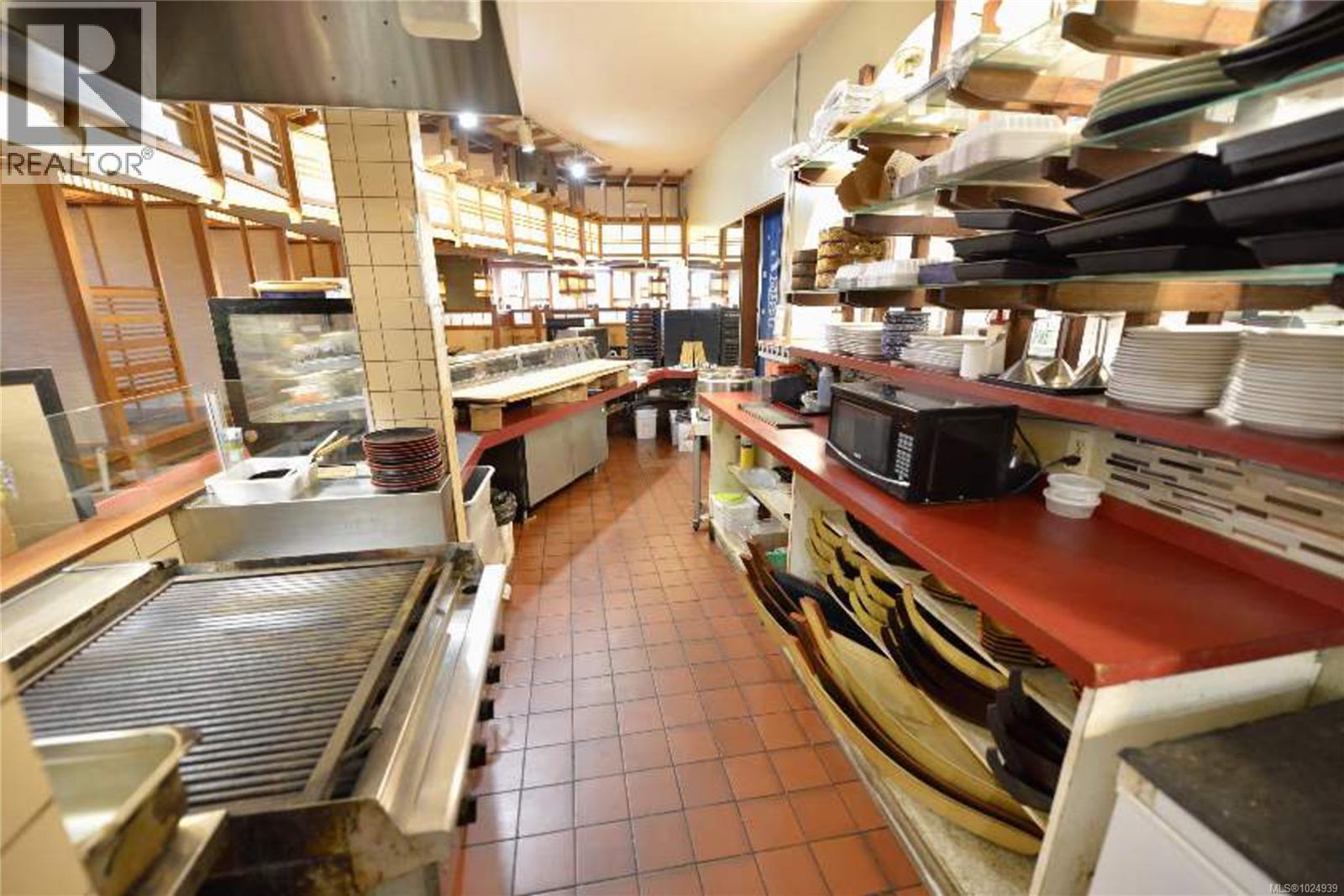
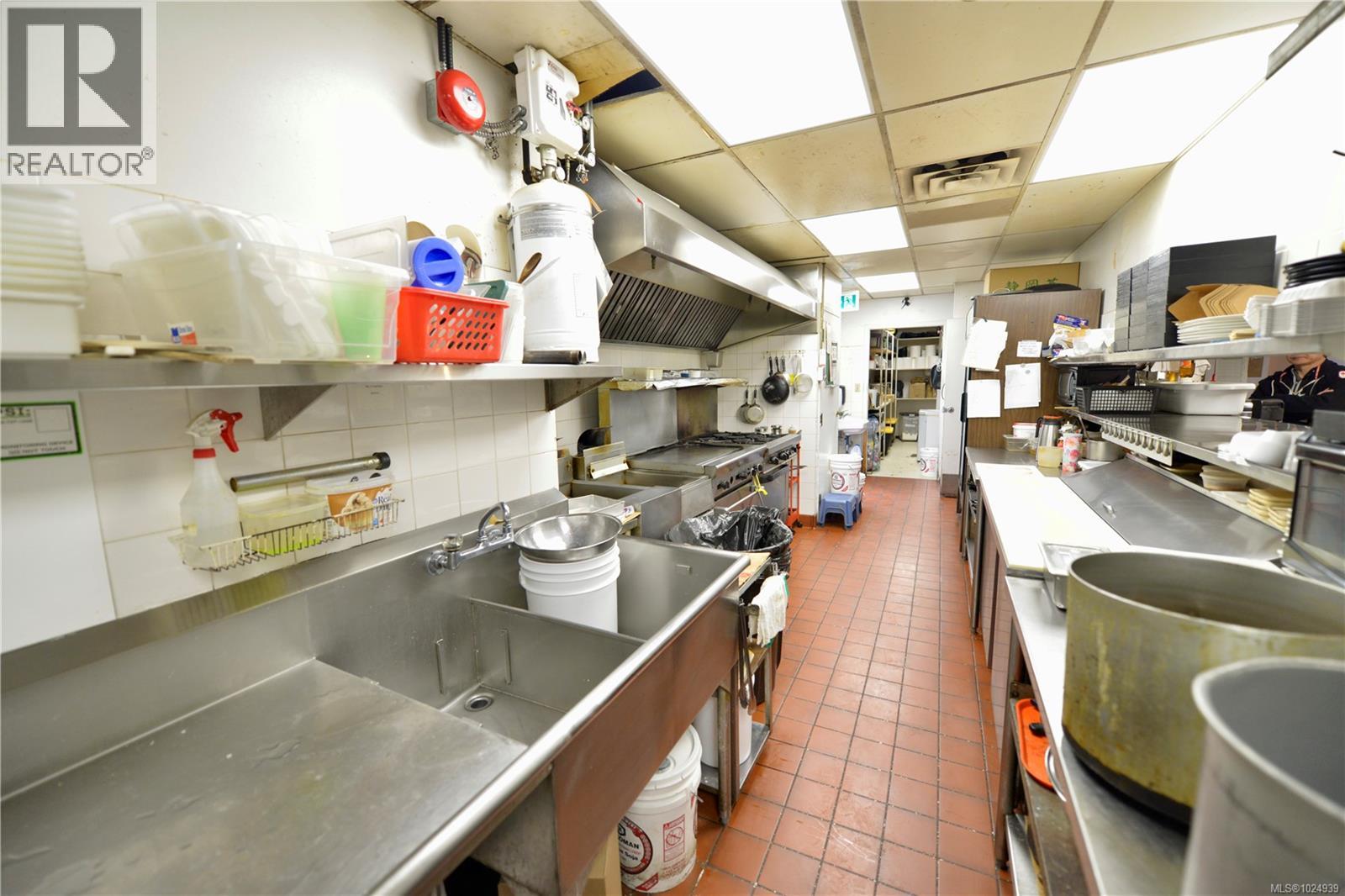
Meeting with a potential restaurant seller in Victoria, BC, is a critical step in your acquisition journey. During the meeting, request a tour of the restaurant to assess the physical condition of the premises, including kitchen equipment and dining areas.
Inquire about the reasons for selling, as this information can reveal underlying issues or provide reassurance regarding the business's prospects.
Understanding seller motivations is key to effective negotiation strategies. Establishing rapport with the seller facilitates open communication, making it easier to negotiate terms and understand expectations for the sale.
As you conduct due diligence on your acquisition target, you'll need to carefully assess the restaurant's physical location and operational basics.
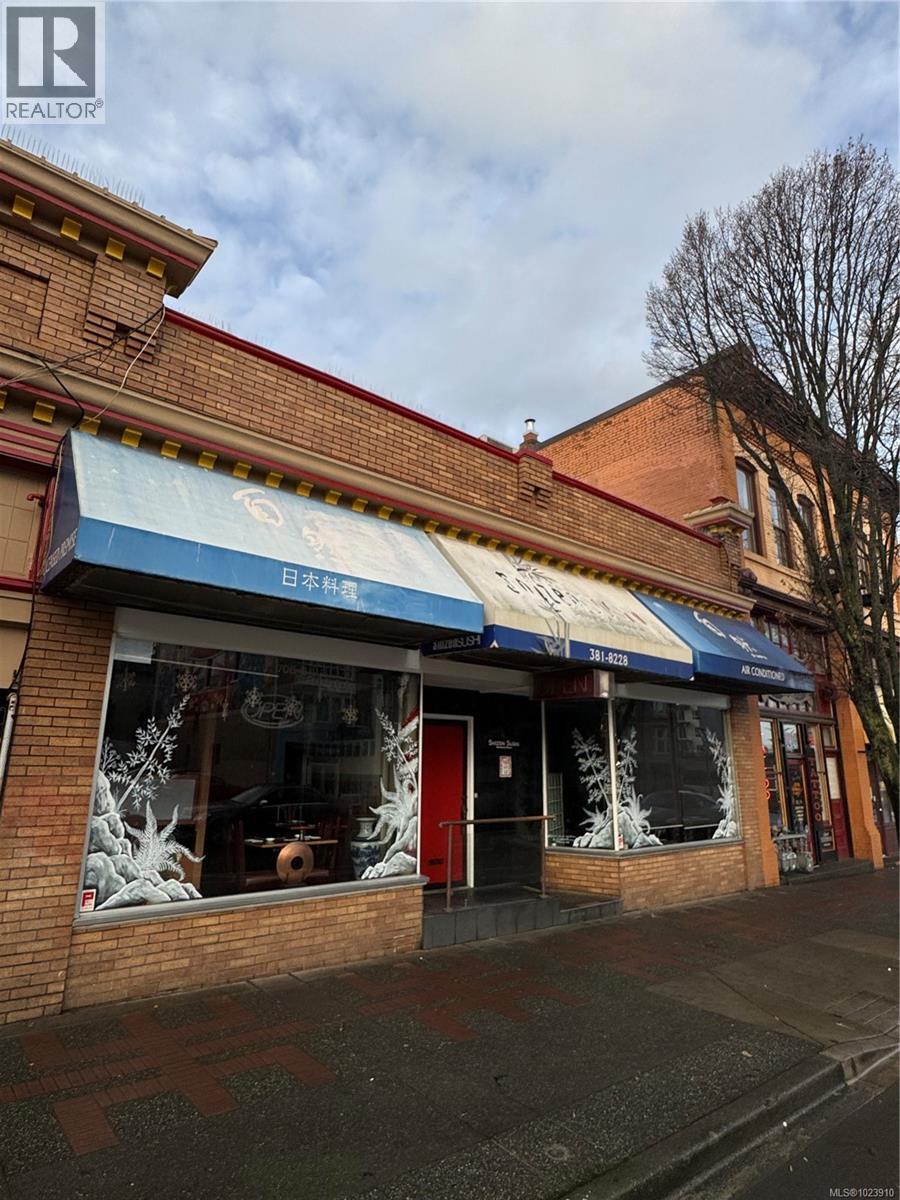
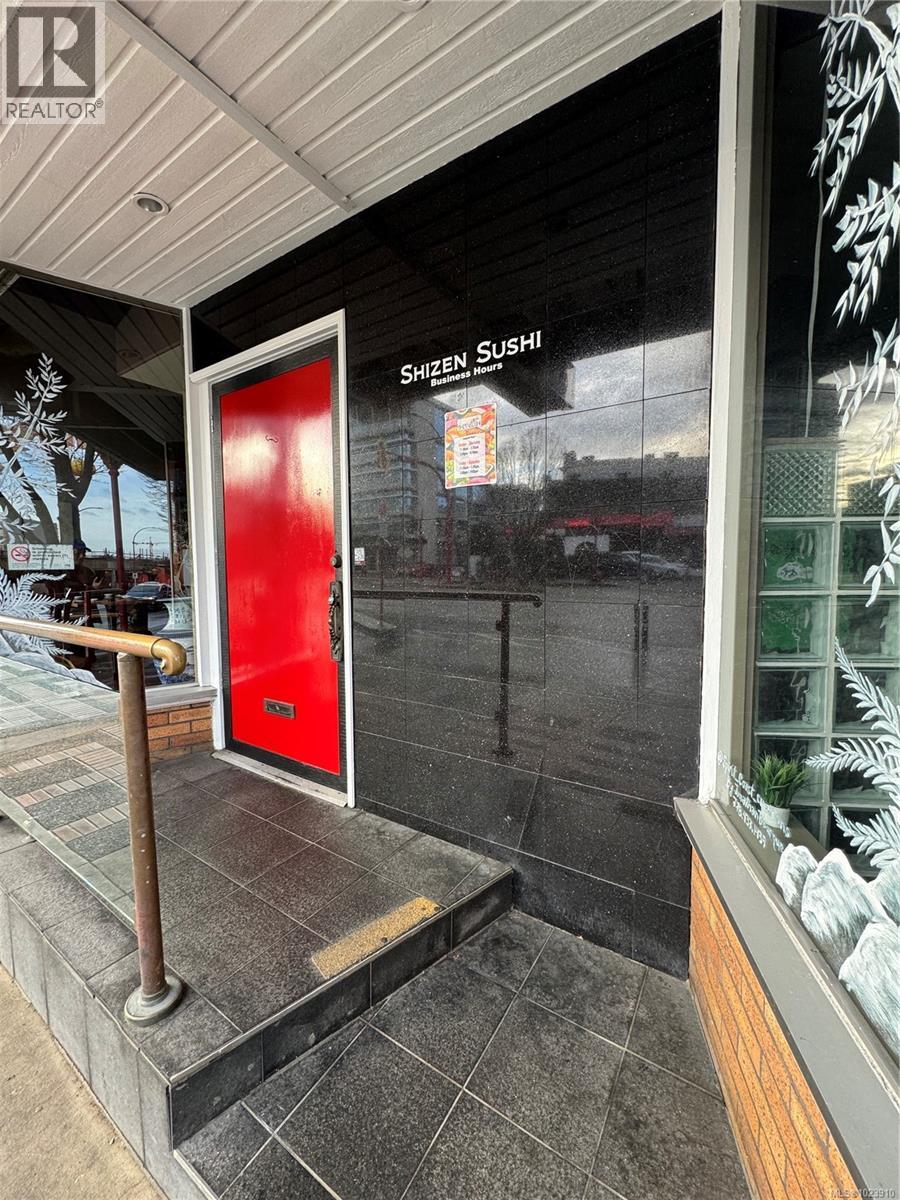
When considering the purchase of a restaurant in Victoria, BC, thorough due diligence on signage, visibility, accessibility, and parking is crucial. You need to ensure that the restaurant's sign is clear, well-lit, and positioned to attract foot traffic, as this significantly impacts customer awareness and sales.
Assess the location's visibility from major roads and pedestrian pathways to enhance spontaneous visits and overall patronage.
Moreover, evaluate accessibility for all potential customers, including entrances that comply with accessibility standards, to create a welcoming environment for individuals with disabilities.
Investigate the availability and convenience of parking options near the restaurant, as ample parking influences customer decisions and overall traffic.
Additionally, conduct thorough due diligence on local zoning regulations and any restrictions that may affect visibility, signage, or access to the restaurant, impacting business operations and growth.
Purchasing a restaurant necessitates more than just examining its physical premises and financial records; it also requires a comprehensive understanding of the business's strategic position in the neighbourhood where it is located.
To ensure you are making an informed decision, conduct a thorough SWOT analysis focusing on key areas:
| Internal Factors | External Factors |
| Strengths: Loyal customer base, prime location, and unique menu offerings. | Opportunities: Expand the menu to attract new demographics, leverage social media for customer engagement, and participate in local culinary events. |
| Weaknesses: High employee turnover, outdated equipment, and limited marketing budget. | Threats: Increased competition from new establishments, economic downturns affecting consumer spending, and negative online reviews impacting reputation. |
You will need to analyze key documents such as income statements, balance sheets, and cash flow statements from the past three to five years.
This due diligence is essential to ensure the financial health of the restaurant before finalizing your purchase.
Consult a business broker or accountant to help uncover any discrepancies and ensure accuracy and clarity.
Examine the lease thoroughly to confirm its terms, including duration, rent increases, and any clauses that could impact operational flexibility, such as renewal term options and "use" clauses.
Conducting due diligence can uncover potential issues such as exclusivity agreements or restrictions on business hours that may affect profitability.
Verify that the lease is assignable/transferable and that the landlord is amenable to a change of leasehold ownership.
Engage a lawyer to review the lease and property title, helping you identify any unfavourable terms that could hamper your future business success.
You need to review the condition and maintenance records of all physical assets, including kitchen equipment and commercial venting systems, furniture, and any intangible assets, including proprietary recipes or trademarks that add value to the restaurant.
Ensure all assets are legally owned by the seller and free from any liens or encumbrances. Additionally, verify the inventory levels of food and beverage supplies to assess initial operational expenses and cash flow during the transition period.
Request documentation for any leased equipment or property to understand ongoing obligations and potential liabilities.
You must ensure that all necessary licenses and permits are current and valid, including food service permits, liquor licenses, and health department certifications.
This involves verifying compliance with licensing requirements set by local authorities like the City of Victoria and the Island Health Authority.
The importance of inspections cannot be overstated. Review Island Health inspection reports from the local health authority to identify any past violations and ensure compliance with food safety regulations.
You must decide whether to structure the deal as an asset sale or a share sale, each with its tax implications and legal considerations.
Additionally, you should think about incorporating seller financing options, a comprehensive training and transition agreement, and other critical terms that will protect your interests and facilitate a smooth transfer of ownership.
The most common method used to determine a fair sale price for a business is calculating a multiple of EBITDA (earnings before interest, taxes, depreciation, and amortization) and a multiple of SDE (seller discretionary earnings), which is simply EBITDA plus a manager’s wage (normalized to market).
Both are measures of a company’s ability to generate operating earnings for the owner.
The multiples vary slightly by industry and are typically in the range of three to four times EBITDA for a small- to medium-sized business or two to three times SDE for transactions under $650,000.
When considering the purchase of a restaurant, the distinction between an asset sale and a share sale is pivotal in shaping the transaction's structure and implications.
Understanding these differences can help you make an informed decision.
| Consideration | Asset Sale | Share Sale |
| Assets | Specific assets purchased | All assets and liabilities |
| Tax Benefits | Step-up in basis for depreciation | Less control over tax cost |
| Liabilities | Buyer avoids historical liabilities | Buyer inherits all liabilities |
| Transition | More complex due to contract renegotiation | Smoother transition with existing contracts |
| Due Diligence | Focus on specific assets | Comprehensive review of entire company |
In an asset sale, you may benefit from depreciation benefits on newly acquired assets, while a share sale offers a smoother transition by maintaining existing contracts.
However, a share sale also means inheriting any liabilities, making thorough due diligence crucial to assess risks.
Business Brokers provide invaluable expertise in business valuation, which can enhance your understanding of the liquor store's value for informed judgments.
Some Seller financing can be advantageous, allowing you to reduce the initial equity required to pay for the business and supplement traditional bank financing.
This approach can make acquiring a restaurant more accessible if you do not have the immediate full capital investment.
When negotiating seller financing, ensure that the repayment terms, interest rates, and collateral are clearly defined in your broker's letter of intent or conditional offer to purchase.
Engage a business transaction lawyer to draft or review these documents, ensuring they appropriately address all legal aspects of the vendor loan.
Crafting a comprehensive Training & Transition Agreement is critical when buying a restaurant, as it ensures a smooth transition and equips you with the necessary operational knowledge to run the business successfully.
You will need to specify the training duration, typically ranging from a few weeks to several months, and outline the seller's responsibilities during this period.
Clearly define both parties' responsibilities to avoid misunderstandings, and consult a business broker or a lawyer to ensure the agreement adheres to local laws and protects both your interests and the seller's.

Your plan should include a comprehensive market analysis outlining local dining trends, target demographics, and the competitive landscape in Victoria, BC.
Moreover, financial projections covering at least three years are essential, incorporating startup costs, operating expenses, expected revenue, and cash flow forecasts.
Market knowledge: Clearly define your target customer and how you plan to capture their attention in a crowded market.
Financial Clarity: Detail your startup costs, operational expenses, and expected revenue to demonstrate profitability.
Unique Selling Points: Highlight what sets your restaurant apart from competitors, ensuring a compelling case for investment.
When buying a restaurant for sale in Victoria, BC, it's crucial to consider more than just the initial purchase price.
One common objection is the concern about hidden costs and liabilities. To overcome this, thoroughly review the restaurant's financial statements, leases, and legal obligations.
Create a detailed business plan that includes financing and transition strategies. By doing so, you'll be better equipped to manage risks and capitalize on opportunities, ensuring a smoother ownership transfer and a successful venture.
Industry resources, such as the British Columbia Restaurant and Foodservices Association (BCRFA) offer crucial guidance on industry regulations, business planning, and financing options.
The BCRFA also provides valuable member benefits, including exclusive discounts, networking opportunities, and advocacy support for industry interests.
Utilizing these resources, along with local real estate listings and a knowledgeable business broker, can equip you with the necessary knowledge to make informed decisions and ensure a smooth transition into restaurant ownership.
Buying a restaurant requires meticulous planning and adherence to local regulations. As you navigate this process, it's essential to tap into government resources tailor-made for the industry to get you started.
Additionally, Community Futures and Small Business BC provides comprehensive guides and workshops to assist with business planning, market research, and funding options, ensuring you're well-equipped to make informed decisions.
The provincial government also supports food and beverage businesses through various economic development initiatives, including access to grants and funding options.
The Vancouver Island Health Authority sets crucial health and food safety regulations, and the City of Victoria's website provides necessary information on permits and licenses required to operate a restaurant.
A: You can easily search for available businesses, including restaurants, by visiting the Victoria section on FindBusinessesForSale.com. Use filters to narrow down options like location, type, and price range.
A: Yes, there are several turnkey restaurants available in prime areas like Oak Bay and Downtown Victoria, offering a fantastic opportunity for a thriving business.
A: Victoria offers various food franchises, including pizza restaurants, poké restaurant brands, and Japanese restaurants, all in high-traffic locations.
A: Yes, there are multiple restaurants available in Downtown Victoria. These include service restaurants and bars offering high foot traffic and affordable rent.
A: Oak Bay is considered a wonderful location due to its community vibe, high foot traffic, and being one of Victoria’s most desirable areas for dining, offering a rare opportunity to acquire a successful business.
A: Absolutely! There are several restaurant and bar combinations available in Victoria, offering an exceptional opportunity for those interested in a diverse service restaurant setup.
A: When searching for a restaurant in Saanich, consider factors like its location in a high-traffic area, whether it’s a well-established restaurant, and if the premises are in near-new condition.
A: You can contact the agent directly through the listing on BusinessesForSale.com. Most listings provide contact details or a form to reach out directly to discuss the available opportunity.
A: Yes, some restaurants in Victoria are open for partnership. This can be a wonderful opportunity to join a thriving business without taking on full ownership.
A: Definitely! Owning a pizza restaurant in Victoria is a great opportunity, especially in areas with high foot traffic and affordable rent, making it an attractive business venture.
Data is supplied by CREA who is the owner of the copyright in its MLS®System. Data provided is deemed reliable but is not guaranteed accurate by CREA. The trademarks MLS®, Multiple Listing Service® and the associated logos are owned by The Canadian Real Estate Association (CREA) and identify the quality of services provided by real estate professionals who are members of CREA. Used under license.