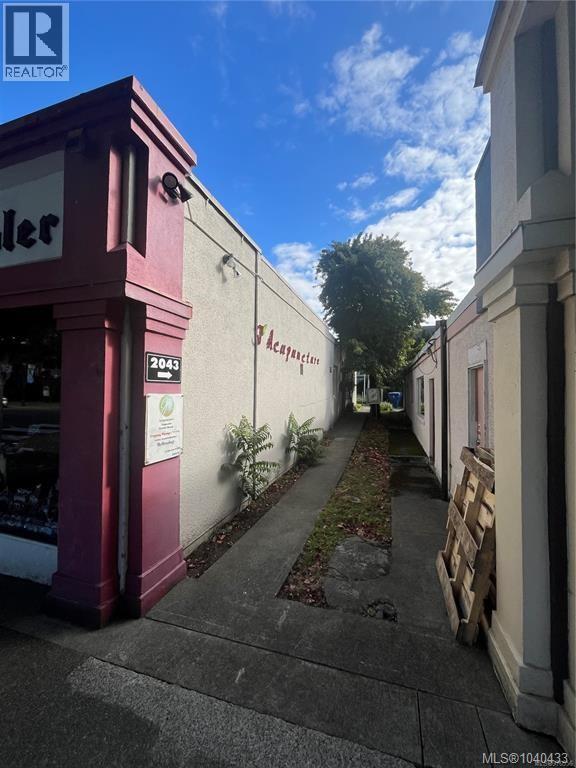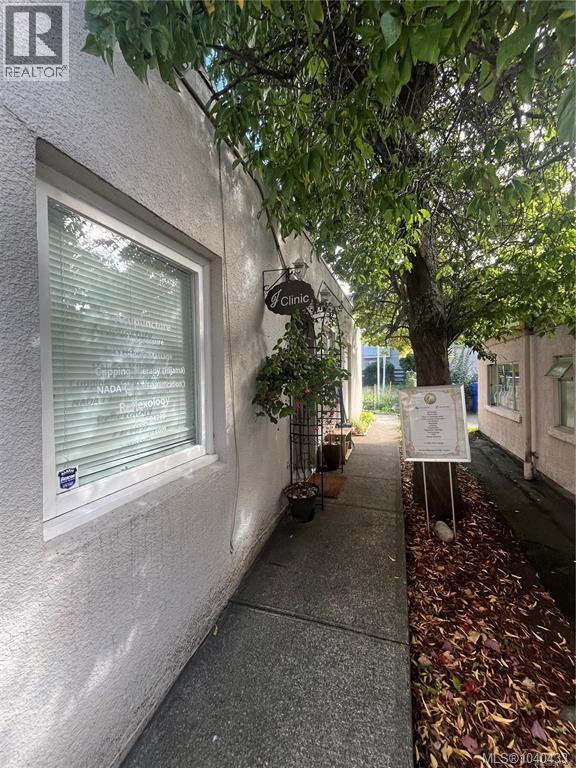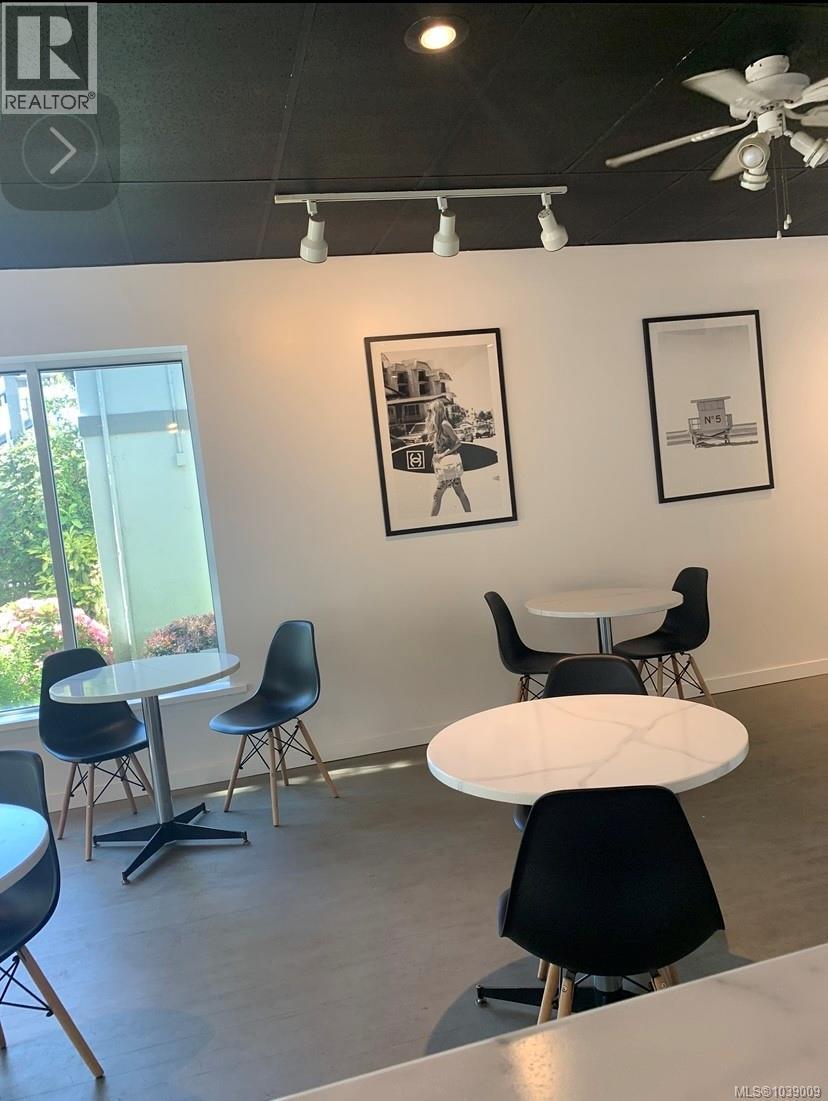
Small Businesses for Sale Victoria
Small business owners in Victoria enjoy strategic location advantages and supportive local business communities. Embrace the independence and work-life balance that come with business ownership. FindBusinessesForsale.com is the best place to discover current opportunities in Victoria's vibrant business landscape.
Showing 1 - 12 of 19 Results

Why Buy a Small Business for Sale in Greater Victoria, BC?
Written by David Turner, M.A.
Entrepreneurial spirit thrives in Victoria, BC's vibrant business landscape. As market trends continue to show steady growth in this capital city, you'll find numerous opportunities to establish yourself as a business owner.
The local economy's resilience, combined with Victoria's established reputation as a tourist destination, creates an ideal environment for sustainable business ventures. Additionally, considering the strategic planning essential for long-term success, acquiring a business in Victoria offers a promising pathway to securing a profitable future.
Consider these compelling reasons to purchase an existing business in Victoria:
-
Immediate cash flow potential from an established customer base.
-
Lower risk compared to starting from scratch.
-
Existing operational systems and trained staff are already in place.
-
Proven business model with verifiable performance history.
When you acquire an existing business in Victoria, you're not just buying a company; you’re investing in a community that values independence and supports local enterprises.
The city's diverse economic sectors provide multiple pathways for growth and expansion, while its strategic location guarantees continued market accessibility.
Pros and Cons of Buying a Small Business
The decision to buy a small business carries significant advantages and potential drawbacks that you'll need to carefully weigh. Beyond financial considerations, emotional factors like independence and work-life balance play essential roles in your decision-making process.
|
Aspect |
Advantages |
Disadvantages |
|
Financial |
Immediate cash flow |
Higher initial investment |
|
Operations |
Established systems |
Learning curve adapting |
|
Market |
Existing customer base |
Potential hidden issues |
|
Risk |
Proven business model |
Inherited problems |
When evaluating a business purchase in Victoria, you'll find that established enterprises often come with valuable assets: trained staff, documented procedures, and existing vendor relationships.
However, you'll need to carefully assess the business's current market position, financial health, and growth potential before making your decision. Consider working with professional advisors to thoroughly evaluate these elements.
more


Key Steps in Buying a Small Business for Sale in Greater Victoria, BC
When you're looking to buy a small business in Victoria, BC, you'll need to navigate several key steps for a successful acquisition. Start by defining your acquisition criteria, including your budget, preferred industry, and desired location within Victoria's vibrant business landscape.
You'll want to engage local professionals, including a business broker, lawyer, and accountant, who can guide you through due diligence, valuation, and negotiations.
Define Your Small Business Acquisition Criteria
Your acquisition strategy should align with your investment goals, financial capacity, and personal strengths, ensuring you're positioned to identify opportunities that match your objectives.
|
Criteria Type |
Key Considerations |
|
Financial |
Purchase price range, revenue requirements, profit margins |
|
Operational |
Industry type, location within Victoria, staff size |
|
Strategic |
Growth potential, market position, competitive advantages |
Before diving into Victoria's business listings, you'll need to establish clear parameters for what you're willing to invest in and what type of business aligns with your expertise. Consider factors such as your desired work-life balance, management style, and the level of involvement you're planning to maintain in day-to-day operations.
Engage a Business Broker, Lawyer, Accountant, and Lender
Professional guidance from experienced advisors forms the backbone of any successful business acquisition in Victoria. To navigate this complex process, assemble a skilled team of professionals who understand the local market and can protect your interests throughout the transaction.
|
Professional |
Primary Role |
|
Business Broker |
Business valuation and listing access |
|
Lawyer |
Contract review and legal protection |
|
Accountant |
Financial analysis and tax planning |
|
Lender |
Financing options and loan structuring |
Once you've engaged these key advisors, you'll be well-positioned to evaluate opportunities, assess financial statements, structure deals, and secure the necessary financing. While their services represent an investment, their expertise can help you avoid costly mistakes and negotiate better terms.
Your team should work collaboratively to guarantee all aspects of the acquisition align with your objectives and risk tolerance.
Conduct a Competitor Analysis for your Target Small Business
You'll need to analyze current market trends, identify major competitors, and understand their strengths and weaknesses. This research will help you gauge your potential market position and identify growth opportunities.
Begin by examining direct competitors within a 5-10 kilometre radius, considering factors like their pricing strategies, customer base, and unique selling propositions.
Don't forget to evaluate indirect competitors who might offer alternative solutions to your target customers. Your analysis should also include an assessment of emerging market trends that could impact the business's future success.
Consider technological advances, changing consumer preferences, and economic factors specific to Victoria's business environment.
Identify a Turnkey Small Business Acquisition Target and Meet with the Seller
Once you've identified potential acquisition targets in Victoria's vibrant market, you'll need to assess each opportunity through the lens of business valuation and seller motivation.
Utilizing a business broker can greatly streamline this process, offering access to exclusive listings and expert guidance on market trends and risks.
When meeting with sellers, you'll want to understand their reasons for selling, which often reveal valuable insights about the business's health and potential. Come prepared with a list of specific questions about financial performance, operational challenges, and growth opportunities.
During these meetings, maintain professional discretion and consider signing a non-disclosure agreement to protect both parties' interests while you explore the possibility of acquisition.
Conduct "Pre-Offer" Due Diligence on Your Small Business Acquisition Target
Before making an offer on a small business, you'll need to conduct thorough pre-offer due diligence to understand the true value and potential risks of your acquisition target.
Analyze Historical Financial Statements
When reviewing the financial documents, you'll want to calculate key financial ratios and examine cash flow patterns over at least the past three years to identify trends and potential red flags.
This detailed scrutiny is crucial not just for evaluating past performance but also for structuring flexible payment plans that align with future cash flows, guaranteeing the sustainability of the acquisition.
| Financial Analysis Checklist | Key Considerations |
| Revenue Trends | : Year-over-year growth or decline |
| Profit Margins | : Gross and net profit consistency |
| Cash Flow | Working Capital Requirements |
Understanding these financial metrics empowers you to negotiate effectively and determine a fair purchase price. You'll gain valuable insights into the business's operational efficiency, profitability, and overall financial health. Remember to verify all financial statements against tax returns and bank statements to confirm accuracy, as this data will greatly impact your investment decision.
Review the Small Business Premises Lease
You'll need to thoroughly review the existing lease agreement, paying particular attention to the remaining term length, monthly obligations, and any restrictions on business operations or property modifications.
Carefully examine the lease terms regarding assignment and transfer provisions, as you'll need the landlord's consent to take over the existing lease. Additionally, ensure there are favourable renewal options that'll protect your long-term interests and provide stability for your business operations.
Consider factors such as rent escalation clauses, maintenance responsibilities, and whether the landlord has any redevelopment plans that could impact your business. If possible, negotiate directly with the landlord to secure more favourable terms before finalizing your business purchase.
Inspect a Detailed Asset List
As you navigate through the asset valuation process, you'll need to verify both tangible and intangible assets, ensuring they're accurately represented and properly valued. A thorough inventory assessment will help you understand the true worth of what you're buying.
|
Asset Category |
Required Verification |
|
Physical Assets |
Equipment condition, age, and maintenance records |
|
Digital Assets |
Software licenses, websites, customer databases |
|
Inventory |
Stock levels, turnover rates, and obsolescence |
During your inspection, you'll want to cross-reference each item against the seller's documentation while considering replacement costs and depreciation. Don't hesitate to bring in specialized evaluators for complex equipment or unique assets that fall beyond your expertise.
Budget for Acquisition and Post-Completion Costs
Successful business acquisitions require an extensive budget that extends well beyond the initial purchase price. When planning your acquisition financing, you'll need to account for both immediate costs and ongoing operational expenses to guarantee a smooth shift of ownership.
-
Professional fees, including legal counsel, accountants, and business valuators.
-
Working capital requirements for the first 3-6 months of operation.
-
Essential upgrades to equipment, technology, or facilities.
-
Employee retention bonuses and training programs.
Additionally, consider leveraging the financial benefits offered by membership in organizations like the CFIB, which can greatly reduce operational costs through lower credit card fees and other savings.
Your post-completion budgeting should include a contingency fund of at least 10-15% above projected expenses to handle unexpected costs. It's vital to maintain adequate cash reserves during the shift period while you're learning the business operations.
Consider securing a line of credit or additional funding sources to provide financial flexibility during your first year of ownership.
Submit a Conditional Offer to Purchase or a Letter of Intent (LOI) Agreement
When you're ready to make an offer on a small business in Victoria, BC, you'll need to carefully evaluate whether to structure it as an asset sale or share sale while also considering the possibility of requesting partial seller financing to make the deal more manageable.
Before finalizing your offer, you'll want to thoroughly review all operating licenses and permits to verify they're transferable and in good standing, as local regulations can greatly impact your ability to continue operations smoothly.
Additionally, it's essential to incorporate a detailed seller training and changeover plan into your offer or letter of intent, specifying the duration, scope, and expectations for the knowledge transfer period to help guarantee a successful handover of the business.
Asset Sale vs. Share Sale Considerations
Making the initial purchase offer for a business involves two main transaction structures: an asset sale or a share sale.
While an asset sale offers benefits like choosing specific assets and avoiding hidden liabilities, a share sale transfers ownership of the entire corporation, including all assets, liabilities, and contracts.
|
Consideration |
Asset Sale |
Share Sale |
|
Tax Impact |
Buyers can depreciate assets |
The seller may have tax advantages |
|
Liability |
Limited to purchased assets |
All historical liabilities are transferred |
|
Complexity |
More complex asset transfer |
Simpler ownership transfer |
|
Contracts |
May need renegotiation |
Usually continues automatically |
Consult with your business broker, accountant, and lawyer to understand the implications, as each structure carries distinct advantages and challenges that'll affect your business's future operations and tax position.
Request Some Partial Seller Financing
Securing partial seller financing can smooth out your path to business ownership while demonstrating the seller's confidence in the company's future success. When exploring financing options, you'll find that seller financing often comes with more flexible terms and lower interest rates compared to traditional bank loans.
Understanding seller motivation is essential when requesting partial financing. You'll want to present a compelling case that demonstrates your commitment and capability to maintain the business's success.
Consider proposing a substantial down payment of 20-30% to show your serious intent while requesting the seller to finance the remaining portion over 3-5 years.
This arrangement can benefit both parties: you'll gain easier access to ownership, while the seller receives ongoing income and maintains a vested interest in the business's continued prosperity.
Review of the Small Business Operating Licenses & Permits
With financing discussions underway, your next step involves a thorough review of all operating licenses and permits required for the business in Victoria, BC.
You'll need to verify that the existing business complies with current regulations and understand what additional permit requirements you'll face as the new owner.
Critical elements to review include:
-
Business licenses from the City of Victoria and any surrounding municipalities where operations occur.
-
Provincial operating licenses specific to your industry sector.
-
Federal permits, particularly required for regulated industries like food service or transportation.
-
Special zoning permits or variances that might affect business operations.
Understanding these requirements will help protect your investment and guarantee a smooth shift of ownership.
You'll want to work with your lawyer to verify that all permits are transferable and identify any compliance issues that need addressing before closing the deal.
Prepare a Seller Training & Transition Plan
A successful ownership change requires careful planning and clear expectations between you and the seller. During negotiations, you'll need to establish a thorough training and shift period that guarantees you're fully prepared to take the reins of your new business.
This typically involves securing the seller's commitment to provide hands-on training and seller support for a specified duration, usually ranging from 30 to 60 days post-closing.
Work with your business broker to outline specific training resources and knowledge transfer requirements in your purchase agreement. These should include access to operational procedures, customer relationships, vendor contacts, and technical aspects of the business.
You'll want to document key processes, schedule shadowing opportunities, and create a timeline for gradually assuming control while maintaining business continuity and preserving valuable customer relationships.
Create a Business Plan for Financing Your Small Business Acquisition
Your plan should extensively outline your vision, market analysis, financial projections, and operational strategy to demonstrate viability to potential lenders and investors.
Consider including these key elements in your business plan:
-
Detailed financial analysis of the target business, including historical performance and future projections.
-
Market research demonstrating growth potential and competitive advantages.
-
Clear explanation of your management experience and qualifications.
-
Specific breakdown of financing options, including down payment sources, potential loans, and working capital requirements.
To guarantee you're thoroughly prepared, incorporating financial literacy as emphasized in the Business Buyer Advantage program can greatly enhance your business plan's effectiveness. This knowledge will help you articulate how you manage financial aspects effectively, further convincing your lenders of your capability.
When exploring financing options, you'll need to demonstrate how you'll generate sufficient cash flow to service any debt while maintaining profitable operations.
Your business plan serves as your roadmap for success and a vital tool for securing necessary funding.
Close the Deal!
Before signing the final purchase agreement, verify you've obtained all necessary permits, licenses, and third-party approvals. You'll want to coordinate with your legal counsel to review and finalize all transaction documents, including bills of sale, lease assignments, and non-compete agreements.
Implement a transition phase where the previous owner remains available for consultation, guaranteeing a smooth handover of operations, customer relationships, and employee management.
Final Thoughts
Ready to leap into business ownership in Victoria, BC? You've now got the essential knowledge to navigate the complexities of purchasing a small business, from initial research through final closing.
By following these steps, engaging the right professionals, and understanding local regulations, you're well-positioned to make an informed acquisition decision.
Government Regulations for Small Businesses in Victoria, BC
When operating a small business in Victoria, BC, you'll need to comply with regulations at the federal, provincial, and municipal levels.
|
Government Level |
Key Requirements |
|
Federal |
Business number registration, GST/HST registration |
|
Provincial |
PST registration, WorkSafeBC coverage |
|
Municipal |
Business license, zoning permits |
Industry Information Resources for Small Business
Several valuable industry information resources exist to support small business owners in Victoria, BC.
You'll find extensive data on market trends, competitive analysis, and sector-specific insights through various channels, ensuring you're well-equipped to make informed business decisions.
-
The City of Victoria's Business Hub provides guidance through the licensing process, helping you maintain compliance without excessive bureaucracy.
-
Greater Victoria Chamber of Commerce provides industry-specific networking events, market research, and business development resources.
-
Industry associations offer detailed reports, competitive analysis, and sector-specific benchmarking data.
-
Statistics Canada's Business Register delivers demographic data and market trends specific to Vancouver Island.
-
Business Development Bank of Canada maintains extensive industry reports and forecasting tools.
When evaluating a business purchase, these resources can help you understand market dynamics, identify growth opportunities, and assess the competitive landscape.
Frequently Asked Questions:
Q: What types of businesses for sale are available in Victoria, BC?
A: There are various types of businesses for sale in Victoria, BC, including well-established cafes, turnkey restaurants, retail shops in high-traffic locations, and even commercial kitchen spaces with commercial hoods and liquor licenses. Whether you're looking for a small startup or a fully equipped business located in a prime area like Oak Bay, Saanich, or downtown Victoria, there's something for everyone.
Q: What are the benefits of using a business brokerage to find a business for sale in Victoria?
A: Using a business brokerage can enhance your business search by providing exposure to popular listings that are available for acquisition. They have extensive knowledge of the region and can help you navigate the complexities of real estate transactions.
Q: How can I evaluate the annual revenue of a business for sale in Victoria?
A: To evaluate consistent revenue, you should request financial statements from the seller. A well-established business will often have a history of solid financial performance, which can be essential if you're looking to expand in the British Columbia area.
Q: What types of properties should I consider for a mixed-use business in Victoria?
A: Consider properties that are in high-traffic and excellent locations, particularly in industrial areas. You might also explore opportunities for rental spaces or construction projects that can support a franchise model or sale-by-owner options.
Q: What makes Oak Bay a desirable location for businesses?
A: Oak Bay is a well-established area known for its charming atmosphere and loyal customer base. Businesses located here benefit from high foot traffic, excellent visibility, and a community that supports local enterprises. It's an exceptional opportunity for anyone looking to start or purchase a business in a prime area.