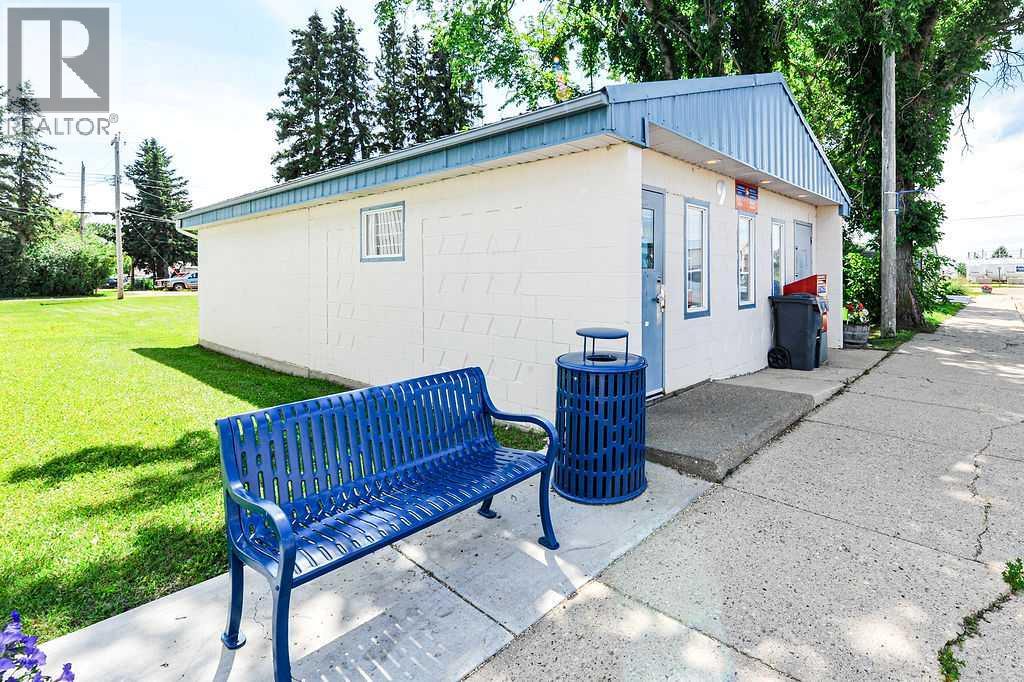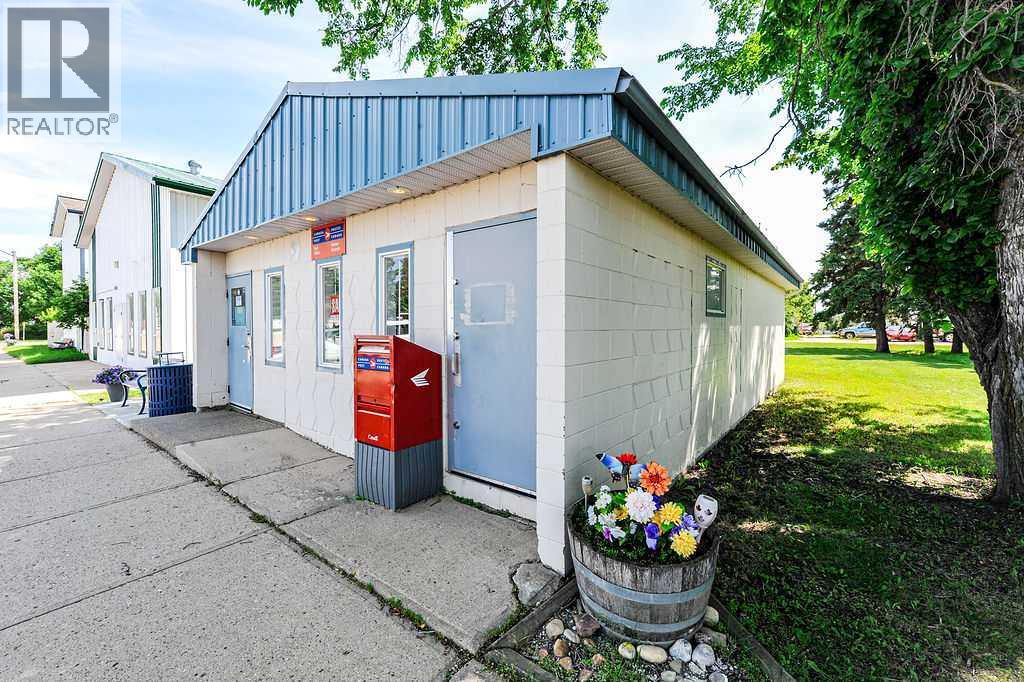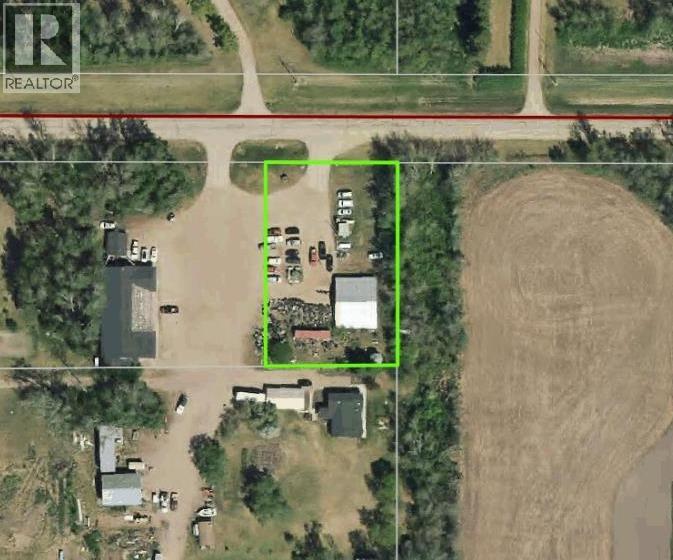
Small Businesses for Sale in Edmonton
Edmonton presents compelling advantages for business acquisition. However, prospective buyers must navigate financial risks and market fluctuations. From established customer bases to existing revenue streams, purchasing a business can be less risky than starting from scratch. Embrace the opportunity to shape your future as a business owner in Edmonton's dynamic landscape. For the best selection of current opportunities, visit findbusinessesforsale.com and start your entrepreneurial journey today.
Showing 1 - 12 of 14 Results

Why buy a Small Business for Sale in Edmonton, Alberta?
Written by David Turner, M.A.
Anyone looking to become a business owner should consider Edmonton's thriving market. With its robust local market and favourable business climate, Alberta's capital city offers numerous opportunities for entrepreneurs seeking to establish their presence in Western Canada.
You'll find yourself positioned in a dynamic metropolitan area that consistently demonstrates strong economic resilience and growth potential. Buying an established business here means benefiting from a proven track record of success, greatly reducing the uncertainties associated with new ventures.
Additionally, such businesses often come with established relationships and a reliable supply chain, further enhancing operational stability.
-
You'll benefit from Edmonton's diverse economy, which isn't solely dependent on the energy sector but spans multiple industries.
-
You'll gain access to a skilled workforce and supportive business community that values innovation and entrepreneurship.
-
You'll operate in a region with lower operating costs compared to other major Canadian cities while still maintaining access to considerable market opportunities.
The city's strategic location and well-developed infrastructure make it an ideal choice for acquiring an existing business, particularly given its status as a major distribution hub for northern Canada.
Pros and Cons of Buying a Small Business
While the decision to buy a small business can be life-changing, it is important to carefully weigh both the advantages and disadvantages before making your investment.
Understanding current market trends and carefully evaluating financial considerations will help you make an informed choice that aligns with your entrepreneurial goals.
|
Aspect |
Advantages |
Disadvantages |
|
Financial |
Existing revenue stream |
Initial capital requirements |
|
Operations |
Established systems |
Potential outdated processes |
|
Market |
Known customer base |
Market trend uncertainties |
|
Risk Level |
Lower than startups |
Hidden liabilities possible |
When you're considering purchasing an established business, you'll benefit from existing operational systems and customer relationships. However, you'll need to thoroughly assess the business's financial health by reviewing historical performance data, understanding its current market position, and evaluating potential growth opportunities in Edmonton's dynamic business environment.
more


| Small Business in Edmonton Listings Summary | Figure |
| Figure Active listings, Small Business in Edmonton | 14 |
| Lowest asking price, Small Business in Edmonton | $2,796 |
| Highest asking price, Small Business in Edmonton | $149,900 |
| Average asking price, all Small Business in Edmonton listings | $91,054 |
| Most common categories | Business, Mixed - IC&I |
| Areas covered | Edmonton, Grande Prairie, Fort McMurray, La Crete, Lamont |
Key Steps and Information When Buying a Small Business for Sale in Edmonton, Alberta
The successful purchase of a small business follows a clear sequence of actionable steps.
Define Your Small Business Acquisition Criteria
Successful business acquisition starts with establishing clear, specific criteria for your ideal purchase target. When defining your acquisition goals, you'll need to carefully evaluate your financial readiness and determine which business characteristics align with your vision and capabilities.
|
Criteria Type |
Key Considerations |
Impact Factors |
|
Financial |
Purchase budget, ROI expectations, Working capital |
Cash flow potential |
|
Operational |
Industry type, Location, Size |
Management requirements |
|
Strategic |
Growth potential, Market position, Competition |
Long-term viability |
|
Personal |
Work-life balance, Required skills, Exit strategy |
Lifestyle alignment |
Before you begin your search, develop a thorough checklist of must-have features and deal-breakers. You'll want to take into account factors such as industry trends, competition levels, and whether you'll be an owner-operator or employ a management team.
Engage a Business Broker, Lawyer, Accountant, and Lender in the Edmonton, AB Area
Once you've established your acquisition criteria, assembling a professional team becomes your next major step. Working with experienced professionals will considerably enhance your ability to navigate the complexities of business acquisition, from conducting thorough business valuations to exploring financing options.
Your team should include specialists who understand the local market dynamics and Alberta's business regulations.
|
Professional |
Primary Role |
|
Business Broker |
Sources opportunities and negotiates deals |
|
Lawyer |
Reviews contracts and guarantees legal compliance |
|
Accountant |
Analyzes financials and tax implications |
|
Lender |
Assesses and provides financing options |
|
Business Valuator |
Determines fair market value |
You'll want to engage these professionals early in the process to guarantee proper due diligence and avoid potential pitfalls. They'll help structure your deal effectively while protecting your interests throughout the transaction.
Conduct a Competitor Analysis for your target Small Business
You'll need to identify direct and indirect competitors within your target market area, examining their strengths, market share, and customer base to understand your potential position in the local marketplace.
Begin by researching similar businesses within a 10–15-kilometre radius, focusing on their pricing strategies, service offerings, and customer reviews. Analyze their online presence, marketing tactics, and operational hours while identifying market opportunities that your target business could capitalize on.
You'll want to document each competitor's unique selling propositions and assess how your prospective business measures up against these established players. This analysis will provide vital insights into the business's viability and help you make an informed purchase decision.
Identify a Small Business Acquisition Target in the Edmonton Area and Meet with the Seller
Once you've identified potential businesses through online listings, business brokers, or industry connections, you'll need to arrange meetings with sellers to gather vital information about their operations and motivations for selling.
When meeting with sellers, it's important to understand their seller motivation factors, which can greatly impact your business negotiation strategies.
You'll want to inquire about their timeline for selling, reasons for exit, and willingness to assist with the shift. During these meetings, maintain professionalism while asking detailed questions about financial performance, employee relations, and operational challenges.
Remember to bring a non-disclosure agreement and prepare a list of specific questions that will help you evaluate whether the business aligns with your goals and investment criteria.
Conduct "Pre-Offer" Due Diligence on Your Small Business Acquisition Target
Before offering to purchase a small business, you'll need to conduct significant due diligence on your acquisition target.
Analyze Historical Financial Statements
A thorough financial analysis of your target business's historical statements serves as the foundation for any successful acquisition.
You'll need to examine at least three years of financial records to identify financial trends and assess the stability of profit margins. While evaluating these documents, focus on both income statements and balance sheets to understand the complete financial picture.
|
Financial Area |
What to Analyze |
Key Indicators |
|
Income Statement |
Revenue Trends |
Growth Rate |
|
Balance Sheet |
Asset Quality |
Debt Levels |
|
Cash Flow |
Working Capital |
Liquidity Ratios |
|
Operating Expenses |
Cost Structure |
Margin Analysis |
|
Tax Returns |
Compliance |
Actual Earnings |
When reviewing these documents, pay particular attention to downward trends that might indicate underlying problems, and verify all numbers reconcile across different financial statements. Hire a qualified accountant who can help you spot irregularities and validate the business's financial health.
Review the Small Business Premises Lease
You'll need to thoroughly examine the existing lease terms, including renewal options, rent escalation clauses, and any restrictions on business operations or modifications to the space. Before proceeding with your purchase, guarantee you understand your tenant rights and obligations under the current lease agreement.
You'll want to verify whether the lease is transferable and if the landlord's consent is required for the business sale. Pay special attention to the remaining lease duration and whether you'll need to negotiate new terms or simply assume the existing agreement.
Seek legal counsel to review complex clauses and help you understand potential risks or limitations that could affect your business operations and future growth opportunities.
Inspect a Detailed Asset List
When conducting your asset valuation, you'll need to carefully examine both tangible and intangible assets, ensuring that everything listed actually exists and functions as claimed.
A detailed inventory assessment will help you determine the true value of your potential investment while identifying any hidden issues or opportunities.
|
Asset Category |
Key Considerations |
|
Equipment |
Condition, age, maintenance records |
|
Inventory |
Current value, turnover rate |
|
Vehicles |
Mileage, repair history |
|
Digital Assets |
Software licenses, websites |
Make sure to document any discrepancies between the seller's asset list and your physical inspection findings. You'll want to verify that all equipment is properly maintained and that inventory levels align with the business's operational needs. This detailed examination will greatly strengthen your negotiating position and help prevent unwelcome surprises after purchase.
Budget for Acquisition and Post-Completion Costs
When developing your acquisition financing strategy, you'll need to reflect on both immediate and long-term expenses to guarantee a smooth shift of ownership. Post-acquisition budgeting should account for operational adjustments, potential upgrades, and working capital requirements during the first several months.
Reflect on these essential budget components when planning your business purchase:
-
Initial acquisition costs, including down payment, legal fees, and broker commissions.
-
Working capital reserve for inventory replenishment, payroll, and unexpected expenses.
-
Renovation or equipment upgrade expenses to maintain competitiveness.
Your detailed budget should extend at least six months beyond the closing date, factoring in seasonal fluctuations and market conditions that might affect cash flow during the shift period.
Obtain a Professional Small Business Valuation
A thorough business valuation typically employs three distinct methods to arrive at an accurate figure: income-based calculations using EBITDA (Earnings Before Interest, Taxes, Depreciation & Amortization) or SDC (Sellers Discretionary Cash) multiples, asset-based assessments of tangible and intangible property, and market-based comparisons of similar business sales.
It's important to take into account how brokers conduct valuations as part of their service, providing a clear picture of what you can expect financially. Professional valuators understand that multiples typically range from three to four times EBITDA for small to medium-sized businesses, or two to three times SDC for transactions under $650,000.
These valuation methods help guarantee you're not overpaying while keeping in mind essential factors such as goodwill, intellectual property, location, and recent market comparables.
Submit a Conditional Offer to Purchase or a Letter of Intent (LOI) Agreement
When submitting your offer to purchase a small business in Edmonton, you'll need to carefully consider whether to structure the deal as an asset sale or share sale while also exploring possibilities for seller financing to make the transaction more feasible.
This approach can be particularly advantageous, providing access to tailored loan amounts and potentially higher financing percentages that align well with your acquisition strategy.
Within your offer or Letter of Intent, you should address the essential elements of business operations, including the transfer or reapplication of necessary licenses and permits that will enable you to maintain business continuity.
Additionally, it's vital to outline a thorough training and changeover period with the current owner, ensuring you'll gain the knowledge and relationships needed to successfully operate the business after the acquisition.
Asset Sale vs Share Sale Considerations
Once you've identified a promising business opportunity, the critical decision between pursuing an asset sale or share sale will shape your entire acquisition strategy. Understanding the asset sale advantages, such as picking specific assets and avoiding hidden liabilities, can help you make a more informed decision.
Share sale implications include acquiring the entire corporate structure, which might bring both established systems and potential risks.
|
Aspect |
Asset Sale |
Share Sale |
|
Tax Impact |
Buyer can depreciate assets |
Capital gains treatment |
|
Liability |
Limited to purchased assets |
Full historical exposure |
|
Complexity |
More straightforward |
More due diligence needed |
|
Contracts |
May need reassignment |
Automatic continuation |
Your choice will greatly impact taxation, liability exposure, and operational transition. While asset sales often provide more flexibility and protection, share sales can offer continuity and potentially simpler changes, especially with key contracts and licenses.
Request Some Partial Seller Financing
Most business buyers benefit from requesting seller financing as part of their purchase offer, typically ranging from 15-30% of the total purchase price. This arrangement not only reduces your immediate capital requirements but also demonstrates the seller's confidence in the business's continued success.
When you're evaluating financing options, seller financing often provides more flexible terms than traditional bank loans. You'll find that seller motivation plays an essential role in whether they'll consider financing part of the sale. Sellers who are planning for retirement or shifting to other ventures are often more amenable to this arrangement.
Review the Small Business Operating Licenses & Permits
Before submitting your conditional offer or Letter of Intent (LOI), you'll need to thoroughly examine the business's licenses and permits to guarantee compliance with Edmonton's regulations.
Understanding the licensing requirements and permit applications specific to your industry sector will help guarantee a smooth shift of ownership and prevent future complications.
-
Review all current municipal business licenses, confirming they're transferable and remain valid through the ownership change.
-
Verify industry-specific permits, such as health permits for restaurants or professional certifications for specialized services.
-
Check zoning compliance and development permits to confirm the business location meets Edmonton's current bylaws.
When conducting your due diligence, consider working with a local business lawyer who's familiar with Edmonton's regulatory framework. This expert guidance can help you navigate complex licensing requirements and identify any potential compliance issues before finalizing your purchase agreement.
Prepare a Seller Training & Transition Plan
Your transition strategy should outline specific seller training requirements, including detailed knowledge transfer sessions, operational procedures, and key relationship introductions to suppliers and customers.
Consider incorporating a graduated shift period where you'll work alongside the seller, allowing you to master daily operations while maintaining business continuity.
Request thorough documentation of essential processes, vendor agreements, and employee responsibilities. Define clear milestones and timelines for the knowledge transfer, ensuring you've captured critical operational details before the seller's departure.
When developing your transition strategies, factor in contingencies for unexpected challenges and establish open communication channels with the seller to address any concerns that may arise during the handover period.
Create a Business Plan for Financing your Profitable Small Business Acquisition
Your plan should outline multiple financing options while presenting a detailed business valuation that supports your acquisition price. By crafting a detailed document, you'll show potential funding sources that you've carefully analyzed the business opportunity.
Additionally, leveraging resources like CFIB's expert advice can provide invaluable insights into the financial and regulatory landscape, enhancing your business plan's effectiveness.
Key elements to include in your business acquisition plan:
-
Detailed financial projections showing how you'll service any debt obligations while maintaining healthy cash flow.
-
Analysis of current market conditions and growth opportunities that justify your intended purchase price.
-
Clear explanation of your management experience and strategy to maintain or improve the business's performance.
-
Include contingency plans and risk mitigation strategies, as lenders will want assurance that you've considered potential challenges and have solutions ready.
Close the Deal!
Once you've secured financing and finalized your business plan, the deal-closing process requires careful attention to detail and proper documentation. During this critical phase, you'll need to employ effective negotiation strategies to guarantee all terms align with your interests while maintaining a cooperative relationship with the seller.
Your lawyer should review all closing documents, including the final purchase agreement, asset schedules, and transfer documents.
It's crucial to implement proven closing techniques, such as setting clear timelines and establishing escrow accounts for secure fund transfers. You'll need to coordinate with various parties, including accountants, lawyers, and brokers, to guarantee a smooth shift of ownership.
Don't forget to verify that all necessary permits, licenses, and registrations are properly transferred or obtained anew under your ownership before finalizing the transaction.
Final Thoughts
Like a seasoned captain taking the helm of a well-established vessel, you're now equipped to navigate the journey of purchasing a small business in Edmonton. You've learned the critical steps, from initial research through final closing, and you're aware of the local resources at your disposal.
By following this roadmap and working with qualified professionals, you'll be well-positioned to make your business ownership dreams a reality in Alberta's capital city
Government Regulations for Small Business in Edmonton, Alberta
Small business owners in Edmonton must navigate multiple regulatory requirements at federal, provincial, and municipal levels. You'll need to guarantee compliance requirements are met across all jurisdictions while managing your licensing obligations.
Before finalizing your business purchase, verify that all permits and licenses are transferable or obtain new ones as required.
|
Level |
Key Requirements |
|
Federal |
GST Registration, Income Tax, Payroll Deductions |
|
Provincial |
WCB Coverage, AGLC Permits, Professional Licensing |
|
Municipal |
Business License, Zoning Permits, Health Inspections |
Understanding these regulations isn't just about compliance—it's about protecting your investment and guaranteeing smooth operations. You'll want to work with a qualified business lawyer who can guide you through the regulatory landscape and help you avoid costly oversights that could impact your business's success.
Industry Information Resources for Small Business
Building on your regulatory knowledge, you'll need reliable industry information to make informed decisions about your business purchase in Edmonton. Access to thorough industry analysis and current market trends will position you to evaluate potential acquisitions effectively while maintaining your entrepreneurial independence.
Consider these essential information resources for your business research:
-
Business Link Alberta's market research database offers detailed industry reports and demographic data specific to Edmonton's diverse business sectors.
-
Statistics Canada's business patterns analysis provides crucial market trends and industry growth indicators for the Edmonton metropolitan area.
-
Edmonton Chamber of Commerce's industry benchmark reports, featuring competitive analysis and sector-specific performance metrics.
These authoritative sources will equip you with critical insights while conducting due diligence on potential business acquisitions, helping you identify opportunities that align with your entrepreneurial goals.
Frequently Asked Questions
Q: What happens to existing employee contracts when buying a small business?
A: You'll need to honour existing employee rights and contracts initially, but you're free to negotiate new terms once you take ownership. It's smart to review agreements and discuss changes during contract negotiations.
Q: How long does the average small business acquisition process take?
A: Like a marathon, not a sprint, your acquisition timeline typically spans 3-6 months. You'll need to pace yourself through due diligence, negotiations, and paperwork. Don't rush - it's your future freedom at stake.
Q: What should I consider when looking for a small business for sale in Edmonton, Alberta, Canada?
A: When exploring businesses for sale, consider the type of business, its location, customer base, and financial health. Look for a well-established and profitable business in a prime location, like west Edmonton or near the University of Alberta, to ensure a good opportunity for success.
Q: Are there any thriving businesses for sale near West Edmonton Mall?
A: Yes, there are often thriving businesses for sale near West Edmonton Mall. This high-traffic area offers a fantastic opportunity for businesses due to its prime location and the large number of visitors it attracts daily.
Q: Is buying a franchise in Edmonton a good investment?
A: Buying a franchise in Edmonton can be a great investment, especially if it's a well-established brand with a loyal customer base. Franchises offer support and brand recognition, which can be beneficial for new owners.
Q: What types of repair businesses are available for sale in Edmonton?
A: In Edmonton, you can find a variety of repair businesses for sale, including auto repair shops and other specialized repair services. These businesses often have a loyal customer base and are strategically located to serve residential and commercial areas.
Q: What makes a pawn shop business a good investment in Edmonton?
A: A pawn shop business can be a good investment in Edmonton due to its ability to generate steady cash flow and serve a diverse customer base. Look for a well-established shop in a high-traffic area for the best results.
Q: Are there automotive businesses for sale in the Alberta area?
A: Yes, there are automotive businesses for sale in the Alberta area. These businesses are often well-established and offer a rare opportunity to acquire a profitable business with a loyal customer base.
Q: How can I find businesses for sale near the University of Alberta?
A: To find businesses for sale near the University of Alberta, check local listings and business brokers specializing in the Edmonton area. This location offers a fantastic opportunity due to the large student population and high foot traffic.