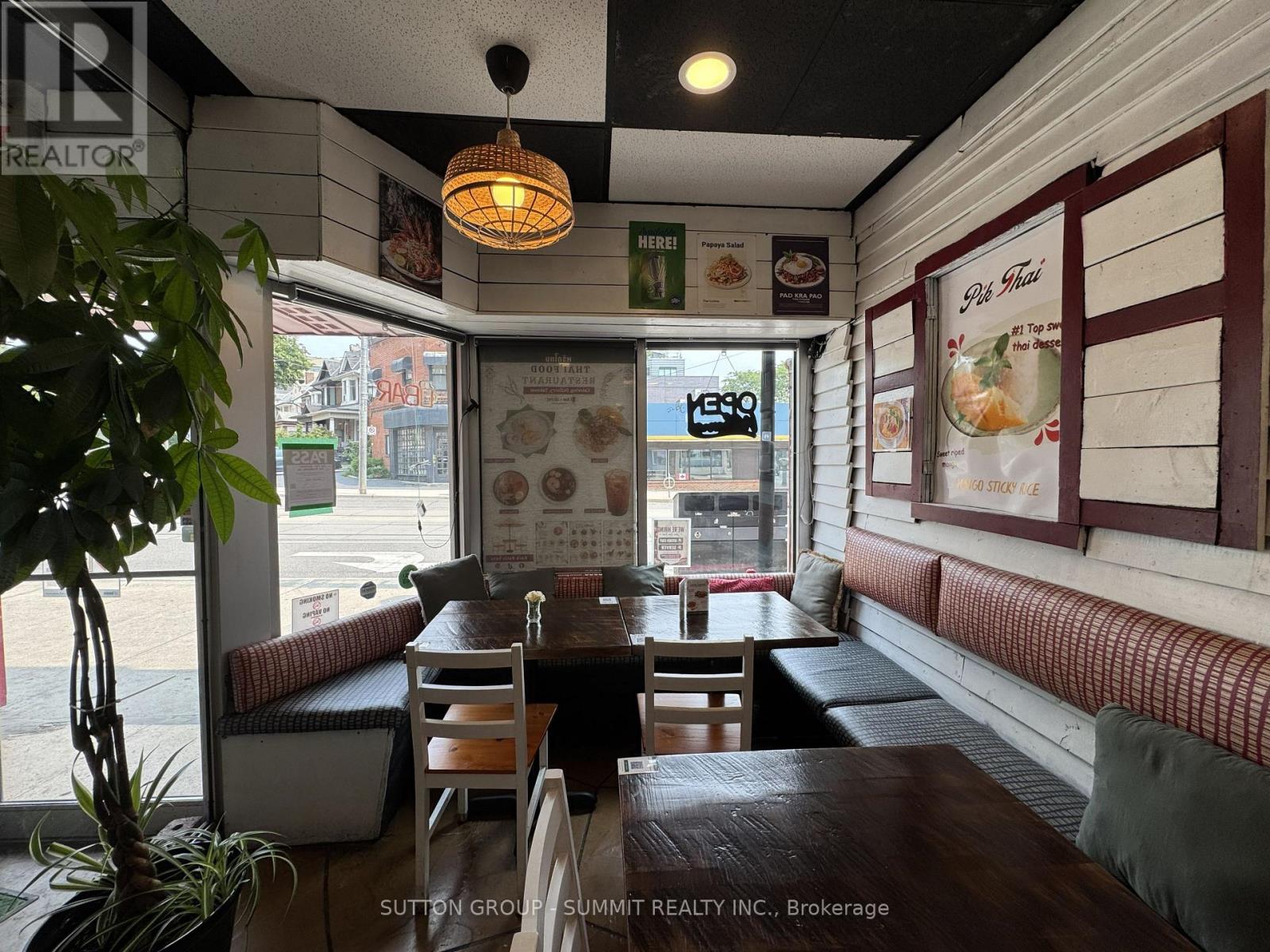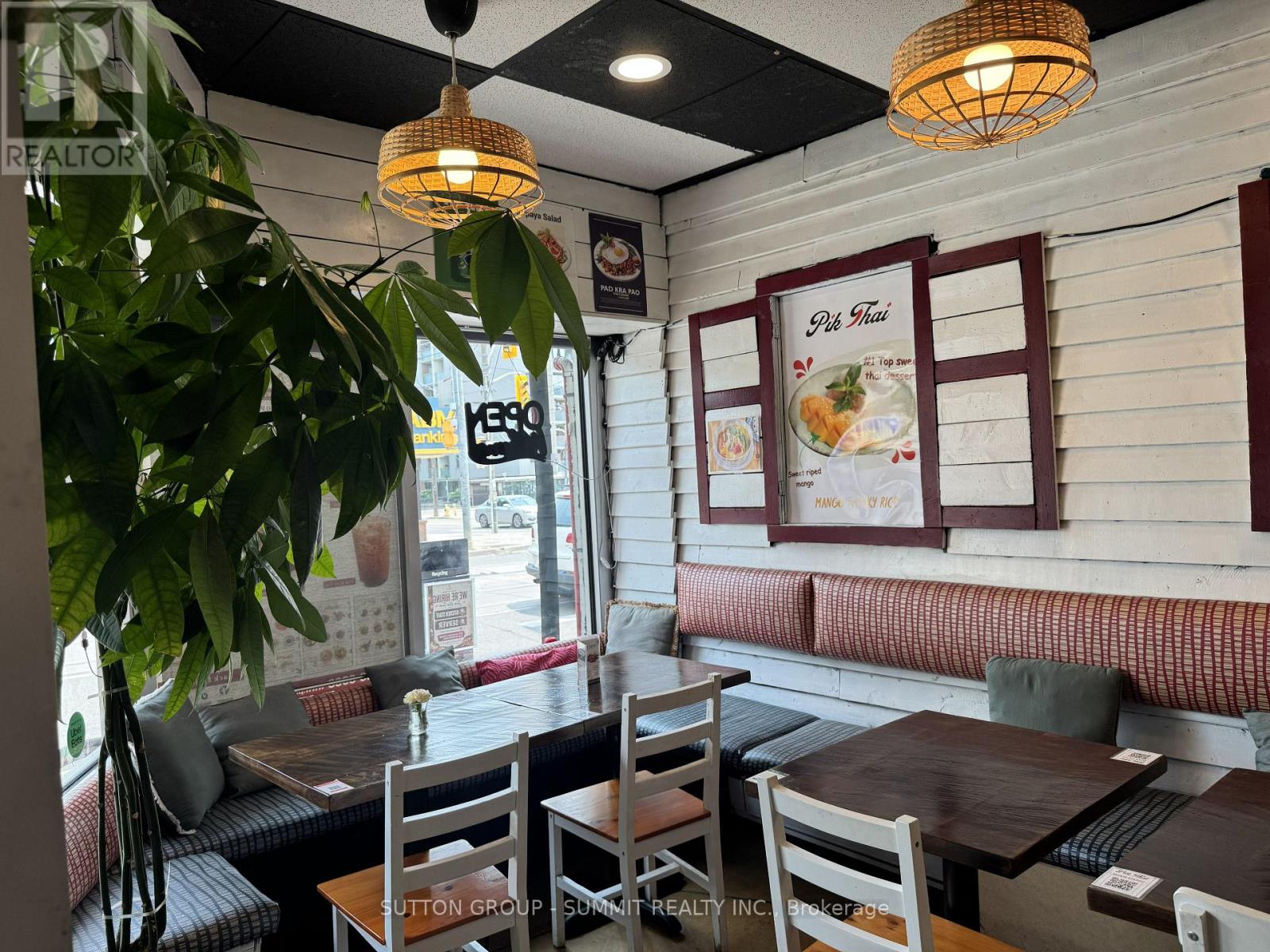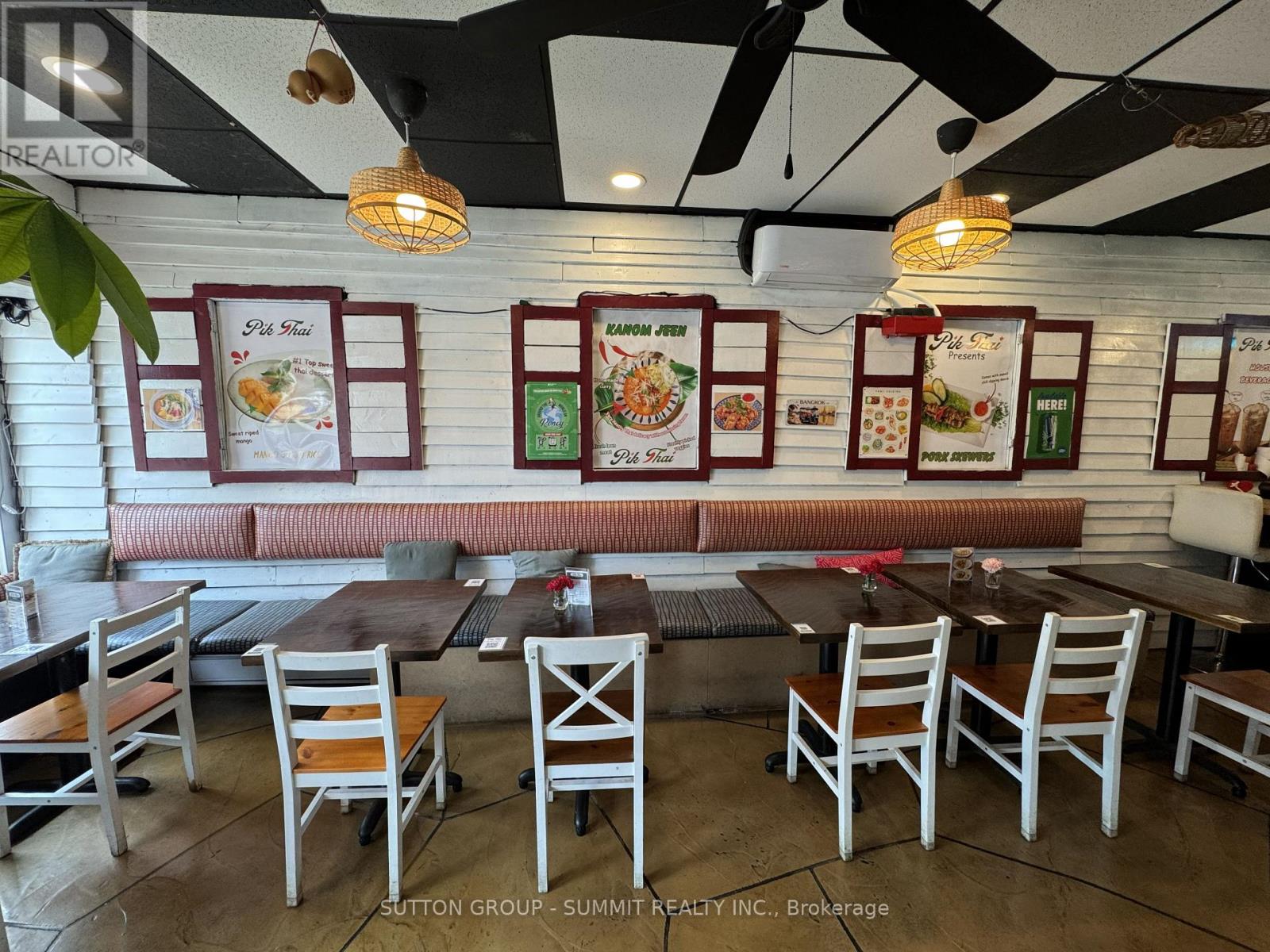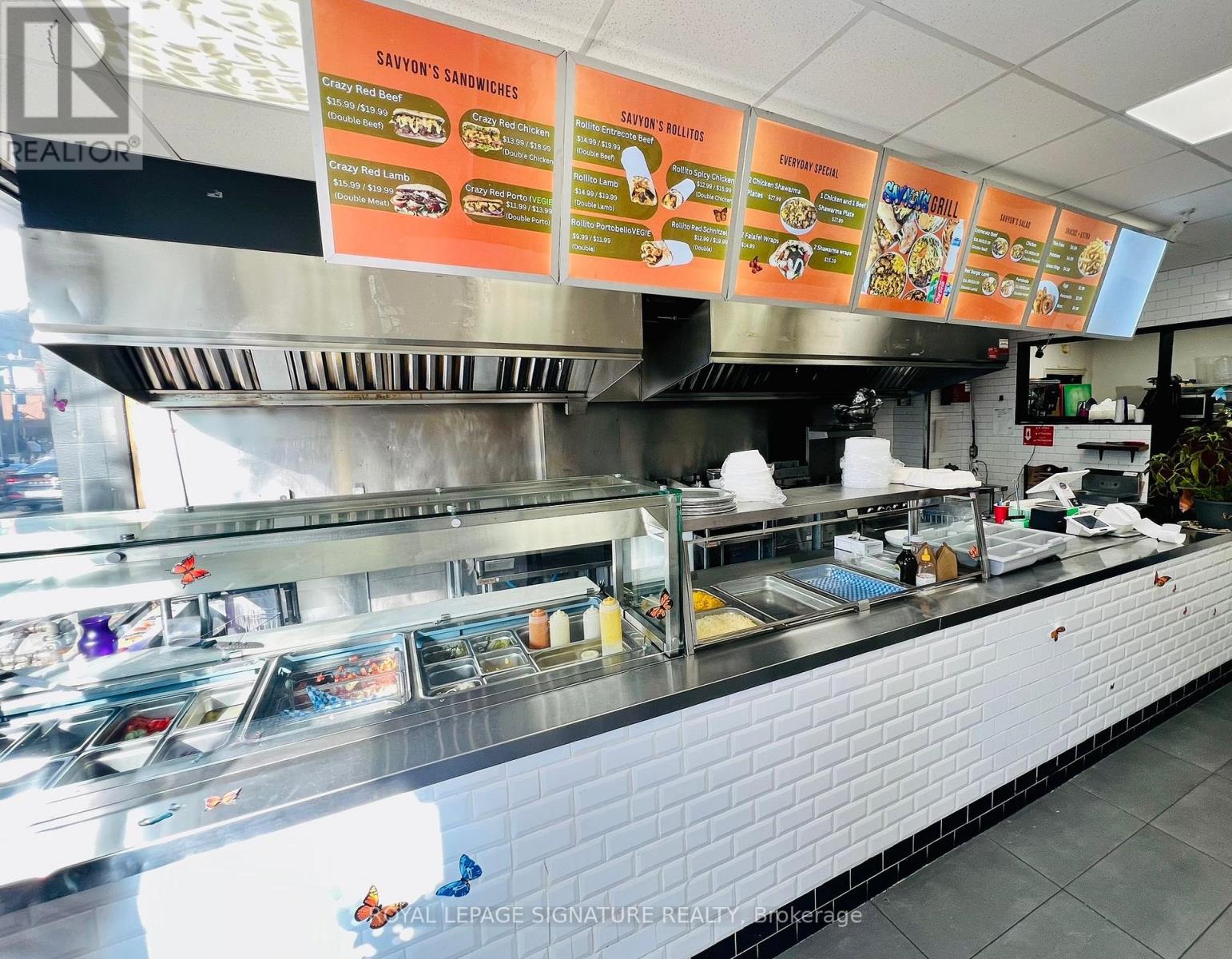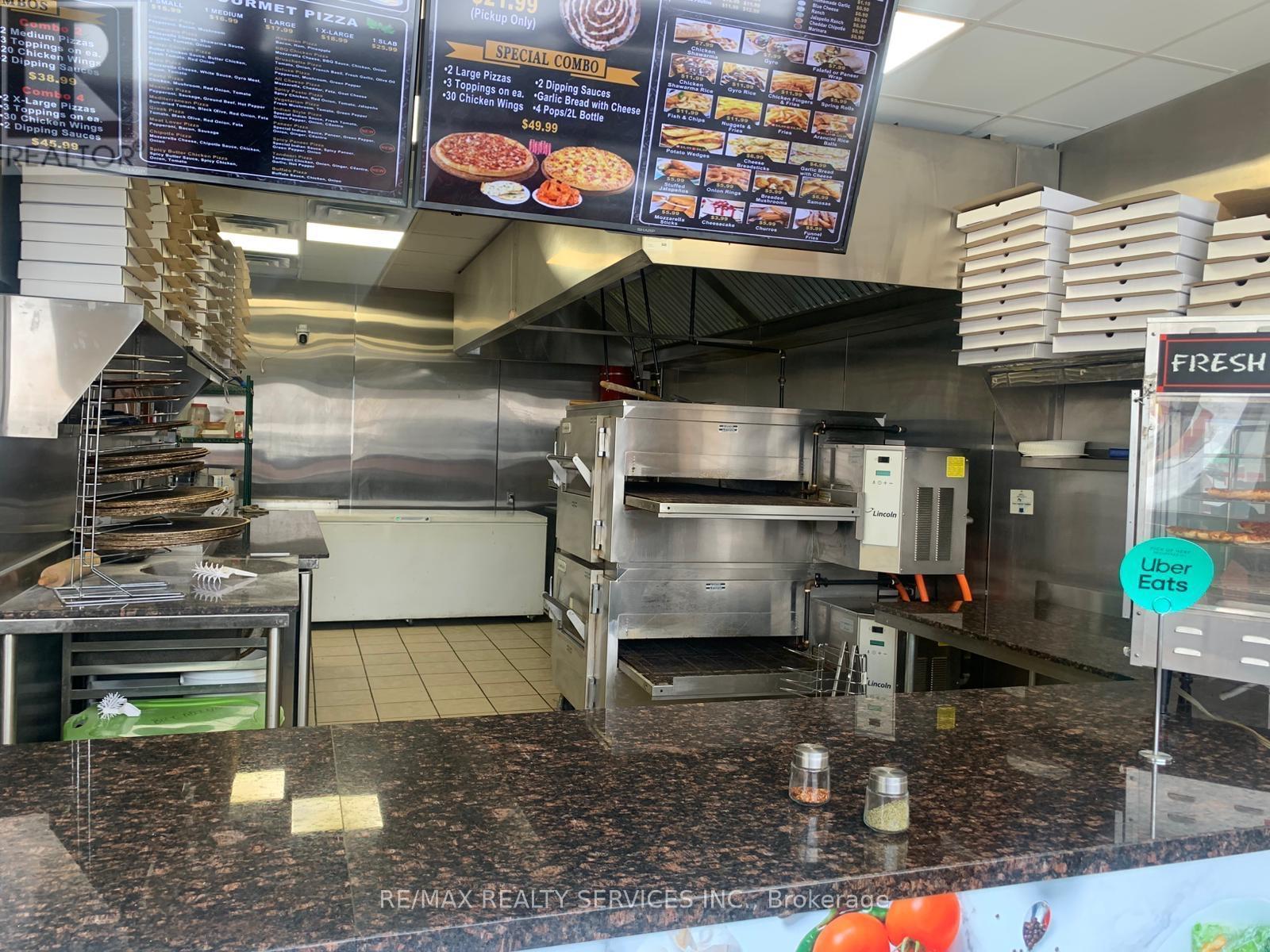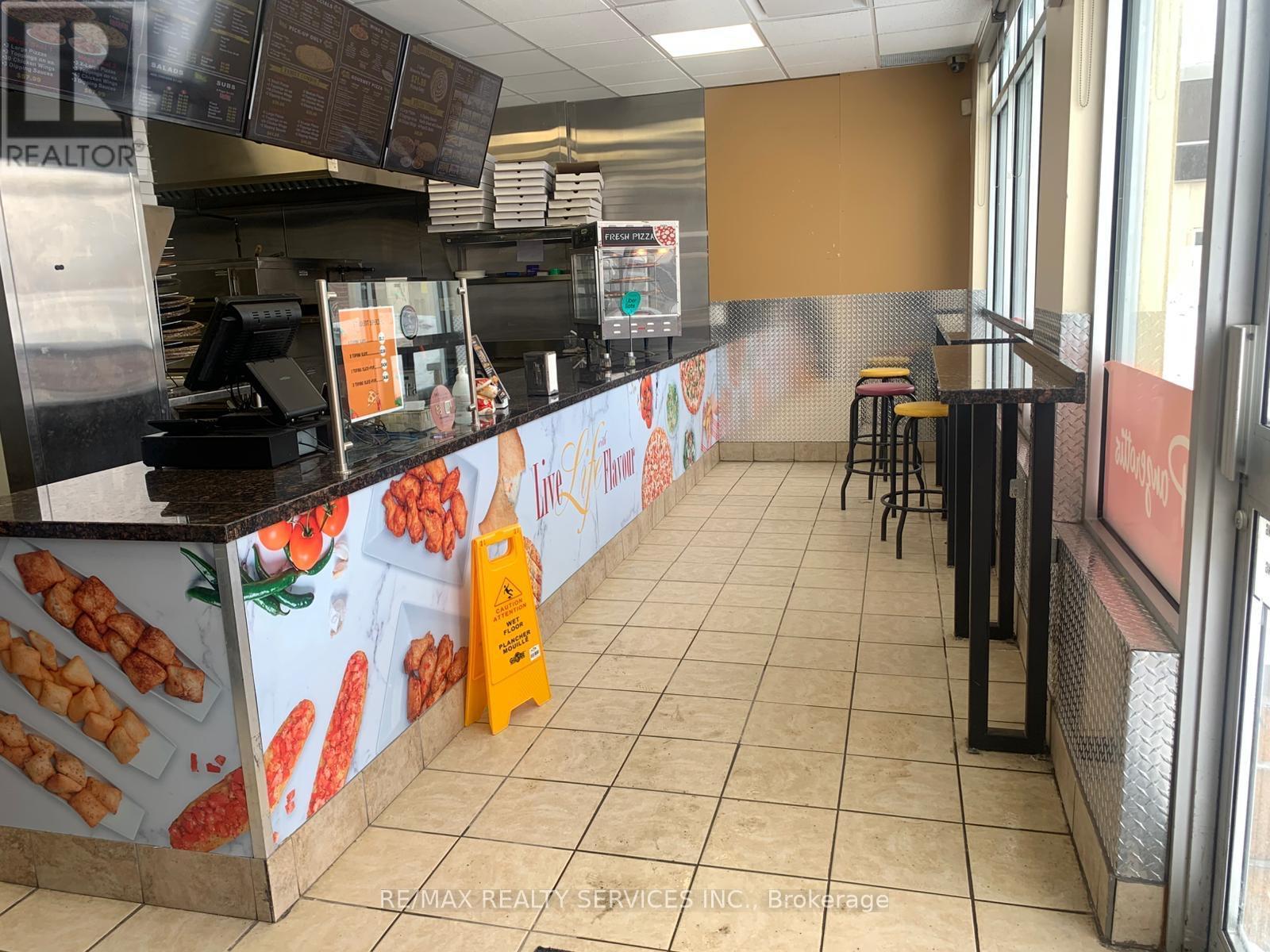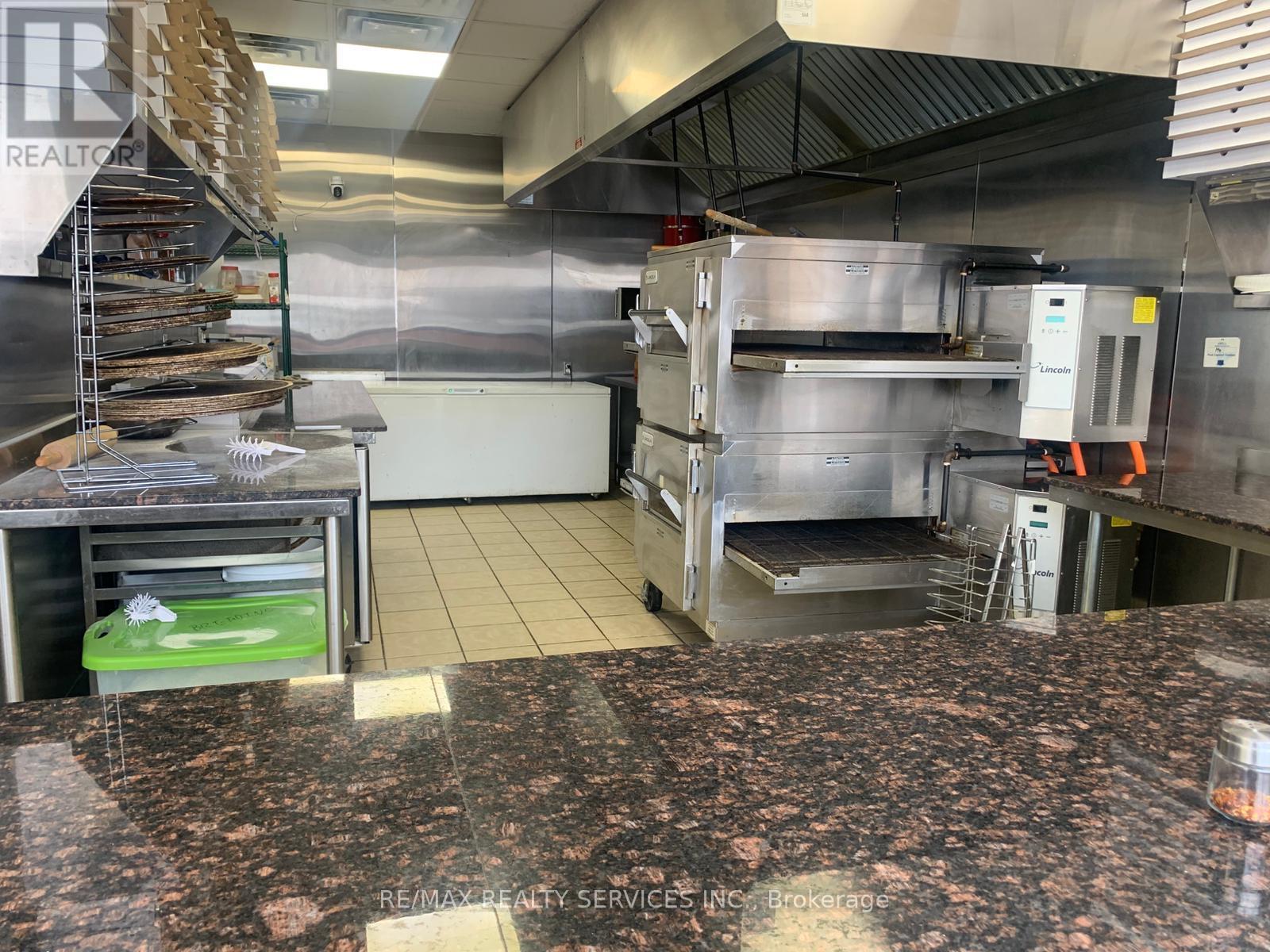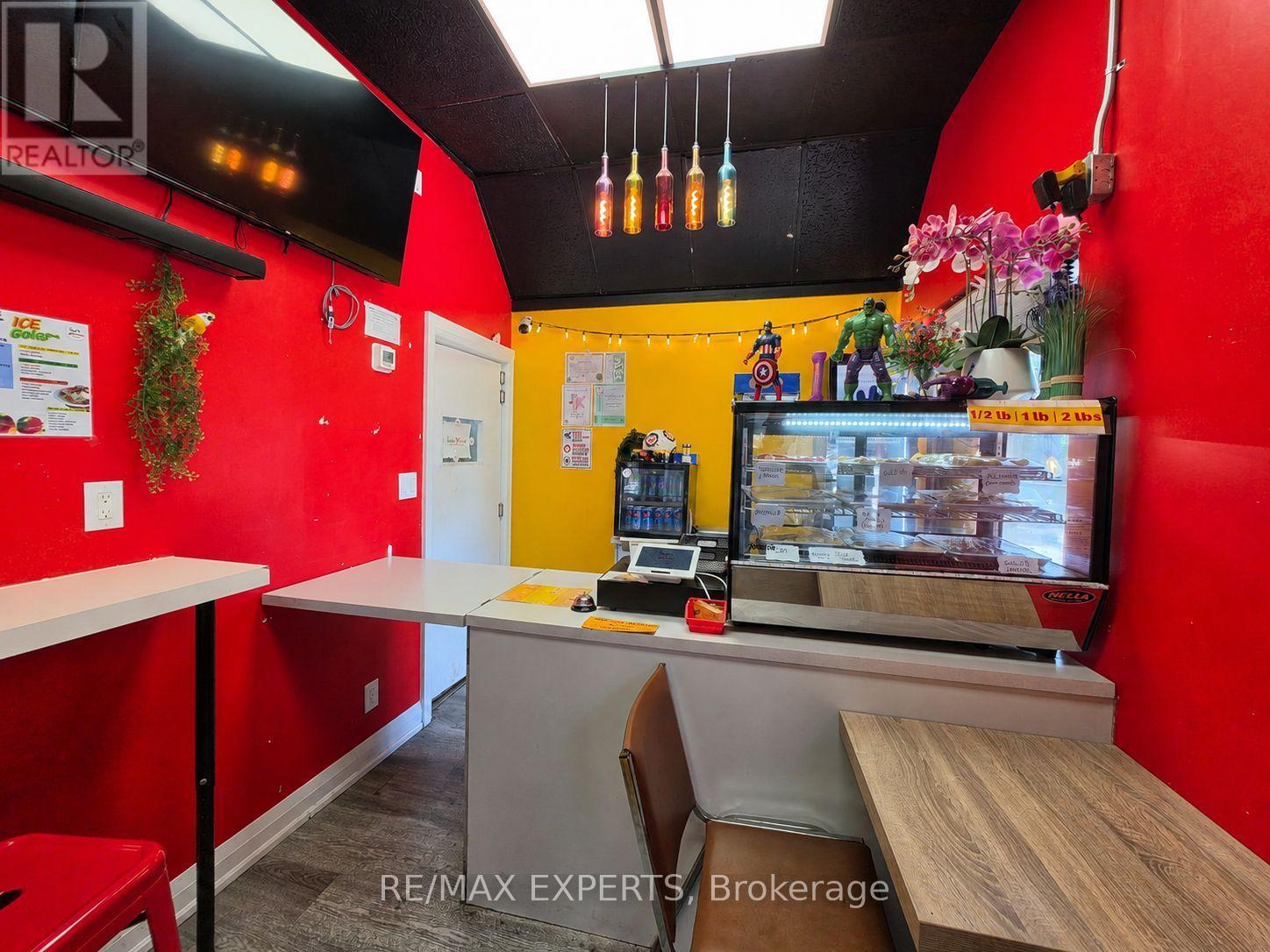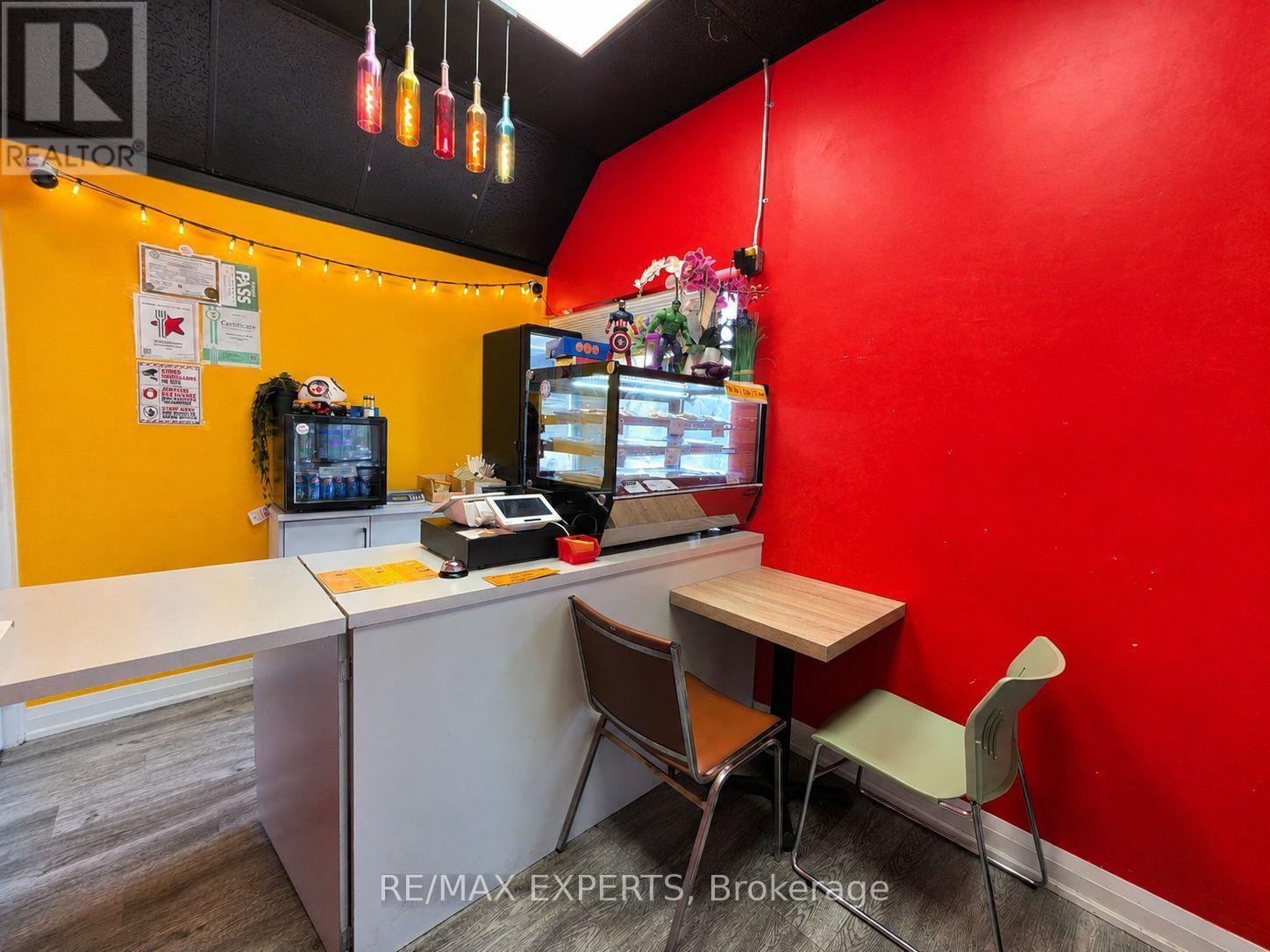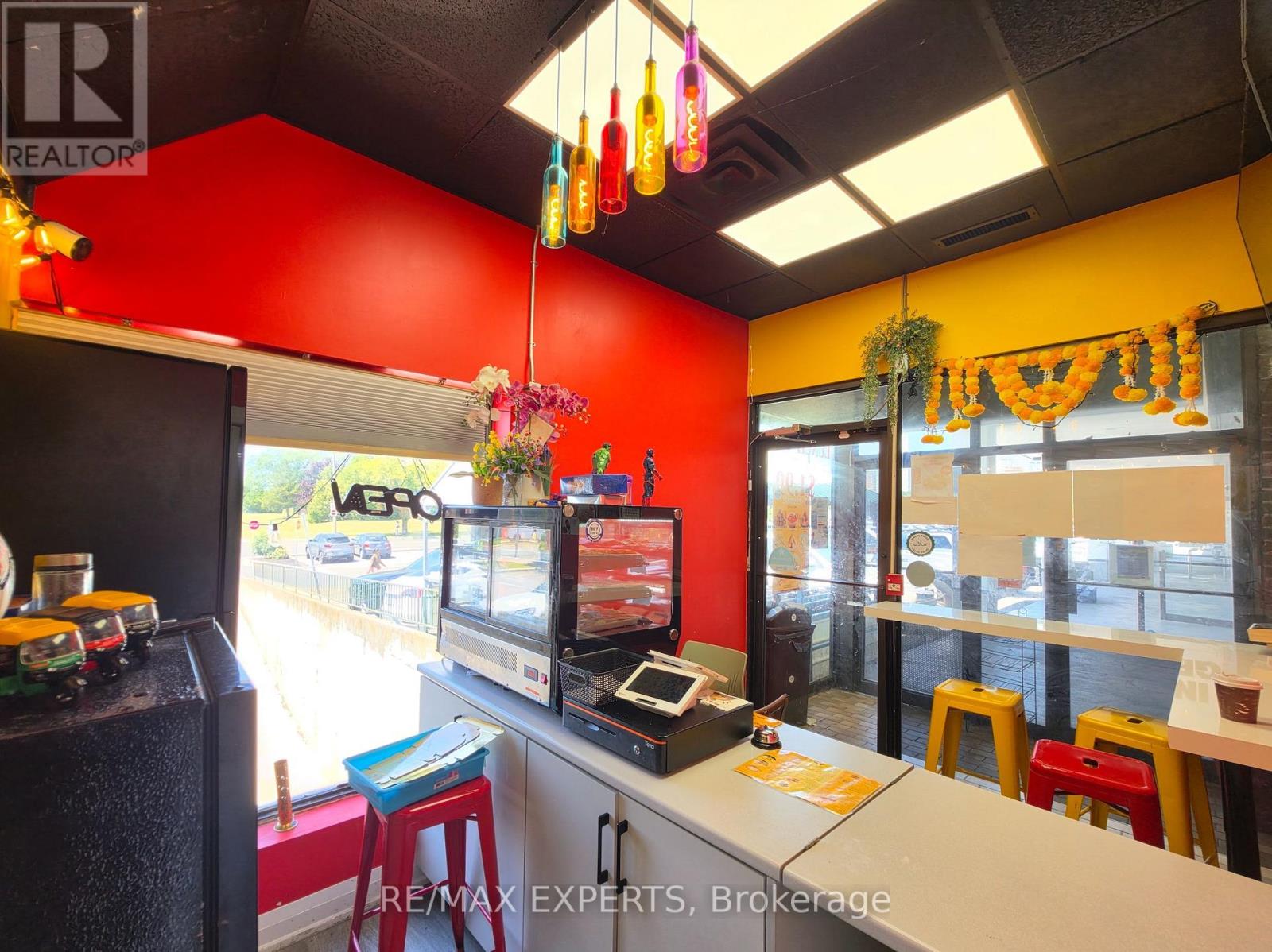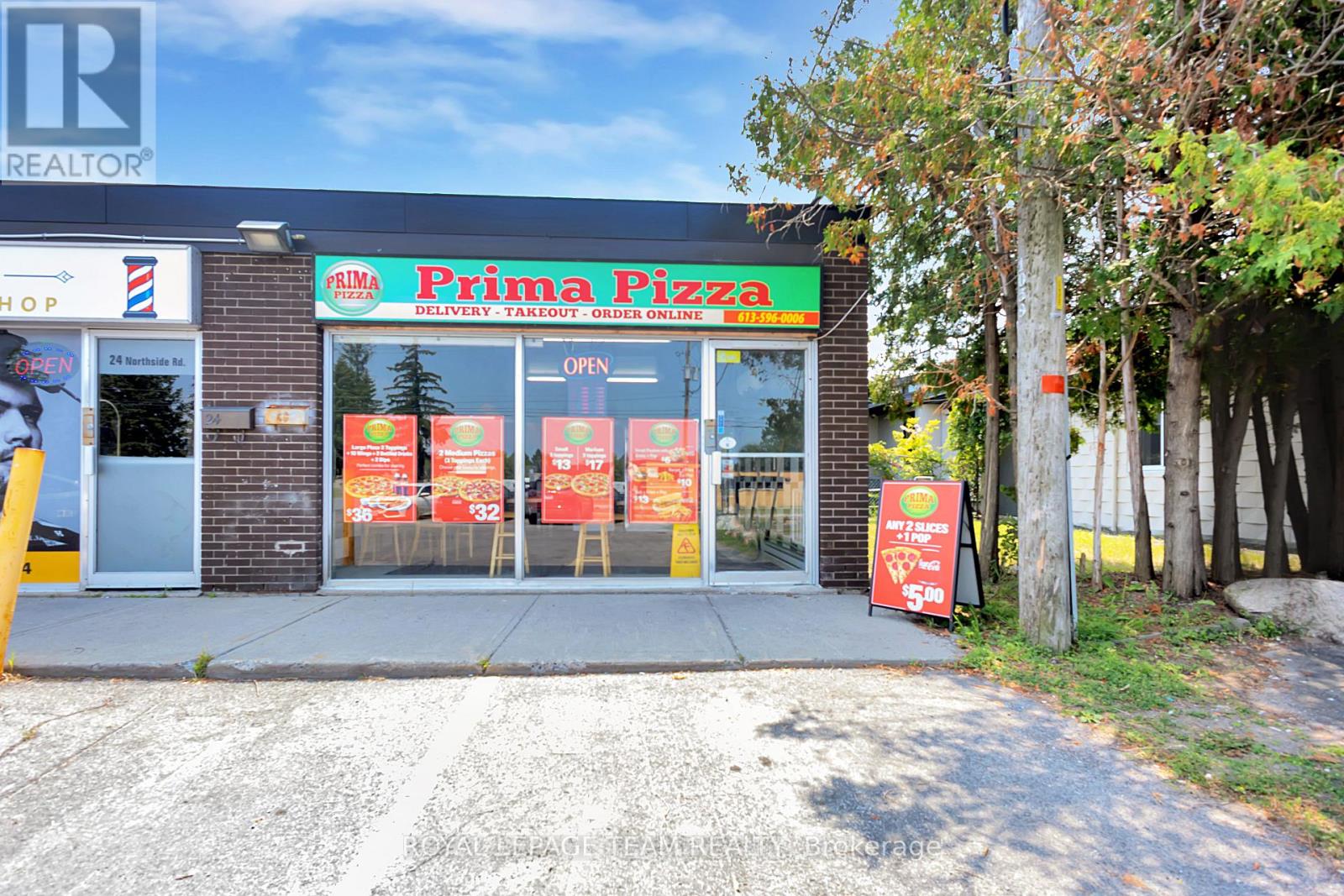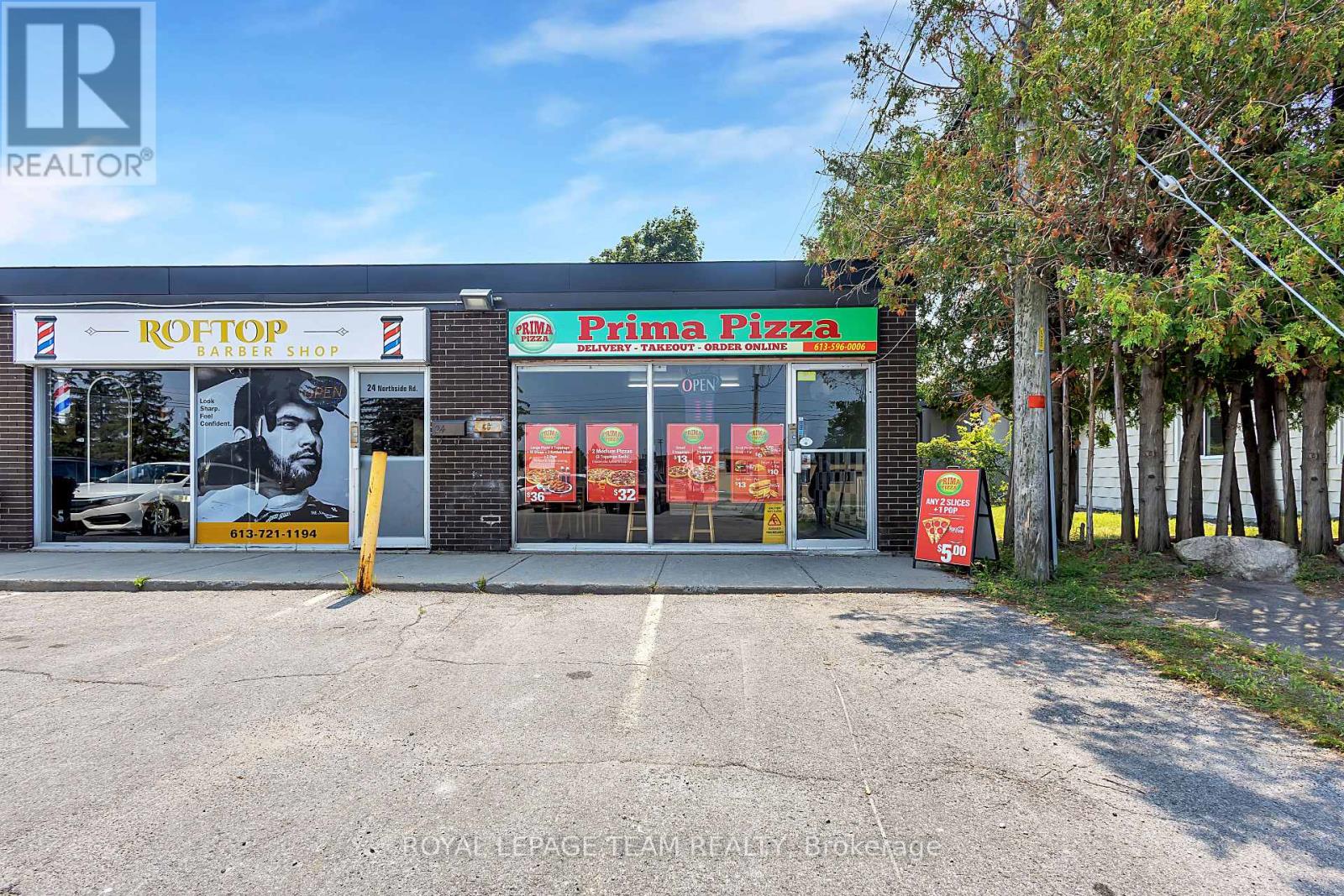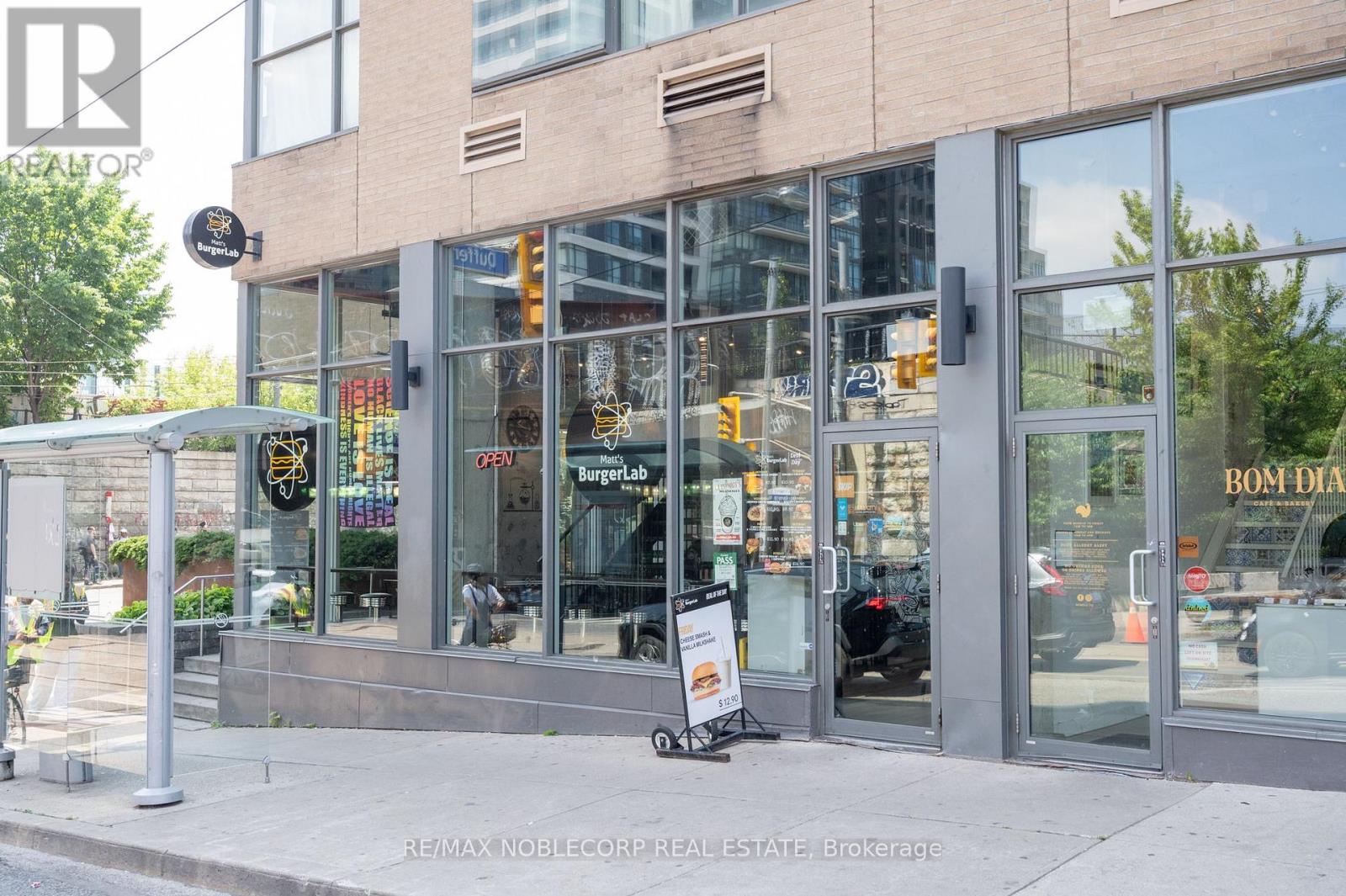
The average asking price for Small Restaurants : $79,423
The most viewed Small Restaurants listings on FBF are linked below:
| Restaurant for Sale | Restaurant for Sale | Restaurant for Sale |
| Restaurant for Sale | Restaurant for Sale | Restaurant for Sale |
Many entrepreneurs find buying an existing restaurant in Canada an attractive option. This approach offers numerous advantages over starting from scratch, including an established customer base, proven business model, and immediate cash flow.
Read more
The nation's vast geography, spanning six time zones, presents unique challenges and opportunities for supply chain management and regional cuisine preferences. Additionally, engaging in advocacy efforts can help amplify your voice within the foodservice community. Canada's multicultural demographics offer a rich tapestry of culinary influences, which you can leverage to create innovative dining experiences. Furthermore, the country's commitment to work-life balance and outdoor pursuits shapes dining habits and expectations.
Opportunity knocks when you consider buying an existing restaurant business in Canada. This venture offers numerous advantages, including an established customer base and immediate cash flow. However, it's vital to weigh these benefits against potential drawbacks. Consider the following pros and cons:
| Advantages | Disadvantages | Considerations |
| Proven concept | Inherited problems | Restaurant financing options |
| Existing equipment | Outdated systems | Employee retention strategies |
| Trained staff | Potential bad reputation | Market analysis |
| Established suppliers | Hidden liabilities | Lease terms |
Restaurant technology and changing customer preferences are driving notable changes in the industry. For example, many operators are focusing on market analysis to better understand their target audience.
To remain competitive, you'll need to adapt to:
Increased demand for online ordering and delivery services
Growing emphasis on sustainable and locally-sourced ingredients
Rising popularity of plant-based menu options
Moreover, the integration of advanced restaurant technology is becoming pivotal for streamlining operations and enhancing customer experiences. From mobile payment systems to AI-powered inventory management, these innovations can greatly impact your bottom line.
Before exploring the Canadian restaurant market, you'll need to clearly define your acquisition criteria. This vital step will guide your targeted market research and shape your acquisition strategy.
Consider the following key factors when outlining your ideal restaurant purchase:
Location: Determine your preferred provinces, cities, or neighbourhoods, considering local demographics, competition, and economic trends.
Restaurant type: Decide on the cuisine, service style, and ambiance you're interested in, whether it's fine dining, casual eateries, or quick-service establishments.
Financial parameters: Set clear expectations for annual revenue, profit margins, and purchase price range, ensuring they align with your investment capabilities and growth objectives.
Understanding shifting consumer preferences and evolving supplier partnerships is essential for your business's long-term viability. Conduct thorough market research to identify current and future trends that may impact your restaurant's operations and profitability.
| Consumer Trends | Supplier Trends |
| Plant-based dining | Sustainable sourcing |
| Delivery & takeout focus | Local ingredient providers |
| Experiential dining | Tech-driven inventory |
| Health-conscious options | Vertical integration |
| Personalized menus | Collaborative innovation |
Engaging experts will help you navigate the complexities of purchasing a food service establishment while ensuring you make informed decisions.
Consider enlisting the following key players:
A business broker experienced in restaurant sales to assist with finding suitable opportunities and conducting initial business valuations. A broker can also provide access to exclusive listings not publicly advertised and offer insights into market trends.
A lawyer specializing in commercial transactions to review contracts and protect your legal interests.
An accountant familiar with the restaurant industry to analyze financial statements and advise on tax implications.
Additionally, explore financing options by connecting with lenders who understand the unique challenges of restaurant ownership.
These professionals will provide invaluable insights, helping you assess the viability of potential acquisitions and negotiate favorable terms. Their expertise will prove vital in mitigating risks and maximizing your chances of success in the competitive Canadian restaurant market.
These organizations offer invaluable opportunities for local networking, allowing you to establish relationships with experienced restaurateurs and industry experts. By joining these associations, you'll gain access to a wealth of knowledge about the local market, including trends, challenges, and potential opportunities. In addition, many associations advocate for better taxes and regulations that can positively impact your business's bottom line, resulting in potential financial benefits for small businesses.
Association benefits often extend beyond networking, encompassing educational seminars, industry reports, and advocacy efforts that can prove instrumental in your business acquisition journey. Moreover, these connections may lead to insider information about restaurants for sale that haven't yet hit the open market.
Begin by identifying direct and indirect competitors within your target area, evaluating their market positioning, menu offerings, pricing strategies, and customer base. Additionally, understanding ongoing trends in the restaurant industry can provide valuable insights into how you can differentiate your business.
Subsequently, analyze their strengths and weaknesses, considering factors such as location, ambiance, service quality, and online presence. By gathering this intelligence, you'll be better equipped to make informed decisions about your restaurant's unique selling proposition and operational strategies.
Once you've identified a promising target, reach out to the business seller to arrange a meeting. During this initial encounter, employ effective seller negotiation strategies to gather essential information about the restaurant's history, current operations, and reasons for selling.
Before making an offer on a restaurant, you'll need to conduct thorough due diligence to guarantee you're making a sound investment.
This strategic evaluation tool helps you assess the business's restaurant strengths, competitive weaknesses, opportunities, and threats. By thoroughly examining these factors, you'll gain valuable insights into the establishment's current position and future potential.
| Strengths | Weaknesses |
| Prime location | Outdated equipment |
| Loyal customer base | High staff turnover |
| Opportunities | Threats |
| Expanding delivery services | Increasing competition |
| Introducing new menu items | Rising food costs |
Your SWOT analysis should explore deeply into each category, considering both internal and external factors. For strengths, focus on what sets the restaurant apart from competitors. When evaluating weaknesses, be honest about areas that need improvement. Opportunities might include emerging food trends or untapped markets, while threats could encompass new competitors or changing regulations.
When analyzing a restaurant's financial health, focus on historical revenue trends and conduct a detailed expense analysis.
Compare the target restaurant's performance against industry benchmarks, such as the 32% cost of goods and 32% payroll costs typically seen in the sector. Scrutinize food and beverage costs, ensuring they align with standard ranges: 29-32% for food and wine, 22-25% for beer and liquor.
Pay close attention to rent expenses, which should ideally hover around 6% of sales. Evaluate the cash flow, typically 10% in a well-run establishment.
If the property is leased, carefully examine the terms, including duration, renewal options, and any restrictions on business operations. Pay close attention to rent increases, maintenance responsibilities, and potential hidden costs. Should you be considering purchasing the property outright, a detailed title search is imperative to uncover any liens, easements, or encumbrances that could affect your ownership rights.
By carefully examining the restaurant's assets, you'll gain an extensive understanding of what you're potentially acquiring and its true value.
| Asset Category | Inspection Focus | Valuation Considerations |
| Kitchen Equipment | Functionality, Age | Replacement Cost, Lifespan |
| Furniture & Fixtures | Condition, Style | Market Value, Depreciation |
| Technology Systems | POS, Security | Upgrade Needs, Compatibility |
| Leasehold Improvements | Quality, Permits | Remaining Useful Life, Code Compliance |
This process allows you to identify any discrepancies between the seller's claims and the actual condition of assets, potentially uncovering hidden costs or necessary investments. Don't overlook the value of intangible assets such as proprietary recipes, customer databases, or established supplier relationships. Ascertain that all assets are in good working condition and compliant with current health and safety regulations.
Your acquisition budget should encompass not only the purchase price but also associated fees and immediate operational expenses. Additionally, consider leveraging financial tools tailored for small businesses to assist in this process, especially in understanding potential market dynamics and opportunities in the restaurant sector small business resources.
To guarantee a smooth transition and successful start, consider the following key elements when planning your budget:
Purchase price and closing costs (including legal fees, taxes, and broker commissions)
Working capital for initial operations, including inventory, payroll, and marketing
Funds for necessary renovations, equipment upgrades, or rebranding efforts
Before making an offer, it's crucial to obtain a professional restaurant business valuation. This critical step involves evaluating the target restaurant's financial health and potential using various valuation methods. The most common approach employs earnings multiples, typically based on EBITDA (earnings before interest, taxes, depreciation, and amortization) or SDC (seller discretionary earnings). These multiples, usually ranging from two to four times earnings, depend on factors such as industry norms and recent comparable transactions.
To guarantee accuracy, professional valuators often combine this method with asset-based and market-based approaches. By engaging a seasoned business broker or valuator, you'll gain a thorough understanding of the restaurant's true worth.
While valuation methods can vary, this thorough analysis provides a solid foundation for negotiations and helps you make an informed decision.
When preparing your conditional offer to purchase or Letter of Intent (LOI) for a Canadian restaurant, you'll need to carefully consider several key factors.
When purchasing a restaurant in Canada, you'll typically encounter two main types of transactions: asset sales and share sales. Understanding the differences between these options is essential for making an informed decision that aligns with your business goals and financial strategy.
In an asset sale, you're acquiring specific assets of the business, while a share sale involves purchasing the company's stock. Each approach has distinct implications for asset valuation, sale negotiations, and your future liabilities.
| Aspect | Asset Sale | Share Sale |
| What's Purchased | Specific assets | Company shares |
| Liabilities | Limited to agreed-upon | All existing liabilities |
| Tax Implications | Potentially favorable | May be less advantageous |
Consider consulting with legal and financial advisors to determine which option best suits your situation. They'll help you navigate the complexities of each transaction type, ensuring you're well-prepared for the negotiation process and potential outcomes.
After deciding on the transaction type, it's time to address financing. While traditional lenders may offer options, it's worth exploring partial seller financing as an additional source of funding. When submitting a conditional offer to purchase or a letter of intent, consider including a request for seller financing.
This strategy can be particularly effective if you've gauged the seller's motivation and believe they're open to such arrangements. The seller's continued financial interest in the restaurant's success can be leveraged to guarantee a more thorough handover and ongoing support during the vital early stages of your ownership.
A restaurant's compliance with local regulations and health standards is essential for its continued operation and success. When considering the purchase of a restaurant, it's vital to thoroughly inspect all licenses, permits, and health inspection reports.
To effectively evaluate the restaurant's regulatory standing:
Request copies of all current licenses and permits, including business licenses, liquor licenses (if applicable), and food service permits.
Review recent health inspection reports to identify any recurring issues or violations that may require attention.
Verify that all licenses and permits are transferable or can be easily renewed under new ownership.
Typically, you'll want to negotiate a thorough seller training period, during which the current owner will familiarize you with the restaurant's day-to-day operations, key staff members, and established processes.
It should detail the training strategies that will be employed to guarantee you're well-equipped to manage the restaurant effectively. In addition, the agreement should specify the transfer processes, including timelines for gradual handover of responsibilities and any ongoing support from the previous owner.
This extensive document will serve as your roadmap for success and an important tool for securing financing.
When crafting your business plan, focus on:
Financial projections: Include detailed revenue forecasts, expense breakdowns, and cash flow projections for the first three to five years of operation.
Market analysis: Thoroughly research your target demographic, local competition, and industry trends to demonstrate your understanding of the market.
Operational strategy: Outline your plans for staffing, menu development, marketing, and day-to-day management of the restaurant.
Be sure to identify potential funding sources, such as bank loans, private investors, or personal savings. A well-crafted business plan not only increases your chances of securing financing but also provides you with a clear vision for your restaurant's future success.
Work closely with your broker or lawyer to complete a thorough closing checklist. This should include critical tasks such as POS changeover, which involves transferring ownership of the point-of-sale system and updating relevant software.
Additionally, pay close attention to insurance requirements, as you'll need to secure appropriate coverage for your new business before taking ownership. Don't overlook other fundamental items like training arrangements, contacting vendors, and obtaining necessary permits and licenses.
The restaurant industry in Canada is subject to a complex web of regulations that you'll need to navigate as a new owner.
Key areas to focus on include:
1. Food safety and health regulations, which govern everything from kitchen hygiene to food handling practices.
Additionally, many food businesses require a license under licensing requirements based on specific activities conducted, such as manufacturing or processing food.
2. Licensing requirements and zoning restrictions that dictate where and how you can operate your establishment.
3. Labor laws and taxation implications that affect your staffing decisions and financial obligations.
Additionally, you'll need to evaluate alcohol licenses if you plan to serve spirits, as well as environmental compliance measures. It's advisable to consult with legal professionals and industry experts to guarantee you're meeting all regulatory requirements.
While steering through regulations can be challenging, the Canadian government offers numerous resources to support small business owners, including those in the restaurant industry.
With access to tailored financing options, you can explore various higher percentage of financing solutions that may suit your business acquisition needs. You'll find a wealth of information and assistance to help you navigate the complexities of acquiring and operating a restaurant.
The government provides:
Business planning tools and templates.
Access to government grants and business loans.
Mentorship programs and networking opportunities.
By leveraging government grants and business loans, you can potentially reduce your initial investment or secure additional capital for renovations and improvements.
To make informed decisions, you'll need access to reliable industry information resources. Start by exploring restaurant market trends through reports from organizations like Restaurants Canada and Statistics Canada.
Moreover, industry statistics can be gleaned from provincial restaurant associations and food service publications. These resources offer an extensive view of the Canadian restaurant landscape, including information on average revenues, profit margins, and operational costs.
Additionally, consider subscribing to industry newsletters and attending trade shows to stay abreast of emerging trends and potential opportunities.
As you commence your journey to acquire a restaurant in Canada, remember that success lies in the details. Like a master chef crafting a signature dish, you'll need to blend your vision with market insights, financial acumen, and regulatory know-how.
By following these key steps and leveraging expert guidance, you'll be well-equipped to navigate the complex landscape of business acquisition. Your dream of owning a thriving Canadian restaurant is within reach; it's time to take the first bite!
A: You'll find the restaurant buying process can take 3-6 months. Don't rush it! Take time to explore financing options and conduct thorough due diligence. It's your chance to break free and become your own boss.
A: Picture a restaurant as a ship steering through treacherous waters. You'll face storms of management challenges, icebergs of market saturation, and financial mismanagement. Don't forget location issues, staffing problems, and competition analysis sharks lurking beneath the surface.
A: You'll need robust working capital to fuel your restaurant venture. Aim for 3-6 months of operating expenses as a buffer. Smart financial planning is essential. Don't let cash flow issues chain you down—freedom comes from solid financial footing.
A: Imagine you're opening a sushi joint. You'll find licensing requirements vary based on restaurant types. You'll need a food service license, but don't let bureaucracy stifle your dreams. Research local regulations and embrace the freedom to serve your culinary vision.
a: You'll find restaurant profitability varies widely. On average, expect margins between 5 and 9%. Don't let that discourage you! With savvy financial analysis and a unique concept, you can break free from the norm and boost your profits.
Data is supplied by CREA who is the owner of the copyright in its MLS®System. Data provided is deemed reliable but is not guaranteed accurate by CREA. The trademarks MLS®, Multiple Listing Service® and the associated logos are owned by The Canadian Real Estate Association (CREA) and identify the quality of services provided by real estate professionals who are members of CREA. Used under license.