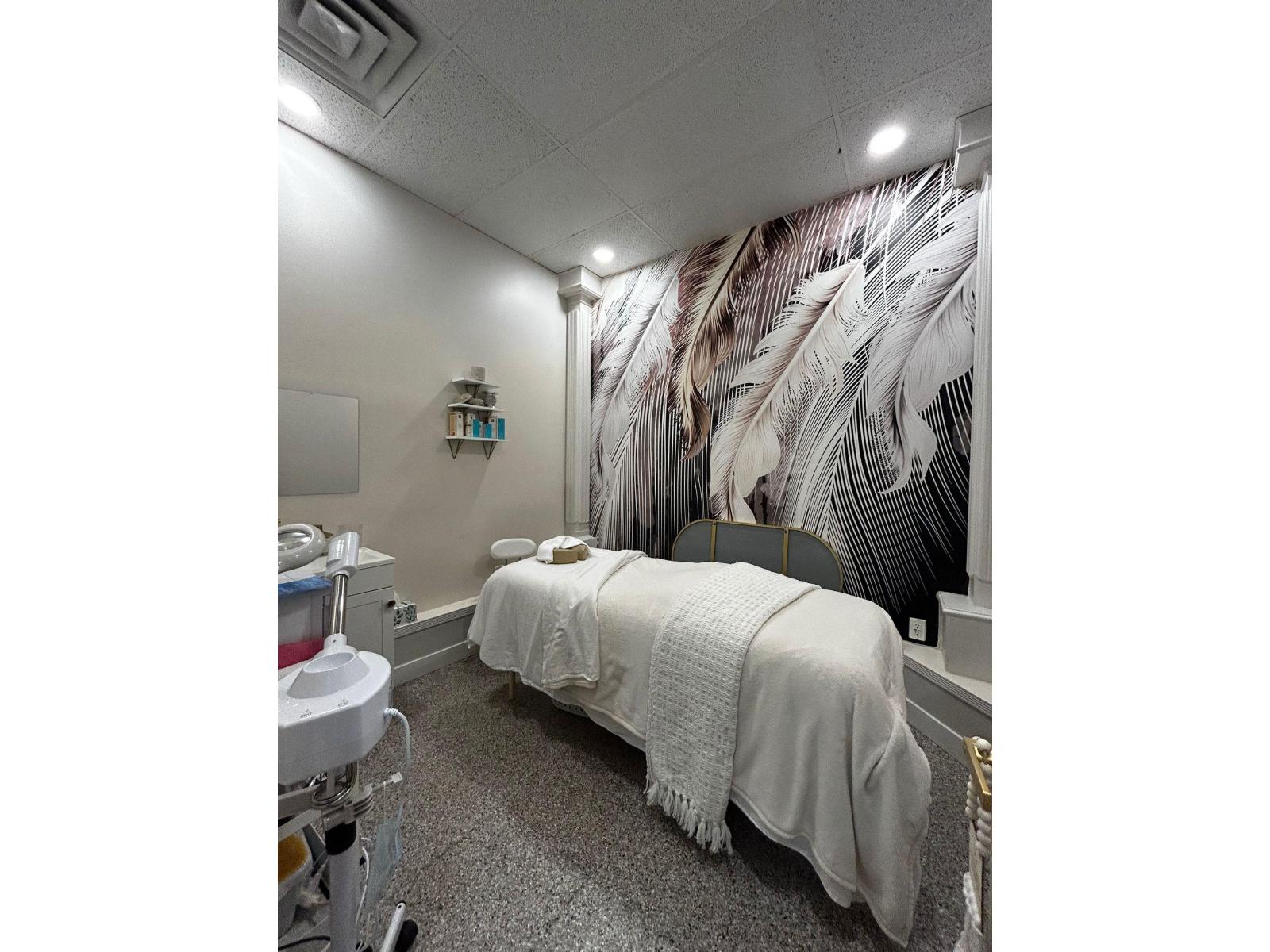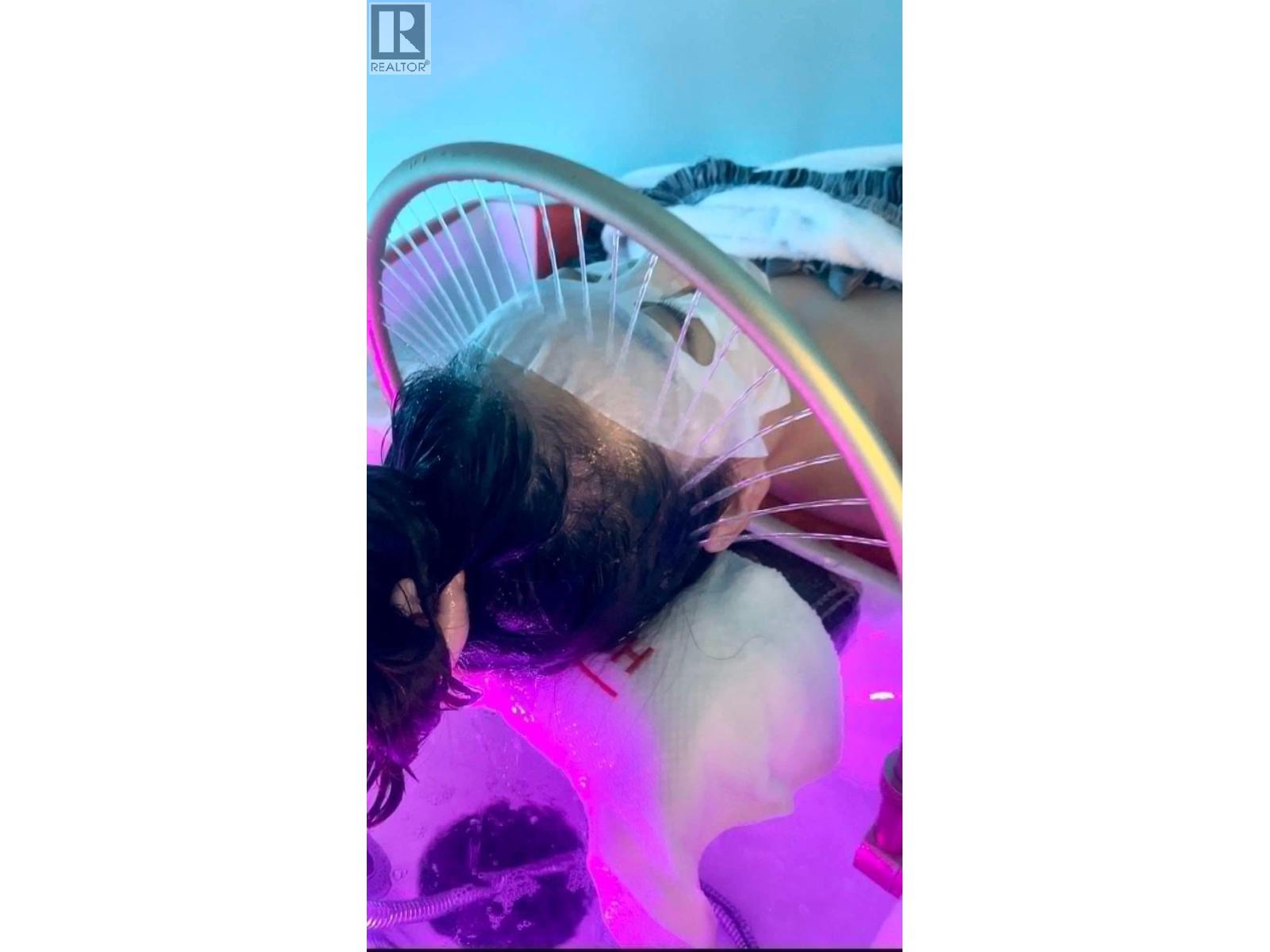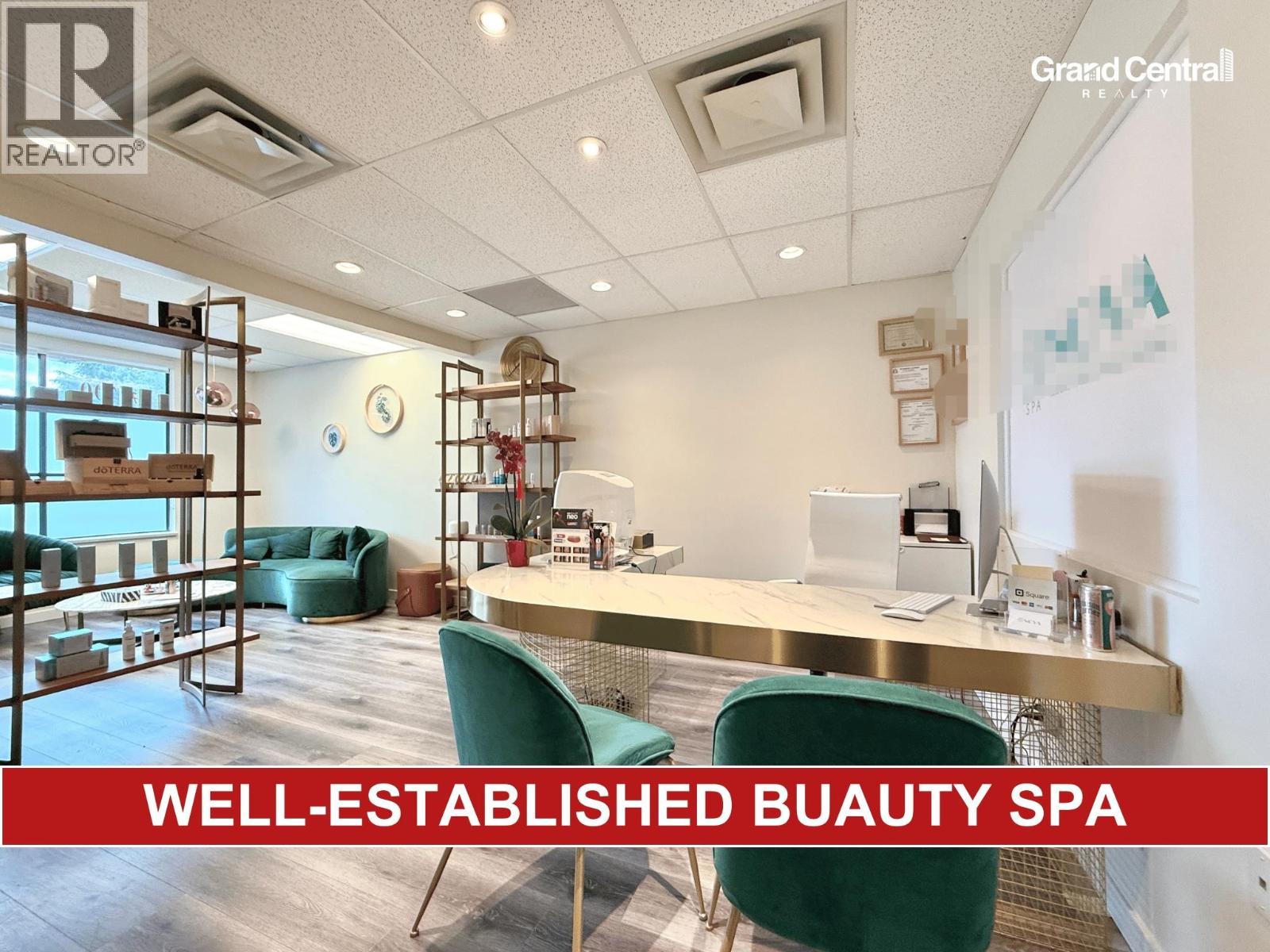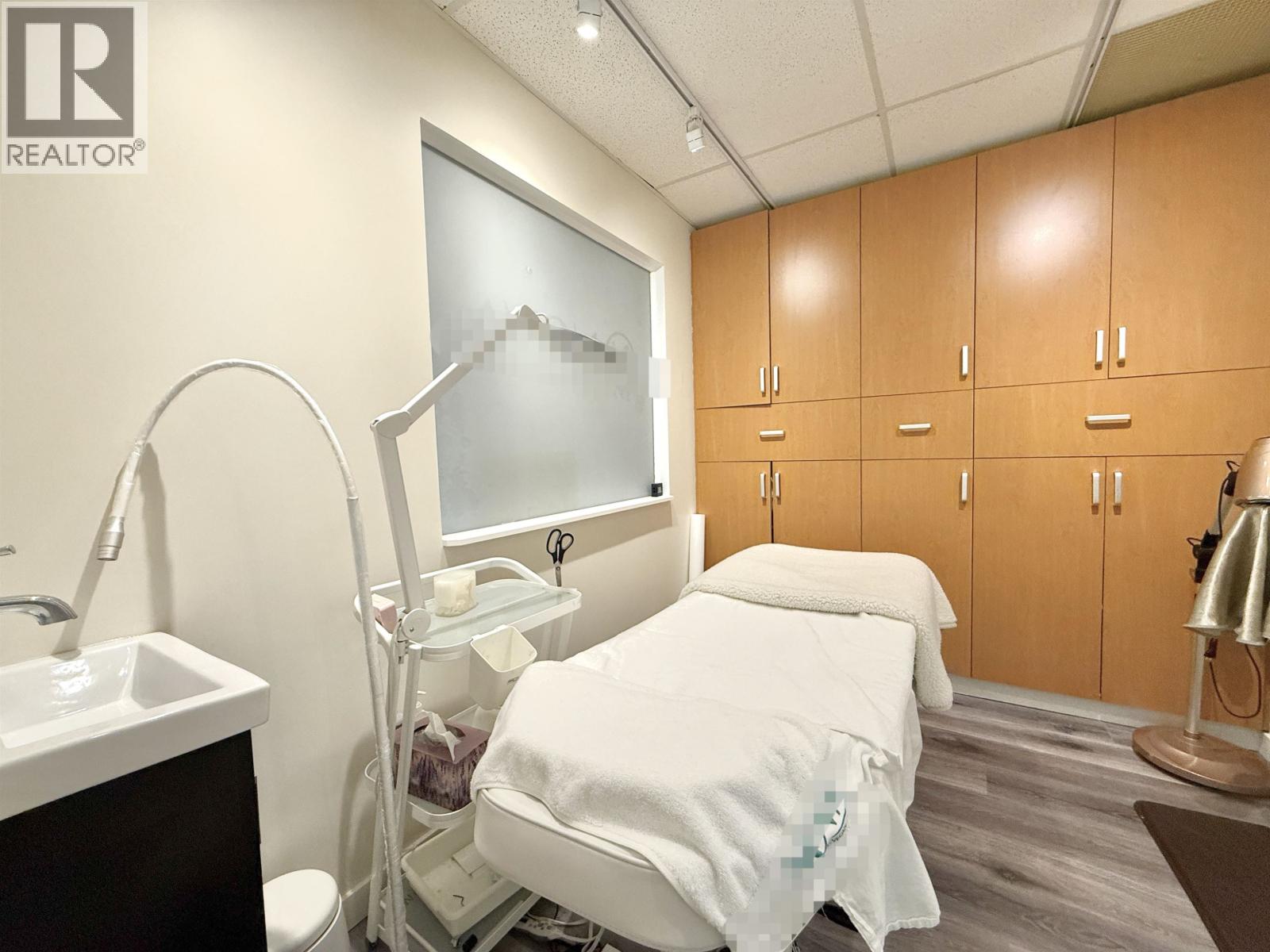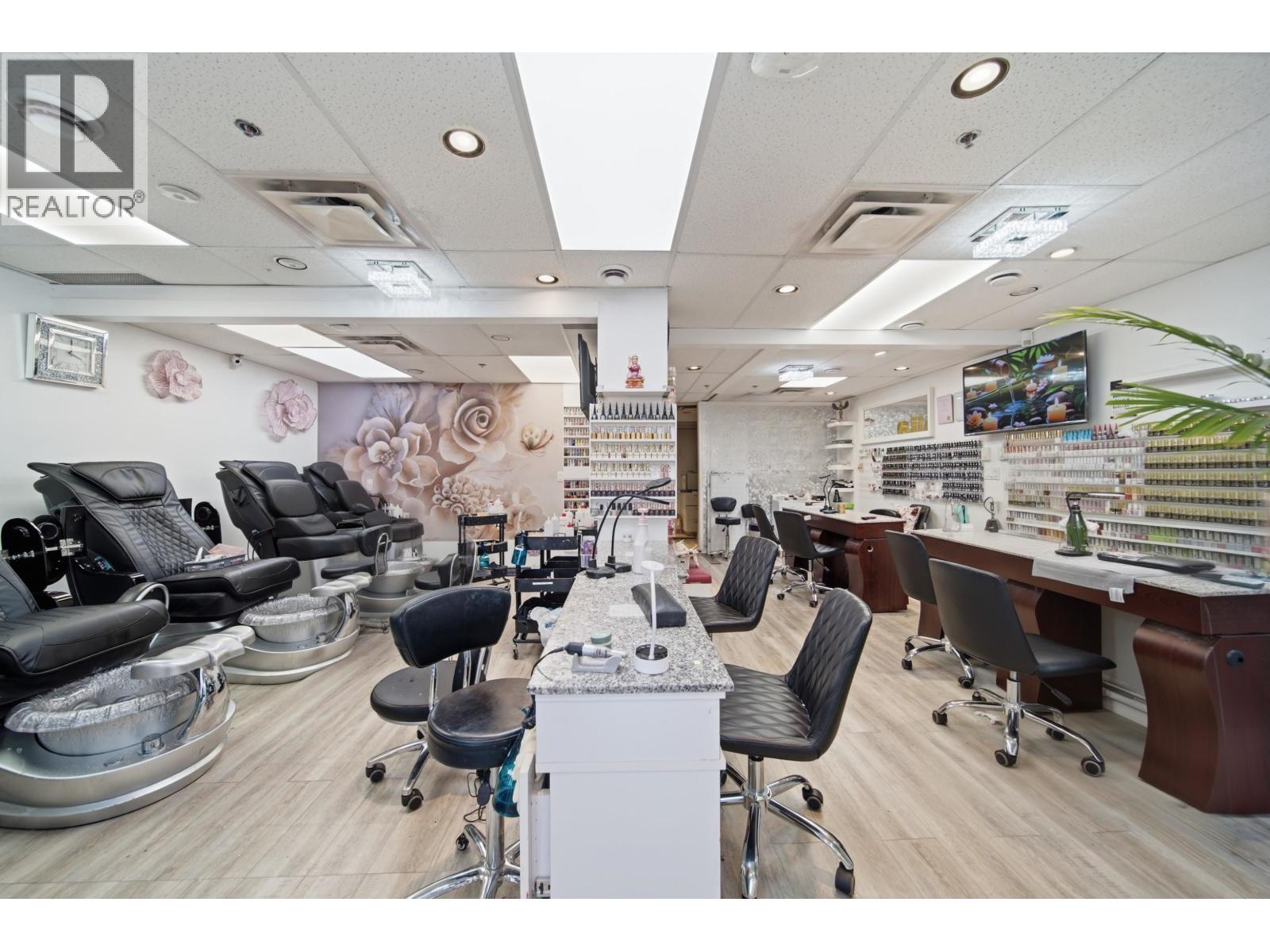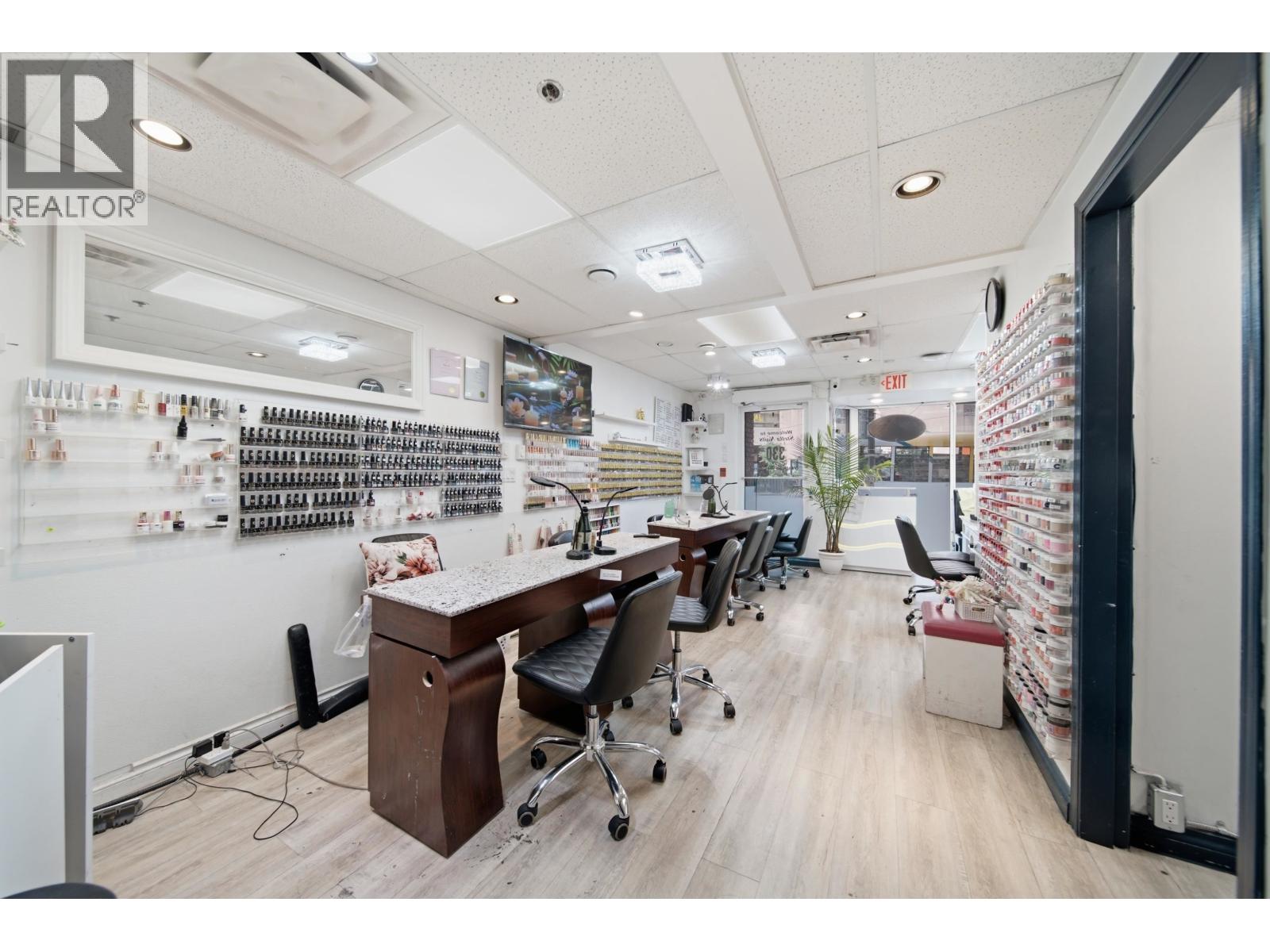
Spa Businesses for Sale in Canada
Canada's wellness industry shows robust growth with increasing demand for evidence-based treatments and wellness technology integration. Spa businesses typically achieve profitability within 1-2 years and benefit from multiple revenue streams. The sector embraces sustainability initiatives and advanced therapeutic modalities, positioning forward-thinking owners for success. Ownership offers the freedom to build a transformative wellness enterprise while serving communities' growing self-care needs. FindBusinessesForSale.com remains the premier destination for discovering exceptional spa business opportunities across Canada.
Showing 37 - 48 of 70 Results
Marketplace Statistics
The average asking price for Spas : $286,200
The most viewed Spas listings on FBF are linked below:
| Business for Sale | Business for Sale | Business for Sale |
| Spa for Sale | Business for Sale | Health & Wellness Clinic for Sale |
Why Buy a Day Spa Business for Sale in Canada?
Written by David Turner, M.A.
Purchasing an established spa business in Canada offers you immediate advantages, including an existing client base, verified revenue streams, and trained staff already in place.
You'll benefit from established operational protocols, regulatory compliance frameworks, and positioning to capitalize on emerging industry trends such as wellness technology integration and evidence-based treatments.
Your acquisition strategy should incorporate thorough due diligence, professional advisory support, and detailed evaluation of financial viability, location demographics, and growth potential. The following sections outline critical acquisition considerations in greater detail.
Pros and Cons of Buying a Spa Business in Canada
When considering the acquisition of a spa business in Canada, you'll need to thoroughly evaluate multiple factors that could impact your investment's viability and long-term profitability. The established spa business reputation represents a significant asset that can't be replicated in a startup scenario, potentially delivering immediate revenue streams upon ownership transfer. The proven cash flow of an established spa business provides day-one financial stability that new ventures often struggle to achieve for years.
|
Factor |
Advantages |
Disadvantages |
|
Market Position |
Established clientele base |
Potential reputation issues |
|
Financial |
Proven revenue history |
Premium acquisition costs |
|
Operational |
Trained staff in place |
Entrenched methodologies |
|
Customer Experience Quality |
Existing service protocols |
Resistance to new standards |
|
Regulatory |
Compliance infrastructure |
Hidden compliance issues |
| Spas Listings Summary | Figure |
| Figure Active listings, Spas | 70 |
| Lowest asking price, Spas | $38,000 |
| Highest asking price, Spas | $3,098,000 |
| Average asking price, all Spas listings | $286,200 |
| Most common categories | Personal consumer service, Health Centre, Day Spa, Barber/beauty shop, Spa Services |
| Areas covered | Vancouver, Richmond, Surrey, Coquitlam, Calgary |
Day Spa & Wellness Industry: Consumer & Supplier Trends
Several notable shifts in consumer preferences and supplier methodologies continue to reshape Canada's spa industry landscape, creating both opportunities and challenges for prospective business owners.
When analyzing emerging consumer preferences, you'll notice four primary trends:
- Integration of advanced wellness technologies, including AI-driven treatment customization.
- Demand for authentic, culturally diverse healing modalities beyond traditional offerings.
- Preference for package experiences combining multiple therapeutic interventions.
- Increasing expectations for evidence-based treatments with measurable outcomes.
Simultaneously, supplier sustainability initiatives have evolved dramatically, with vendors prioritizing eco-friendly product formulations, waste reduction programs, ethical sourcing practices, and carbon-neutral distribution channels.
You'll need to align your business model with these evolving market dynamics to maximize profitability and customer acquisition.
Key Steps in Buying a Spa Business for Sale in Canada
The acquisition process for a spa business in Canada involves maneuvering multiple analytical, legal, and operational considerations that require systematic evaluation before finalizing any purchase agreement.
You'll need to conduct holistic due diligence, examining financial statements, client retention metrics, and existing workflow optimization protocols.
Engage professional advisors, including business brokers and accountants familiar with the wellness sector, to verify revenue projections and identify business expansion opportunities.
Subsequently, develop a handoff strategy that addresses staff retention, service continuity, and regulatory compliance with provincial health codes.
Finally, negotiate purchase terms that incorporate contingencies for performance thresholds, ensuring your investment aligns with projected returns.
Define your Spa Business Acquisition Criteria
Before initiating your spa business acquisition journey, establishing detailed selection criteria becomes essential for filtering potential opportunities and preventing misalignment with your long-term objectives.
You'll need to acquire detailed records, including financial statements, client databases, and operational procedures, while confirming the seller's reputation through industry references.
|
Criteria Category |
Key Considerations |
Documentation Required |
|
Financial Viability |
Profit margins, revenue trends |
Tax returns, P&L statements |
|
Location Analysis |
Demographics, competition, accessibility |
Market research reports |
|
Operational Structure |
Staffing model, service offerings |
Employee contracts, service menu |
|
Growth Potential |
Expansion opportunities, untapped markets |
Business plan, facility specifications |
Engage a Business Broker, Accountant, Lawyer & Lender
Assembling a professional advisory team becomes critical when navigating the complex landscape of spa business acquisitions in Canada, where provincial regulations and industry-specific considerations can significantly impact your transaction outcomes.
Engage specialists who understand the nuances of the wellness industry and can comply with legal requirements while maximizing your financing options.
- A specialized business broker with spa industry expertise will identify viable acquisition targets that align with your financial parameters.
- An accountant versed in health and wellness businesses can perform thorough due diligence, uncovering potential liabilities.
- A commercial attorney guarantees compliance with provincial licensing frameworks and employment regulations.
- A lender familiar with service-based acquisitions can structure ideal debt instruments for your capitalization strategy.
Conduct a Spa & Wellness Business Competitor Analysis
Thorough competitor analysis constitutes a foundational component of your spa acquisition strategy, revealing market dynamics that shape potential business valuation and growth prospects in Canada's evolving wellness landscape.
Examine competitors' spa customer loyalty programs, identifying retention mechanisms and reward structures that demonstrate effectiveness in the Canadian market.
Evaluate seasonal spa promotions deployed by competing establishments, noting revenue fluctuations during tourism peaks and economic downturns.
Document service portfolios, pricing strategies, and technological implementations, creating comparative matrices that illuminate competitive advantages and operational deficiencies.
This analytical framework supports strategic positioning and validates investments, which enables informed negotiations and effective post-acquisition planning.
Identify a Spa Business Acquisition Target and Meet with the Seller
Once you've developed extensive market intelligence through competitor analysis, your focus must shift toward identifying viable acquisition targets that align with your strategic objectives, financial parameters, and operational capabilities within Canada's diverse spa marketplace.
Utilize business brokers, industry networks, and acquisition platforms to identify prospective sellers, then conduct preliminary valuation assessments before initial contact. When you meet seller goals, request detailed financial documentation, including profit and loss statements, balance sheets, and tax returns.
Establish a clear understanding of the acquisition timeline from the outset, detailing due diligence phases, financing contingencies, and projected closing dates, which typically range from 60-120 days.
Conduct "Pre-Offer" Due Diligence on Your Spa Acquisition Target
Before making an offer on a spa business, you'll need to conduct thorough pre-offer due diligence that examines critical operational and financial aspects.
Your investigation should include analyzing historical financial statements, reviewing asset inventories, verifying operating licenses, and evaluating whether vendor financing options exist to potentially structure a more favourable acquisition deal.
Additionally, prepare a comprehensive budget that accounts for both acquisition costs and post-completion expenses, ensuring you have adequate capital reserves for changeover periods and any immediate improvement investments.
Consider establishing a detailed due diligence timeline that allows sufficient time for thorough research, as spa business acquisitions typically require at least 30-60 days for proper evaluation.
Analyze Historical Financial Statements
The financial statements of your potential spa acquisition serve as the empirical foundation upon which you'll make your entire investment decision, revealing not just historical performance but also operational patterns that impact future viability.
When you examine past profitability, focus on year-over-year growth trends rather than isolated results, which enables identification of seasonal fluctuations and market responsiveness.
|
Financial Metric |
What to Analyze |
Red Flags |
|
Revenue Streams |
Service vs. Product Mix |
Declining Core Services |
|
Expense Categories |
Fixed vs. Variable Costs |
Unexplained Fluctuations |
|
Profit Margins |
Gross and Net Percentages |
Below Industry Benchmarks |
As you assess liquidity ratios, particularly the current and quick ratios, guarantee the business can meet short-term obligations without compromising operational capacity.
Review a Detained Asset List
Moving beyond profit figures and financial ratios, you'll need a thorough understanding of what physical and intangible assets comprise your potential spa acquisition.
Request a detailed asset inventory, paying particular attention to equipment age, condition, and replacement costs to prevent asset concealment by the seller.
|
Asset Category |
Valuation Method |
Due Diligence Action |
|
Equipment |
Market value |
Physical inspection |
|
Real Estate |
Appraisal |
Title search |
|
Brand/Goodwill |
Discounted cash flow |
Client retention analysis |
Conduct independent asset valuation through qualified third-party appraisers, particularly for high-value items such as real estate and specialized equipment, ensuring the purchase price reflects true market value rather than inflated seller expectations.
Review the Spa Operating Licenses & Permits
Numerous spa operations in Canada require specific licenses and permits to operate legally, which you'll need to thoroughly examine before proceeding with any acquisition offer.
Request documentation of all current spa operating licenses, including health department certifications, business licenses, and practitioner credentials that authorize specific treatments.
Verify expiration dates, renewal requirements, and transferability conditions of each permit, as non-compliance could result in operational disruptions post-acquisition.
Additionally, investigate any outstanding regulatory violations or pending inspections that might impact the spa permit requirements or necessitate capital expenditures to achieve compliance.
This verification process constitutes an essential component of your detailed due diligence protocol.
Request Some Partial Vendor Financing
Successful spa business acquisitions often hinge on negotiating favourable financial terms, which should include exploring partial vendor financing options as part of your pre-offer due diligence strategy.
When sellers finance a portion of the purchase price, you'll preserve working capital while demonstrating the vendor's confidence in the business's future viability.
Request detailed terms, including interest rates, amortization periods, and security requirements, to assess alignment with your cash flow projections.
Consider alternative financing options simultaneously, such as BDC loans or private equity partnerships, to strengthen your negotiating position and guarantee you're securing ideal financial terms commensurate with industry standards and the spa's EBITDA multiple.
Budget for Acquisition and Post-Completion Costs
Every thorough spa acquisition strategy must include meticulous budgeting for both immediate purchase costs and post-completion operational expenses, which establishes the financial foundation for your investment's success.
Effective budget planning necessitates detailed financial forecasting that extends beyond the initial purchase price, incorporating essential post-completion analysis to safeguard operational sustainability.
- Purchase price plus legal fees, accounting costs, and transfer taxes.
- Operational capital requirements for the first six months.
- Facility upgrade investments including equipment replacement.
- Marketing expenditures to maintain or expand client base.
Your financial projections should account for seasonal revenue fluctuations, staff retention costs, and unexpected maintenance requirements, empowering you to navigate potential financial constraints while maintaining the freedom to implement your strategic vision without capital limitations.
Obtain a Professional Spa Business Valuation
Before committing to any spa business acquisition, you'll need to obtain a professional valuation that accurately assesses the enterprise's worth, financial health, and potential return on investment.
Engage a certified business appraiser with experience in the wellness sector to obtain an extensive, unbiased valuation of all tangible and intangible assets.
This thorough analysis should examine revenue streams, EBITDA multiples, asset depreciation, client retention metrics, and market positioning.
The resulting valuation report will serve as your negotiation cornerstone, potentially revealing hidden liabilities or untapped growth opportunities that could dramatically impact your acquisition strategy and post-purchase operational decisions.
Prepare a Conditional Offer to Purchase or Letter of Intent (LOI) Agreement
When structuring your LOI for a spa acquisition, you'll need to determine whether to pursue an asset sale or share purchase, each carrying distinct tax and liability implications.
Asset sales allow you to selectively acquire specific business components while avoiding the transfer of existing liabilities; however, sellers often prefer share sales due to potentially favourable capital gains treatment.
Your financial advisor and lawyer should analyze the target spa's corporate structure, outstanding liabilities, and depreciable assets to recommend the most advantageous transaction structure that minimizes your tax burden while providing adequate legal protection.
Asset vs. Share Sale Considerations
Two pivotal pathways exist when acquiring a spa business in Canada, necessitating careful evaluation of asset versus share sale structures before preparing your Letter of Intent (LOI).
Your decision considerably impacts taxation outcomes, liability exposures, and operational migration logistics, requiring thorough shareholder structure considerations during preliminary negotiations.
|
Structure |
Tax Implications |
Liability Transfer |
|
Asset Sale |
Step-up in basis, higher capital gains |
Limited inherited liabilities |
|
Share Sale |
Potential tax advantages for seller |
Complete assumption of liabilities |
|
Asset Sale + Goodwill |
Amortization benefits for buyer |
Selective liability assumption |
|
Share Sale + Indemnity |
Tax-loss carry forwards preserved |
Contractual risk mitigation |
Conduct operational due diligence to uncover hidden liabilities that could materialize post-acquisition, particularly within share purchases.
Create a Detailed Business Plan for Financing Your Spa Acquisition
Crafting a detailed business plan represents the cornerstone of your spa acquisition strategy, serving as both your operational roadmap and the critical document potential lenders will scrutinize.
Your plan must articulate diverse funding sources, including BDC loans, private equity partnerships, and seller financing options, while evaluating legal structures such as sole proprietorship, LLC, or corporation that will impact your tax obligations and liability exposure.
Include thorough financial projections with five-year revenue forecasts, expense allocations, and cash flow analyses demonstrating your acquisition's viability.
Incorporate market research validating demand for spa services in your target location, substantiating your competitive advantage through demographic analysis and industry trend evaluation.
Obtain Financing
Securing appropriate financing represents the pivotal bridge between identifying an ideal spa business and successfully completing your acquisition, requiring strategic navigation of multiple funding channels simultaneously.
Your funding sources must align with your financial projections, demonstrating viability to potential lenders through meticulous documentation of anticipated revenue streams and operational efficiencies.
- Traditional bank loans, offering competitive interest rates but demanding thorough/detailed/extensive collateral.
- BDC financing provides favourable terms for qualified spa acquisitions.
- Seller financing arrangements, potentially reducing immediate capital requirements.
- Private equity partnerships, delivering capital infusion while potentially sacrificing partial ownership.
You'll need to prepare comprehensive financial statements, including three-year projections, current asset valuations, and debt service coverage ratios to substantiate your funding requests.
Close the Deal!
The culmination of your acquisition journey arrives at the closing table, where meticulous preparation and strategic negotiation transform your spa business acquisition from concept to reality.
Ensure all contingencies are satisfied, including financing approvals, lease transfers, and regulatory compliance documentation.
Execute the asset purchase agreement with precision, verifying inventory counts and equipment condition prior to finalizing payment. Implement your changeover plan immediately, focusing on staff retention strategies and client communication protocols to facilitate a smooth changeover.
Coordinate with the seller for a seamless integration of operational systems, prioritizing uninterrupted service delivery during ownership transfer. Establish clear milestones for the first 90 days of operation, measuring key performance indicators against pre-acquisition benchmarks.
Final Thoughts
As you reach the culmination of your spa business acquisition journey, reflecting on the thorough process you've navigated becomes essential for long-term success.
The industry outlook remains exceptionally promising, with continued growth projections across metropolitan and resort markets nationwide. Think about franchise opportunities as a good option instead of going solo, as they offer ready-made systems, a known brand, and help with operations that lower your initial risks.
Remember that post-acquisition integration requires strategic planning, staff retention initiatives, and consistent client communication to preserve brand equity.
Your diligence throughout the acquisition process positions you advantageously within this thriving sector, creating a foundation for sustainable profitability and market leadership.
Spa Industry Information Resources
To navigate the Canadian spa industry landscape effectively, you'll need access to detailed market intelligence and regulatory guidance from authoritative sources, establishing a foundation for informed decision-making throughout your ownership journey.
Leverage these essential resources to optimize your acquisition strategy:
- Leading supplier industry associations, including Spa Industry Association of Canada, which offers market research reports, benchmarking data, and networking opportunities.
- Provincial tourism boards that maintain sector-specific statistics and consumer trend analyses.
- Government funding programs administered through Business Development Bank of Canada and regional economic development agencies.
- Professional spa publications, such as Spa Canada Magazine, deliver competitive intelligence on pricing strategies and emerging treatment modalities.
Government Regulations for Spa Businesses in Canada
Navigating Canadian regulatory frameworks is a crucial aspect of owning a spa business, necessitating a thorough understanding of multi-jurisdictional compliance requirements that directly affect operational viability and acquisition value.
When acquiring an established spa operation, you'll navigate fewer regulatory obstacles than when launching a new enterprise, as compliance infrastructure exists within the business framework.
- Provincial health department permits governing sanitation practices and facility standards.
- Municipal licensing requirements varying by jurisdiction and service offerings.
- Industry oversight mechanisms for therapeutic services, including massage and aesthetics.
- Regulatory requirements for employee certification and ongoing professional development.
Conduct thorough due diligence by requesting documentation of all current permits, reviewing inspection histories, and verifying staff credentials against provincial standards. Your acquisition strategy must account for potential regulatory changes within the Canadian wellness sector.
Frequently Asked Questions:
Q: Are there any professional qualifications for operating a spa business in Canada?
A: You'll need massage therapy certification or esthetician qualifications, varying by province. Other requirements include business licensing, insurance, and health permits. Don't worry—you're free to pursue these while building your dream spa.
Additionally, understanding the benefits of hydrotherapy and the importance of a reliable filtration system can enhance your service offerings, including features like hydrotherapy jets and sauna therapy.
Q: Are there seasonal fluctuations in spa business revenue that include massage?
A: You'll experience higher revenues during peak seasons like winter holidays and summer. Regional differences matter—coastal spas thrive in summer, while mountain retreats see winter booms.
Consider the opportunity to acquire a fully equipped spa in a prime location, such as Richmond or Calgary, for maximum benefits. Plan your budget accordingly to maintain freedom year-round.
Q: How long does the average spa business take to become profitable?
A: Want to break free from the 9-5 grind? You'll typically achieve profitability within 1–2 years if you manage average operating costs and implement effective customer acquisition strategies from day one, especially in a high-traffic area with lots of parking.
Q: What are typical employee retention rates in Richmond, BC, spa businesses?
A: You'll face 25-35% employee turnover in Canadian spas. Boost retention by offering growth opportunities and competitive pay, including wellness experiences like massage and hydrotherapy.
Lower turnover directly improves your customer satisfaction levels and breaks chains of constant retraining, contributing to a well-established spa environment.
Q: What are the benefits of hydrotherapy in a swim spa?
A: Hydrotherapy offers numerous benefits, including relaxation, improved circulation, and relief from muscle tension. By incorporating hydrotherapy jets into your spa experience, you can create a soothing environment that enhances wellness and promotes self-care. Consider adding features like LED lighting and antimicrobial materials to elevate the overall experience.
Q: How do you keep spa water clean and safe through an antimicrobial filtration system in a hot tub?
A: To maintain clean and safe spa water, it is essential to have a reliable filtration system in place. Regularly check and balance the water chemistry, use antimicrobial treatments, and ensure that the filtration system is functioning correctly.
This will help keep your spa water clear and enjoyable, creating a true oasis for relaxation.
Q: What features should I look for in a well established turnkey medical aesthetics spa business for sale in Calgary, Alberta?
A: When searching for a well-established medical spa business, consider key features such as qualified staff, a full range of services including non-invasive treatments like laser treatments and massage, and a well-established reputation.
Look for a prime location with favourable traffic and a beautifully designed reception area to enhance your overall wellness experience.