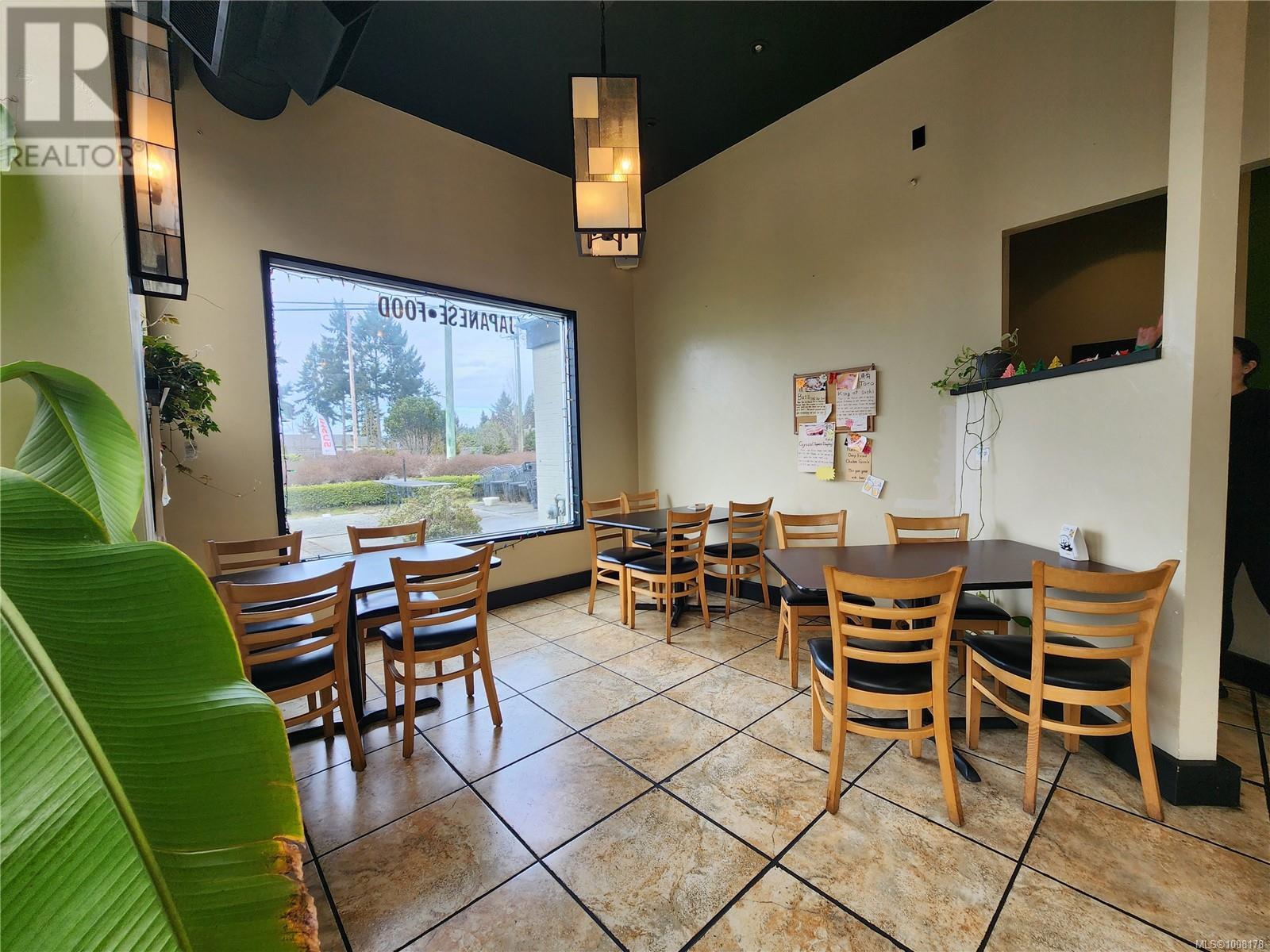

Written by David Turner, M.A.
Numerous compelling reasons make buying a restaurant for sale on Vancouver Island an attractive proposition. The island's thriving tourism industry and diverse local population create a steady stream of potential customers, ensuring a robust market for various culinary offerings.
In addition, the region's rich agricultural resources and abundant seafood provide ample opportunities for innovative menu development strategies. Vancouver Island's restaurant industry is part of Canada's dynamic foodservice sector, which serves approximately 22 million customers daily across the country. This high volume of patronage highlights the potential for success in the local market.
You'll benefit from established operations, an existing customer base, and immediate cash flow. However, you'll also inherit operational challenges and potential liabilities. Consider the following factors:
| Advantages | Disadvantages | Considerations |
| Proven concept | Inherited issues | Location viability |
| Trained staff | Outdated equipment | Lease terms |
| Existing permits | Reputation management | Financial records |
| Established suppliers | Operational constraints | Growth potential |
| Immediate revenue | Hidden liabilities | Restaurant financing options |
Consider your culinary expertise, management style, and target market when evaluating different restaurant concepts. Your choice will greatly impact your business strategy and long-term success.
| Concept | Target Market | Key Considerations |
| Fine Dining | Affluent professionals | High-quality ingredients, skilled staff |
| Casual Bistro | Families, young adults | Diverse menu, relaxed atmosphere |
| Specialty Cuisine | Food enthusiasts | Authentic recipes, cultural ambiance |
Your selected restaurant concept should align with your passion and expertise while meeting the demands of your target market. This strategic decision will lay the foundation for a thriving business that resonates with both locals and visitors to Vancouver Island.
Read more
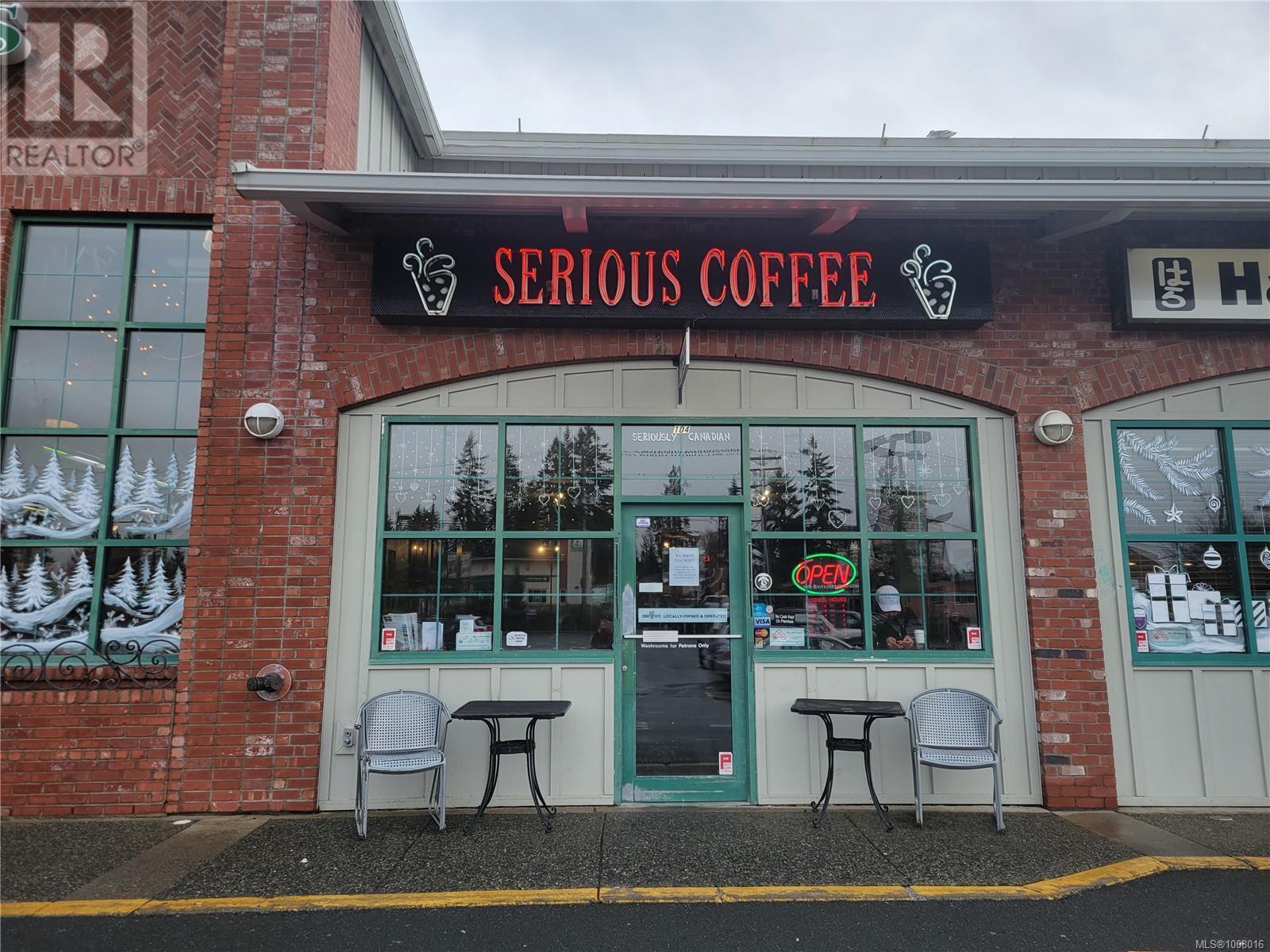
With your restaurant concept in mind, it's crucial to establish clear acquisition criteria. These guidelines will help you navigate the diverse options available on Vancouver Island, guaranteeing you select a property that aligns with your vision and business goals.
Consider factors such as location, size, and existing infrastructure when evaluating potential restaurants for sale. Additionally, consider current restaurant design trends and menu innovation strategies to guarantee your acquisition has long-term viability.
Vancouver Island offers a range of restaurant opportunities, from oceanfront establishments to those with included property, catering to various budgets and preferences.
When defining your criteria, focus on these key areas:
Financial performance and potential for growth
Target demographics and market demand
Existing equipment and necessary upgrades
Lease terms and property ownership options
To buy a restaurant on Vancouver Island, you'll need to follow several key steps. The following sections provide in-depth insights into each of these essential steps.
Engaging experts with local knowledge is essential for maneuvering the intricacies of the market. Consider the following key professionals:
| Professional | Role |
| Business Broker | Facilitates transactions, provides business valuation |
| Lawyer | Reviews contracts, guarantees legal compliance |
| Accountant | Analyzes financials, advises on tax implications |
| Lender | Assists with financing options, including seller financing |
| Insurance Agent | Recommends appropriate coverage for your new venture |
These specialists will offer invaluable insights, helping you make informed decisions throughout the acquisition process. A business broker can provide an objective business valuation and potentially negotiate seller financing terms.
By leveraging their expertise, you'll be better equipped to manoeuvre the complexities of purchasing a restaurant on Vancouver Island, ultimately increasing your chances of a successful transaction.
Begin by identifying key competitors in your chosen area and segment, then analyze their menu offerings, pricing strategies, and customer demographics. In addition, evaluate their marketing efforts, online presence, and customer reviews to gauge their strengths and weaknesses.
Consider reaching out to organizations like the BCRFA for industry-specific insights and networking opportunities that can enhance your competitor analysis.
Begin by researching local listings and networking with industry professionals to identify establishments that align with your vision and budget. As you narrow down your options, consider current restaurant trends and the potential for growth in the area.
Once you've selected a promising target, arrange a meeting with the seller to discuss the business in detail. During this meeting, inquire about the restaurant's performance, clientele, and relationships with local suppliers.
Pay attention to the seller's motivations for selling and any challenges the business may be facing. This face-to-face interaction will provide valuable insights into the restaurant's operations and help you determine if it's the right fit for your entrepreneurial aspirations on Vancouver Island.
Before making an offer on a restaurant, you'll need to conduct thorough due diligence to guarantee you're making a sound investment. This process involves analyzing historical financial statements, reviewing the premises lease and real estate title, and examining a detailed asset list.
Analyzing historical financial statements is an essential step in your due diligence process when buying a restaurant on Vancouver Island. You'll want to focus on profitability metrics and conduct a thorough financial statement analysis. These indicators will help you understand the business's performance and potential.
Examine the restaurant's sales, costs, and cash flow over the past few years to identify trends and areas for improvement. Pay close attention to the following key metrics:
| Expense Category | Target Percentage |
| Cost of Goods | 32% |
| Payroll Cost | 32% |
| Other Expenses | 20% |
| Rent | 6% |
| Cash Flow | 10% |
Compare the restaurant's performance to these industry benchmarks. If the numbers show significant deviations, please investigate the reasons for these differences. This analysis will provide valuable insights into the restaurant's financial health and guide your decision-making process.
Begin by obtaining a copy of the current lease agreement, scrutinizing its duration, renewal options, and any restrictions on business operations. Pay close attention to clauses regarding rent increases, maintenance responsibilities, and transfer fees. Additionally, conduct a thorough title search to uncover any liens, easements, or zoning issues that could impact your future operations.
This investigation may reveal potential deal-breakers or negotiation points, such as outstanding property taxes or building code violations. By thoroughly analyzing these documents, you'll gain a clearer understanding of the property's legal status and potential risks, enabling you to make a more informed decision about your restaurant acquisition.
This critical step involves extensive equipment assessment and asset valuation, ensuring you're fully aware of what you're potentially acquiring. Examine each item's condition, age, and remaining useful life to determine its true value and potential replacement costs.
| Asset Category | Considerations | Impact on Offer |
| Kitchen Equipment | Age, condition, efficiency | Operational costs |
| Furniture & Fixtures | Style, durability, replacement needs | Renovation budget |
| Technology Systems | POS, inventory management, reservations | Upgrade requirements |
Don't overlook intangible assets such as brand reputation, customer base, and proprietary recipes. These can greatly influence the restaurant's overall value.
This vital step guarantees you're fully prepared for the financial obligations that come with purchasing a business. To accurately assess your budgetary needs, consider the following expenses:
Initial acquisition costs (purchase price, legal fees, broker fees)
Renovation and equipment upgrade expenses
Working capital requirements for the first few months
Marketing and rebranding costs
Restaurant valuation methods typically involve a combination of approaches, with the income-based method being the most common. This approach calculates a multiple of EBITDA (earnings before interest, taxes, depreciation, and amortization) or SDC (seller discretionary cash flow). EBITDA analysis provides insight into the restaurant's ability to generate operating earnings.
Valuators often confirm their findings using asset-based and market-based approaches, examining tangible and intangible assets as well as comparable sales. While multiples generally range from two to four times EBITDA or SDC, factors such as location, goodwill, and recent market transactions can influence the final valuation.
When preparing your offer to purchase a restaurant on Vancouver Island, you'll need to carefully consider whether to structure it as an asset sale or share sale, as each has distinct implications.
This choice greatly impacts the transaction's structure and potential liabilities. In an asset sale, you're purchasing specific assets of the business, while a share sale involves acquiring the company's shares, including its assets and liabilities.
| Aspect | Asset Sale | Share Sale |
| Liability | Limited to acquired assets | Assumes all liabilities |
| Tax Implications | Generally favorable for buyer | May benefit seller |
| Complexity | Less complex | More complex |
Consider your risk tolerance, tax situation, and long-term goals when deciding. An asset sale often provides more flexibility and protection for buyers, while a share sale may be preferable for sellers due to potential tax advantages. Consult legal and financial advisors to determine the most suitable option for your specific circumstances.
Requesting partial seller financing can be a strategic move when making an offer on a Vancouver Island restaurant. This approach demonstrates your commitment to the purchase and provides financial flexibility.
When crafting your offer, consider proposing a structure where the seller finances a portion of the purchase price. This approach can be particularly advantageous if you're facing challenges securing traditional bank loans or prefer to conserve cash for operational expenses.
During negotiations, emphasize the mutual benefits of seller financing, such as potentially higher sale prices and tax advantages for the seller. Be prepared to offer competitive interest rates and reasonable repayment terms.
Additionally, this arrangement can foster a smoother changeover, as the seller remains invested in the business's success. Remember: seller financing is a powerful negotiation tool that can help you secure more favourable terms while aligning the seller's interests with your own.
This critical step involves conducting a detailed business asset valuation and operational equipment assessment. You'll want to inspect every piece of equipment, from kitchen appliances to dining room furniture, guaranteeing everything is in good working condition. Don't overlook less visible assets like HVAC systems, plumbing, and electrical infrastructure.
This inspection serves dual purposes: it helps you accurately assess the business's value and identifies any potential issues that may require immediate attention or investment. Consider enlisting the help of a professional appraiser or equipment specialist to confirm you're making an informed decision.
Carefully reviewing the restaurant's operating licenses and permits is an essential step before making an offer. Please ensure that all necessary documentation is "in order" to prevent any potential legal issues or unexpected costs in the future.
In British Columbia, multiple health authorities manage restaurant inspections, including the Vancouver Island Health Authority (VIHA) for Vancouver Island establishments.
When inspecting the operating licenses and permits, focus on:
Food service permit
Liquor license (if applicable)
Health department certifications
Business license
Verify that all permits are current and transferable. Some licenses may need to be renewed or reapplied for under new ownership. Consult local authorities to understand specific permit requirements for Vancouver Island restaurants.
A crucial step in buying a restaurant on Vancouver Island is preparing a seller training and handover agreement, often incorporated into a Conditional Offer to Purchase or Letter of Intent (LOI).
This agreement outlines the seller's commitment to providing thorough training and support during the changeover period, ensuring you're well-equipped to take over operations seamlessly. When drafting this document, specify the duration of the training period, typically ranging from two weeks to a month, and detail the specific areas of focus, such as menu preparation, vendor relationships, and staff management.
Additionally, include provisions for ongoing consultation after the initial training period, allowing you to seek guidance as needed.
Before approaching lenders or investors, you'll need to create a detailed business plan for financing your restaurant acquisition. This extensive document will outline your vision, market analysis, operational strategy, and financial projections.
Your plan should demonstrate a clear understanding of the local Vancouver Island market and how you intend to position your restaurant for success. Consider taking advantage of free business courses to enhance your knowledge in areas like marketing, finance, and sustainability, which can strengthen your business plan.
When crafting your business plan for restaurant acquisition financing, be sure to include:
Detailed financial projections for the first 3-5 years
Analysis of the existing restaurant's performance and potential for improvement
Marketing strategy to attract and retain customers
Operational plan, including staffing and management structure
A well-prepared business plan increases your chances of securing financing and serves as a roadmap for your restaurant's future growth and profitability.
To complement this process, consider utilizing business education resources to enhance your skills in marketing, finance, and business operations.
Once you've reached an agreement with the seller, it's time to close the deal on your Vancouver Island restaurant purchase.
Begin by reviewing the detailed closing checklist provided by your restaurant broker. This vital document outlines all necessary steps, including POS changeover, training arrangements, and contacting vendors. Also ensure that you have secured the necessary food service permit and, if applicable, an alcohol license.
You have successfully navigated the turbulent waters of Vancouver Island's restaurant scene, enduring the challenges of financial scrutiny and regulatory red tape. As you stand on the precipice of ownership, remember that your culinary empire may be built on shifting sands of seasonal tourism and fickle food trends.
Nevertheless, with your meticulously crafted business plan and a dash of entrepreneurial spirit, you're poised to serve up success. Just don't forget to pack your rain gear—you'll need it for more than just the weather
By meticulously following these steps, you'll navigate the closing process efficiently and set yourself up for a smooth shift into restaurant ownership on Vancouver Island.
To stay competitive, you'll need to adapt to industry changes. Market research is important for identifying your target audience and competition, helping you make informed decisions about your restaurant's concept and offerings.
Here are four key trends to keep in mind:
Increased demand for locally sourced ingredients
Growing popularity of plant-based menu options
Rise of contactless ordering and payment systems
Emphasis on sustainable packaging and waste reduction
Staying informed about the restaurant industry is vital for success on Vancouver Island. To make informed decisions and stay competitive, you'll need access to reliable resources. These can provide valuable insights into market trends, consumer preferences, and industry best practices.
Consider exploring the following key resources:
These organizations offer a wealth of information, from industry reports to networking opportunities. By leveraging these resources, you'll gain a more profound understanding of the local market dynamics and regulatory environment.
You'll need to familiarize yourself with local health regulations and zoning laws to guarantee compliance. These guidelines govern everything from food safety practices to building codes, impacting your operations and potential expansion plans.
| Vancouver Island restaurant | Key Considerations | Responsible Authority |
| Health Regulations | Food safety, sanitation | Island Health |
| Zoning Laws | Land use, parking | Local Municipality |
| Liquor Licensing | Alcohol service, hours | BC Liquor and Cannabis Regulation Branch |
Understanding these regulations will help you avoid costly violations and streamline your restaurant's operations. It's essential to conduct thorough due diligence, reviewing all existing permits and licenses. You may need to update or transfer these to your name upon purchase. Consulting with local authorities and experienced professionals can provide valuable insights into maneuvering Vancouver Island's regulatory environment, guaranteeing your restaurant's success within the legal framework.
A: You'll typically spend 2-3 months buying a restaurant. It's your journey to freedom, so explore financing options and hone your negotiation strategies. Please take your time to ensure you're making the right move for your dreams.
A: You'll need a food service permit and pass health inspections to run your restaurant. If you're serving alcohol, please keep in mind the liquor license. A liquor license is key, but don't let bureaucracy stifle your culinary dreams on Vancouver Island.
A: Boldly become aware of British Columbia's business benefits. You'll find tax incentives for small restaurants, allowing you to deduct certain operational expenses. Don't let the taxman take your hard-earned cash - explore these freedoms to fuel your culinary dreams.
A: You'll find that the turnover rates in the restaurant industry on Vancouver Island are challenging to pinpoint. They're typically high, mirroring industry norms. Don't let this discourage you; it presents a chance to establish a workplace that defies convention and fosters employee loyalty.
Data is supplied by CREA who is the owner of the copyright in its MLS®System. Data provided is deemed reliable but is not guaranteed accurate by CREA. The trademarks MLS®, Multiple Listing Service® and the associated logos are owned by The Canadian Real Estate Association (CREA) and identify the quality of services provided by real estate professionals who are members of CREA. Used under license.