Vinyards and Wineries for Sale in Canada
Showing 1 - 11 of 11 Results
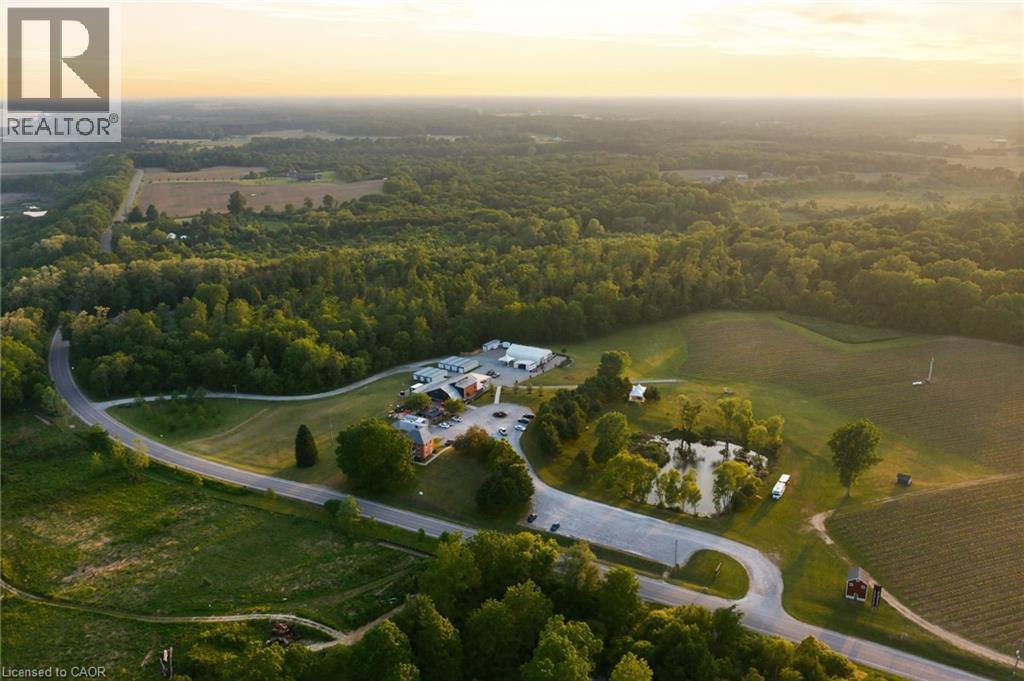
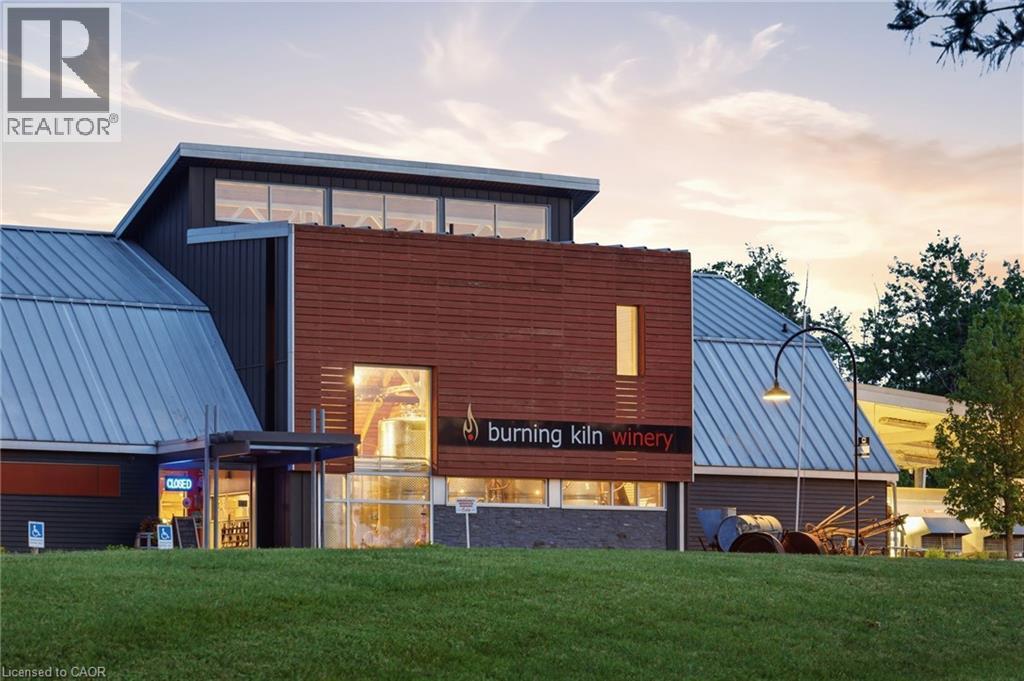
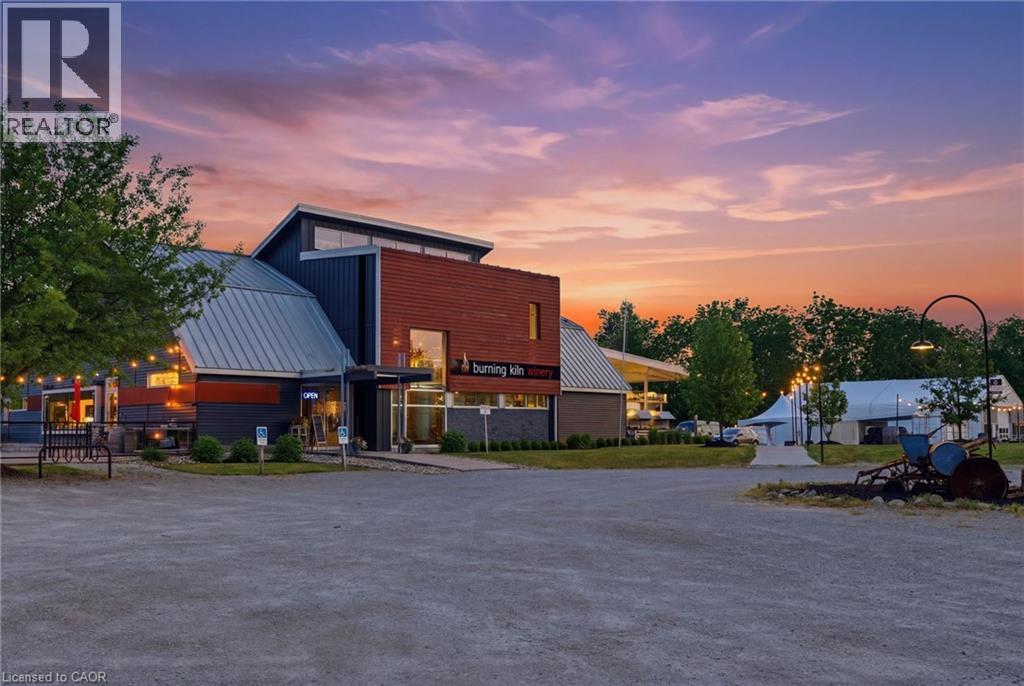
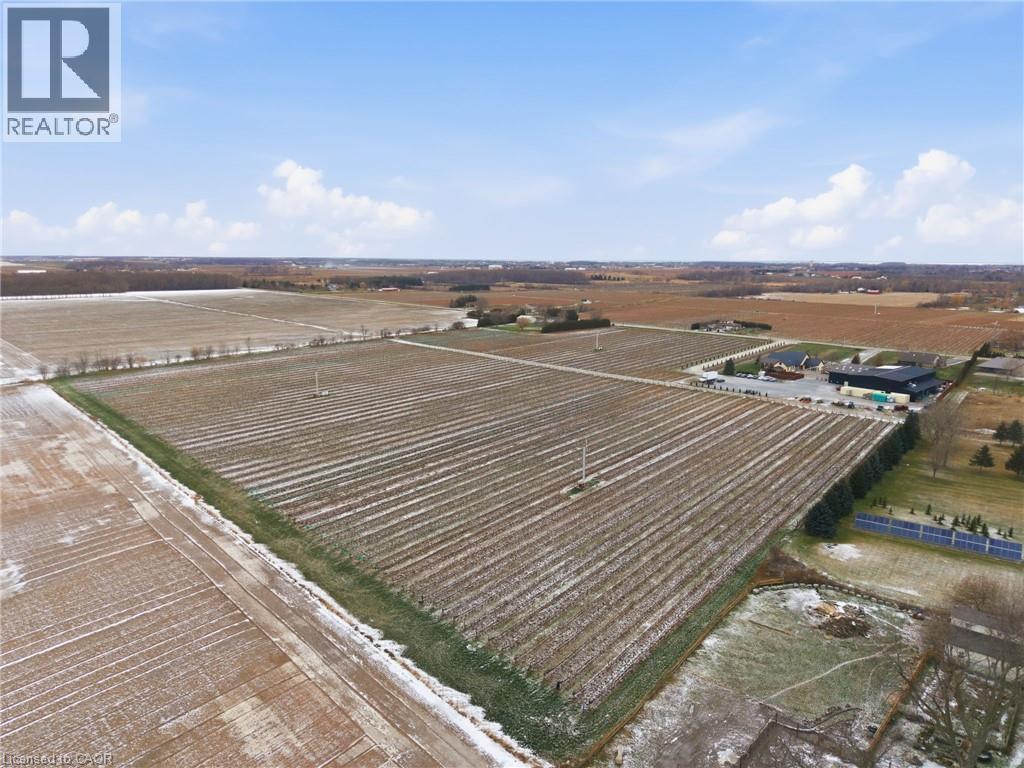
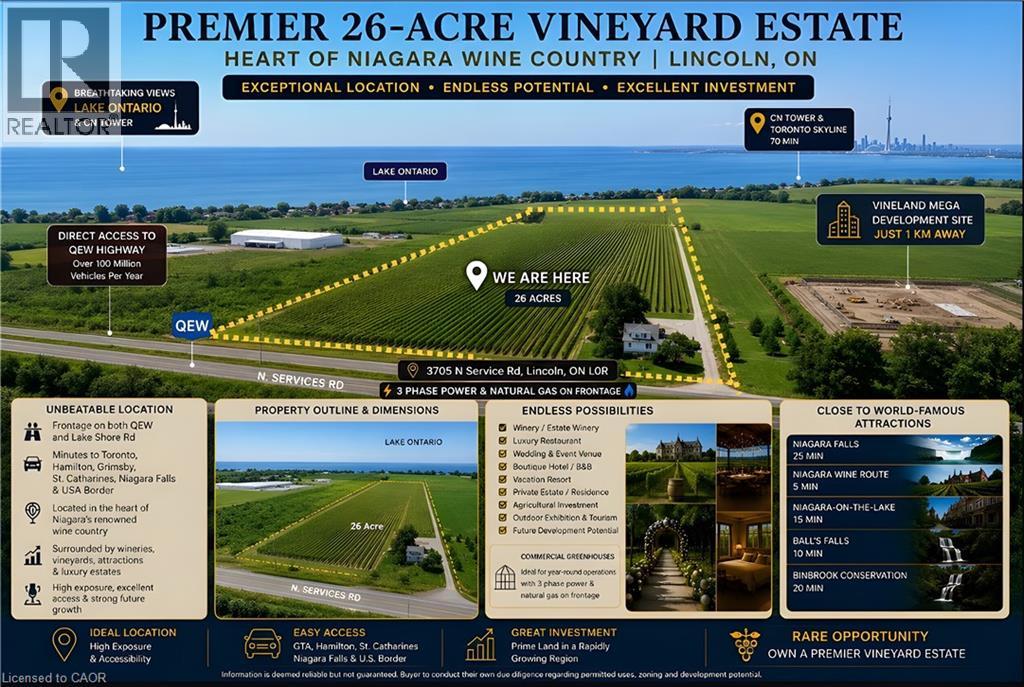
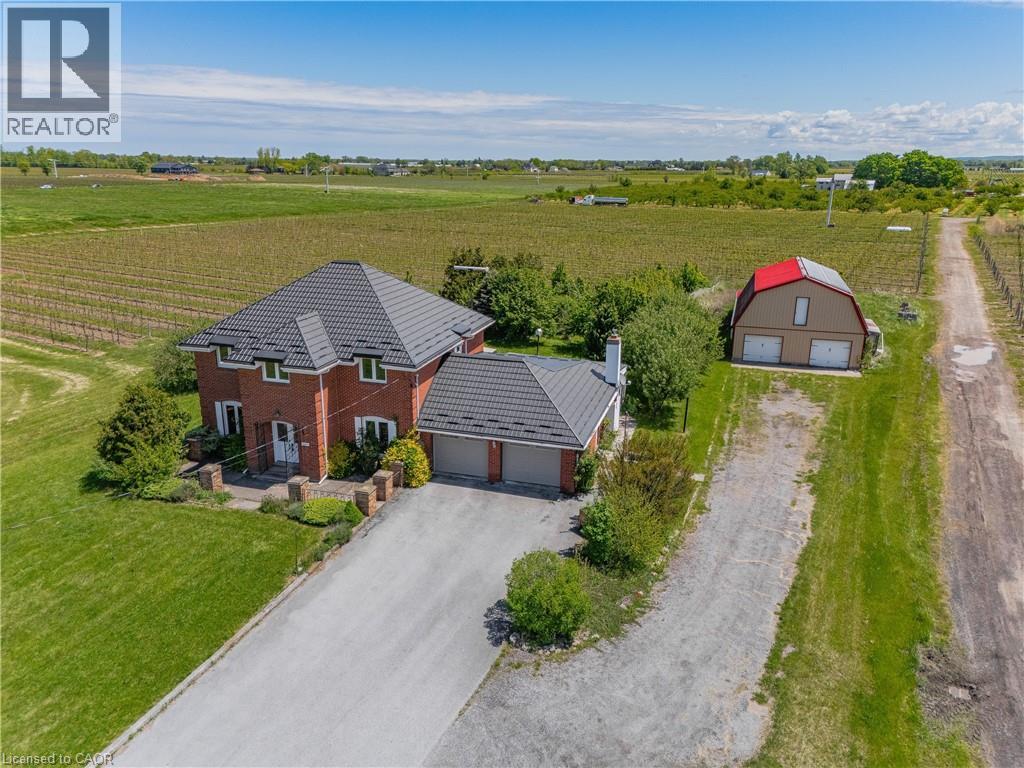
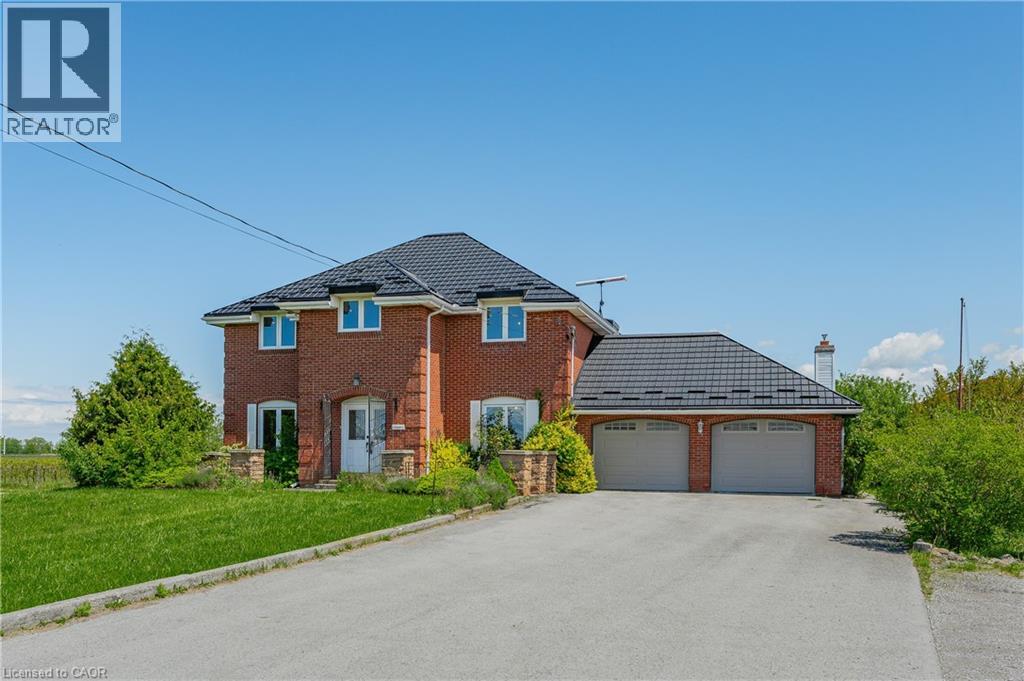
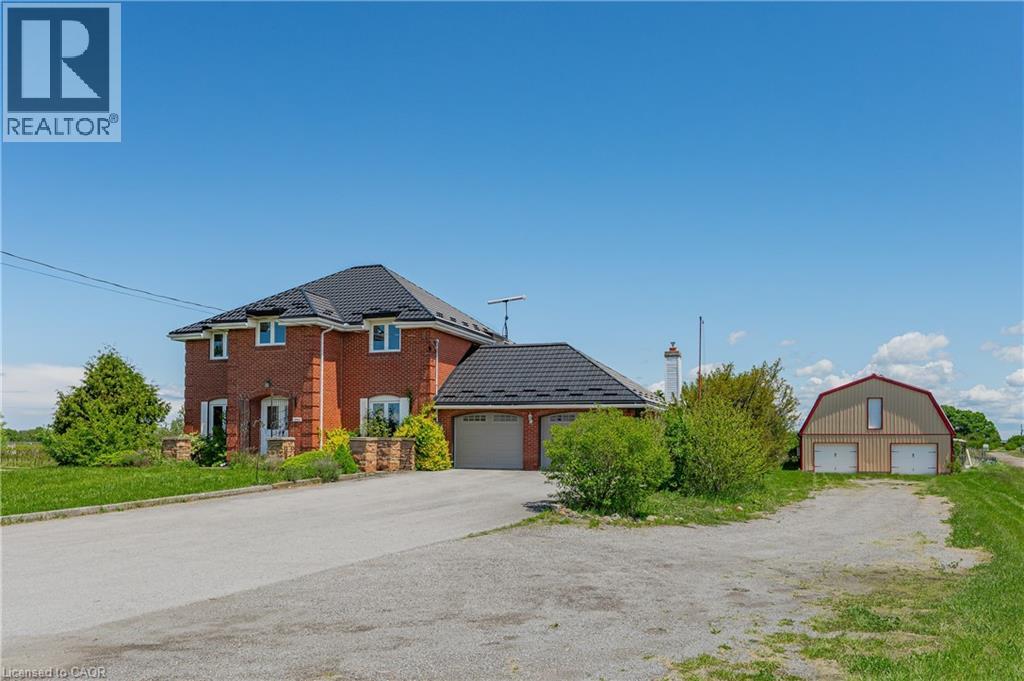
Marketplace Statistics
The average asking price for Vineyards : $5,212,709
The most viewed Vineyards listings on FBF are linked below:
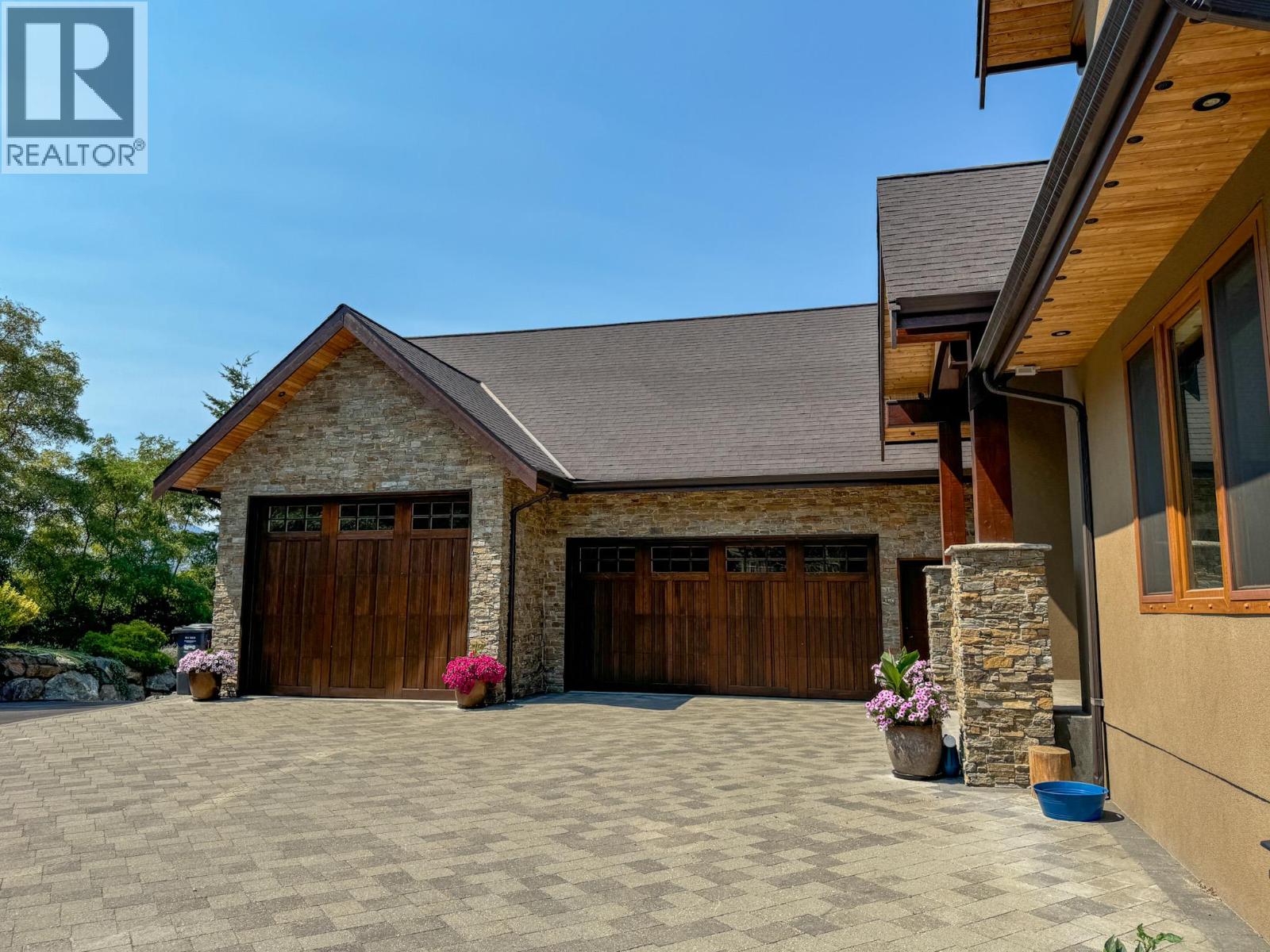
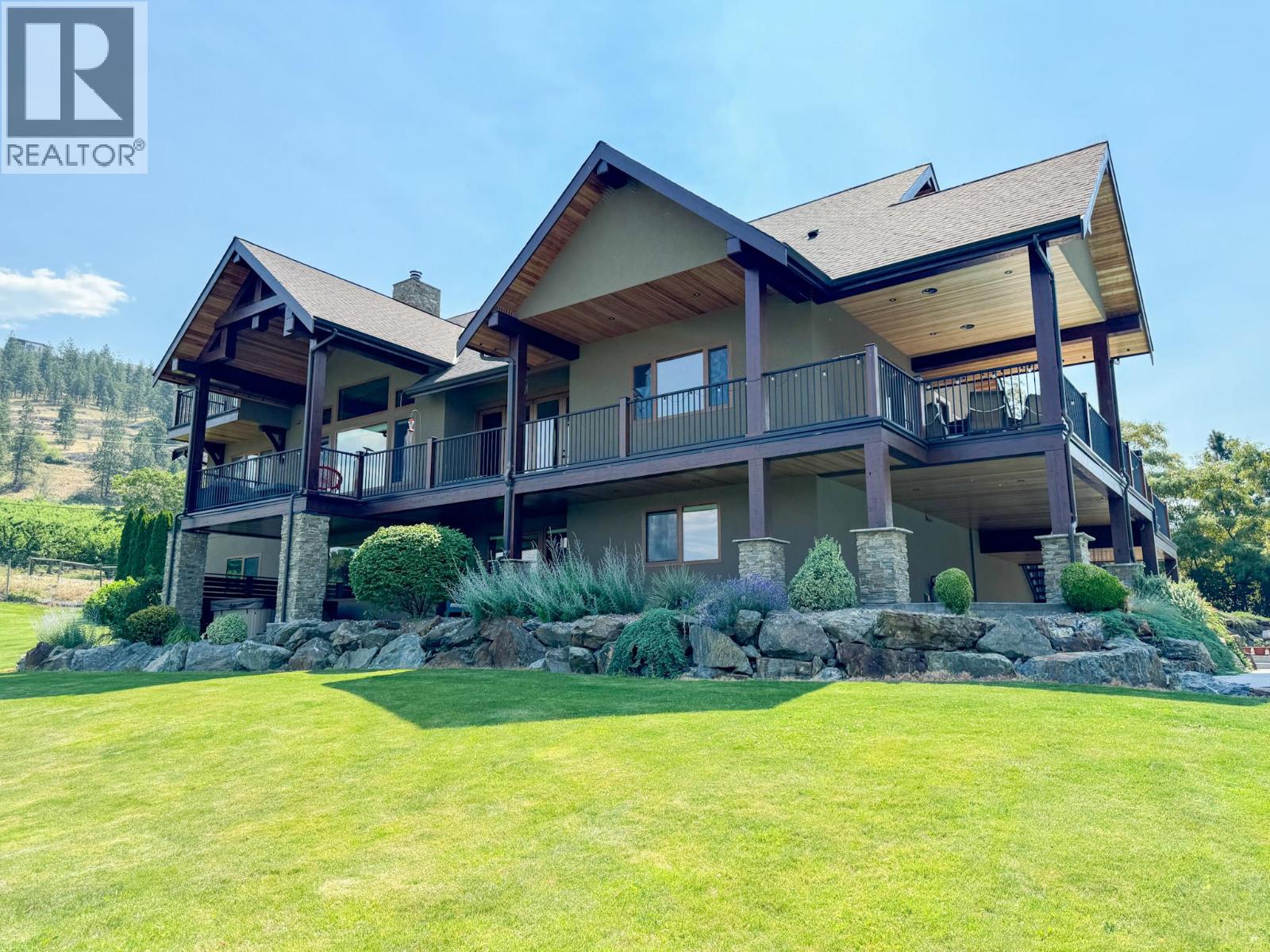
| Agriculture Property for Sale | Agriculture Property for Sale | Agriculture Property for Sale |
| Agriculture Property for Sale | Agriculture Property for Sale | Agriculture Property for Sale |
Key Steps & Information when Buying Vineyards & Wineries for Sale in Canada
Written by David Turner, M.A.
When purchasing vineyards and wineries in Canada, you'll need to conduct thorough due diligence covering financial viability, soil quality, water rights, and climate patterns.
Focus on British Columbia for favourable growing conditions and strong market potential. Secure financing through the Canadian Agricultural Loans Act program, address labour challenges, and verify regulatory compliance.
Consider organic certification to meet consumer trends toward sustainability. The extensive acquisition process requires balancing substantial initial investment against long-term ROI opportunities.
Key Takeaways
- Conduct comprehensive due diligence, including soil analysis, climate patterns, and water rights verification, before purchasing.
- Address potential labor challenges through contractual arrangements and investigate mechanization innovations for operational efficiency.
- Verify organic certification status and assess sustainable farming practices to meet growing consumer demand.
- Leverage financing through the Canadian Agricultural Loans Act program to manage the substantial initial investment.
- Evaluate British Columbia's favorable climate conditions and $4.8+ billion agricultural market for optimal vineyard location.
Canada: Economy, Geography & Lifestyle
Canada's economy, characterized by its stability and diverse sectors, operates across a vast geographical landscape with profound implications for agricultural investment opportunities.
You'll discover a marketplace particularly receptive to vineyard acquisitions, especially in regions where government incentives support agricultural enterprises and foster industry innovation.
British Columbia, with its ideal climate conditions—warm summers and mild winters—presents the most attractive location for vineyard investment, offering soil conditions conducive to high-yield grape cultivation.
The Canadian lifestyle increasingly values sustainable, locally sourced products, creating expanding market opportunities for vineyard operators who implement organic farming methods and leverage technological advancements to increase operational efficiency and product quality.
- The Canadian agri-food sector contributes $143.8 billion (7.4%) to the national GDP and supports approximately 2.3 million jobs across the country.
- Agriculture and Agri-Food Canada provides valuable support through sustainable farming practices that enhance vineyard productivity while maintaining environmental stewardship.
- British Columbia, with farm cash receipts of $4,872.0 million in 2023, offers promising opportunities for vineyard investments with a 2.7% growth in agricultural revenue.
Pros and Cons of Buying a Wine Estate in Canada
While investing in Canadian vineyards and wineries presents a compelling opportunity for agricultural diversification, potential buyers must carefully evaluate both the advantages and limitations before committing capital to this specialized sector.
|
Aspect |
Advantages |
Disadvantages |
|
Market Potential |
Strong domestic demand, export opportunities |
Competitive landscape, market saturation |
|
Financial Considerations |
Potential ROI through vertical integration |
Significant financial barriers, extended payback period |
|
Production Factors |
Favorable climate conditions in select regions |
Climate variability, susceptibility to weather events |
|
Operational Requirements |
Brand-building opportunities, tourism synergies |
Labor-intensive operations, regulatory compliance costs |
When gauging vineyard acquisitions, analyze soil composition, precipitation patterns, and local climate conditions to determine suitability for grape cultivation, while simultaneously developing inclusive financial models addressing capital requirements and anticipated revenue streams.
more