Business for Sale in Edmonton, Alberta: Listings and Buyer's Guide
Showing 37 - 48 of 67 Results
Marketplace Statistics
The average asking price for Listings in
Edmonton: $891,630
The most viewed listings in Edmonton on FBF are linked below:
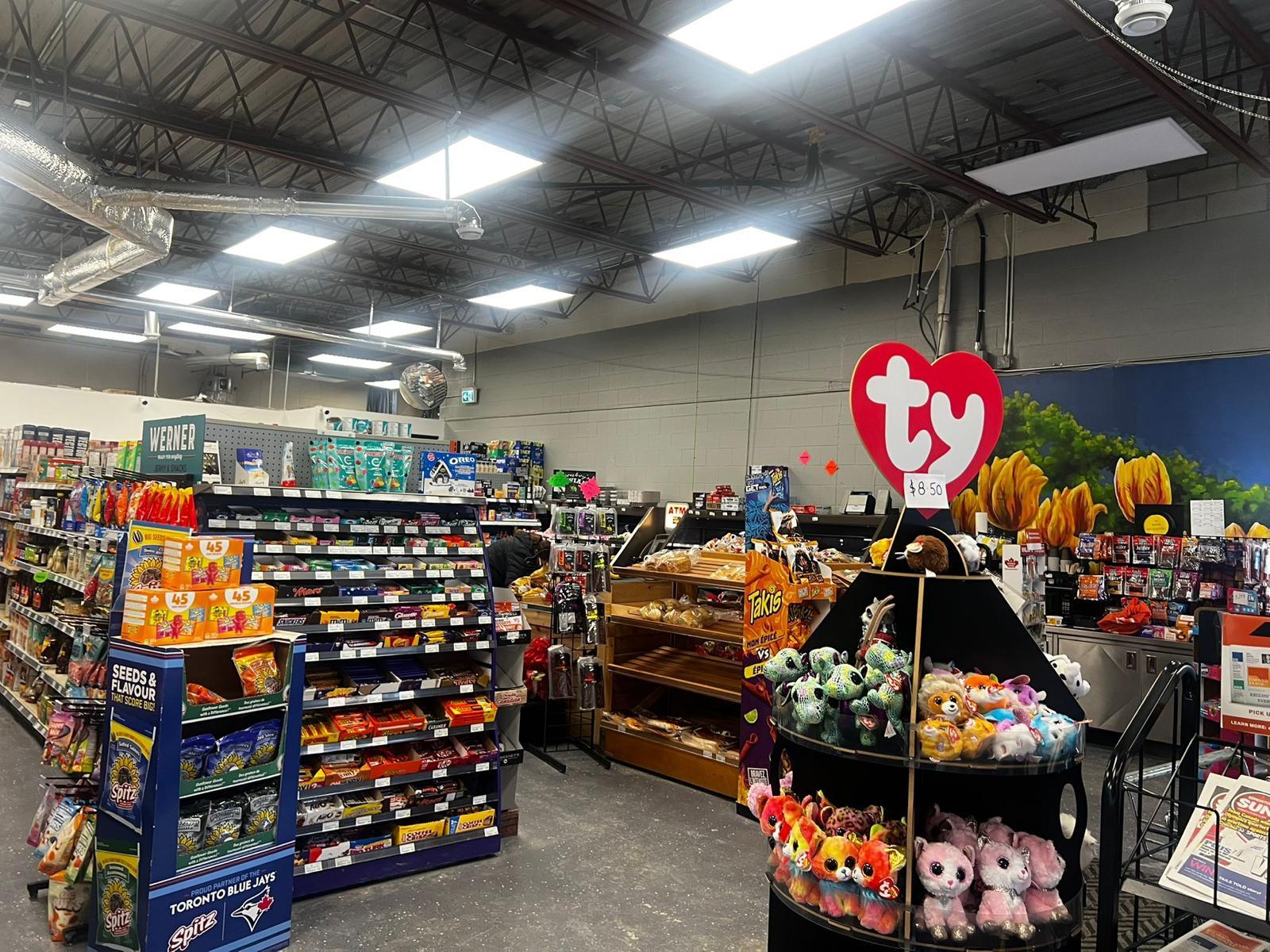
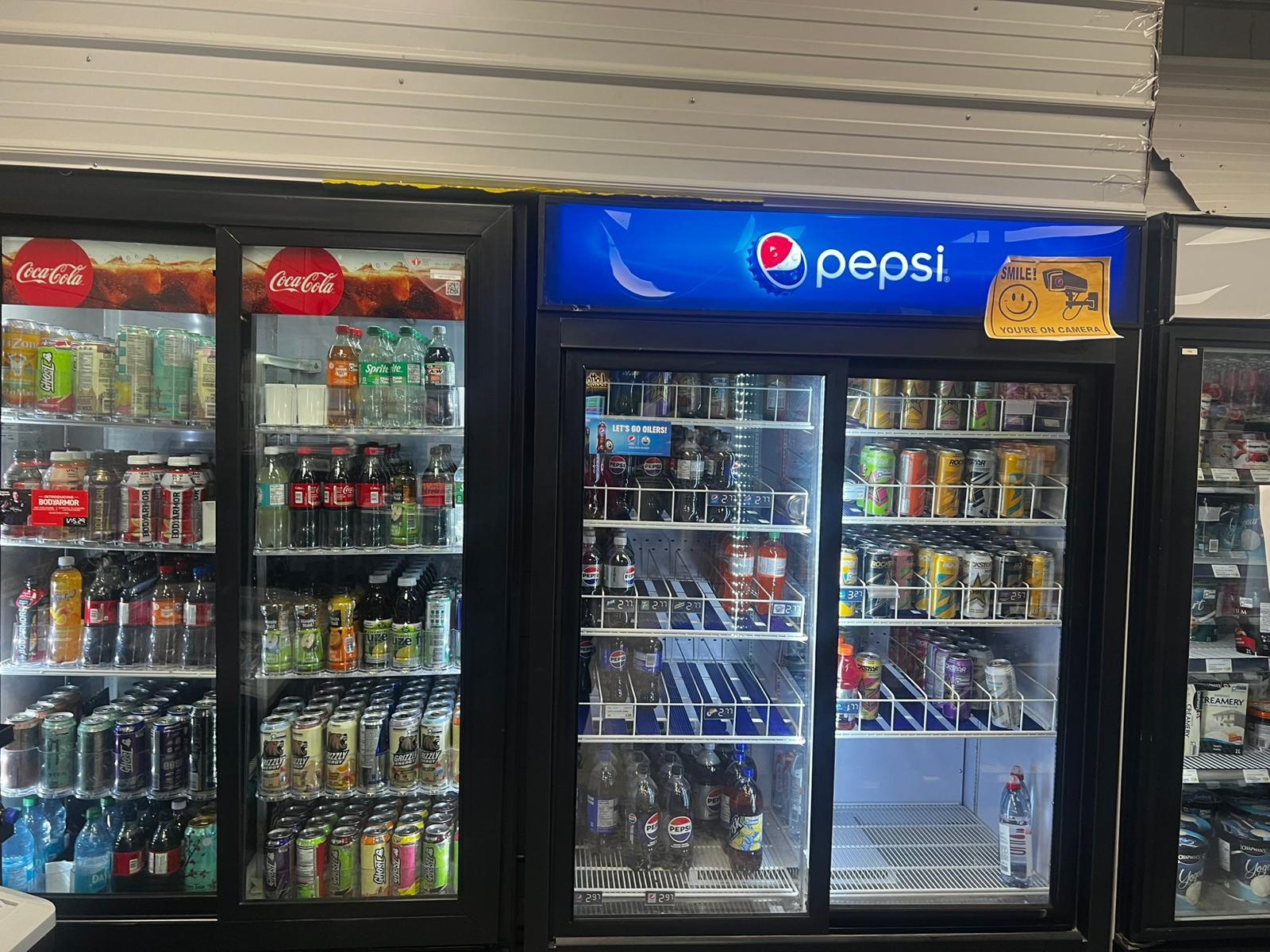
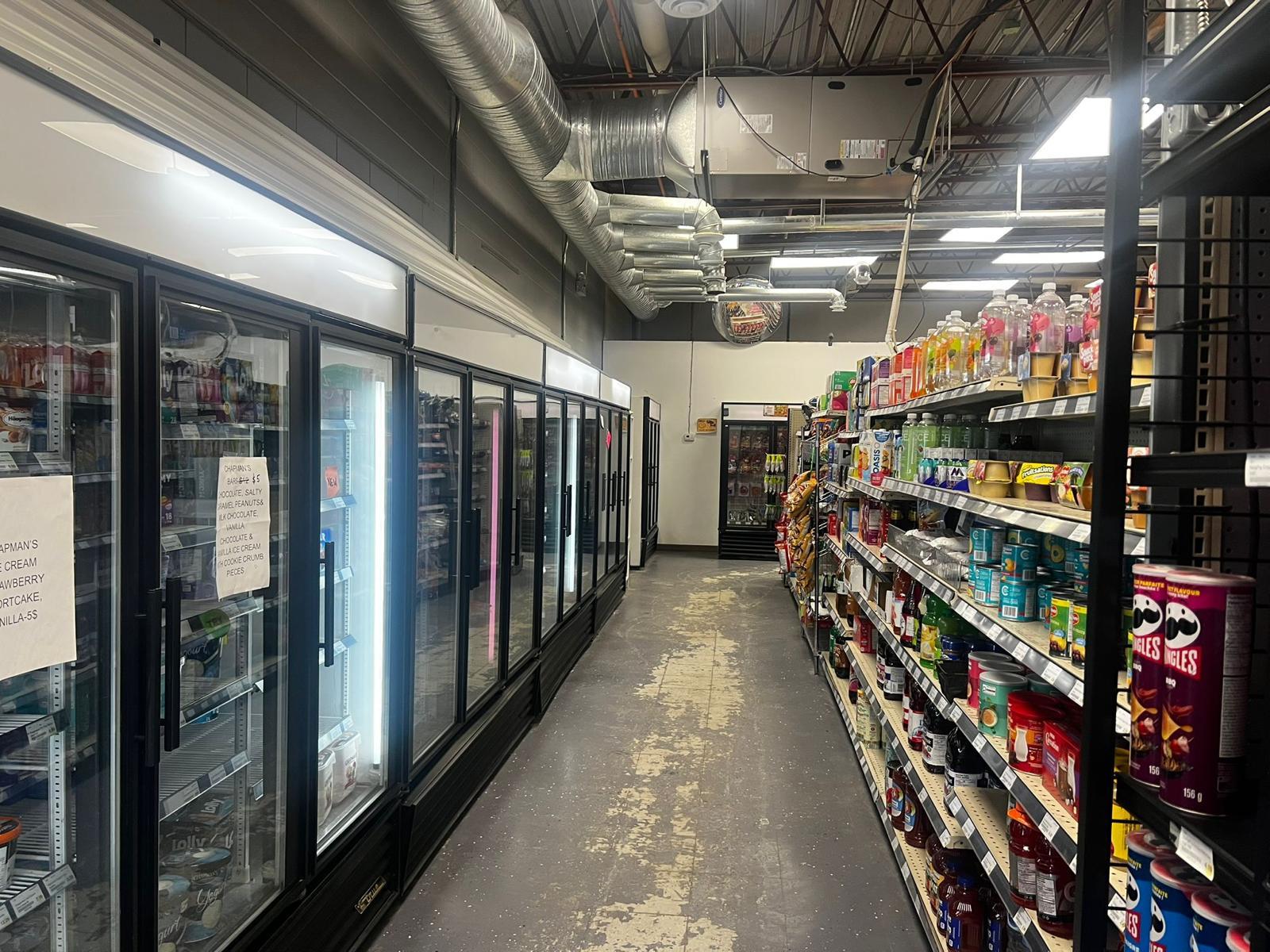
| Business for Sale | Grocery Store with Real Estate for Sale | Business for Sale |
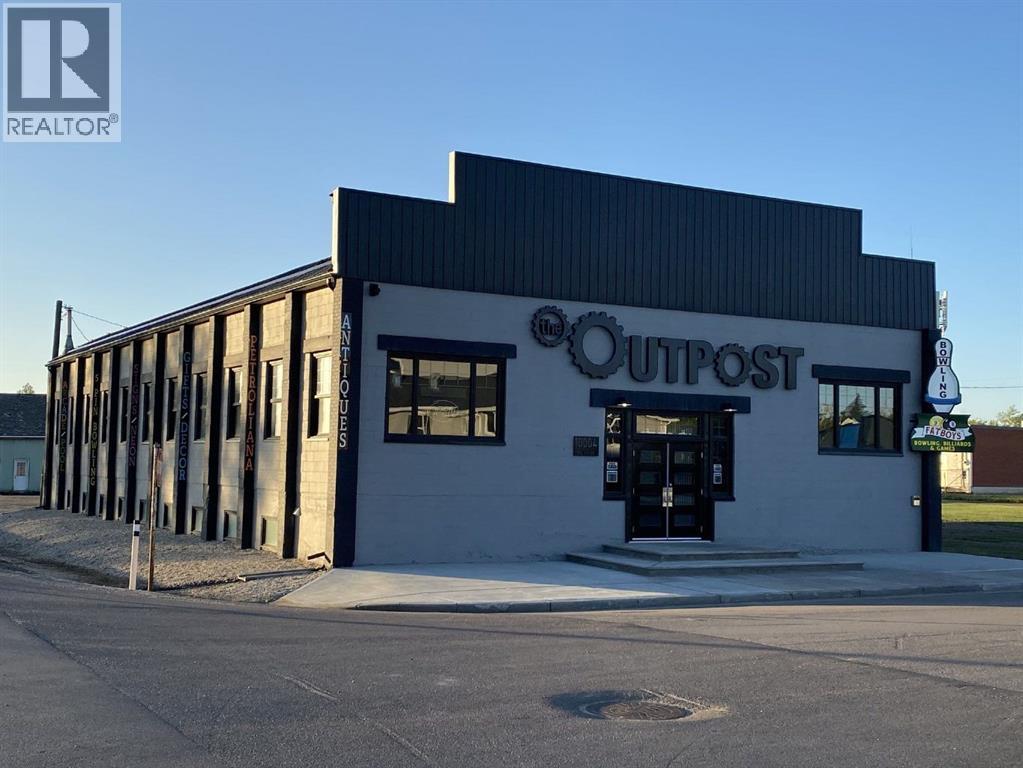
| Turn-Key Restaurant for Sale | RV Parks for Sale | Business for Sale |

Business for Sale Edmonton Prices at a Glance
Asking prices in Edmonton range from small service businesses to industrial companies sold with their buildings. Here is where the market stands today.
Many Edmonton buyers also compare prices in Alberta's other big city. You can browse all businesses for sale in Calgary, or every business for sale in Canada if you are open to moving.
more


| Edmonton Business Listings Summary | Figure |
| Figure Active listings, Edmonton and area | 67 |
| Lowest asking price, Edmonton | $2,796 |
| Highest asking price, Edmonton | $7,999,999 |
| Average asking price, all Edmonton listings | $948,241 |
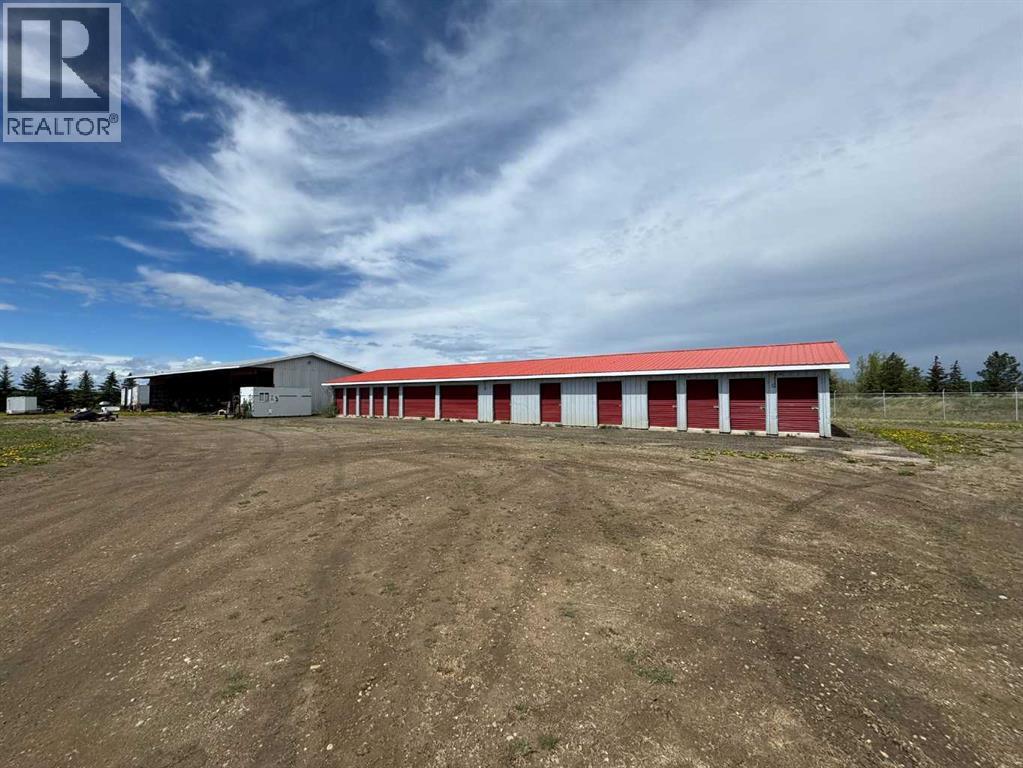
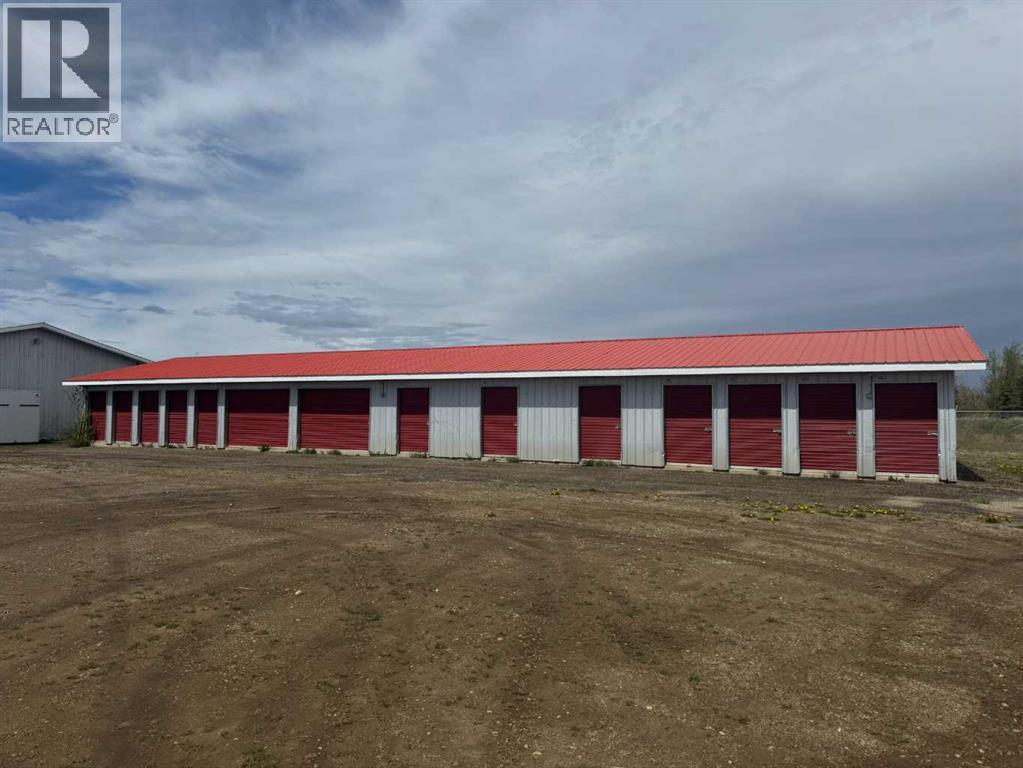
| Most common categories | Business, Mixed - IC&I, Restaurant, Storage/Mini, Agriculture |
| Areas covered | Edmonton, Grande Prairie, High Level, Fort McMurray, Rural Grande Prairie No. 1, County of |
Why Buy a Business in Edmonton
Edmonton is Alberta's capital and a city of more than one million people, according to the 2021 census. Several features make it attractive for business buyers.
- No provincial sales tax: Alberta charges only the federal GST, which keeps prices lower for customers and simplifies bookkeeping.
- Lower costs than Vancouver or Toronto: Commercial rents and property prices are generally well below Canada's largest cities, so your money buys more space.
- A gateway to the north: Edmonton is the main supply and service hub for northern Alberta, which supports trucking, equipment, trades, and industrial services.
- Government, education, and health care: As the capital, home to the University of Alberta, and a major health care centre, Edmonton has a large base of stable jobs.
- Energy and industry: Oil, gas, and petrochemical activity in the region supports a wide range of suppliers and service businesses.
Edmonton Areas and What Sells Where
Different parts of Greater Edmonton suit different kinds of businesses.
- Downtown and the Ice District: Office workers, events, and condo residents support restaurants, cafes, bars, and personal services.
- Old Strathcona and Whyte Avenue: A walkable area with students and nightlife, popular for independent restaurants, bars, and retail.
- South Edmonton Common and the south side: Large retail centres and growing suburbs, suited to franchises, service businesses, and family restaurants.
- West Edmonton: The area around West Edmonton Mall draws shoppers from across the region and supports retail and food businesses.
- Sherwood Park and Strathcona County: Established family communities close to industrial areas, with demand for trades, auto services, and local retail.
- St. Albert, Spruce Grove, and Stony Plain: Growing commuter communities with steady demand for everyday services, restaurants, and convenience retail.
- Leduc and Nisku: Industrial and logistics areas near the airport, home to many trucking, oilfield, and equipment businesses.
Popular Types of Business for Sale in Edmonton
These kinds of businesses come up often for sale in Edmonton, and each has its own buyers.
- Restaurants and food service: From quick-service franchises to neighbourhood restaurants. Browse every restaurant for sale in Canada to compare prices.
- Convenience and specialty retail: Steady neighbourhood demand. See our convenience stores for sale.
- Trades and home services: Plumbing, electrical, HVAC, and renovation businesses benefit from new housing in Edmonton's growing suburbs.
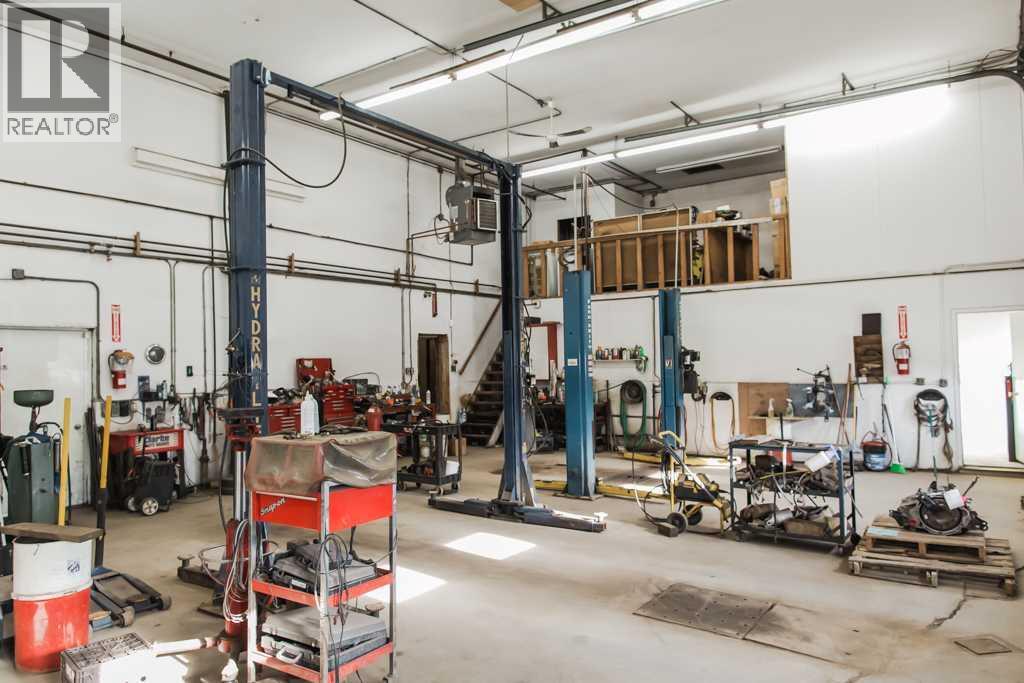
- Industrial and oilfield services: Equipment rental, fabrication, and trucking companies, often sold with large shops and yards.
- Car washes and auto services: Long winters and salted roads keep demand steady. Our car washes for sale include listings in Alberta.
- Laundromats and semi-absentee businesses: Popular with investors who want steady cash flow. Browse laundromats for sale across Canada.
How Edmonton's Economy Affects Business Values
Edmonton's economy is closely tied to energy prices. When oil and gas activity is strong, industrial and service businesses grow, and so does spending on restaurants, retail, and housing-related trades. When energy prices fall, some of these businesses slow down.
When you look at a business for sale in Edmonton, ask for at least three years of financial statements, ideally covering both stronger and weaker years. A business that held its sales through a slower period is worth more than one that only grew in a boom. Pay close attention to how much revenue comes from oil and gas customers, and whether the business has a mix of clients across other industries.
Buying an Industrial or Oilfield Service Business
Industrial and oilfield businesses make up an important part of the Edmonton market, and they need extra checks.
- Customer concentration: Many depend on a few large clients. Ask what share of revenue comes from the top three customers, and whether those contracts can transfer to a new owner.
- Safety record and certification: Many large clients only hire contractors with a strong safety program, such as a Certificate of Recognition (COR). Ask for safety records and confirm any certification will stay valid after the sale.
- WCB coverage: Ask for a WCB Alberta clearance showing the business is in good standing, so you don't inherit unpaid premiums.
- Equipment and fleet: Trucks, trailers, and heavy equipment can be a large part of the price. Have them inspected and check which are owned, leased, or financed.
- Contract prequalification: Some clients require contractors to be registered with safety prequalification services. Find out how long it takes to requalify under new ownership.
Edmonton's long, cold winters shape many businesses. Some, like auto services, car washes, and indoor entertainment, are busiest in winter. Others, like landscaping, patios, and outdoor tourism, earn most of their income in summer.
Ask the seller for monthly sales over at least two years so you can see the real pattern. Seasonal businesses can be very profitable, but you need cash in reserve to cover the slow months, and staffing plans that match the busy ones.
Buying a Business With Property in Edmonton
Because Edmonton's commercial real estate costs less than in Vancouver or Toronto, more listings here include the building or land. That can be a strong long-term investment.
Owning the property removes rent and lease risk and builds equity. The trade-off is a higher price and a commercial mortgage alongside your business loan. Have the business and the real estate appraised separately, so you know what you are paying for each. For industrial sites, shops with fuel storage, or older buildings, ask for a Phase I environmental site assessment before you remove conditions, because cleanup costs can be very high.
Staffing a Business in Alberta
Employees are often the main reason a business keeps running smoothly after a sale. Ask for a staff list with roles, wages, and length of service, and find out which key people plan to stay. Alberta's employment standards set rules for wages, hours, and notice, and most employers need WCB Alberta coverage. Your lawyer can explain how employees are treated when a business changes hands, including whether their years of service carry over.
Licences and Rules for Edmonton Businesses
Before you buy, confirm what licences the business needs and how they will transfer.
- City of Edmonton business licence: The City says that if you buy or acquire a business, you must apply for a new business licence. See the City's guide to updating or changing a business licence.
- Surrounding municipalities: Businesses in St. Albert, Sherwood Park, Spruce Grove, Leduc, and other communities need licences from their own municipality, not the City of Edmonton.
- Liquor licences: Restaurants, bars, and liquor stores are licensed through Alberta Gaming, Liquor and Cannabis (AGLC). Make your offer conditional on the new licence being approved.
- Health inspections: Food businesses are inspected by Alberta Health Services. Ask the seller for the last two years of inspection reports.
- Zoning and permits: If you plan to change the use of the space or renovate, check zoning and building permit requirements first.
Moving to Edmonton to Buy a Business
Many buyers from Ontario and British Columbia look at Edmonton because their money goes further here, both for the business and for a home. If you are planning to relocate, a few steps make the move smoother.
- Visit in winter: See how the business, and you, handle a January in Edmonton before you commit.
- Spend time in the business: Ask the seller if you can spend a few days on site before you remove conditions, so you see real customer traffic.
- Register correctly: If you are buying through a company formed in another province, your lawyer can tell you whether it needs to be registered in Alberta.
- Line up local advisors: An Edmonton accountant and lawyer will know the local market, municipal rules, and lenders.
Steps to Buying a Business in Edmonton
- Set your budget and criteria. Decide on your price range, industry, and how involved you want to be.
- Shortlist businesses and contact sellers. Save searches on FindBusinessesForSale.com and turn on email alerts for Edmonton.
- Sign an NDA and review the numbers. Ask for three years of financial statements, tax returns, and the lease.
- Make a conditional offer. Include conditions for financing, due diligence, lease assignment, and any licences.
- Complete due diligence. Have an accountant check the books and a lawyer review the lease and contracts.
- Arrange financing and close. Lenders such as the Business Development Bank of Canada offer loans for buying an existing business. Plan a training period with the seller after closing.
6 Questions to Ask an Edmonton Seller
- Why are you selling, and how long have you owned the business?
- How did sales change during the last downturn in the energy sector?
- How much of your revenue comes from oil and gas customers?
- How do sales change between summer and winter?
- How many years are left on the lease, and will the landlord assign it?
- Which licences does the business hold, and are there any outstanding inspection issues?
Frequently Asked Questions About Buying a Business in Edmonton
How much does a business for sale in Edmonton cost?
Prices range from small service and retail businesses to industrial companies sold with property. The price snapshot near the top of this page shows current figures.
Is Edmonton a good place to buy a business?
It can be. Edmonton offers lower costs than Vancouver or Toronto, no provincial sales tax, and a large, growing population, though some industries rise and fall with energy prices.
Do I need a new business licence if I buy an Edmonton business?
Yes. The City of Edmonton says a new owner who buys or acquires a business must apply for a new business licence.
What types of businesses sell well in Edmonton?
Restaurants, trades, auto services, convenience retail, and industrial service businesses are all common.
Does the Edmonton page include nearby towns?
Yes. Listings cover Greater Edmonton, including communities like St. Albert, Sherwood Park, Spruce Grove, and Leduc.
How do I find a business for sale near me in Edmonton?
Use the location filter on this page and turn on email alerts for Edmonton to see new listings first.