Laundromat for Sale in Canada: Listings & Buyer's Guide
The coin laundry for sale business provides excellent potential for long-term profitability with proper location analysis and operational strategies. Ready to embark on your entrepreneurial journey? FindBusinessesForSale.com is the best place to discover current laundromat for sale opportunities across Canada.
Showing 1 - 12 of 17 Results
Marketplace Statistics
The average asking price for Laundromats : $1,094,641
The most viewed Laundromats listings on FBF are linked below:
| Laundromat for Sale | Laundromat for Sale | Laundromat for Sale |
| Coin Laundromat for Sale | Laundromat for Sale | Coin Laundry for Sale |
Key Steps in Buying a Laundromat (Coin Laundry) Business for Sale in Canada
Written by David Turner, M.A.
To buy a laundromat for sale in Canada, you'll need to follow several key steps. Begin by researching the Canadian market and identifying potential acquisition targets.
more
To maximize your success, it's essential to implement effective laundromat marketing strategies. These may include leveraging social media, offering loyalty programs, and providing additional services such as wash-and-fold or dry cleaning.
Advantages and Disadvantages of Buying a Well-Established Existing Laundromat
When weighing a laundromat business in Canada, it's important to evaluate the pros and cons carefully. Advantages include steady cash flow, low labour costs, and minimal inventory requirements. Additionally, laundromat financing options are often readily available due to the industry's stability.
| Advantages |
Disadvantages |
| Steady income | High utility costs |
| Low labour needs | Equipment maintenance |
| Minimal inventory | Competition in urban areas |
| Recession-resistant | Initial investment required |
| Potential for expansion | Need for effective customer service strategies |
However, there are challenges to ponder, such as high utility expenses and the need for ongoing equipment maintenance.
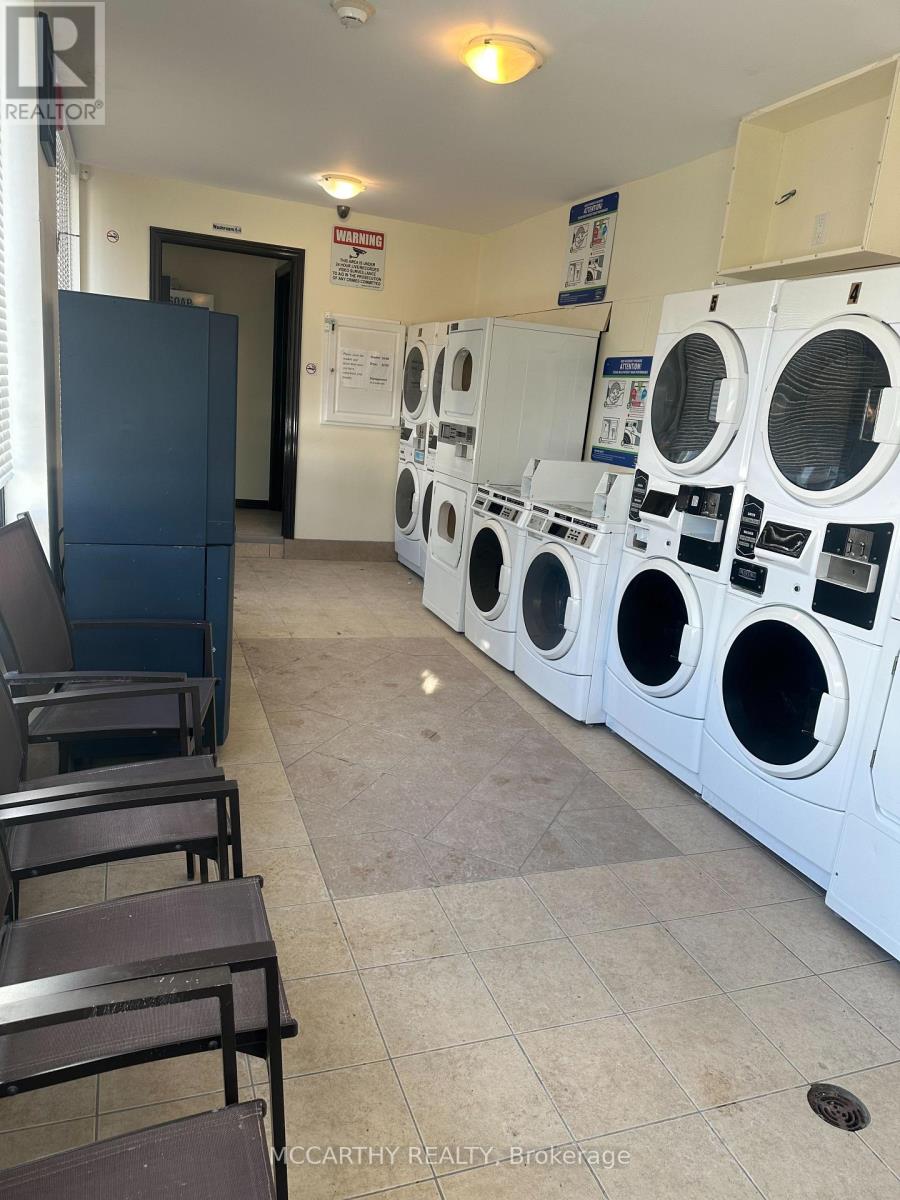
To succeed, you'll need to implement effective customer service strategies and stay attuned to market trends.
Coin Laundry for Sale: Business Industry Trends
The coin laundromat industry in Canada is evolving rapidly, with several key trends shaping its future. As a potential business buyer, you'll need to stay ahead of these developments to guarantee your investment remains profitable.
Laundromat technology is advancing, offering opportunities for increased efficiency and customer retention. To capitalize on these trends, consider implementing the following:
- Mobile payment systems for cashless transactions.
- Smart machines with remote monitoring capabilities.
- Energy-efficient appliances to reduce utility costs.
- Online booking and loyalty programs to enhance customer experience.
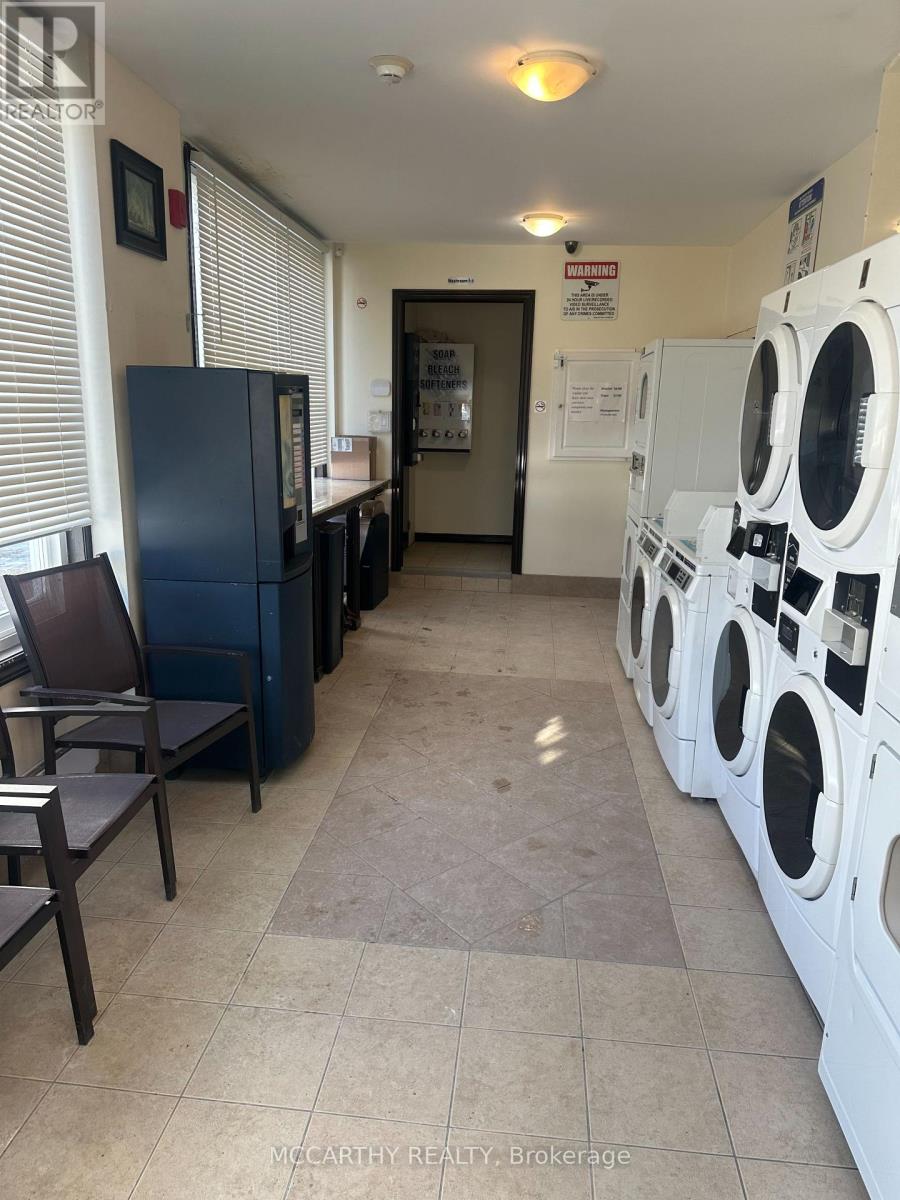
- Creation of more aesthetically pleasing multipurpose spaces.
Engage a Business Broker, Lawyer, Accountant, and Lender
Assembling a team of professionals is crucial when buying a laundromat in Canada. To handle the complicated process and stay informed about business trends, you'll need expert guidance:
- A business broker to help you find suitable opportunities and negotiate deals.
- A lawyer will guarantee legal compliance and protect your interests during the transaction.
- An accountant can assess the financial health of potential acquisitions and advise on tax implications.
- A lender will explain financing options and help secure necessary funds.
| Professional | Role |
| Business Broker | Find opportunities, negotiate deals |
| lawyer | Legal compliance, contract review |
| Accountant | Financial assessment, tax advice |
| Lender | Financing options, fund acquisition |
| Industry Expert | Market insights, operational guidance |
Identify a Coin Laundromat Acquisition Target and Meet with the Seller
Begin by searching online business listings, consulting commercial real estate agents, and networking within the industry.
When you've narrowed down your options, arrange meetings with the sellers to discuss their motives for selling and gather more detailed information.
During these meetings, inquire about laundromat financing options and explore the possibility of some seller financing.
Be prepared to sign non-disclosure agreements and present yourself as a serious, qualified buyer.
Conduct "Pre-Offer" Due Diligence on your Profitable Laundromat Acquisition Target
You'll need to analyze historical financial statements, review the premises lease and real estate title, and inspect a detailed asset list to gain an all-encompassing understanding of the business's financial health and physical condition.
Additionally, it's important to budget for acquisition and post-completion costs, as well as obtain a professional laundromat business valuation to determine a fair purchase price and identify any potential risks or opportunities.
Analyze Historical Financial Statements
You'll want to review at least three years of financial data, focusing on key financial ratios and cash flow trends. This analysis will provide insights into the business's profitability, efficiency, and overall financial health.
|
Financial Statement |
Key Metrics | Importance |
| Income Statement | Revenue | High |
| Income Statement | Expenses | High |
| Balance Sheet | Assets | Medium |
| Balance Sheet | Liabilities | Medium |
| Cash Flow Statement | Operating Cash Flow | High |
Review the Premises Lease and Real Estate Title
Pay close attention to lease terms, renewal options, and any restrictions that might limit your ability to upgrade equipment or expand services.
Additionally, conducting property inspections allows you to assess the condition of the building and identify any necessary repairs or improvements.
This information is critical for negotiating a fair purchase price and budgeting for future expenses.
Moreover, reviewing the real estate title helps verify the seller's legal ownership and uncovers any liens or encumbrances that could complicate the transaction.
Review and Inspect a Detailed Asset List
By meticulously examining the laundromat's assets, you'll gain a clear understanding of the business's true worth and potential for future growth.
|
Asset Type |
Considerations | Importance |
| Washers | Age, capacity, efficiency | High |
| Dryers | Energy consumption, speed | High |
| Auxiliary | Vending machines, folding tables | Medium |
As you assess each item on the list, consider its age, condition, and remaining useful life, and pay close attention to asset maintenance records.
Pay special attention to high-value equipment, such as commercial washers and dryers, as these form the backbone of your laundromat's operations.
Budget for Acquisition and Post-Completion Costs
To guarantee an all-encompassing financial plan, allocate funds for:
- Immediate equipment upgrades or replacements.
- Marketing initiatives to attract new customers.
- Staff training and retention programs.
- Unforeseen repairs or maintenance issues.
Obtain a Professional Laundromat for Sale Business Valuation
Before making an offer on a laundromat for sale in vancouver bc, you'll need to determine its true value. Engage a professional business appraiser or business broker who specializes in laundromat valuations to conduct a thorough assessment.
They'll employ various valuation methods, including income-based approaches using EBITDA (earnings before interest, taxes, and amortization) or SDC (seller’s discretionary cash) multiples, asset-based calculations, and market comparisons.
Keep in mind, business appraisals are a combination of science and art, necessitating professional judgment to balance various valuation methods.
Prepare a Conditional Offer to Purchase or a Letter of Intent (LOI) Agreement.
Your business broker will prepare your offer employing either a conditional purchase agreement or a letter of intent agreement.
An agreement prepared by your business broker will typically have no cost to you, whereas your lawyer preparing the offer will cost you a few thousand dollars.
Asset Sale vs. Share Sale Considerations
Typically, when buying a laundromat in Canada, you'll need to decide between an asset sale or a share sale. This choice greatly impacts the transaction's structure, asset valuation, and legal implications.
To make an informed decision, consider the following key differences:
| Aspect | Asset Sale | Share Sale |
| Liability | Limited to acquired assets | Includes all liabilities |
| Tax implications | Potentially lower for the buyer. | May offer tax benefits to seller |
| Complexity | Generally simpler | More complex due to due diligence |
| Control | Full control over acquired assets | Inherit existing business structure |
| Contracts | May require renegotiation | Usually remain intact |
Understanding these distinctions is essential for protecting your interests and maximizing the potential of your investment. While asset sales often provide more flexibility and lower risk for buyers, share sales can offer continuity and potential tax advantages.
Carefully weigh these factors against your business objectives and risk tolerance before proceeding with your laundromat acquisition.
Request Some Partial Seller Financing
Consider requesting partial seller financing as part of your overall financing options. This approach can be beneficial for both parties, potentially reducing your upfront capital requirements while demonstrating the seller's confidence in the business's future performance.
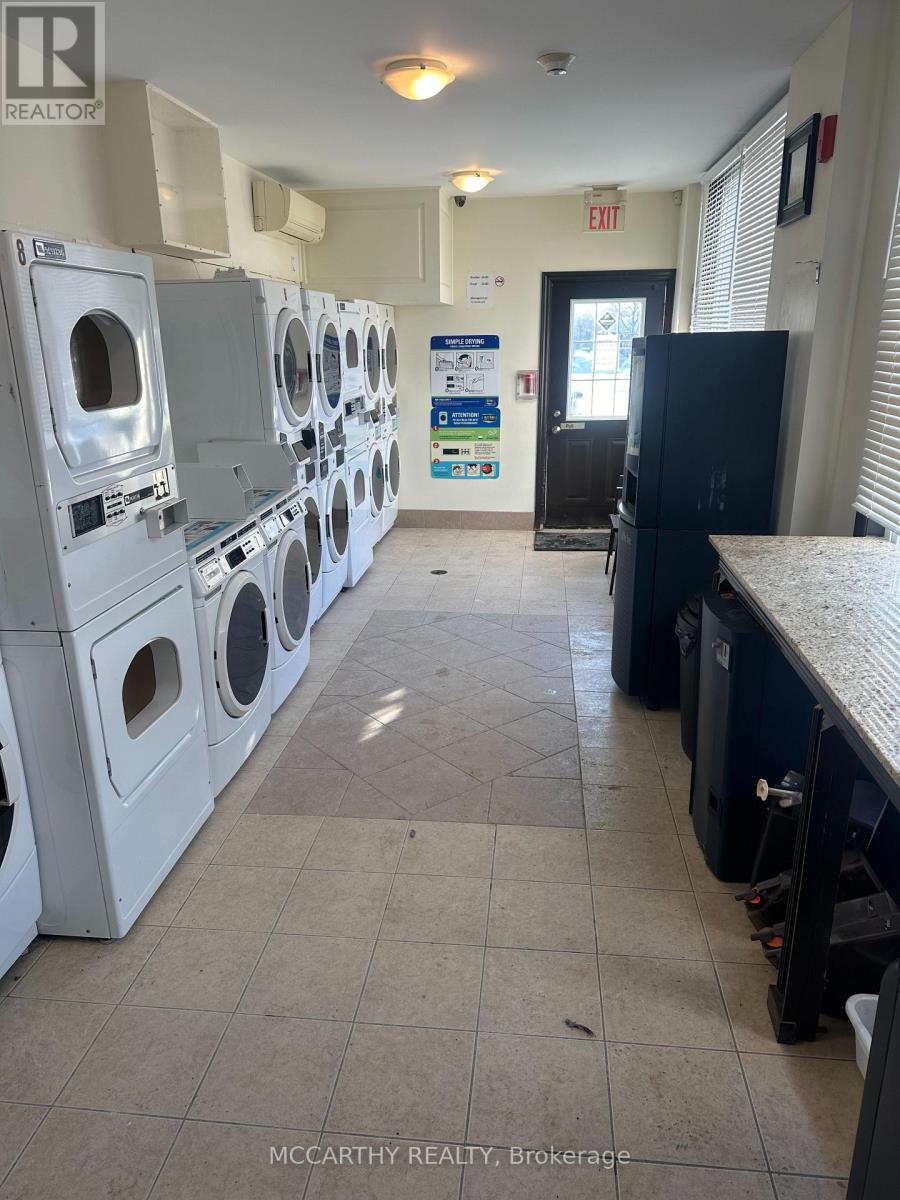
When preparing your Conditional Offer to purchase or Letter of Intent agreement (LOI), clearly outline the proposed terms of seller financing, including the amount, interest rate, repayment schedule, and any collateral requirements.
Be prepared to justify your request by highlighting how it aligns with the laundromat's projected cash flow and your ability to service the debt.
Inspecting the Laundromats' Operating Licenses & Permits
This critical step guarantees compliance with local operating regulations and permit requirements, safeguarding your investment.
To conduct a thorough review:
- Request copies of the current license and occupancy permit from the seller.
- Fire safety inspection certificate.
- Environmental compliance approval.
- Verify the validity and expiration dates with the relevant authorities.
- Assess any outstanding violations or non-compliance issues.
- Determine if licenses and permits are transferable to new ownership.
Create a Detailed Business Plan for Financing Your Coin Laundromat Acquisition
Your plan should thoroughly outline your vision, market research, and projected financials. This extensive document woguide your business strategy and demonstrate to potential lenders that you've done your due diligence.
When crafting your plan, consider various financing options, including traditional bank loans and private investors. To strengthen your case, include:
- Detailed market analysis of the local area.
- Projected cash flow statements for at least three years.
- Thorough breakdown of startup costs and ongoing expenses.
- Marketing strategy to attract and retain customers.
A well-prepared business plan will greatly increase your chances of obtaining the necessary funding, allowing you to take control of your entrepreneurial journey in the laundromat business.
Close the Deal!
With your financing options secured and equipment selection finalized, it's time to seal the deal.
Review all documents meticulously, ensuring every detail aligns with your negotiated terms. Just a few clicks will transform you from an aspiring entrepreneur into a laundromat owner.
This pivotal moment marks the beginning of your journey towards financial independence and business ownership in Canada's thriving laundromat industry.
Final Thoughts
As you commence your journey to buy a laundromat in Canada, remember that knowledge is power. You've laid the groundwork by understanding the market, evaluating financials, and maneuvering through regulations.
It's now time to embark on this exciting journey. Following the key steps outlined in this guide will equip you to make an informed decision and potentially embark on a rewarding business venture that could provide steady income for years to come.
Buyer's Guide:
Buying a Laundromat in Canada: What to Know Before You Make an Offer
A laundromat can be a steady, semi-passive business, but the listing price tells you little on its own. The value lies in four things: earnings, equipment, lease, and location. Here's how to assess each one.
Most laundromats on this page are sold as a business in a leased unit. You buy the machines, fixtures, payment system, and goodwill, and take over the lease. A smaller number include the building, which raises the price but removes lease risk.
How are laundromats valued?
Small laundromats are usually priced on earnings, not revenue. Ask for the seller's discretionary earnings (SDE): net profit plus the owner's salary and any one-time or non-cash expenses. The asking price should make sense as a multiple of that figure.
Three factors move the multiple up or down:
- Equipment age. Newer, high-efficiency machines justify a higher price. A store full of ageing machines means a large replacement bill soon after you buy.
- Revenue mix. Self-serve income is the core. Wash-and-fold, dry-cleaning drop-off, and commercial accounts (restaurants, salons, gyms) add margin but often need staff.
- Labour model. An unattended store incurs lower costs but faces greater exposure to vandalism and machine downtime. An attended store costs more to run but can sell more services.
Verifying the revenue
Laundromats have historically been cash businesses, so claimed income needs checking. Ask for at least two to three years of financial statements and tax returns, plus reports from any card or app payment system.
The most useful check is the water bill. Every wash uses a predictable amount of water, so water consumption should line up with the number of washes the seller's revenue implies. If revenue looks high but water use looks low, ask why.
Review gas and electricity bills too. Dryers and water heaters are the biggest utility costs, and rising rates can squeeze margins.
Inspecting the equipment
Ask for a list of every machine with its make, model, capacity, and purchase year. Request maintenance records and note any machines out of service. Have a commercial laundry technician inspect the equipment, and factor any near-term replacements into your offer.
Reviewing the lease
For a business-only purchase, the lease can matter as much as the price. Lenders often want the remaining term, including renewals, to cover the loan period.
Check these clauses before you commit:
- Remaining term and renewal options, including how rent is set on renewal.
- Assignment clause. Most leases need the landlord's consent to transfer to you.
- Rent escalations over the term.
- Exclusivity clause that stops the landlord renting nearby space to a competing laundromat.
- Demolition or relocation clause, which can let the landlord end the lease early if the site is redeveloped.
Judging the location
The best locations have many renters in buildings without in-suite laundry. Look at nearby apartment density, parking, visibility from the street, and how far the nearest competing laundromat is. Visit at different times of day and on weekends to see real traffic.
Permits and environmental checks
Confirm what municipal business licences are needed and whether they transfer. Some municipalities also have sewer-use bylaws that set rules for wastewater and lint discharge.
If the property has ever housed on-site dry cleaning, ask about environmental testing. Older dry-cleaning solvents can contaminate soil, and lenders often require a Phase I Environmental Site Assessment when real estate is included.
Financing and tax
Many buyers finance through a bank, sometimes under the federal Canada Small Business Financing Program, which can help with equipment and other eligible costs. Sellers sometimes agree to vendor take-back financing, where they carry part of the price as a loan.
An asset purchase can attract GST/HST. When both parties are GST/HST registrants, and the buyer acquires all or substantially all of the business assets, they can often file a section 167 election so no tax is charged on the sale. Confirm current program limits and tax treatment with your lender and accountant.
Frequently Asked Questions:
How much does a laundromat cost in Canada?
Asking prices on this page currently range from $85,000 to $5,800,000, with a median of $235,000. Price depends mostly on earnings, equipment age, lease terms, and whether the building is included.
Are laundromats profitable?
Many are, but profit varies widely by location, equipment, and utility costs. Judge each listing on its verified earnings, not its revenue. Check financial statements, tax returns, and utility bills before making an offer.
Do I need experience to run a laundromat?
No, many owners come from other careers. The core work is managing maintenance, cleanliness, cash collection, and customer issues. Basic mechanical knowledge, or a reliable technician, helps keep machines running.
What's the difference between buying the business and buying the property?
Buying the business gets you the equipment, goodwill, and the existing lease. Buying the property as well includes the building, so you're not exposed to lease renewals or rent increases. Property listings cost more and usually need a larger down payment.
How can I check a laundromat's real income?
Ask for two to three years of financial statements and tax returns, plus card-payment reports. Then compare water bills to claimed revenue, since water use should track the number of washes. A large gap between the two is a red flag.
Is GST/HST charged when you buy a laundromat?
It can be, on an asset purchase. If both buyer and seller are GST/HST registrants and the buyer acquires all or substantially all of the business assets, they can often file a section 167 election so no tax is charged. Confirm with your accountant.
What licenses and permits are required to operate a laundromat in Canada?
You'll need to secure business registration and undergo health inspections to run your laundromat legally. Don't let bureaucracy hold you back—these requirements are straightforward. Get your paperwork in order, and you'll be free to operate.
How do Canadian regulations affect water usage and energy efficiency in laundromats?
A: You'll face strict water conservation regulations and energy efficiency requirements for laundromats in Canada. You're likely to need regular energy audits and may have to install water-saving devices. Don't let these constraints restrict you—innovate to stay compliant!
What are the typical lease terms for laundromat spaces in Canada?
You'll find laundromat lease terms vary widely in Canada. Negotiate hard for 5-10 year agreements with renewal options. Don't let landlords box you in—push for flexible rental agreements that give you room to adapt and grow your business.
How does seasonality impact the laundromat business in different Canadian provinces?
You'll notice winter demand spikes in colder provinces as people avoid hanging clothes outside. In the summer, business may dip slightly. But don't worry, laundromats stay steady year-round, giving you freedom from seasonal swings.
What insurance coverage is necessary for laundromat owners in Canada?
You're operating a risky business, but don't worry. You'll need liability insurance to protect against customer injuries and property insurance for your equipment. These safeguards give you the freedom to focus on growing your laundromat empire.
What are the main steps to opening a laundromat business in Canada?
To open a laundromat in Canada, start by researching the market, finding a suitable location with good foot traffic, securing financing or a business loan, purchasing or leasing equipment, obtaining necessary permits, and developing a business plan.
Consider whether you want to buy an existing laundromat or start a new one, and explore options for laundromats for sale across Toronto, Ontario, and other provinces.
How profitable is owning a coin laundry for sale in Canada?
The profit margin for a coin laundromat can vary, but many laundromats in Canada can be quite profitable. Your actual income will depend on factors such as location, competition, and operational efficiency. A successful laundromat can generate a steady passive income, with the average laundromat earning between $30,000 and $100,000 in annual revenue. However, it's important to thoroughly assess the financials of any laundromat for sale before making a purchase.
Should I consider a laundromat franchise or an independent business?
Both options have pros and cons. A laundromat franchise for sale can provide brand recognition, established systems, and support, but may have higher upfront costs and ongoing fees. An independent laundromat allows more flexibility and potentially higher profit margins, but you'll need to establish your brand and systems. Consider your experience, budget, and long-term goals when deciding between a franchise and an independent laundromat.
What equipment do I need to start a laundromat?
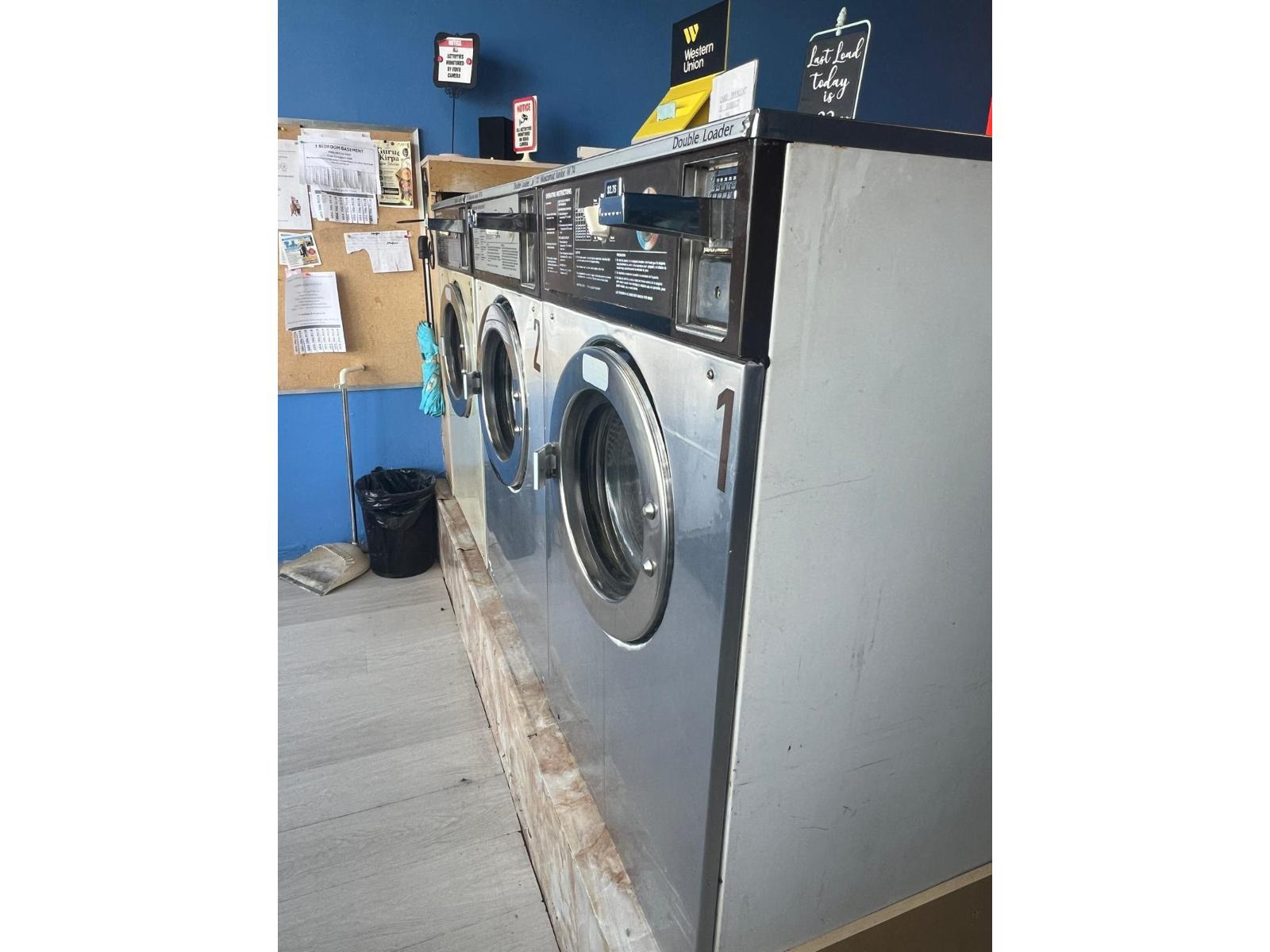
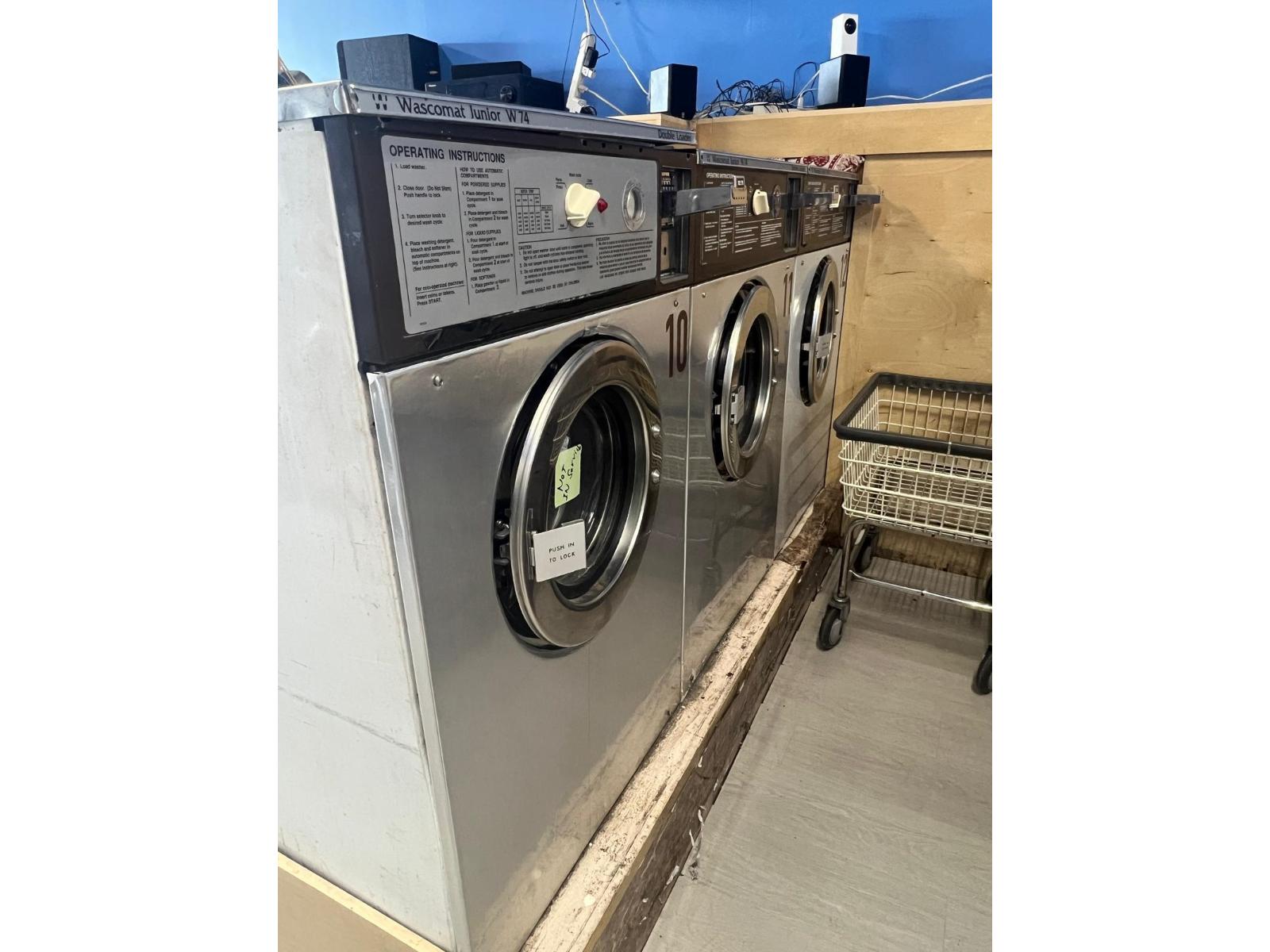
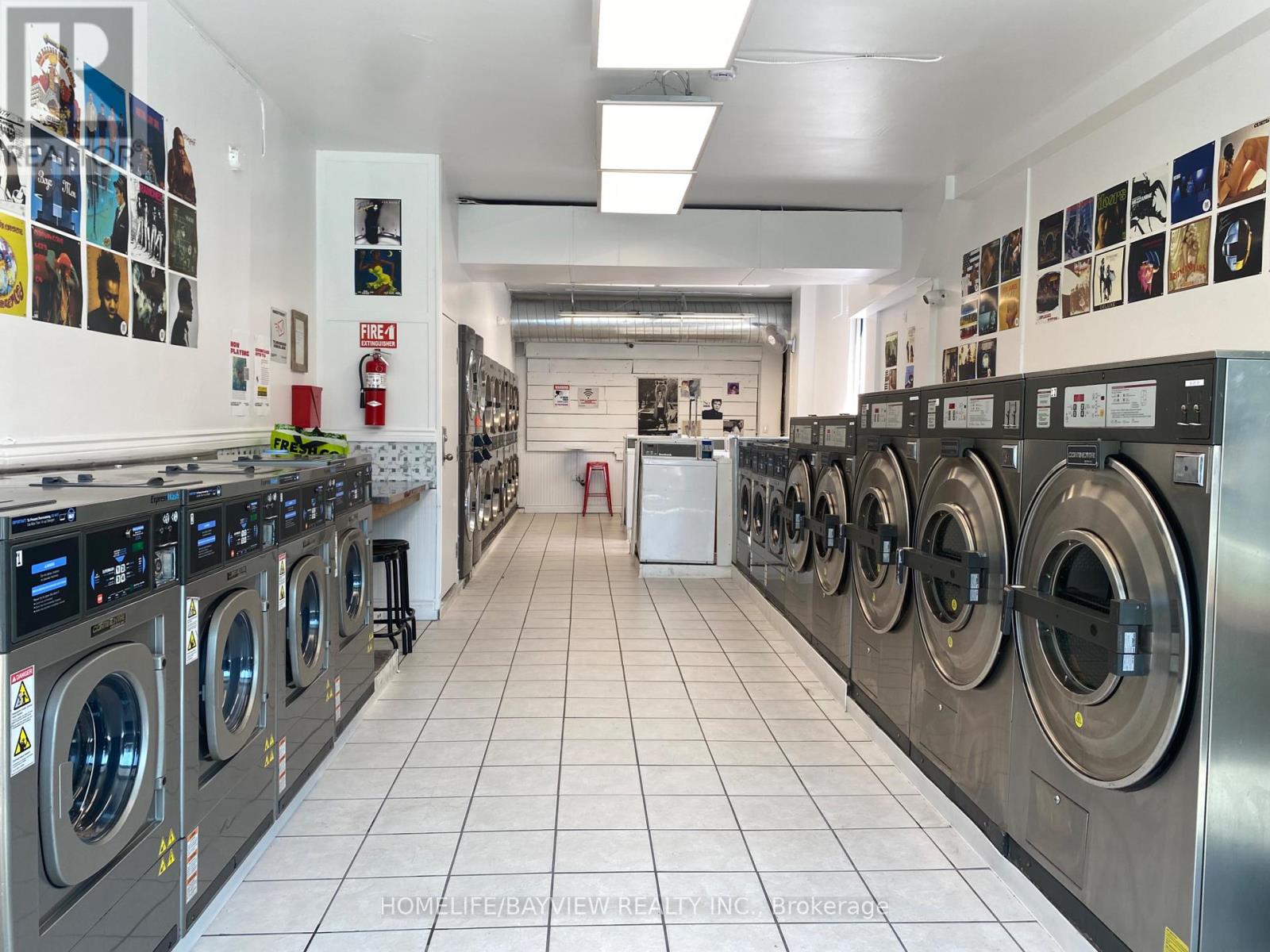
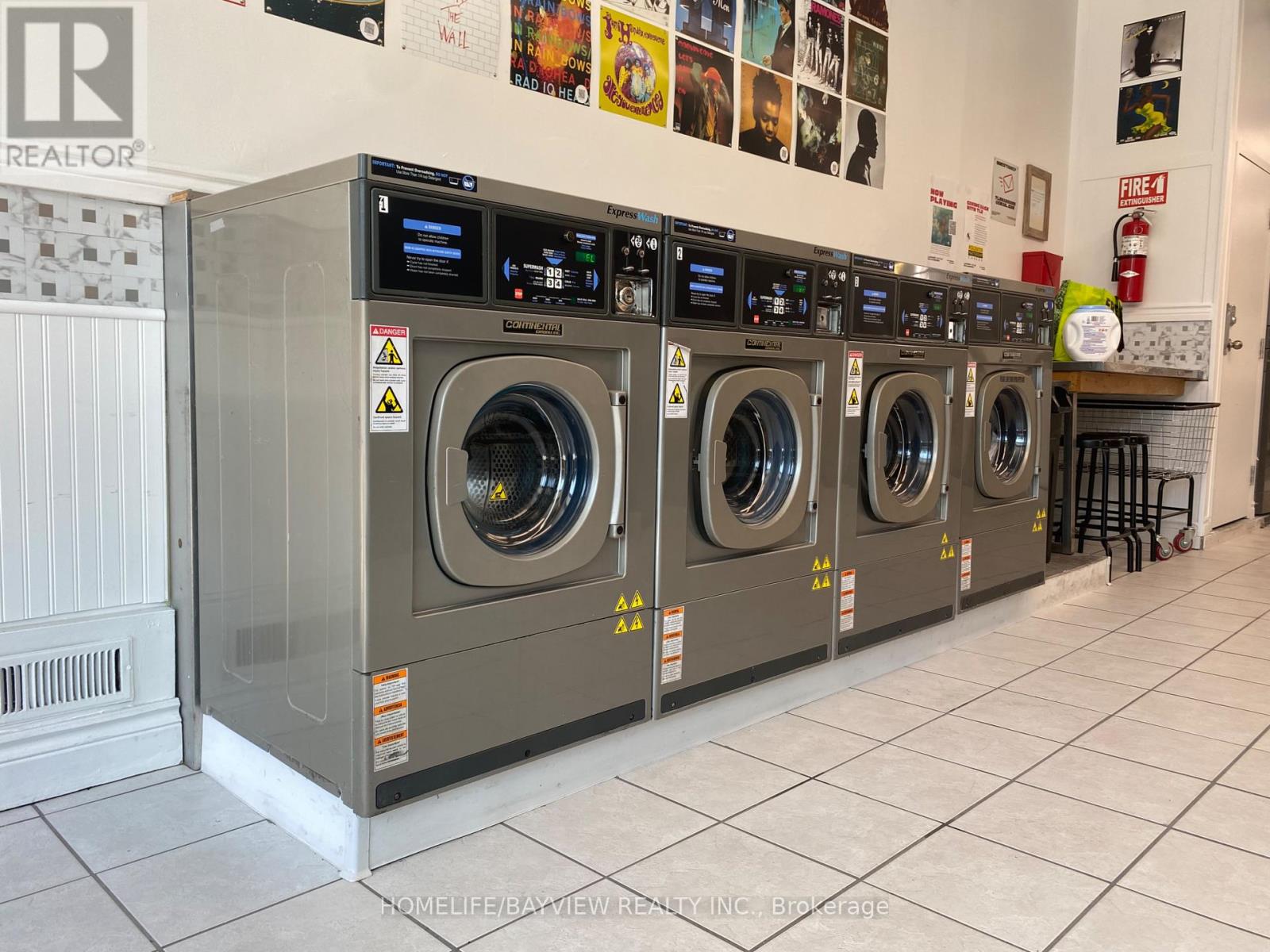
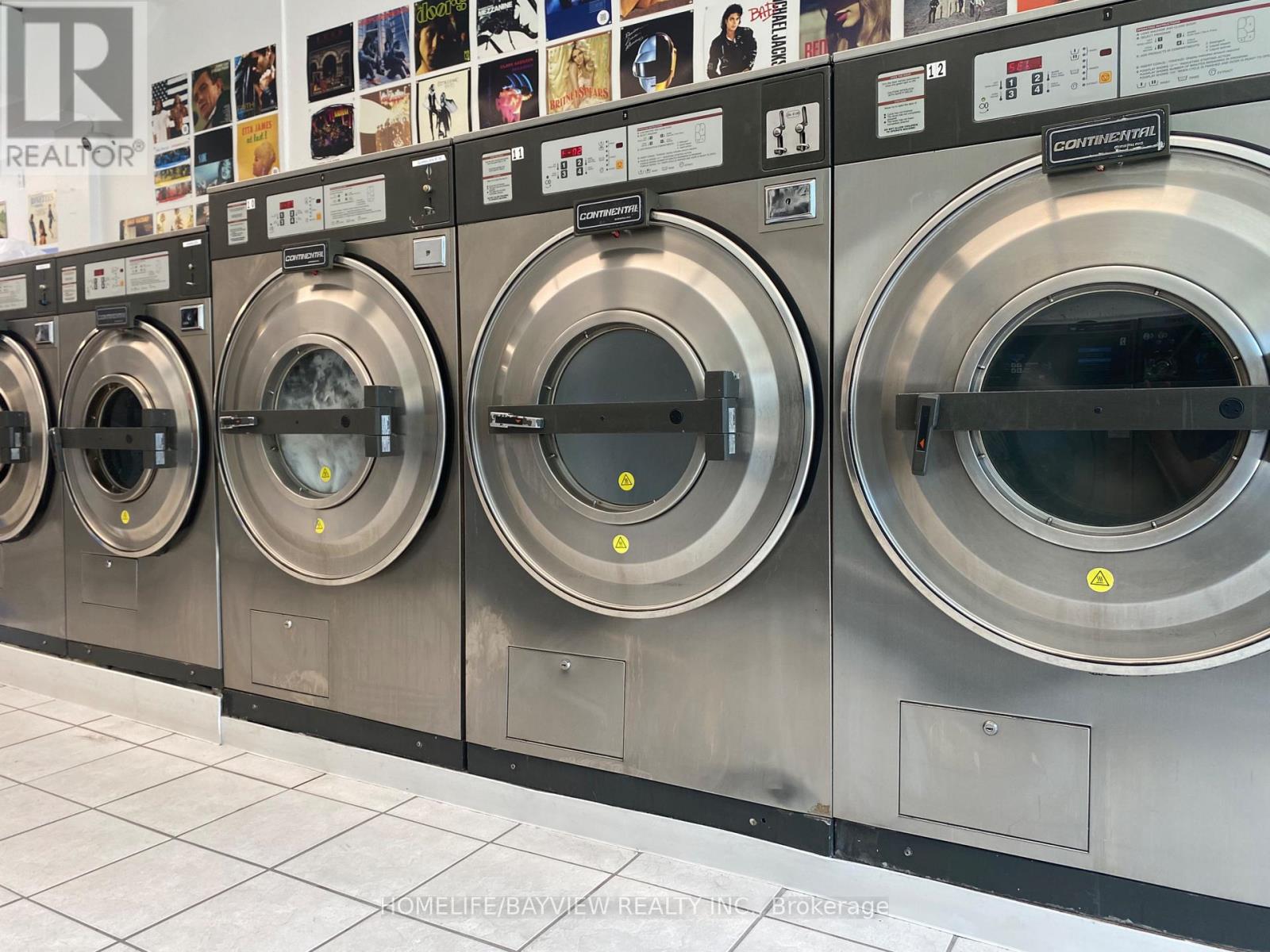
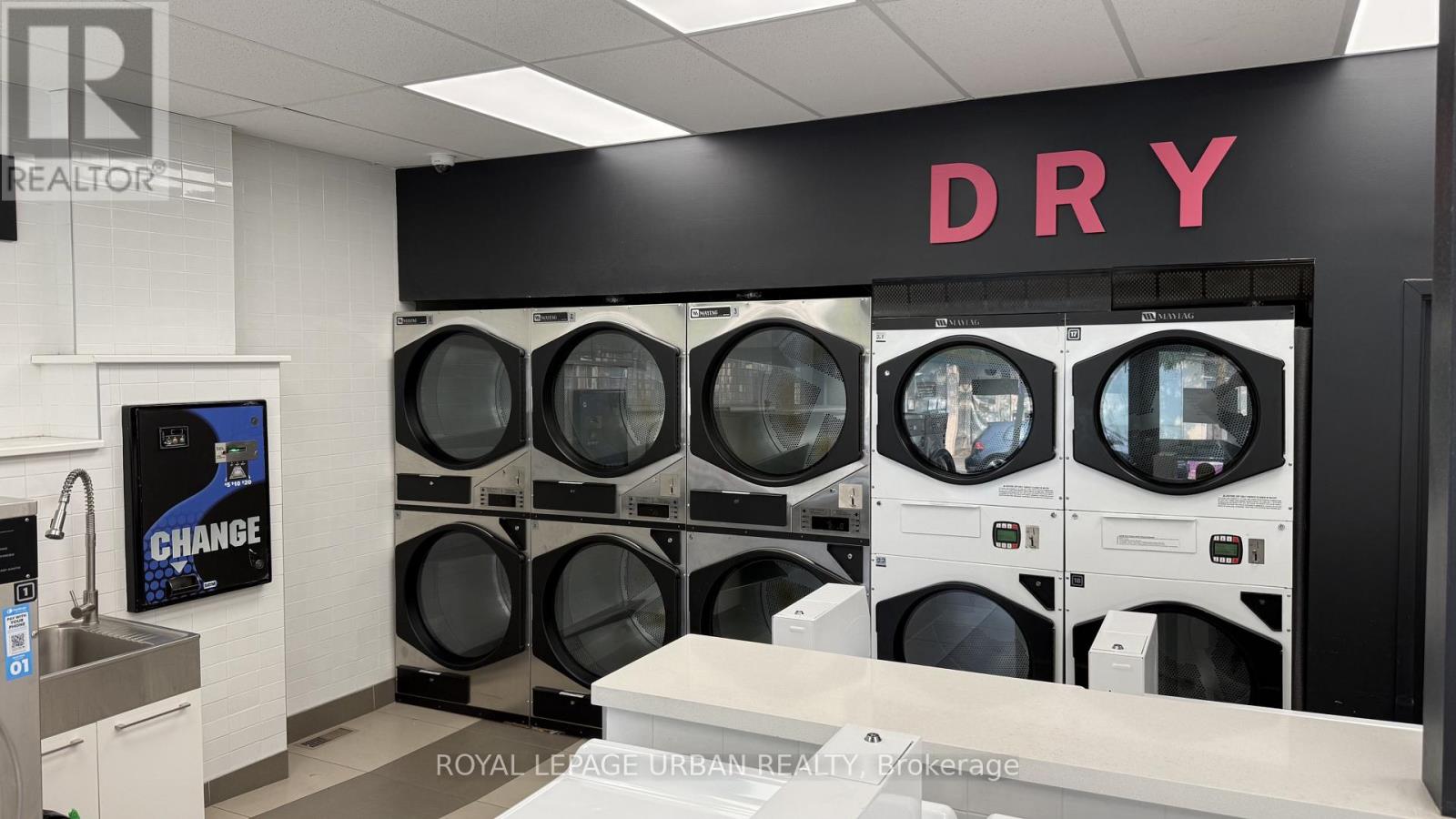
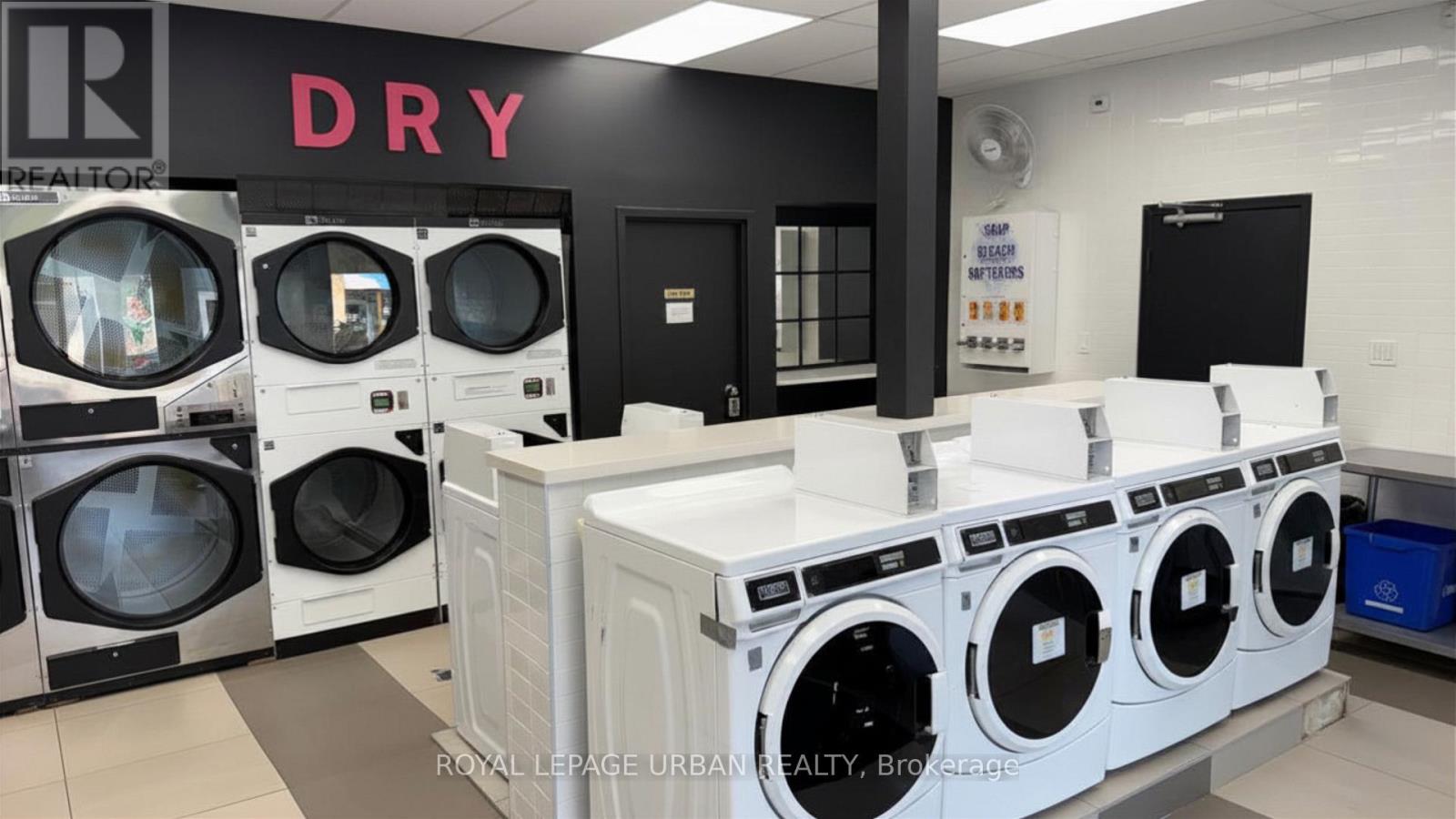
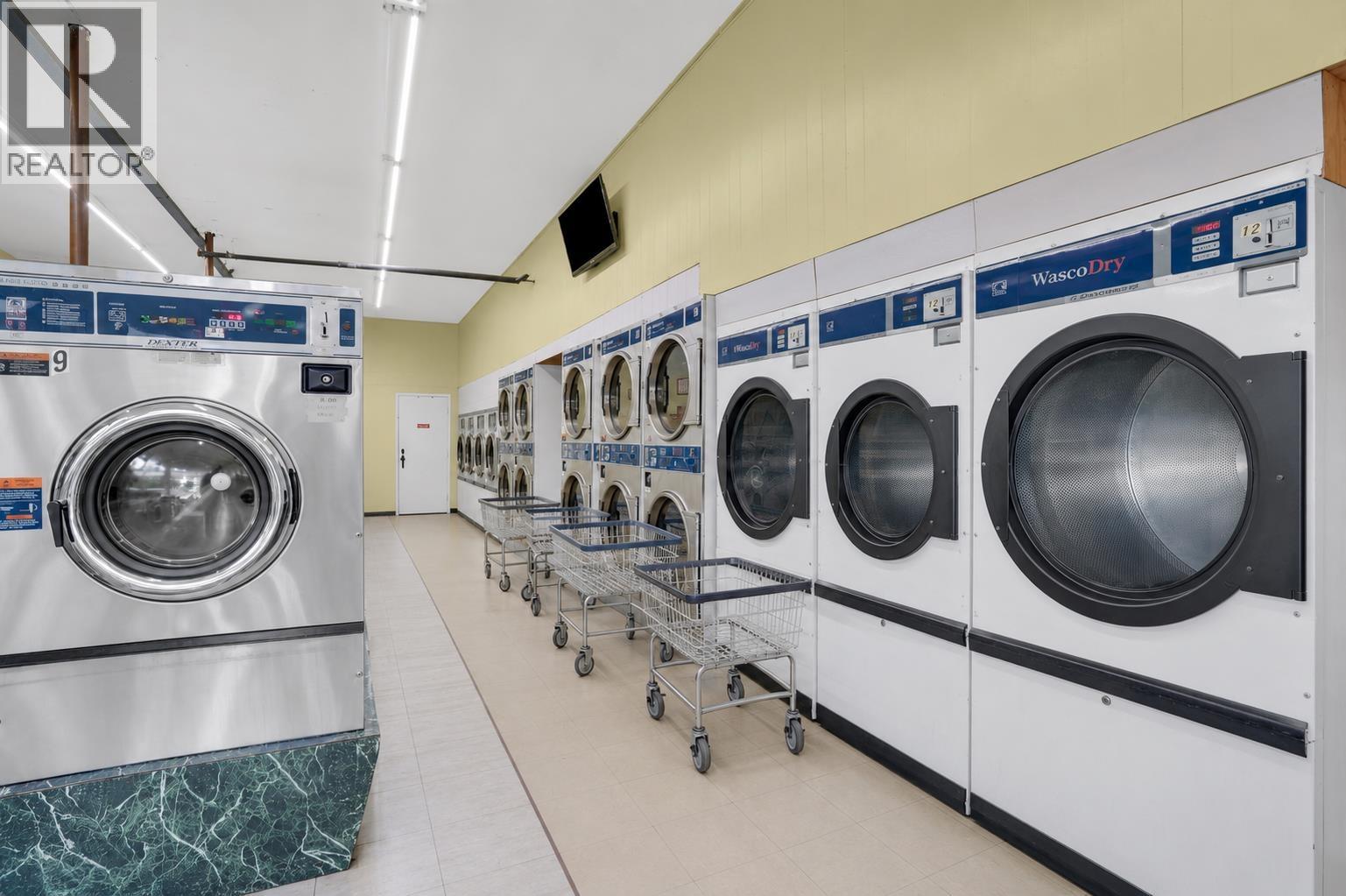
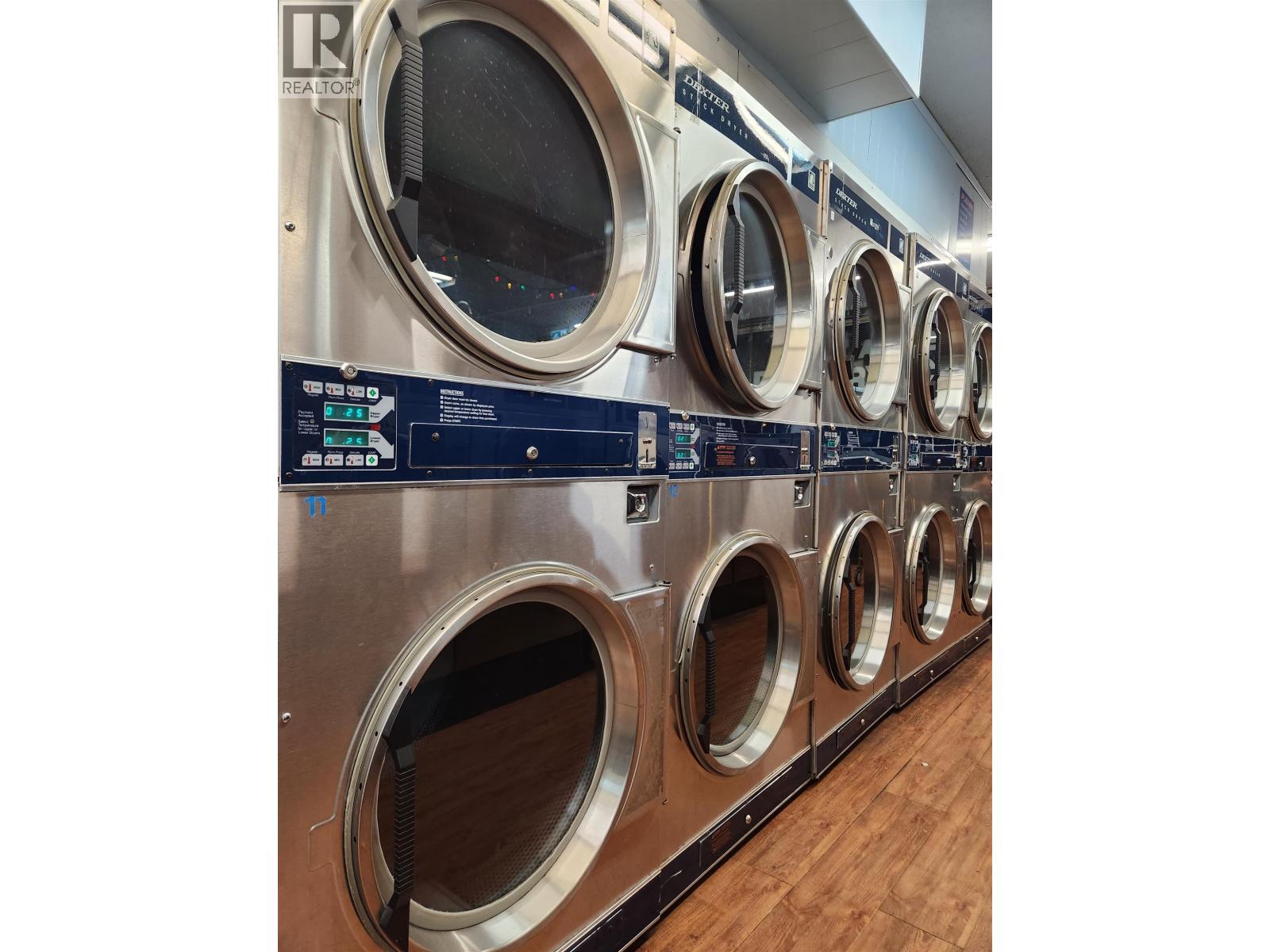
Essential equipment for a laundromat includes commercial washing machines and dryers in various sizes, change machines, seating areas, and folding tables. You may also need water heaters, ventilation systems, and security cameras. When buying an existing laundromat for sale, assess the condition of the current equipment and factor in any necessary upgrades or replacements in your budget.
How can I increase the profitability of my laundromat business?
To boost your laundromat's profitability, consider offering additional services such as wash and fold, dry cleaning, or delivery. Implement energy-efficient machines to reduce utility costs. Maintain a clean, safe environment to attract and retain customers. You can also explore unattended coin laundromat models to reduce labour costs. Regular maintenance of equipment and staying up-to-date with industry trends can help maximize your laundromat's gross income.
What should I look for when purchasing a laundromat?
When buying a laundromat for sale, thoroughly evaluate the location, current foot traffic, competition, and equipment condition. Review financial statements to understand the actual income and expenses. Assess the lease terms if the property is rented. C
Consider the potential for growth and any necessary renovations or equipment upgrades. It's also important to understand why the current owner is selling and to verify all claims about the business's performance.
How much does it cost to buy a laundromat in Canada?
The cost of buying a laundromat for sale in Canada can vary widely, typically ranging from $200,000 to $1,000,000 or more. Factors affecting the price include location, size, equipment condition, and profitability. A small, basic laundromat might be available for around $200,000, while a larger, well-established full-service laundromat in a prime location could cost over $1,000,000. Always conduct due diligence and consider hiring a business appraiser to ensure a fair price.
What are the key factors in running a successful laundromat?
To run a successful laundromat, focus on location, maintaining clean and functional equipment, providing excellent customer service, and efficient operations. Implement a successful marketing strategy to attract customers, and consider offering additional services like wash-and-fold or dry cleaning. Stay on top of maintenance to avoid downtime, and regularly update your machines to stay competitive. Building relationships with local businesses and apartment complexes can also help drive steady business to your laundromat.
Are there any specific regulations for operating a laundromat in Canada?
While regulations can vary by province and municipality, generally, you'll need to comply with local zoning laws, obtain a business license, and meet health and safety standards. You may also need permits for water usage and waste management. Some areas might require specific certifications for handling certain chemicals used in dry cleaning. It's important to check with local authorities and possibly consult with a lawyer familiar with laundromat regulations in your area to ensure full compliance.