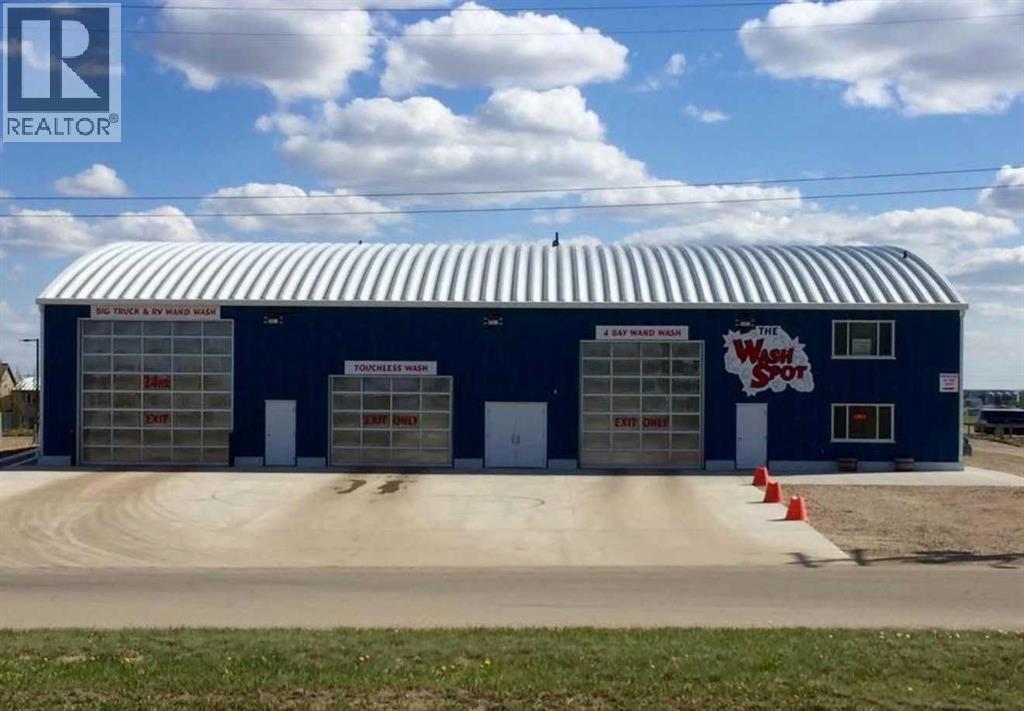
Preparing a Seller Training & Transition Plan
During the negotiation phase, you'll want to specify the duration and scope of seller training, typically ranging from two weeks to three months, depending on your experience level and the complexity of operations.
Your transition planning should address key operational aspects, including staff management, equipment maintenance procedures, supplier relationships, and customer service protocols.
Request detailed documentation of daily operations, seasonal maintenance schedules, and vendor contracts.
Additionally, guarantee the agreement includes provisions for the seller's availability post-sale for consultation on critical issues.
Create a Business Plan for Financing your Car Wash Acquisition
Securing financing for a car wash acquisition requires a thorough business plan that demonstrates the venture's viability to potential lenders.
Your plan should include detailed cash flow projections, market analysis, and operational strategies that highlight the business's potential for sustainable growth.
When exploring financing options, you'll need to present extensive documentation of the existing car wash's performance and your improvement plans.
Consider working with a business broker or financial advisor who specializes in car wash acquisitions to strengthen your business plan and identify suitable lending partners for your specific situation.
Buying a Car Wash in Canada: What to Know Before You Make an Offer
A car wash can produce strong cash flow with a small staff, but no two are alike. The type of wash, the equipment, the site, and the local weather all shape what a business is worth. Here's how to assess a car wash before you commit.
Know the type of car wash
Each format has different costs, staffing, and revenue potential:
- Self-serve bays. Customers wash their own vehicles with wands and brushes. Low labour and simple equipment, but revenue per car is lower.
- In-bay automatic. The vehicle stays still while equipment moves around it, either touchless (high-pressure water and chemicals) or soft-touch (cloth or foam brushes). Often paired with self-serve bays or a gas station.
- Tunnel wash. A conveyor pulls vehicles through a series of stations. High volume and well suited to monthly memberships, but expensive equipment and more land.
- Full-service and detailing. Staff clean interiors and exteriors. Higher prices per car, but much higher labour costs.
Many sites combine formats, such as self-serve bays alongside one or two automatics. Check which mix each listing has before comparing prices.
Business only or business with property?
Car washes are more often sold with the land and building than many other small businesses, because the site is built specifically for washing. Listings with real estate cost more but remove lease risk and include an asset that may hold its value.
When land is included, separate the price into the property value and the business value. That shows whether you're paying for strong earnings or mainly for the real estate.
How car washes are valued
Smaller washes are usually priced on seller's discretionary earnings (SDE): net profit plus the owner's salary and any one-time or non-cash expenses. Larger operations are more often valued on EBITDA. Equipment condition, recurring membership revenue, and the strength of the location all move the price.
Seasonality and weather
In Canada, winter road salt drives demand, and busy days often follow snowfall and thaws. Long stretches of rain or extreme cold can slow business.
Ask for monthly revenue for at least three years. That shows how the wash performs across mild and harsh winters, and keeps you from judging it on one unusual season.
Memberships and recurring revenue
Many washes sell unlimited monthly plans. A healthy membership base gives predictable income and raises the business's value.
Ask for the number of active members, the monthly price, how many cancel each month, and how membership has changed over the past year. Check that members are billed through a system you'll be able to take over.
Verifying the revenue
Request financial statements and tax returns for at least three years, plus reports from the pay stations, wash controllers and card processor. Controllers on automatics and tunnels count cars, which you can compare with revenue.
Water and chemical bills are useful cross-checks, since both rise with wash volume. If claimed revenue grew but water use didn't, ask why.
Inspecting the equipment
Get a list of all major equipment with its age and service history: wash systems, conveyors, dryers, pay stations, boilers and water heaters, and any water reclaim system. Pay attention to winter features like heated floors, in-ground heat and freeze protection, which are costly to repair.
Have a car wash equipment technician inspect the site. Factor any near-term replacements into your offer.
Environmental and zoning checks
Car washes discharge water that contains soap, oil and grit, so most connect to municipal sewers through separators or interceptors that need regular cleaning. Ask for maintenance records and confirm the site meets local sewer-use bylaws.
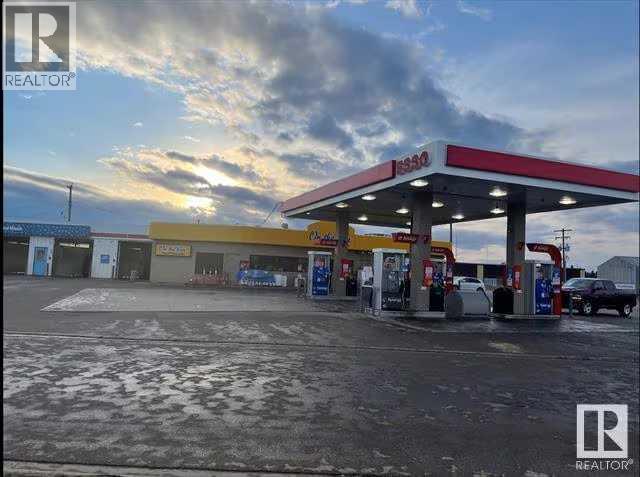
Many car washes sit on or beside current or former gas stations. If the property is included, a Phase I Environmental Site Assessment is strongly recommended, and lenders often require one. Fuel equipment on site is also regulated provincially.
Check the zoning before planning any changes, such as adding a tunnel or more bays. Also look up nearby development or planning applications: a new express tunnel opening close by is one of the biggest risks to an existing wash.
Financing and tax
Common options include commercial mortgages when land is included, bank loans (sometimes under the federal Canada Small Business Financing Program), BDC financing and vendor take-back financing from the seller.
GST/HST can apply to the purchase of business assets and commercial property. When both parties are registrants, and the buyer acquires all or substantially all of the business assets, a section 167 election can often remove tax on the business assets. Land transfer tax or registration fees may also apply when property changes hands, depending on the province. Confirm the details with your accountant and lawyer.