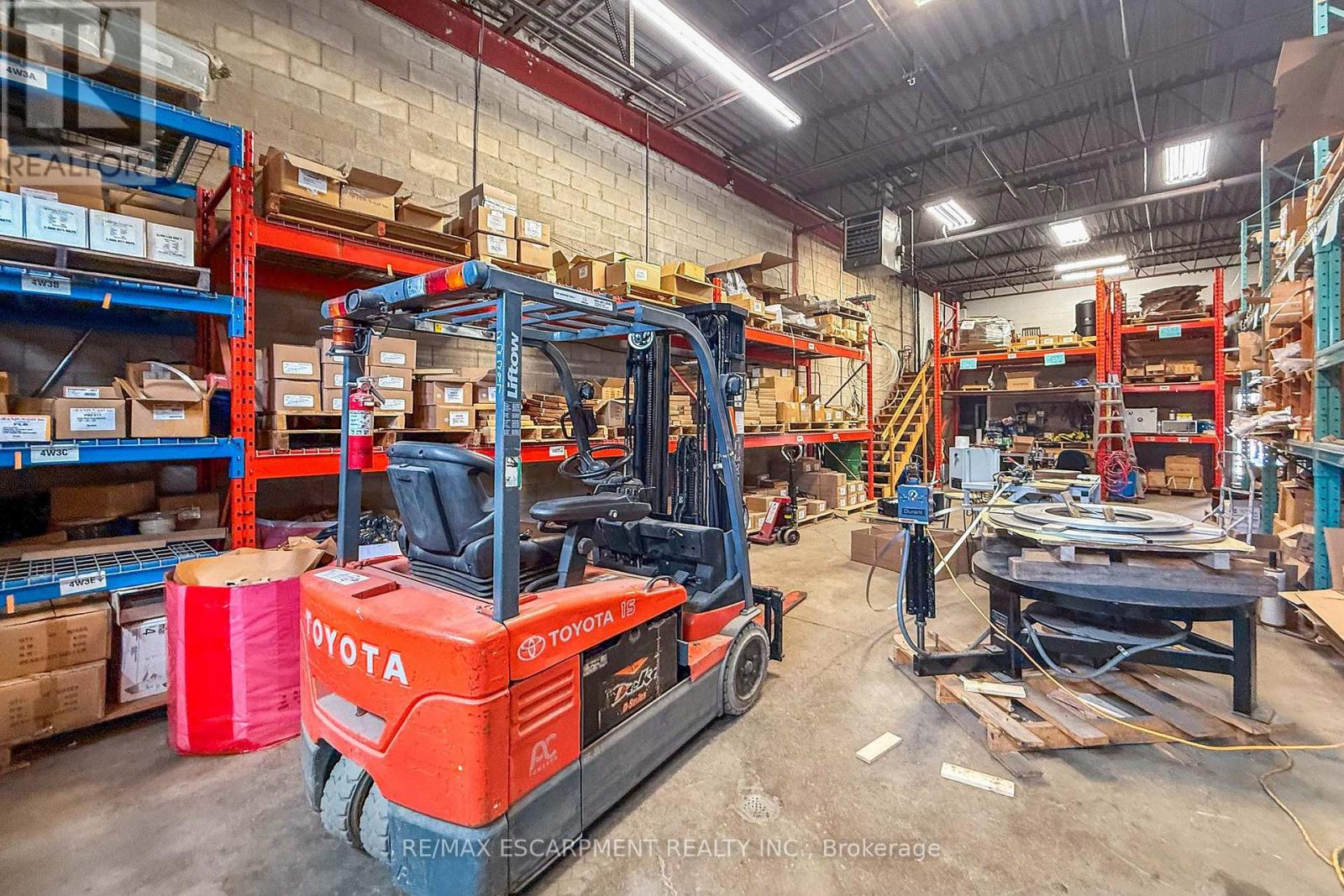
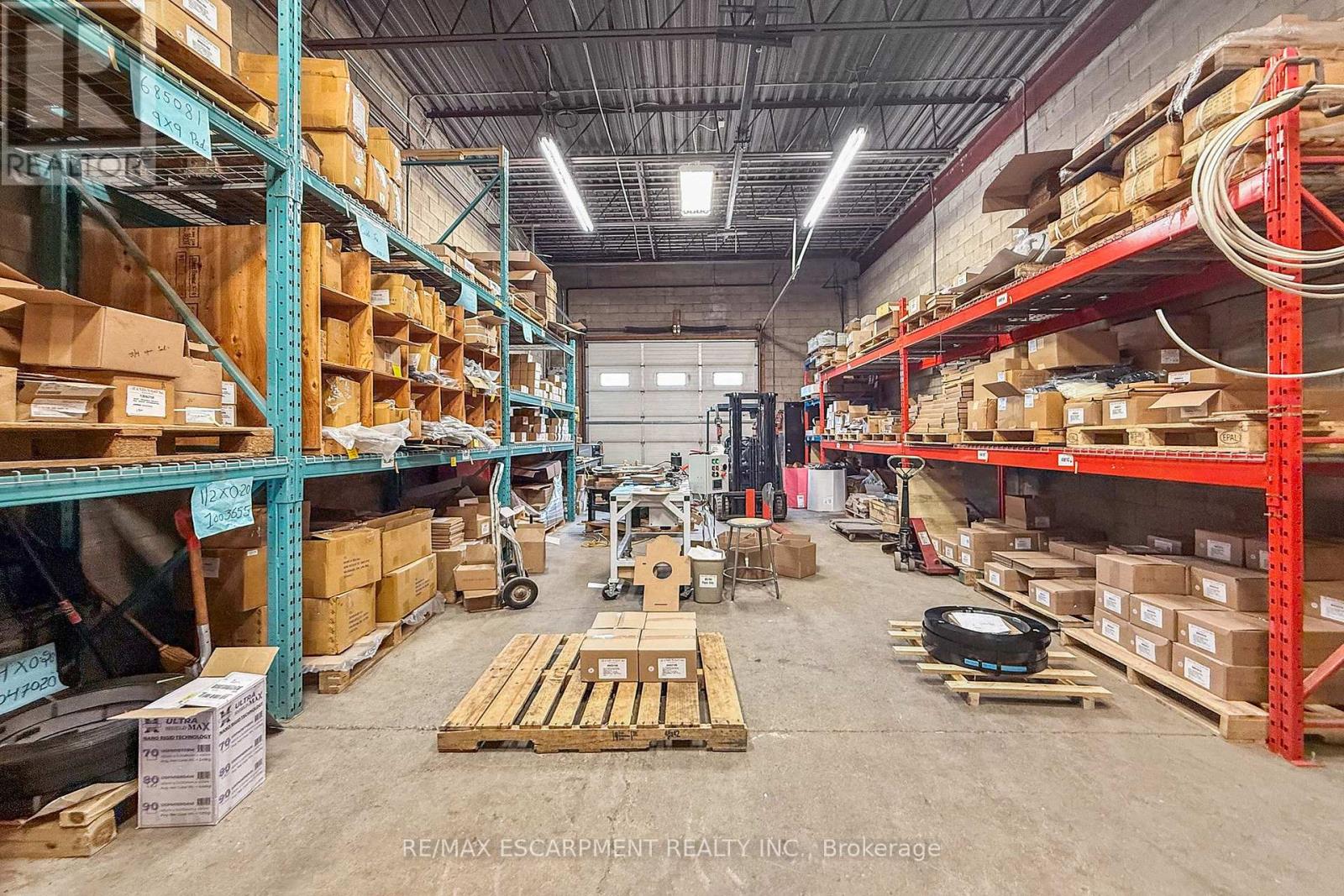
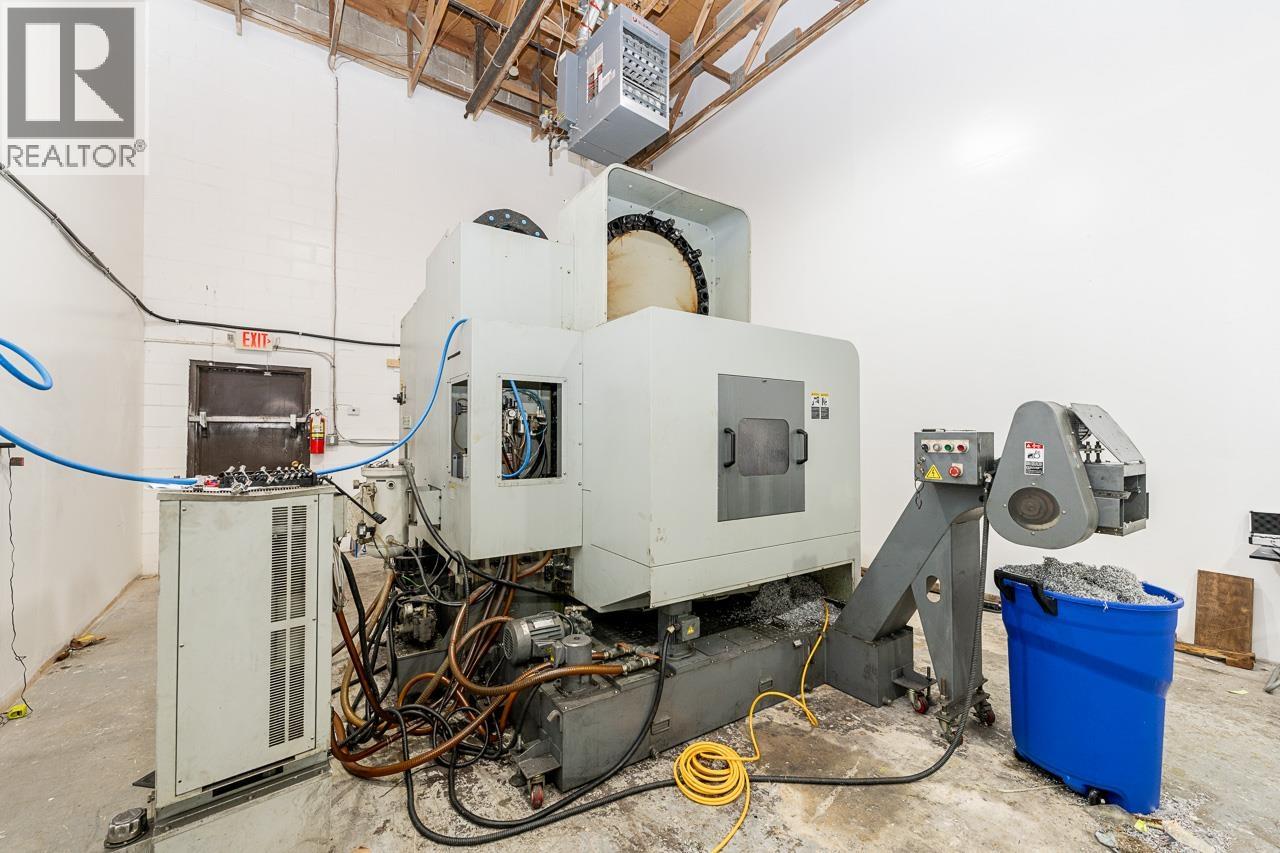
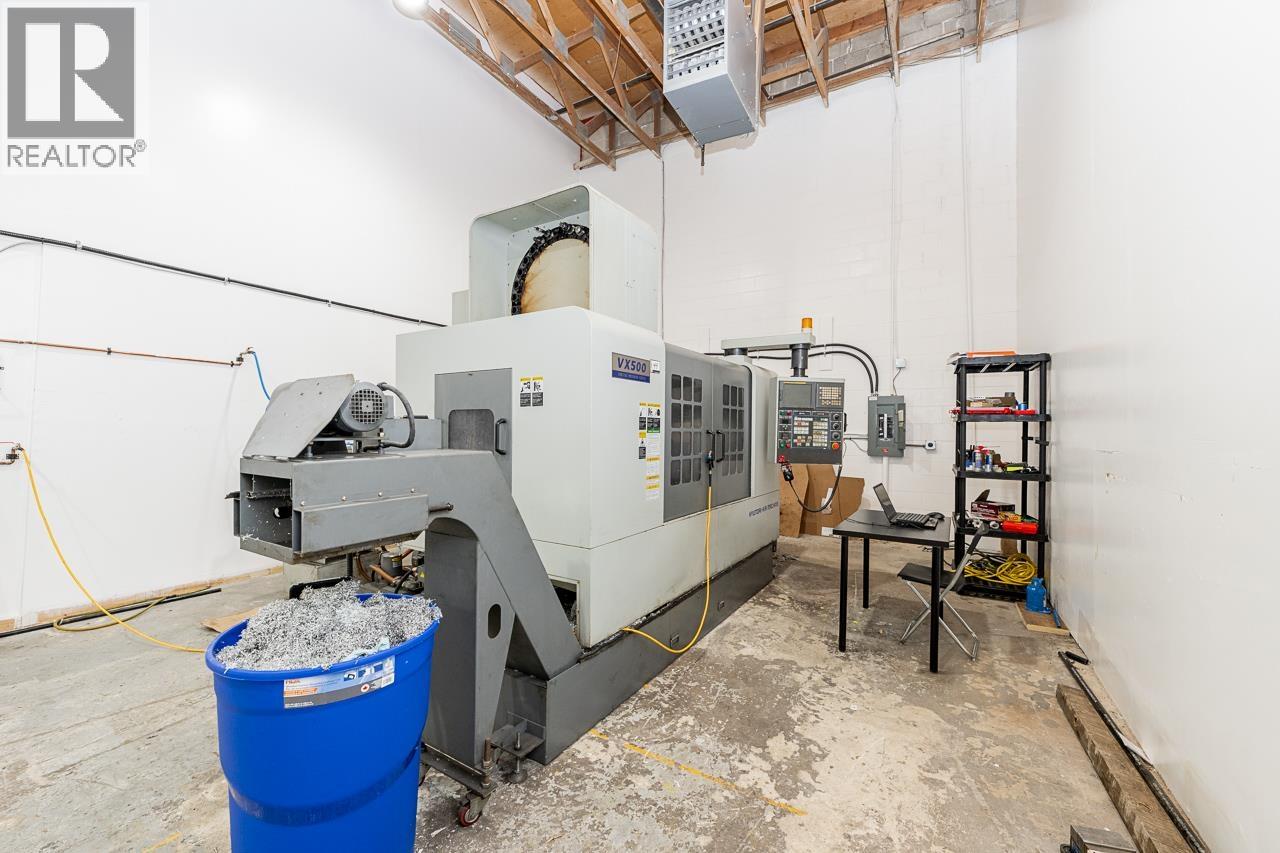
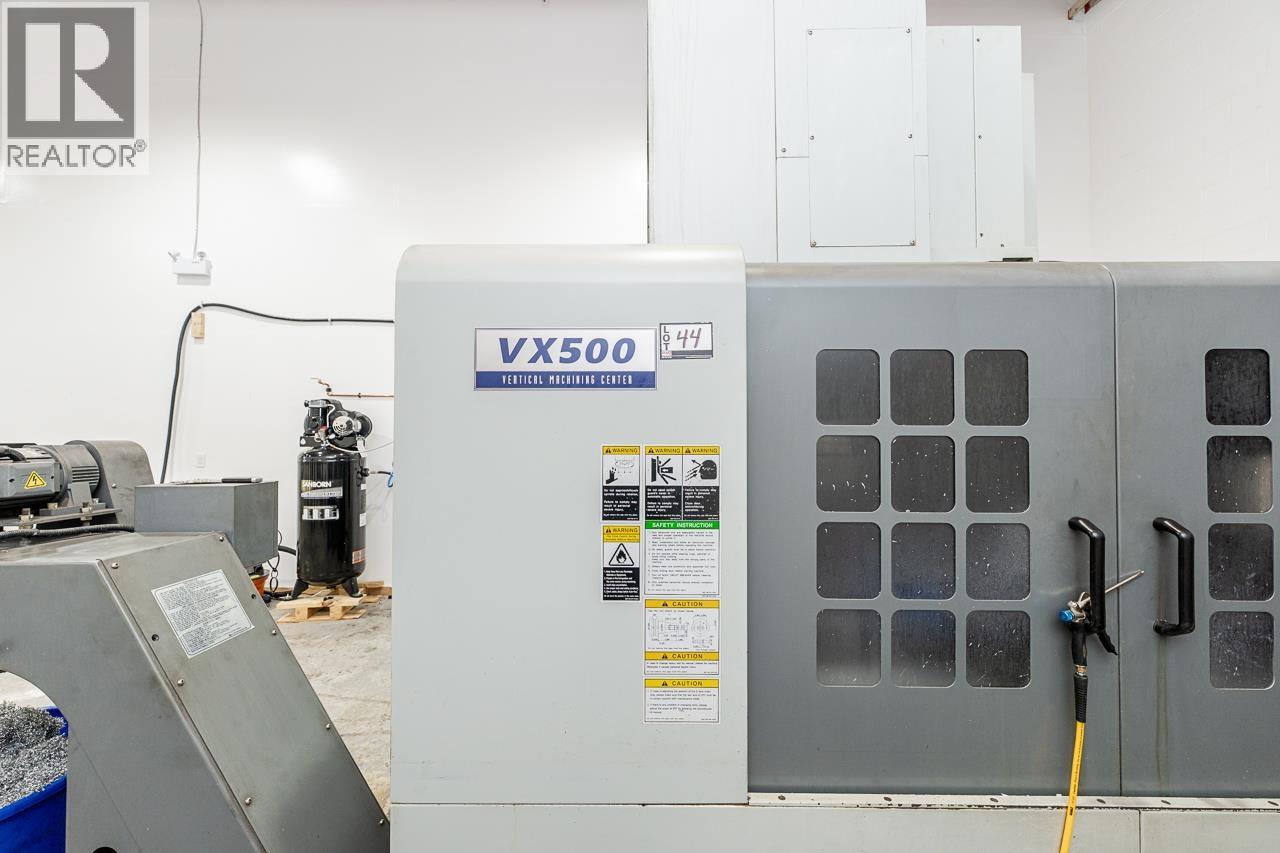
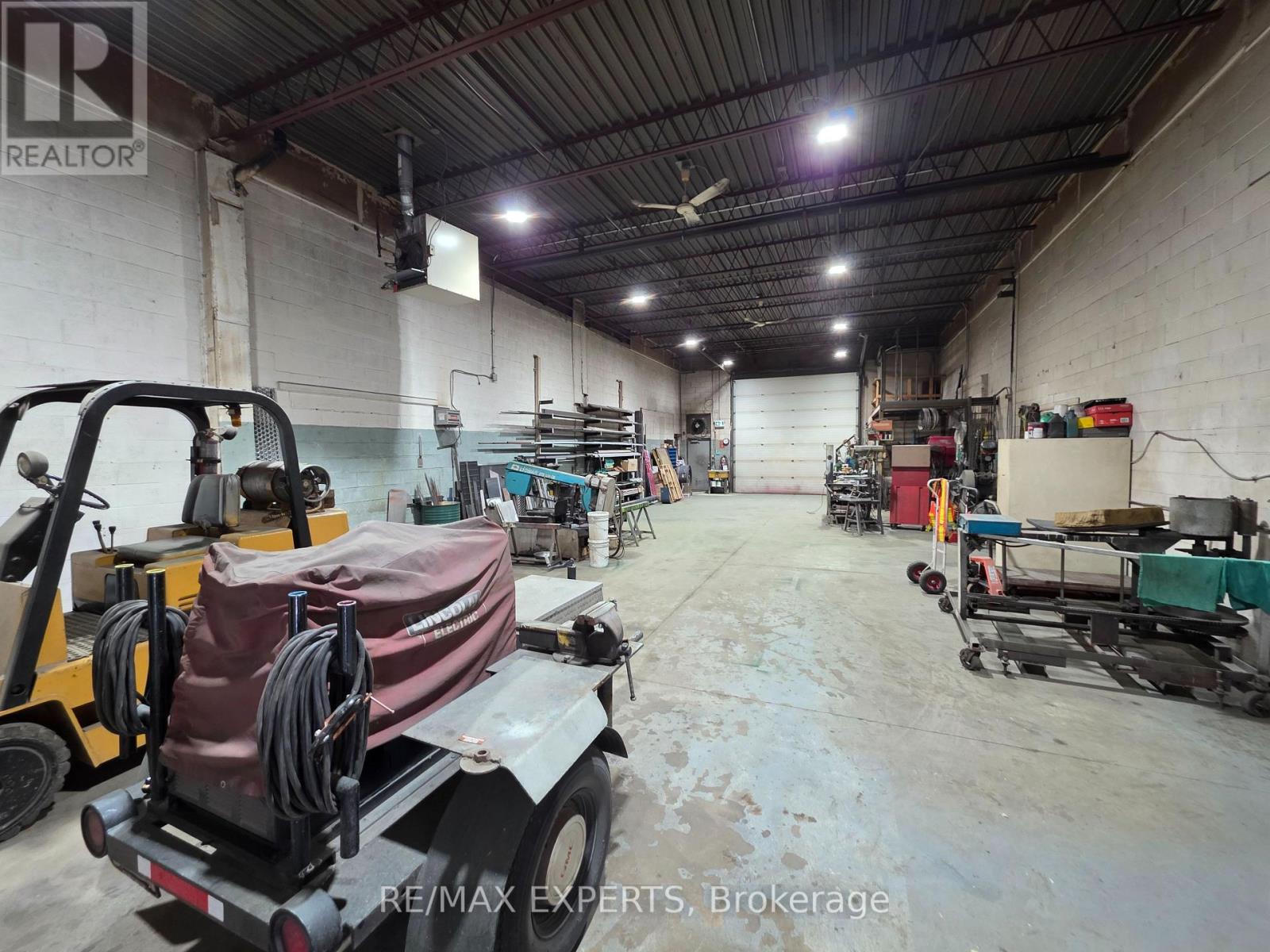
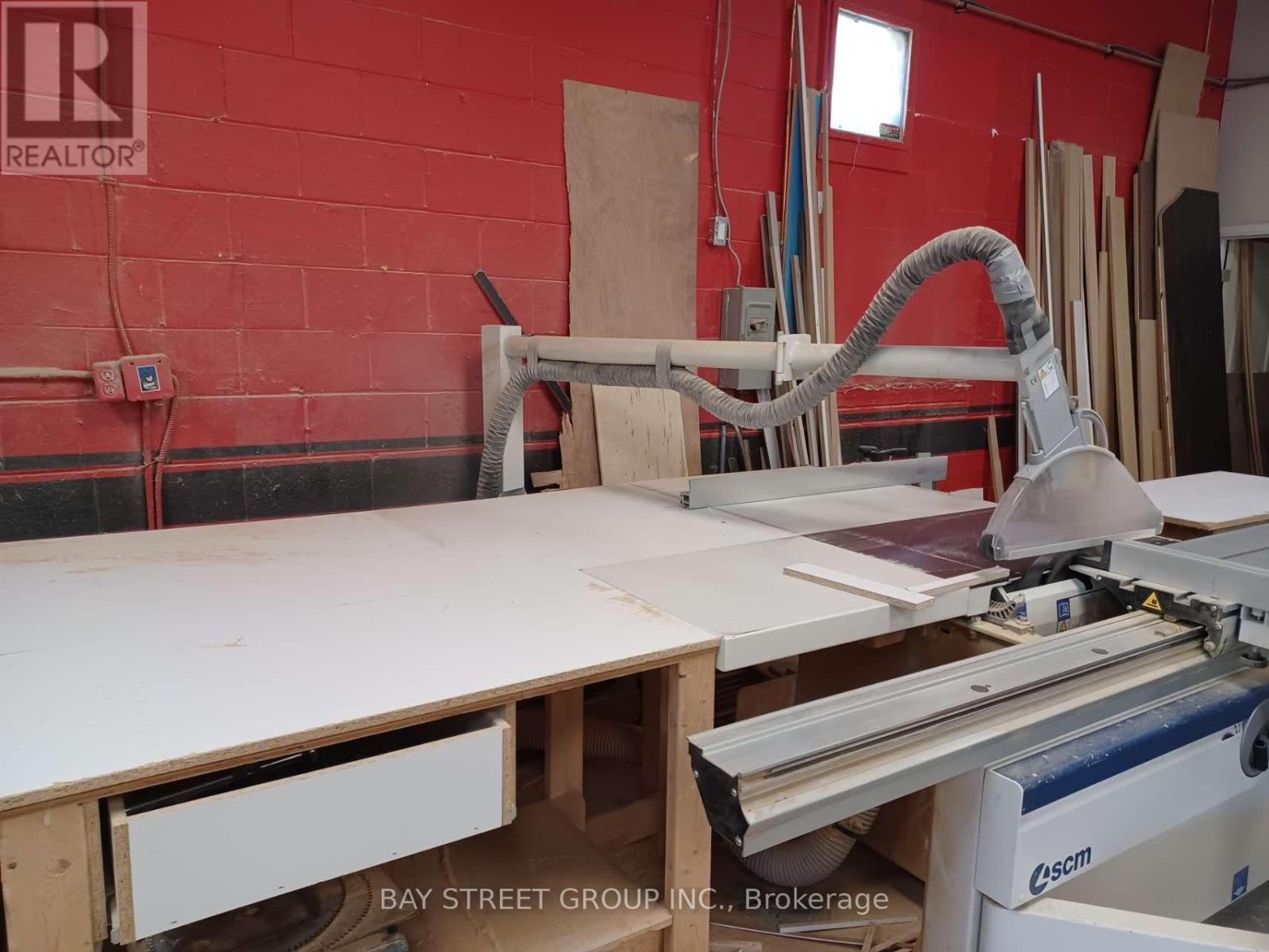
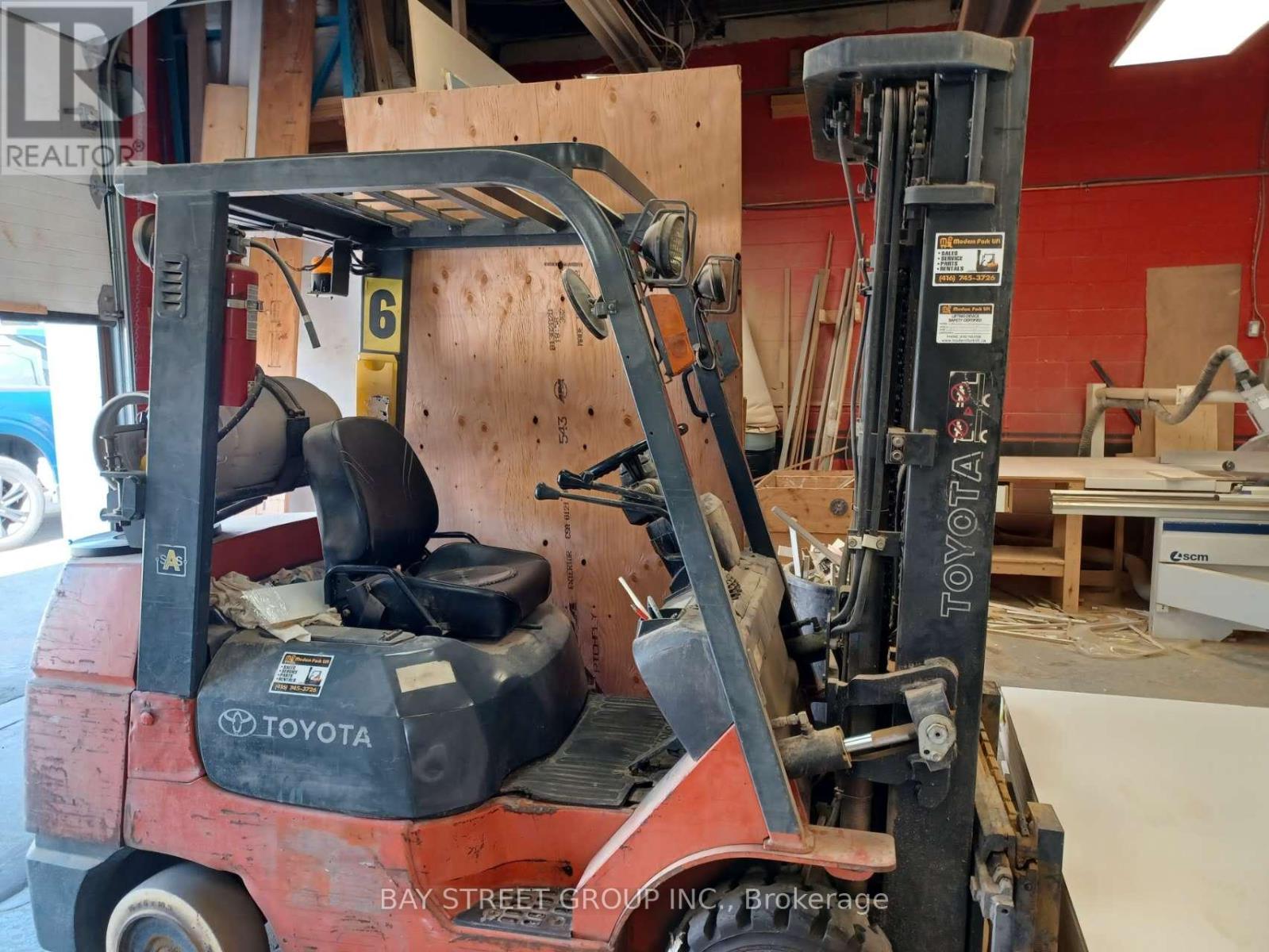
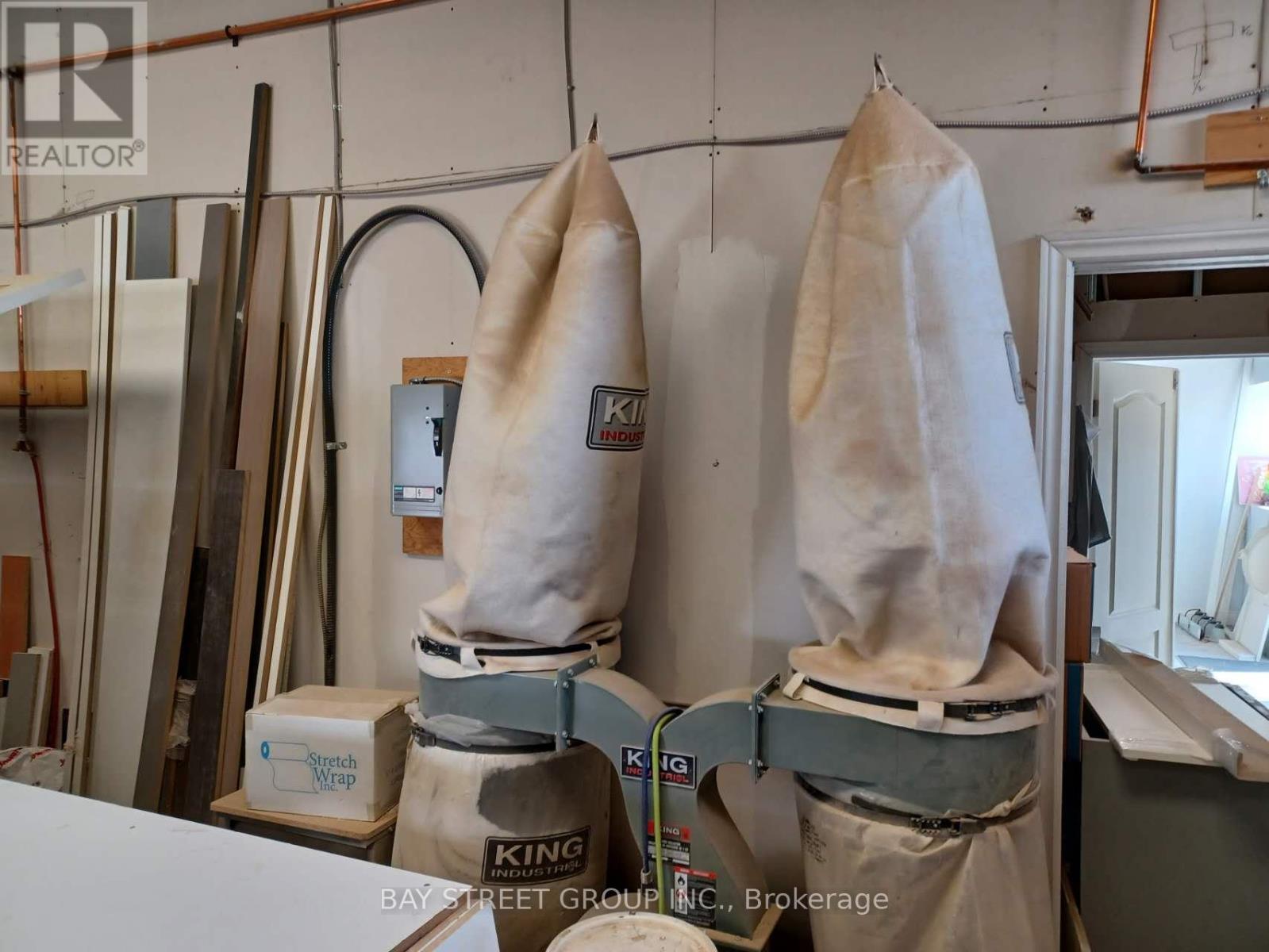
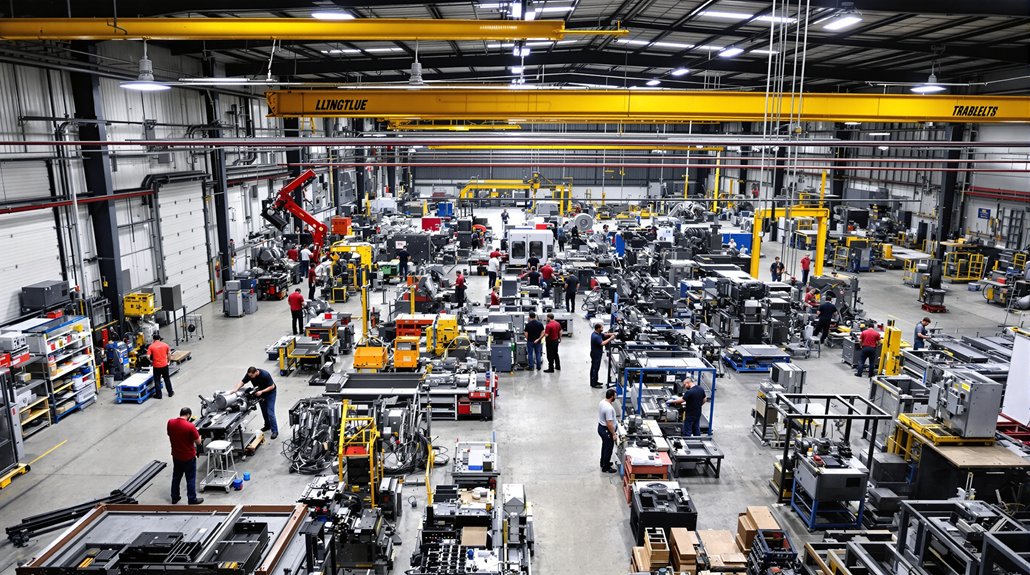
The average asking price for Manufacturing : $738,198
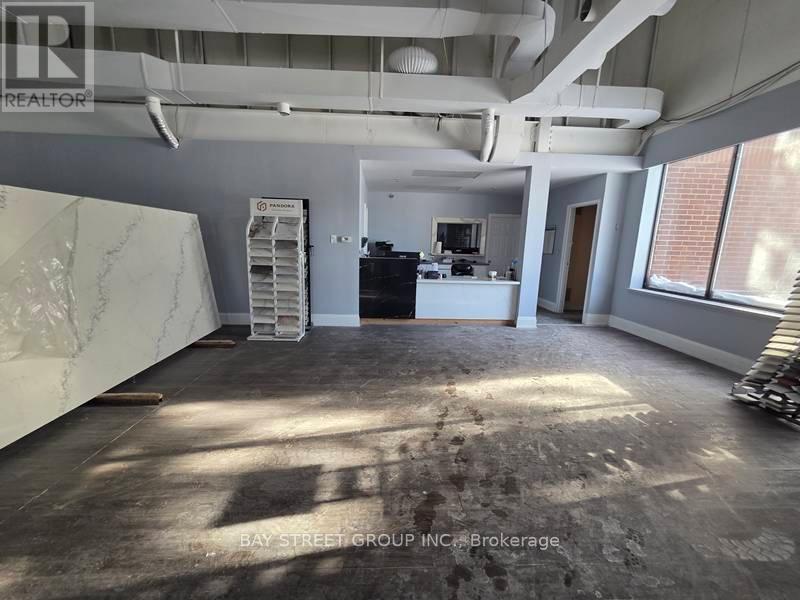
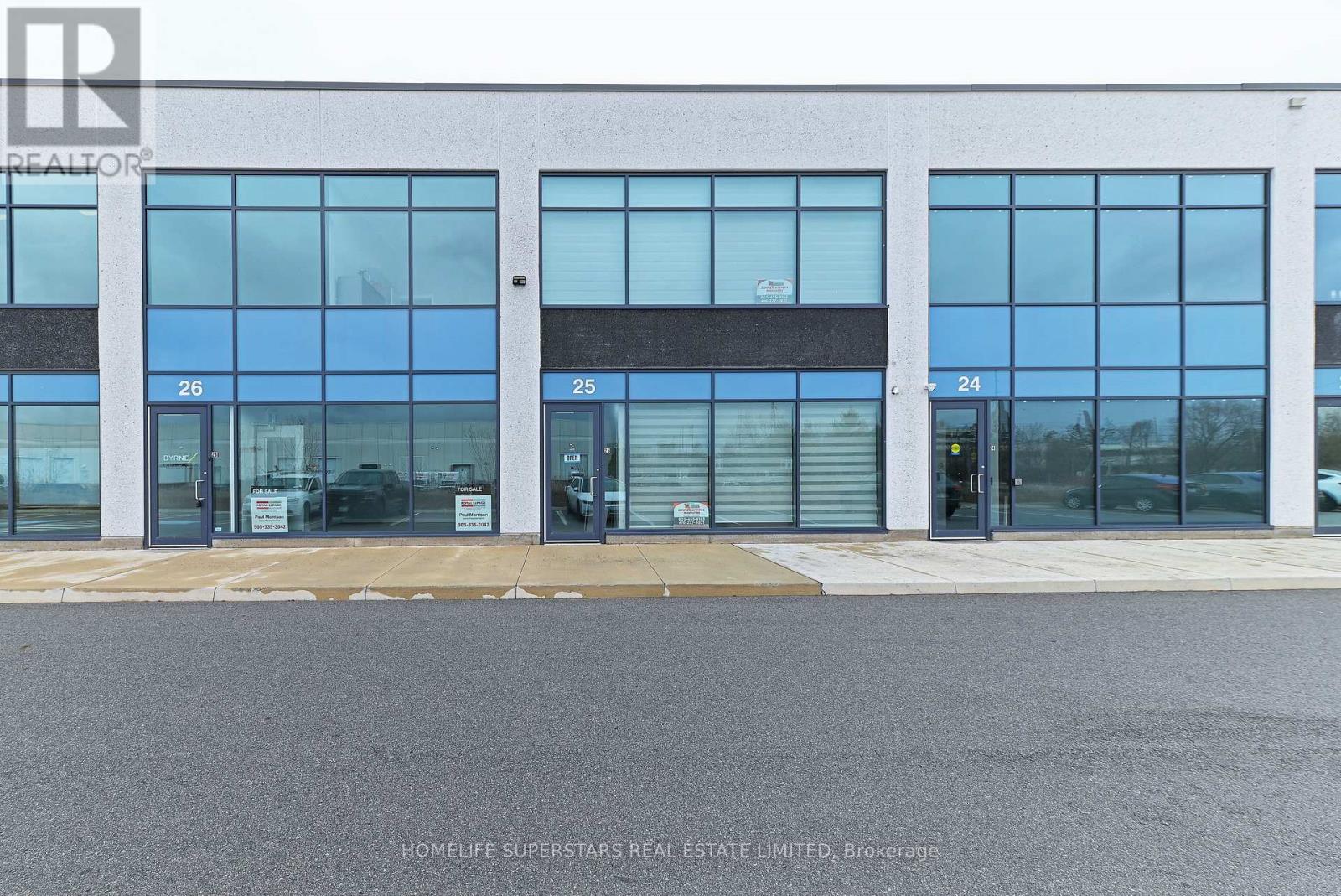
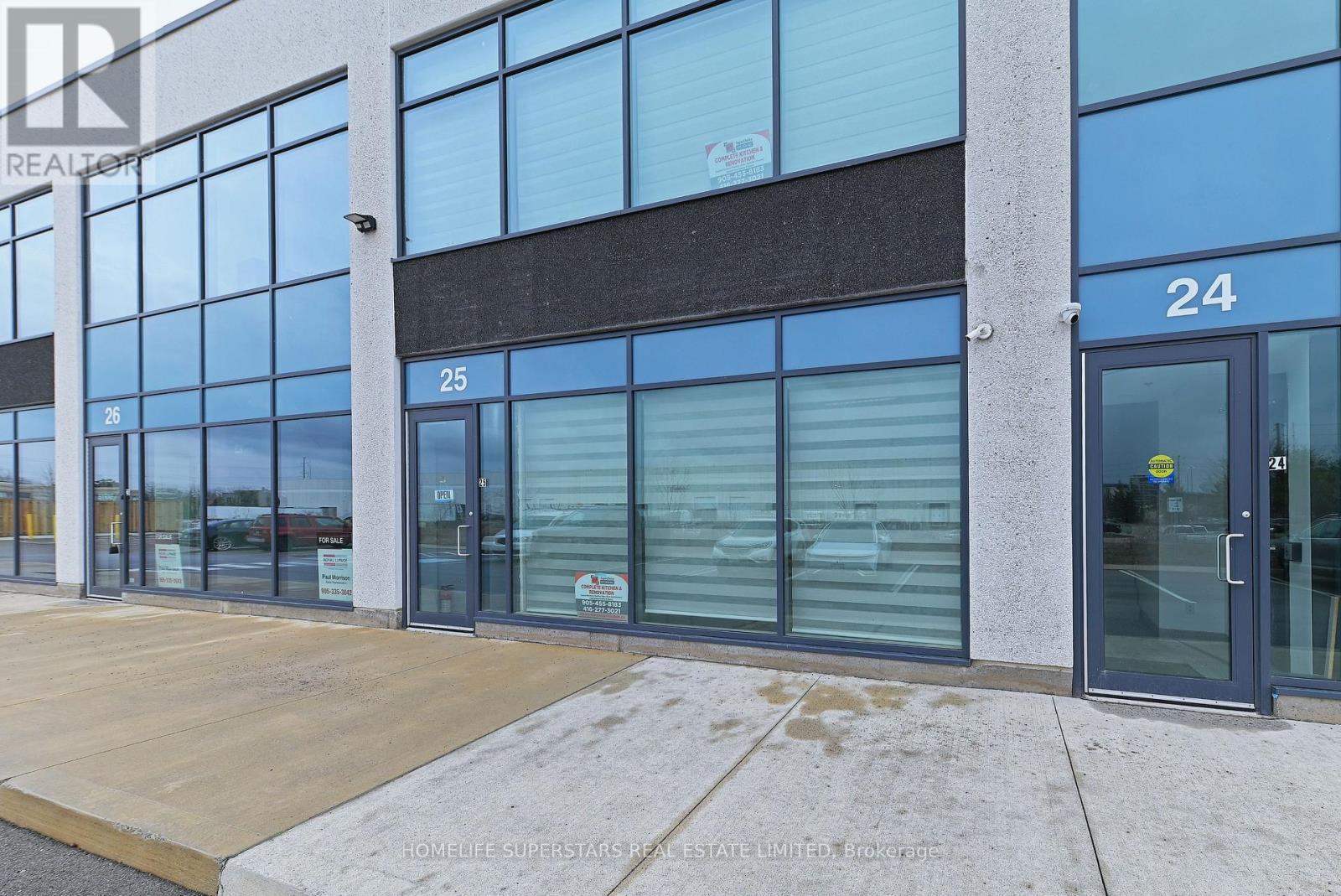
The most viewed Manufacturing listings on FBF are linked below:
| Business for Sale | Business for Sale | Business for Sale |
| Business for Sale | Business for Sale | Business for Sale |
Written by David Turner, M.A.
Purchasing a Canadian manufacturing business offers you immediate access to operational infrastructure, established customer relationships, and existing revenue streams while leveraging Canada's economic stability, resource advantages, and favourable business environment.
You'll benefit from Ontario's industrial corridor, Alberta's resource wealth, and strategic USMCA trade positioning, while avoiding startup risks through acquiring proven production capabilities and workforce expertise.
The manufacturing sector's current technological transformation presents substantial growth opportunities for well-positioned acquirers.
While evaluating the acquisition of a manufacturing operation in Canada, you'll need to carefully weigh several significant advantages against potential challenges that could impact your investment's success.
The competitive landscape presents both opportunities and obstacles that warrant thorough due diligence before finalizing your decision.
|
Advantages |
Disadvantages |
|
Stable political environment |
Higher labor costs than developing markets |
|
Robust infrastructure |
Supply chain challenges in remote regions |
|
USMCA trade benefits |
Seasonal transportation limitations |
|
Government incentive programs |
Stringent regulatory compliance requirements |
Your strategic assessment should include extensive financial modeling that accounts for operational variables such as workforce availability, production capacity, and distribution logistics, while simultaneously addressing risk mitigation strategies for supply chain challenges.
How are today's manufacturing industry trends reshaping the competitive landscape for Canadian businesses?
When you acquire a manufacturing enterprise, you'll need to navigate emerging consumer demands and supplier dynamics, particularly manufacturing labour shortages and supply chain challenges that necessitate strategic adaptation within your operational framework.
Traversing the acquisition of a manufacturing enterprise in Canada requires a methodical approach to due diligence, financial assessment, and strategic planning to guarantee your investment yields sustainable returns.
You'll need to understand legal requirements specific to Canadian manufacturing, including provincial regulations, environmental compliance standards, and labour laws that will impact operational continuity.
Next, identify manufacturing market trends through exhaustive industry analysis, evaluating sector growth projections, technological disruptions, and competitive landscape dynamics.
Finally, conduct thorough operational assessments, examining production efficiency metrics, supply chain resilience, and customer concentration risks that could affect valuation multiples and post-acquisition integration strategies.
Remember to develop an acquisition plan at the outset that will guide the entire process, which typically takes at least six months to complete.
Before undertaking your manufacturing acquisition journey, you'll need to establish clear, measurable criteria that align with your investment strategy, financial capabilities, and operational expertise.
Evaluate potential acquisitions through the lens of management team competence, production capabilities, and financial performance to confirm strategic fit.
|
Criteria Category |
Key Considerations |
Evaluation Method |
|
Financial Metrics |
Revenue growth, profit margins, debt ratio |
Financial statement analysis |
|
Production Capabilities |
Capacity utilization, technology level, scalability |
Facility assessment, equipment audit |
|
Management Structure |
Depth of expertise, retention likelihood, leadership quality |
Executive interviews, organizational review |
Documenting these parameters systematically will streamline your evaluation process, enabling efficient comparison across multiple acquisition targets while maintaining disciplined adherence to your investment parameters.
Successful manufacturing acquisition transactions in Canada invariably depend on assembling a competent advisory team, which serves as your strategic foundation throughout the complex purchase process.
You'll need to engage professionals who understand Canadian manufacturing regulations, taxation structures, and government incentives for industrial development.
Your team's expertise will guide critical negotiations, due diligence, and financial assessment activities.
Working with a business broker provides access to exclusive listings not publicly advertised in the manufacturing sector, giving you a competitive advantage in finding the right business opportunity.
While initiating the acquisition journey of a Canadian manufacturing business, you'll need to conduct an extensive competitor analysis that illuminates market positioning, industry trends, and competitive advantages.
Analyze competitors' manufacturing labour costs to identify potential efficiencies, examining workforce productivity metrics, compensation structures, and unionization factors that impact operational margins.
Additionally, evaluate manufacturing supply chain resilience by evaluating competitors' vertical integration strategies, supplier diversification approaches, and logistics frameworks.
Document market share distribution, technological adoption rates, and customer retention metrics across the competitive landscape, enabling you to identify exploitable gaps and formulate your strategic positioning upon acquisition.
Once you've gained substantial insights from your competitor analysis, it's time to strategically identify viable manufacturing acquisition targets that align with your investment criteria, growth objectives, and operational capabilities.
Develop a shortlist of potential businesses through industry databases, business brokers, and networking within manufacturing associations, prioritizing those with complementary technologies or market access.
When meeting sellers, professionally articulate your buyer expectations regarding valuation methodology, shift, and post-acquisition integration plans.
Simultaneously, probe for seller motivations to strengthen your negotiating position, determining whether retirement, partnership disputes, or strategic pivots drive their decision to divest.
Before submitting an offer, you must conduct thorough pre-offer due diligence to assess the manufacturing business's true value and identify potential risks.
Your investigation should include analyzing at least three years of financial statements, reviewing detailed asset lists with current valuations, and verifying all operating licenses and permits required for legal operation.
Additionally, evaluate whether vendor financing is feasible for your acquisition strategy while simultaneously budgeting for both acquisition costs and the essential post-completion investments needed during the changeover period.
After identifying a potential manufacturing acquisition target, you'll need to conduct thorough financial analysis through rigorous examination of the company's historical statements, which serves as the foundation for your entire due diligence process.
Compare the target's performance against industry financial ratios to establish operational benchmarks and identify potential areas for post-acquisition improvement.
|
Financial Statement Element |
Key Analysis Points |
|
Income Statement |
Revenue trends, gross margins, EBITDA |
|
Balance Sheet |
Debt-to-equity ratio, inventory turnover |
|
Cash Flow Statement |
Operating cash conversion, CAPEX patterns |
|
Tax Returns |
Compliance issues, potential liabilities |
|
Management Reports |
KPIs versus actuals, forecasting accuracy |
Financial analysis naturally leads to physical asset evaluation, which forms a cornerstone of manufacturing due diligence. When reviewing detained asset lists, you'll need to identify any seized assets or forfeited properties that could impact your acquisition's value.
Request detailed documentation regarding asset status, legal encumbrances, and restoration potential of any contested equipment.
|
Asset Category |
Due Diligence Action |
|
Machinery |
Verify ownership status and liens |
|
Real Estate |
Confirm no government seizure orders |
|
Inventory |
Assess if materials face import restrictions |
|
Vehicles |
Check for customs detention history |
|
IP Rights |
Evaluate any trademark enforcement actions |
Once you've examined the financial statements and physical assets, scrutinizing the manufacturing operation's licenses and permits becomes a critical component of your pre-offer due diligence process.
Canadian manufacturing permits often vary by province and industry sector, requiring thorough verification of compliance with federal, provincial, and municipal regulations.
You'll need to confirm that all manufacturing operating licenses are current, transferable, and without pending violations that could impede operations post-acquisition.
Regulatory non-compliance can result in production shutdowns, retroactive penalties, or costly remediation requirements, substantially impacting your return on investment.
Request documentation of environmental compliance certificates, health and safety approvals, and industry-specific authorizations to guarantee uninterrupted operational continuity.
Many savvy manufacturing business buyers consider requesting partial vendor financing as a strategic component of their acquisition financing structure, which can both reduce your capital requirements and demonstrate the seller's confidence in the business's future viability.
When negotiating vendor financing terms, propose a reasonable percentage (typically 10-30%) of the purchase price with favourable interest rates and extended amortization periods. Y
ou'll need to balance your financing options between traditional lenders, investment partners, and seller financing to optimize your capital structure.
Sellers who agree to partial financing effectively guarantee their confidence in the operational stability and projected cash flows of the business they're transferring to you.

Successful manufacturing business acquisitions require thorough pre-offer due diligence to establish an extensive budget that accounts for both immediate acquisition expenses and post-completion operational costs.
Your pre-acquisition cost analysis should extend beyond the purchase price, incorporating transactional fees, regulatory compliance expenses, and potential restructuring costs that may impact your capital reserves.
Post-completion expense planning must be meticulously documented to safeguard operational continuity.
Before proceeding with any manufacturing business acquisition, you'll need to establish an accurate valuation of the enterprise, which serves as the foundation for all subsequent negotiations and financing arrangements.
Engage certified business valuators with manufacturing sector expertise to conduct a thorough analysis of the target company's tangible and intangible assets, EBITDA multiples, and industry-specific value drivers. Independent manufacturing appraisers utilize methodologies such as discounted cash flow analysis, comparable transaction assessments, and asset-based approaches to derive a defensible valuation.
This objective determination of fair market value protects your investment interests and provides leverage during purchase price negotiations.
When preparing your LOI, you'll need to decide whether to structure the transaction as an asset purchase or a share acquisition, each carrying distinct tax implications and liability considerations.
Asset purchases typically allow you to select specific manufacturing equipment and intellectual property while avoiding inherited liabilities, whereas share acquisitions transfer ownership of the entire corporate entity, including all assets, contracts, and potential undisclosed liabilities.
Your decision should be informed by thorough due diligence, tax optimization strategies, and consultation with your legal counsel, who can assess the implications for warranties, indemnities, and post-closing obligations.
As you prepare a Conditional Offer to Purchase or Letter of Intent (LOI) Agreement, understanding the fundamental differences between asset and share sales becomes critical to your acquisition strategy.
The deal structure you select will notably impact your ownership structure, tax implications, and assumed liabilities going forward.
|
Consideration |
Asset Sale |
Share Sale |
|
Tax Impact |
Typically favorable for the buyer |
Preferred by sellers |
|
Liability |
Limited to acquired assets |
All liabilities transfer |
|
Complexity |
Greater documentation required |
Simpler transaction process |
|
Contracts |
May require third-party consent |
Automatically transfer |
|
Depreciation |
New basis for tax purposes |
Existing depreciation schedule |
The successful acquisition of a Canadian manufacturing business hinges on your ability to develop a thorough business plan that will convince lenders and investors of the venture's viability.
Your plan must meticulously outline working capital requirements, accounting for inventory, accounts receivable, and operational expenses during the change period.
Additionally, detail your manufacturing equipment financing strategy, whether through term loans, equipment leasing, or specialized manufacturing equipment lenders.
Present extensive financial projections, including cash flow forecasts, balance sheets, and income statements that demonstrate your understanding of the business's financial mechanics and your capacity to service acquisition debt while maintaining operational liquidity.
Securing appropriate financing for your manufacturing acquisition requires a strategic approach that aligns with your business plan and the target company's valuation.
When approaching qualified loan providers, you'll need to demonstrate the acquisition's viability through extensive financial projections, historical performance metrics, and your management expertise.
Once you've reached the acquisition's final stages, finalizing the manufacturing business purchase demands meticulous attention to contractual details, documentation requirements, and strategic negotiation tactics.
During this critical phase, you'll need to negotiate terms that protect your interests while ensuring operational continuity, including asset transfers, intellectual property rights, and employment agreements.
Managing shiftseffectively requires establishing clear protocols for knowledge transfer, customer relationship handoffs, and stakeholder communications.
Secure thorough representations and warranties within your purchase agreement to mitigate potential liabilities, while simultaneously arranging for post-closing adjustments that account for inventory fluctuations, accounts receivable, and other balance sheet variables.
When considering your journey toward acquiring a manufacturing business in Canada, remember that success extends far beyond the transaction itself, requiring continuous learning, adaptation, and strategic planning throughout ownership.
Post-acquisition strategies must address integration challenges proactively, including workforce retention, operational continuity, and cultural alignment. Effective ownership demands disciplined implementation of your business plan while remaining flexible to market shifts.
Your due diligence groundwork should evolve seamlessly into operational execution, creating value through process optimization, technological advancement, and market expansion.
The manufacturing sector rewards those who balance traditional industrial expertise with innovative approaches to production, distribution, and talent management.
To navigate the complex landscape of Canadian manufacturing acquisitions successfully, you'll need access to reliable, industry-specific information sources that provide essential market intelligence, regulatory updates, and sector trends.
Traversing the regulatory framework governing Canadian manufacturing operations requires thorough understanding of four primary compliance categories: safety standards, environmental regulations, labor laws, and industry-specific requirements.
When acquiring a manufacturing entity, you'll need to conduct all-encompassing government regulatory compliance audits to guarantee operational continuity post-acquisition, as non-compliance can result in substantial financial penalties or operational cessation.
A: In Ontario, you can find various manufacturing businesses for sale, including those specializing in metal fabrication, food manufacturing, and other established industrial sectors.
These opportunities often come with a loyal customer base and a strong reputation in their respective markets.
A: To acquire a well-established manufacturing business, you can browse listings on business-for-sale platforms that feature companies with growth potential. Look for businesses that are fully equipped with new machines and have a strong client base to ensure a profitable investment.
A: Investing in a metal fabrication business can provide an excellent B2B opportunity, especially if the company has a reputation for delivering high-quality products. These businesses often have a loyal customer base and significant growth potential within various commercial and institutional sectors.
A: Factors contributing to the profitability of afoiod manufacturing business include a strong customer base, efficient machinery, low overhead models, and the ability to manufacture and sell high-demand products. Additionally, having an established reputation can attract new clients and enhance sales.
A: The estimated breakeven time for a specialized manufacturing business can vary widely based on the industry and initial investment. Generally, a business that has been established for several years and has a loyal customer base may have a shorter breakeven time compared to a new venture.
A: You can find metal fabrication companies available for acquisition by browsing industry-specific listings or engaging with brokers who specialize in manufacturing businesses. It's essential to evaluate their equipment, customer base, and overall market presence to ensure a smart investment.
Data is supplied by CREA who is the owner of the copyright in its MLS®System. Data provided is deemed reliable but is not guaranteed accurate by CREA. The trademarks MLS®, Multiple Listing Service® and the associated logos are owned by The Canadian Real Estate Association (CREA) and identify the quality of services provided by real estate professionals who are members of CREA. Used under license.