Analyze Historical Financial Statements
After identifying a potential manufacturing acquisition target, you'll need to conduct thorough financial analysis through rigorous examination of the company's historical statements, which serves as the foundation for your entire due diligence process.
Compare the target's performance against industry financial ratios to establish operational benchmarks and identify potential areas for post-acquisition improvement.
|
Financial Statement Element
|
Key Analysis Points
|
|
Income Statement
|
Revenue trends, gross margins, EBITDA
|
|
Balance Sheet
|
Debt-to-equity ratio, inventory turnover
|
|
Cash Flow Statement
|
Operating cash conversion, CAPEX patterns
|
|
Tax Returns
|
Compliance issues, potential liabilities
|
|
Management Reports
|
KPIs versus actuals, forecasting accuracy
|
Review a Detained Asset List
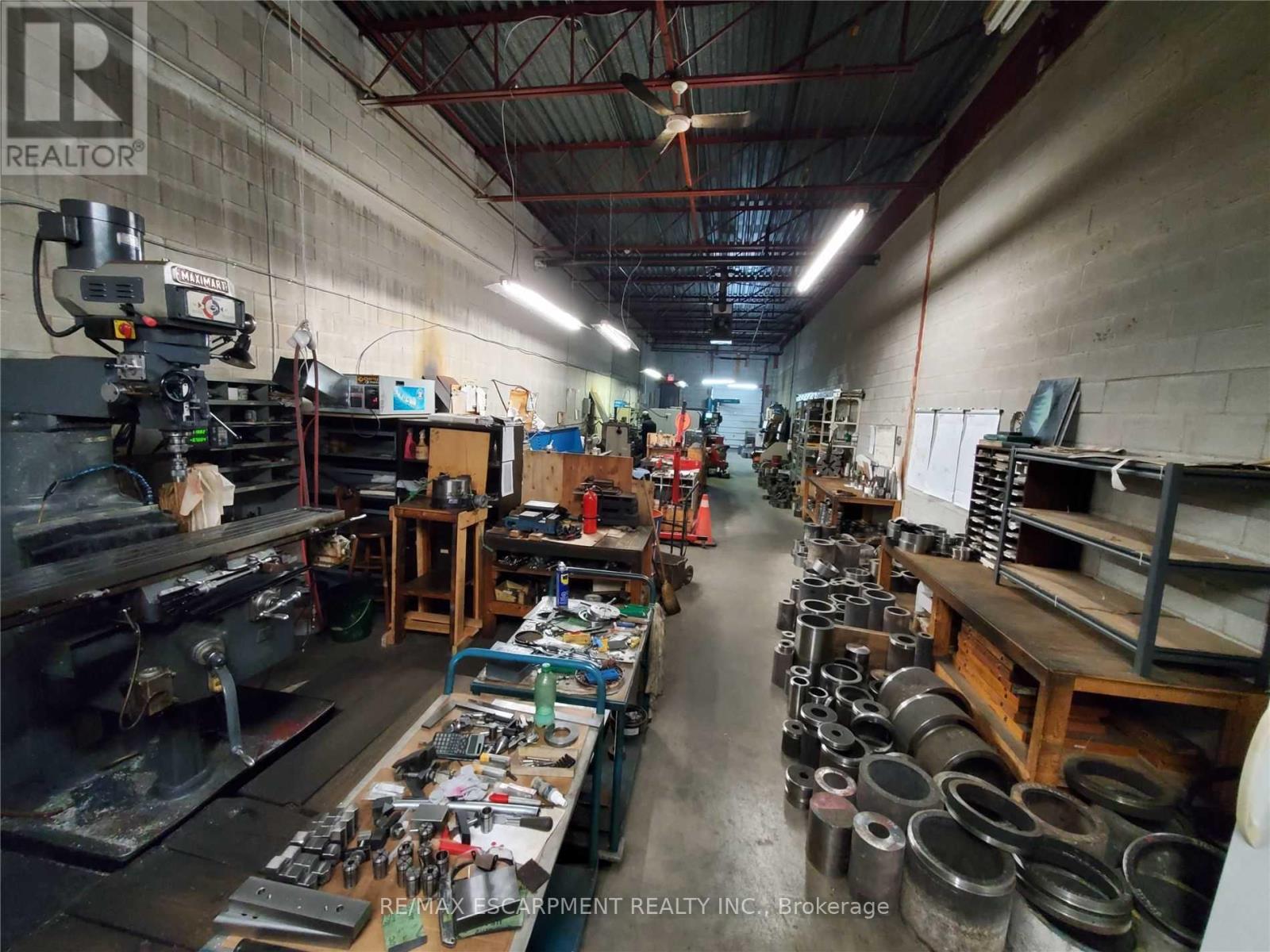
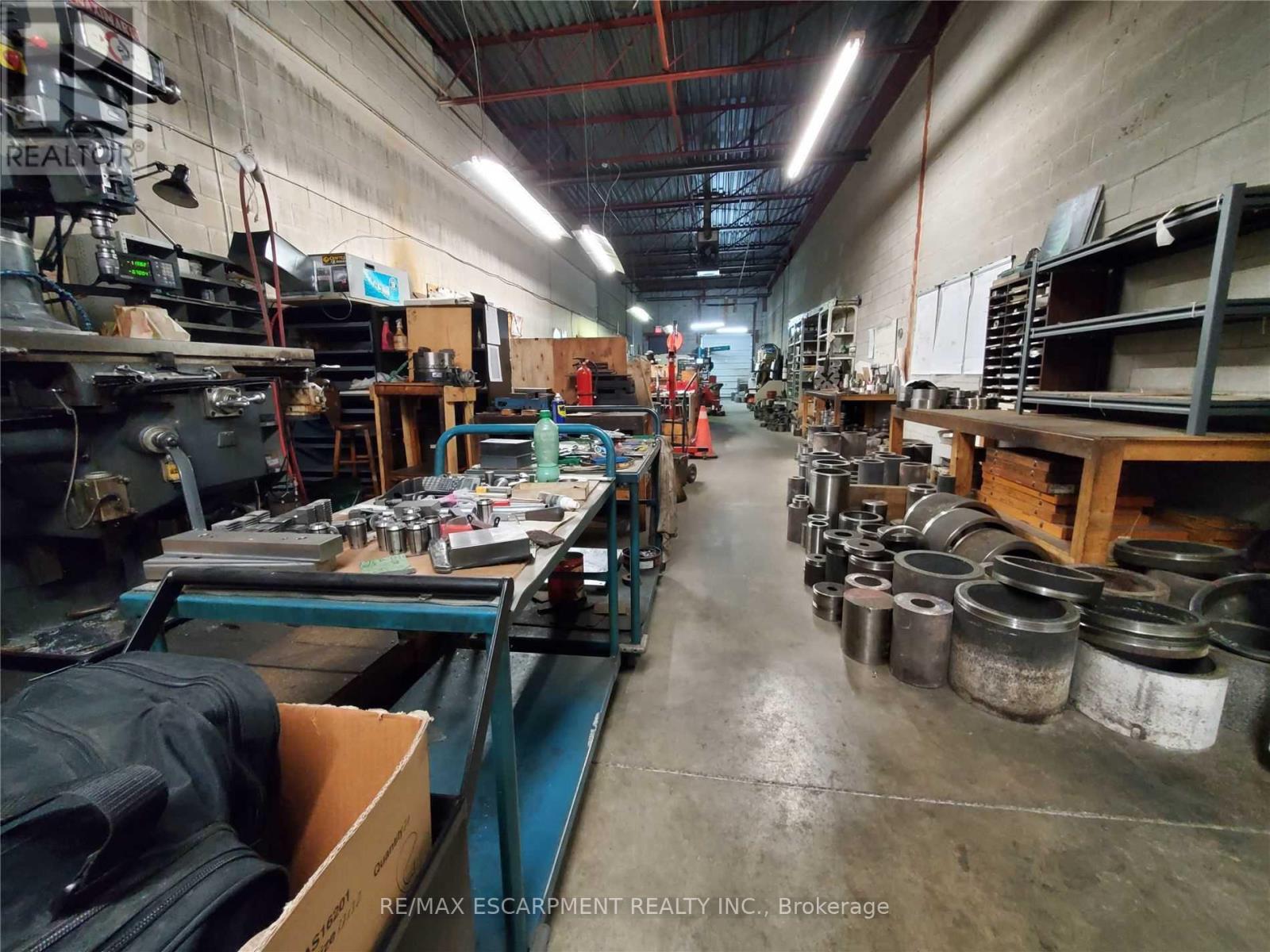
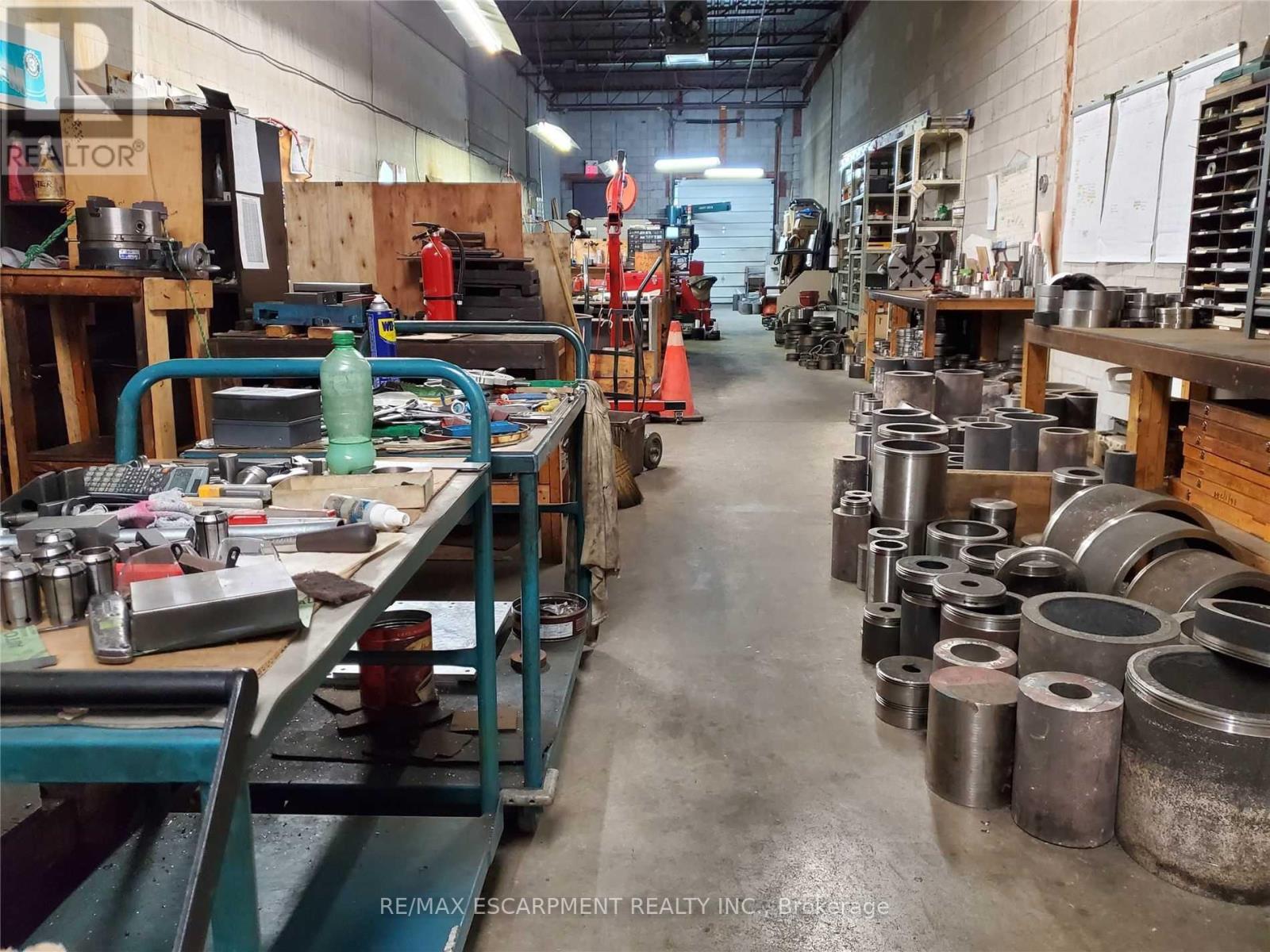
Financial analysis naturally leads to physical asset evaluation, which forms a cornerstone of manufacturing due diligence. When reviewing detained asset lists, you'll need to identify any seized assets or forfeited properties that could impact your acquisition's value.
Request detailed documentation regarding asset status, legal encumbrances, and restoration potential of any contested equipment.
|
Asset Category
|
Due Diligence Action
|
|
Machinery
|
Verify ownership status and liens
|
|
Real Estate
|
Confirm no government seizure orders
|
|
Inventory
|
Assess if materials face import restrictions
|
|
Vehicles
|
Check for customs detention history
|
|
IP Rights
|
Evaluate any trademark enforcement actions
|
Review the Manufacturing Operating Licenses & Permits
Once you've examined the financial statements and physical assets, scrutinizing the manufacturing operation's licenses and permits becomes a critical component of your pre-offer due diligence process.
Canadian manufacturing permits often vary by province and industry sector, requiring thorough verification of compliance with federal, provincial, and municipal regulations.
You'll need to confirm that all manufacturing operating licenses are current, transferable, and without pending violations that could impede operations post-acquisition.
Regulatory non-compliance can result in production shutdowns, retroactive penalties, or costly remediation requirements, substantially impacting your return on investment.
Request documentation of environmental compliance certificates, health and safety approvals, and industry-specific authorizations to guarantee uninterrupted operational continuity.
Request Some Partial Vendor Financing
Many savvy manufacturing business buyers consider requesting partial vendor financing as a strategic component of their acquisition financing structure, which can both reduce your capital requirements and demonstrate the seller's confidence in the business's future viability.
When negotiating vendor financing terms, propose a reasonable percentage (typically 10-30%) of the purchase price with favourable interest rates and extended amortization periods. Y
ou'll need to balance your financing options between traditional lenders, investment partners, and seller financing to optimize your capital structure.
Sellers who agree to partial financing effectively guarantee their confidence in the operational stability and projected cash flows of the business they're transferring to you.