Businesses for Sale in Nova Scotia
Showing 37 - 48 of 94 Results

Marketplace Statistics
The average asking price for Listings in
Nova Scotia: $600,477
The most viewed listings in Nova Scotia on FBF are linked below:
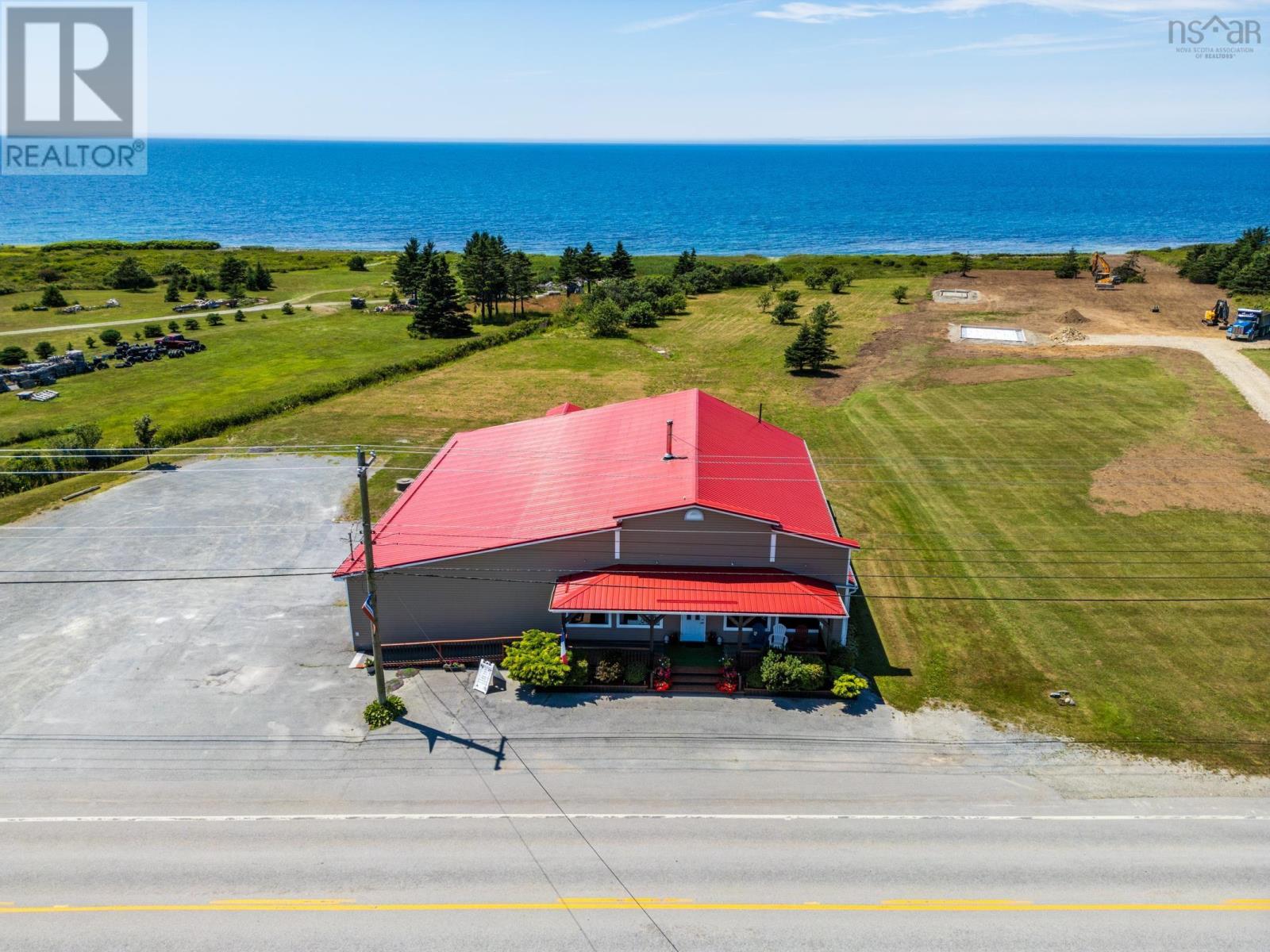
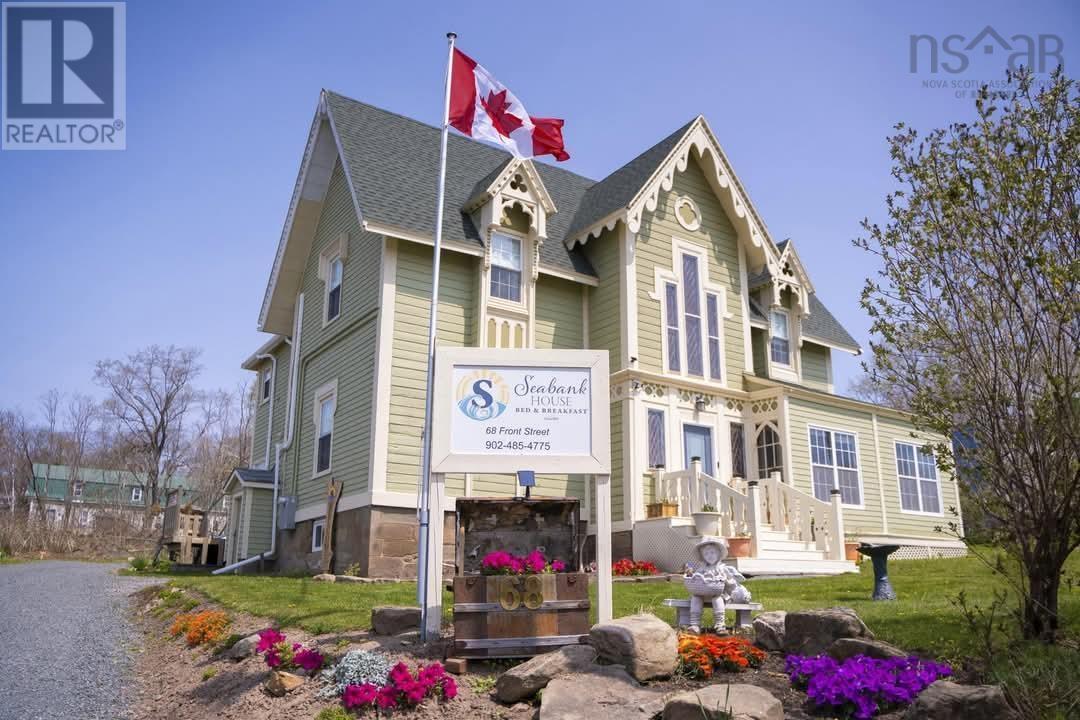
| Commercial Realty for Sale | Established Bubble Tea/Café Business For Sale | Restaurant for Sale |
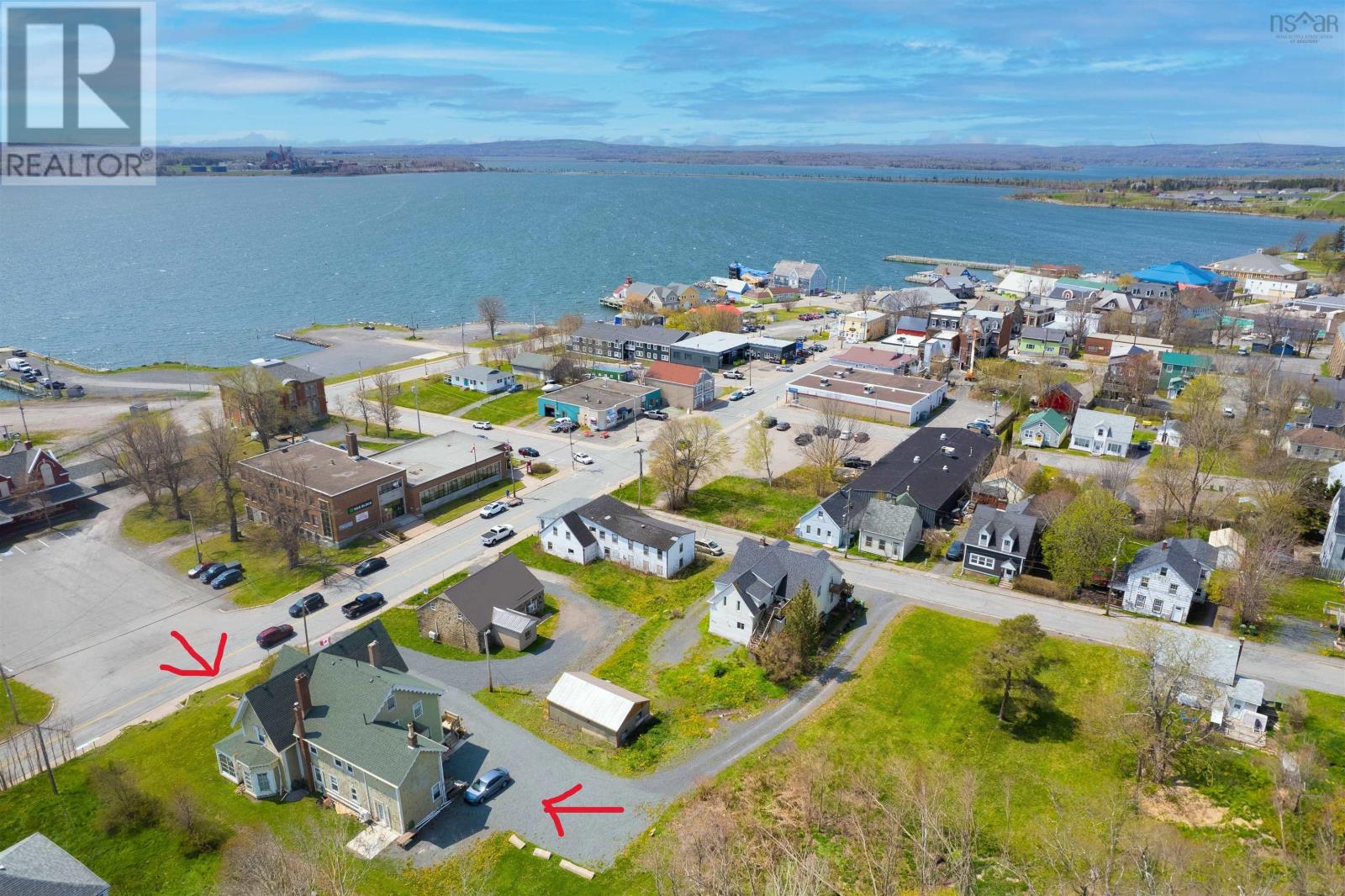
| Commercial Realty for Sale | Business for Sale | Commercial Realty for Sale |

Why Purchase an Existing Business for Sale in Nova Scotia?
Written by David Turner, M.A.
Opportunity knocks for entrepreneurs considering the purchase of an existing business in Nova Scotia. The business benefits are numerous, starting with immediate cash flow from an established customer base.
You'll hit the ground running with trained employees and operational efficiency, saving time and resources typically spent on startup processes. Additionally, these businesses come with a proven track record, offering insights into future potential and reducing risk.
more


Nova Scotia Economy, Geography, Lifestyle
Nova Scotia's dynamic landscape extends beyond its business opportunities. You'll find a province with remarkable economic diversity, spanning manufacturing, IT, fisheries, and agriculture. Its strategic location, closer to Europe than any other North American region, offers unique geographic advantages for international trade.
You'll enjoy a high-quality lifestyle in Nova Scotia, surrounded by breathtaking natural beauty and a vibrant culture. The strong sense of community creates an appealing environment for entrepreneurs and their families.
You'll benefit from a well-educated population, ensuring a skilled workforce for your business ventures. The local government's active support for small and medium-sized businesses fosters an environment conducive to growth.
Key Steps to Buying a Business for Sale in Nova Scotia:
Start by identifying potential businesses that fit your objectives and conducting a comprehensive market analysis to gain insight into the local competitive environment and industry trends.
After pinpointing viable options, you will need to carry out thorough due diligence, which includes examining financial statements, legal documentation, and operational practices. A professional business valuation is crucial at this point to establish a fair purchase price based on assets, earnings, and market conditions.
Additionally, you must evaluate the business's current relationships with suppliers, customers, and employees to ensure a seamless transition of ownership.
The concluding steps involve negotiating terms, securing financing, and finalizing the legal transfer of ownership. It’s essential to collaborate with experienced professionals, such as a business broker, accountant, and lawyer who are familiar with the business landscape in Cambridge.
They will assist you in structuring the deal, reviewing contracts, and ensuring compliance with local regulations while safeguarding your interests throughout the process.
Define Your Business Acquisition Criteria
Defining clear acquisition criteria is an essential step in your journey to buy a business in Nova Scotia. To create effective acquisition strategies, consider the following:
-
Industry alignment: Choose a sector that matches your expertise and interests.
-
Budget: Determine your financial capacity for purchase price, closing costs, and operational expenses.
-
Location: Identify your preferred area within Nova Scotia, considering market demand and accessibility.
Additionally, assess market conditions and guarantee your criteria align with your long-term strategic objectives, as this will guide your search and investment decisions during the acquisition process
Assess your long-term goals for the venture, whether you're seeking immediate profitability or growth potential. By clearly defining these criteria, you'll focus your search and increase your chances of finding the right business opportunity in Nova Scotia that aligns with your vision and capabilities.
Research the Macro Economic Landscape & Trends in Nova Scotia
Researching Nova Scotia's macroeconomic landscape and trends is essential before buying a business in the province. The diverse economy offers opportunities across sectors such as manufacturing, IT, fisheries, and agriculture.
You'll want to examine key economic indicators and market trends to identify promising areas for investment.
Pay attention to the province's growing population, which drives consumer demand and supports business growth. The thriving tourism sector presents opportunities in hospitality, retail, and related services.
Conduct a Competitor Market Analysis for Your Target Business
Start by identifying direct competitors and evaluating their market share, pricing strategies, and customer demographics.
Evaluate competitors' marketing tactics, including social media presence and promotional strategies, to inform your post-acquisition approach. Monitor consumer preferences and trends in Nova Scotia to guarantee your business aligns with current demands.
Network & Connect with Local Business Associations in Nova Scotia
Building on the government resources available, connecting with local business associations in Nova Scotia can greatly enhance your business acquisition journey.
By joining organizations like Nova Scotia Business Inc. or the Better Business Bureau of Nova Scotia, you'll gain access to valuable networking strategies and business resources.
Attend events hosted by the Halifax Chamber of Commerce to meet current business owners and gather market insights. Take advantage of mentorship opportunities offered by these associations to gain industry-specific knowledge from experienced entrepreneurs.
Trade show participation and business expos provide excellent platforms to discover businesses for sale and engage with the local community.
Don't overlook the Nova Scotia Business Registry, which can increase your visibility and connect you with potential sellers. By actively networking through these channels, you'll position yourself to find the right business opportunity in Nova Scotia.
Engage a Local Business Broker, Lawyer, Accountant, and Lender
Considering the complex process of buying a business, engaging local professionals in Nova Scotia is vital for a successful acquisition.
-
A business broker can streamline your search, leveraging their extensive network to find suitable opportunities and provide access to exclusive listings not publicly advertised.
-
A lawyer well-versed in local regulations will navigate legal complexities and draft purchase agreements.
-
An accountant or CPA is essential for business valuation and uncovering potential liabilities.
To guarantee a smooth transaction, consider:
-
Establishing a relationship with a lender early to explore financing options.
-
Collaborating with professionals to enhance your negotiation strategy.
-
Aligning all aspects of the purchase with your financial goals and legal requirements.
Meet with Target Business Sellers in Nova Scotia
After identifying potential businesses for purchase, it's time to meet face-to-face with sellers in Nova Scotia. Schedule meetings to discuss seller motivations and gather operational insights.
During these meetings, employ active listening techniques to fully grasp the seller's perspective and address any concerns they may have about the sale. Build rapport by demonstrating genuine interest in their business and sharing your vision for its future. This approach will help foster trust and facilitate negotiations.
Conduct Due Diligence on your Well-Established Turnkey Acquisition Target
Conducting thorough research on the target company is imperative to reducing information asymmetry and making informed choices in your acquisition journey.
SWOT Analysis of Target Nova Scotia Business
Evaluate strengths like established customer relationships and efficient processes that drive revenue. Identify weaknesses such as outdated technology or a limited customer base.
Explore opportunities arising from market trends and potential expansion. Consider threats like increased competition or economic downturns.
|
Strengths |
Weaknesses |
Opportunities |
|
Brand reputation |
Legacy issues |
Digital marketing |
|
Customer loyalty |
Outdated tech |
New markets |
|
Efficient processes |
Limited base |
Product demand |
|
Strong financials |
Skill gaps |
Partnerships |
|
Unique offerings |
High costs |
Innovation |
A detailed SWOT analysis will empower you to make an informed decision about your acquisition, setting you up for success in Nova Scotia's business landscape.
Budget for Acquisition and Post-Completion Costs
Budgeting for your business acquisition in Nova Scotia requires meticulous planning and due diligence. Your acquisition strategy should include a thorough financial forecasting process, examining the target company's financial statements for the past three years.
Additionally, consider financing options that provide higher percentages of financing to support your acquisition goals. Don't forget to factor in additional costs like closing fees and potential renovations, which can add 5-10% to your budget.
Consider these key elements when budgeting:
-
Ongoing operational costs post-acquisition.
-
Professional fees for accountants and legal experts.
-
A contingency fund for unexpected expenses.
Remember to account for post-completion costs such as payroll, utilities, and inventory replenishment.
Analyze Historical Financial Statements
Focus on reviewing income statements, balance sheets, and cash flow statements from the past three to five years. This thorough analysis will help you evaluate the business's profitability trends and overall financial health.
-
Look for consistent revenue growth, manageable debt levels, and healthy cash flow to assess the company's sustainability.
-
Conduct a detailed profitability analysis and examine key financial ratios to gain deeper insights.
-
Compare these metrics with industry benchmarks to identify any discrepancies or areas of concern.
To guarantee accurate interpretation of financial data and uncover potential red flags, engage an accountant or CPA for due diligence.
Review Real Estate Title or Premises Lease
When reviewing the real estate title, verify that the seller has clear ownership and the right to sell. This protects you from potential disputes after purchase.
If you're dealing with a premises lease, scrutinize it for unfavorable terms or restrictions that might impact your operations. Investigate existing liens or encumbrances, which could become your responsibility post-acquisition.
Review of a Detailed Asset List
Verify the physical condition of assets and make certain they're free from liens or encumbrances. Evaluate depreciation and the remaining useful life of equipment to estimate future capital expenditure needs.
|
Asset Type |
Considerations |
|
Equipment |
Physical condition, depreciation |
|
Inventory |
Market value, turnover rate |
|
IP |
Legal protection, revenue potential |
|
Contracts |
Terms, renewal options |
|
Real Estate |
Ownership status, market value |
Prepare a Conditional Offer to Purchase or an LOI Agreement
When preparing your offer, you'll need to decide between an asset sale or a share sale, as each has different implications for your acquisition.
You should include a training and transition agreement to guarantee a smooth handover from the current owner.
Obtain a Professional Business Valuation
The most common method used to determine a fair sale price for a business is calculating a multiple of EBITDA (earnings before interest, taxes, depreciation, and amortization), and or a multiple of SDE (seller discretionary earnings), which is simply EBITDA plus a manager’s wage (normalized to market). Both are measures of a company’s ability to generate operating earnings for the owner.
The multiples vary slightly by industry and are typically in the range of three to four times EBITDA for a small to medium-sized business or two to three times SDC for transactions under $650,000.
Asset Sale vs. Share Sale Considerations
As you prepare to make an offer on a business in Nova Scotia, one of the most critical decisions you'll face is whether to structure the deal as an asset sale or a share sale. This choice impacts liability implications, tax considerations, and operational continuity.
In an asset sale, you can cherry-pick specific assets and avoid unwanted liabilities, while a share sale transfers all assets and liabilities.
|
Aspect |
Asset Sale |
Share Sale |
|
Liability |
Selective |
All transferred |
|
Tax Impact |
Varied |
Extensive |
|
Operational |
May require transfers |
Seamless changeover |
|
Complexity |
Higher |
Lower |
When drafting your purchase agreement, clearly outline the chosen structure and negotiate terms regarding price, contingencies, and transfer of licenses. Consult your buy-side business broker as well as legal and financial advisors to guarantee compliance and protect your interests throughout the negotiation process.
Training & Transition Agreement
When preparing your offer to purchase, you'll want to clearly specify the training duration and scope. This guarantees you're getting the support needed to master operational procedures, employee management, and customer relations.
It's wise to add a clause for ongoing communication during this period, allowing you to address any unexpected issues collaboratively. Remember, the LOI should outline the seller's commitment to providing thorough support post-sale.
A buyer holdback in transaction closing funds is an effective way to ensure seller compliance with the terms of the Training & Transition Agreement.
Prepare a Detailed Business Plan for Financing
Your plan should outline the business model, target market, and competitive analysis, showcasing the viability of your acquisition to potential funding sources.
Include extensive financial projections and clearly state your capital requirements, detailing how you'll use the funds, the expected return on investment and how free cash flow will be achievable to service the repayment terms of the loan.
To create a compelling business plan:
-
Use market research data to support your claims and demonstrate consumer demand.
-
Articulate your marketing and operational strategies for sustainable growth.
-
Provide a thorough break-even analysis to illustrate profitability potential.
Your business plan isn't just a document; it's your roadmap to success and a powerful tool for attracting investors or lenders.
Ownership Transfer and Transition
When transferring ownership of a business in Nova Scotia, you'll need to navigate legal, financial, and staffing considerations carefully. You must ensure all legal obligations are met, including drafting a thorough purchase agreement and completing due diligence on assets and liabilities.
Legal Considerations
To guarantee legal compliance and manage contractual obligations, you'll need to:
-
Prepare a formal purchase agreement outlining the sale terms and conditions.
-
Confirm transferability of licenses and permits.
-
Address existing employee contracts and potential liabilities.
Engaging legal professionals to draft and review the purchase agreement will protect your interests and guarantee compliance with local regulations throughout the change process.
Financial Considerations
You'll need to thoroughly assess the existing financial liabilities, including debts and pending legal obligations, to understand what you're inheriting. Evaluate the business's cash flow and financial health through historical statements to guarantee it can support operations post-change.
Prepare for potential costs like legal fees, transfer taxes, and necessary upgrades. Consult financial advisors to create a detailed change plan addressing operational changes and maintaining stability.
Consider various valuation methods to determine a fair price, and don't overlook the tax implications of the purchase. A thorough purchase agreement should detail all terms of the sale, including the transfer of assets, liabilities, and contracts.
Staff & Management Considerations
Begin by conducting a thorough staff evaluation to assess existing skills and experience.
Develop a clear communication strategy to address employee concerns and foster a positive atmosphere. You'll want to negotiate employment agreements with key personnel to retain their expertise and facilitate knowledge transfer.
Implement a detailed training support program to boost morale and productivity as staff adapts to new ownership.
Create an integration plan that aligns existing management practices and company culture with your vision and objectives. This structured approach will help you seamlessly blend your leadership style with the current team's strengths.
Final Thoughts
You've begun an incredible journey to become Nova Scotia's next business tycoon! By following these steps, you're not just buying a business; you're seizing a slice of maritime paradise. Remember, due diligence is your best friend, and a solid plan is your secret weapon.
With determination and a bit of East Coast charm, you'll soon be living the entrepreneurial dream in Canada's ocean playground. The keys to your new empire await!
Government Resources for Businesses in Nova Scotia
For entrepreneurs looking to buy a business in Nova Scotia, the provincial government offers a wealth of resources to support your venture.
-
Access Nova Scotia provides guidance and support for business purchases and registrations, while they offer step-by-step assistance with legal requirements.
-
You'll find valuable information in the Guide to Starting a Business in Nova Scotia, which details available resources, regulations, and support options.
-
Take advantage of government incentives like the Innovate to Opportunity Hiring Incentive, which can help offset your staffing costs.
-
Don't overlook local chambers of commerce and business associations, as they often have connections and resources to help you navigate the acquisition process. These organizations can also connect you with other entrepreneurs and potential business grants.
Frequently Asked Questions:
Q: What are the advantages of buying a franchise for sale in Halifax, NS?
A: Buying a franchise for sale in NS offers advantages such as established brand recognition, a proven business model, ongoing support from the franchisor, and a loyal customer base.
Q: What should I look for in hotels for sale in Nova Scotia?
A: When looking for hotels for sale in Nova Scotia, consider the location, occupancy rates, condition of the property, potential for growth, and the overall investment opportunity it presents.
Q: What resources are available for buying and selling businesses in Dartmouth or Halifax?
A: Resources for buying and selling businesses in Halifax include local business brokers, online marketplaces including FindBusinessesForSale.com, business associations, and networking events that connect buyers and sellers.
Q: What types of businesses are available for sale in Nova Scotia?
A: Nova Scotia offers a variety of business types for sale, including retail businesses, restaurants, and franchise opportunities. Whether you're looking for a well-established business or a new venture, there are listings catering to different interests and investment levels.
Q: How can I buy a business in Halifax?
A: To buy a business in Halifax, you can start by contacting local business brokers who specialize in the area. They can provide listings of businesses for sale, assist with due diligence, and help navigate the legal requirements involved in the business acquisition process.
Q: Are there franchise opportunities available in Cape Breton?
A: Yes, Cape Breton has several franchise opportunities available. These franchises often come with an established brand and a loyal customer base, making them an attractive option for new owners looking to invest in a thriving business.
Q: What should I consider when looking for a turnkey business?
A: When searching for a turnkey business, consider factors such as cash flow, existing customer base, and the business's overall reputation. A well-established business with a strong social media presence and proven revenue streams can provide a better return on investment for a new owner.