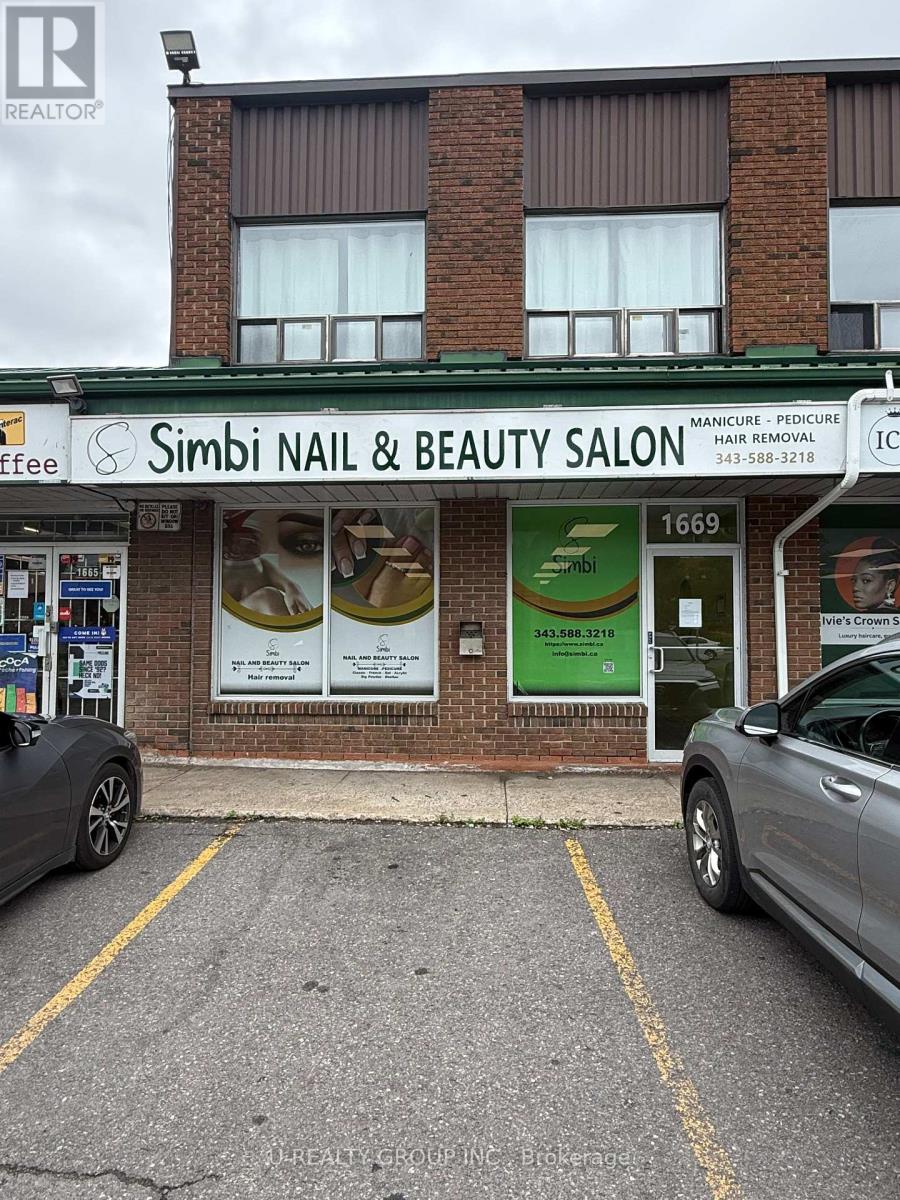
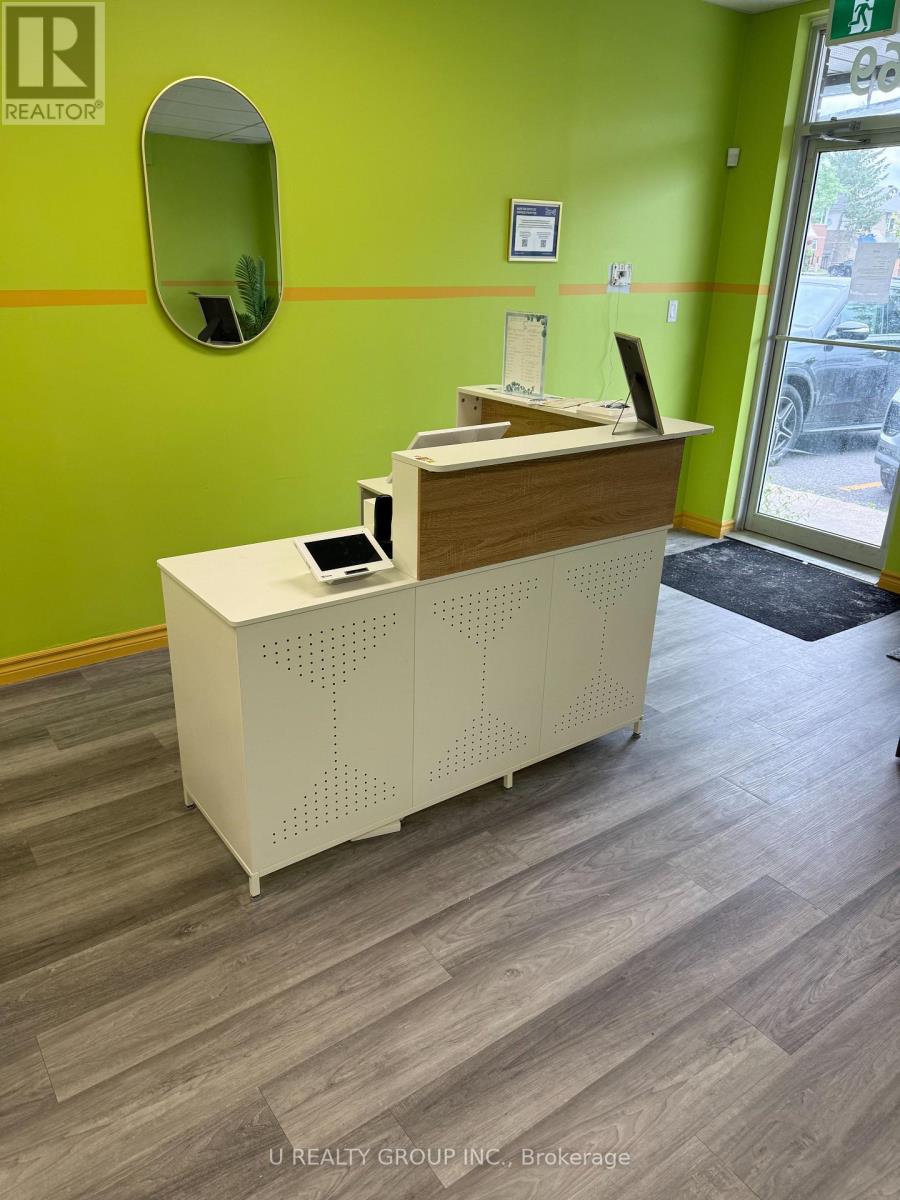
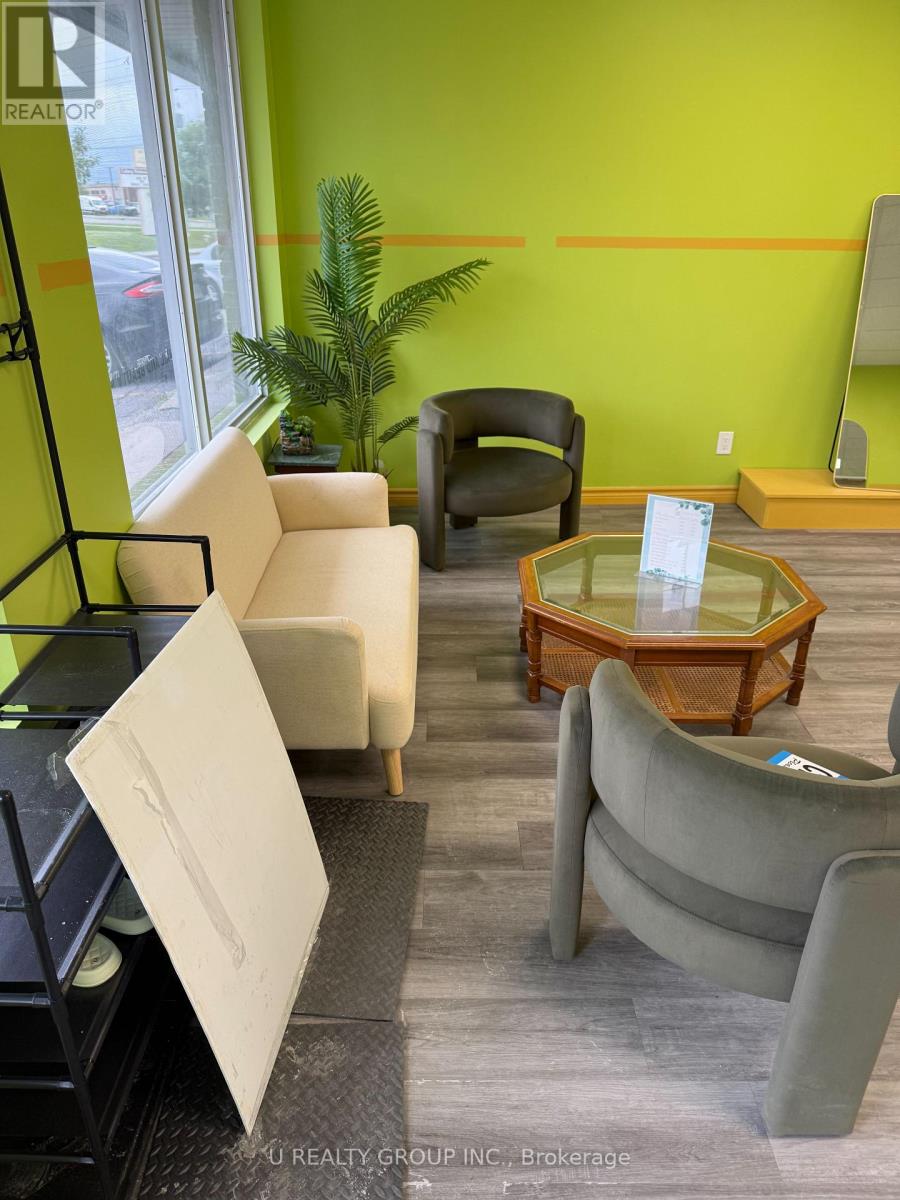
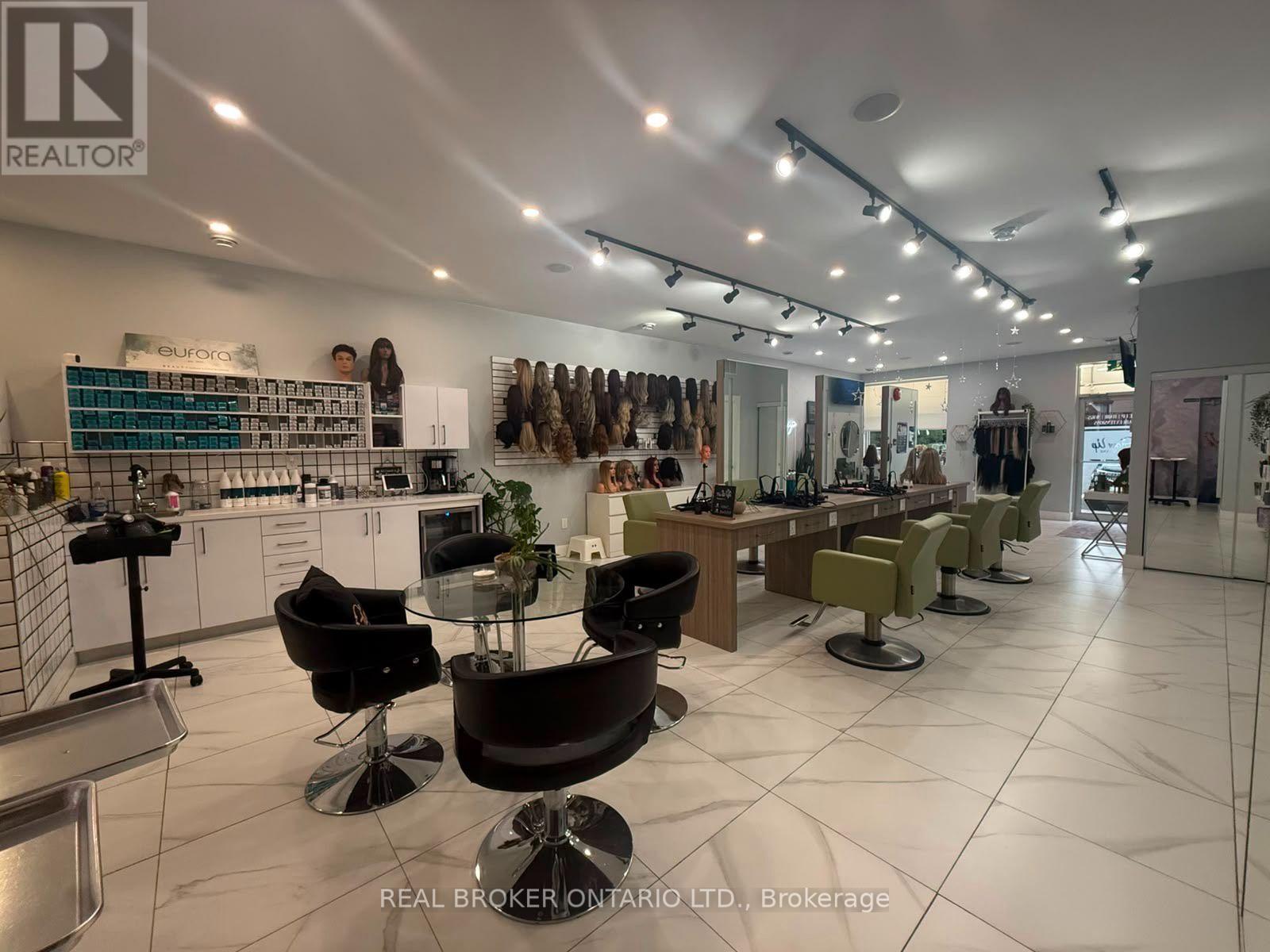
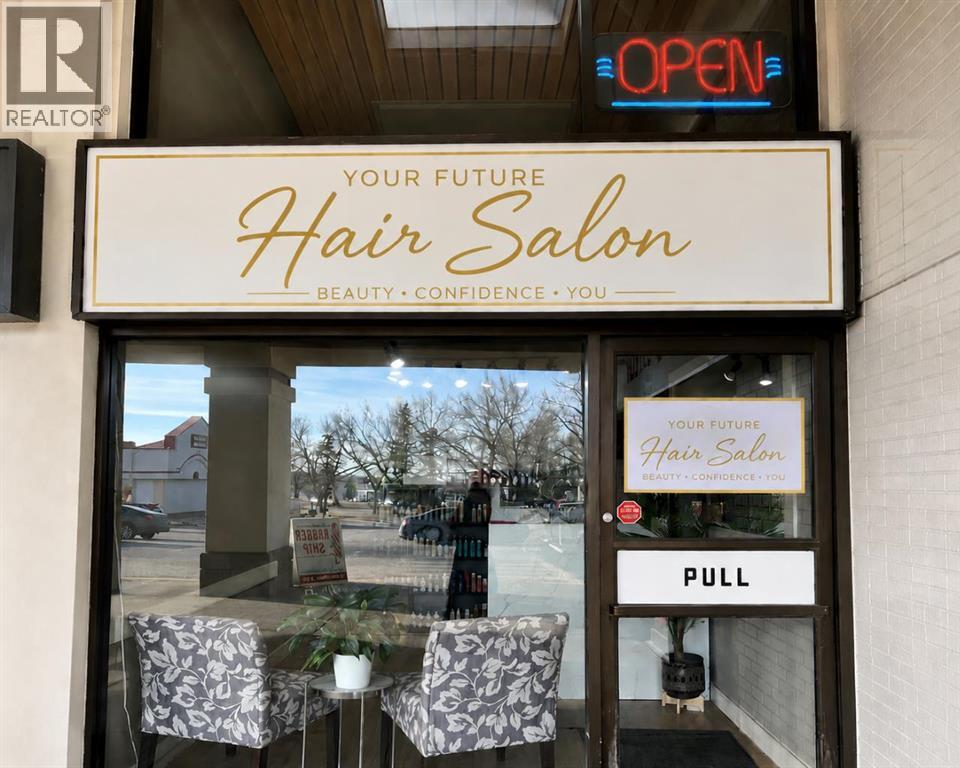
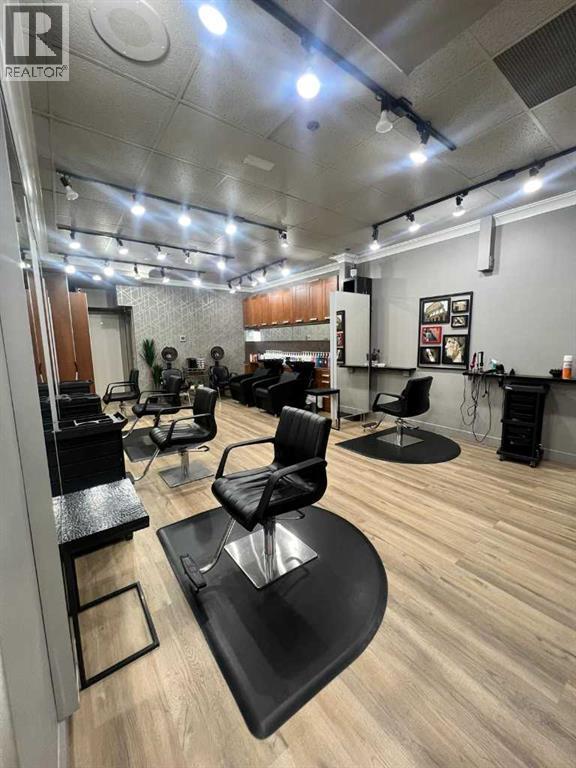
Hair Salons for Sale in Canada
Owning a salon provides the freedom to shape your business while maintaining a steady income in this resilient sector. For entrepreneurs ready to embark on salon ownership, FindBusinessesForSale.com is the best place to discover current hair salons for sale in Canada.
Showing 1 - 12 of 151 Results
Marketplace Statistics
The average asking price for Hair Salons : $119,439
The most viewed Hair Salons listings on FBF are linked below:
| Barber Shop for Sale | Barber Shop for Sale | Barber Shop for Sale |
| Barber Shop for Sale | Barber Shop for Sale | Barber Shop for Sale |
Why Buy a Well-Established Hair Salon for Sale in Canada?
Written by David Turner, M.A.
Current market trends show increasing demand for professional hair care services, while the relatively low competition level creates opportunities for newcomers to establish their presence.
Investing in a hair salon for sale can boost profitability by using an established brand and support, reducing the risks of starting a new business.
When you're considering a salon purchase, you'll find several attractive aspects that support your entrepreneurial goals:
- Growing industry with 44,388 businesses nationwide, expanding at a 3.1% CAGR (2019-2024).
- Strong revenue potential with the Canadian hair care market generating C$1.80bn annually.
- Multiple financing options are available through traditional banks and government-backed programs.
The industry's stability is further reinforced by the increasing consumer spending on personal care services and the rising demand for natural and organic treatments.
more
Pros and Cons of Buying a Hair Salon Business
Before making your decision to purchase hair salons for sale in Canada, weighing both advantages and disadvantages will help you make an informed choice.
| Pros | Cons |
| Steady revenue potential with the industry generating $5.9bn annually | Initial investment costs and ongoing equipment maintenance |
| Growing market with 44,388 businesses indicating strong demand | Staff management and retention challenges |
| Low competition levels with opportunity for market differentiation | Requires hands-on management and long operating hours |
Consider that while the $45.92 per capita spending on hair care products indicates strong consumer commitment, success will largely depend on your ability to maintain service quality and adapt to changing market trends.
Salon Consumer & Supplier Trends
The rising demand for natural and organic hair care products, coupled with a growing focus on eco-friendly services, presents opportunities for salon owners who align their offerings with these consumer preferences.
Additionally, the Beauty Council Cosmetology Association Western Canada offers ongoing education and resources, aiding salon owners and professionals in adapting to these trends by enhancing their service quality and business practices.
- The industry's supplier innovations are evolving to meet demand for natural and organic products, with new environmentally conscious product lines entering the market.
- Consumer spending patterns indicate a willingness to invest more in premium services, with per capita revenue reaching C$45.92.
- The expanding network of 44,388 businesses shows strong market potential, especially for salons offering specialized services.
The relatively low competition level in the industry creates favourable conditions for new entrants who can capitalize on current trends.
Key Steps & Information on Buying Hair Salons for sale and Spa Businesses in Canada
The process requires thorough due diligence, from analyzing financial statements to reviewing lease agreements and licensing requirements.
You'll want to assemble a professional team, including a business broker, lawyer, and accountant, to navigate the acquisition successfully.
Define Your Hair Salon Acquisition Criteria
Your criteria should encompass financial performance metrics, location demographics, and operational considerations to guarantee a successful investment.
| Criteria Category | Essential Factors | Target Metrics |
| Financial | Annual Revenue | $200K-500K |
| Location | Market Size | 50K+ population |
| Operations | Staff Experience | 3+ years avg. |
Engage a Business Broker, Lawyer, Accountant, and Lender
Working with experienced advisors will help you navigate complex aspects of the transaction, from business valuation to salon financing, while safeguarding your interests throughout the deal.
| Professional | Key Responsibilities |
| Business Broker | Sources listings, negotiates deals, handles paperwork |
| Business Lawyer | Reviews contracts, guarantees compliance, and protects legal interests |
| Accountant | Analyzes financials, conducts due diligence, advises on tax matters |
| Business Lender | Evaluates loan applications, structures financing options |
| Insurance Agent | Assesses risks, recommends coverage, and provides quotes |
You'll want to engage these professionals early in your search process, as their expertise can help you avoid costly mistakes and identify promising opportunities.
Conduct an Established Salon and Spa Competitor Analysis
Start by mapping out all competing salons within your target area, noting their service offerings, pricing strategies, and unique selling propositions.
Consider factors such as their marketing approaches, staff expertise, and customer retention strategies.
Document their strengths and weaknesses, looking for gaps in the market that your salon could potentially fill.
Remember that while competition levels are currently low, they're increasing, making it essential to establish a clear competitive advantage before entering the market.
Identify a Hair Salon Acquisition Target and Meet with the Seller
Begin by exploring business-for-sale listings on reputable platforms, networking with industry professionals, and connecting with business brokers who specialize in salon acquisitions.
When meeting with salon owners, prepare a thorough list of questions about their business operations, reasons for selling, and future growth potential.
Conduct "Pre-Offer" Due Diligence on your Hair Salon Acquisition Target
It's essential to involve qualified experts such as accountants and business analysts, who can offer a deeper insight into the financial health and operational aspects of the salon.
Analyze Historical Financial Statements
Financial analysis serves as the cornerstone of any successful salon acquisition. Before making an offer, you'll need to thoroughly examine at least three years of historical financial statements, focusing on revenue trends and key financial ratios.
Understanding these metrics will help you assess the salon's financial health and growth potential in Canada's expanding beauty industry.
| Financial Metric | What to Analyze |
| Revenue Growth | Year-over-year sales trends and seasonal patterns |
| Profit Margins | Gross and net profit percentages compared to industry standards |
| Operating Costs | Staff expenses, rent, and product inventory management |
| Cash Flow | Working capital requirements and operational liquidity |
When analyzing the statements, you'll want to pay particular attention to the salon's revenue composition between services and retail products.
Look for consistent growth patterns and identify any unusual fluctuations that might require explanation.
You should also examine the cost structure, particularly labour costs, which typically account for 40%–50% of a salon's expenses. Cross-reference financial statements with tax returns and point-of-sale data to verify accuracy.
Consider hiring a qualified accountant who understands the salon industry to assist with this critical analysis.
Review the Hair Salon Premises Lease
You'll want to carefully examine the lease terms, including the remaining duration, renewal options, and any rent escalation clauses that could affect your future operating costs.
It's important to verify whether you'll need landlord approval for the business transfer and if there are any conditions attached to the assignment of the lease.
Additionally, examine any exclusivity clauses that prevent competing businesses from operating within the same property.
Consider engaging a real estate lawyer to review the lease terms and negotiate any necessary modifications before proceeding with the purchase.
They can help identify potential issues such as unfavourable termination clauses, excessive common area maintenance charges, or problematic co-tenancy provisions that could affect your salon's long-term viability and profitability.
Inspect a Detailed Asset List
Understanding the condition, age, and maintenance history of each piece of equipment will greatly impact your negotiating position.
|
Asset Category |
What to Inspect | Impact on Value |
| Styling Stations | Chairs, mirrors, storage | High-traffic core assets |
| Treatment Equipment | Dryers, washing stations | Essential daily operations |
| Tech Systems | POS, booking software | Revenue management |
| Inventory | Products, supplies | Working capital |
Pay particular attention to high-value items like salon chairs, washing stations, and styling tools, as these directly affect service quality and operational efficiency.
Budget for Acquisition and Post-Completion Costs
When evaluating financing options, you'll need to consider not just the purchase price but also operational expenses for the first few months.
This all-encompassing approach guarantees you'll have sufficient working capital to maintain and potentially grow the business during the critical change period.
Reflect on these essential cost components when planning your budget:
- Initial acquisition costs: 20-30% down payment, legal fees, business valuation, and transfer fees.
- Renovation costs: Updating equipment, interior improvements, and potential rebranding expenses.
- Working capital: 3-6 months of operating expenses, including staff wages, supplies, and marketing.
While exploring financing options, consider traditional bank loans, government-backed programs, or seller financing to structure a deal that aligns with your financial capacity and business goals.
Obtain a Hair Salon Business Valuation
Professional valuators typically employ a three-pronged approach to determine fair market value, guaranteeing you'll make an informed investment decision.
The primary valuation method revolves around financial metrics, specifically calculating multiples of EBITDA (earnings before interest, taxes, depreciation & amortization) or SDE (seller discretionary earnings).
For salons, these multiples typically range from two to three times earnings, depending on various factors such as location, goodwill, and market conditions.
To validate these figures, valuators will assess the salon's tangible and intangible assets, including equipment, client lists, and brand reputation.
They'll also analyze recent sales of comparable hair salons for sale in the Canadian market to confirm the valuation aligns with current industry trends.
Submit a Conditional Offer to Purchase or a Letter of Intent (LOI) Agreement
Your offer should address critical operational elements, including the transfer of existing licenses and permits specific to the hair salon for sale industry, which can greatly impact the changeover timeline.
Additionally, you'll want to outline an extensive training and transition plan with the current owner, ensuring you'll gain the necessary operational knowledge and maintain existing client relationships during the ownership change.
Asset Sale vs. Share Sale Considerations
This decision greatly impacts your tax implications, liability exposure, and overall business transition strategy.
In an asset sale, you'll purchase specific assets of the salon, while a share sale involves buying the corporation's shares directly from the existing owner.
| Aspect | Asset Sale | Share Sale |
| Tax Impact | Generally favorable for buyer | Usually preferred by seller |
| Liability | Limited to purchased assets | Assumes all corporate liabilities |
| Complexity | Less complex transfer | More complex documentation |
| Employee Relations | New agreements needed | Existing contracts continue |
| Flexibility | Select specific assets | Must take entire corporation |
Asset sales typically offer more flexibility and protection, as you're not inheriting unknown liabilities. However, share sales can be advantageous if you want to maintain existing contracts, licenses, and relationships.
Your accountant and lawyer should review both options thoroughly, considering your specific situation, including the salon's current financial health, existing contracts, and potential risks.
Request Some Partial Seller Financing for your Profitable Salon Acquisition
Through strategic seller negotiation strategies, you'll often find that owners who are retiring or shifting to other ventures may be willing to finance 15–20% of the purchase price, particularly when they're confident in the salon's future success and your ability to maintain its reputation.
During negotiations, emphasize your industry experience and commitment to preserving the salon's client base, as sellers are more likely to offer financing when they believe their legacy will be protected.
Remember to include reasonable terms in your proposal, such as a 3-5 year repayment period with competitive market interest rates, and consider offering additional security beyond the business assets to strengthen your position.
Review of the Hair Salons' Operating Licenses & Permits
Operating a salon in Canada requires compliance with multiple regulatory frameworks at the federal, provincial, and municipal levels.
You'll want to thoroughly examine the current owner's documentation and verify their standing with relevant authorities, as non-compliance could result in significant penalties or business disruption.
Essential licenses and permits to review:
- Professional hairstylist licenses for all employees.
- Municipal business operating permit.
- Health department certification for sanitation standards.
The transfer process for these permits varies by jurisdiction, and some may require you to apply for new permits rather than transferring existing ones.
Prepare a Seller Training & Transition Plan
Consider requesting thorough training on client relationship management, staff supervision, inventory control, and established business processes.
Additionally, establish a clear training timeline that allows sufficient time to learn the intricacies of running the salon while maintaining service quality and staff morale.
The transition plan should detail how you'll be introduced to key stakeholders, including regular clients, suppliers, and employees.
It's crucial to negotiate adequate support from the seller post-closing, particularly for addressing unexpected challenges that may arise.
Create a Business Plan for Financing your Boutique Hair Salon Acquisition
Professional investors and lenders will expect a thorough business plan before considering financing your salon acquisition.
When exploring financing options, you'll need to show how you'll capitalize on the growing demand for both traditional and natural hair care services.
A well-structured business plan for your salon acquisition should address:
- Market potential analysis, including local competition assessment, demographic studies, and projected revenue.
- Detailed financial projections incorporating current revenue streams, expansion opportunities, and cost optimization strategies.
- Operational framework outlining staffing plans, service offerings, and marketing initiatives to capture market share.
Remember to include specific details about your intended financing structure, whether through traditional lending, private investors, or a combination of funding sources.
Close the Deal!
It’s essential to verify that existing staff contracts, lease agreements, and vendor relationships will shift smoothly to your ownership.
You should also review any non-compete clauses and customer databases that'll transfer with the sale.
Once you've confirmed these elements, work with your attorney to draft the final purchase agreement, including terms for equipment, inventory, and intellectual property.
Final Thoughts
Like a well-crafted hairstyle, your journey to salon ownership requires careful attention to detail and strategic planning. You are entering a robust industry that has endured economic challenges and is still thriving.
By following these guidelines for purchasing hair salons for sale in Canada, you'll be positioned to navigate the complexities of business acquisition while capitalizing on the industry's steady growth and diverse revenue streams.
The path to salon ownership awaits your decisive action!
Government Regulations for Hair Salons in Canada
You'll need to navigate federal, provincial, and municipal requirements, which include health regulations, licensing requirements, and workplace safety standards.
As a salon owner, you're responsible for maintaining proper sanitation protocols and making certain your staff meets professional certification standards.
| Regulatory Level | Requirements | Compliance Focus |
| Federal | GST/HST Registration | Tax Collection |
| Provincial | Professional Licensing | Stylist Certification |
| Municipal | Business Permit | Local Operations |
| Health Department | Sanitation Standards | Safety Protocols |
| Workplace Safety | WHMIS Compliance | Employee Protection |
Q: What is the average employee turnover rate in Canadian hair salons for sale?
A: While specific turnover rates aren't provided in the data, you'll find that employee satisfaction greatly impacts turnover in Canadian salons.
Common turnover causes include commission structures, work schedules, and professional growth opportunities.
Q: How can I find hair salons for sale in Ontario?
A: To find hair salons for sale in Ontario, you can search online platforms like FindBusinessesForSale.com and business-for-sale websites. Look for listings in specific areas, such as Mississauga, Burlington, or the KW Cambridge area.
You can also network with real estate agents specializing in commercial properties or contact a business broker who deals with beauty salon businesses. Don't overlook the possibility of finding a spa in Ontario that includes hair salon services.
Q: What's the advantage of buying a long-time hair salon versus starting a new one?
A: Purchasing a long-time hair salon for sale offers several advantages over starting a new one. An established salon usually comes with a loyal client base, trained staff, and proven business processes. It's often a turnkey business, meaning you can start operating immediately.
Long-standing businesses have built a reputation and visibility in the community, which can be challenging for new salons to achieve. Additionally, you'll have access to historical financial data to help with future planning.
Q: How much does it typically cost to buy a hair salon in Canada?
A: The cost of buying a hair salon in Canada can vary widely depending on factors such as location, size, and profitability. Prices can range from around $50,000 for a small, basic salon to over $500,000 for a large, well-established business in a prime location.
For example, a spacious salon of about 1000 sq ft in a busy plaza might cost between $100,000 and $300,000.
Q: What should I look for in a salon's location when considering a purchase?
A: When evaluating a salon's location, look for high visibility and easy accessibility. A salon in a bustling area or busy plaza is ideal.
Consider factors like foot traffic, nearby complementary businesses, and ample parking for clients. Check if the salon is in a growing neighbourhood or an area with a stable population.
Q: Are there opportunities to buy combined hair salon and spa businesses in Canada?
A: Yes, there are opportunities to acquire combined hair salon and spa businesses in Canada. These businesses offer a wider range of services, including hair care, massage, and other beauty treatments. Look for listings that mention "salon and spa for sale" or "beauty Centre."
You can find these combination businesses for sale near me in various locations, ranging from a spa in Ontario to a Stone Canada massage and hair salon.
Q: What are the most profitable additional services to add to a hair salon in Toronto, Ontario?
A: You'll maximize profits by adding upscale services like high-end colour treatments, keratin smoothing, and bridal packages. Don't forget nail services and facials; they'll boost customer loyalty and create multiple revenue streams.
Q: What should I consider when looking for a hair salon for sale in Canada?
A: When searching for a hair salon for sale, consider factors such as location (e.g., busy plaza, high foot traffic areas), size (typically 1000 sq ft or more), equipment (fully equipped salons are ideal), and existing clientele. Look for well-established hair salons with a strong reputation and visibility in the community.
Also, check if there's ample parking and if the salon is in a bustling area to ensure a steady flow of customers.
Q: Are there opportunities to buy a combined hair salon and spa in Ontario?
A: Yes, there are opportunities to seize a business that offers both hair salon and spa services in Ontario. These establishments often provide a wider range of beauty services beyond hair stylist services, massage, and beauty treatments.
Look for listings that mention "hair salon and spa" or "full-service beauty salon" to find these comprehensive businesses.
Q: What should I know about buying a salon that offers specialized services like hair braiding or extensions?
A: When considering a salon that offers specialized services like hair braiding or extensions, or barber salon services, pay attention to the existing client base and the demand for these services in the area. Evaluate the skills of the current staff and whether they'll stay after the purchase.
Furthermore, consider the equipment and supplies needed for these specialized services. It could be a rare opportunity and potentially lucrative if there's high demand and limited competition.