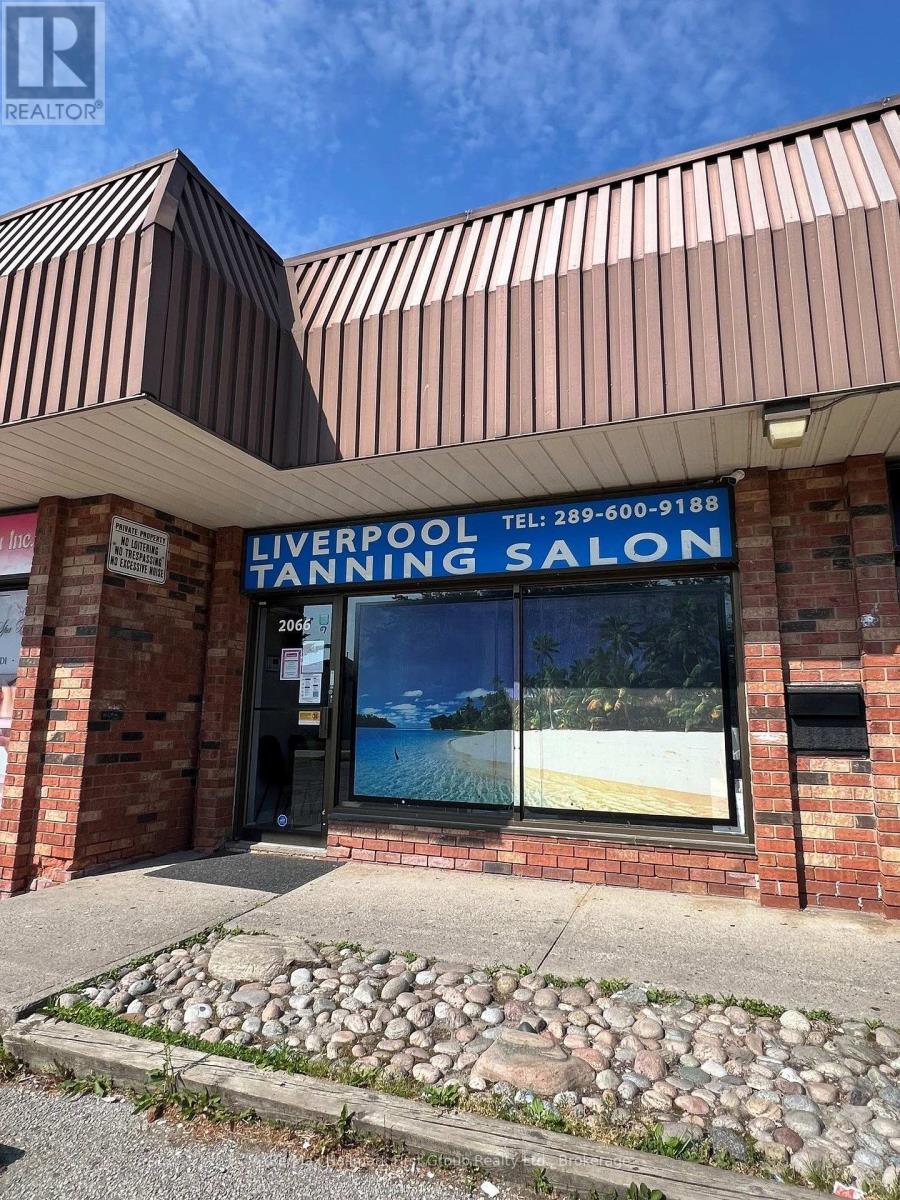
Tanning Salon Businesses for Sale in Canada
Canadian market trends show industry consolidation toward multi-service wellness centers, with consumer preferences shifting to spray tanning and red-light therapy. Tanning salon business for sale ventures benefit from predictable seasonal patterns and technology integration opportunities. Owning a tanning salon business for sale transforms your entrepreneurial vision into a profitable reality within Canada's evolving wellness industry. Discover exceptional opportunities at findbusinessesforsale.com.
Showing 1 - 12 of 17 Results
Marketplace Statistics
The average asking price for Tanning Salons : $185,217
The most viewed Tanning Salons listings on FBF are linked below:
| Tanning Salon for Sale | Tanning Salon for Sale | Tanning Salon for Sale |
| Tanning Salon for Sale | Tanning Salon for Sale | Tanning Salon for Sale |
Why Buy a Tanning Salon Business for Sale in Canada?
You'll benefit from proven revenue streams while maneuvering industry challenges like seasonal fluctuations and regulatory compliance requirements. The current market presents opportunities for growth through service diversification beyond traditional UV tanning, technology integration, and multi-service wellness center models.
Pros and Cons of Buying a Tanning Salon in Canada
When considering the acquisition of a tanning salon in Canada, you'll need to thoroughly assess the various advantages and drawbacks that impact your investment decision. The profitability potential must be weighed against operational challenges such as equipment maintenance and customer retention strategies.
|
Factor |
Advantages |
Disadvantages |
|
Financial |
Steady cash flow |
High initial investment |
|
Operations in a turnkey business model can lead to increased efficiency and profitability. |
Established procedures |
Equipment maintenance costs |
|
Market |
Loyal customer base |
Seasonal demand fluctuations |
|
Regulations |
Clear industry standards |
Strict health compliance requirements |
|
Growth |
Customer retention opportunities |
Market saturation in urban centers |

Tanning Salon Industry Consumer & Supplier Trends
As the Canadian tanning salon industry evolves, understanding current consumer behaviors and supplier innovations becomes essential for optimizing your business strategy and market positioning.
Recent industry consolidation trends indicate a shift toward multi-service wellness centers, requiring you to diversify offerings beyond traditional tanning services.
-
Consumer preference shifts now favor spray tanning and red light therapy, indicating reduced interest in conventional UV tanning due to health concerns.
-
Technology integration through mobile booking platforms and membership management software drives operational efficiency.
-
Eco-conscious product lines from suppliers are emerging as significant differentiators, allowing you to capture environmentally conscious market segments.
Purchasing an established tanning salon offers the advantage of inheriting proven cash flow, which is critical considering that 82% of new businesses fail due to cash flow mismanagement.
Key Steps in Buying a Tanning Salon Business for Sale in Canada
Purchasing an established tanning salon business in Canada requires a systematic approach that combines financial due diligence with Industry-specific evaluation criteria that should include factors relevant to well-established spas and studios, particularly those offering full-service tanning.
-
Begin your acquisition process by conducting thorough due diligence, examining the salon's financial statements, customer retention rates, equipment depreciation schedules, and liability exposures.
-
Next, evaluate existing marketing strategies against industry benchmarks, identifying opportunities for enhanced digital presence and loyalty program optimization.
-
Finally, negotiate purchase terms that protect your interests through well-structured asset purchase agreements, non-compete clauses, and shift management arrangements that maintain operational continuity during ownership transfer.
Assemble a team of qualified experts to ensure your turnkey operation allows for seamless integration into the market. Qualified experts in the tanning and lash industry are essential for success, including accountants, lawyers, and industry specialists to help identify potential risks and ensure maximum return on your tanning salon investment.
Define your Tanning Salon Business Acquisition Criteria
Before establishing a serious commitment to acquire a tanning salon business, you'll need to develop detailed acquisition criteria that align with your financial capabilities, operational expertise, and long-term business objectives.
Establish parameters for key tanning salon assets, including equipment condition, brand positioning, and location demographics.
|
Criteria Category |
Essential Considerations |
|
Financial Metrics |
Revenue stability, EBITDA margins, and ROI potential |
|
Market Position |
Competitive advantage, profitable customer segments |
|
Operational Status |
Equipment condition, lease terms, staff retention |
Define your maximum investment threshold, required cash flow, and acceptable debt service coverage ratio. Your acquisition criteria will serve as your strategic framework, enabling objective evaluation of opportunities while preventing emotional decision-making that could compromise your business success.
Engage a Business Broker, Accountant, Lawyer & Lender in Canada
Assembling a qualified professional team represents the critical next phase in your tanning salon acquisition journey, requiring strategic selection of four key advisors who'll navigate Canada's specific business landscape.
Engage experienced advisors with established credentials in small business acquisitions, particularly those with direct exposure to the personal services sector, as they'll provide pivotal market intelligence and valuation guidance.
-
Business brokers specializing in tanning salons can access off-market opportunities, facilitate negotiations, and structure deals aligned with industry standards.
-
Legal counsel must review legal documents, examine lease agreements, and verify compliance with provincial tanning regulations in British Columbia.
-
Financial advisors should evaluate cash flow reliability, tax implications, and financing options available through Canadian lenders.
Conduct a Tanning Salon Competitor Analysis in Canada
A thorough competitor analysis forms the foundation of your tanning salon acquisition strategy, providing essential intelligence about market saturation, service differentiation, and competitive positioning within your target Canadian market.
Document competitors' pricing structures, equipment quality, and loyalty programs to formulate competitive positioning strategies that will differentiate your business post-acquisition.
You'll need to analyze market share distribution, customer demographics, and Service portfolios should be diversified to include massage and beauty salon services, enhancing the overall appeal of the tanning business. of existing establishments to determine whether your target location can sustain additional competition or if acquisition represents an ideal market entry.
Identify a Tanning Salon Acquisition Target and Meet with the Seller
When you've identified promising candidates through extensive market research and competitive analysis, initiate contact through appropriate channels, such as business brokers or direct outreach.
During seller meetings, conduct thorough due diligence, scrutinizing financial statements, equipment condition, lease terms, and customer retention metrics.
Prepare a detailed list of questions addressing operational challenges, competitive pressures, and growth limitations. Maintain professional discretion throughout negotiations, utilizing non-disclosure agreements to protect confidential information.
Conduct "Pre-Offer" Due Diligence on Your Tanning Salon Acquisition Target
Before submitting an offer on your prospective tanning salon in Toronto, you'll need to thoroughly examine historical performance data. financial statements, detailed asset lists, and all operating licenses to verify business viability and regulatory compliance.
Your pre-offer due diligence should include preliminary discussions about vendor financing possibilities, which can greatly reduce your initial capital requirements and demonstrate the seller's confidence in the business's continued success.
Additionally, prepare an all-encompassing budget that accounts for both acquisition costs and post-completion expenditures, including potential renovations, equipment upgrades, and working capital requirements during the ownership shift period.
Analyze Historical Financial Statements
Three critical financial documents should form the foundation of your due diligence when evaluating a tanning salon acquisition target: the income statement, balance sheet, and cash flow statement.
You'll need to analyze profitability trends over multiple years to identify seasonal patterns and long-term growth trajectories within the Canadian tanning market.
|
Financial Analysis |
Key Considerations |
Impact Assessment |
|
Revenue Streams |
Service vs. Product Mix |
Sustainability of Income |
|
Operating Expenses |
Fixed vs. Variable Costs |
Cost Reduction Opportunities |
|
Capital Structure in Ontario's real estate market is crucial for understanding investment potential in tanning and lash properties. |
Debt-to-Equity Ratio |
Financial Flexibility |
When you assess cash flow projections, guarantee they're realistic against historical performance, accounting for market fluctuations and regulatory changes affecting Canadian tanning businesses.
Review a Detained Asset List
To mitigate asset risk, conduct a thorough inventory verification, noting equipment condition, age, and maintenance records, which helps identify hidden liabilities before finalizing your purchase agreement.
|
Asset Category |
Due Diligence Focus |
|
Tanning Beds |
Operational hours, warranty status |
|
Property Fixtures |
Ownership status, leasehold improvements |
|
Technology Systems |
Software licenses, POS system condition |
|
Maintenance Equipment is vital for ensuring the longevity of your well-established spa facilities. |
Service contracts, replacement schedules |
Document all findings methodically, potentially engaging specialized equipment appraisers to validate high-value items, thereby establishing accurate valuation parameters for negotiation leverage.
Review the Tanning Salon Operating Licenses & Permits
Tanning salon licensing requirements vary across Canadian jurisdictions, with specific regulations addressing UV equipment standards, operator training, and age restrictions.
Your acquisition strategy must incorporate tanning salon permit considerations, including renewal schedules, compliance history, and outstanding violations that could impede business continuity or necessitate capital expenditures.
Request Some Partial Vendor Financing
Securing partial vendor financing represents a strategic advantage in tanning salon acquisitions, potentially reducing your initial capital requirements while demonstrating the seller's confidence in the business's continued viability.
When negotiating vendor financing terms, propose a structured repayment schedule aligned with projected cash flows, typically requesting 15-30% seller financing with competitive interest rates.
Your financing negotiations should address collateral requirements, default provisions, and prepayment options, creating a win-win arrangement that protects both parties' interests in a retail setting.
Request financial statements and performance metrics to validate the business's capacity to service any seller-financed debt, ensuring your post-acquisition operations can comfortably manage repayment obligations without constraining working capital.
Budget for Acquisition and Post-Completion Costs
Your acquisition budget must include all-inclusive financial projections. This plan should address both immediate and long-term goals to ensure the spa can thrive in a competitive market. transaction costs and long-term operational requirements to guarantee sustainable profitability.
-
Allocate 5-10% above purchase price for essential post-completion costs, including equipment upgrades, regulatory compliance, and staff retention incentives.
-
Establish a contingency reserve of 15% to address unforeseen expenses during changeover, preventing cash flow constraints in your full-service tanning and lash business.
-
Develop a 24-month capital expenditure plan detailing anticipated investments in technology, marketing infrastructure, and facility improvements.
Prepare a Conditional Offer to Purchase or Letter of Intent (LOI) Agreement
When structuring your conditional offer for a tanning salon acquisition, you'll need to determine whether to pursue an asset sale or a share purchase transaction, which can be beneficial when acquiring a long-standing tanning salon, each carrying distinct tax implications and liability considerations.
-
In an asset sale, you're purchasing specific business components such as equipment, customer lists, and goodwill, which typically limits your exposure to unknown liabilities but may result in higher immediate taxation for the seller.
-
Share purchases, conversely, involve acquiring the corporation's stock, potentially offering tax advantages through capital gains treatment while requiring more extensive due diligence as you'll assume all corporate liabilities, both disclosed and undisclosed.
Asset vs. Share Sale Considerations
Determining the most advantageous acquisition structure represents a critical decision point when preparing your Letter of Intent (LOI) for a tanning salon business, as the choice between an asset purchase or share purchase will greatly impact tax implications, liability exposure, and post-acquisition operations.
|
Factor |
Asset Purchase Considerations |
Share Purchase Considerations should include the potential for growth in the beauty salon sector alongside tanning services. |
|
Liability |
Limited to specified assets |
Assumption of all liabilities in a business asset sale can significantly impact the acquisition of a long-standing tanning salon. |
|
Taxation |
Higher capital cost allowance |
Potential for tax attributes |
|
Complexity |
Simpler transaction structure |
More complex due diligence |
|
Control |
Select only desired assets |
Acquire the entire corporate entity |
Your acquisition structure must align with your long-term business objectives while mitigating risk exposure. The asset purchase model offers greater protection against undisclosed liabilities, whereas share purchases maintain existing contracts without assignment requirements.
Create a Detailed Business Plan for Financing Your Tanning Salon Acquisition
Every successful tanning salon acquisition begins with an extensive business plan that serves as your financial roadmap, communicating your vision to potential lenders and investors while establishing clear benchmarks for future performance.
Your plan must detail capital investment requirements, including purchase price, renovation costs, and equipment upgrades, alongside thorough operating cost projections for staffing, supplies, utilities, and marketing expenses.
Develop three-year financial forecasts with month-by-month cash flow analyses, demonstrating your understanding of seasonal fluctuations in the tanning industry. You'll need to articulate your competitive advantage, target market analysis, and management structure to substantiate your revenue projections and secure necessary financing.
Obtain Financing
To obtain requisite capital, you'll need to approach various funding sources with your exhaustive documentation, demonstrating the salon's profit potential and your management capabilities are essential for leading a successful spa or studio in today's market.
-
Approach traditional banks and credit unions that specialize in small business acquisitions, presenting your business plan to secure suitable loan terms with competitive interest rates.
-
Explore the Canada Small Business Financing Program (CSBFP), which offers government-backed loans specifically designed for small business purchases.
-
Consider alternative financing options, including private investors, seller financing arrangements, or business acquisition brokers who connect buyers with specialized lenders.
Close the Deal!
After securing your financing, the acquisition process advances to the critical phase of closing the deal, which requires meticulous attention to legal, financial, and operational details.
-
Engage legal counsel to draft purchase agreements that explicitly address asset transfers, liabilities, and operational continuity during ownership shift.
-
Managing client expectations throughout closing negotiations remains paramount; establish transparent communication regarding membership transfers, service commitments, and facility modifications.
-
Conduct a thorough pre-closing inspection to verify equipment functionality, inventory levels, and facility conditions against contractual stipulations.
Upon settlement, execute immediate operational control by implementing your changeover strategy, updating legal registrations, and notifying vendors of the ownership change.
Final Thoughts
The acquisition of a tanning salon business represents merely the beginning of your entrepreneurial journey in Canada's competitive wellness industry, particularly in the north end's high-end tanning sector, not the culmination of your efforts.
To maximize your investment, establish a profitable exit plan from day one, considering potential market valuation increases and strategic timing for divestiture in profitable tanning ventures.
Stay informed about ongoing industry trends, particularly regarding technological advancements and evolving consumer preferences, as these factors will substantially impact your operational strategies and long-term viability.
Remain adaptable, implementing strategies that align with the evolving demands of the beauty salon and tanning industries. data-driven decisions that align with market demands while maintaining regulatory compliance.
Your success depends on continuous improvement, strategic positioning, and unwavering commitment to operational excellence within this dynamic sector.
Tanning Salon Industry Information Resources
Staying informed through reliable, industry-specific resources constitutes a critical success factor for tanning salon entrepreneurs who wish to maintain competitive positioning in Canada's evolving wellness market.
Access to all-inclusive industry reports, updated regulatory frameworks, and consumer preferences data enables strategic decision-making that differentiates your business from competitors.
-
Subscribe to Canadian Tanning Association newsletters and publications, which provide quarterly industry reports and compliance updates.
-
Utilize Statistics Canada's business pattern analyses to track market saturation and consumer spending patterns.
-
Implement customer feedback systems to monitor shifting consumer preferences regarding UV and spray tanning services.
These resources facilitate evidence-based operational adjustments, ensuring your tanning salon remains aligned with market developments and regulatory requirements.
Government Regulations for Tanning Salon Businesses in Canada
Canadian tanning salon operators must comply with stringent federal and provincial regulatory frameworks that govern all aspects of business operations, from equipment standards to age restrictions.
When acquiring a tanning business, you'll need to understand the market dynamics in Mississauga and the surrounding areas. municipal zoning regulations that dictate permissible business locations and health department guidelines that specify operational protocols.
Key compliance requirements include:
-
Maintaining detailed documentation of equipment maintenance and client exposure times.
-
Implementing age verification systems to enforce provincial restrictions on minor usage.
-
Securing appropriate liability insurance coverage, which often exceeds standard commercial policy limits.
These regulations, while extensive, establish credibility for your salon in a competitive marketplace.
Frequently Asked Questions:
Q: How long does it typically take to see a return on investment?
A: You'll typically see your investment in a tanning salon returned in 2-3 years, based on average payback period calculations. Your cash flow projections should show monthly improvement, giving you financial freedom faster than expected. This is especially true for well-established tanning salons that offer a profitable business model in regions like Ontario and British Columbia.
Q: What insurance coverage is specifically required for tanning salon businesses?
A: Just when you think you're covered, think again. You'll need extensive liability insurance coverage to protect against customer claims and workers' compensation insurance for your employees. This is crucial for business owners in the tanning and spa industry, ensuring your asset is safeguarded and that you can thrive without limitations.
Q: How do seasonal fluctuations affect tanning salon revenue in Canada?
A: You'll face significant winter revenue spikes and summer dips as your target demographic seeks indoor tanning during colder months. Smart business owners adapt with seasonal pricing and diversify services, such as introducing spray tan options, to overcome these economic factors and maintain a steady cash flow.
Q: What are the most common reasons tanning salon businesses fail?
A: Common reasons include poor location selection, inadequate marketing strategies, and failure to adapt to customer preferences. A well-established tanning salon that doesn't embrace the latest trends, such as high-end tanning beds or additional services like massage and lash treatments, can struggle to remain profitable in a competitive retail space.
It's essential for business owners to continuously evaluate their offerings and market conditions to avoid being part of the unfortunate statistics.
A: Your business burns out like a cheap bulb when you don't maintain quality equipment. You'll face high operating costs while revenues dry up if you're not managing expenses carefully and strategically in Ontario's high-end tanning market.
Q: How difficult is it to hire and train qualified tanning salon staff?
A: You'll face employee training challenges with health regulations and equipment usage in a well-established spa environment. Staff retention issues arise from low wages and seasonal demand. Establish clear protocols and incentives to keep your qualified team together.